Raising grateful children can feel challenging in a world filled with advertisements, social media, and constant messages about buying the next new thing. Kids today are exposed to more products, entertainment, and online influence than any generation before them. Because of that environment, excitement about what they want can sometimes overshadow appreciation for what they already have. Many parents notice this when children focus quickly on the next toy, game, or trend they’ve seen online. The constant visibility of new products can make it harder for kids to recognize the value of what they already own.
Gratitude doesn’t usually appear automatically in children. It’s a skill that develops through consistent guidance, modeling, and everyday experiences. When you intentionally create opportunities for kids to notice kindness, effort, and generosity around them, they begin to understand that appreciation is an important part of a healthy mindset.
Model Gratitude in Everyday Life
Children often learn more from what adults do than from what adults say. When kids regularly hear you express appreciation for simple things, such as a helpful coworker or a kind neighbor, they begin to recognize gratitude as a normal response to everyday situations. Your behavior quietly sets the tone for how they interpret the world around them. When gratitude is expressed naturally, children begin to see it as part of normal conversation rather than a forced lesson.
You can also point out moments of gratitude in daily routines. For example, you might mention how thankful you are for a meal someone prepared or for a teacher who supports your child’s learning. These small comments show kids that appreciation isn’t limited to big events or expensive gifts. When you highlight these moments regularly, children start noticing them on their own.
Consistency plays an important role in this process. When children repeatedly see gratitude practiced in real life, it gradually becomes part of their own behavior. Over time, they start expressing appreciation more naturally in conversations and interactions. Habits form through repetition, and gratitude is no exception. When appreciation becomes a normal part of daily life, children are less likely to see it as something that only happens during special occasions. Instead, it becomes a regular part of how they communicate with others.
Help Kids Notice What They Already Have
Gratitude often grows when children slow down and recognize the positive parts of their lives. You can help them develop that awareness by asking thoughtful questions about their day. Simple prompts, such as asking what made them smile or what they enjoyed at school, encourage reflection. These questions help children think more deeply about their experiences.
Some families find it helpful to create small routines focused on appreciation. For instance, sharing one thing you’re grateful for during dinner can encourage children to notice positive experiences throughout the day. These conversations help kids understand that gratitude is something they can practice regularly. Over time, these simple routines create a consistent space for reflection.
It’s also helpful to highlight the effort behind everyday experiences. When you talk about the work that goes into preparing meals, teaching classes, or maintaining community spaces, children begin to realize that many people contribute to their comfort and opportunities. Recognizing that effort naturally encourages appreciation.
Encourage Giving and Kindness
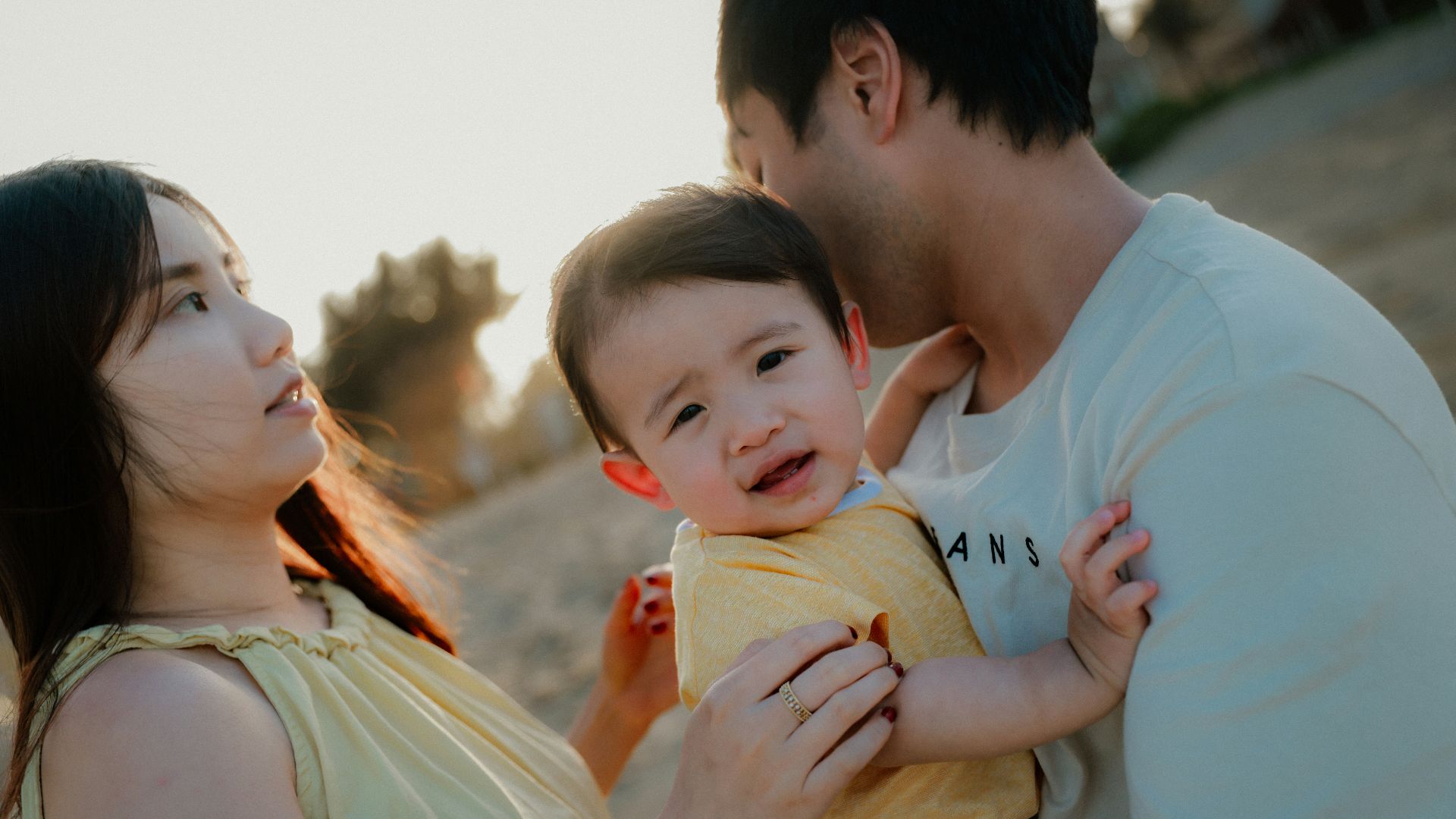 Hoi An and Da Nang Photographer on Unsplash
Acts of generosity help children experience gratitude in a more active way. When kids participate in helping others, they often gain perspective about different life experiences. Even small acts of kindness can make a meaningful impact.
You might encourage your child to donate gently used toys, write thank-you notes, or help prepare items for a community donation drive. These activities show them that their actions can positively affect someone else. Experiencing that impact often strengthens their sense of appreciation. Children may begin to see their belongings differently once they realize they can help others.
Volunteering as a family can also provide valuable lessons. Many communities offer opportunities such as food bank programs, neighborhood cleanups, or charity events that welcome young volunteers. When children see real examples of cooperation and generosity, they often develop a deeper understanding of gratitude and responsibility.
Teaching gratitude to children takes patience, consistency, and a willingness to model the values you hope they develop. When kids see appreciation practiced in everyday life, they begin to understand that happiness isn’t always tied to getting more things. Instead, they learn to recognize kindness, effort, and opportunity around them, which can shape a more thoughtful and balanced outlook as they grow. As this mindset develops, children often become more considerate and aware of others’ needs. Gratitude also helps build resilience because it encourages kids to focus on positive aspects of their lives. In a world full of wants, guiding children toward appreciation may be one of the most meaningful lessons you can offer.