
Parental Rivalry
Parenting already comes with enough pressure, but dealing with other parents can add an unexpected layer of stress. Sometimes, it’s subtle behaviors or unspoken judgments that create tension. You want your kid to thrive, but the surrounding social dynamics can leave you feeling judged or excluded. Here are some minor but constant annoyances that tend to wear on you over time.
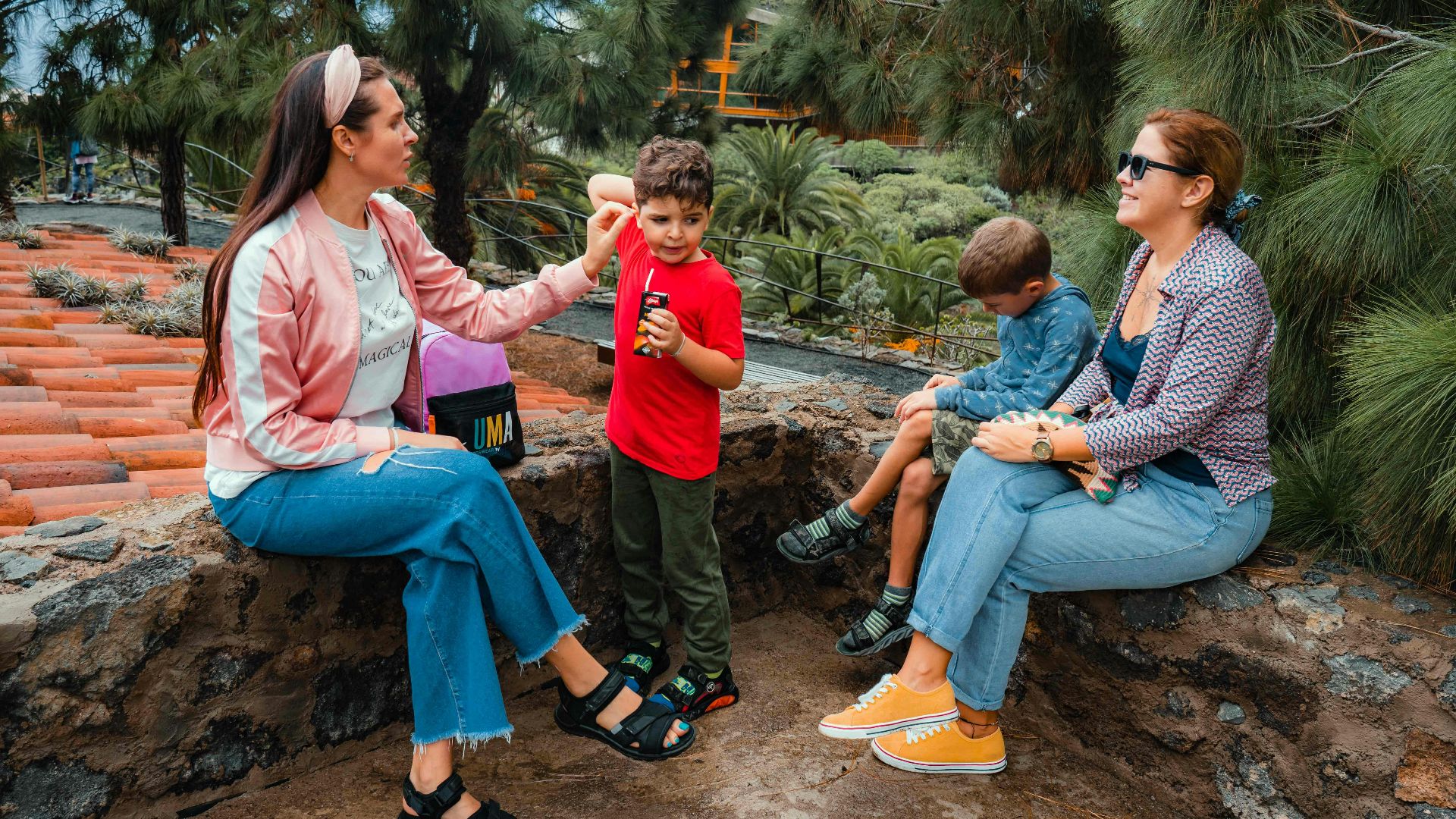
1. Competitive Bragging
Some parents have mastered the art of steering every conversation back to their kid's greatness, whether you're discussing weekend plans or the weather. They never reciprocate by asking about your child or genuinely listening when you share your parenting moments.
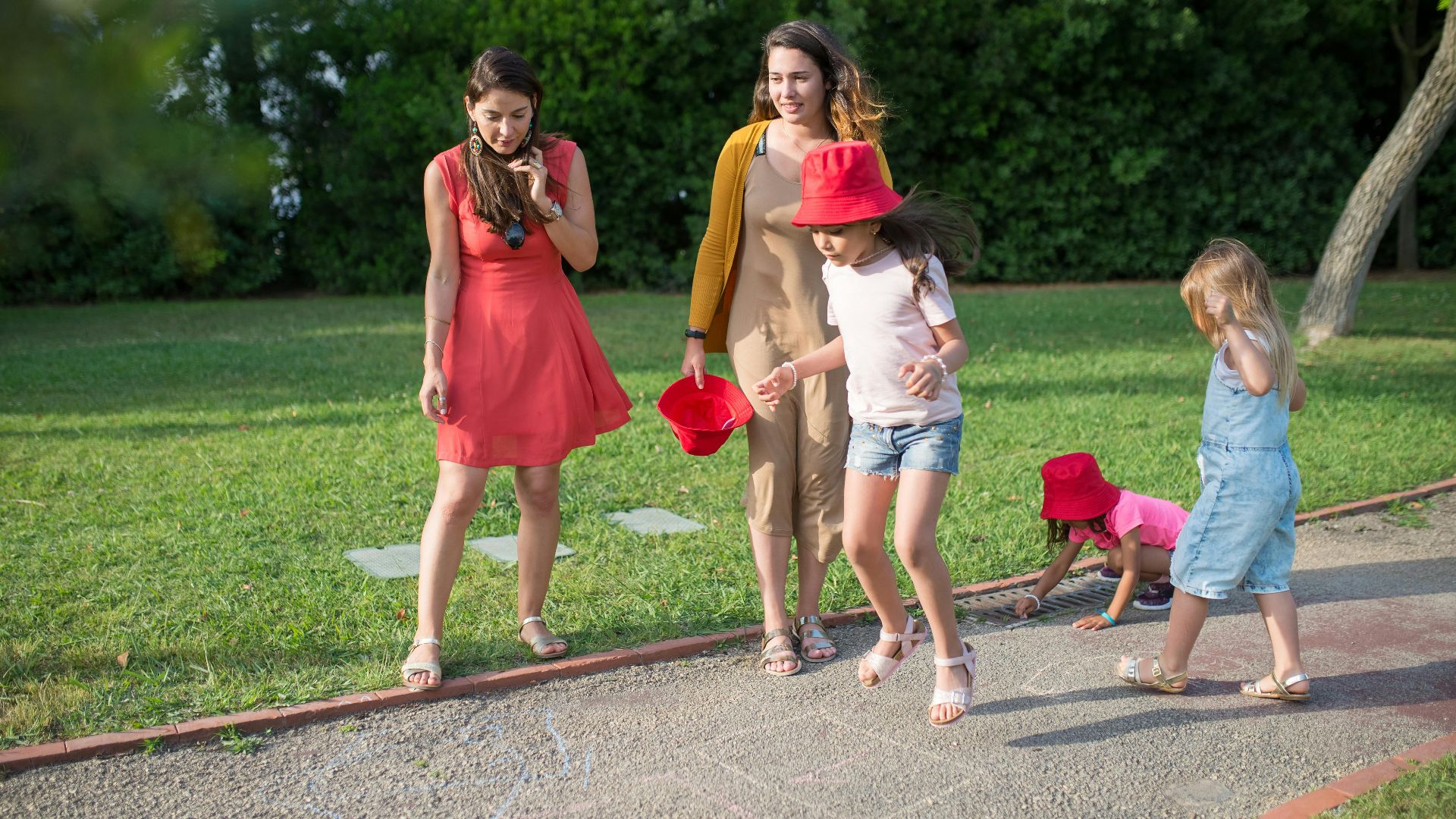
2. Over-Scheduling Kids
The exhaustion hits you before they even finish listing their kid's weekly itinerary—soccer on Monday, piano on Tuesday, and the list continues. These individuals have somehow convinced themselves that free time equates to parenting failure, where unstructured play is perceived as laziness.
3. Birthday Showoffs
Adults hire professional entertainers, photographers, and event planners for toddler birthdays, then document every expensive detail across social media platforms to maximize their audience's impression of their parenting dedication. The real impact hits simple families when they start questioning their ways.

4. Milestone Racing
Every developmental milestone becomes a personal trophy, turning natural childhood growth into an unnecessarily competitive sport. Be it walking, talking, or reading, such parents treat their child's progress as direct evidence of their superior parenting skills and end up showing off.

5. Screen Judgment
The passive-aggressive comments begin flowing the moment they notice your kid holding a tablet or phone, even though their own child secretly uses technology when convenient. They'll lecture about brain development and childhood development, drawing uncomfortable tensions at playdates and social gatherings.

6. Organic Obsession
Your regular grocery store cereal suddenly feels like an upbringing crime when these food purists question your snack choices and label everything "toxic" except their organic selections. The moral superiority badge they wear comes with a side of guilt-inducing lectures about pesticides.

7. Private School Pride
The school name gets dropped into every conversation like a designer label. They've convinced themselves that tuition payments directly correlate with intelligence levels, constantly boasting about their "elite" educational investment in ways that subtly imply your kid is missing important opportunities.

8. Perfect Photos
Every family photo is set, edited, and annotated to present an unrealistically ideal life that has little in common with everyday life. Even their “off-guard” moments look like they were planned. Your candid kitchen photos seem sloppy next to their professional-quality portraits.

9. Strict Routines
That infamous discussion of the strict 7:30 p.m. bedtime never seems to stop. In their parenting ideology, flexibility turns into the adversary, and any departure from a meticulously planned routine is viewed as a sign of inadequate planning.

10. Backhanded Praise
Certain parents say things like "She's so confident for her age" or deliver other comments that sound supportive but carry an underlying jab. You leave interactions feeling unsettled rather than appreciated, never quite sure if their words were meant to encourage or undermine.

11. In-Group Creators
Social cliques aren’t just for high school—they sneak into adult groups, too. Exclusive circles form, inviting only select families to events or playdates while leaving others out. This behavior fosters a sense of exclusion and awkwardness during school pickups or functions.

12. Intensive Tutors
It often starts with a casual comment: “Oh, we just got her a little reading coach—nothing serious.” But soon, it’s clear this individual treats tutoring like a competitive advantage. They hire specialists for toddlers and treat after-school support like insider trading.

13. Always Volunteering
The loudest parent at the bake sale isn’t always the kindest. It's often the one who signed up first, told everyone about it, and kept score of who didn’t. They convert every school event into a personal PR campaign for no good reason.

14. Judgy Carpoolers
You let your kid snack in the car? You’re “messy.” You play pop music instead of audiobooks? That’s “mindless.” These people give your minivan a once-over, as if it were an inspection site, and make harsh claims on booster seats or air fresheners.

15. DIY Champions
Every school project looks like it walked out of Pinterest. What’s frustrating is the subtle shaming: the idea that convenience equals laziness. And while their creativity is impressive, it often makes others feel like parenting should come with an arts degree.

16. Punishment Shamers
When discipline enters the conversation, some parents preach a single “gentle” approach and criticize any form of timeout or consequence. They treat alternative methods as harmful or abusive. As a result of their black-and-white thinking, guilt and conflict start developing.
17. Unsolicited Advice
No one enjoys parenting tips when they haven’t asked for them, yet some individuals can’t help but share. They jump into conversations with “What worked for us…” regardless of context or whether you want the input. This approach assumes their methods are universally applicable.

18. Travel Braggers
Exotic vacations are a favorite topic, often told with a hint of superiority. It’s less about family bonding and more about showcasing luxury experiences. The fact that every conversation can pivot to their latest international trip leaves others quietly resentful of the comparison.

19. Zero Boundaries
Overstepping limits by correcting your child or criticizing your upbringing in front of them is a sure way to create tension. They disregard parental consent or privacy. Such behavior often makes both kids and parents uncomfortable, making simple interactions awkward confrontations.

20. Name Droppers
Citing experts like pediatricians or therapists at every turn is not a tool for asserting authority. By constantly referencing “my doctor said” or “our specialist recommended,” these people imply their decisions are more informed. Well, everything is not a credibility contest.