The Best Parenting Often Looks Quiet
Good parenting doesn't always look dramatic, polished, or easy to photograph. A lot of it happens in ordinary moments, like staying calm during a meltdown, remembering the permission slip, listening to a very long story, or apologizing when you got something wrong. The biggest efforts often go unnoticed because children may not understand them until much later. Here are 20 quiet habits that shape a child’s sense of safety, confidence, and belonging in ways that deserve far more credit.
1. They Apologize When They’re Wrong
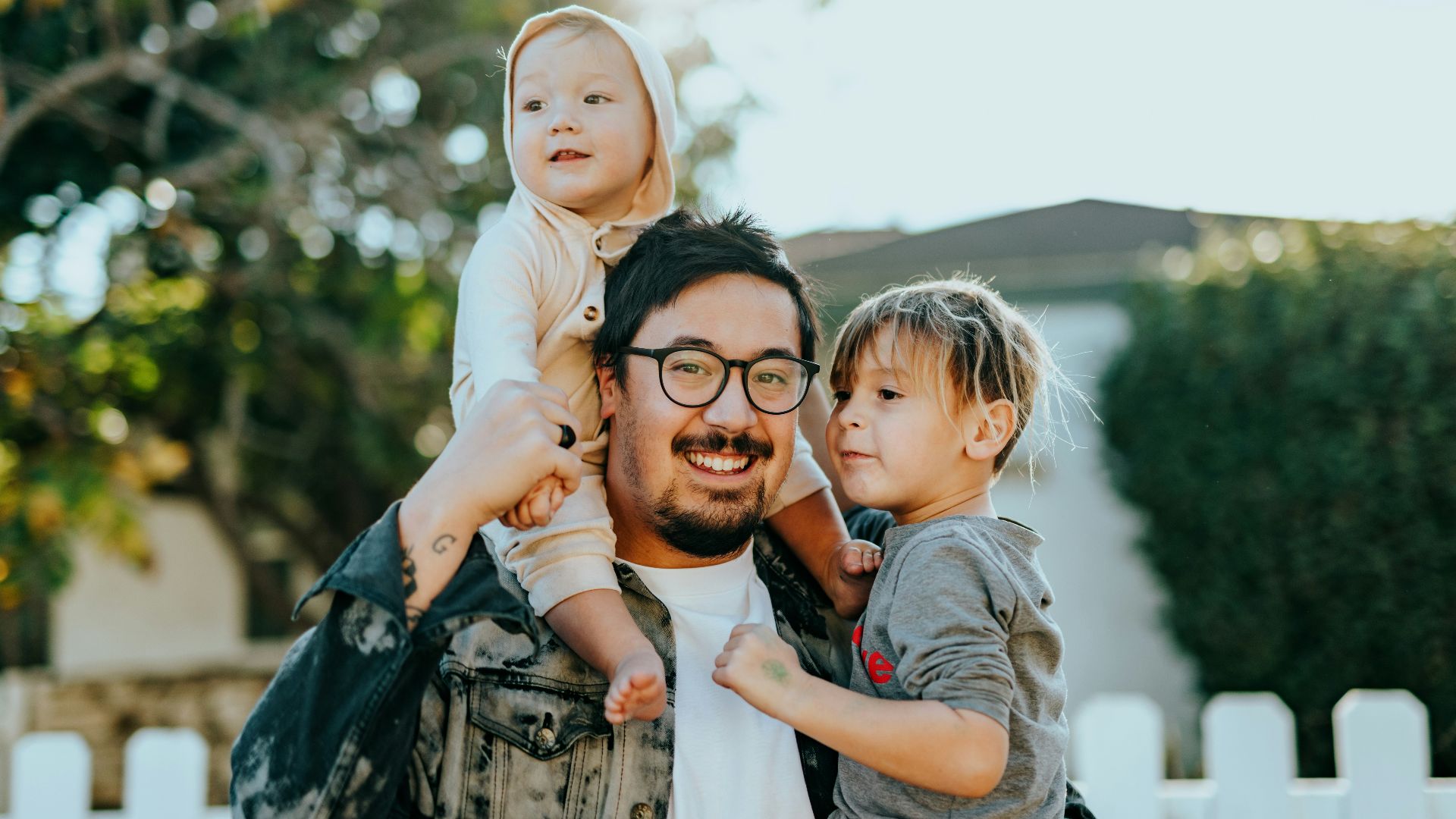
Good parents understand that authority does not mean pretending to be perfect. When they snap, misunderstand something, or make an unfair call, they/re willing to apologize. That teaches children that mistakes can be repaired instead of buried under pride.
2. They Let Kids Have Feelings
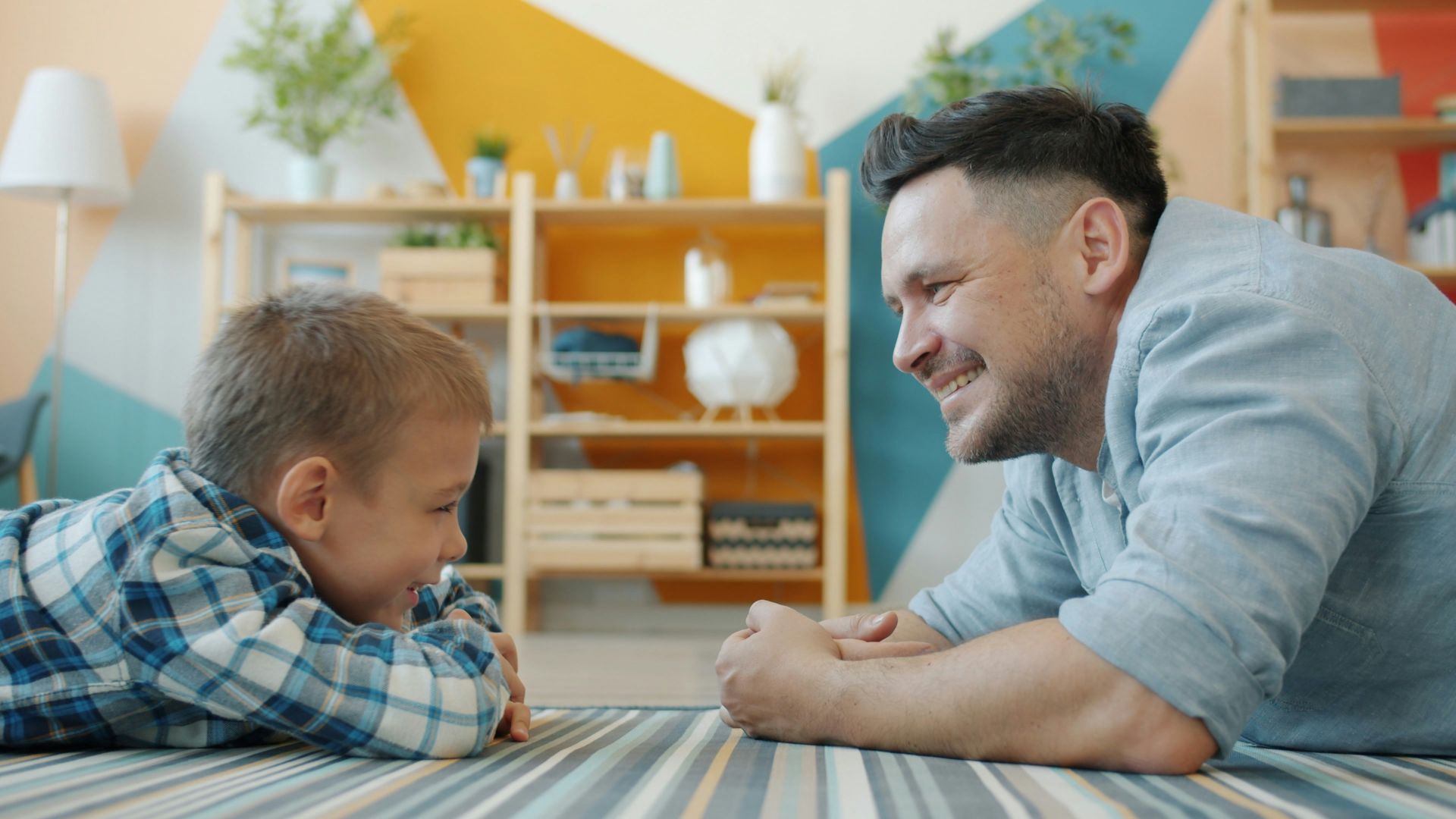
It takes patience to let a child feel angry, sad, disappointed, or overwhelmed without rushing to shut it down. Good parents don't always fix the feeling right away, because sometimes a child simply needs to be heard. They can hold a boundary while still making room for emotions.
3. They Keep Showing Up for the Boring Stuff
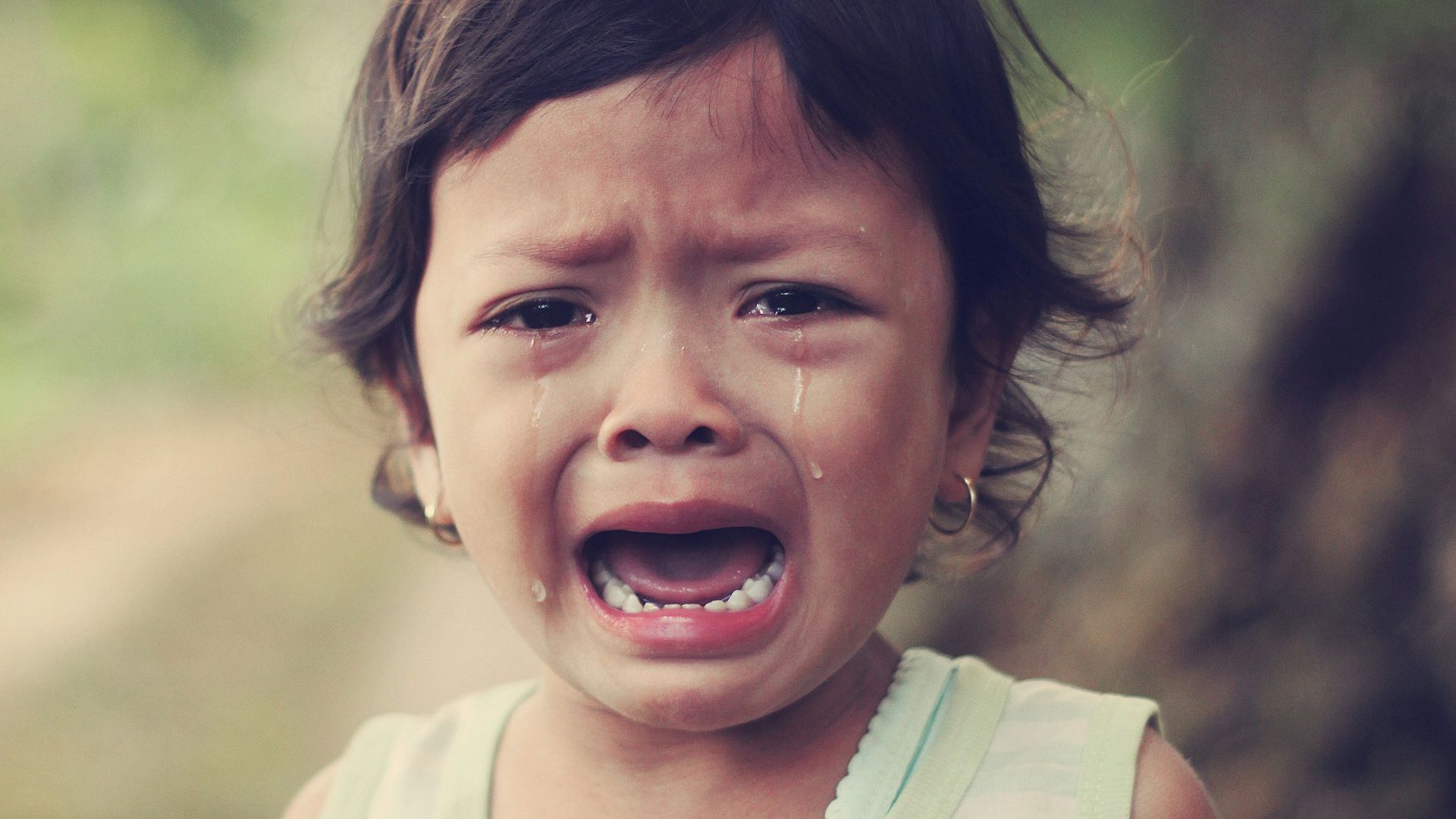
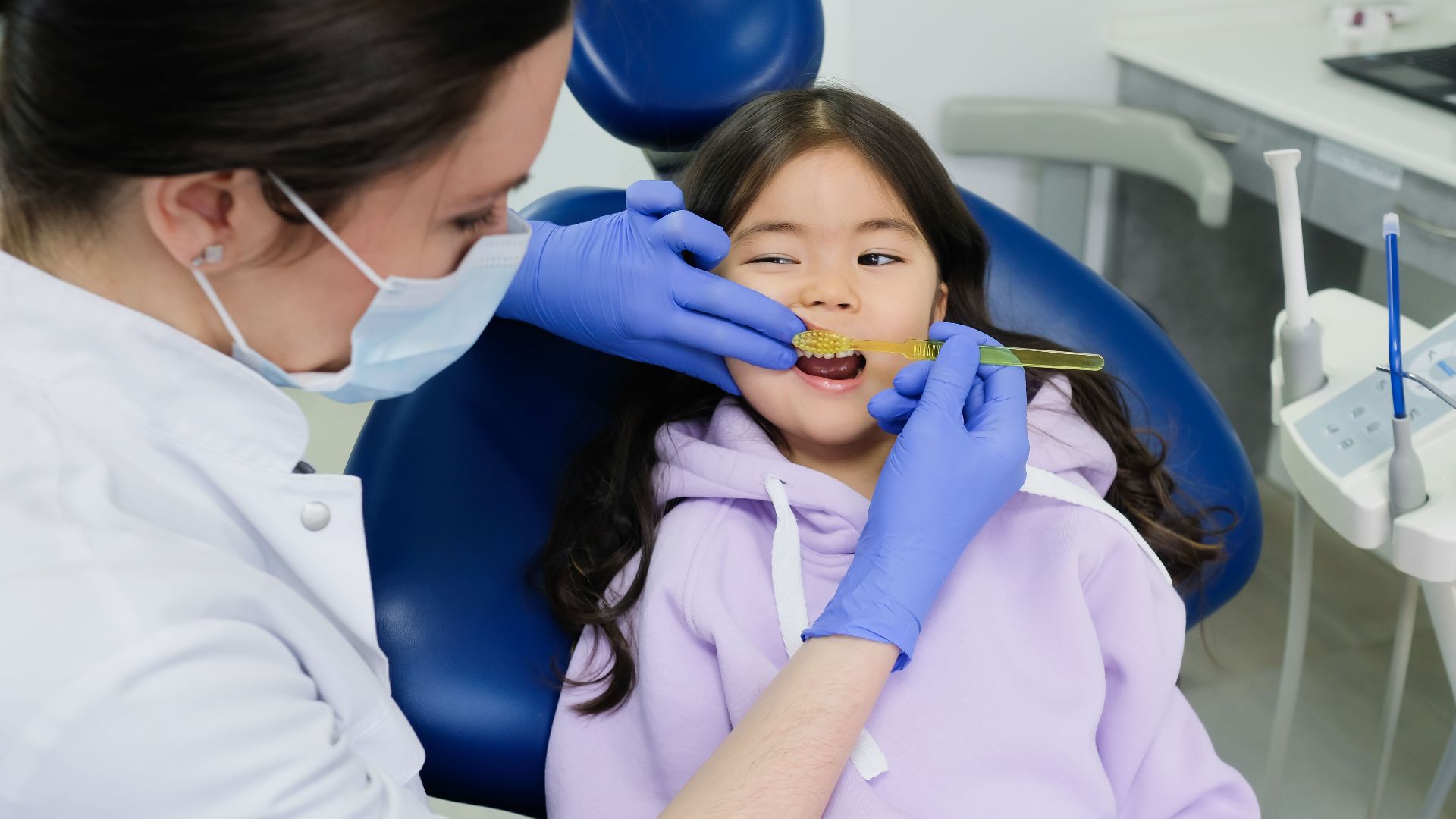
School forms, dentist appointments, lunch packing, laundry, homework reminders, and shoe-finding missions rarely get applause. Still, these tasks create stability in a child’s life. Good parents keep handling the unglamorous details because children need consistency more than grand gestures.
4. They Admit When They Don’t Know Something
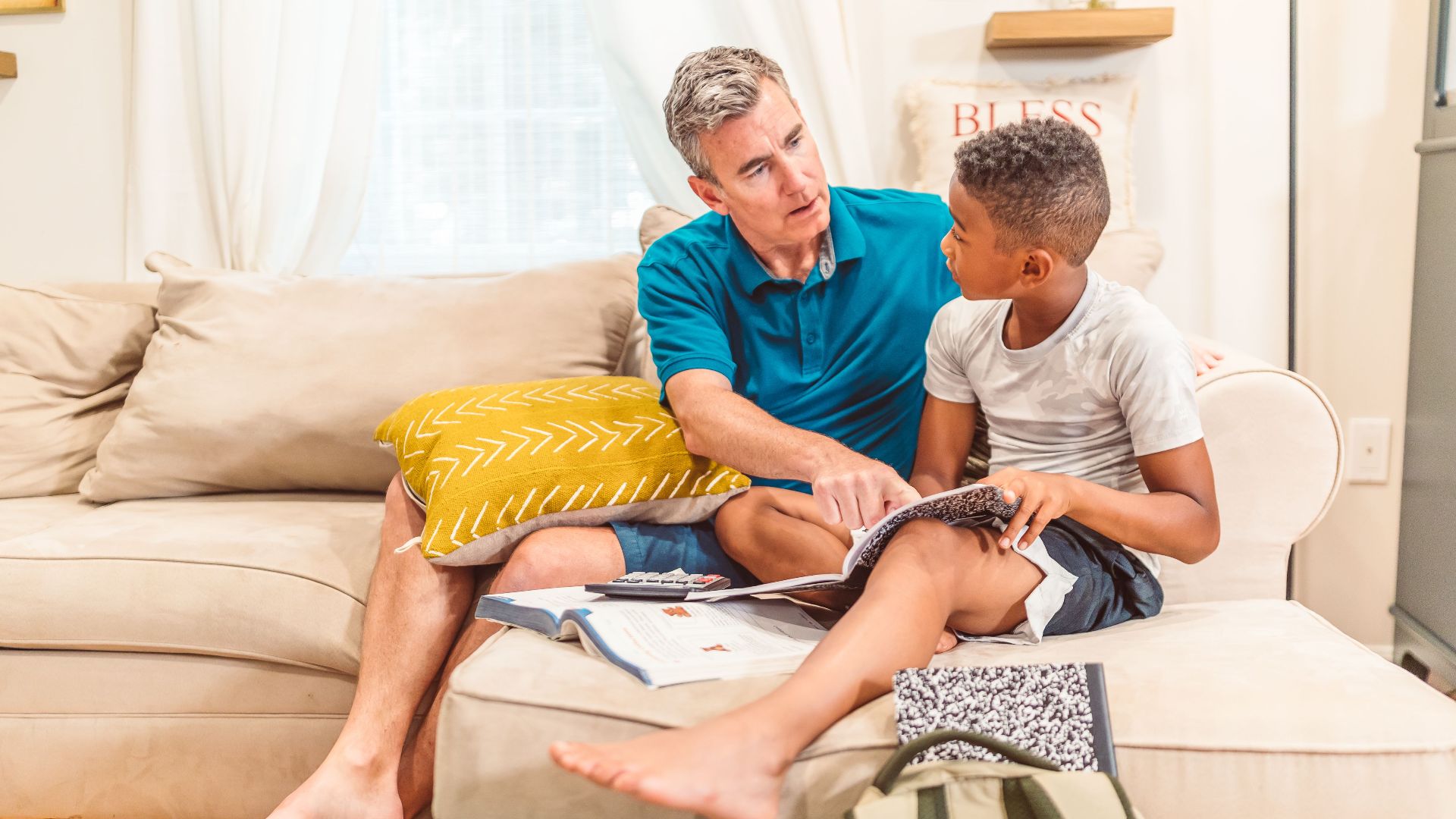
Good parents don't need to have every answer ready. They can say, “I’m not sure, let’s find out,” which shows children that learning doesn't stop when you become an adult. This kind of honesty makes curiosity feel normal.
5. They Protect Their Child’s Privacy
Not every funny story, embarrassing mistake, or emotional moment needs to become family entertainment. Good parents understand that children deserve dignity, even when they're small. They avoid sharing things that might humiliate their child later.
6. They Set Boundaries Even When It’s Inconvenient
Saying no can be exhausting, especially when a child is determined to negotiate like a tiny lawyer. Good parents set limits anyway because boundaries help children feel safer and learn self-control. They may not enjoy being unpopular in the moment, but they understand the long game.
7. They Notice the Small Changes
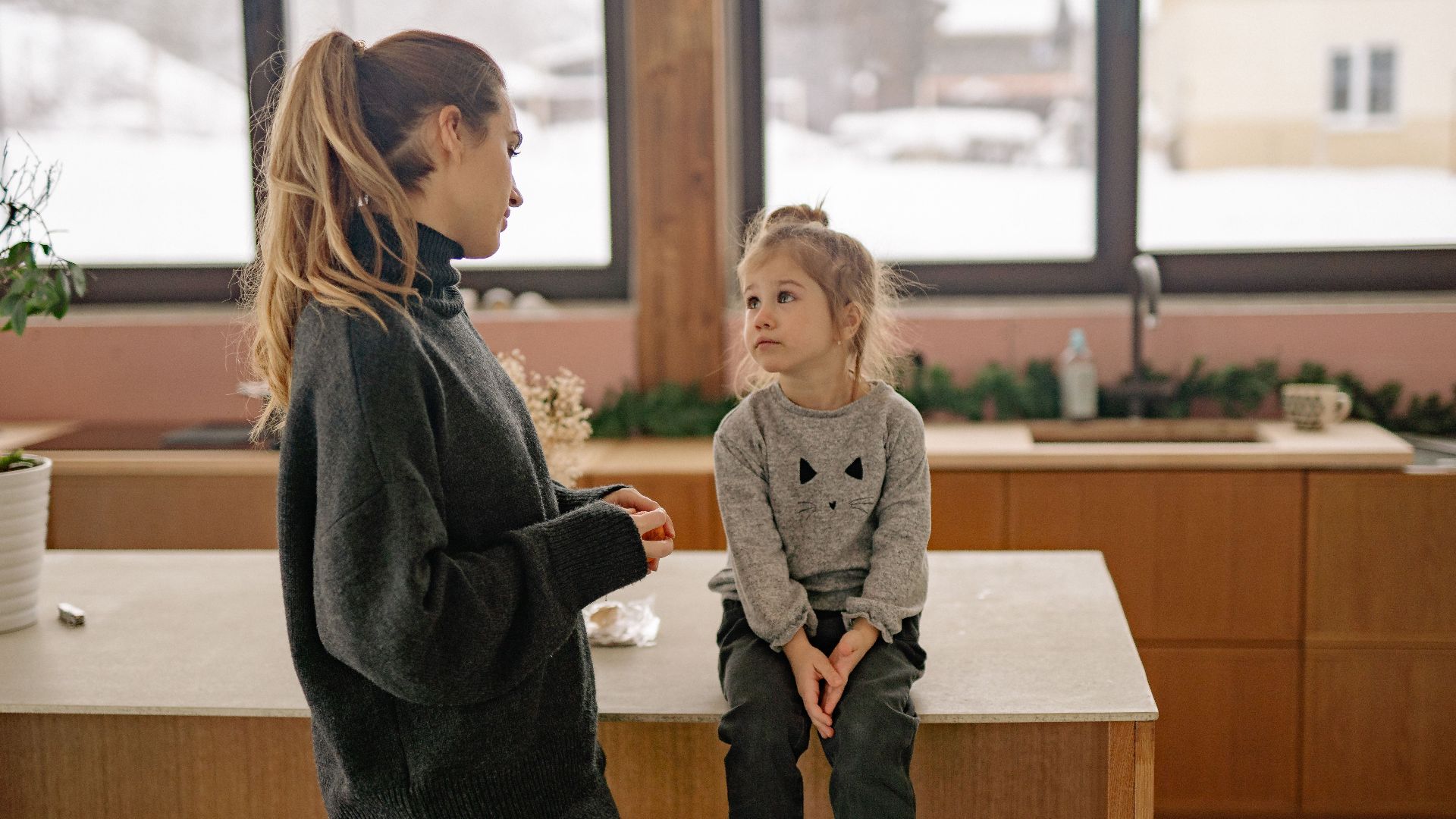
Good parents pay attention when a child becomes quieter, more irritable, more clingy, or suddenly uninterested in something they used to love. They do not assume every shift is just a phase without looking a little closer. That kind of attention helps children feel seen.
8. They Let Kids Try Before Helping
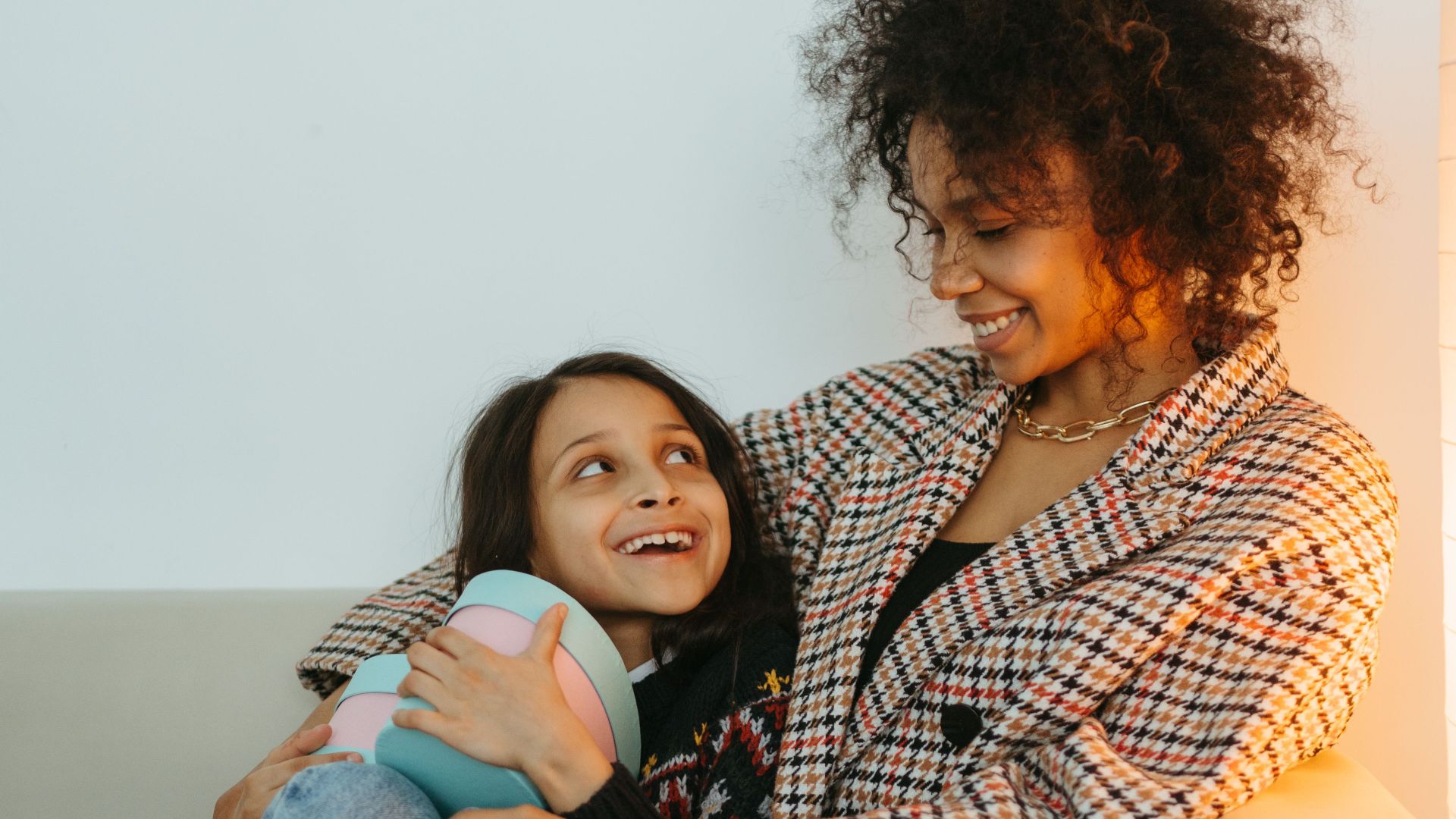
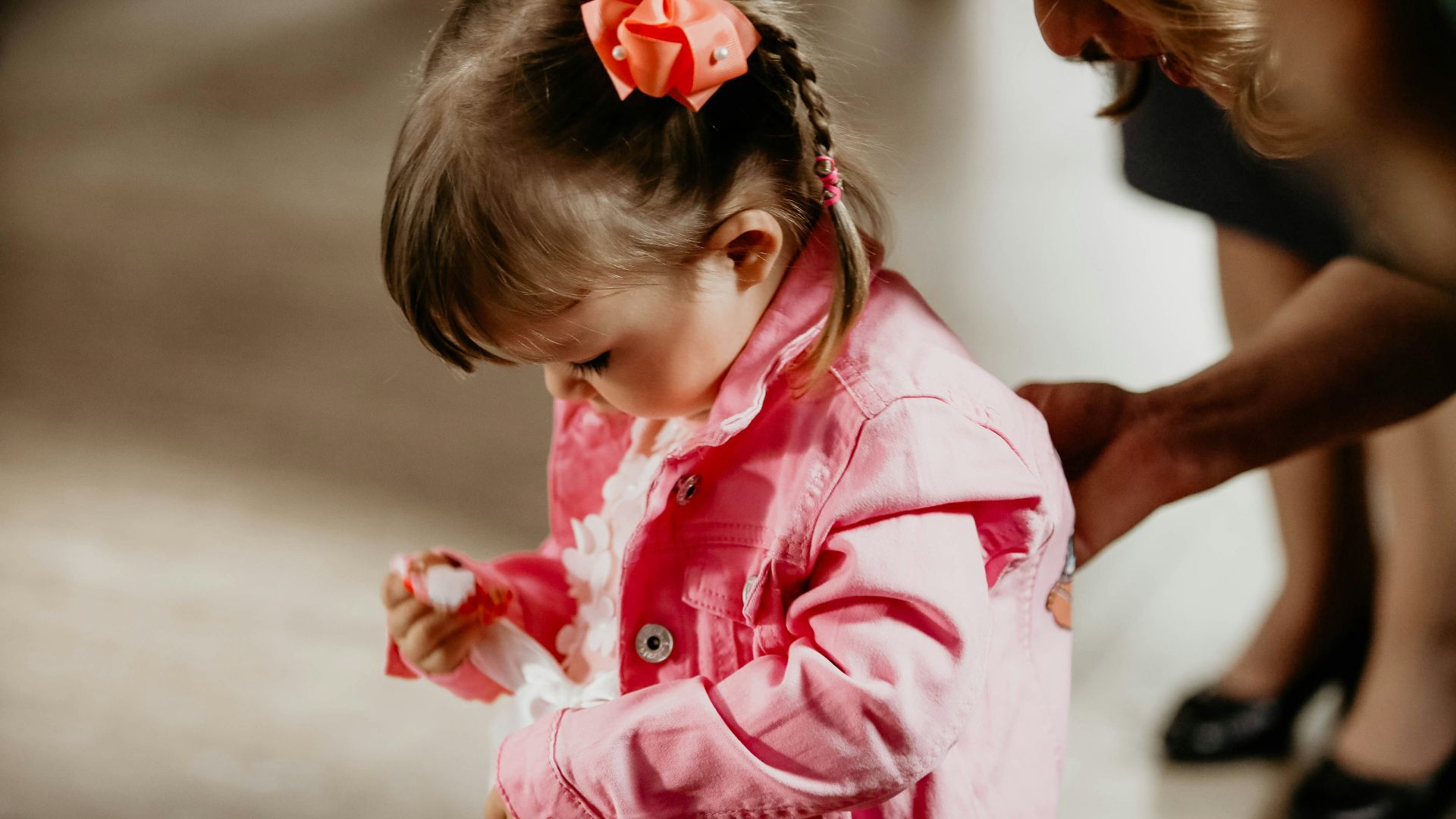
It can be hard to watch a child struggle with a zipper, math problem, friendship issue, or new skill. Good parents resist jumping in too quickly because they know confidence grows through trying. They offer support without taking over the whole task.
 Tamara Govedarovic on Unsplash
9. They Model Calm After Conflict
Good parents don't pretend conflict never happens. Instead, they show that people can disagree, cool down, talk again, and repair the connection. This matters because children learn emotional safety from watching how adults handle tension.
10. They Let Their Children Be Different From Them
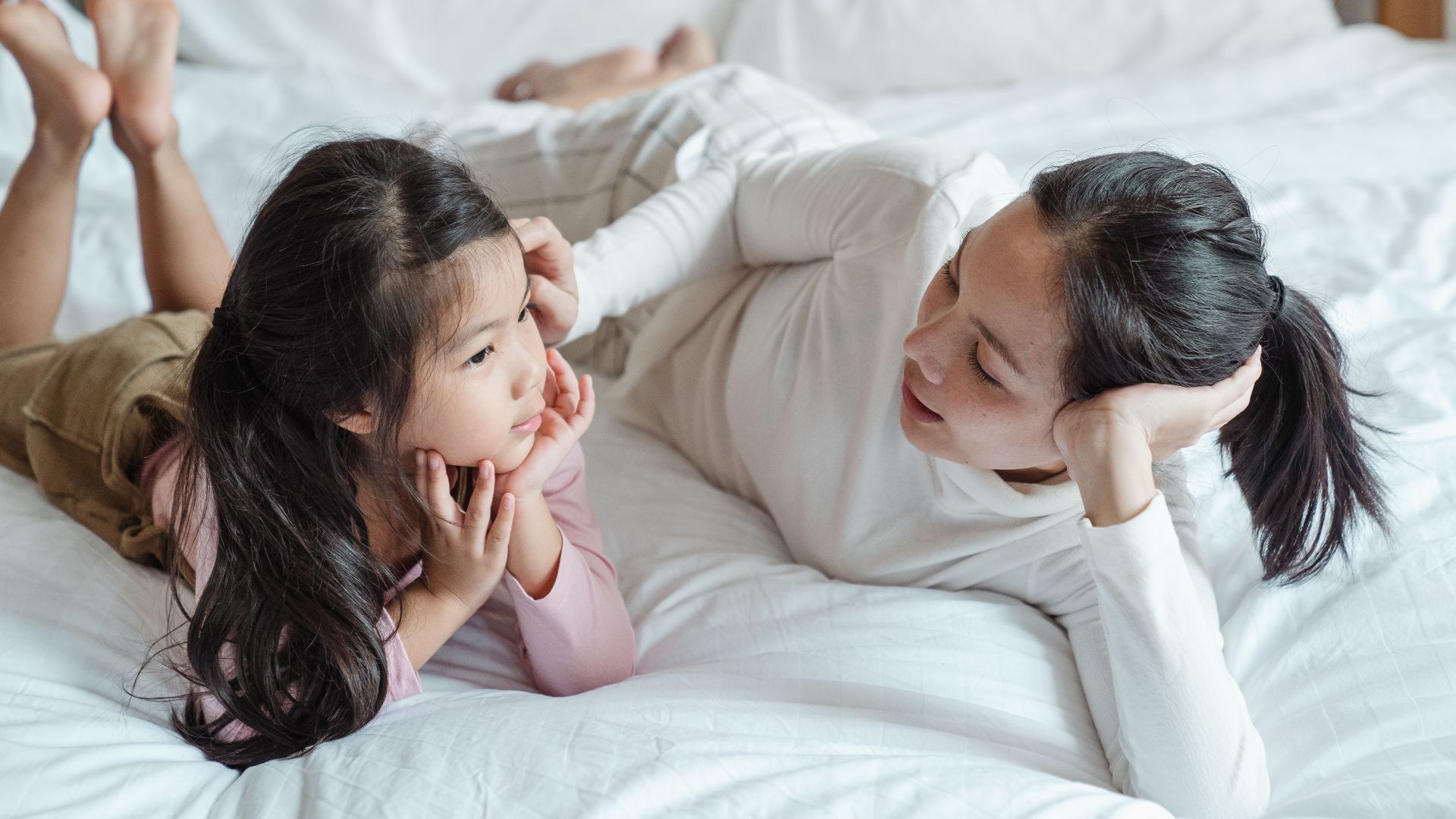
It takes real maturity to let a child have interests, tastes, dreams, and personality traits that do not match your own. Good parents don't treat difference as disrespect. They make room for the child to become a separate person, not a smaller copy of themselves.

11. They Create Routines That Feel Safe
Routines may seem simple, but they help children know what to expect. Good parents create predictable rhythms around meals, bedtime, school mornings, or family time when they can. These routines do not have to be perfect to be meaningful.

12. They Say Yes to Connection
Good parents may not always have time for elaborate activities, but they look for moments to connect. They listen to a story, sit beside a child, ask a follow-up question, or laugh at a joke that barely makes sense. These little yeses tell children they are worth attention.
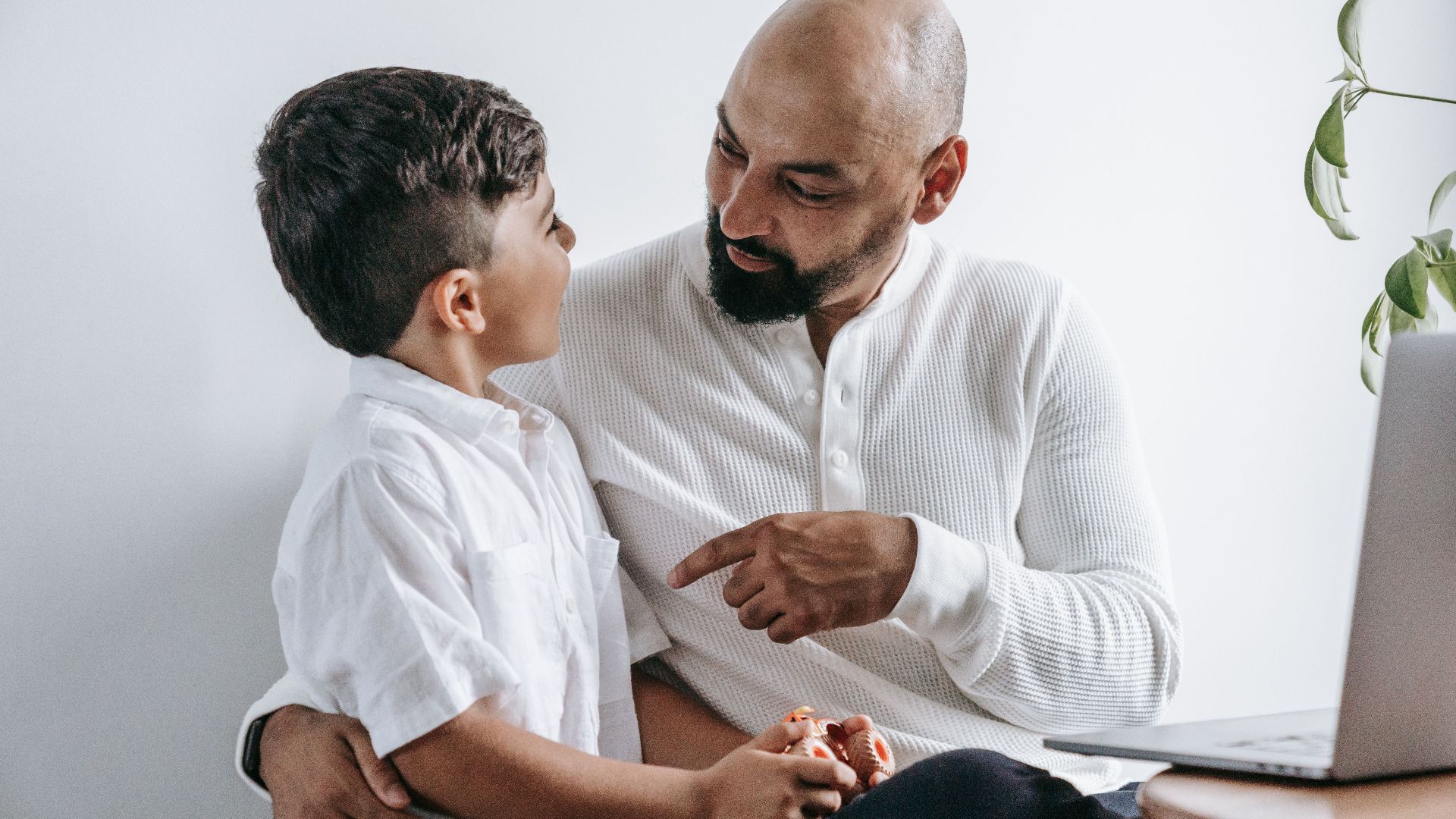
13. They Teach Responsibility Without Shame
Helping children take responsibility is important, but good parents do it without making them feel worthless. They can correct behavior while still protecting the child’s sense of self. Instead of just punishing, they focus on what happened and what needs to change.

14. They Let Kids See Healthy Effort
Children benefit from watching adults work through problems, practice skills, and keep going after setbacks. Good parents show effort without pretending everything is effortless. They may say, “This is hard, but I’m working on it,” which gives children a realistic model of perseverance.
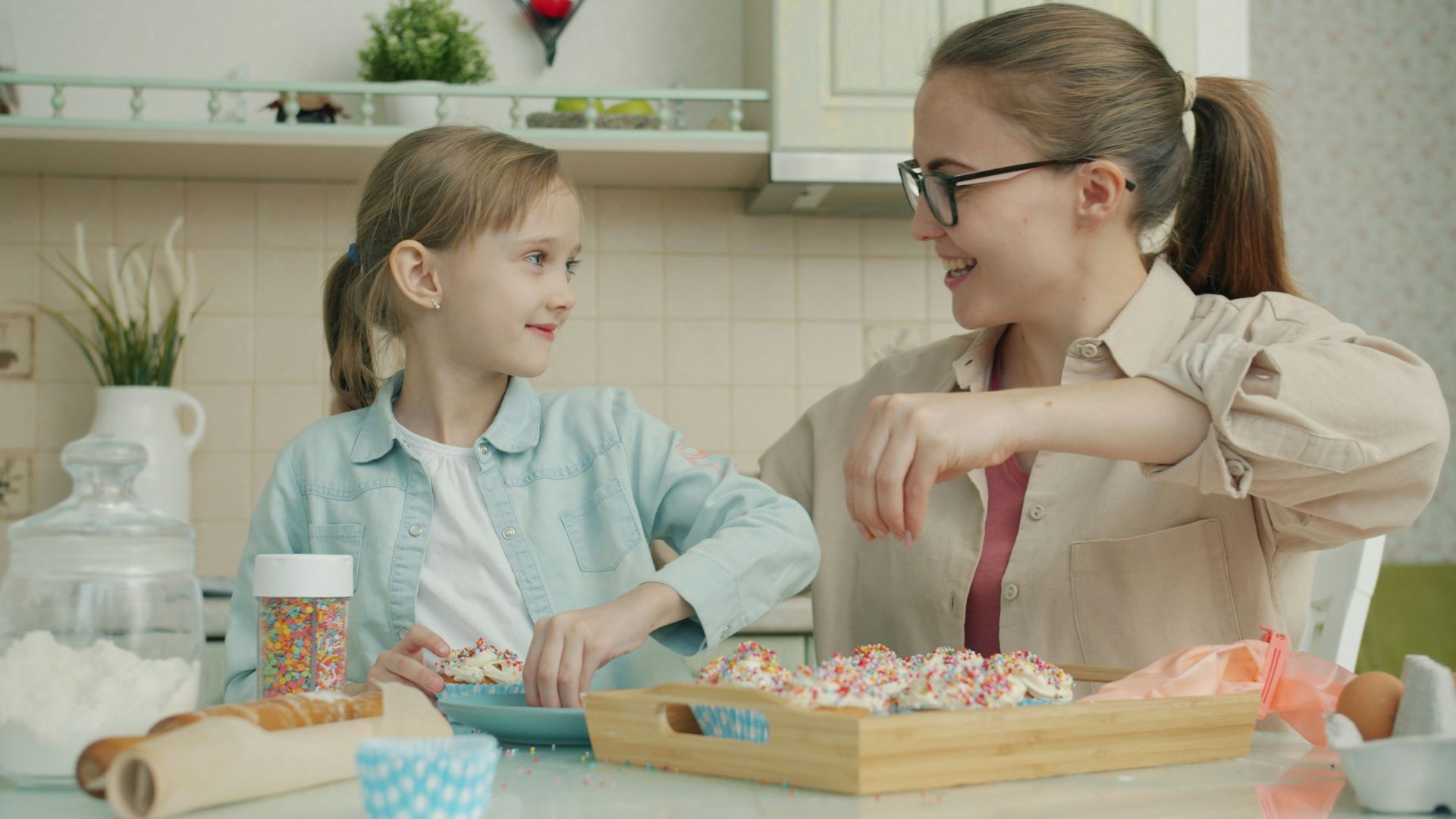
15. They Take Care of Themselves Too
Good parents know that self-care isn't selfish, even if it's sometimes hard to manage. Rest, friendships, hobbies, therapy, movement, or quiet time can help parents show up with more patience. Children also learn from seeing adults treat themselves with basic respect.

16. They Celebrate Effort, Not Just Results
Good parents notice the studying, practicing, trying, and bravery that happen before the outcome. They understand that a child may need encouragement even when the grade, score, or performance isn't perfect. Praising effort helps children build resilience instead of chasing approval only when they win.
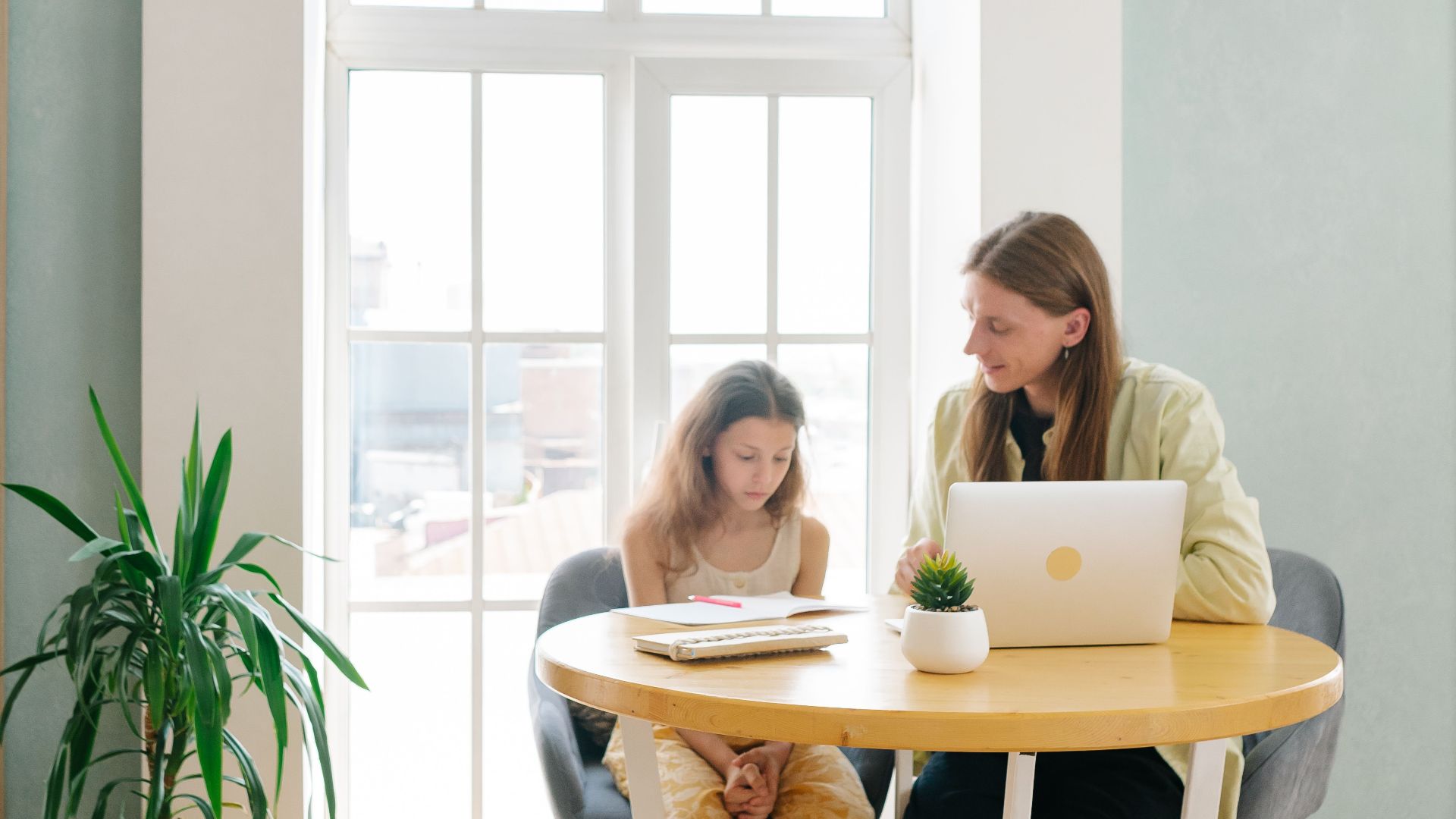
17. They Let Their Child Be Bored
It can be tempting to entertain children every time they complain, but good parents know boredom isn't an emergency. Boredom can lead to imagination, problem-solving, rest, or learning how to tolerate stillness. That doesn't mean ignoring a child completely; it just means not turning every empty moment into a scheduled event.

18. They Keep Loving During Hard Phases
Every child goes through difficult seasons, and some phases test everyone’s patience. Good parents keep offering love even when a child is moody, stubborn, anxious, messy, or hard to understand. They may still set boundaries, but they don't make love feel conditional.
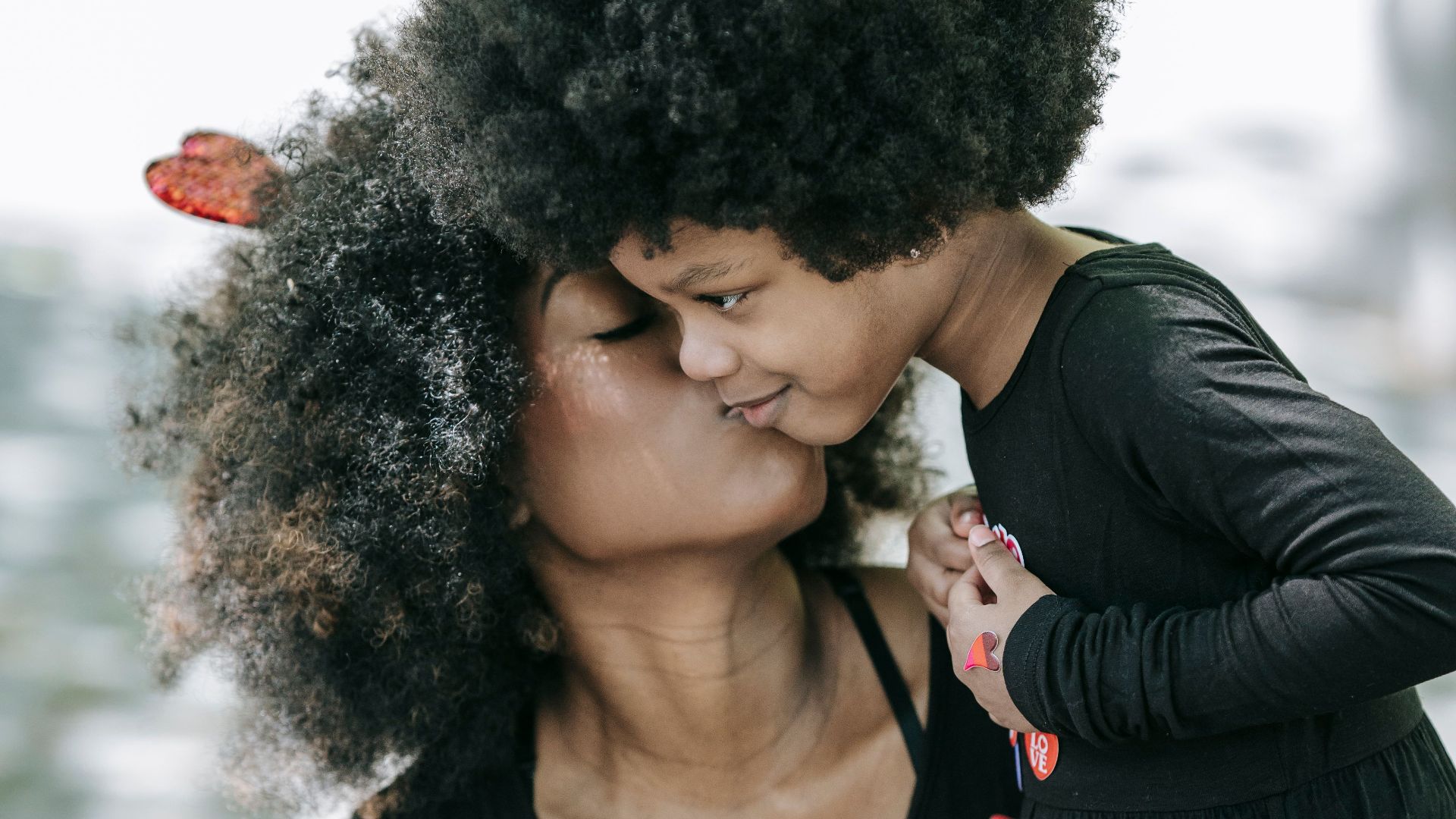
19. They Ask for Help When They Need It
Good parents don't always handle everything alone. They may reach out to family, friends, teachers, doctors, counselors, or other parents when something feels bigger than they can manage. Asking for help takes humility and strength, especially in a culture that loves pretending everyone should have parenting figured out.
20. They Keep Trying After Bad Days
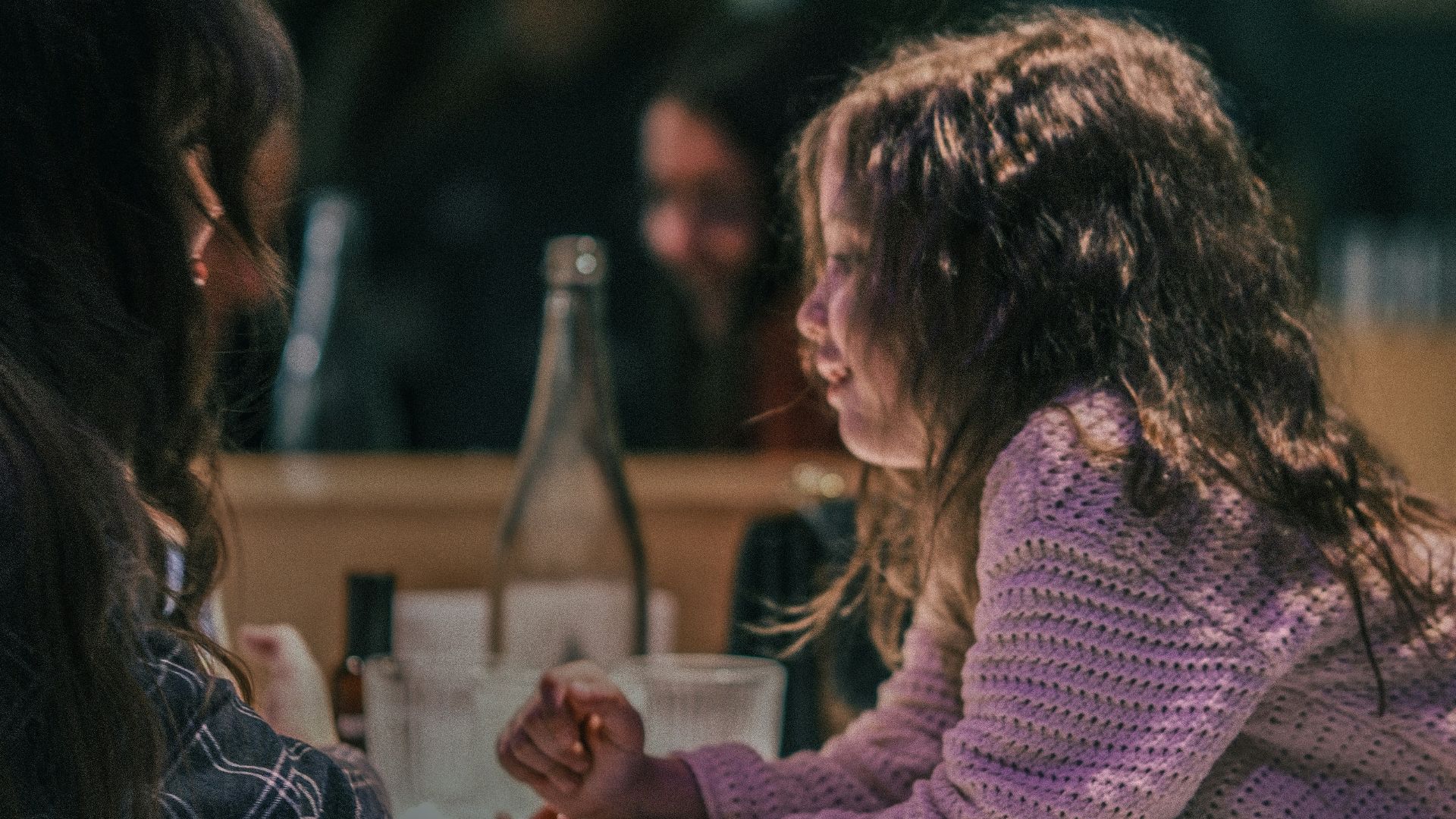
Good parents still have rough mornings, impatient moments, messy houses, forgotten errands, and days they would rather not review in detail. What matters is that they keep trying, repairing, learning, and showing up. Parenting is not one perfect performance; it's a long pattern of care.