Family Connections That Show Up in Unexpected Ways
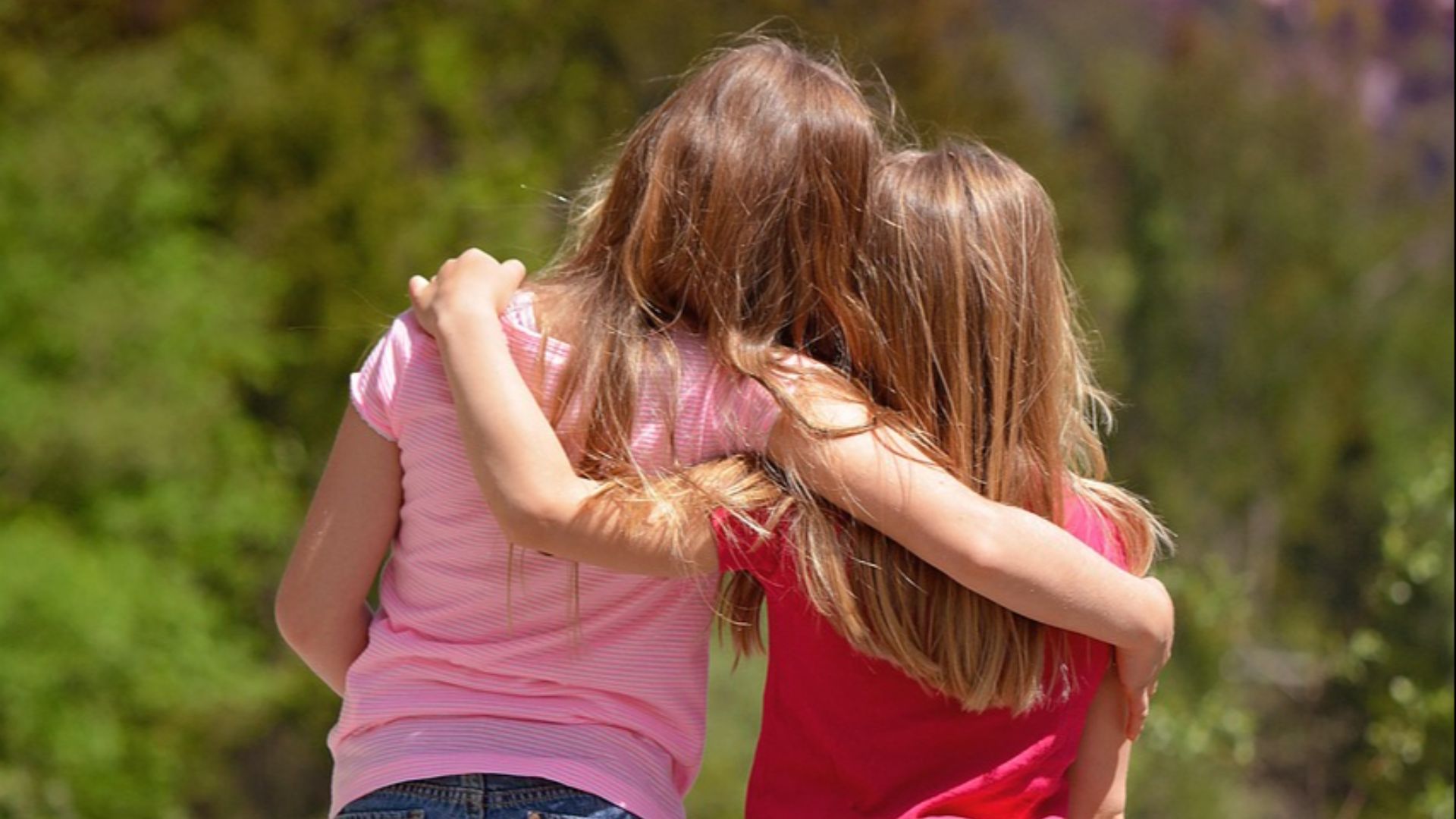
When people think about friendship, they often picture shared hobbies, constant encouragement, and easygoing conversations. Sibling relationships don't always fit that image, yet they often contain some of the strongest and longest-lasting bonds people experience. Brothers and sisters frequently show affection, loyalty, and trust in ways that seem unusual from the outside, making their connection look very different from a typical friendship while still being deeply meaningful. Here are 20 ways siblings bond that don't look like friendship at first.
1. Constantly Teasing Each Other
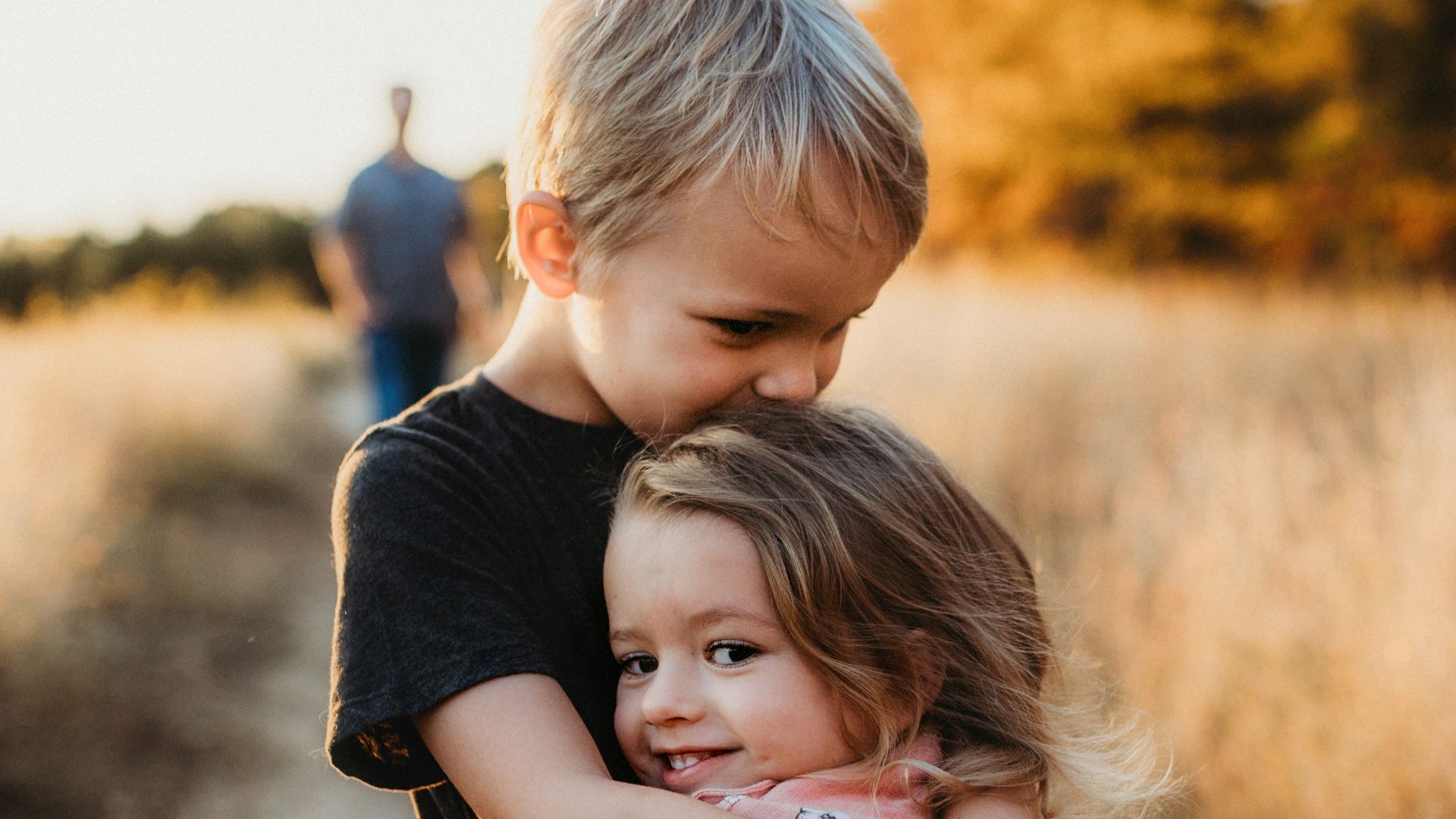
Many siblings spend years making jokes at each other's expense, and outsiders can mistake it for genuine annoyance. In most cases, both people understand the limits and know when a joke has gone too far. That shared understanding often reflects a level of comfort that takes years to build.
 juan pablo rodriguez on Unsplash
2. Arguing Over Small Things
Siblings can debate everything from television remotes to whose turn it is to drive. While frequent disagreements might seem unhealthy, minor conflicts are often a normal part of growing up together. They learn how to negotiate, compromise, and move on without ending the relationship.
3. Pointing Out Each Other's Mistakes
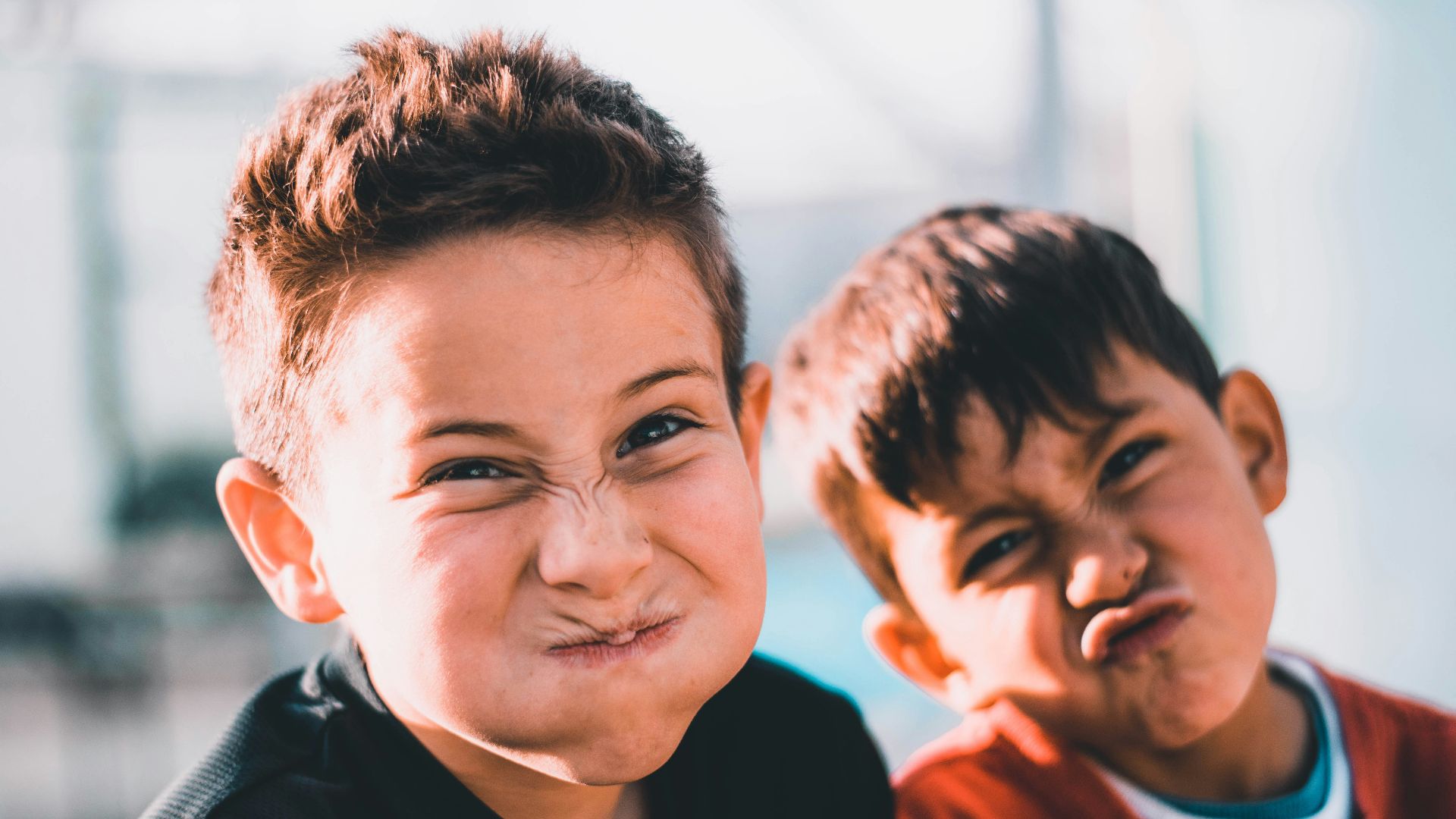
A sibling is often one of the few people willing to tell you when you're making a bad decision. The feedback isn't always delivered gently, which can make it sound harsh. Even so, the motivation is often concern rather than criticism.
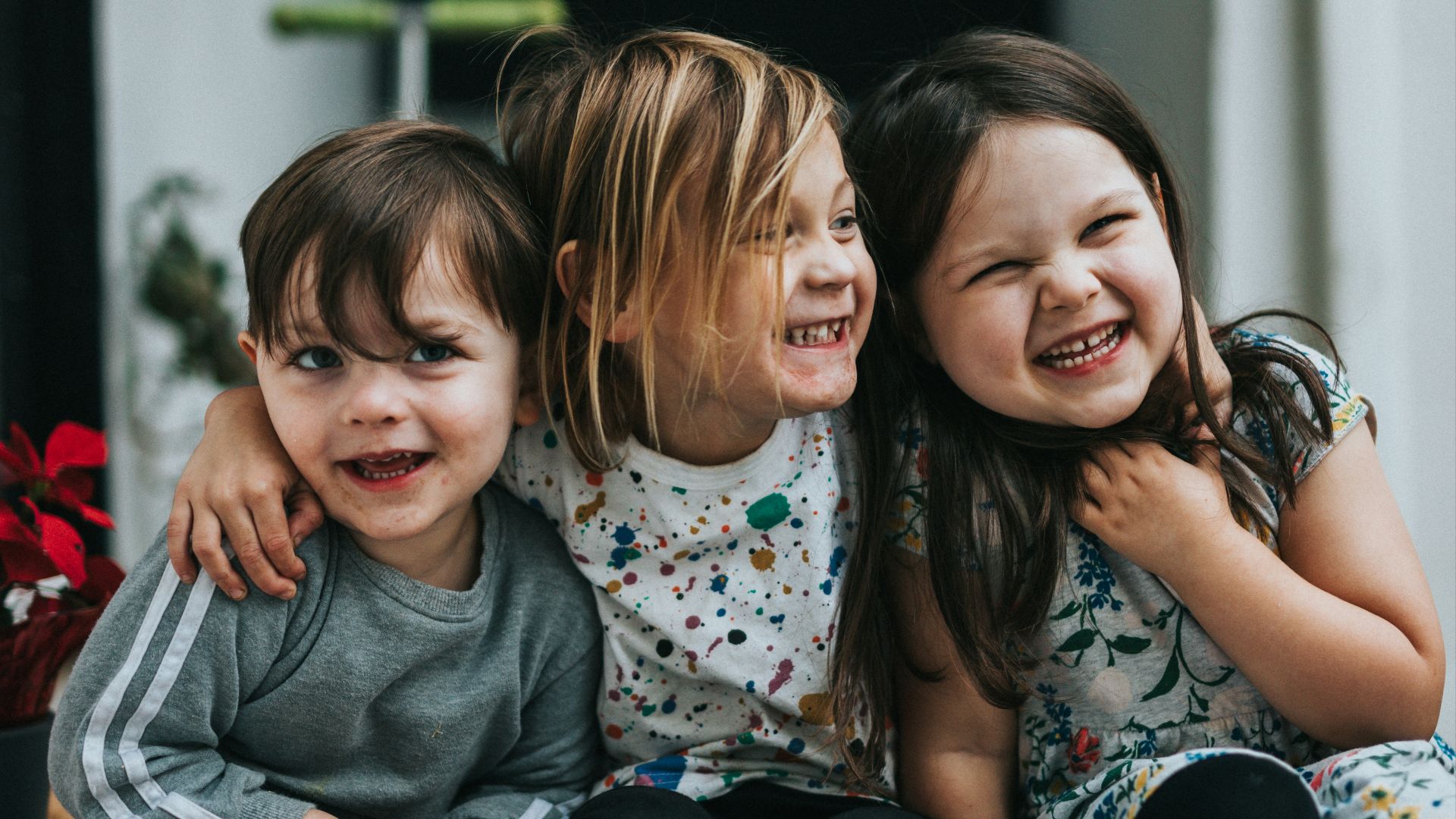
4. Sharing Embarrassing Stories
Brothers and sisters rarely let each other forget awkward childhood moments. Bringing up old mistakes may seem like an attempt to embarrass someone, but it also reflects a shared history that nobody else fully understands. Those memories become part of the family's identity over time.

5. Competing With One Another
Competition between siblings is common and has been widely studied in family psychology. Whether it's sports, grades, or career achievements, they often push each other to improve. This rivalry can create frustration, but it frequently encourages personal growth as well.
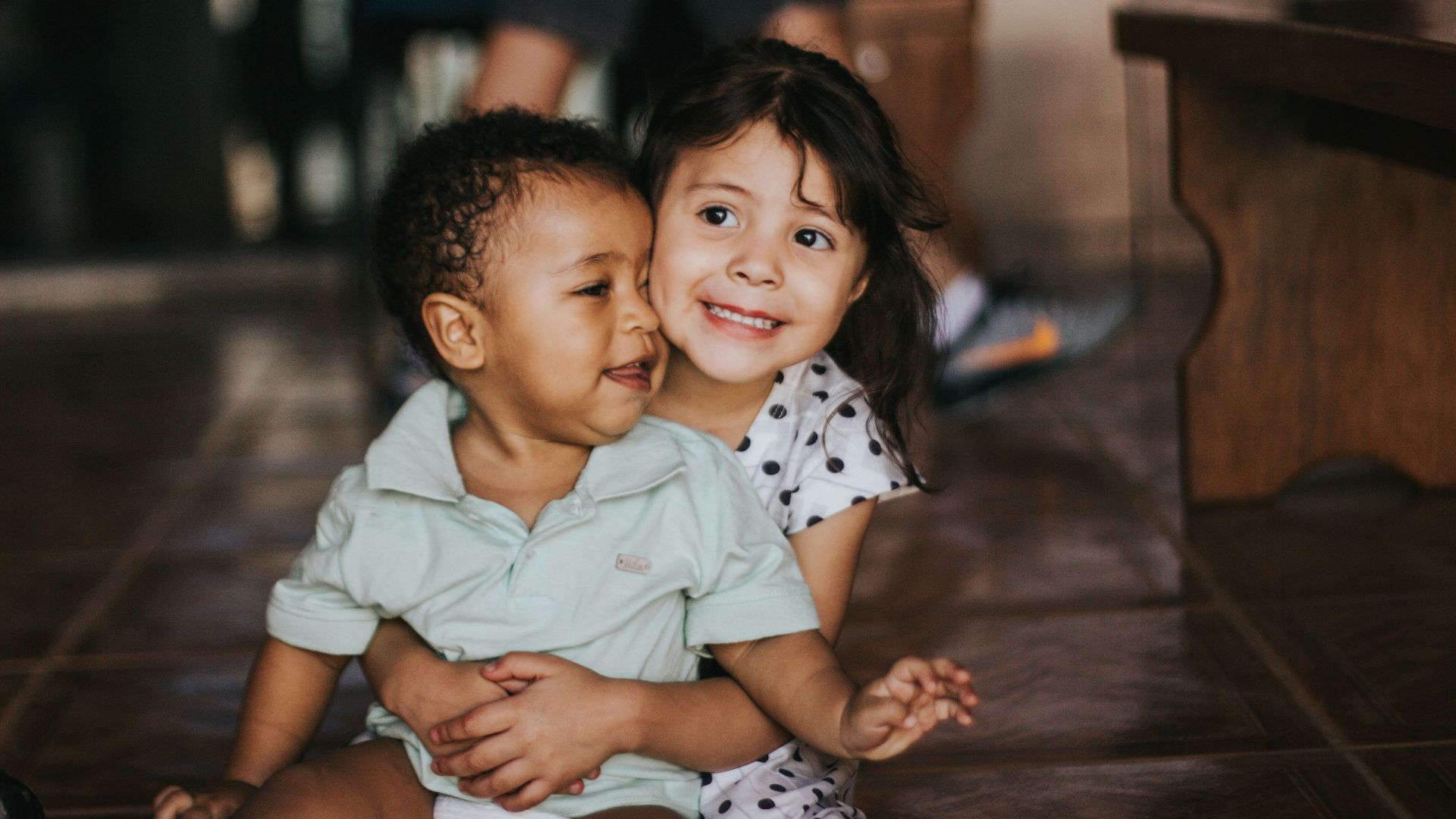
6. Acting Annoyed by Frequent Contact
Some siblings answer calls with a sigh or immediately ask what the other person wants. Despite that reaction, they continue calling, texting, and checking in regularly. This habit often reveals a strong connection beneath the surface.

7. Borrowing Things Without Asking
Many siblings develop an informal approach to sharing belongings. Although this behavior can spark arguments, it also reflects a level of familiarity that wouldn't exist with most other people. Over time, boundaries are negotiated in a way that works for both individuals.
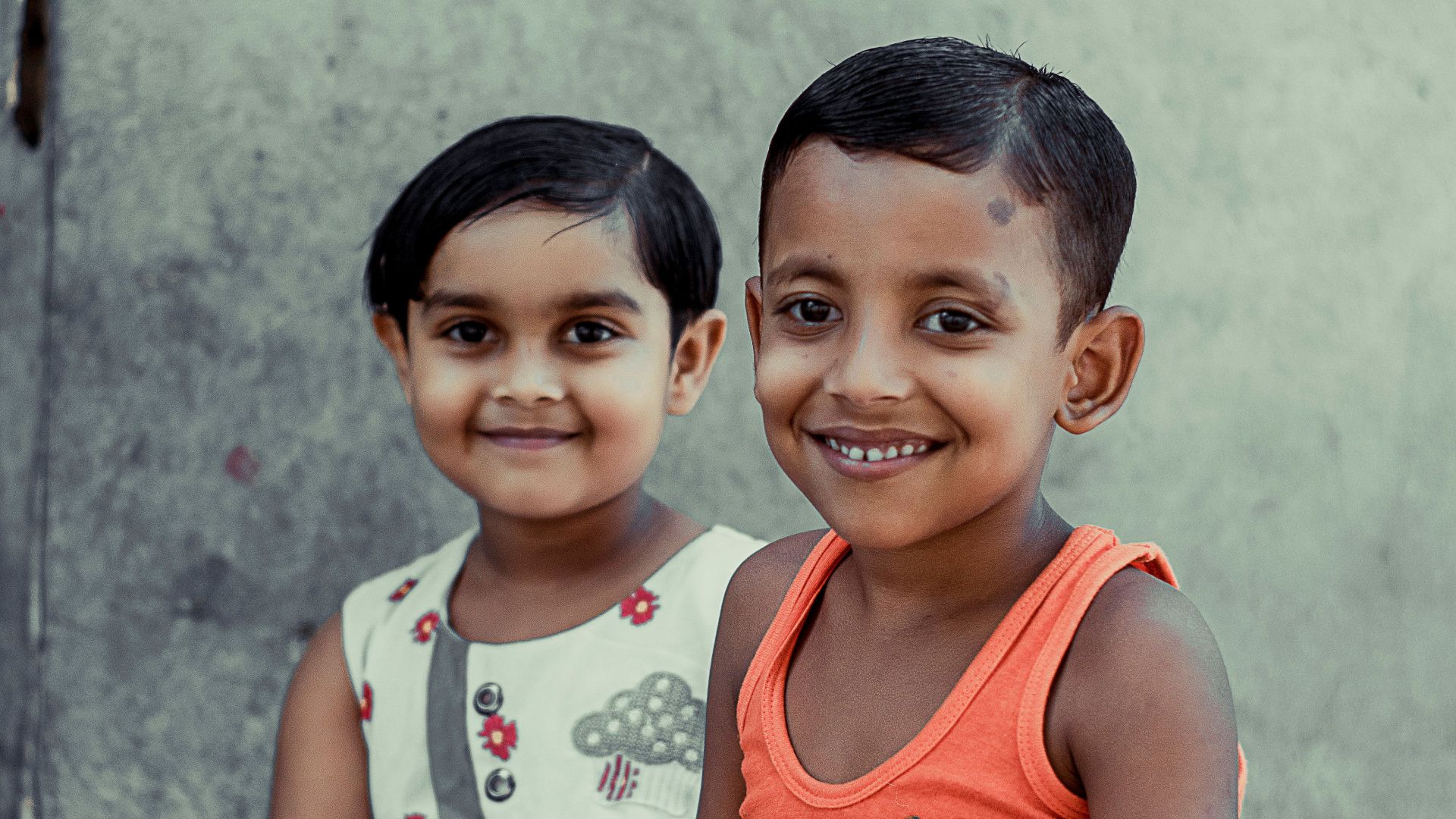
8. Taking Each Other's Side During Family Disputes
A brother or sister may spend the entire day arguing with you, then immediately defend you when someone else criticizes you. This shift can seem contradictory to outsiders.
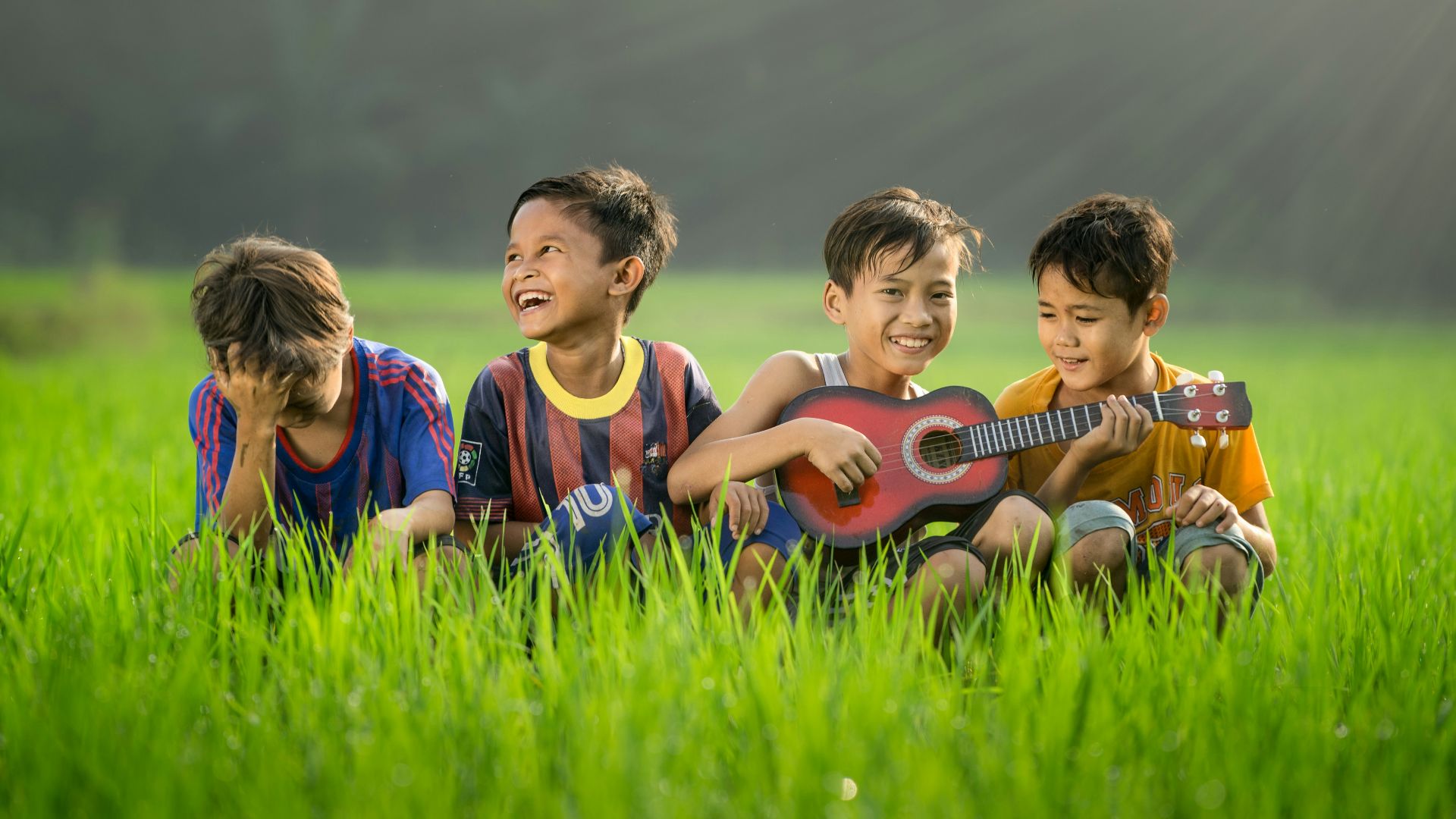
9. Remembering Details You Forgot
Siblings often act as living records of family history. They remember birthdays, vacations, old pets, and events that others have forgotten. Sharing those memories helps maintain a unique connection built on common experiences.
10. Giving Unfiltered Advice
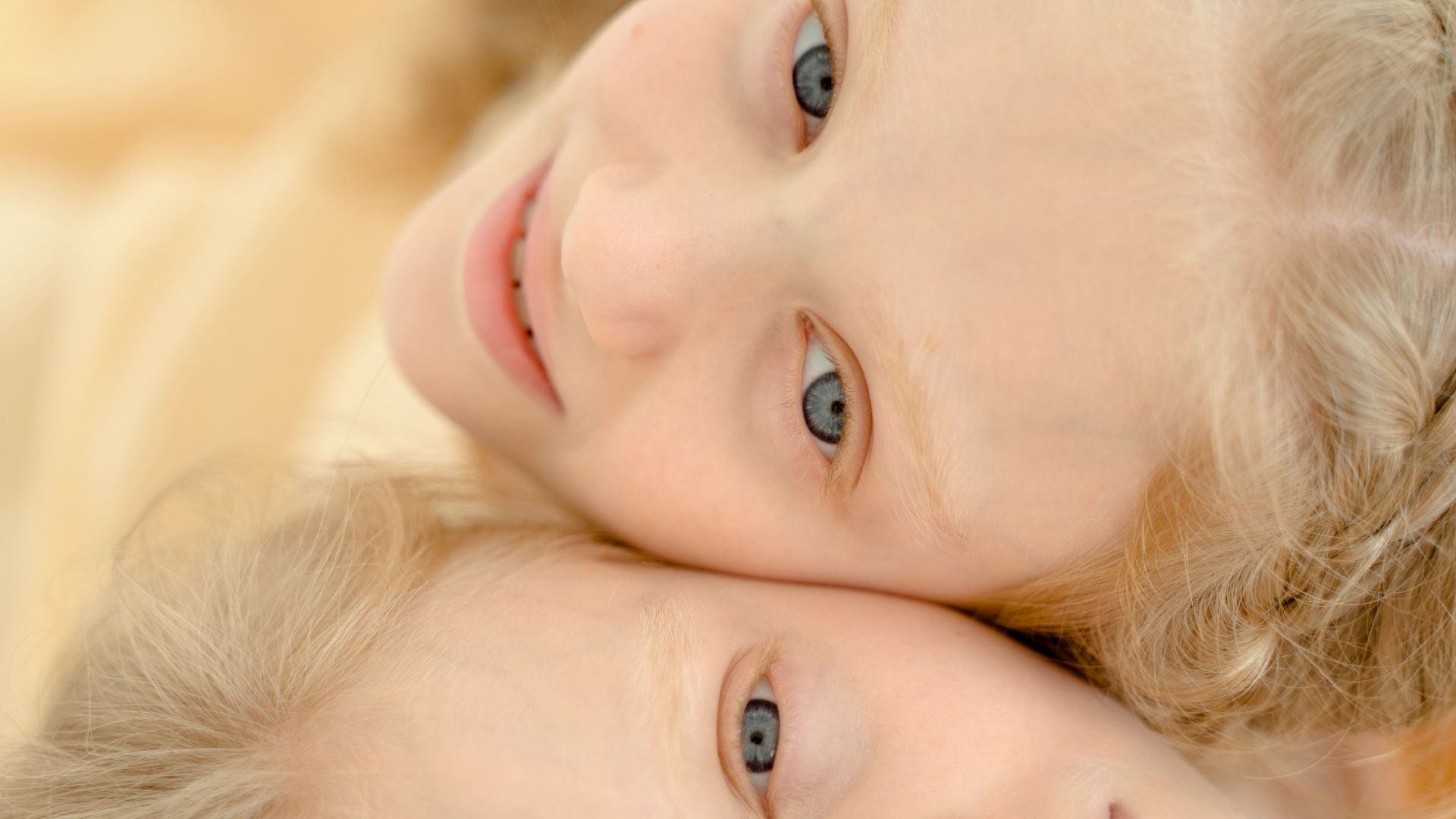
Friends sometimes soften difficult truths to avoid hurt feelings, but siblings often take a more direct approach. Their honesty can sound blunt, especially when emotions are involved. Still, that straightforwardness is frequently rooted in genuine concern.
 Juliane Liebermann on Unsplash
11. Complaining About Family Together
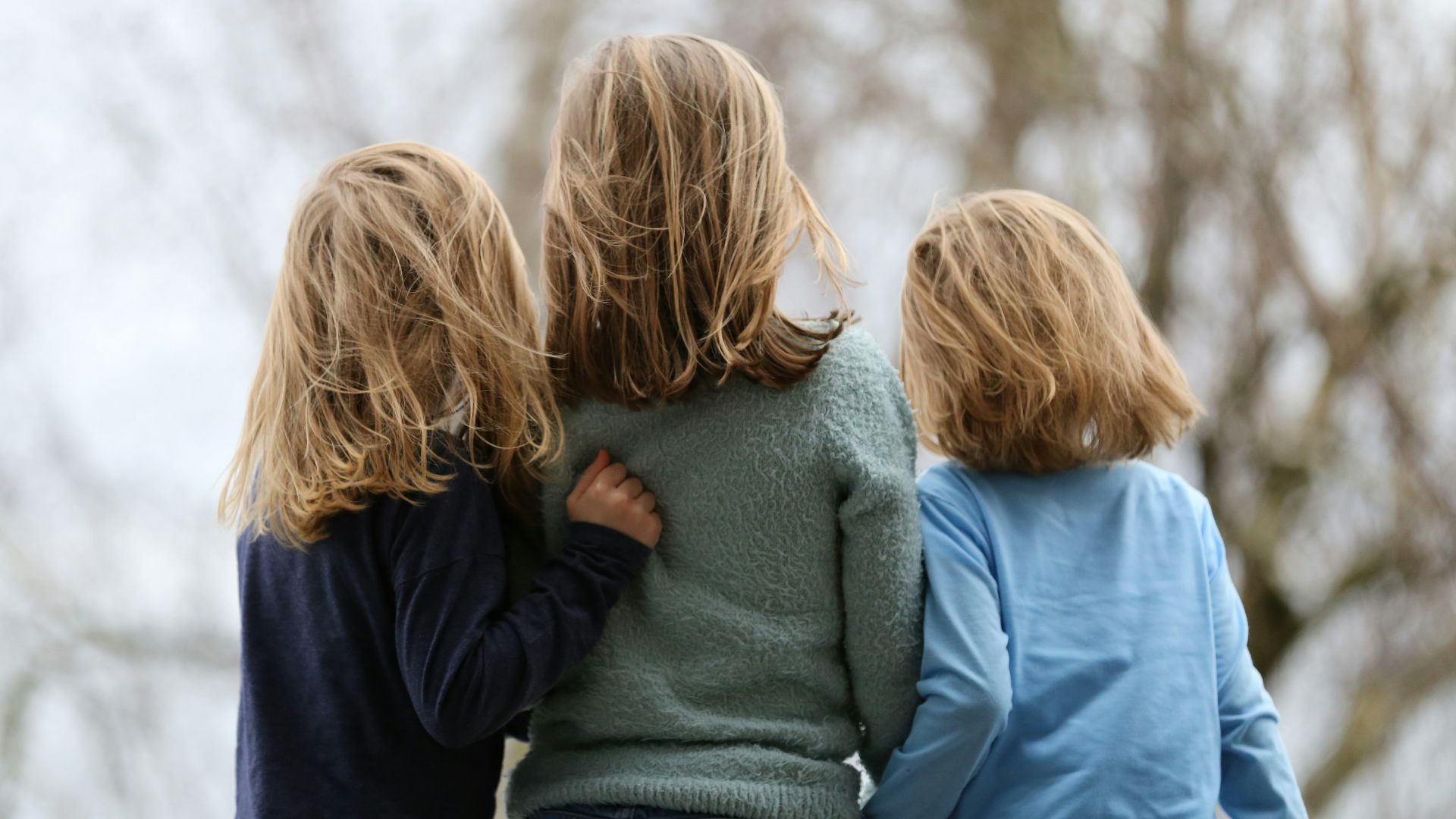
Brothers and sisters may spend hours discussing confusing family habits or frustrating relatives. To an outsider, the conversation might sound entirely negative. What it often creates, however, is a sense of understanding that comes from facing the same environment together.
12. Checking In During Difficult Times
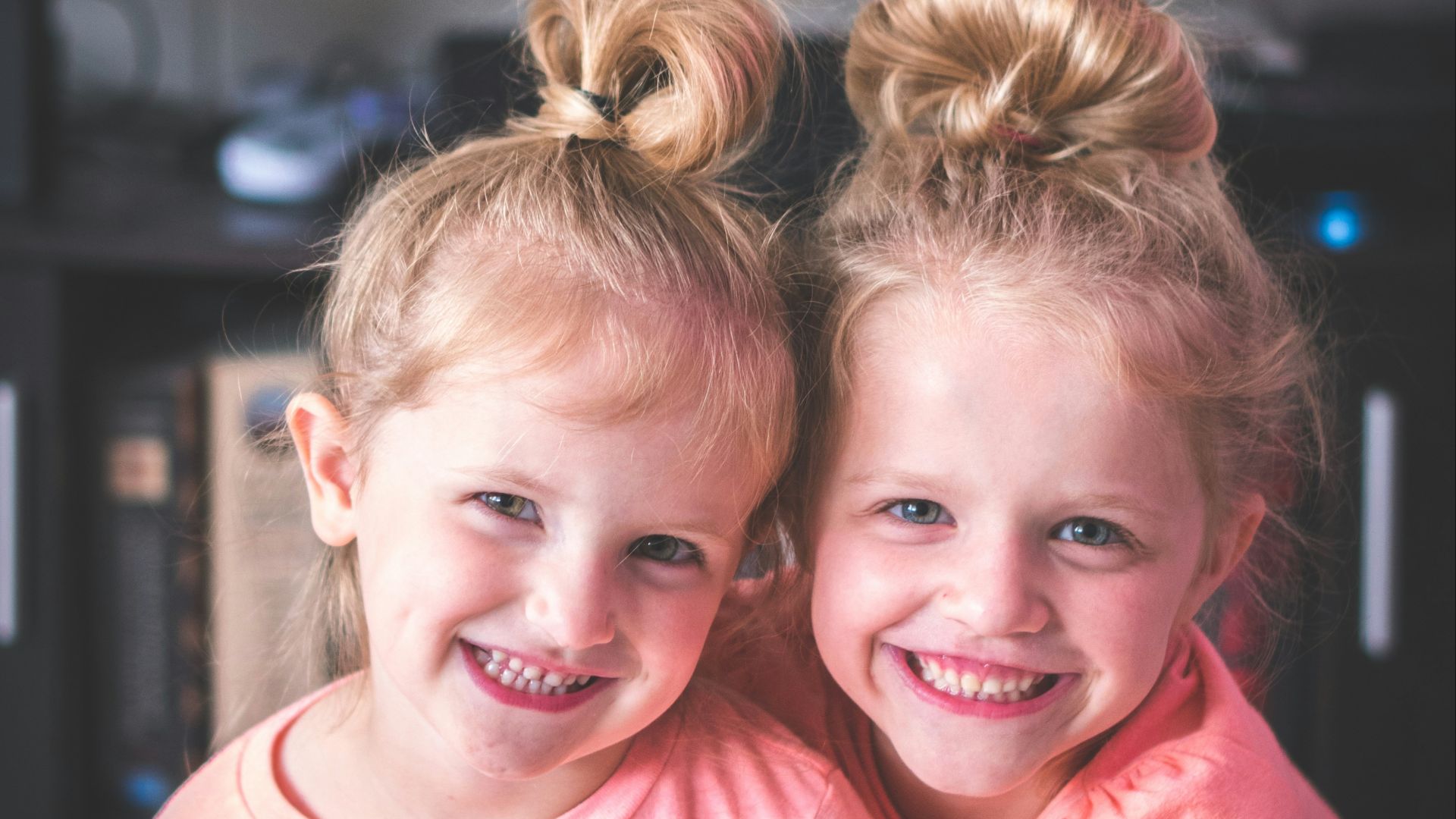
Some siblings aren't especially expressive, yet they appear when life becomes challenging. They may send a brief text, make a quick call, or offer practical help rather than emotional speeches. Those actions often communicate support more clearly than words.

13. Protecting Each Other in Social Situations
A sibling may step into a difficult conversation or help ease tension during an uncomfortable gathering. The assistance isn't always obvious, and they may never mention it afterward. Even so, these small interventions can demonstrate quiet loyalty.
14. Making Fun of the Same Childhood Experiences
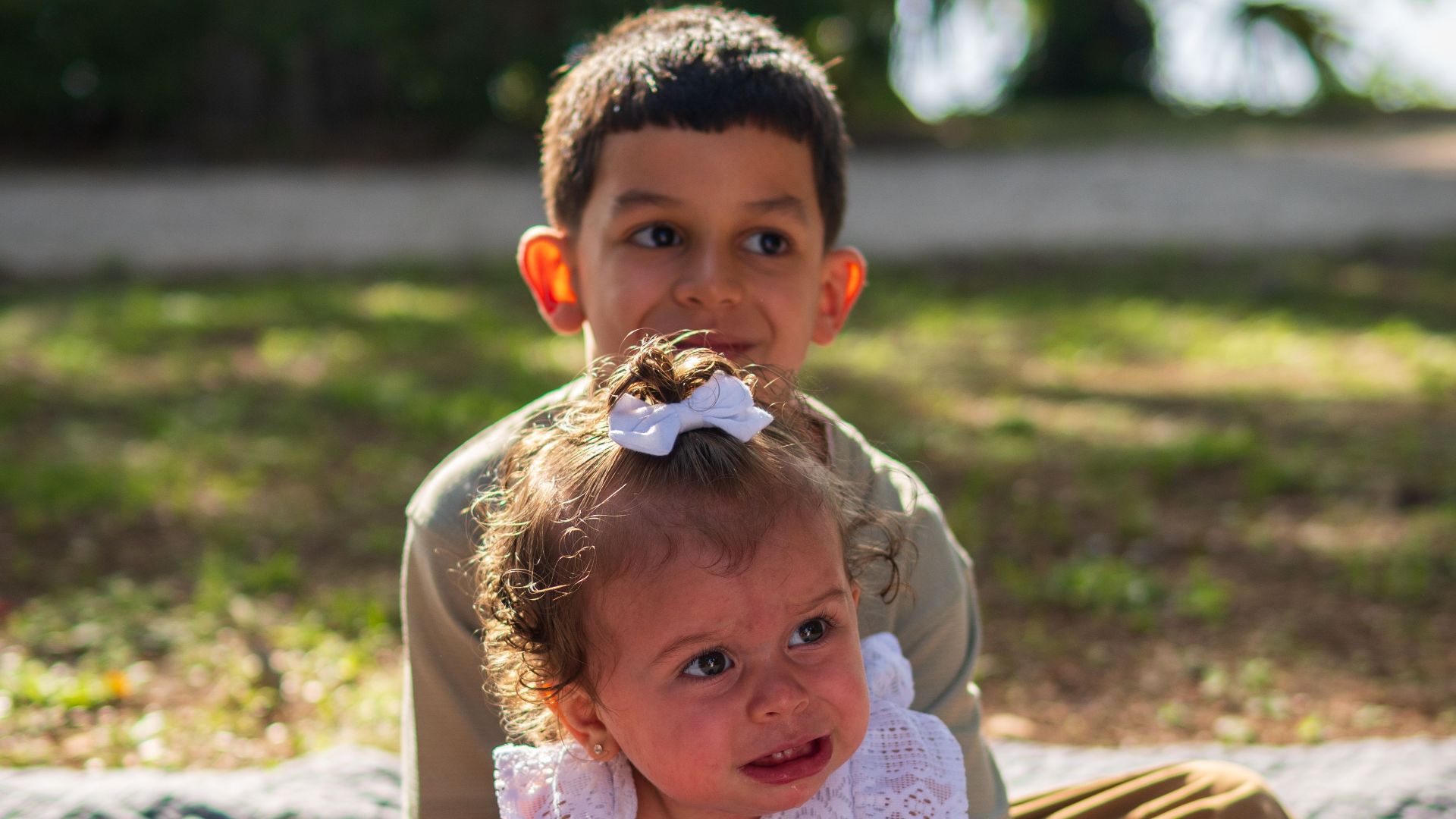
People who grow up together often share jokes that nobody else understands. References to old family routines, school events, or household rules can instantly reconnect them. The humor comes from experiences that shaped both of their lives.

15. Accepting Each Other's Flaws
Siblings usually witness one another at their best and worst. They've seen bad moods, mistakes, and awkward phases that many friends never encounter.
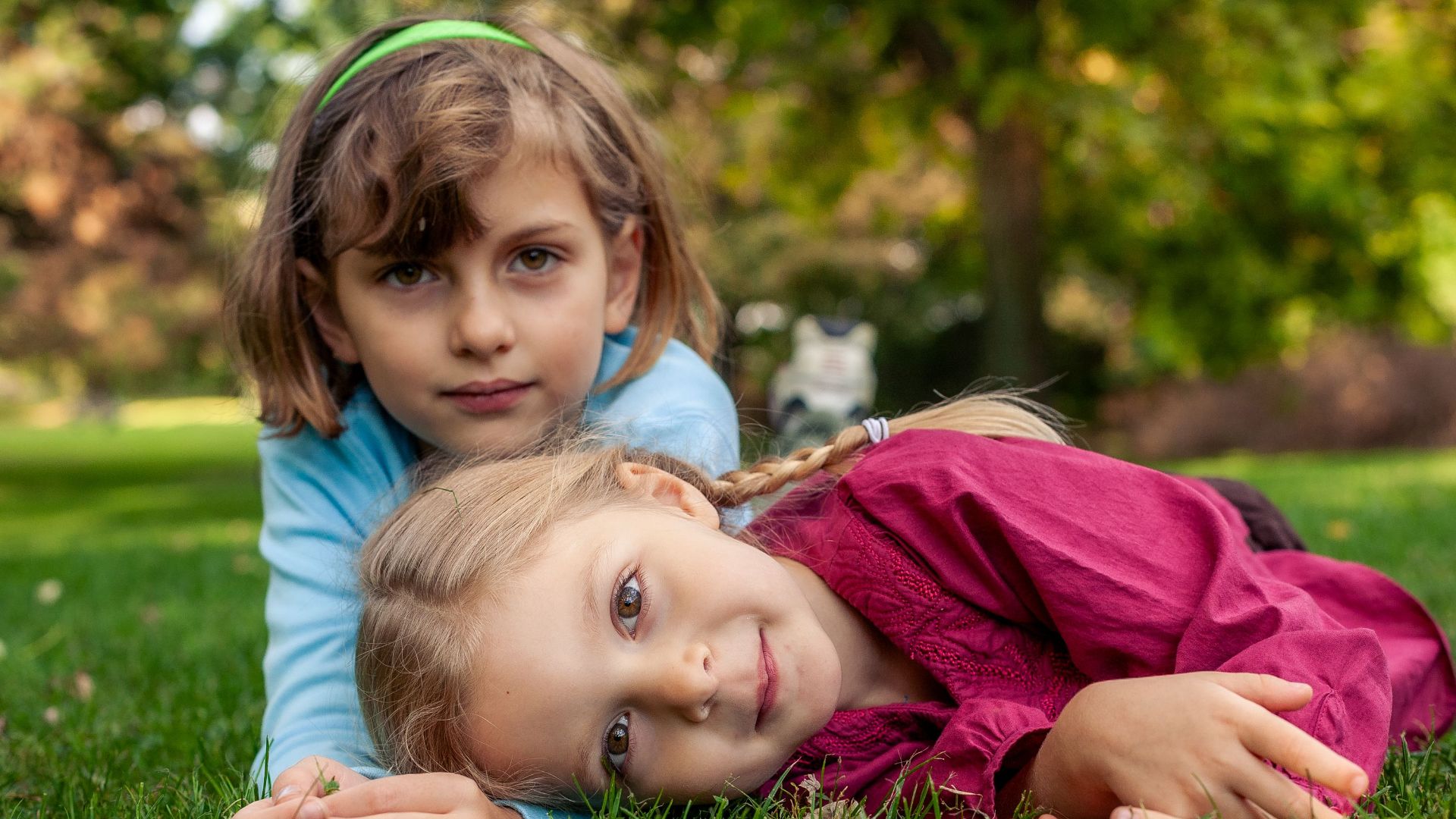
16. Spending Time Together Without Needing a Plan
Many friendships rely on organized activities, but siblings can often sit in the same room without much structure. They may watch television, scroll through their phones, or simply talk occasionally. The comfort comes from familiarity rather than entertainment.
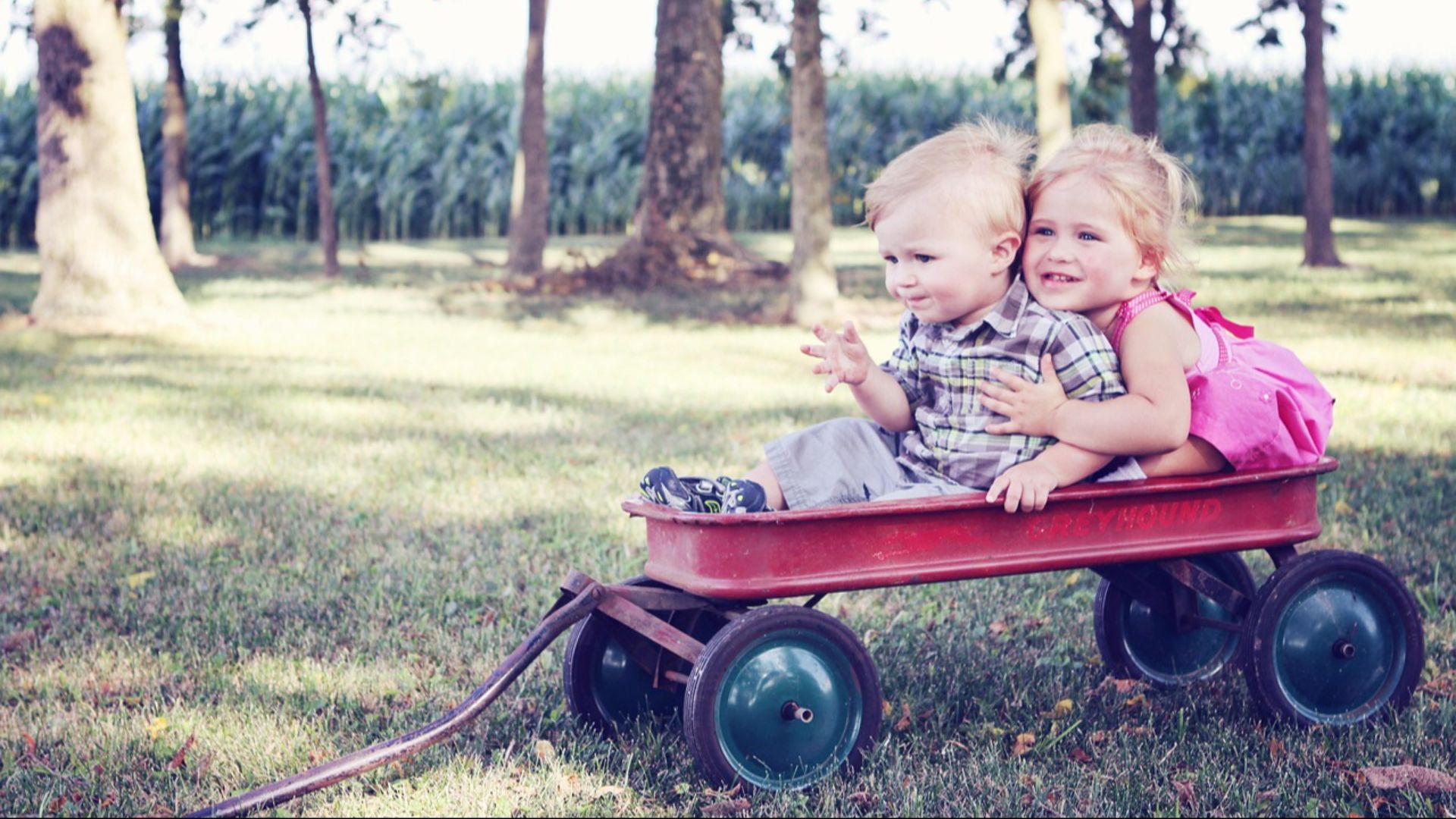
17. Using Practical Help Instead of Emotional Language
Not everyone expresses affection through compliments or heartfelt conversations. Some siblings show they care by helping with a move, fixing a problem, or running an errand. Their support is communicated through actions rather than emotional discussions.
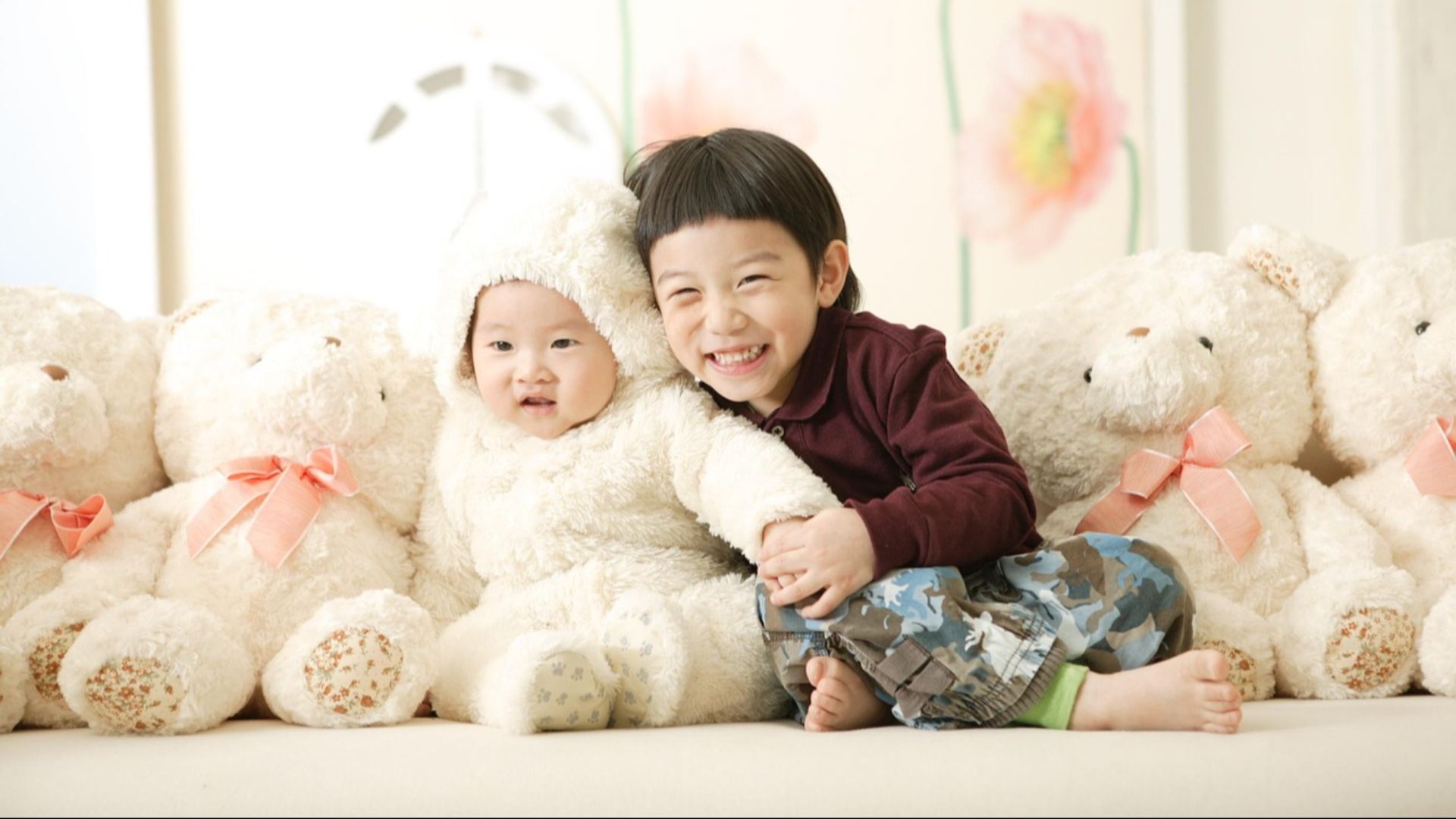
18. Keeping Old Traditions Alive
Families often develop routines that continue long after childhood ends. Siblings may maintain holiday habits, inside jokes, or annual gatherings even when they live far apart.
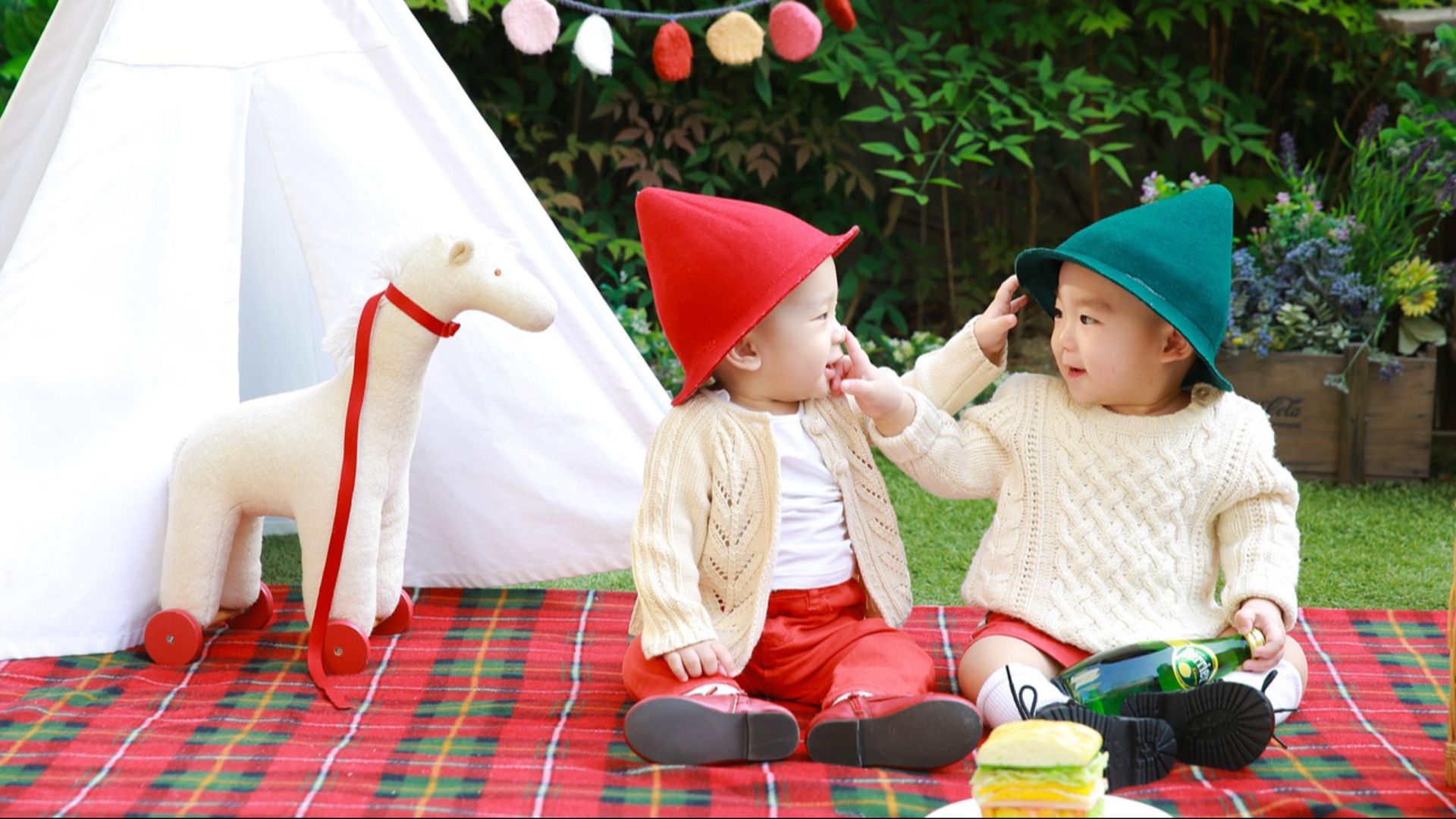
19. Trusting Each Other With Family Secrets
Because they grew up in the same household, siblings often understand sensitive family matters in ways others cannot. They may become trusted confidants when difficult situations arise.

20. Showing Up When It Matters Most
A sibling might not talk to you every day or constantly express affection. Yet when major life events occur, they're often among the first people to appear. Whether it's a celebration, a crisis, or an important milestone, their presence frequently reveals the depth of the bond that existed all along.