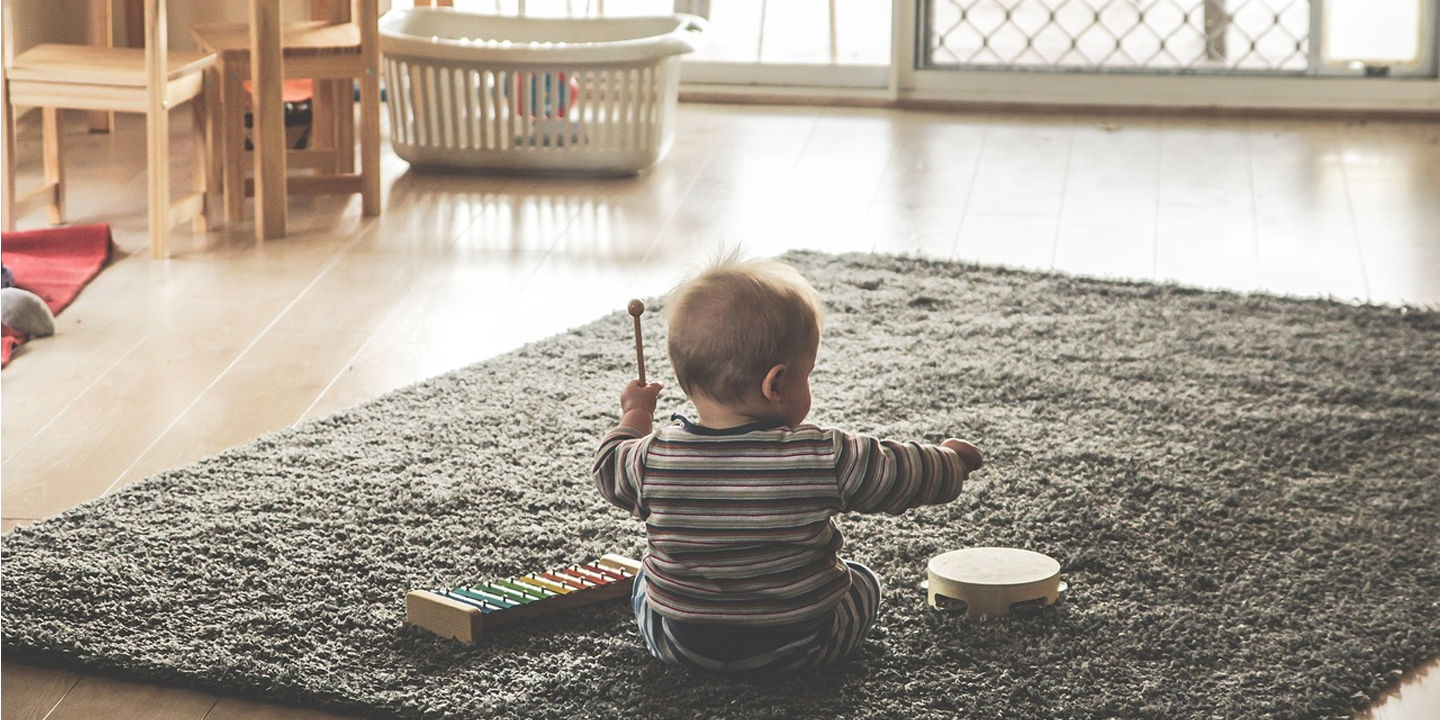
Choosing the Battles That Matter Most
Parenting comes with a seemingly endless stream of decisions, concerns, and unexpected challenges. It can sometimes feel difficult to distinguish between issues that genuinely affect a child's well-being and situations that are simply part of growing up. While some matters deserve immediate attention, others may create unnecessary stress if they receive more focus than they warrant. Here are 10 things parents should take seriously and 10 things they can let go.

1. Persistent Changes in Behavior
Children naturally go through phases, but lasting shifts in mood or behavior can signal something more significant. Withdrawal from friends, sudden irritability, or a noticeable loss of interest in favorite activities shouldn't be ignored. Paying attention early can help identify problems before they become more difficult to address.

2. Bullying
Bullying can affect a child's emotional well-being, confidence, and sense of safety. Whether it happens in person or online, repeated harmful behavior deserves serious attention. Parents who respond promptly can often help prevent lasting negative effects.
 La Fabbrica Dei Sogni on Unsplash
3. Sleep Problems
Consistent sleep difficulties can influence learning, emotional regulation, and physical health. Frequent insomnia, excessive tiredness, or ongoing sleep disruptions may indicate an underlying issue. Healthy sleep habits play an important role in a child's development.

4. Mental Health Concerns
Anxiety, depression, and other mental health challenges can affect children and teenagers just as they affect adults. Ignoring warning signs may allow problems to worsen over time. Open communication and professional support can make a meaningful difference.

5. Safety Around Technology
Children spend increasing amounts of time online, creating opportunities as well as risks. Parents should remain aware of online interactions, privacy concerns, and potentially harmful content. Guidance and supervision can help children navigate digital spaces more safely.

6. Respectful Behavior Toward Others
Learning how to treat people with kindness and respect is an important life skill. Patterns of cruelty, dishonesty, or persistent disrespect deserve attention rather than dismissal. Early guidance helps children build healthier relationships throughout life.

7. Academic Struggles That Persist
A bad grade here and there is normal, but ongoing academic difficulties may indicate a deeper problem. Learning challenges, attention issues, or gaps in understanding can become more significant if left unaddressed. Identifying the cause often matters more than focusing on the grades themselves.
 National Cancer Institute on Unsplash
8. Physical Health Symptoms
Recurring pain, significant changes in appetite, unexplained weight changes, or other persistent symptoms should be taken seriously. Children may not always communicate health concerns clearly. Paying attention to patterns can help ensure that medical issues are addressed appropriately.

9. Substance Use
Experimentation with alcohol, nicotine, or other substances can carry serious risks for young people. Even when a situation appears minor, it deserves a thoughtful response. Honest conversations and clear expectations are often more effective than ignoring the issue.

10. Feeling Safe at Home
Children should feel secure expressing concerns, asking questions, and discussing mistakes without fear of humiliation. A supportive home environment encourages trust and healthy communication. When children feel safe, they're more likely to seek help when they need it.
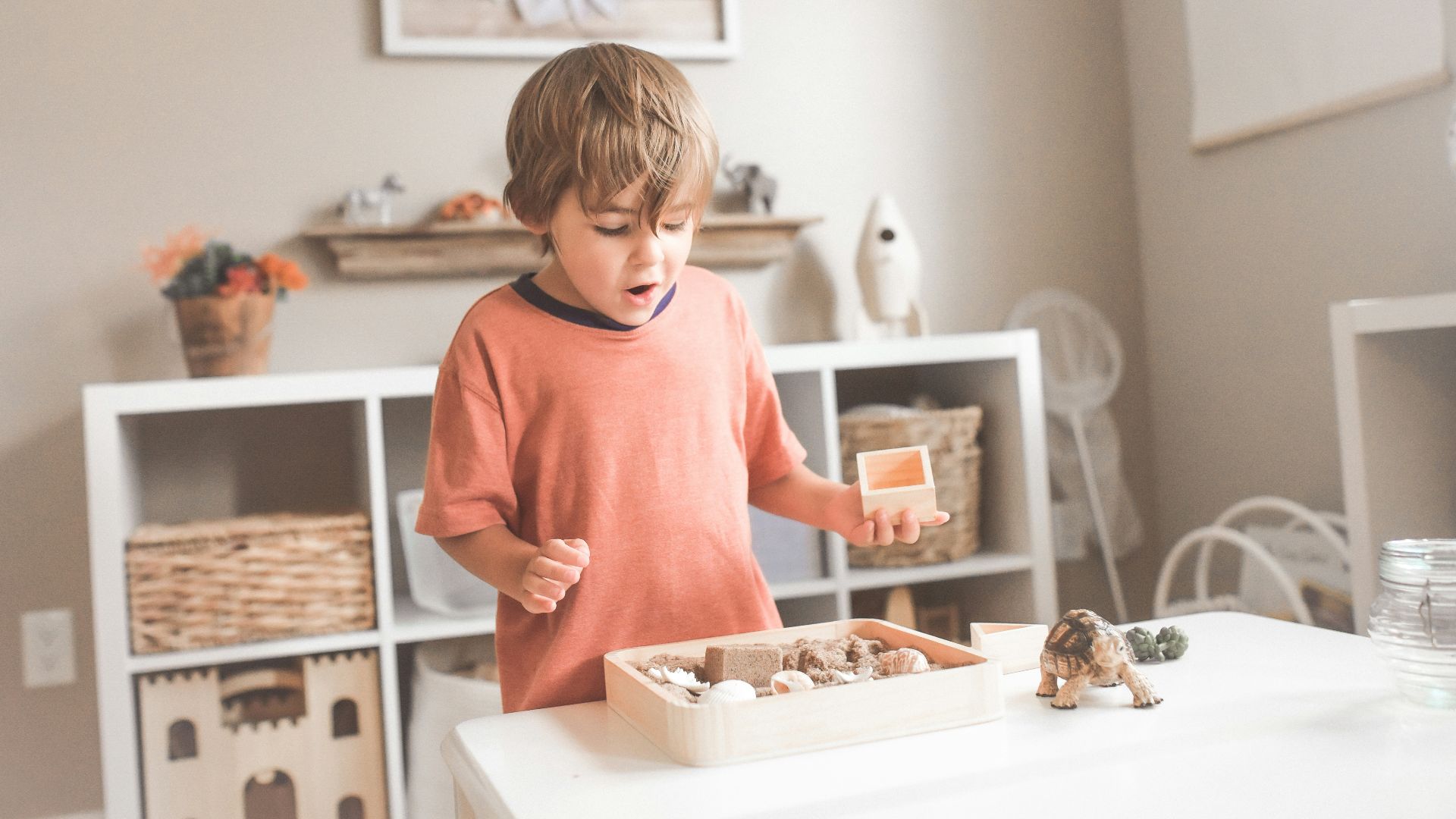
1. Perfectly Matching Outfits
Many children care far less about coordination than adults do. As long as clothing is appropriate and comfortable, minor fashion choices rarely matter. Allowing some independence can even help children develop confidence.
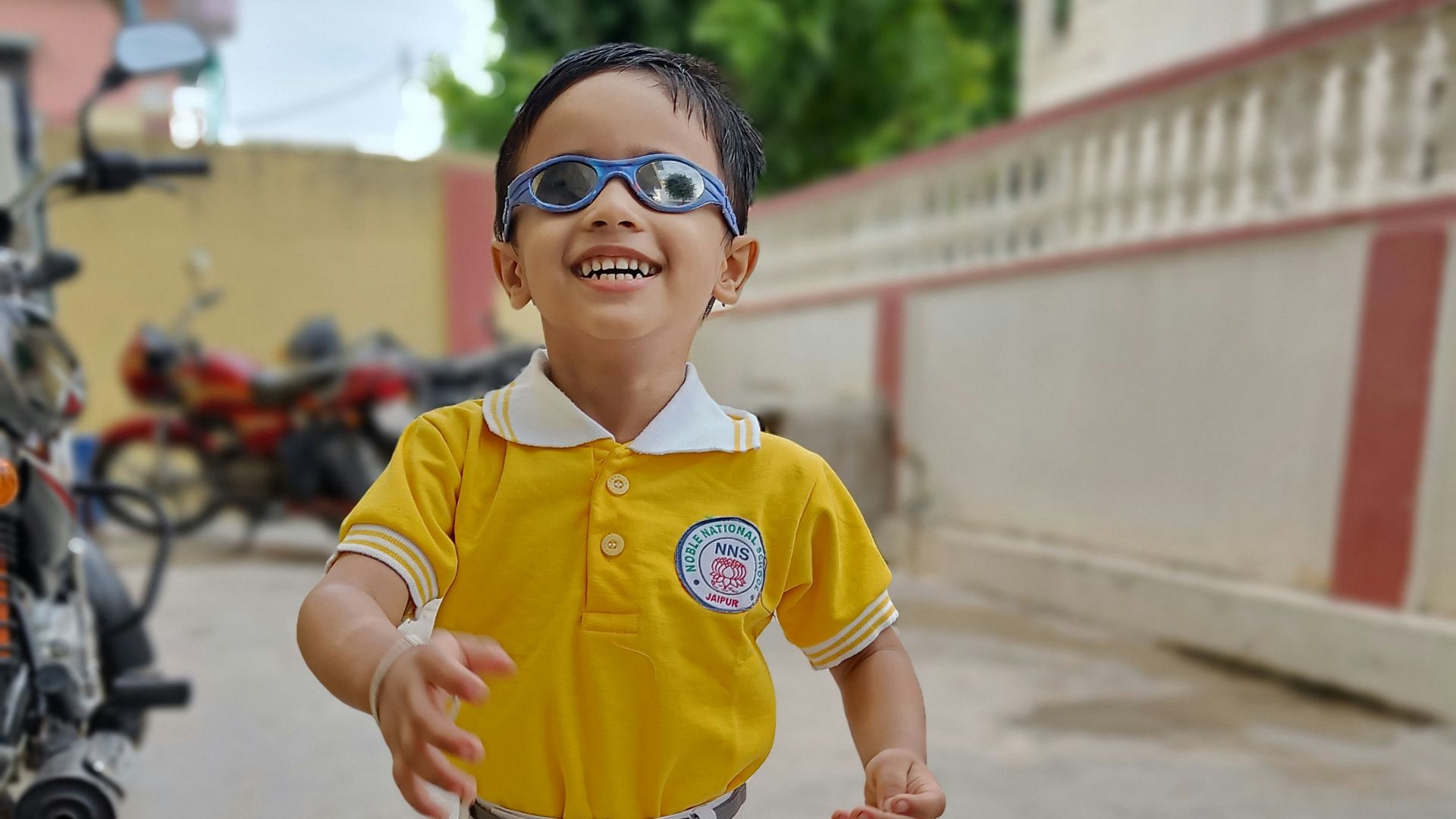
2. Every Messy Bedroom
A cluttered room isn't automatically a sign of irresponsibility or future failure. While basic cleanliness remains important, expecting constant perfection often creates unnecessary conflict. Some degree of mess is normal during childhood and adolescence.
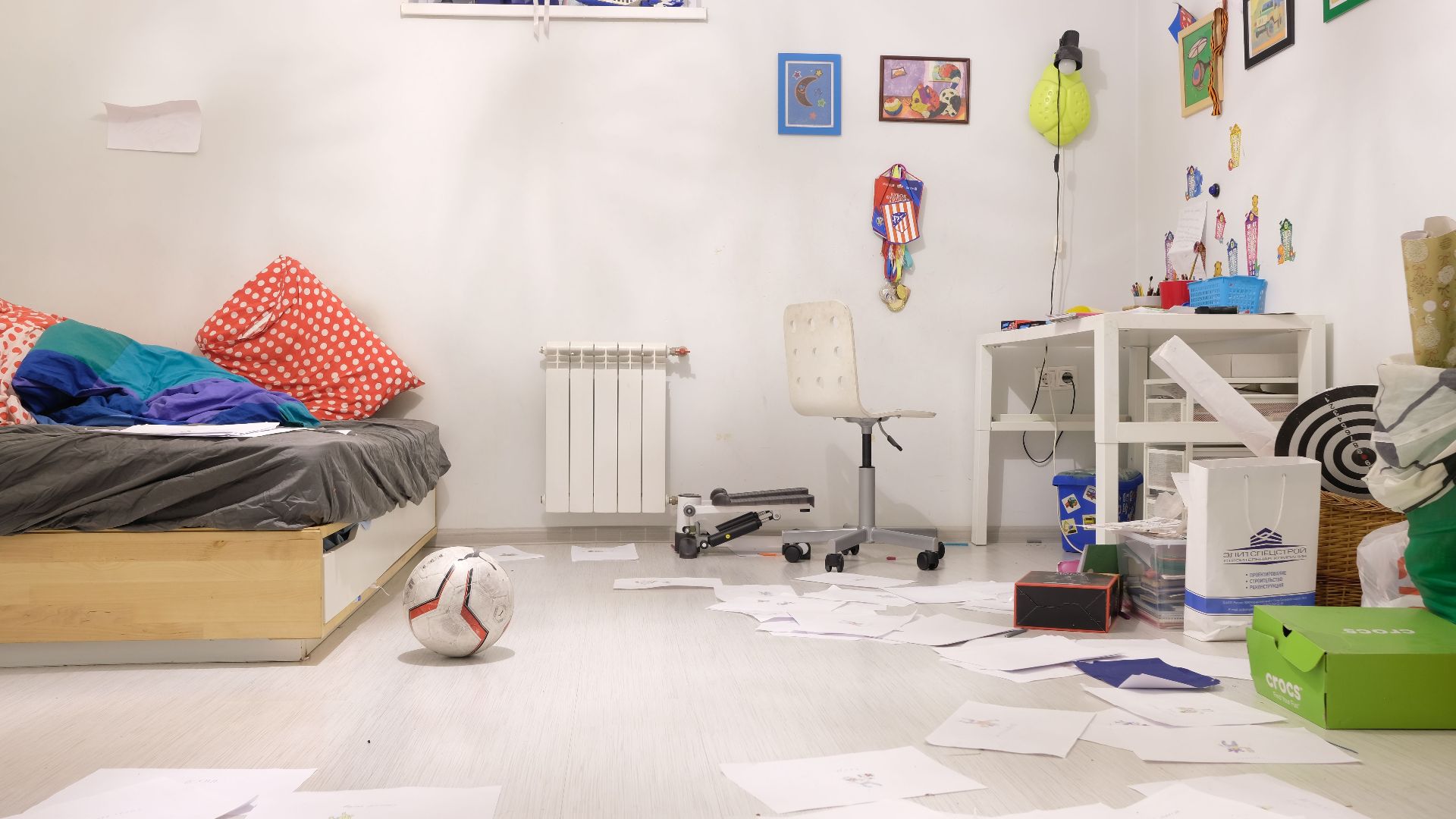
3. Minor Social Awkwardness
Most children experience awkward moments while learning social skills. An embarrassing comment or uncomfortable interaction usually isn't a cause for concern. These experiences often become valuable learning opportunities.
 Jelleke Vanooteghem on Unsplash
4. Occasional Boredom
Parents sometimes feel pressure to keep children constantly entertained. In reality, boredom can encourage creativity, problem-solving, and independent thinking. Not every moment needs to be filled with structured activities.

5. Every Forgotten Item
Children occasionally leave behind a lunchbox, jacket, or homework assignment. While it can be tempting to immediately rescue them, small mistakes often teach responsibility. Natural consequences can be effective teachers.

6. Different Interests Than Expected
A child doesn't need to enjoy the same hobbies, sports, or activities as their parents. Personal interests often evolve naturally over time. Supporting individuality is usually more beneficial than pushing a specific path.
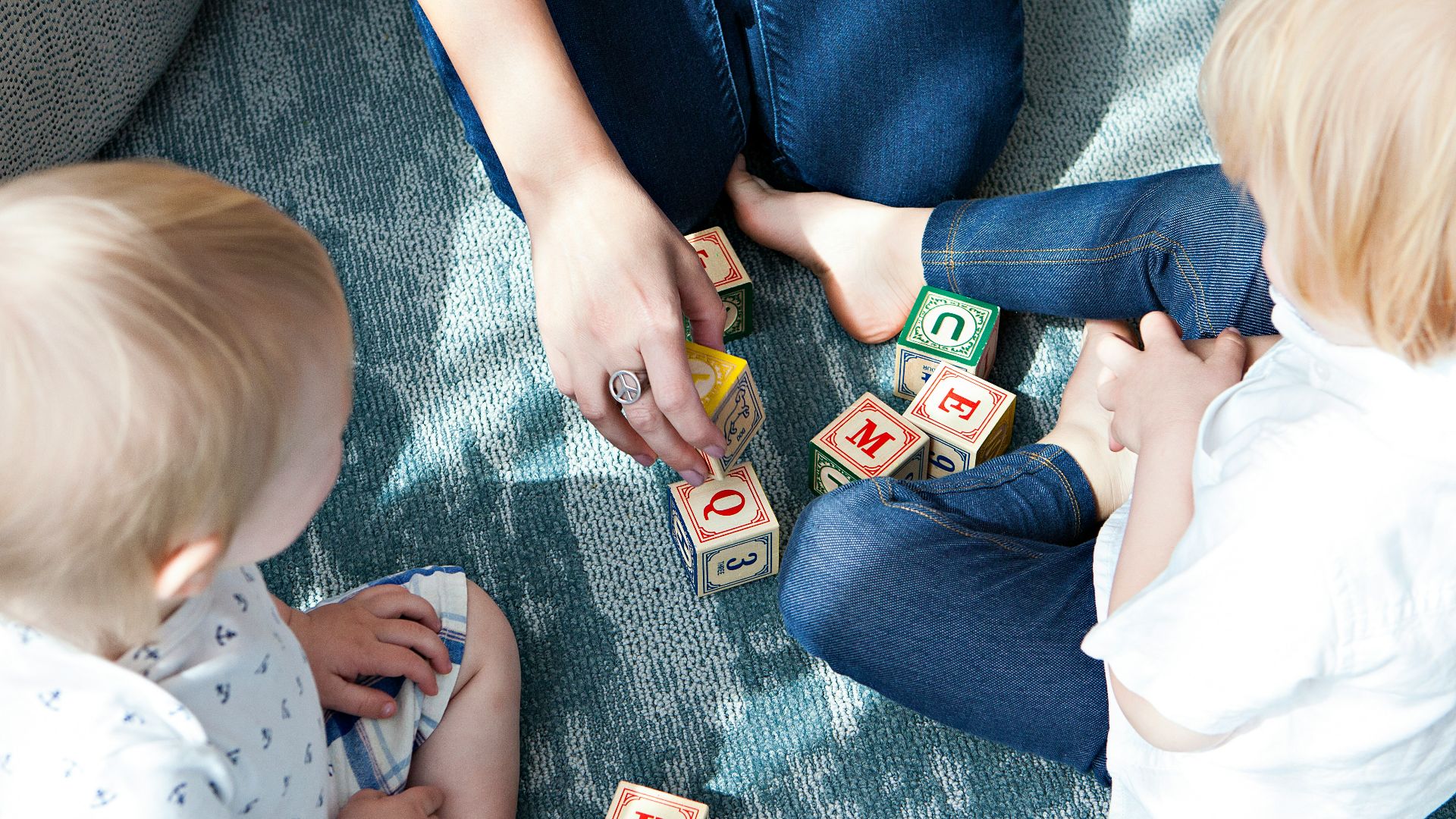
7. Not Winning Everything
Competition can teach valuable lessons, but constant success isn't necessary for healthy development. Learning how to handle disappointment is an important life skill. Children often gain resilience through setbacks as well as victories.

8. Small Parenting Mistakes
No parent handles every situation perfectly. Occasional missteps, misunderstandings, or less-than-ideal decisions are part of raising children. Consistent effort and genuine care matter far more than perfection.

9. What Other Parents Think
Comparing parenting choices to everyone else's can become exhausting. Families have different values, circumstances, and priorities. Focusing on what works for your household is usually more productive than chasing approval.

10. Having Everything Figured Out
Parenting doesn't come with a complete instruction manual. New challenges appear at every stage, and even experienced parents continue learning. Accepting uncertainty can reduce stress and make the journey more enjoyable.