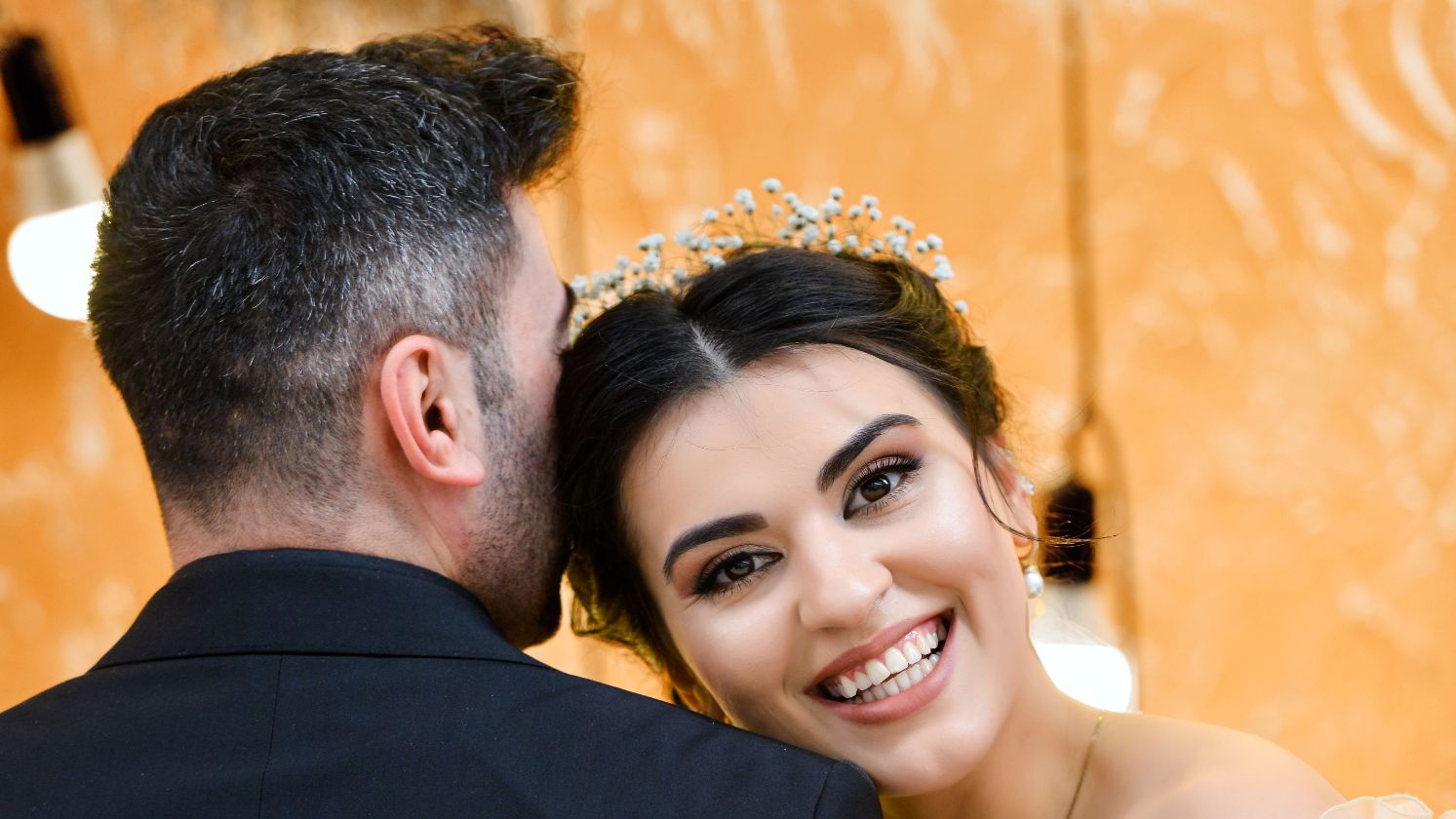

Many people think the wedding itself is the moment that changes a relationship, but the transformation often begins much earlier. During an engagement, couples spend months making decisions together, solving problems, and preparing for a shared future. Those experiences can reveal new sides of a relationship that may not have been visible before. In many cases, the growth that happens before the ceremony can be just as important as the vows exchanged on the wedding day.
While the engagement period is often associated with venues, guest lists, and budgets, it can also become an important stage of personal growth. The process naturally encourages conversations about priorities, expectations, and long-term goals. By the time the wedding day arrives, many couples find that their relationship has already evolved in meaningful ways. What seems like event planning on the surface often becomes a valuable lesson in partnership and cooperation.
Everyday Decisions Start Carrying More Weight
One of the first changes many couples notice is that ordinary decisions begin to feel more significant. Choosing a date, selecting a venue, or determining a budget may seem straightforward at first, but each choice often reflects larger values and preferences. As these conversations unfold, partners gain a clearer understanding of what matters most to one another. Even relatively small decisions can reveal surprising insights about priorities and personal expectations.
The planning process also creates opportunities to practice compromise regularly. Rarely do two people envision every detail in the same way, which means adjustments are often necessary. Learning how to navigate disagreements respectfully can strengthen trust and reinforce the idea that both voices deserve equal consideration. These moments often become valuable practice for handling future decisions that carry even greater importance.
As wedding plans progress, many couples discover that decision-making becomes less about individual preferences and more about shared outcomes. Instead of focusing solely on what one person wants, attention shifts toward finding solutions that benefit the relationship as a whole. This subtle change often marks an important step toward building a lasting partnership. Over time, that mindset can make teamwork feel more natural and instinctive.
You See How Your Partner Responds To Challenges
Even the most carefully planned wedding can involve unexpected obstacles. Vendor changes, scheduling conflicts, budget concerns, and family expectations sometimes create stressful situations that require quick solutions. How each person responds during those moments can reveal valuable information about communication styles and coping mechanisms. Those observations often provide a more realistic picture of how challenges may be handled later in married life.
Some individuals become highly organized under pressure, while others prefer to take time before making decisions. Neither approach is inherently better, but understanding those differences can prevent unnecessary frustration. When couples learn how their partner processes challenges, they're often better equipped to support one another. Greater awareness can reduce misunderstandings and create a stronger sense of empathy within the relationship.
Facing problems together can also reinforce a sense of teamwork. Instead of viewing setbacks as one person's responsibility, successful couples tend to approach them as shared concerns. That perspective helps create a stronger emotional connection because both partners feel supported rather than isolated when difficulties arise. The ability to tackle challenges as a united front often becomes one of the strongest foundations of a healthy marriage.
The Relationship Begins To Feel More Future-Focused
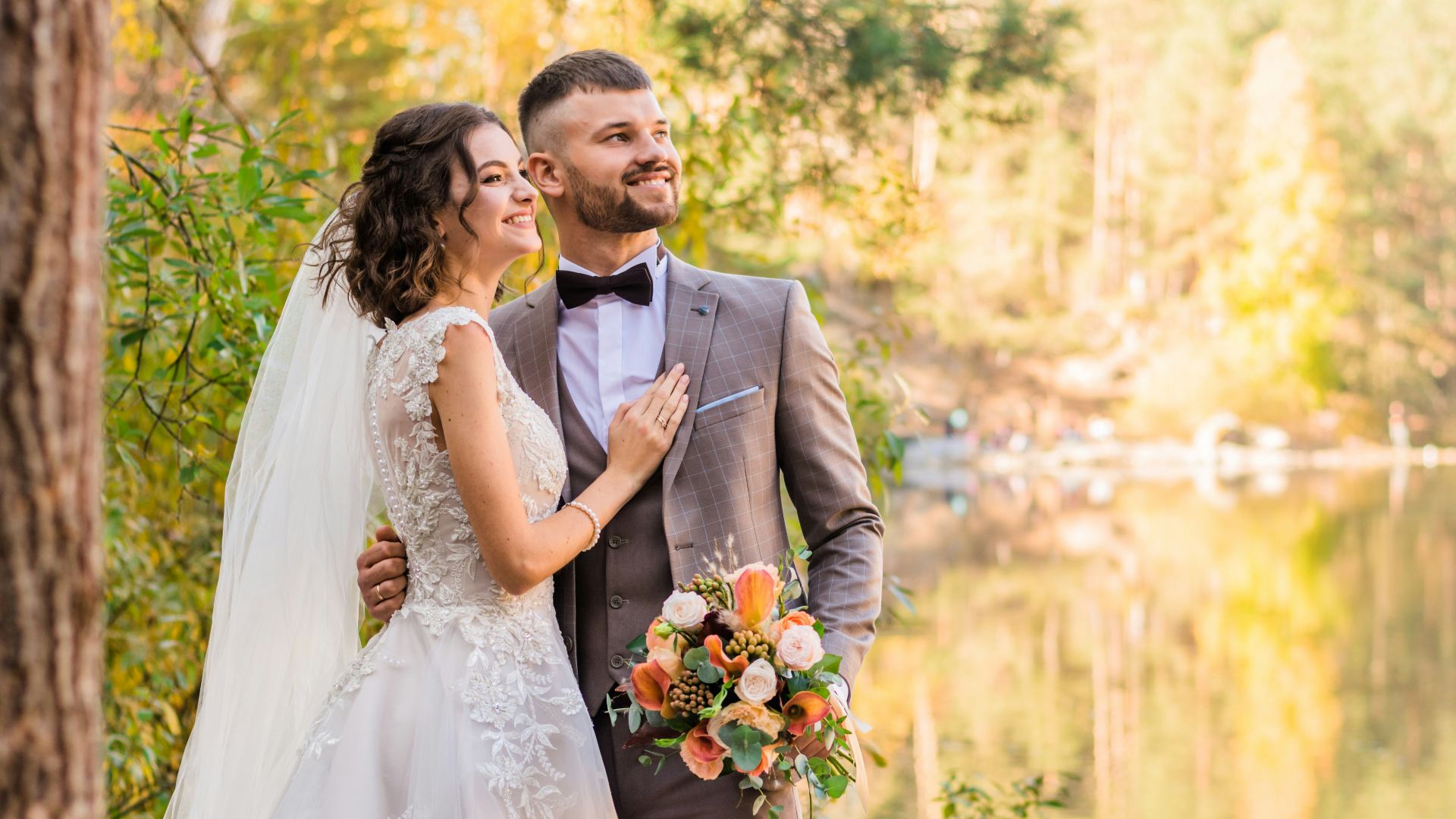
Engagement naturally encourages couples to think beyond the wedding itself. Conversations that start with guest lists or seating arrangements frequently expand into discussions about finances, careers, living arrangements, and future family plans. Those topics can bring greater clarity to the direction both people hope to take together. They also help ensure that important expectations are discussed before major life decisions are made.
At the same time, partners often become more aware of how their lives are becoming interconnected. Decisions that once affected only one person now have implications for two people moving forward. This growing awareness encourages a deeper level of consideration and reinforces the importance of collaboration.
Many couples also find that the engagement period strengthens their sense of commitment long before they exchange vows. Shared goals, mutual planning, and ongoing communication create opportunities to build confidence in the relationship. The result is often a partnership that feels more stable, more connected, and better prepared for the future. Each completed task and successful conversation contributes to a growing sense of trust and reliability.
The wedding day remains an important milestone, but the quieter transformation that happens beforehand can be just as meaningful. Through countless conversations, compromises, and shared experiences, couples learn more about themselves and each other than they might expect. By the time they stand together at the altar, the relationship has often already grown stronger through the journey that brought them there.