A Place They Can Truly Belong
Every child remembers certain things about the home they grew up in, and surprisingly, many of those memories have little to do with the size of the house or how expensive it was. What makes a house feel like home is often found in the everyday details that help kids feel secure, valued, and comfortable. While every family is different, these are some of the things that consistently help children develop a strong sense of belonging within their home. Here are 20 things that make a house feel like home to kids.

1. A Consistent Daily Routine
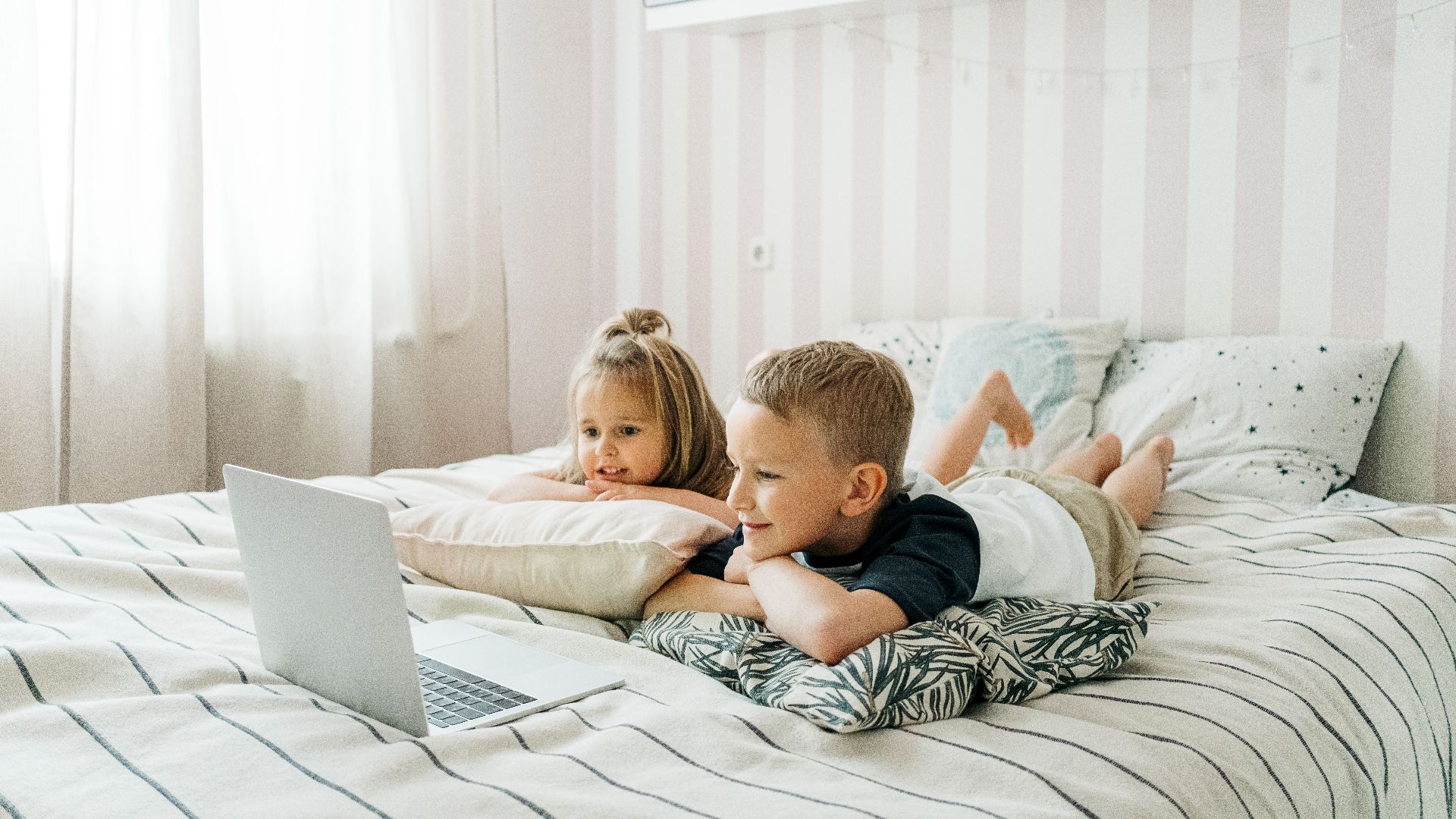
Children generally feel more secure when they know what to expect from their day. Regular mealtimes, bedtime routines, and familiar family habits provide structure that helps reduce uncertainty. Even simple routines can make a home feel dependable and comforting.
2. Family Meals Together
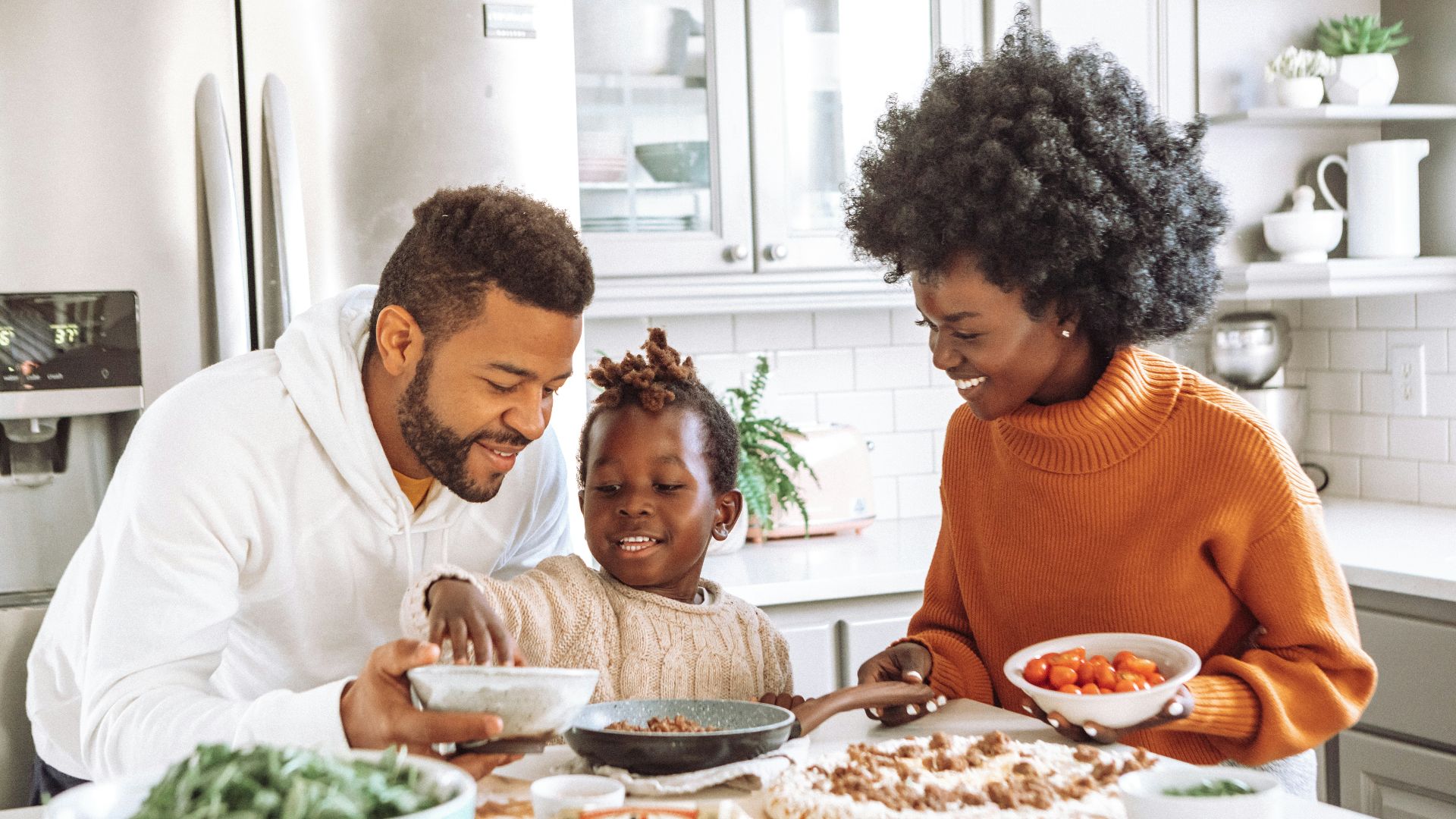
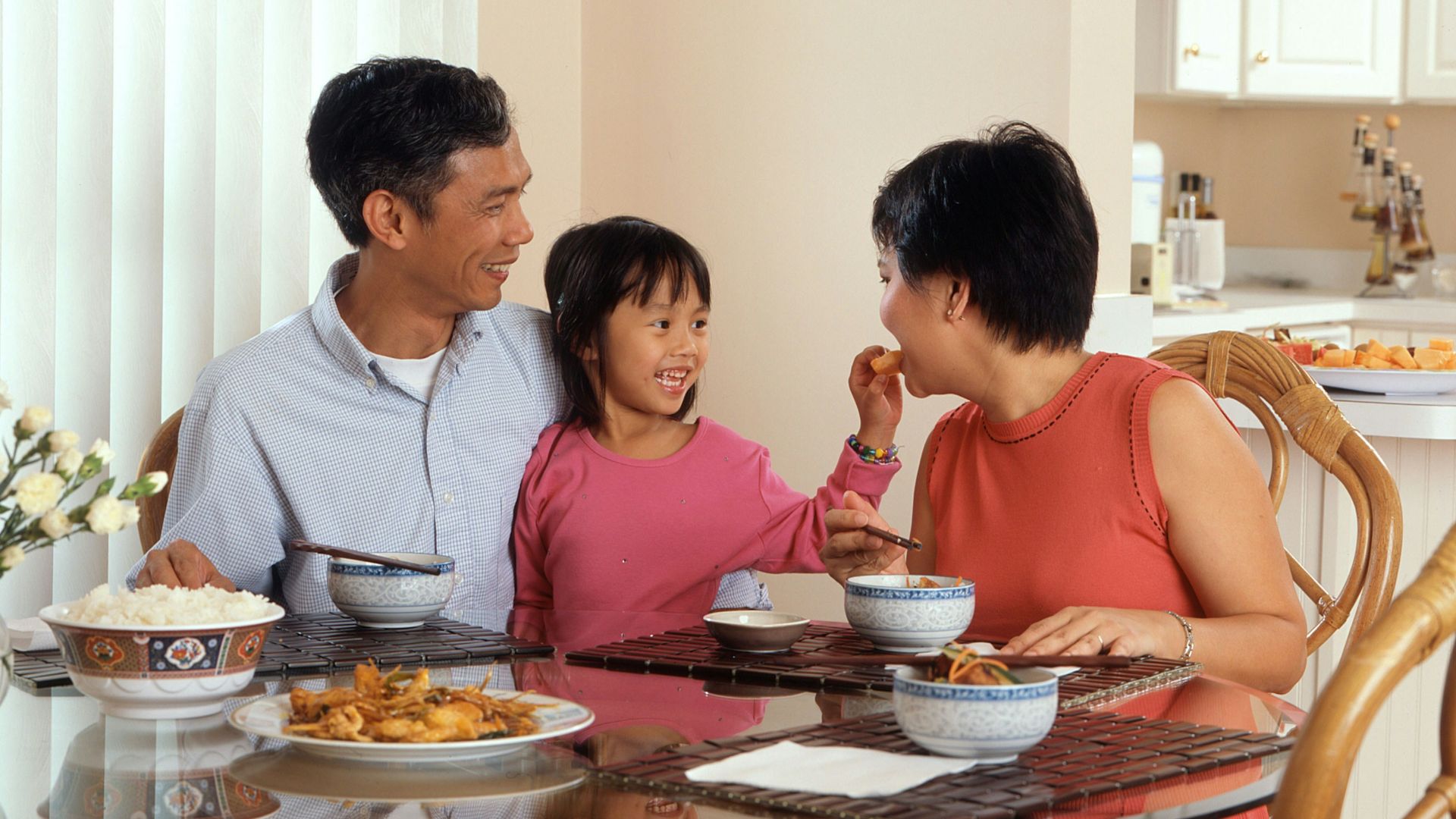
Sharing meals gives children regular opportunities to connect with parents and siblings. Conversations around the table help kids feel included in family life and encourage communication. It doesn't have to happen every day to make a positive impact.
3. A Space That's Theirs
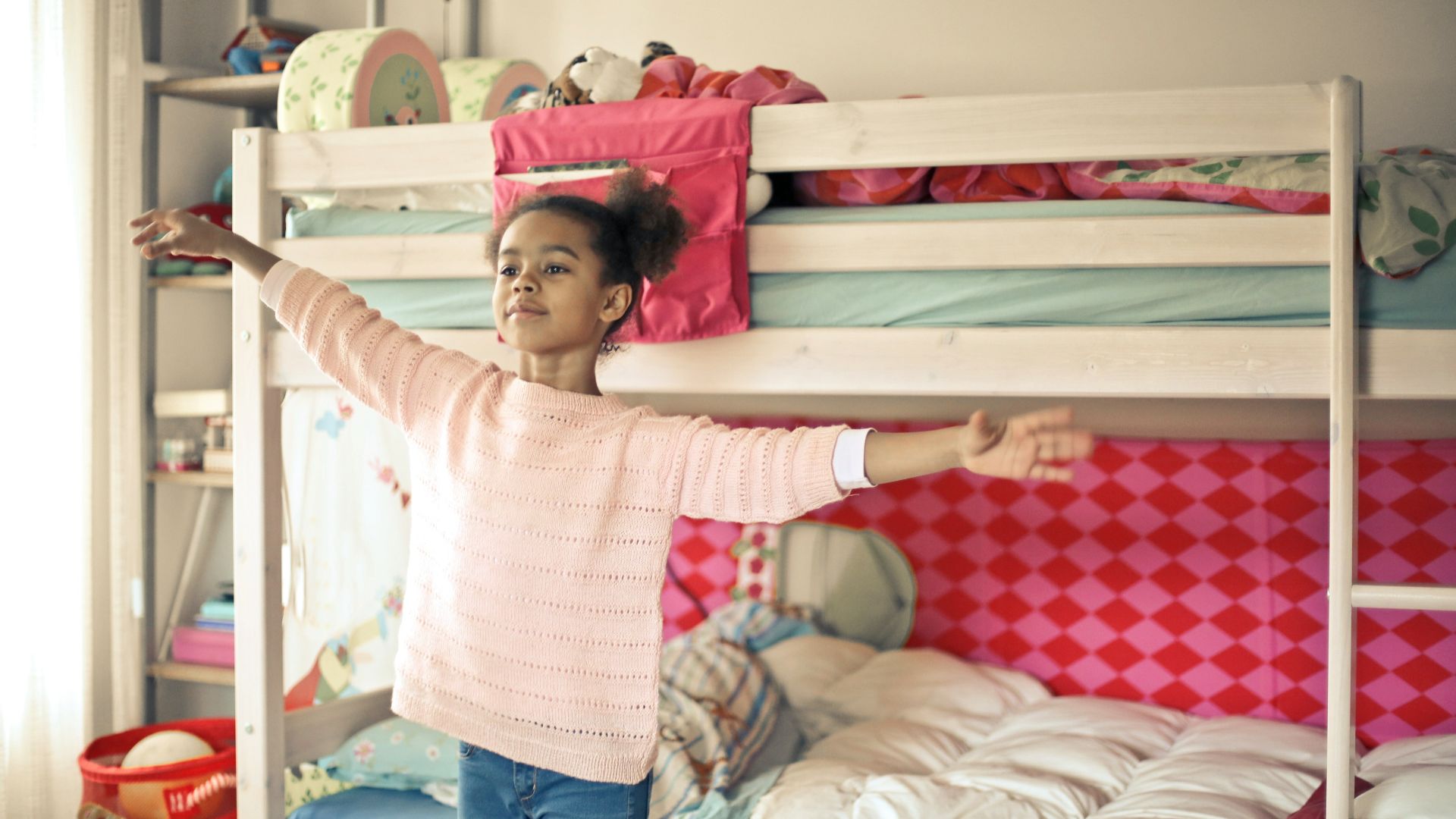
Kids often feel more attached to a home when they have an area that reflects their personality. Whether it's a bedroom, a corner for reading, or a shelf for treasured items, having a personal space promotes a sense of ownership. It also shows that their interests and preferences matter.
4. Familiar Sounds
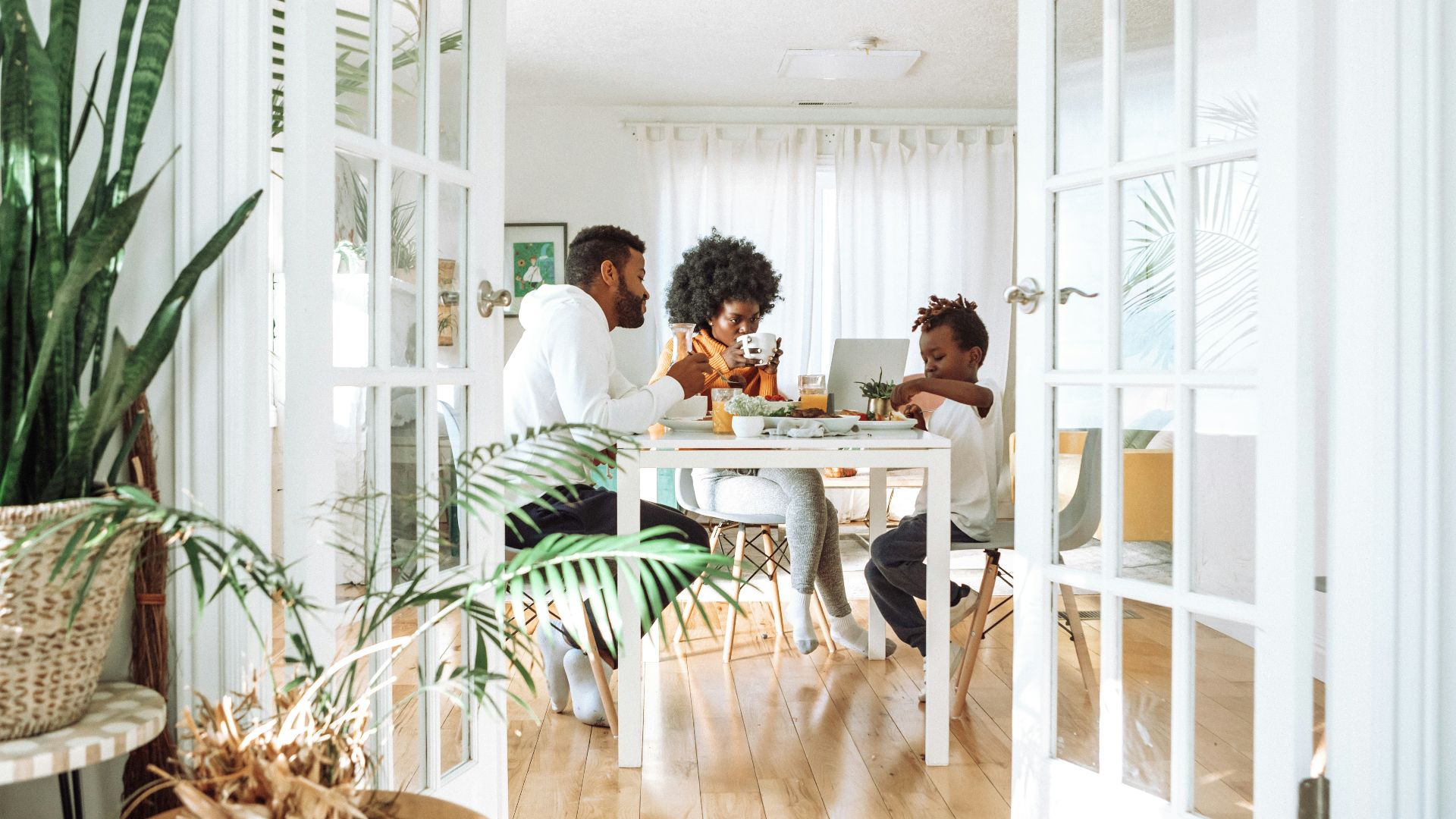
The sounds children hear every day become part of their understanding of home. A parent's voice, laughter from another room, or a favorite song playing in the kitchen can create feelings of comfort and stability. These familiar noises often remain strong memories long into adulthood.
5. Family Traditions
Traditions help create shared experiences that children look forward to each year. They don't need to be elaborate to be meaningful. Movie nights, holiday baking, or a special birthday breakfast can become lasting parts of family identity.
6. Feeling Safe
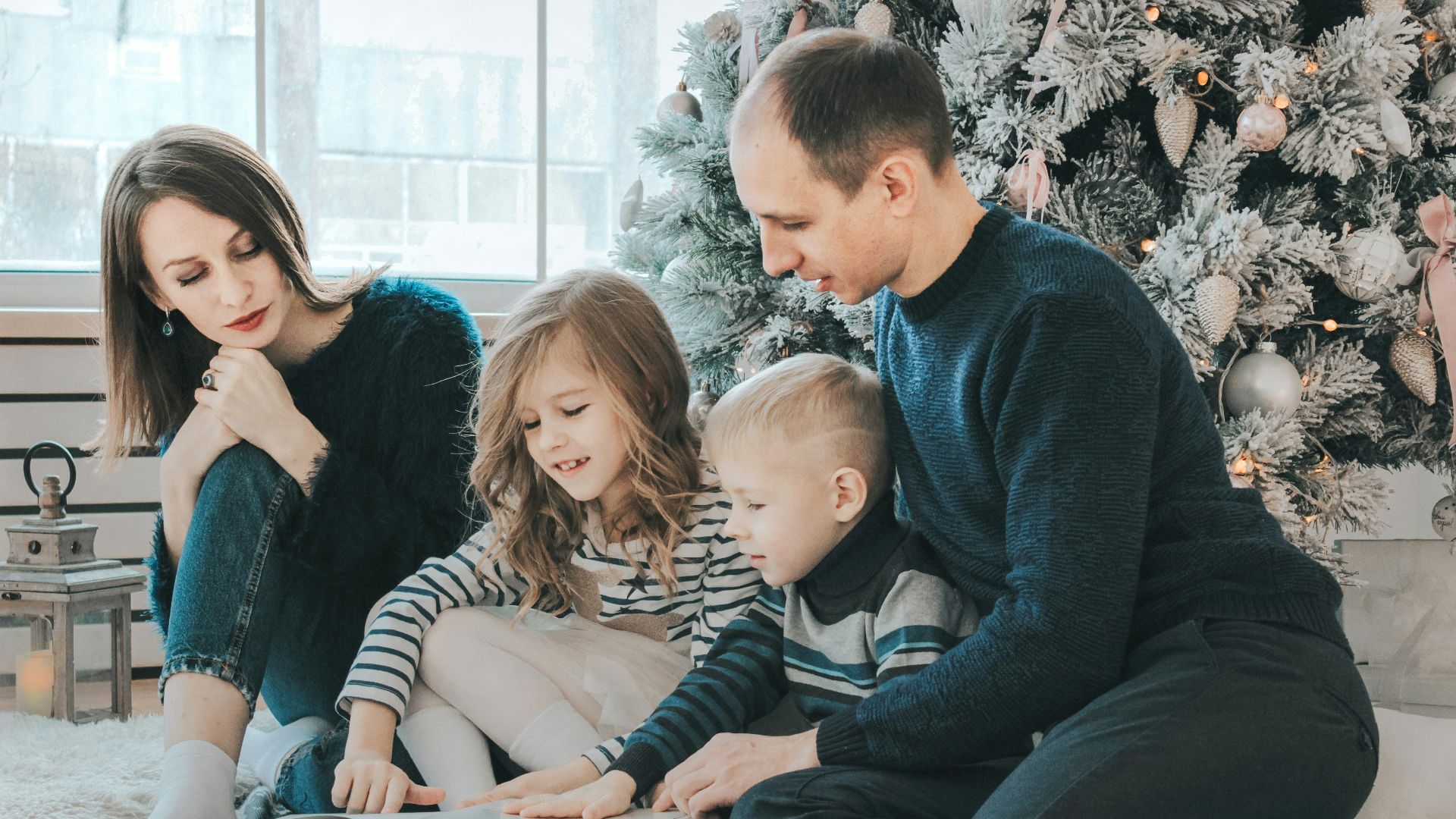
A home feels like home when children believe they're protected there. Physical safety is important, but emotional safety matters just as much. Kids thrive when they know they can express themselves without fear of harsh judgment or ridicule.
 National Cancer Institute on Unsplash
7. Displayed Family Photos
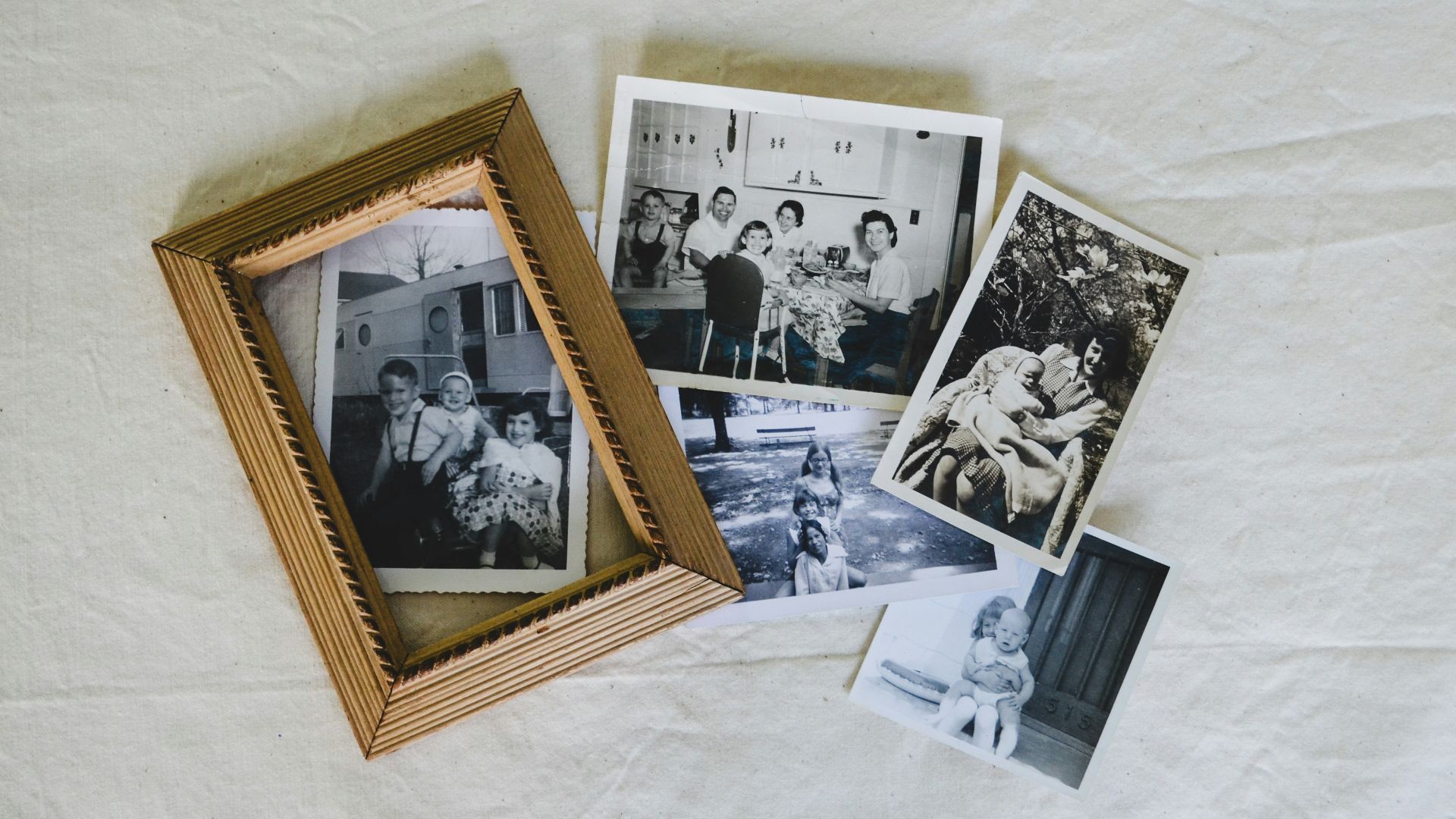
Photographs remind children that they're part of a larger story. Seeing family pictures around the house reinforces a sense of belonging and connection. These visual reminders help children feel valued within the family unit.
8. Pets That Feel Like Family
For many children, pets become important companions and sources of comfort. Caring for animals can also help kids develop responsibility and empathy. Even years later, many people associate beloved family pets with the feeling of home.

9. Opportunities To Help
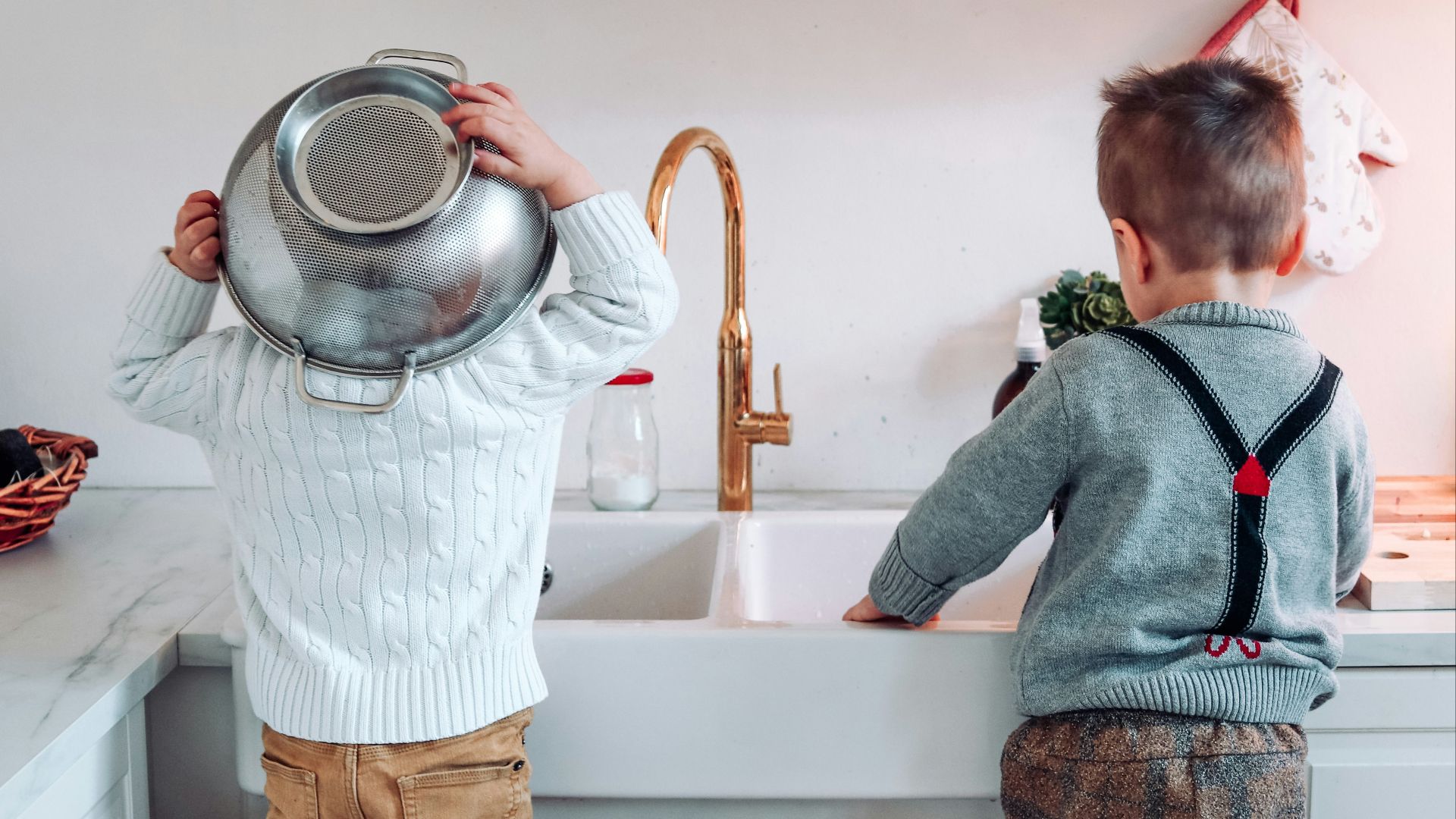
Children often feel more connected to their home when they're trusted with age-appropriate responsibilities. Helping set the table, water plants, or organize toys allows them to contribute. Participation helps kids feel that they're important members of the household.
10. Favorite Comfort Foods
Many childhood memories are connected to specific foods prepared at home. Familiar meals can provide reassurance during stressful times and create positive associations with family life. The emotional connection often matters more than the recipe itself.
 micheile henderson on Unsplash
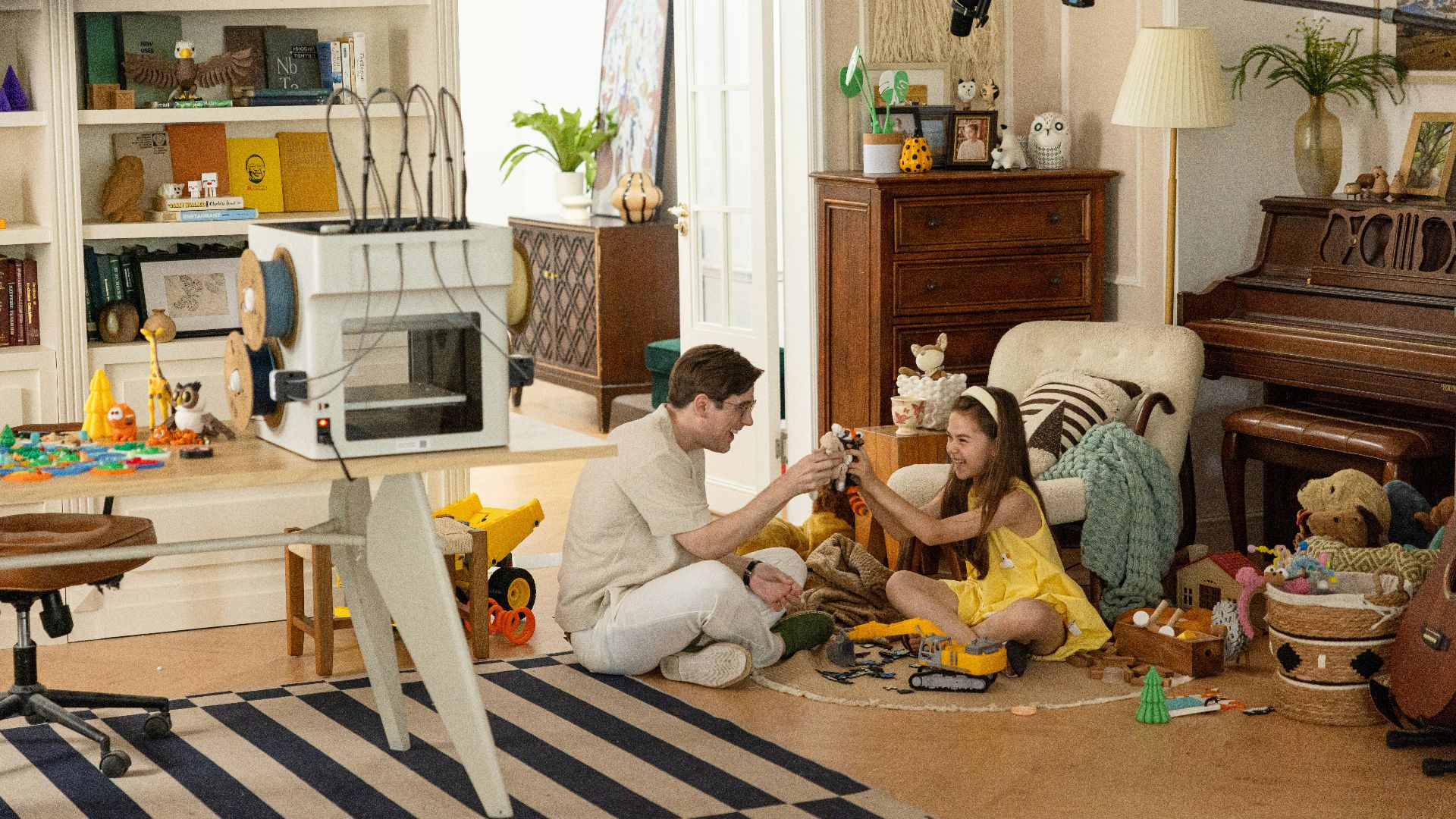
11. A Place To Play
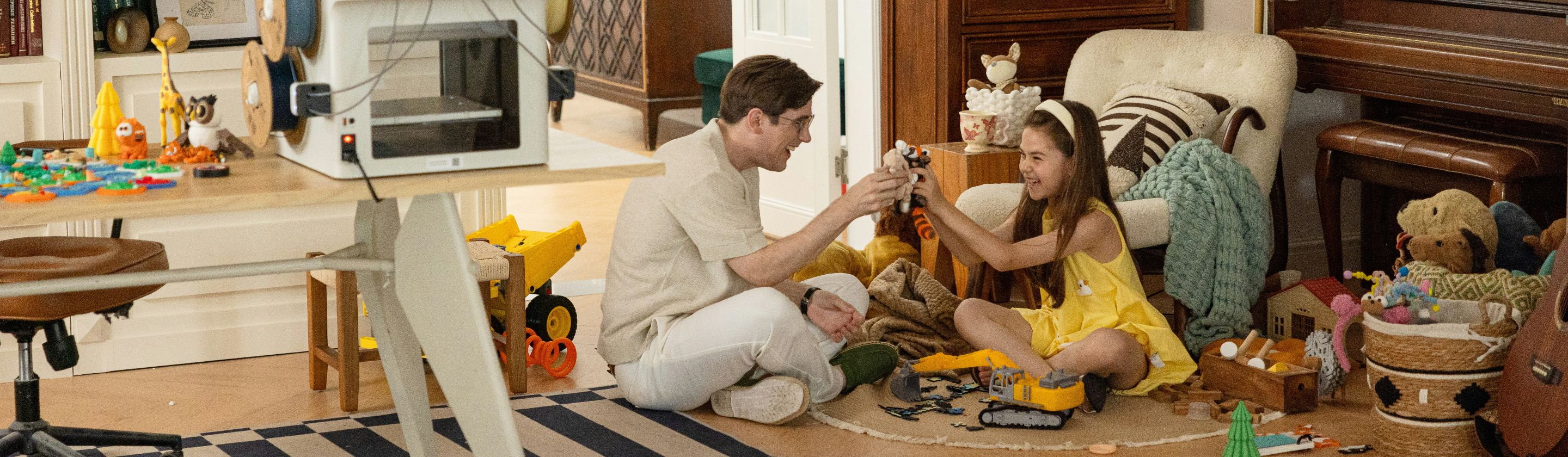
Play is an important part of healthy childhood development. A home that provides room for creativity, games, and imagination feels welcoming to kids. The space doesn't need to be large as long as children feel free to enjoy it.
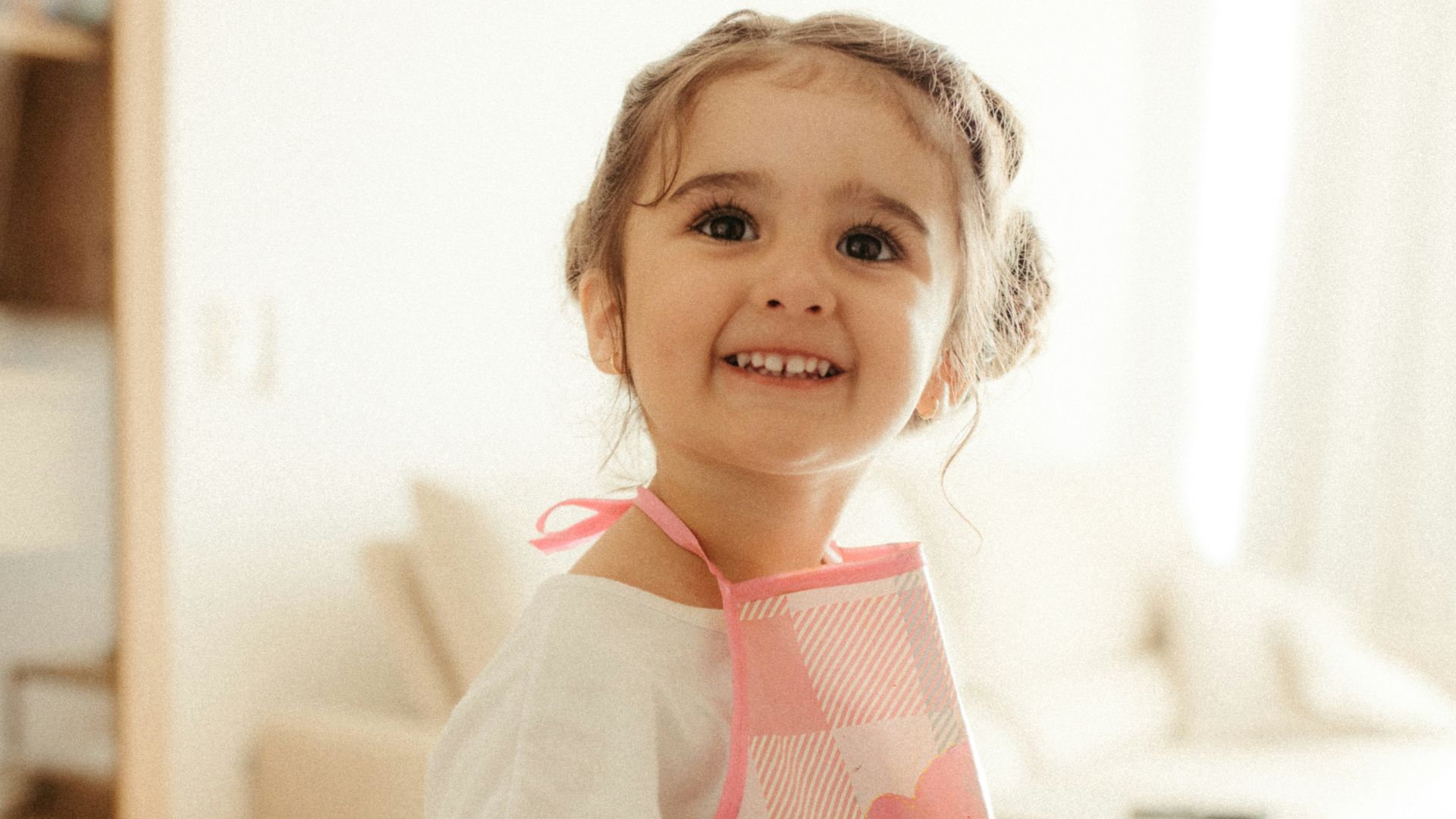
12. Predictable Rules
Clear expectations help children understand boundaries and feel secure. When rules are fair and consistently enforced, kids know what behavior is expected of them. This consistency creates an environment that feels stable rather than confusing.
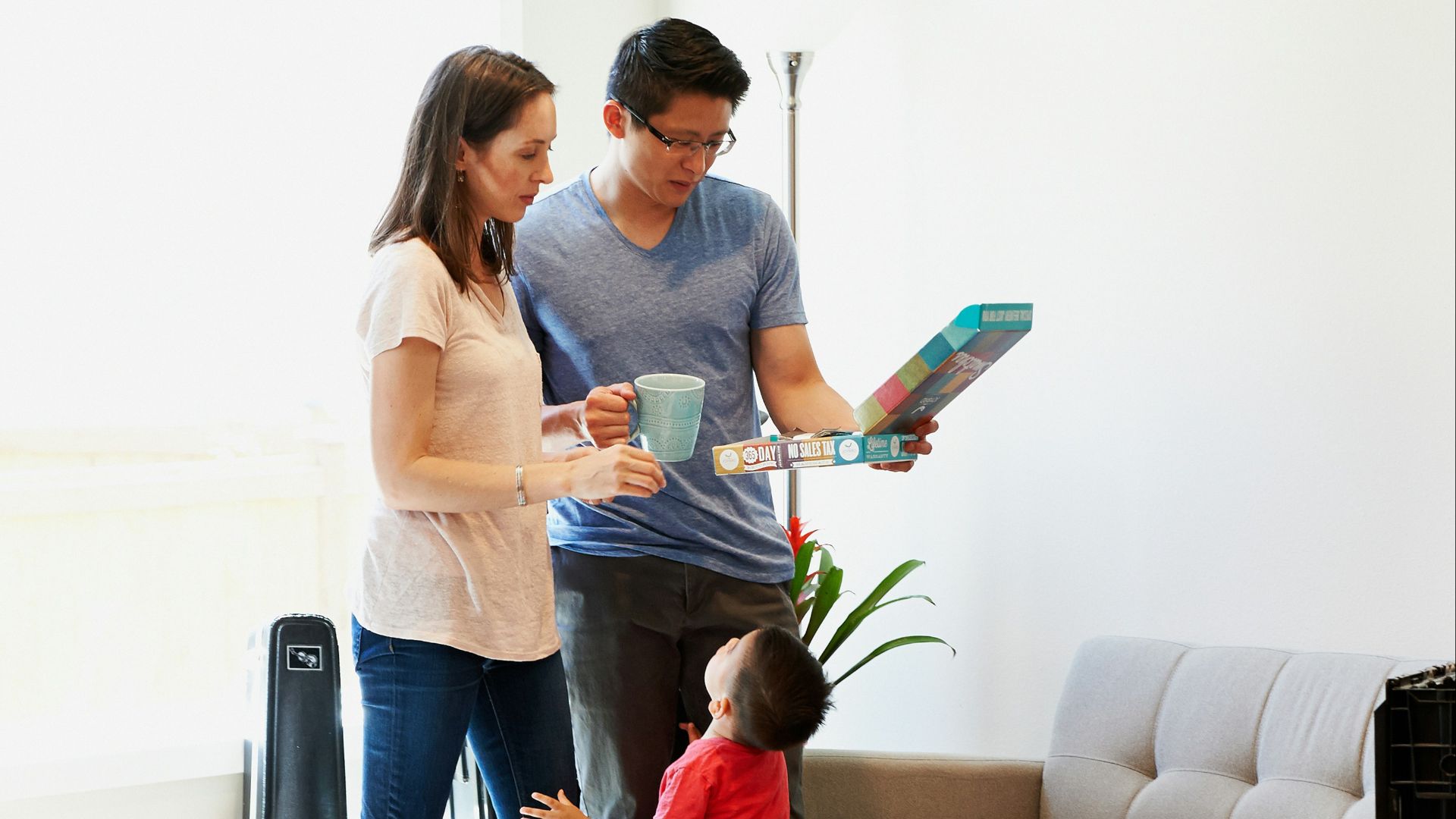
13. Warm Welcomes After Time Away
Coming home after school, activities, or trips feels special when children know they'll be greeted warmly. A simple question about their day or genuine interest in what they've been doing can make a big difference. These interactions reinforce the idea that home is where they're valued.

14. Room For Friends
Children often associate home with positive social experiences. When friends are welcomed into the house, kids can build important relationships in a familiar environment. It also helps them feel proud of the place where they live.
 Snapmaker 3D Printer on Unsplash
15. Shared Family Stories
Stories about relatives, past experiences, and funny family moments help children understand their roots. Hearing these stories strengthens family bonds and creates a sense of continuity. Kids often enjoy learning where they fit within the broader family history.
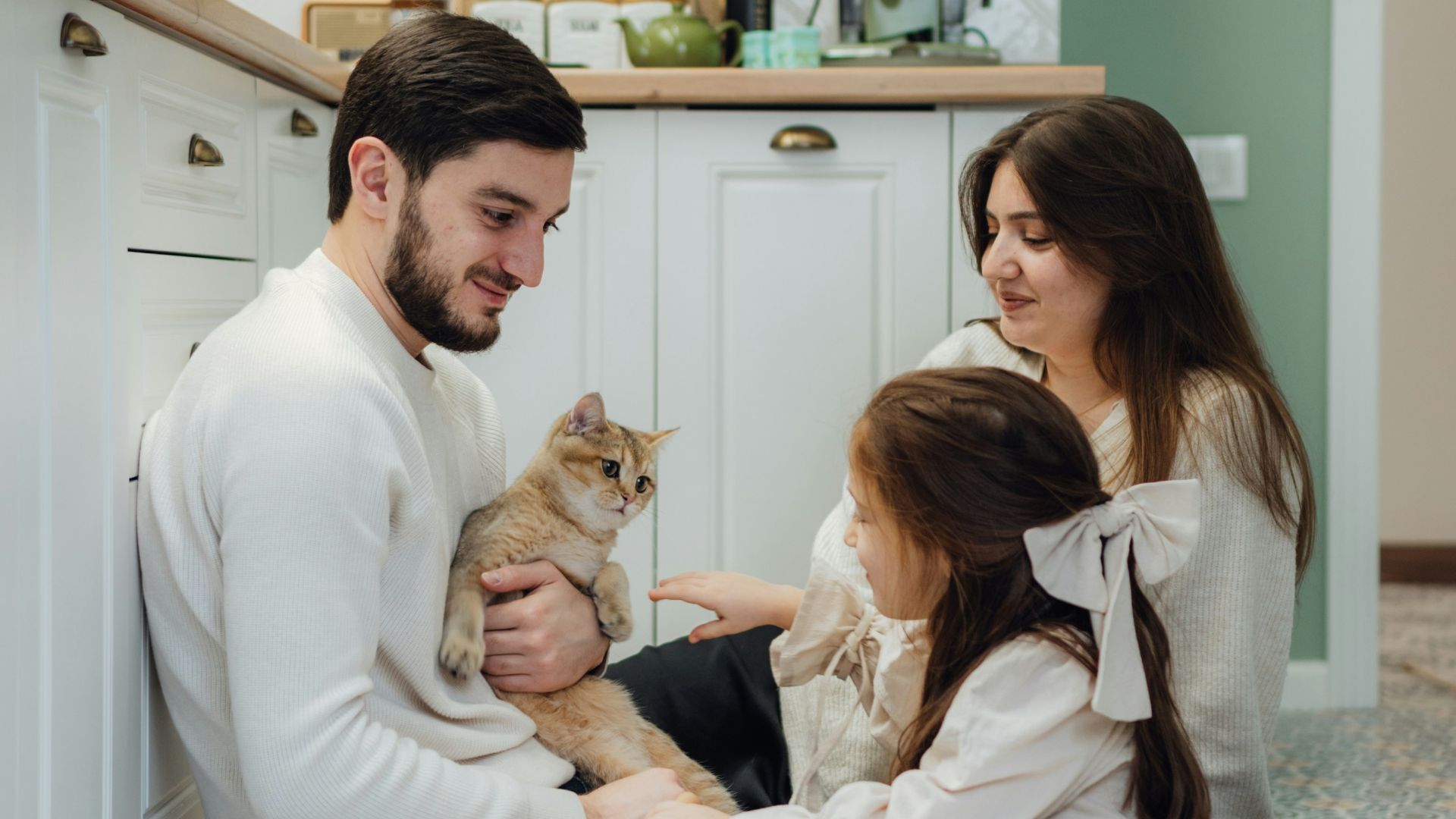
16. Celebrating Achievements
Recognizing accomplishments, both large and small, helps children feel appreciated. Displaying artwork, attending performances, or simply acknowledging effort can have a lasting impact. These moments show kids that their contributions matter.

17. Comfort During Difficult Times
Every child experiences disappointment, frustration, or sadness. A home feels like home when it's the place where they can seek comfort during those moments. Knowing that support is available helps children build resilience and trust.
18. Freedom To Be Themselves
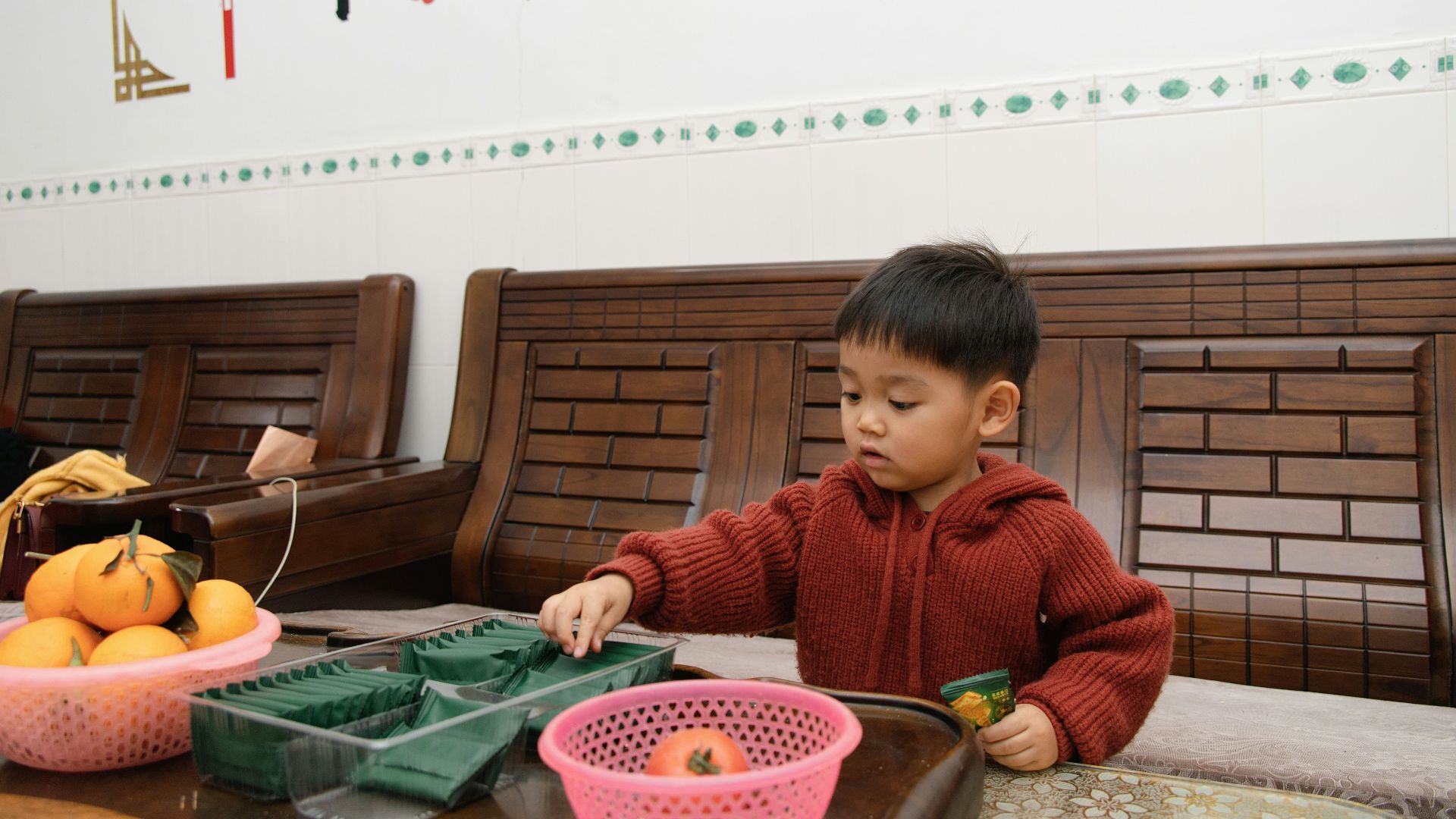
Children develop confidence when they feel accepted for who they are. Encouraging their interests, hobbies, and personalities helps create a positive home environment. Kids are more likely to feel connected to a place where they don't have to hide parts of themselves.
19. Everyday Conversations
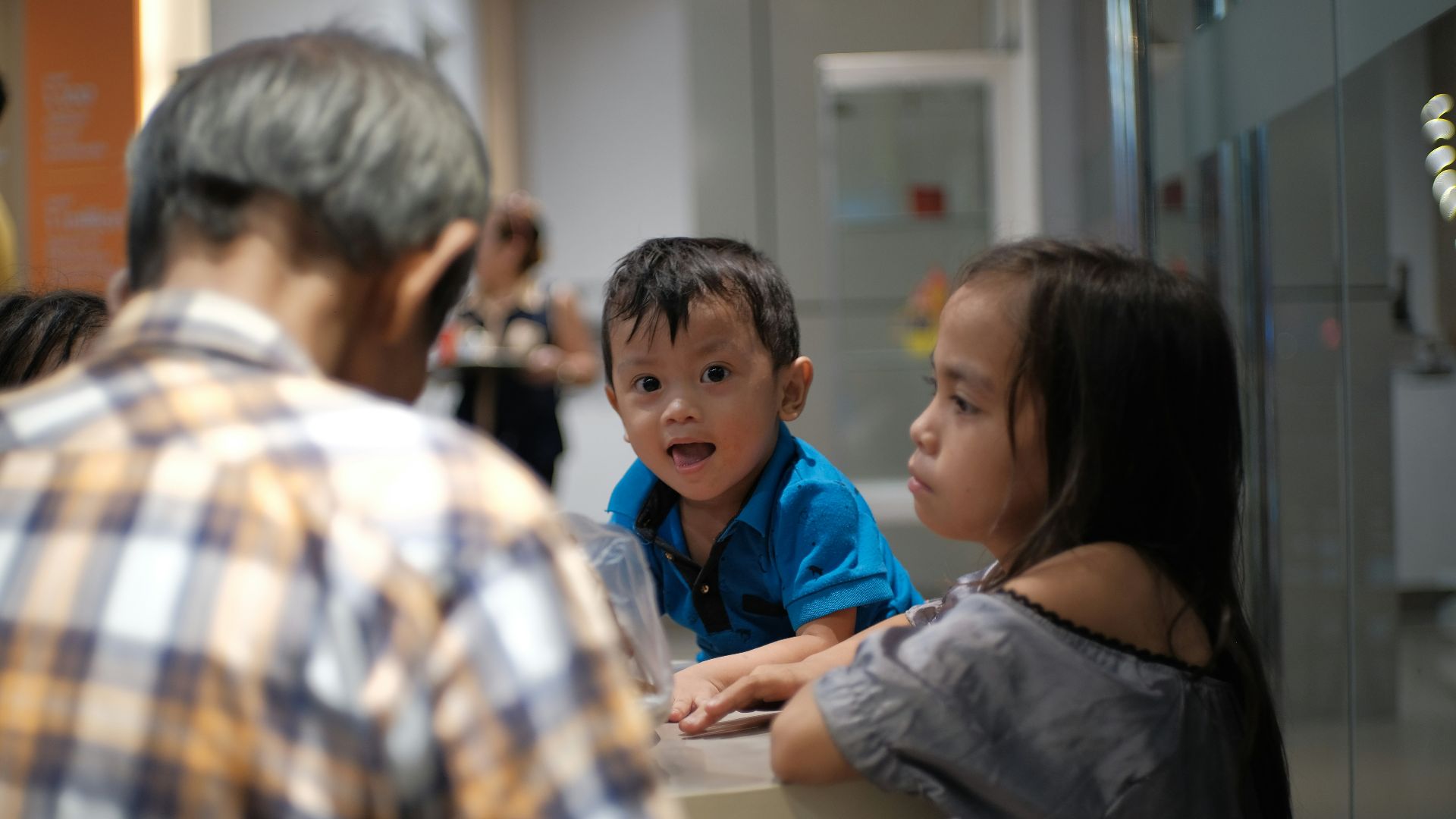
Not every meaningful discussion has to be planned. Casual conversations while driving, cooking, or doing chores often help families stay connected. These regular interactions allow children to feel heard and understood.
20. Unconditional Love
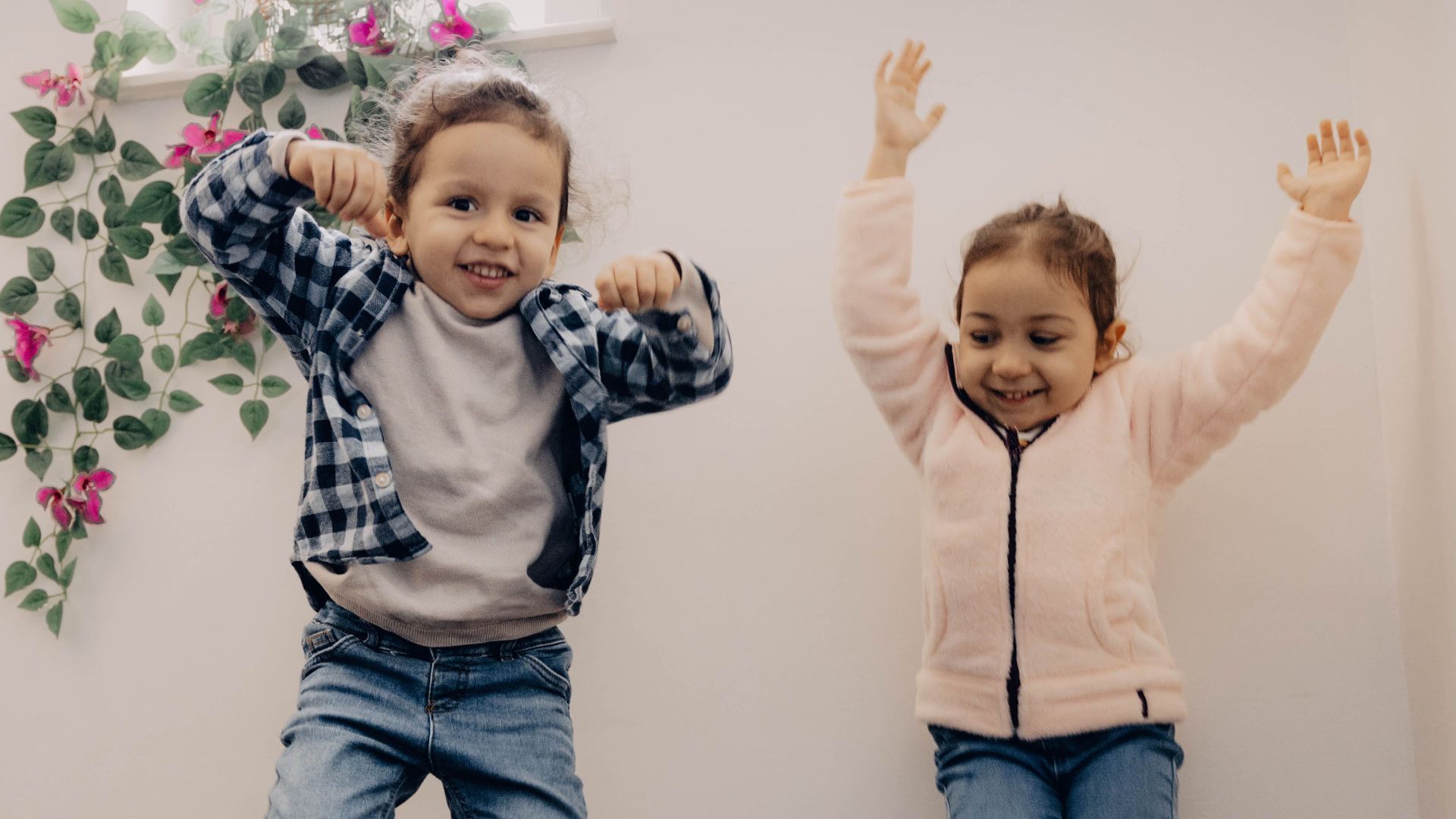
More than anything else, children want to know they're loved regardless of mistakes or challenges. Consistent affection, support, and encouragement help create a strong emotional foundation.