
They're Judging. We All Are.
Nobody likes to think of themselves as judgmental. We've all absorbed enough therapy-speak to know that judging is bad, acceptance is good, and we should "meet people where they are." And yet. The moment someone pulls out their phone at dinner or mentions they haven't read a single book this year, something flickers. We notice. We file it away. Here's 20 things people absolutely judge you for, even when they're smiling and nodding like they don't.

1. How You Treat Service Workers
This one's been said a thousand times, but it still holds up. People watch how you talk to your server, your barista, the person at the front desk of a hotel. If you're short or dismissive, the people around you take note. And they don't forget.

2. Your Texting Habits
Whether you leave people on read for three days or respond to everything in under a minute, people have opinions. Both extremes read as something (unavailable or unhinged), and most people quietly calibrate their impression of you based on your texting patterns.

3. How Messy Your Car Is
Nobody says anything about the pile of receipts on your floor or the jacket that's been living in the backseat for two months. But they notice. And they've definitely talked about it.

4. Whether You're on Time
Chronic lateness is one of those things people claim not to care about ("it's fine, no worries!") while internally logging it as a data point about how much you value other people's time. Being ten minutes late every single time is a personality trait whether you know it or not.

5. Your Handshake
Weak, overpowering, or clammy: a bad handshake leaves an impression that lingers longer than it should. It's shallow and probably unfair, but you'd be lying if you said you've never walked away from one and thought about it.

6. How You Talk About Your Ex
There's a version where you explain what went wrong, and there's a version where you can't stop listing grievances forty-five minutes into a first date. People clock the difference immediately. A lot of bitterness reads as unfinished business.

7. Whether You Have Plants That Are Still Alive
This sounds ridiculous, but thriving houseplants quietly signal that someone is capable of basic, sustained care. Dead ones signal something else. People make inferences and pretend they don't.

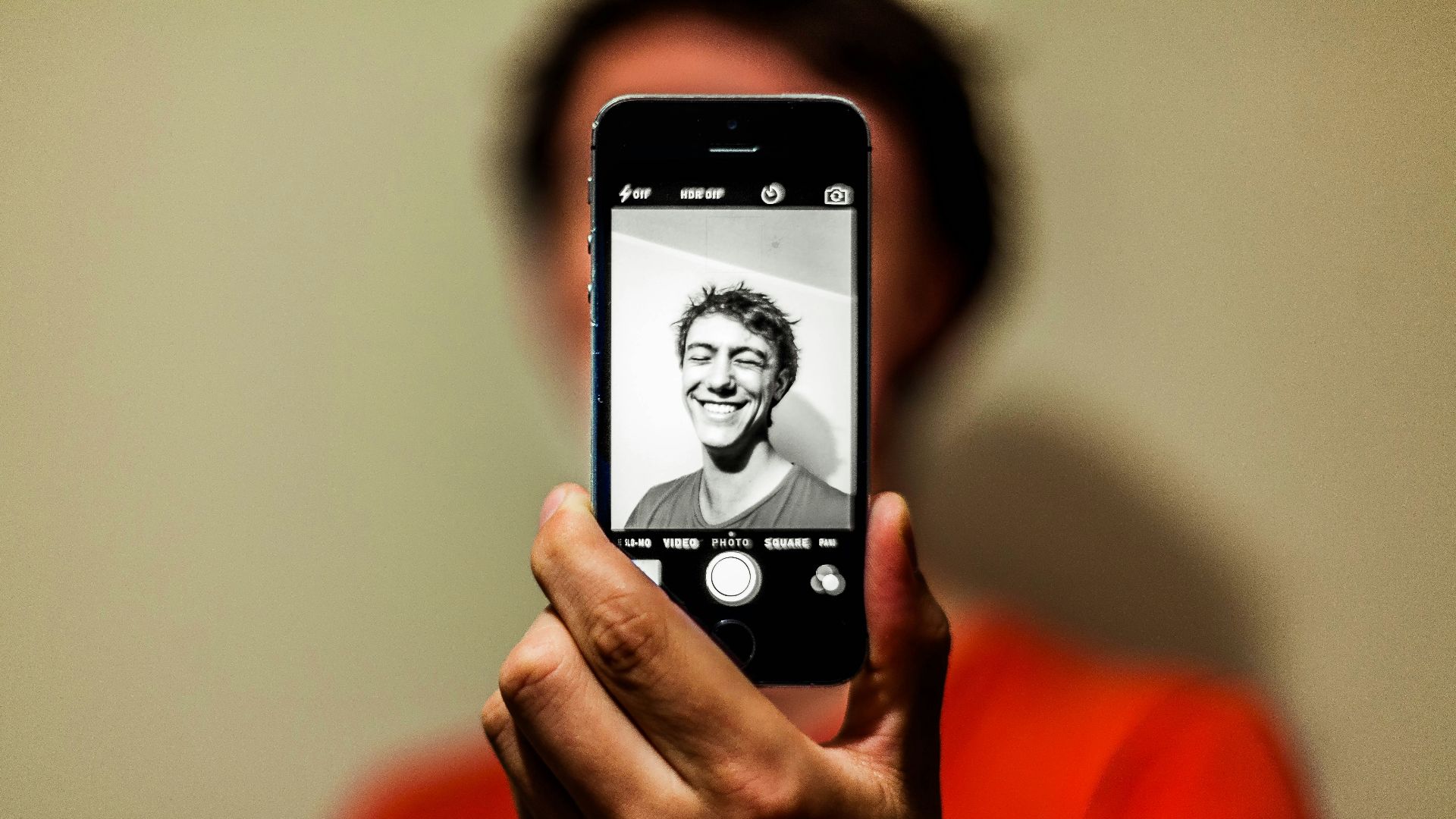
8. Your Relationship with Your Phone at the Table
Even among people who are also on their phones constantly, there's still a social contract about when it's acceptable. Scrolling through Instagram while someone's mid-sentence is a real move, and it lands differently than you think.

9. How Often You Cancel Plans
Once is life. Twice is understandable. Three times and people stop inviting you. They don't make a big deal out of it. They just quietly stop asking.

10. Whether You Ask Questions in Conversation
If you've ever left a long dinner having talked almost entirely about yourself, some version of that observation exists in the heads of everyone who was there. People who never ask questions are charming for about twenty minutes and then quietly exhausting.
 Christina @ wocintechchat.com M on Unsplash
11. Your Online Presence (or Lack Thereof)
People look you up. If they find nothing, they wonder. If they find an account you haven't touched since 2017 with four photos and a bio that just says "Dreamer," they form an impression. And if your public presence is very online in a very intense way, that registers too.
 Antoine Beauvillain on Unsplash
12. How You Handle Splitting the Bill
Calculating your exact portion down to the dollar is one thing. Conveniently forgetting to mention you ordered the second round of drinks is another. People remember who's generous and who makes every dinner feel like a small financial negotiation.

13. What You Read (or Don't Read)
Saying you don't read at all is a choice. People won't say anything about it, but readers especially tend to quietly register it. Same goes for the reverse. Nobody needs to hear about your book selections in the first fifteen minutes of a conversation.

14. How Much You Drink
You don't have to be visibly drunk for people to notice. Whether you order a second glass before your host has finished their first, or whether you dramatically announce you're not drinking tonight, people are paying more attention than the moment seems to require.

15. Your Apartment When People Come Over
A messy apartment is one thing. An apartment with no natural light, a mattress on the floor, and absolutely nothing on the walls reads as a specific kind of arrested development. People don't judge the mess as much as the absence of any evidence of a life being built.

16. How You Handle Disagreement
Someone who shuts down or immediately reaches for sarcasm when challenged is exhausting to be around. People notice quickly whether you can actually engage with a point or whether you just need to win.

17. Your Relationship with Food in Social Settings
Commenting loudly on what everyone else is eating, making the waiter explain every ingredient for twenty minutes, or ordering almost nothing and then picking off everyone else's plate. People notice all of it and pretend they don't.

18. Whether You Follow Through on Small Things
"I'll send you that link," "let's grab coffee sometime," "I'll introduce you to my friend who does that." These small promises accumulate. The people who follow through are quietly considered reliable. The people who don't are quietly considered flaky, regardless of how charming they are otherwise.
 Jonathan J. Castellon on Unsplash
19. Your Reaction When Something Goes Wrong
Getting visibly flustered, defensive, or irritable when plans fall apart tells people a lot about what it's like to spend time with you. Staying relatively calm doesn't go unnoticed either. Both are data points.

20. How You Talk About Money
Complaining about being broke while visibly spending a lot, or casually mentioning prices in a way that's clearly a flex. People pick up on both moves. Most people are just quietly calibrating whether money is a weird thing for you and filing it away.