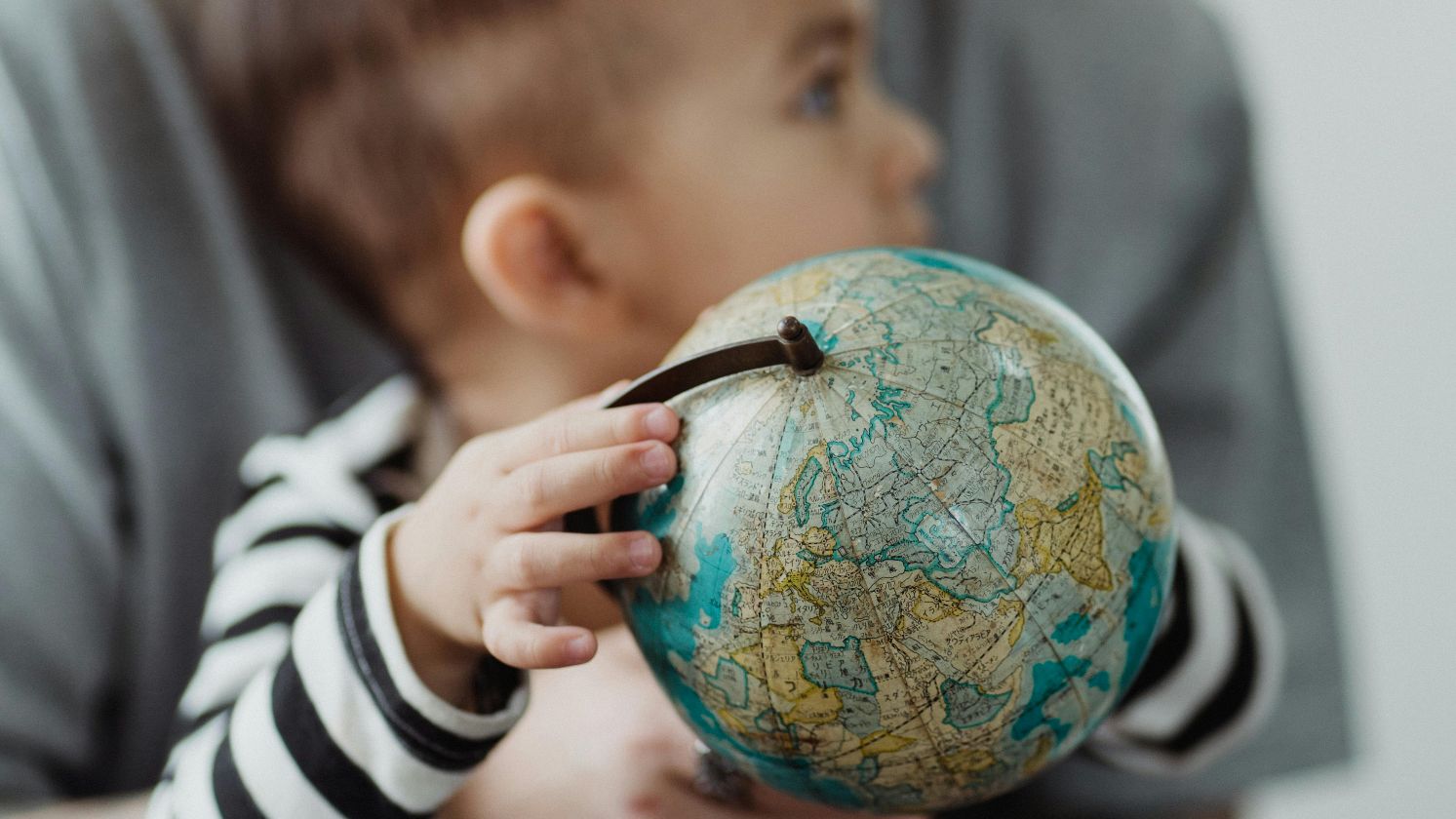
Why Different Generations Often Get the Wrong Idea
Kids and adults spend a lot of time together, yet they often misunderstand each other in surprising ways. Children view the world through limited experience, while adults sometimes forget what life looked like before responsibilities, routines, and years of learning shaped their perspectives. These misunderstandings can create frustration on both sides, but they also reveal how differently people interpret the same situations at various stages of life. Here are 10 things kids misinterpret about adults and 10 things adults misread about kids.
1. Adults Have All the Answers
Many children assume adults know exactly what to do in every situation. In reality, grown-ups regularly face uncertainty and make difficult decisions without guaranteed outcomes. Experience helps, but it doesn't eliminate doubt or confusion.

2. Adults Never Feel Scared
Kids often see adults as confident and fearless because they rarely witness private worries. The truth is that adults experience anxiety about work, family, finances, health, and many other issues. They simply learn to manage those fears while continuing their daily responsibilities.

3. Adults Make Rules Just to Be Difficult
Children sometimes believe rules exist purely to limit fun. Most rules, however, are created to promote safety, responsibility, or fairness. Adults may not always explain the reasoning clearly, which can make restrictions seem unnecessary.

4. Adults Don't Understand Modern Life
When adults question trends, technology, or popular entertainment, kids may assume they're completely out of touch. While adults might not follow every new development, many understand more than children realize. Their different opinions often come from experience rather than ignorance.

5. Adults Never Make Mistakes
Young children frequently view adults as authority figures who rarely get things wrong. As kids grow older, they begin noticing flaws and errors that were always there. Adults make mistakes regularly and often spend considerable time correcting them.
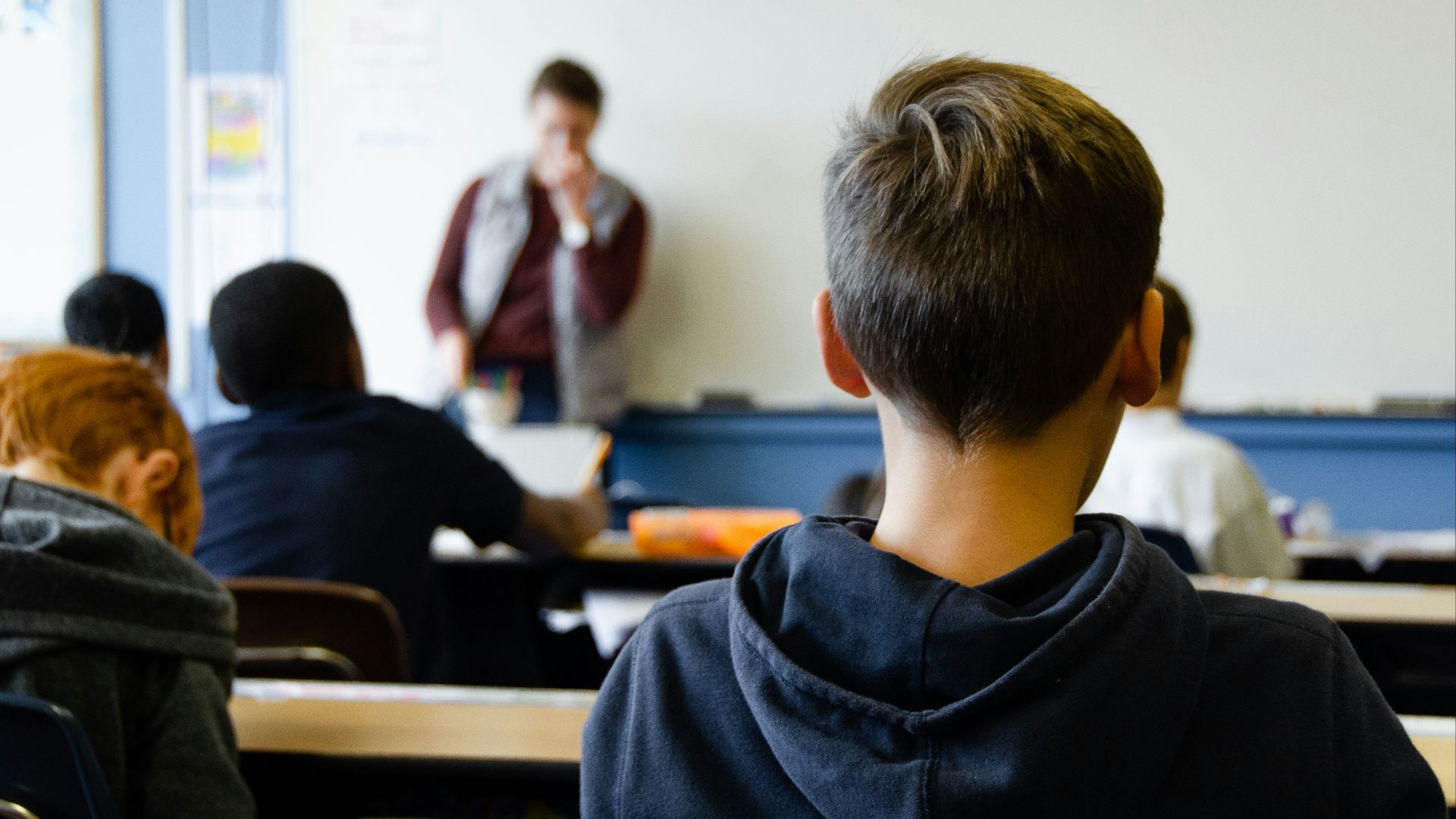
 Juliane Liebermann on Unsplash
6. Adults Enjoy Working All the Time
Many children see adults leaving for work every day and assume they must love doing it. Although some people enjoy their careers, work often involves obligations as well as rewards. Adults balance employment with responsibilities that help support themselves and their families.

7. Adults Don't Need Help
Kids may think grown-ups can handle everything independently. In reality, adults frequently rely on friends, relatives, coworkers, and professionals for support. Asking for help remains important regardless of age.
8. Adults Are Always Serious
Children often associate adulthood with constant responsibility and discipline. While adults certainly face obligations, they also enjoy hobbies, jokes, games, and entertainment. Many grown-ups still appreciate the same activities they enjoyed years ago.

9. Adults Control Everything
From a child's perspective, adults seem to make all the decisions. However, adults must follow laws, workplace policies, financial limitations, and countless other constraints. Their freedom is often far more limited than children imagine.

10. Adults Stop Learning
Some kids assume education ends once people leave school. In reality, adults continue learning new skills, adapting to changing circumstances, and gaining knowledge throughout their lives. Personal growth doesn't stop after childhood or adolescence.

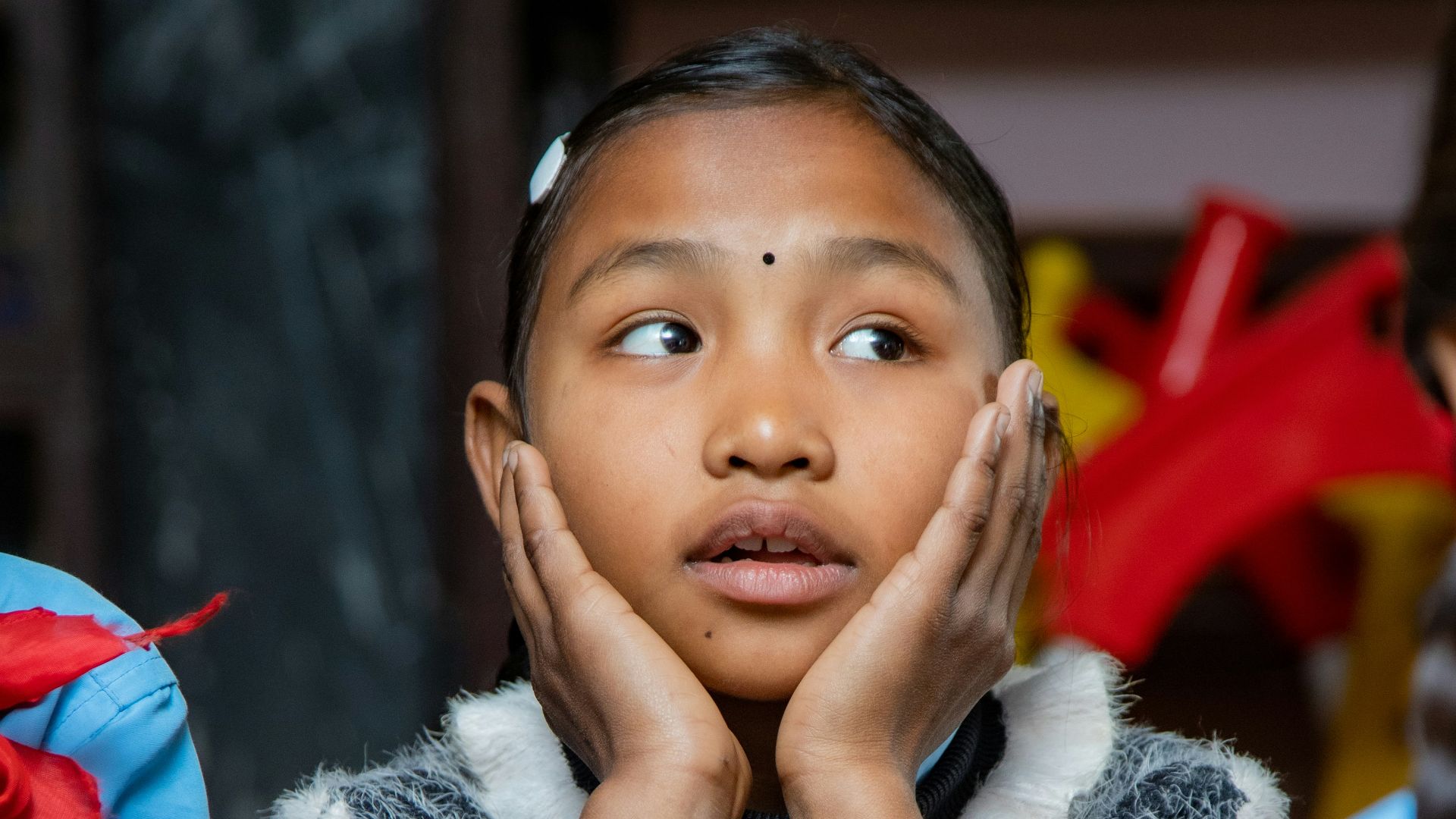
1. Kids Aren't Paying Attention
Adults sometimes assume children are too distracted to notice what's happening around them. In fact, kids often observe conversations, emotions, and behaviors very closely. They may understand more than adults expect, even when they remain quiet.
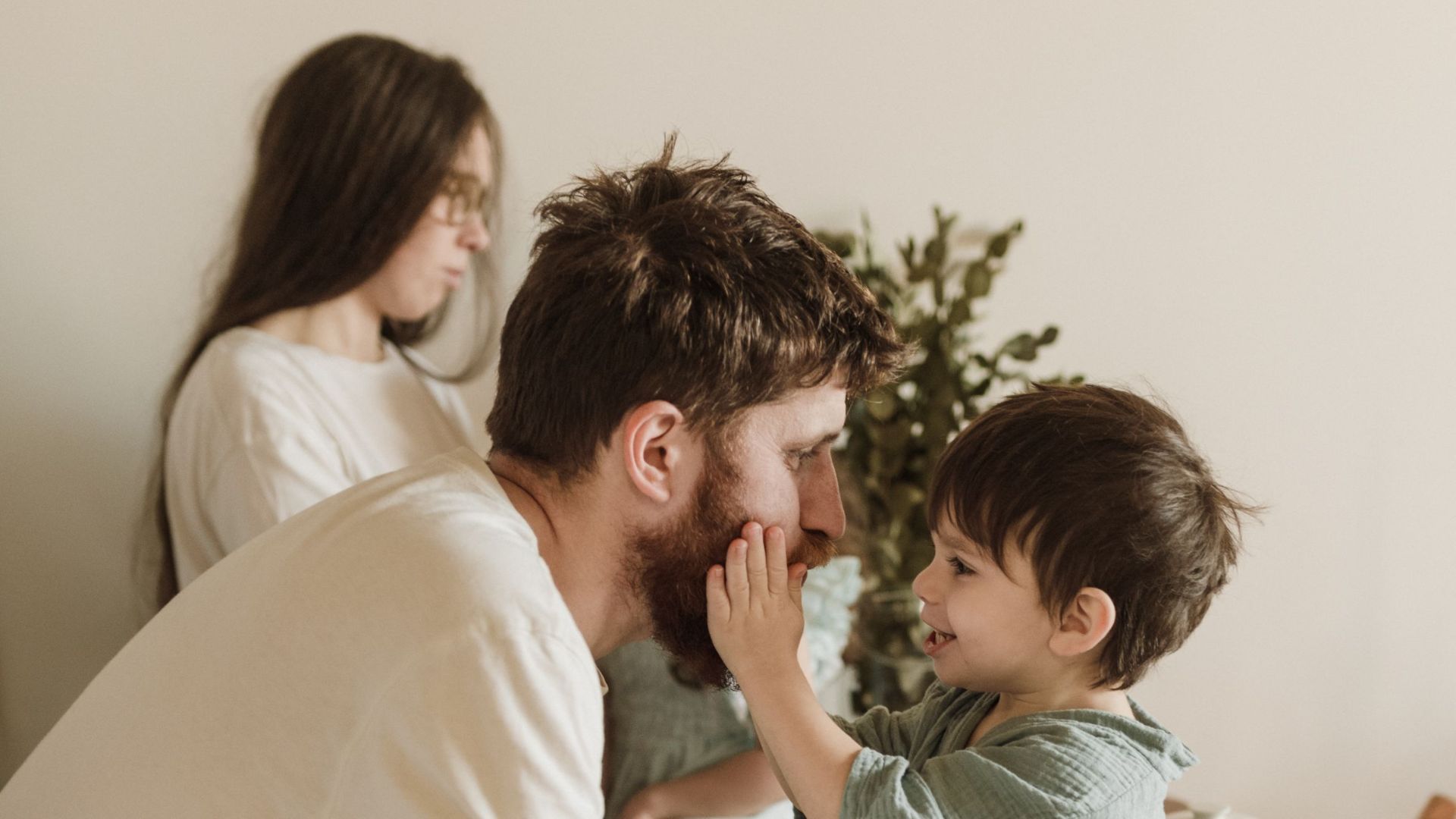
2. Kids Forget Things Quickly
Many adults believe children move on from experiences without lasting effects. Positive and negative events can stay with kids for years, influencing their thoughts and feelings. Memories formed during childhood often remain surprisingly strong.
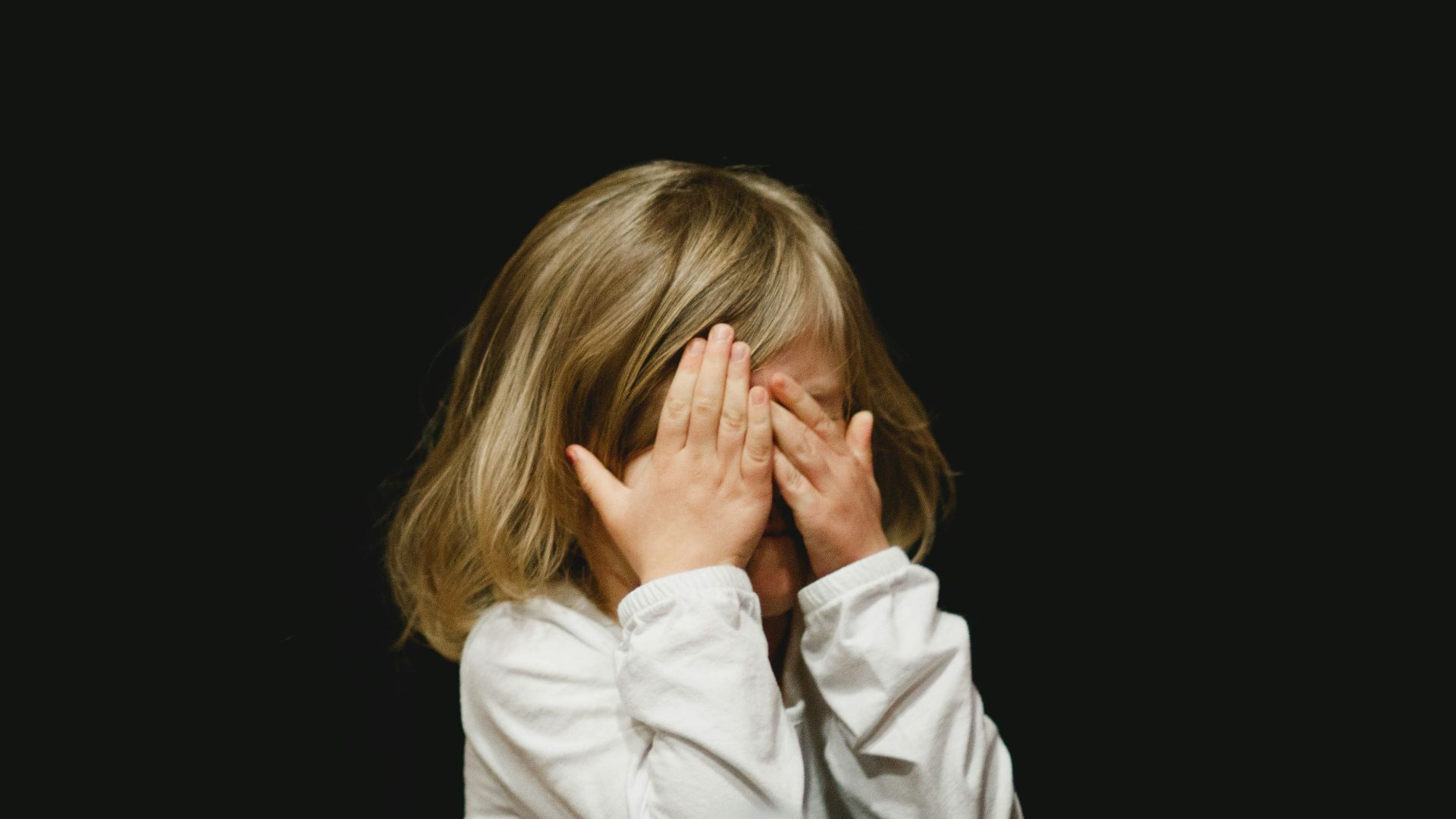
3. Kids Don't Feel Real Stress
Because children don't face adult responsibilities, some people underestimate their worries. School, friendships, family situations, and social pressures can create genuine stress. While the causes differ, the emotions are often very real.
4. Kids Misbehave for No Reason
Adults sometimes view difficult behavior as random or intentional defiance. In many cases, children are responding to frustration, confusion, exhaustion, or unmet emotional needs. Understanding the cause often reveals a more complete picture.

5. Kids Only Care About Fun
Children certainly enjoy play and entertainment, but they also care about relationships, fairness, achievement, and belonging. Many take pride in accomplishments and want to contribute in meaningful ways. Their priorities are often more complex than adults assume.
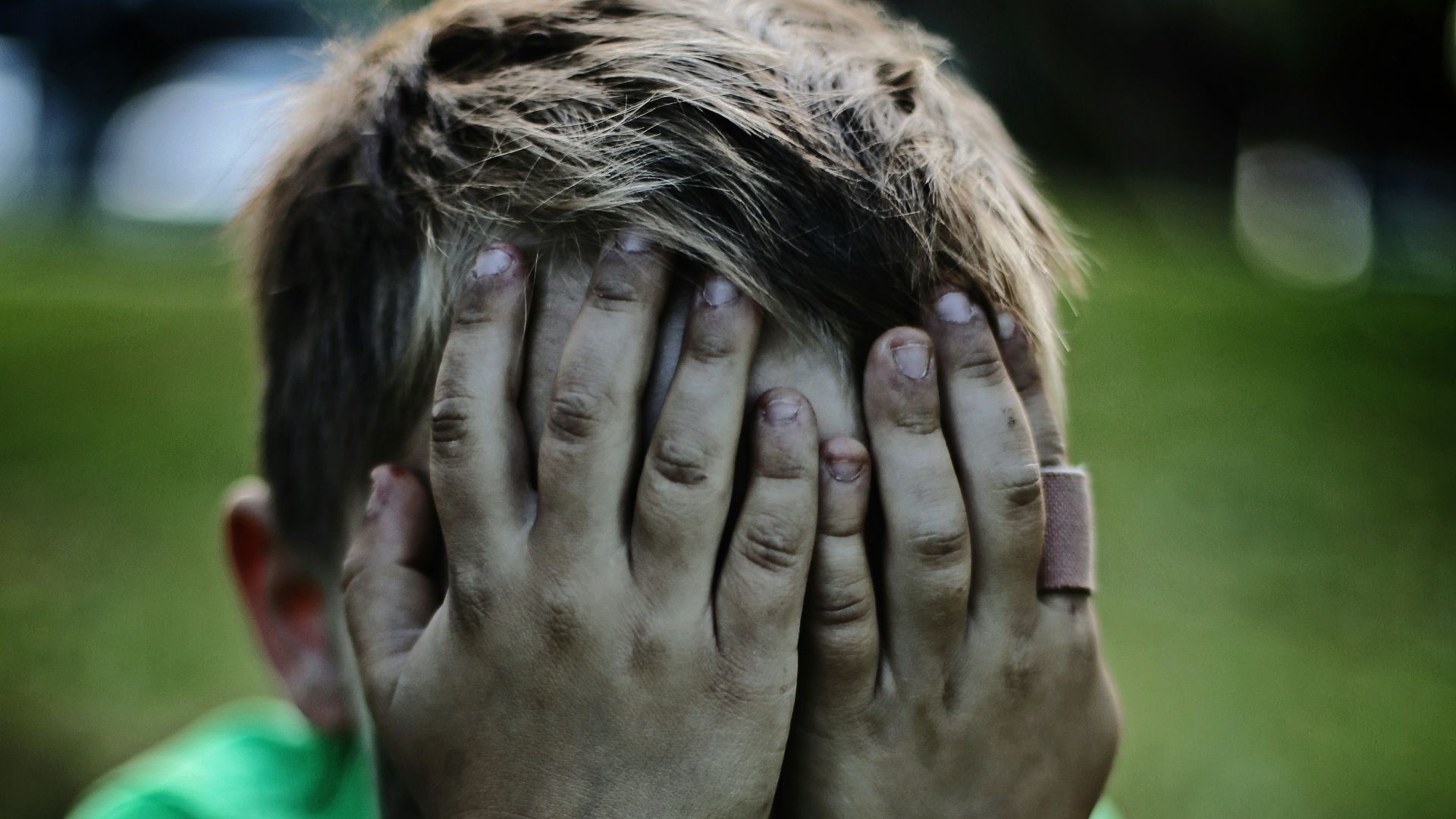
6. Kids Can't Handle Honest Conversations
Adults occasionally avoid discussing important topics because they think children won't understand. While explanations should be age-appropriate, kids often benefit from honest communication. Clear information can reduce confusion and unnecessary fear.

7. Kids Are Naturally Carefree
Childhood is often remembered as a simple and carefree time. However, many children deal with challenges that adults don't always recognize. Social struggles, academic pressure, and personal insecurities can weigh heavily on young minds.
8. Kids Don't Notice Adult Emotions
Some adults try to hide stress or sadness, believing children remain unaware. Kids frequently pick up on emotional changes through tone of voice, facial expressions, and behavior. Even when they don't understand the cause, they often sense that something is different.
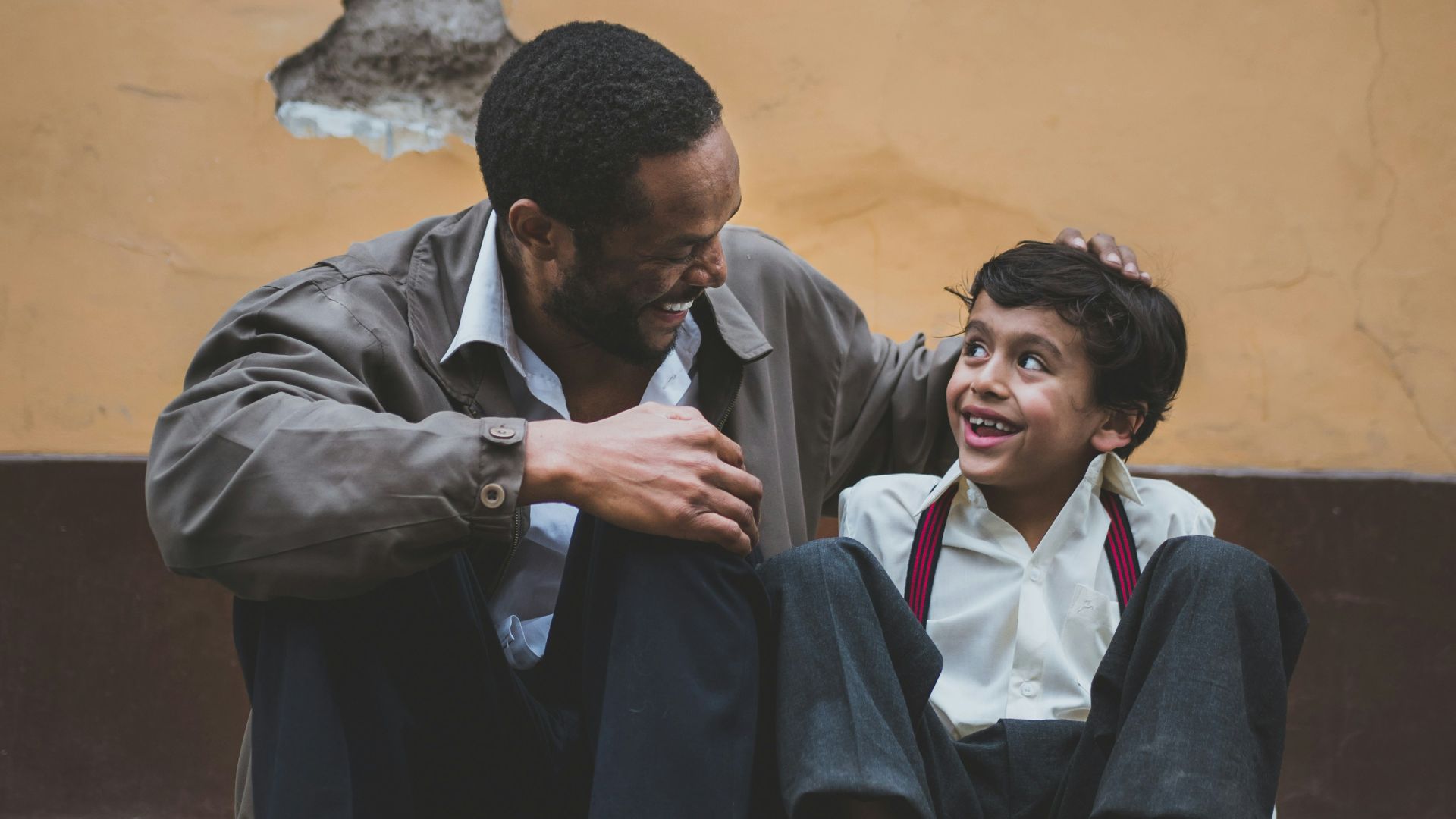 Sebastián León Prado on Unsplash
9. Kids Need Constant Direction
Adults sometimes underestimate children's ability to solve problems independently. Given appropriate opportunities, many kids show creativity, initiative, and strong decision-making skills. Allowing them some independence can help build confidence and responsibility.
10. Kids Want to Be Treated Like Little Children Forever
As children grow, they usually want increasing levels of trust and respect. Adults may continue viewing them through the lens of earlier years, even after they've matured significantly. Recognizing that growth helps create stronger communication and healthier relationships.