
When Anger Starts Calling the Shots
Anger is a normal emotion, and there’s nothing wrong with feeling irritated, frustrated, or upset when life gets messy. But how you choose to channel it, especially before you've had a chance to think, respond, or understand a situation, is where it really matters. If your temper often leaves you apologizing, explaining, or wondering why you reacted so strongly, it may be time to take a closer look at your patterns. Here are 20 signs you let anger get the better of you.
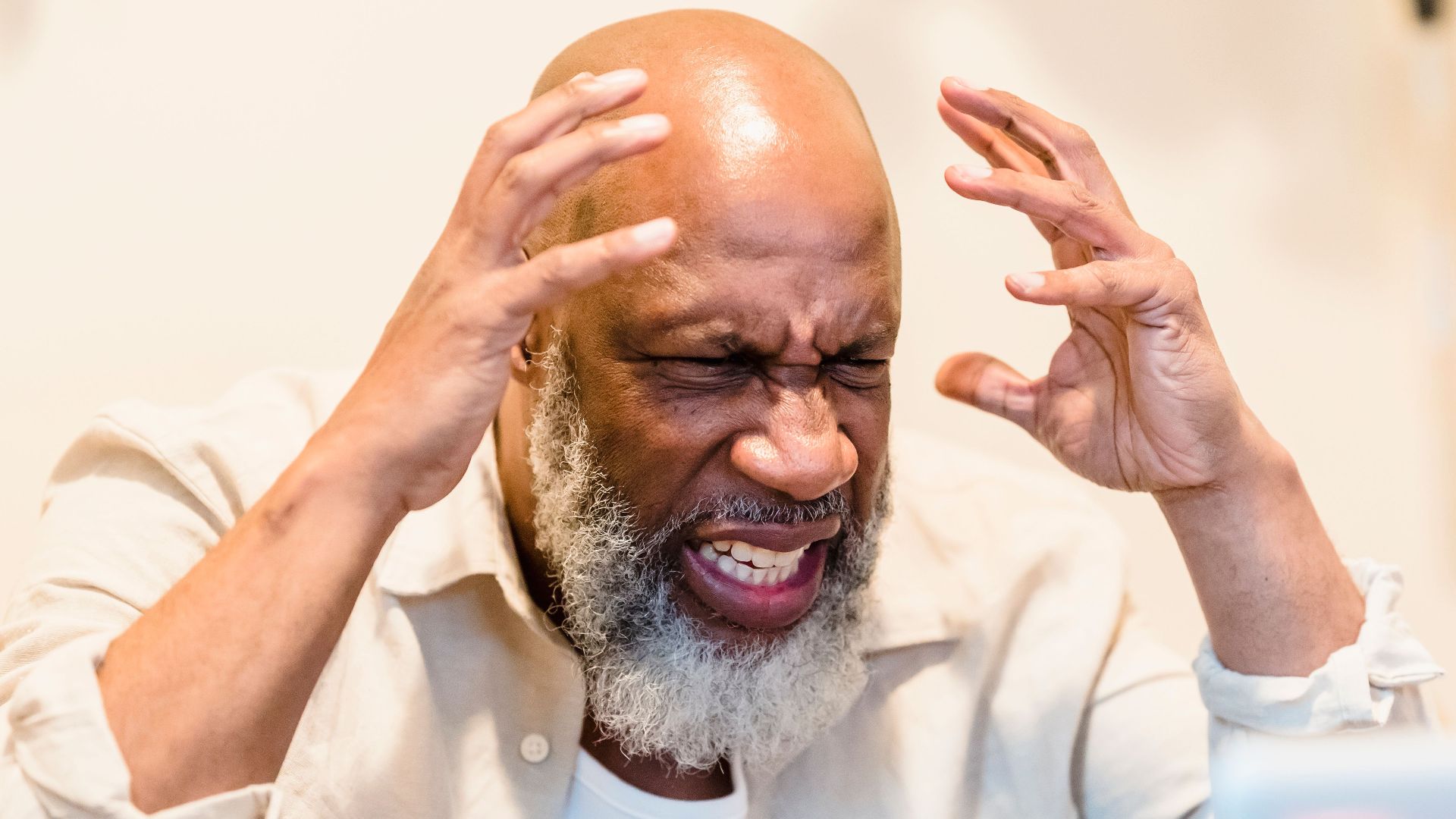
1. You React Before You Think
If your first response to any sort of frustration is to snap, raise your voice, or speak without thinking, you're using anger to react. It might feel as if in that moment, you have an urgent desire to defend yourself or make your point immediately.

2. You Often Regret What You Say
If your anger tends to come with sharp comments, insults, or personal digs, you're likely used to feel regretful about the things you're saying. You probably don't mean everything, and you know that those words can still leave a painful mark.

3. You Raise Your Voice Without Noticing
Some people don’t realize how loud they’ve become until they take a moment to breathe. If people often tell you to calm down or lower your voice, that’s worth paying attention to. After all, volume can change the entire mood of a conversation, even when your actual point is reasonable.

4. You Hold Grudges for a Long Time
Even after a lot of time has passed and apologies have been made, if you're holding onto grudges, it means you're still letting your emotions get the better of you. Holding on that tightly just keeps you upset far longer than the situation deserves.

5. You Take Minor Things Personally
A delayed text, a harmless comment, or a small mistake don't mean much to most people, which is why if you get riled up by them, something's clearly wrong. Instead of considering other explanations, it shows you're quick to assume someone is trying to upset you. That can make everyday misunderstandings feel like personal attacks.

6. You Struggle to Let Others Finish Talking
When you’re angry, waiting your turn can feel almost impossible. This causes you to interrupt because you’re afraid your point will be forgotten, dismissed, or misunderstood. All you can think about is getting your thoughts off your chest before anyone else!

7. You Use Silence as Punishment
Needing space is healthy, but shutting someone out on purpose to make them feel bad is a different story. You might stop replying, become cold, or refuse to explain what’s wrong because you want the other person to feel the tension. It might give you a temporary sense of control, but it often leaves the issue unresolved.

8. You Get Defensive Very Quickly
Giving feedback to someone with anger issues always feels like a gamble. They treat any sort of commentary, even if it's respectful or constructive, as if it's directly attacking them. As a result, it makes it hard for others to be honest with you if every little concern turns into a debate or argument.

9. You Blame Others for Your Reactions
It’s easy to say, “You made me angry,” but that just shifts the blame to someone else when the reaction was yours all along. Someone else may have behaved badly, but that doesn’t mean you have no control over what comes next. This can lead to you justifying yelling, insults, or harsh behavior because of what someone else did.

10. You Feel Physically Worked Up Often
Anger doesn’t just live in your thoughts; it can show up in your body too. You may feel your jaw tighten, your chest get heavy, your hands clench, or your heart race during tense moments. These physical signs are a sign that this emotion completely overwhelms you in the moment.

11. You Make Threats You Don’t Mean
In the heat of the moment, you might threaten to leave, end a relationship, quit a job, or cut someone off completely, even if you don't really mean it. Still, that threat can still create fear, pressure, or instability, epecially when big statements are used regualrly during every conflict.

12. You Damage Objects When You’re Upset
One of the most dangerous parts of having anger issues is if you struggle to find a safe outlet to release that frustration. Slamming doors, throwing things, or punching walls might not hurt anyone else, but that behavior makes others feel unsafe or uncomfortable. It's a sign your anger is moving past words, which means it's time to get things in check.

13. You Bring Up Unrelated Problems During Arguments
A disagreement about one issue can quickly turn into a messy fight where random points get tossed in. You're letting your anger guide your thoughts, which makes conversations harder to solve because the target keeps moving.

14. You Expect Others to Know What Set You Off
Sometimes you feel that your anger should be obvious, even when you haven’t explained it clearly. You might say, “You know what you did,” or expect someone to figure out your feelings without much guidance, but this just creates confusion and frustration on both sides.

15. You Calm Down Only After Everyone Else Gives In
If arguments only end when others apologize, back down, or stop disagreeing, your anger is fully dictating the conversations. Only feeling better once the room goes quiet doesn’t mean the issue was truly resolved, and might be a sign that people gave in because they’re tired, uncomfortable, or trying to avoid another blowup.

16. You Feel Justified No Matter How You Behave
When you let anger fully control you, it can make your actions feel reasonable even when they're not. You might start convincing yourself that because you were hurt, ignored, or disrespected, anything you said or did afterward was understandable. While your feelings may be valid, your behavior still matters.
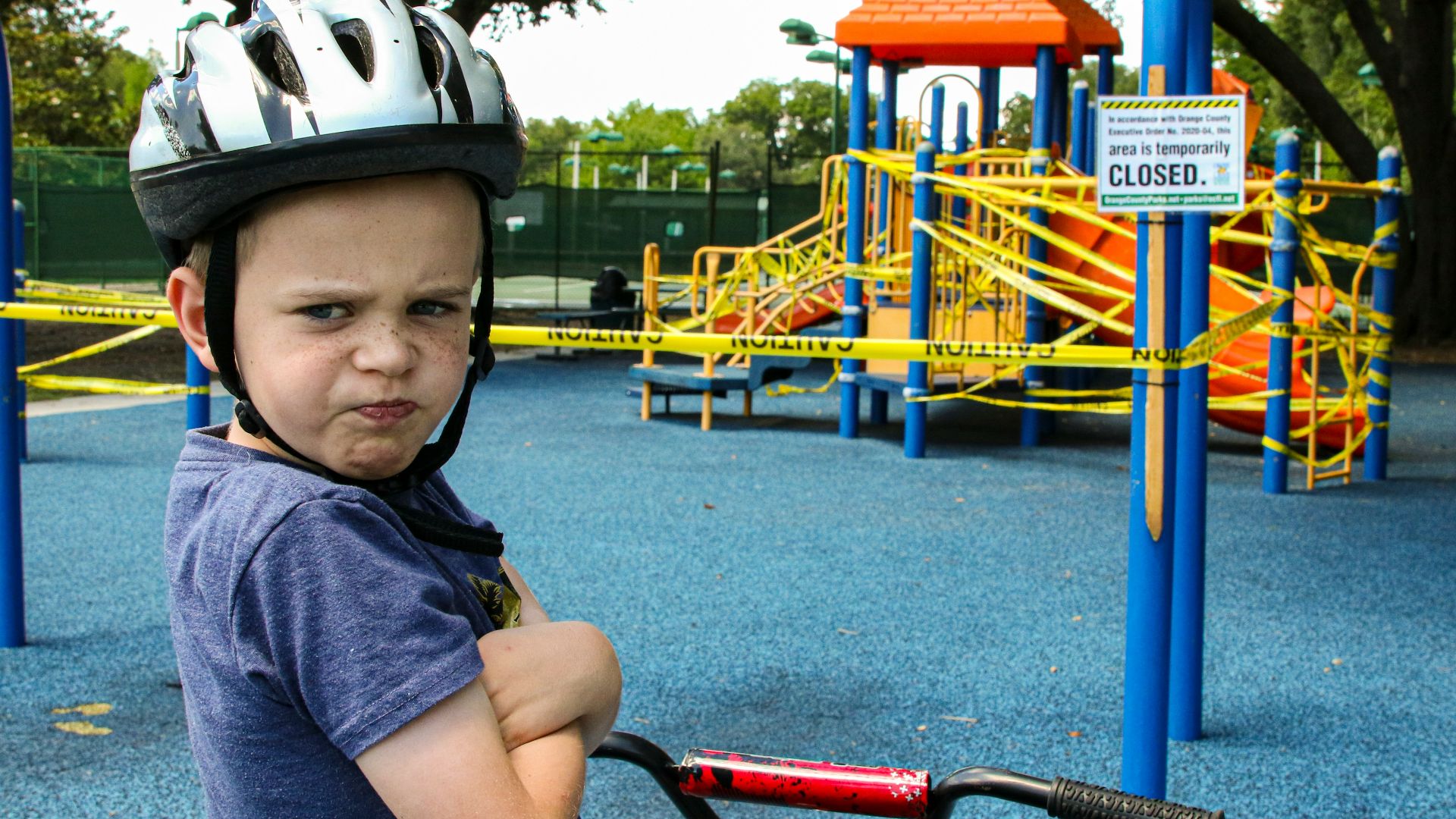
17. You Lose Sight of the Original Issue
A simple disagreement can become so intense that nobody remembers what started it. Instead of discussing the actual concern, the focus shifts to your tone, your reaction, or the damage caused during the argument. When this starts being a frequent issue, it can make any problem feel impossible to solve.

18. You Scare People Without Meaning To
Pay attention to the people around you. If people flinch, withdraw, stop talking, or become overly careful around you when you’re angry, they may not feel emotionally safe. It means your anger is affecting others more strongly than you realize, and should be used as a step for change.

19. You Apologize Often but Repeat the Same Behavior
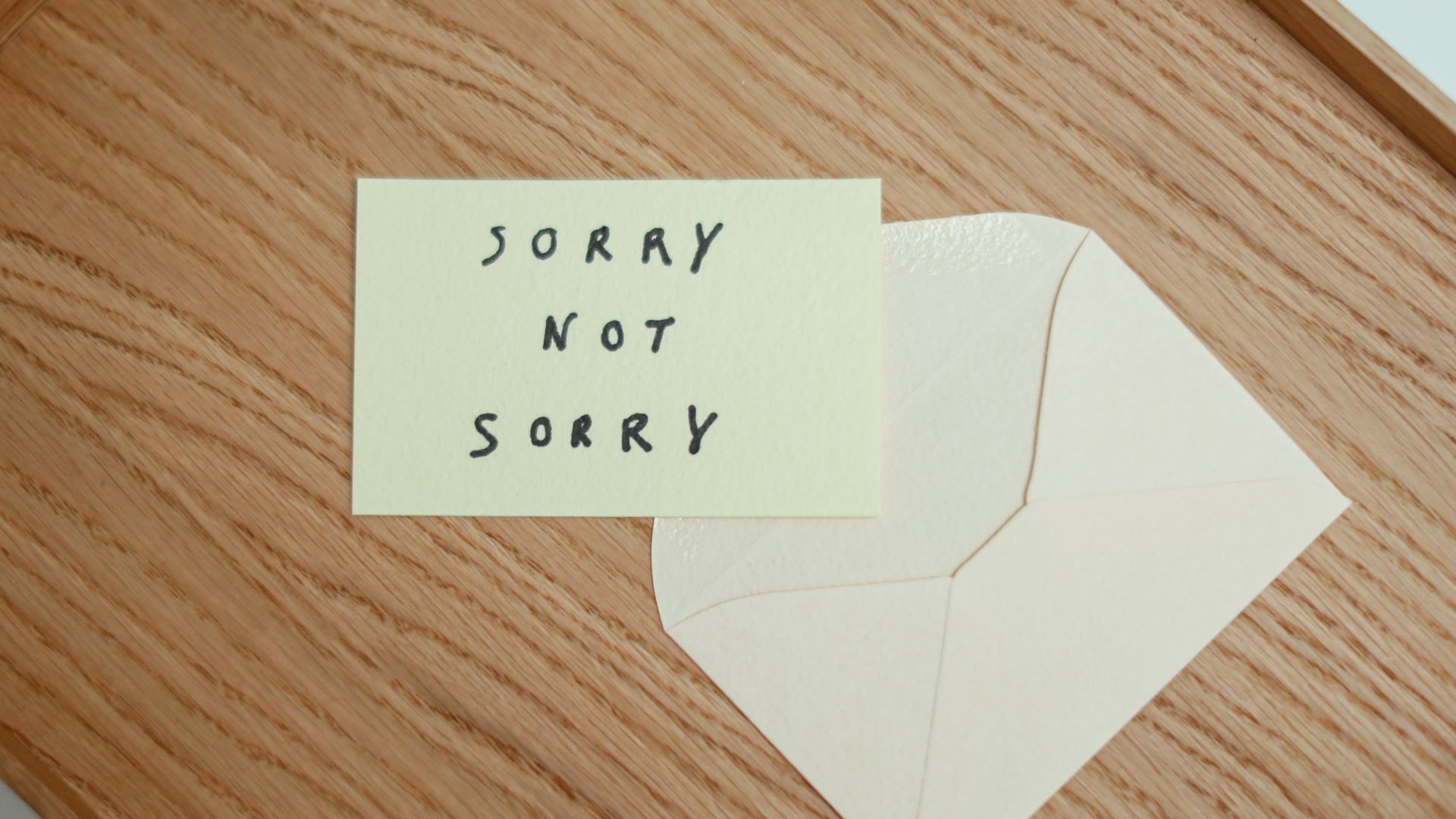
Apologies are only as good as the actions that follow. Just because you genuinely feel bad after an outburst and promise to do better doesn't count unless you actually follow through. Giving the same reaction again the next time you're upset shows you still let anger control you.
20. You Feel Controlled by Your Anger
One of the clearest signs is acknowledging yourself that it can feel like anger takes over before you can stop it. After a big outburst, you might feel drained, ashamed, or confused about why it got so intense. When anger starts feeling stronger than your choices, it’s a good time to seek support and learn better ways to respond.