
Small Habits Make A Lasting Impression
Children learn social behavior partly by watching the adults around them, which means everyday habits can carry more influence than carefully planned lectures. Parents don’t need to be perfect, but noticing small inconsistencies can prevent children from treating them as normal ways to communicate, handle frustration, or relate to others. Many of these behaviors seem harmless in the moment, yet they’re easily repeated by children who are still figuring out what respectful conduct looks like. Here are 20 subtle bad behaviors parents do that kids mirror.

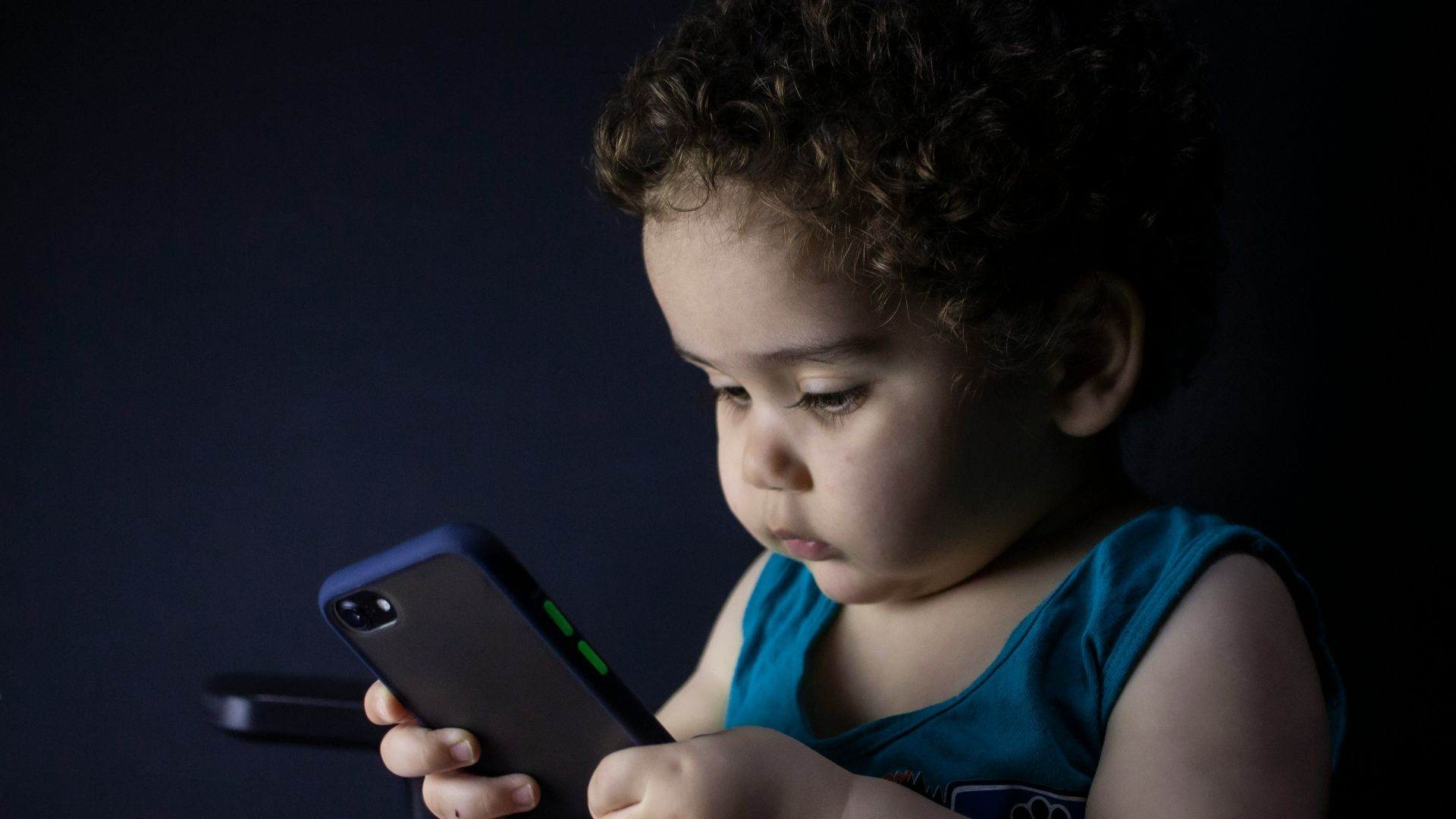
1. Looking At A Phone During Conversations
Checking a notification while someone is speaking may feel insignificant, especially during a busy day. However, children can interpret divided attention as a normal response to people who want to connect with them.
2. Interrupting Before Someone Finishes
Parents often interrupt because they already understand what a child is trying to explain or need to keep the household moving. Kids may copy this habit without recognizing the practical reason behind it.
3. Complaining About Minor Inconveniences
Groaning about traffic, slow service, or a long checkout line can become an automatic reaction. When children hear frequent complaints, they may learn to focus on what’s going wrong instead of adjusting patiently.
4. Speaking Differently About People In Private
Being friendly to someone in person and criticizing them immediately afterward sends a confusing social message. Children notice that politeness can sometimes be treated as a performance rather than a sincere form of respect. They may adopt the same pattern with friends, acting pleasant publicly while speaking harshly behind their backs.
5. Avoiding Apologies After Making Mistakes
Some adults explain their intentions instead of directly acknowledging the effect of their actions. Children who rarely hear a parent say, “I was wrong,” may start viewing apologies as signs of weakness or defeat. A simple, honest apology shows that responsibility matters more than protecting your pride.
 Xavier Mouton Photographie on Unsplash
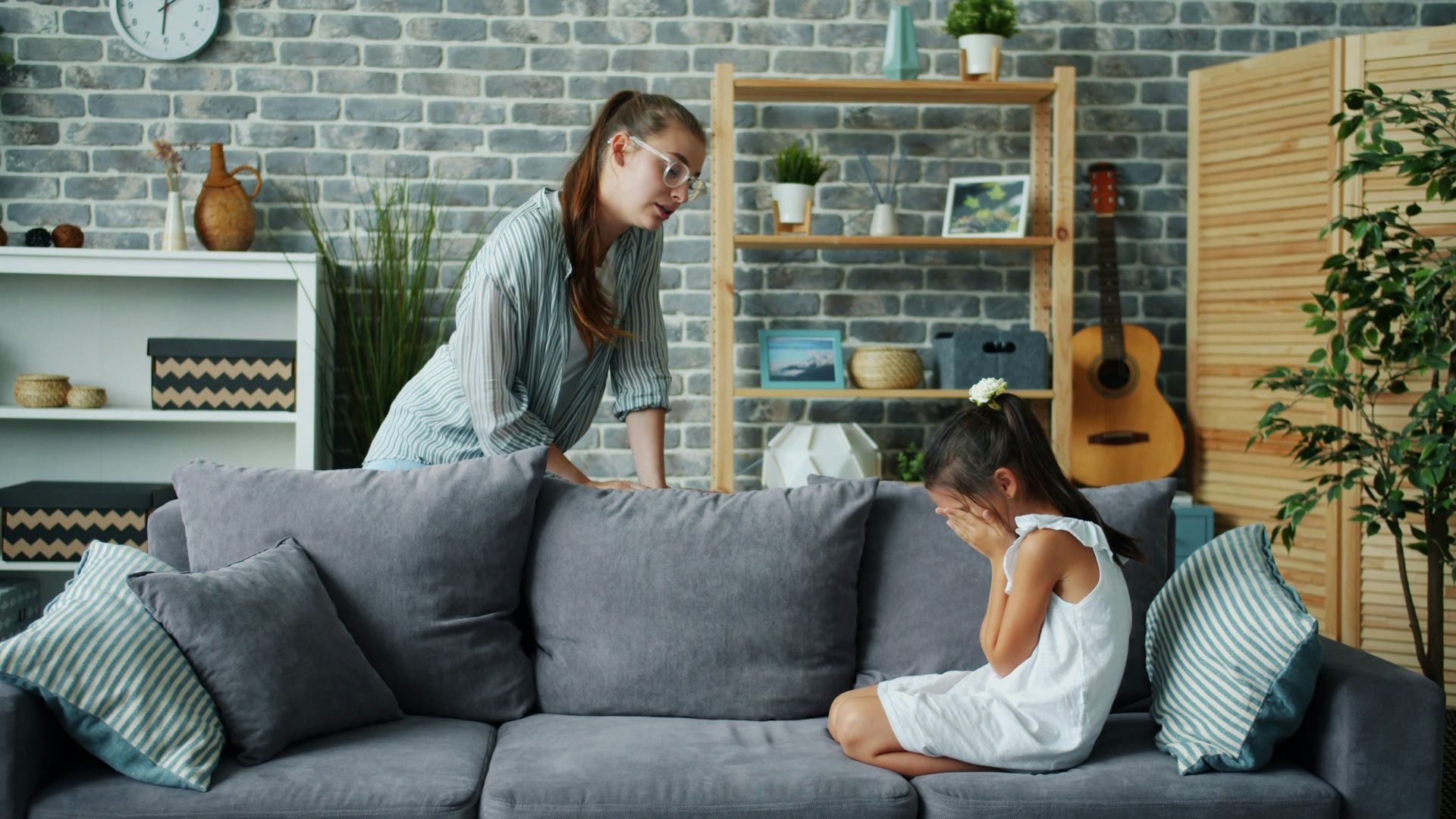
6. Raising Your Voice To Gain Control
A louder tone can produce quick cooperation, which makes shouting tempting during stressful moments. Unfortunately, children may conclude that volume is the best way to win disagreements or make others listen. Speaking firmly without escalating demonstrates that authority and aggression aren’t the same thing.
7. Leaving Small Messes For Someone Else
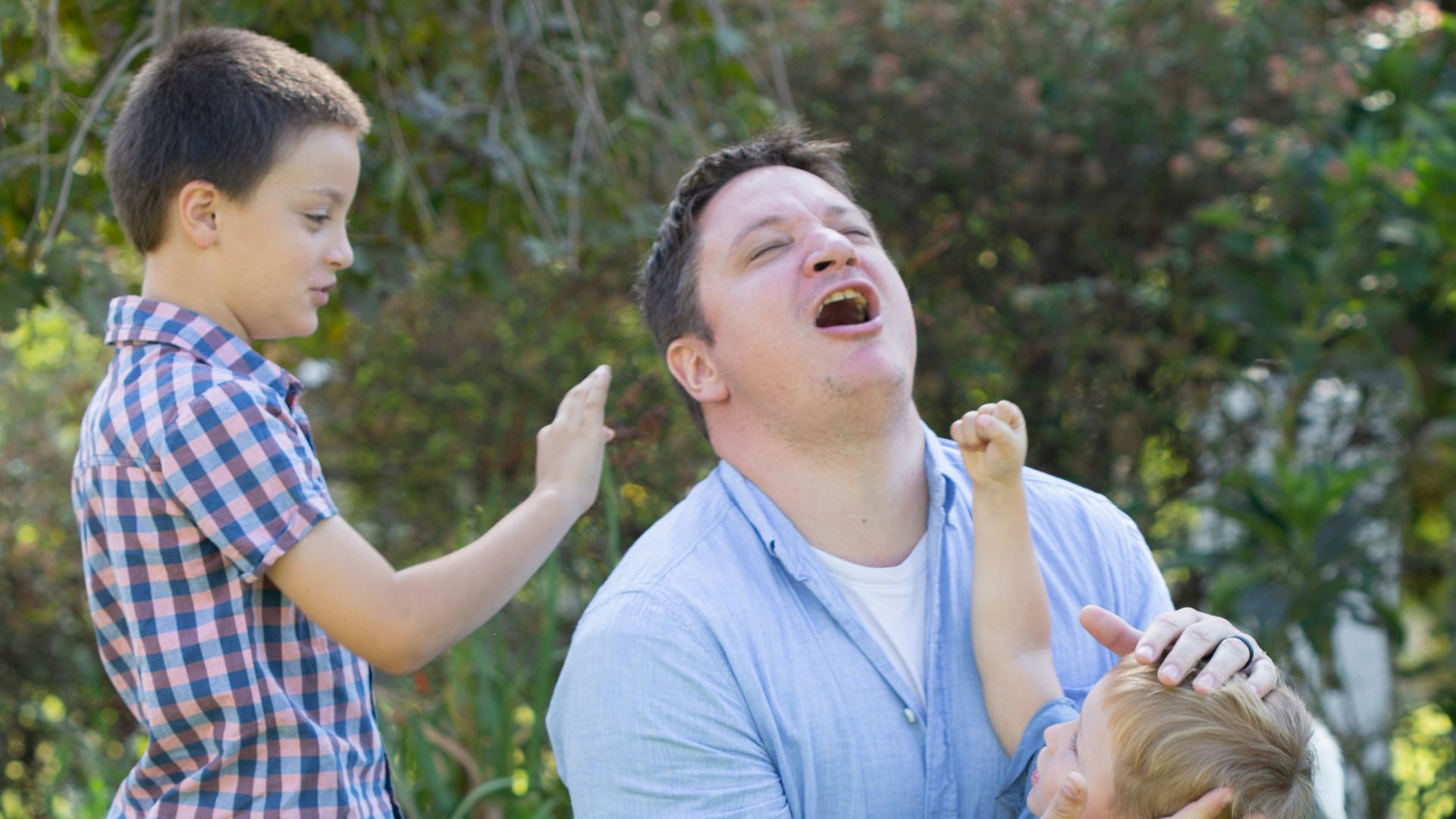
Placing an empty package beside the trash or abandoning a cup in another room hardly seems serious. Still, children notice who regularly cleans up and who assumes another person will handle it. They can begin treating shared spaces carelessly because personal responsibility appears optional.
8. Using Sarcasm During Frustrating Moments
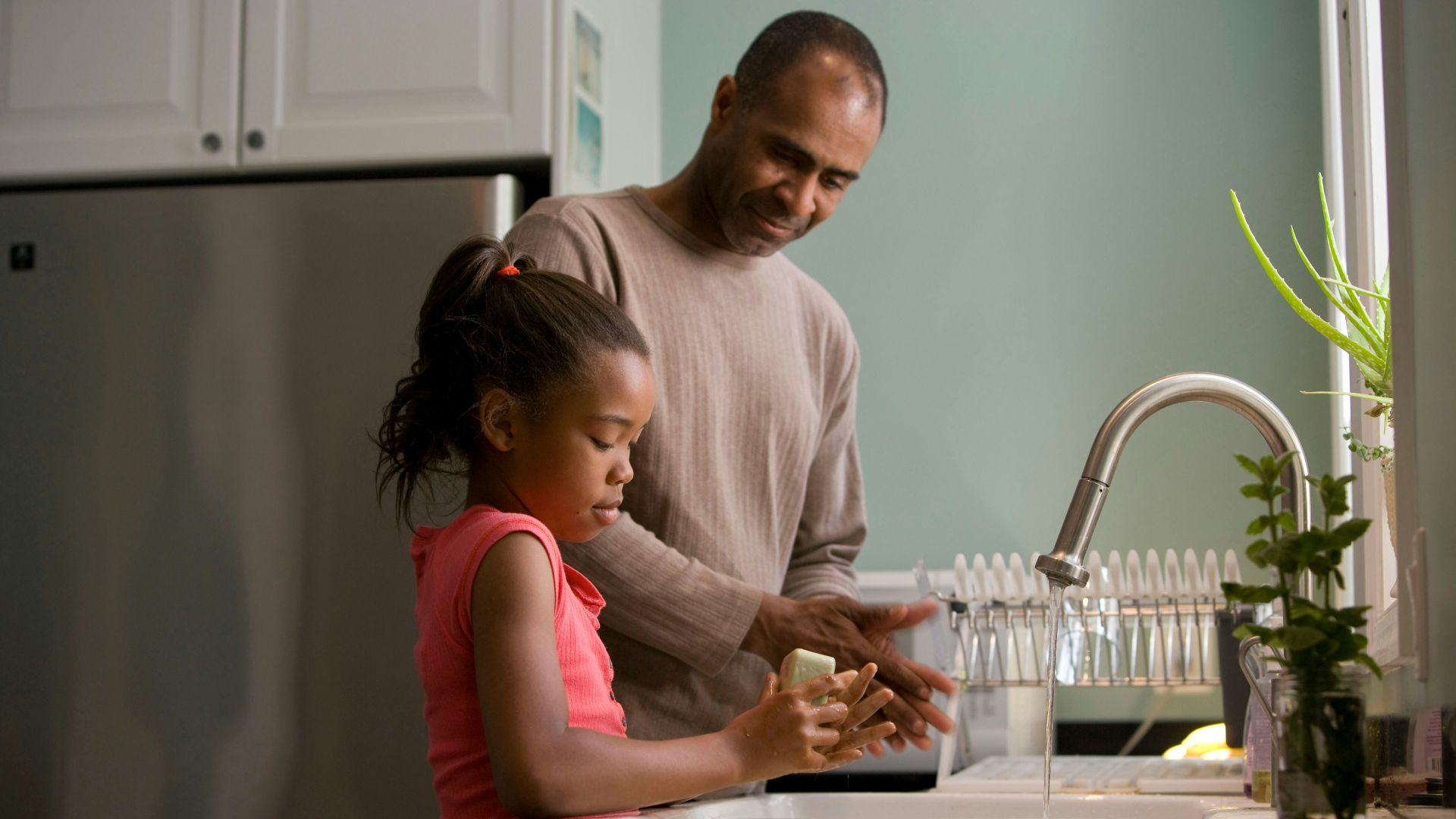
Sarcasm may help adults release tension, but young children don’t always understand the difference between playful humor and disguised criticism. They might repeat sharp comments because those remarks seem clever or socially acceptable. Clear language is usually a better model when you’re annoyed, disappointed, or correcting behavior.

9. Ignoring Household Rules For Convenience
A parent who bans food on the couch but makes exceptions for themselves weakens the lesson behind the rule. Children are highly attentive to fairness, even when they don’t mention the inconsistency directly.
10. Making Fun Of Other People’s Appearance
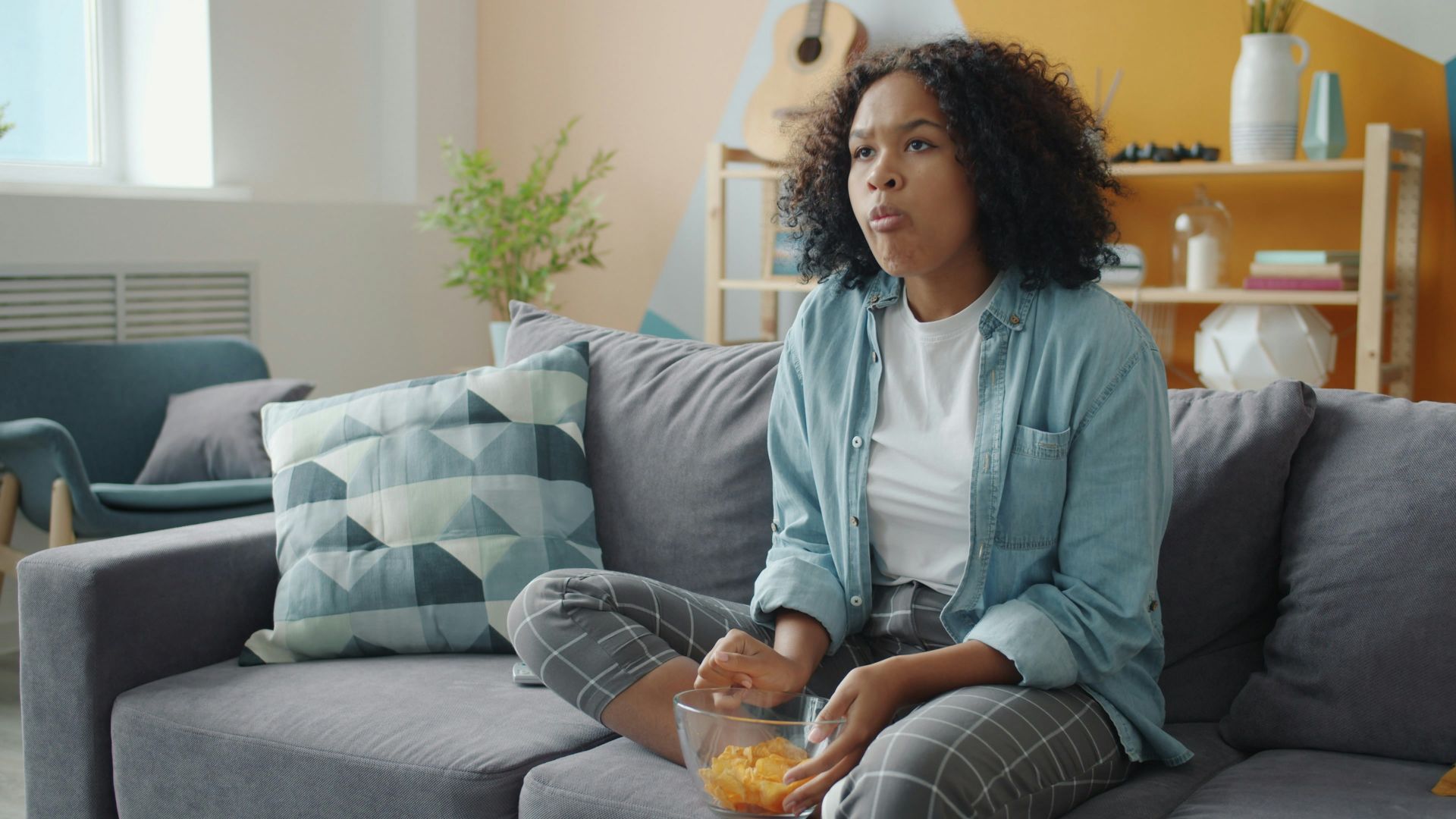
Casual remarks about someone’s clothing, body, hair, or age can shape how children evaluate others. They may start believing that physical differences are acceptable targets for humor, even if the original comment seemed mild. Keeping criticism away from appearance helps children develop kinder and more appropriate social habits.
11. Refusing To Ask For Help
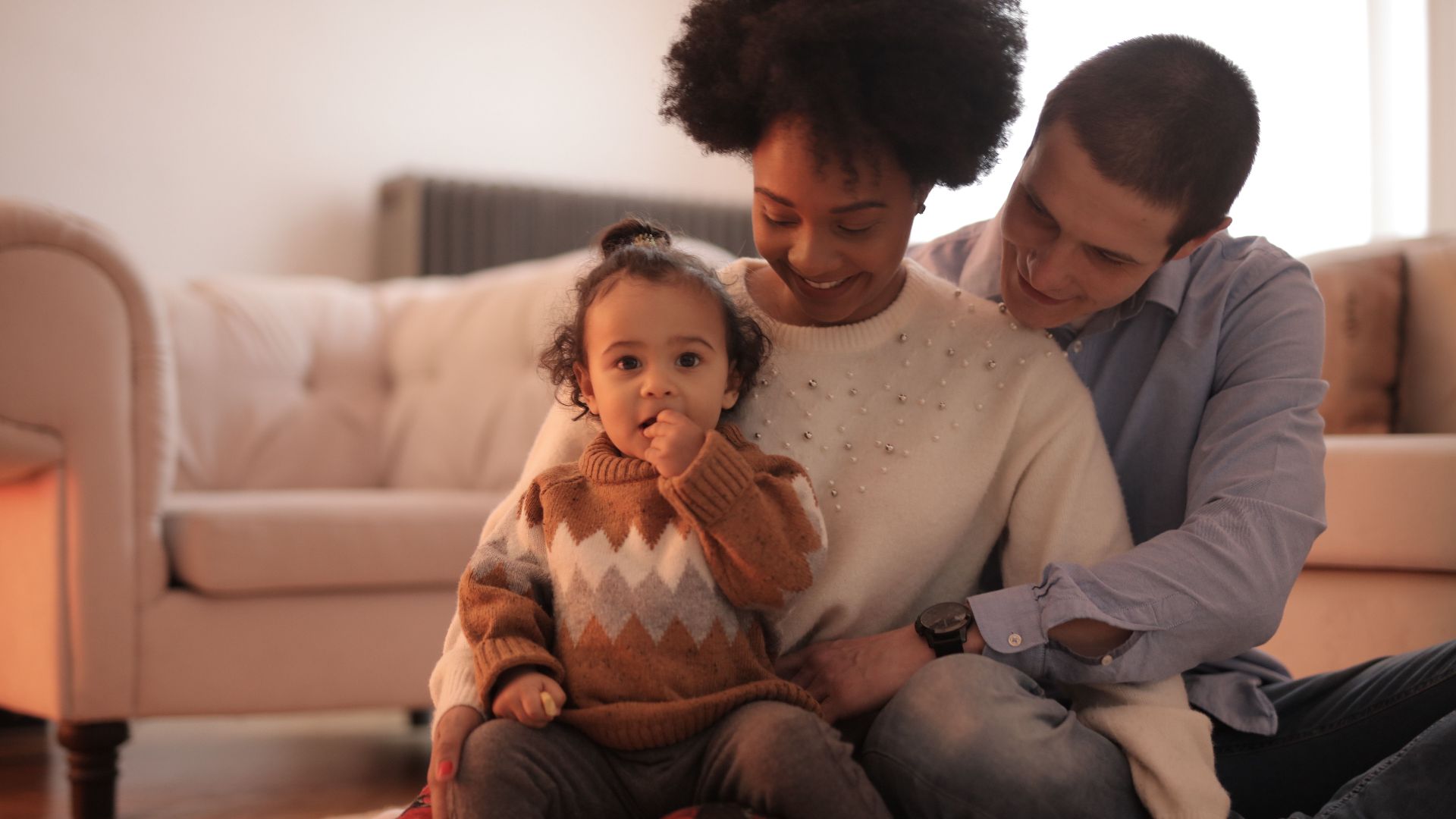
Parents sometimes insist on handling everything themselves because asking for assistance feels inconvenient or embarrassing. Kids watching this behavior may hesitate to seek support when they’re confused, overwhelmed, or struggling at school.
12. Reacting Defensively To Feedback
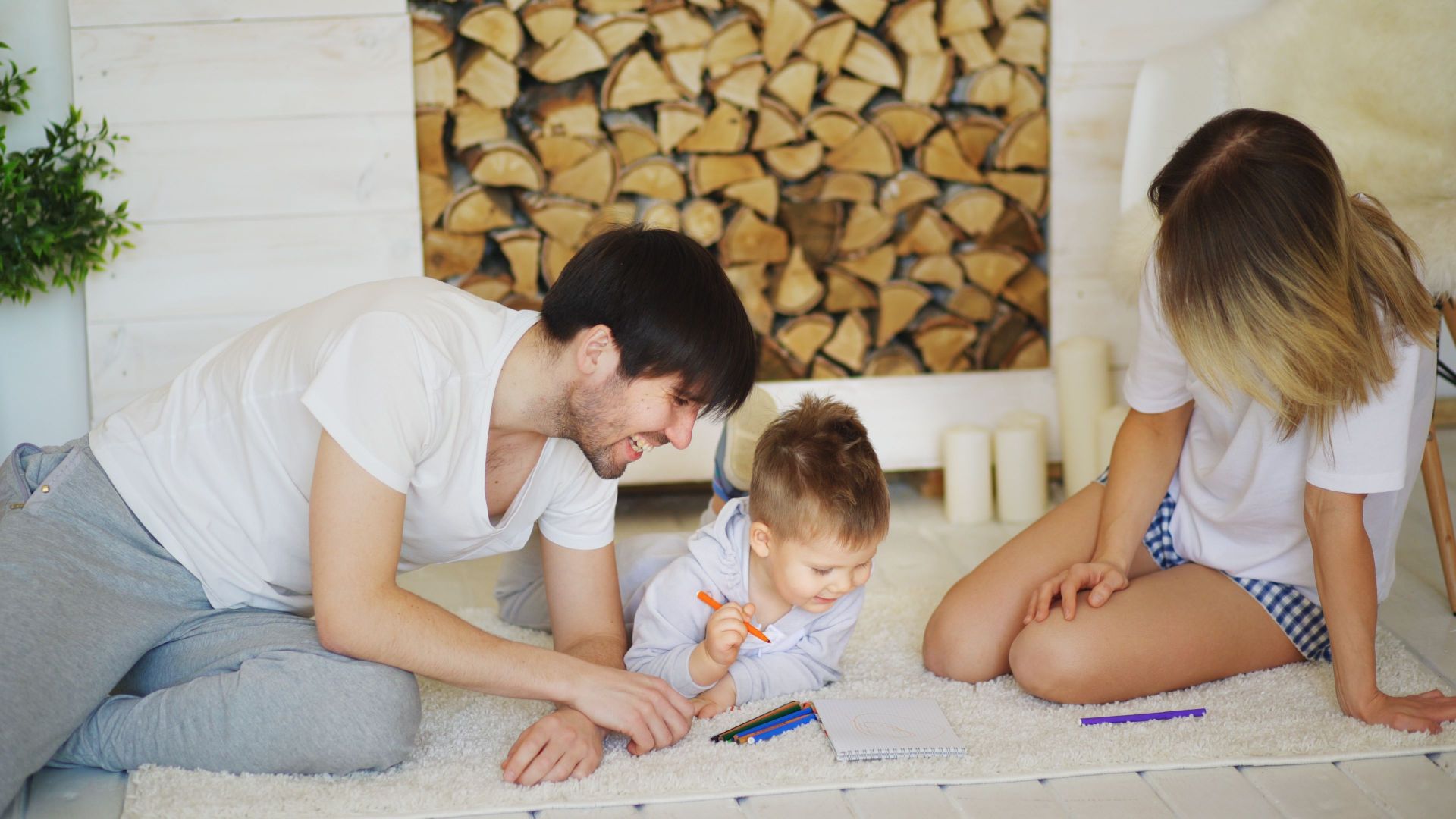
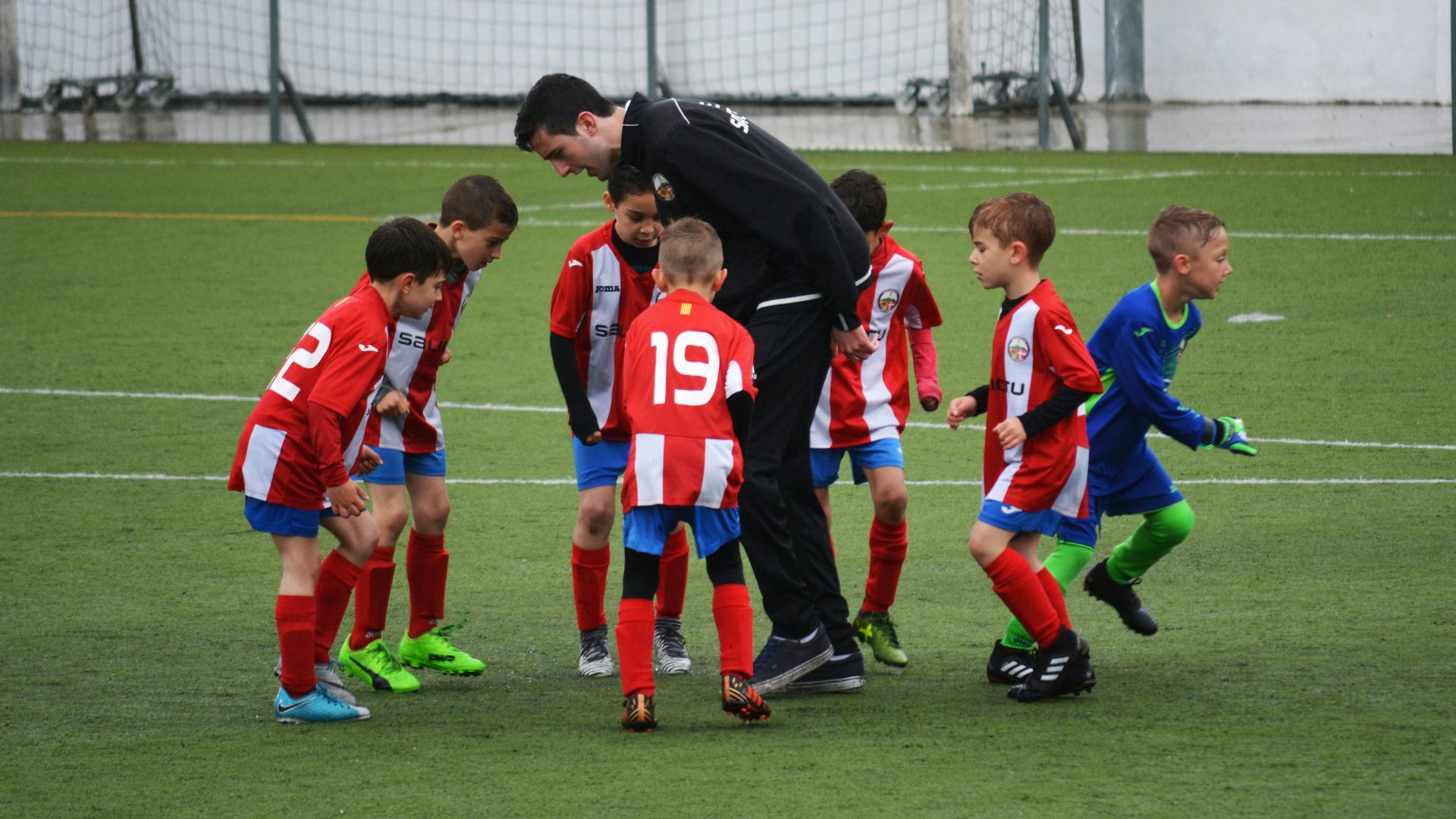
It’s natural to feel uncomfortable when someone points out a mistake, but immediate defensiveness can prevent a useful conversation. Children may copy that reaction by making excuses whenever a teacher, coach, or family member corrects them.
 Adrià Crehuet Cano on Unsplash
13. Breaking Promises That Seem Unimportant
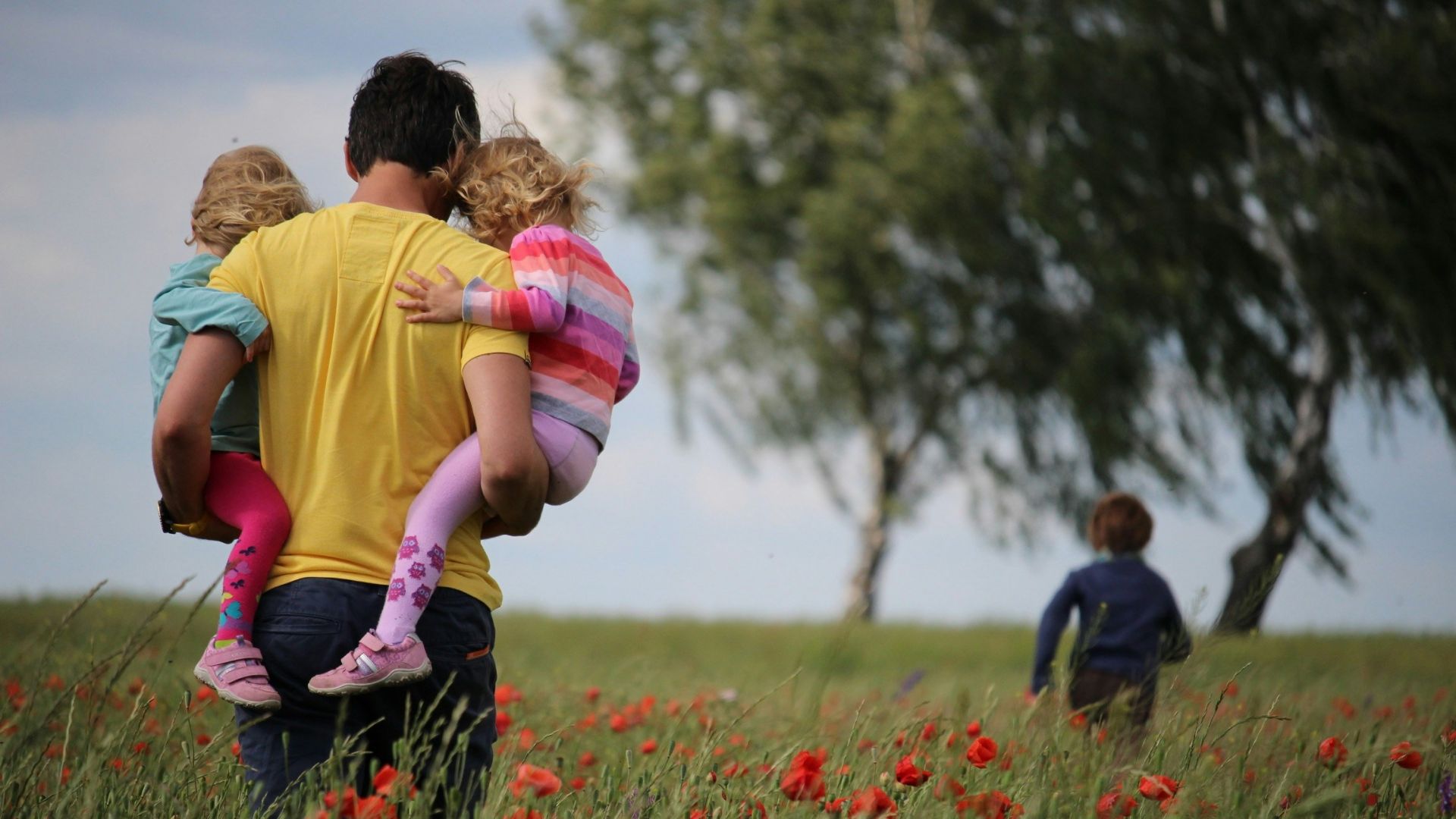
A forgotten promise to play a game or visit the park may not feel as serious as missing a major commitment. To a child, however, small assurances still shape whether someone’s word appears dependable.
 Juliane Liebermann on Unsplash
14. Speaking Impatiently To Service Workers
Interactions with cashiers, servers, receptionists, and delivery drivers offer children regular lessons in courtesy. A dismissive tone can suggest that respect depends on another person’s job or ability to provide something quickly.
15. Expecting Immediate Answers
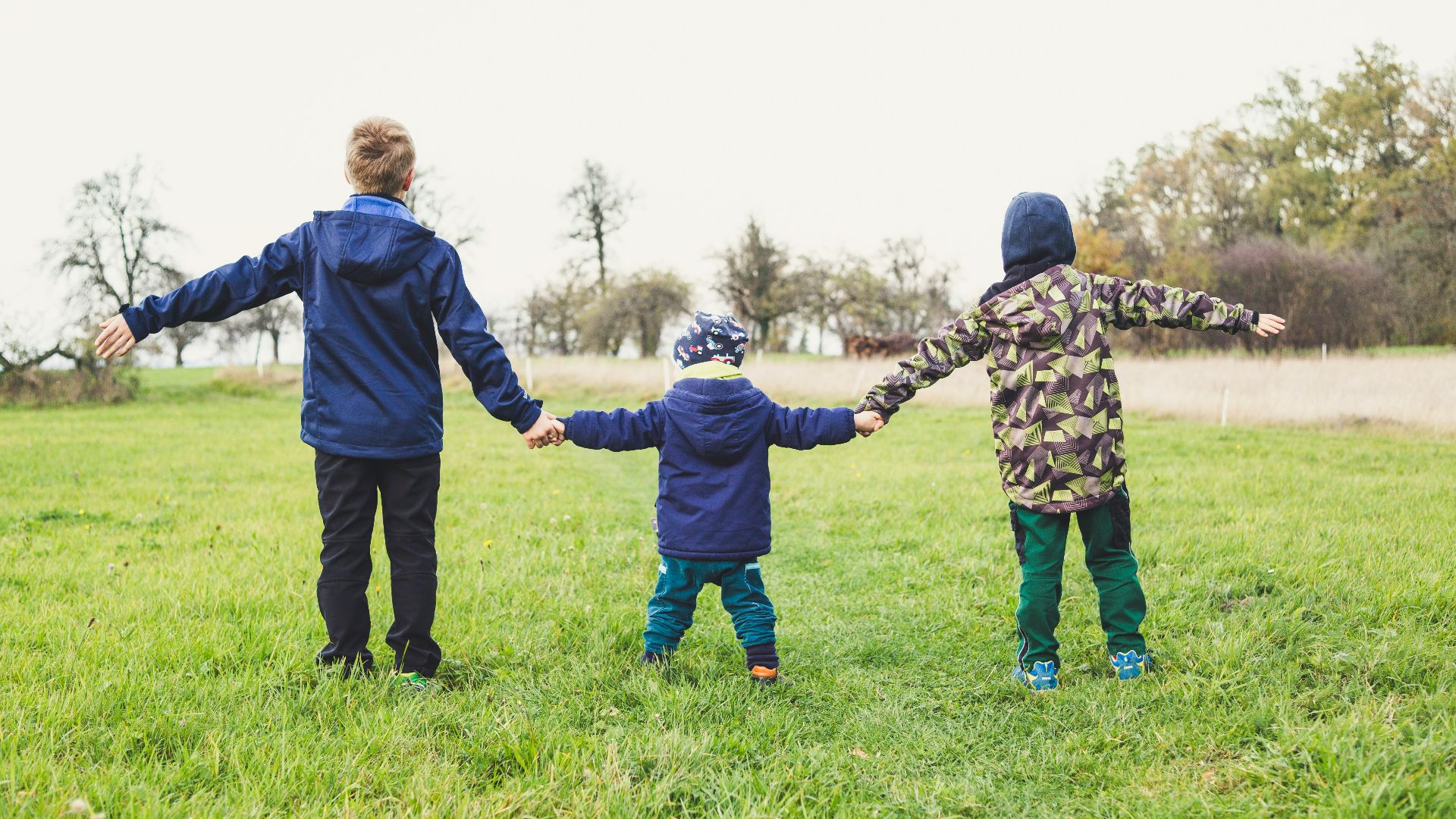
Adults sometimes demand a response before children have had time to organize their thoughts. Kids can mirror this impatience by pressuring others to answer quickly or treating silence as defiance.

16. Gossiping About Other Families
Discussing another parent’s finances, relationship, or household decisions may seem like ordinary adult conversation. Children can absorb the idea that private information is acceptable entertainment when the person involved isn’t present.
17. Blaming Moodiness On Everyone Else
Statements such as “You’re making me angry” can imply that other people are completely responsible for a person’s emotions. Children may begin blaming siblings or friends for every frustrated reaction instead of considering their own choices.

18. Treating Rest As Laziness
Parents who criticize themselves for relaxing can unintentionally teach children that downtime must always be earned. Showing that reasonable rest supports attention, mood, and energy creates a more balanced approach to productivity.

19. Comparing Children To Other People
Comparisons are often meant to encourage improvement, but they can make children measure success through competition rather than personal progress. They may later compare friends, siblings, or partners in similarly discouraging ways.
20. Refusing To Change Your Mind
Parents understandably want to appear confident, yet holding onto a decision after receiving better information can model stubbornness rather than strength. Children may imitate this by treating compromise as losing and refusing to reconsider weak arguments.