
10 Things Boomers Were Better At in Relationships & 10 Things Younger Generations Actually Improved
10 Things Boomers Were Better At in Relationships & 10 Things Younger Generations Actually Improved
The Habits Worth Keeping & The Ones That Aren’t
Every generation talks about relationships like the next generation is doing everything wrong. Boomers dated, married, and raised families in a world where long-term partnership was often treated as a rite of passage, a part of becoming an adult. Younger generations are dealing with a much more complicated setup: dating apps, higher housing costs, therapy language, delayed marriage, and a lot more freedom to question old expectations. Some older relationship habits were steady and useful, while some newer ones are kinder, fairer, and more honest. This list looks at the places Boomers often had the edge, and the places younger generations have made real progress.
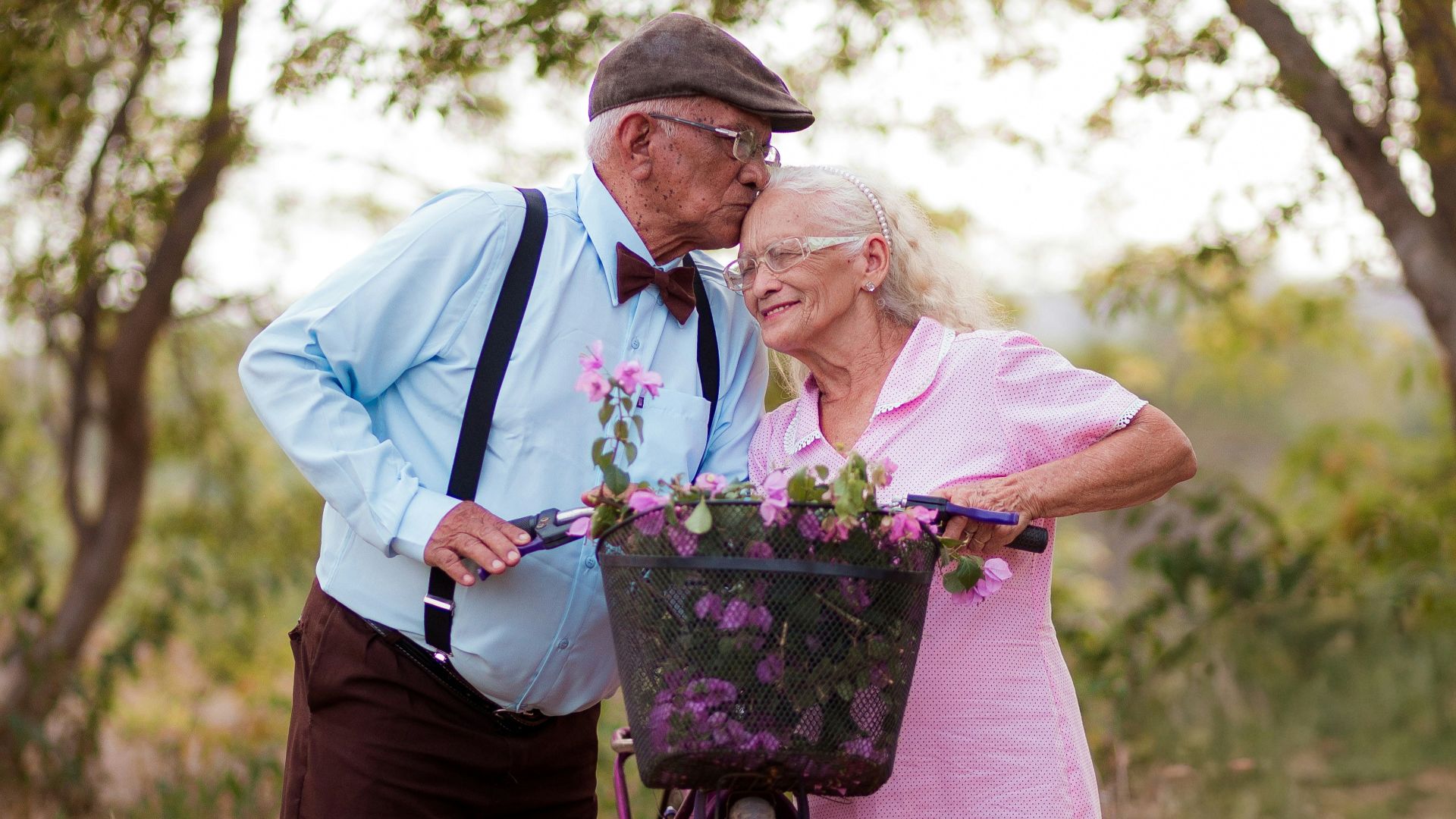
1. Commitment Was More Serious
Boomers often treated commitment as a major life decision, not something to rethink every time the relationship felt flat or annoying. That could keep people in bad marriages longer than they should’ve stayed, but it also meant many couples didn’t panic the first time life got hard.
 Narissa de Villiers on Unsplash
2. Plans Had To Be Kept
Before texting became the default, canceling plans wasn’t as effortless as sending a vague message. If you agreed to meet at a diner, a movie theater, or someone’s front porch at seven, you usually had to show up, call ahead, or deal with the awkwardness later.

3. People Met Through Mutual Friends
Many Boomer relationships started through friends, relatives, school, work, church, military service, neighborhood bars, or someone’s cousin who thought they’d be “perfect together.” That didn’t make dating magically better, but it gave people more context than a perfectly perfected dating app profile.
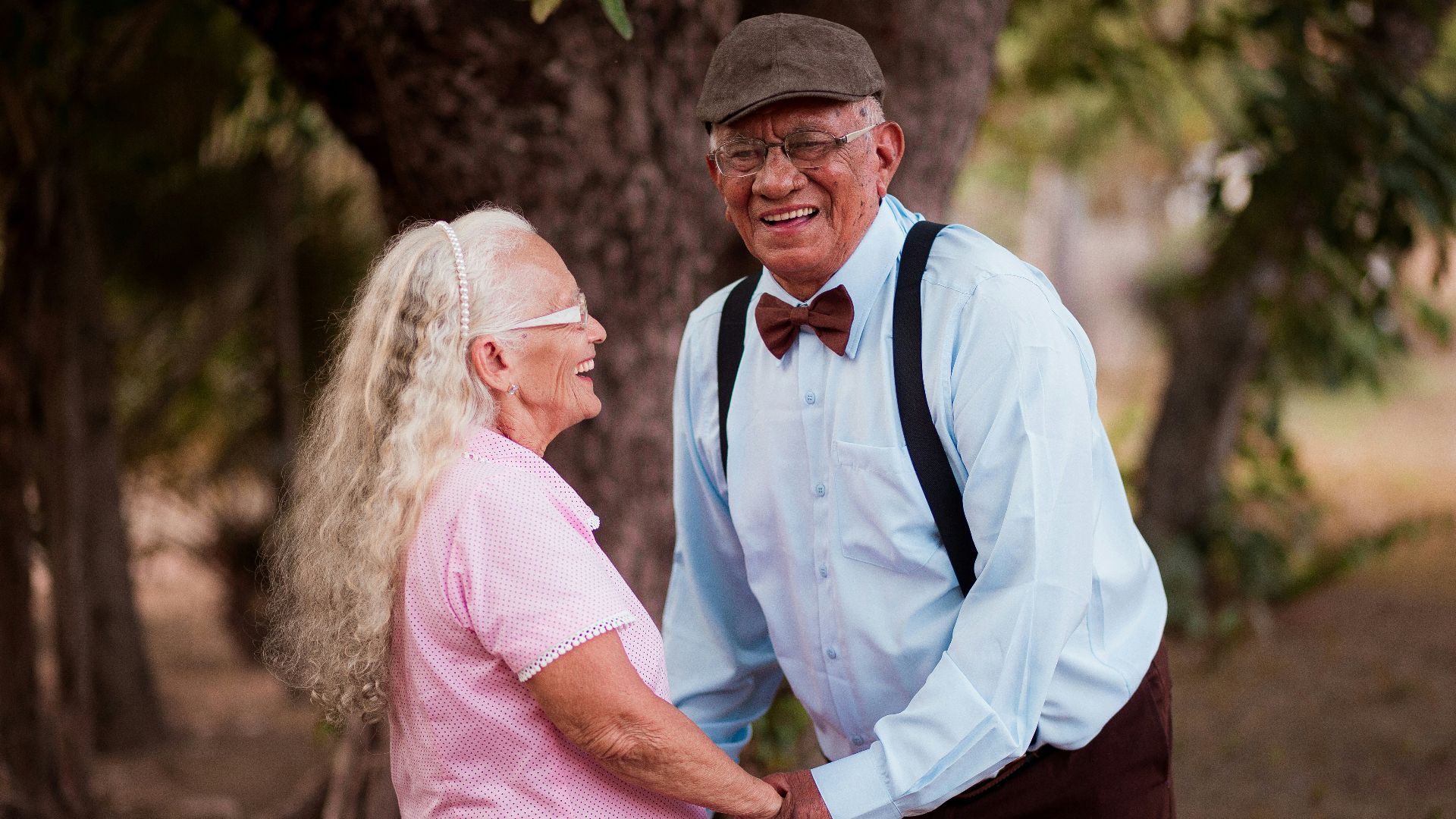
4. Private Life Stayed Private
Boomer couples didn’t have to process fights through group chats, screenshots, Instagram stories, or public relationship updates. Privacy could hide serious problems, but it also gave couples more room to work through normal tension without an audience.

5. Family Routines
Older couples often had regular family patterns built into their lives: Sunday dinner, Thanksgiving, Christmas Eve, backyard birthdays, and visits with grandparents. Those routines could feel stiff or exhausting, but they gave relationships a shared calendar outside work and errands.

6. Love Was Often Practical
For a lot of Boomers, partnership meant doing ordinary work: fixing a leaky faucet, handling the grocery run, paying the electric bill, sitting in a hospital waiting room, or getting the kids to Little League. The emotional side mattered, of course, but love, more often than not, showed up in regular, menial tasks.

7. Community Carried Some Of The Load
Older couples were often closer to extended family, neighbors, local clubs, or faith communities. That meant one partner wasn’t always expected to be the entire support system.

8. Routine Didn’t Feel Like Failure
Boomer couples were often more used to long stretches of plain, repetitive life. They didn’t always assume a quiet month, a dull dinner, or a tired argument meant the relationship was doomed, though that patience could go too far when real unhappiness was being ignored.

9. Fewer Dating Options
Dating before Tinder, Hinge, and Bumble could be slow and frustrating, especially if your town was small or your social scene was limited. Still, fewer visible options sometimes made people give the person across the table more attention instead of wondering who else might be waiting on their phone.
 micheile henderson on Unsplash
10. Responsibility Was Part Of Love
Many Boomers saw responsibility as a normal part of partnership. That meant showing up when someone was sick, doing the chores no one wanted, keeping promises, and staying steady during layoffs, family stress, or the long months when romance wasn’t exactly sparkling.

1. Mental Health Is Easier To Talk About
Younger generations are more likely to bring mental health into relationship conversations without it feeling scandalized. Anxiety, burnout, grief, therapy, family trauma, and emotional regulation are much more likely to be named, which can make people feel less alone inside the relationship.

2. Clearer Feelings
Younger people often have more language for hurt, insecurity, resentment, fear, and overwhelm. That language can get overused, yes, but being able to say “I’m shutting down because I feel embarrassed” is still more useful than slamming a cabinet and pretending nothing happened.

3. Equality Is Expected
Younger couples are less likely to assume one person earns the money while the other runs the home. Many expect both partners to talk about careers, chores, childcare, money, sleep, and personal time, even if the actual division still takes work.
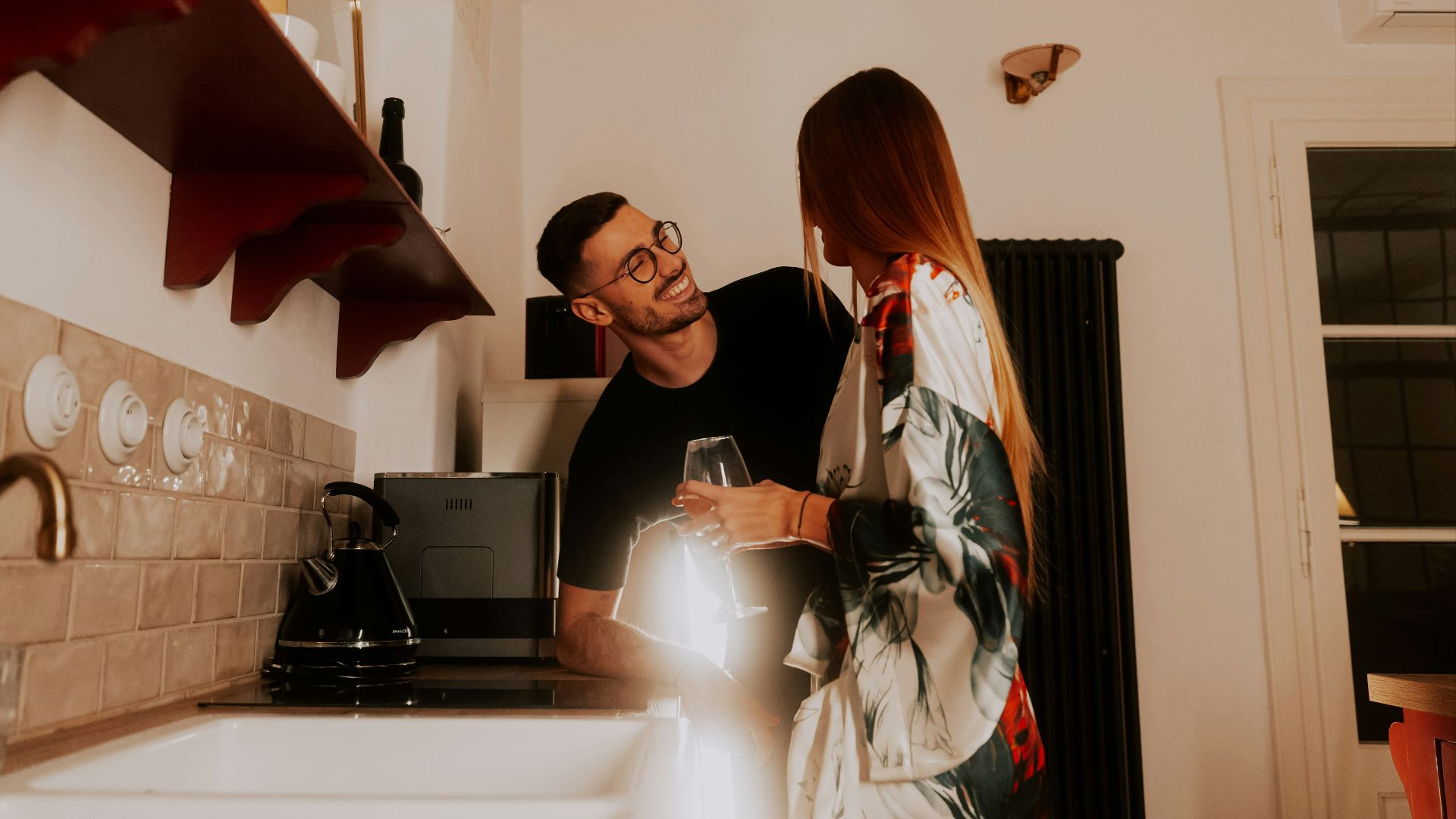
4. Invisible Labor
Younger generations are better at noticing the mental work that keeps a household moving. Remembering the pediatrician appointment, buying the teacher gift, tracking the toilet paper, planning the birthday dinner, and knowing when the dog needs vaccines all count as work, even if you’re not getting paid for it.
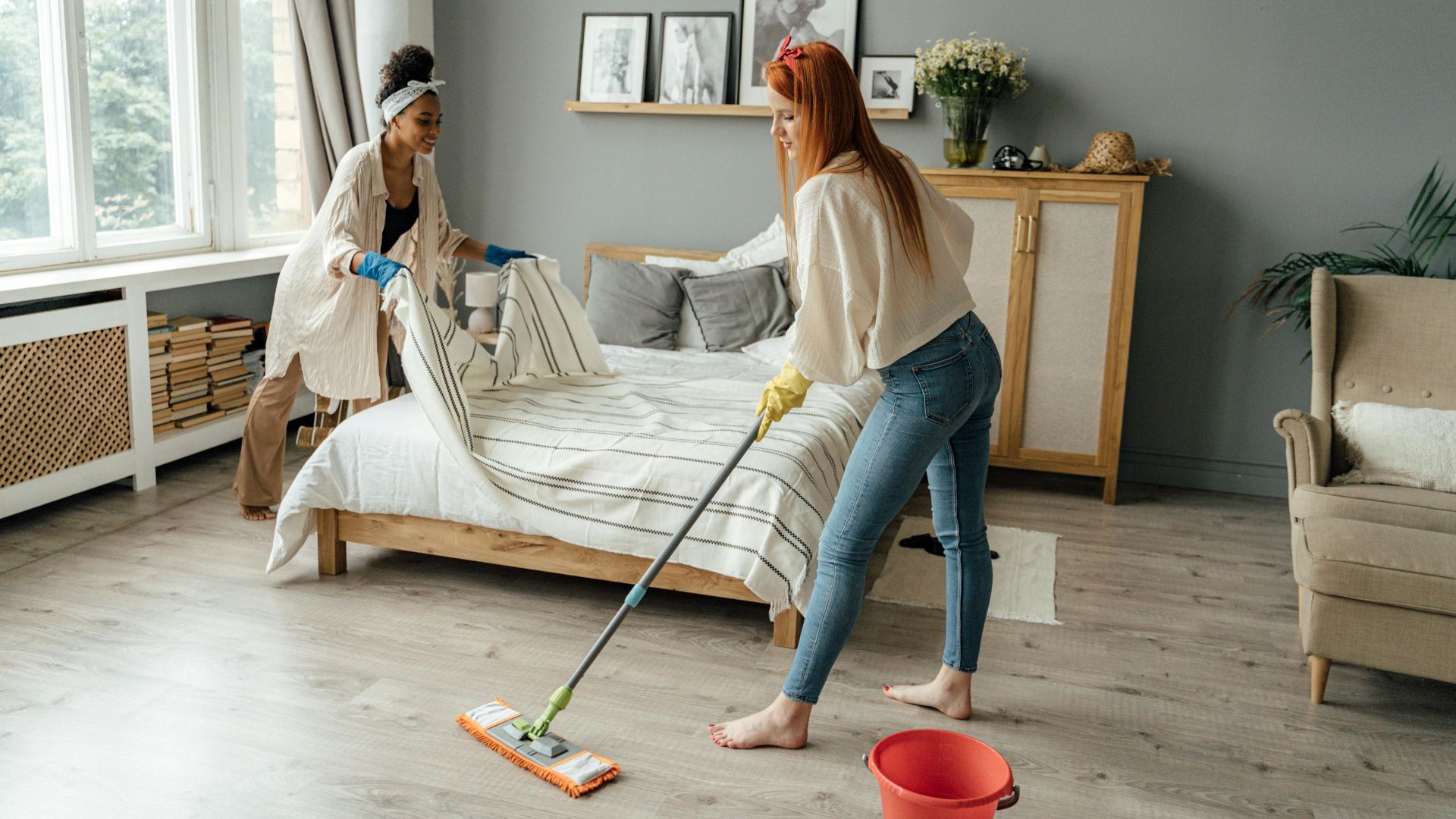
5. Waiting For Marriage
Younger adults are less likely to rush into marriage just because it seems like the natural next step. Money, housing, student debt, and unstable work all play a part, but waiting can also give people more time to figure out who they are before signing up for forever.

6. Living Together
Cohabitation is now a normal step for many couples instead of a family scandal. It gives people a chance to learn how they handle dishes, bills, sleep, clutter, pets, conflict, and how they can cohabitate together.

7. More Couples Are Publicly Accepted
Younger generations have helped make more kinds of couples visible and accepted. Same-sex couples, interracial couples, blended families, unmarried partners, and people who don’t follow the old marriage-then-house-then-baby order have more room to live openly than they did decades ago.
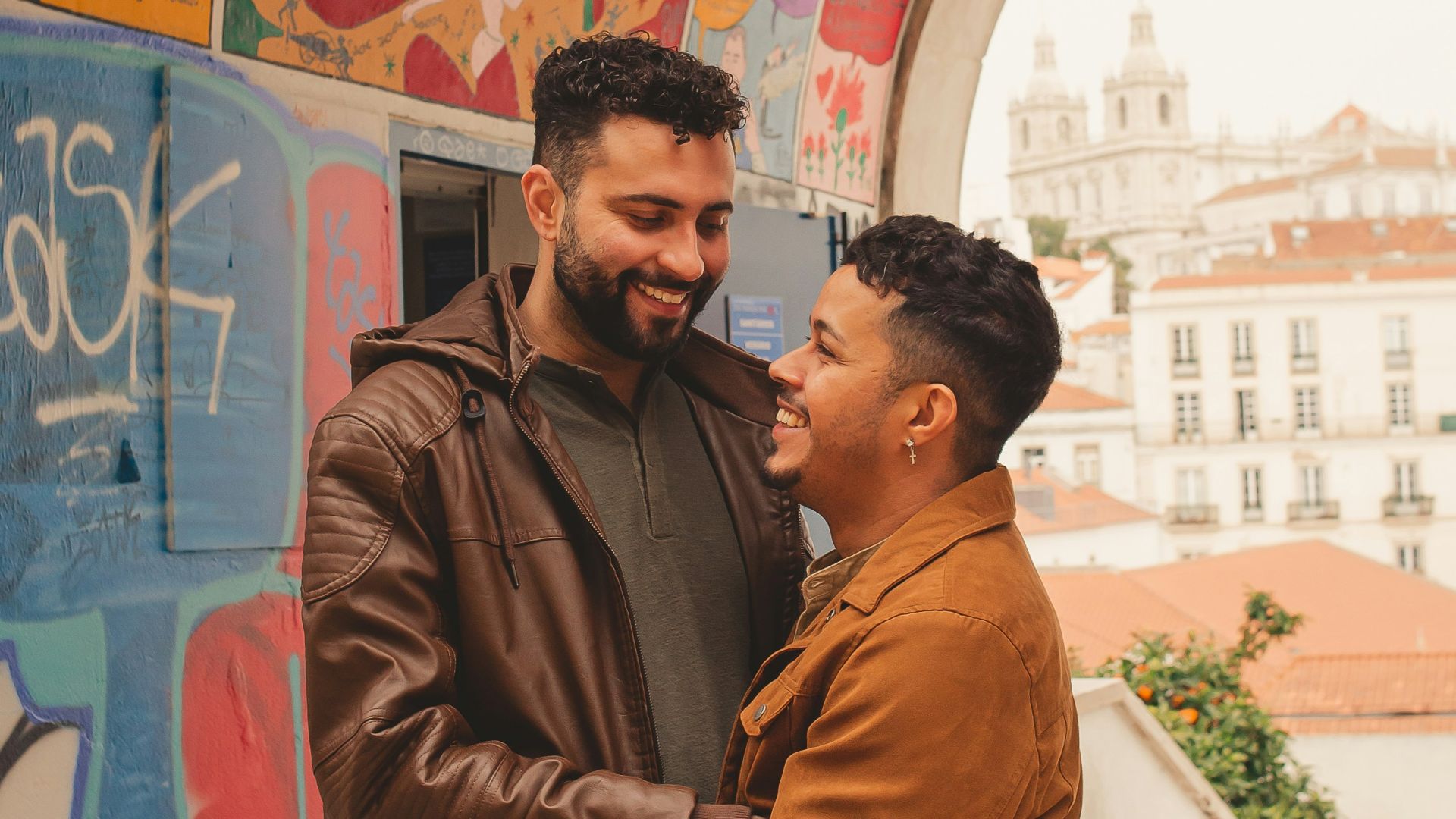 Letícia Fracalossi on Unsplash
8. Technology
Dating apps can be exhausting. Still, they’ve helped people meet beyond their workplace, hometown, friend group, or church basement, which can matter a lot for LGBTQ people, rural daters, introverts, and anyone whose ideal partner isn’t already nearby.

9. Bad Rules Get Challenged Quicker
Younger people are more willing to question jealousy, control, constant fighting, and pressure disguised as love. They don’t always get boundaries right, but they’re more comfortable talking about consent, personal space, emotional safety, and the right to leave something that feels damaging.

10. Relationship Skills
Younger couples are more likely to see communication and conflict repair as things they can practice. Apologizing, listening without planning a rebuttal, splitting chores without resentment, and cooling down before a fight gets ugly may not sound romantic, but they make daily love a heck of a lot easier.