The Good Old Days
Millennials grew up during a strange, memorable stretch of culture: Saturday morning cartoons, dial-up internet, sleepovers, burnt CDs, and the first wave of social media all shaped the way they saw the world. Perhaps that's the reason why many millennials still cling to parts of their childhood, repeatedly chasing after the pang of nostalgia. From the throwback music they listen to, to the movies they've rewatched countless times before, here are 20 ways millennials keep their youth alive.
1. Rewatching the Shows That Raised Them
A lot of millennials return to the cartoons, sitcoms, and teen dramas they watched after school because those shows still feel familiar in the best way. They may notice jokes, plotlines, or cultural moments differently now, but that’s part of the appeal. Watching an old favorite can feel like checking in with a version of yourself that used to know every theme song by heart.
2. Playing the Video Games They Never Really Outgrew
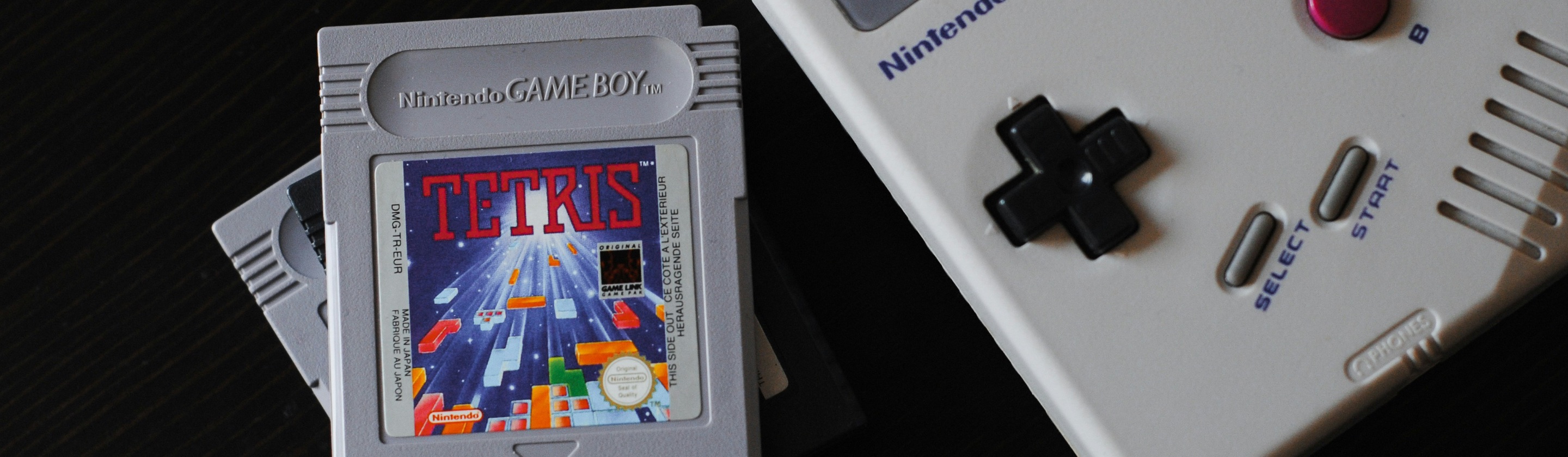
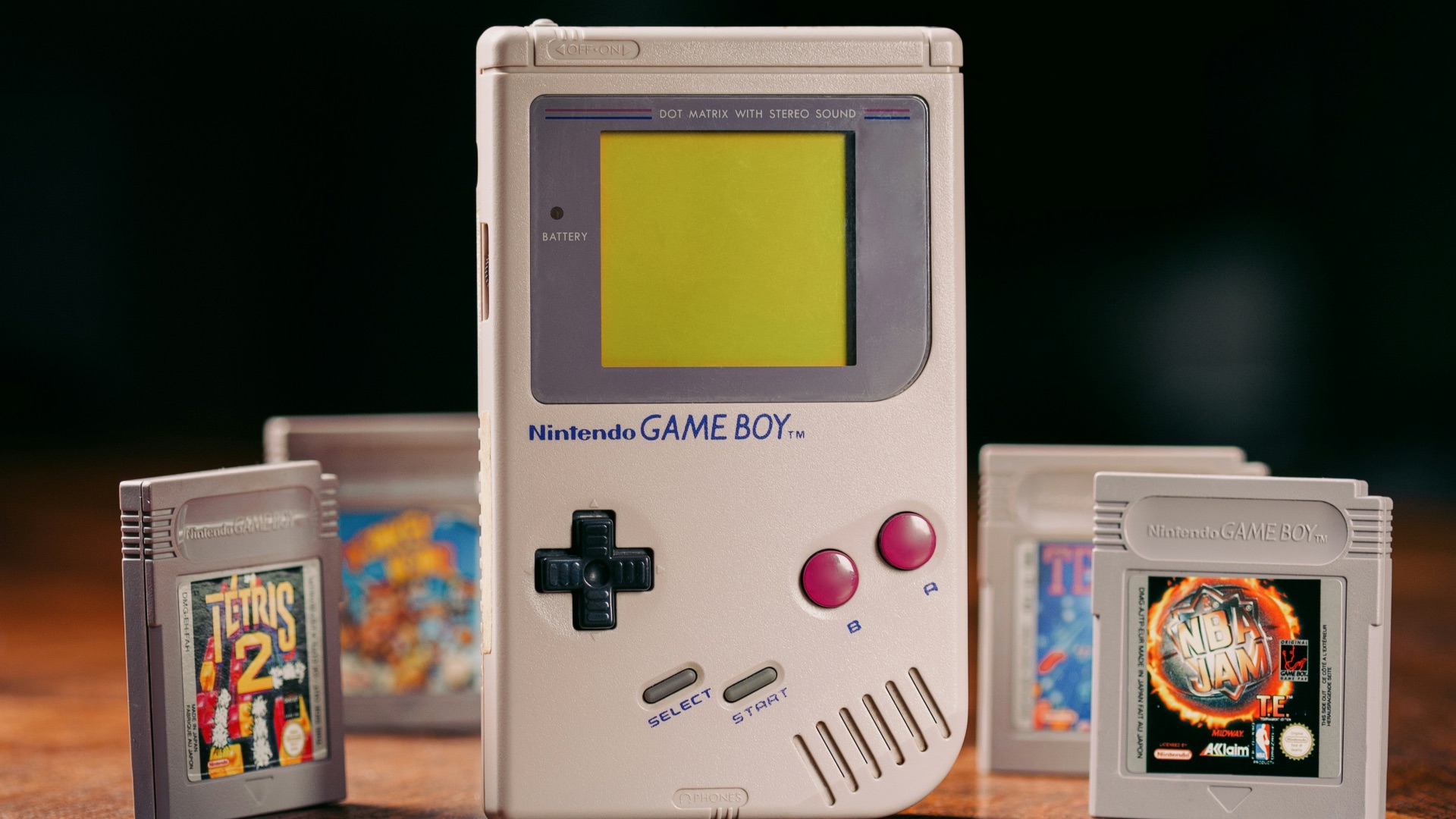
For many millennials, gaming was part of growing up, whether they were playing on a Nintendo 64, PlayStation 2, Game Boy, or the family computer. Today, they still reach for those games through remakes, emulators, retro consoles, or the original systems they somehow kept working. It’s not just about winning; it’s about revisiting the feeling of being completely absorbed in a game for hours.
3. Collecting Toys, Figures, and Childhood Memorabilia
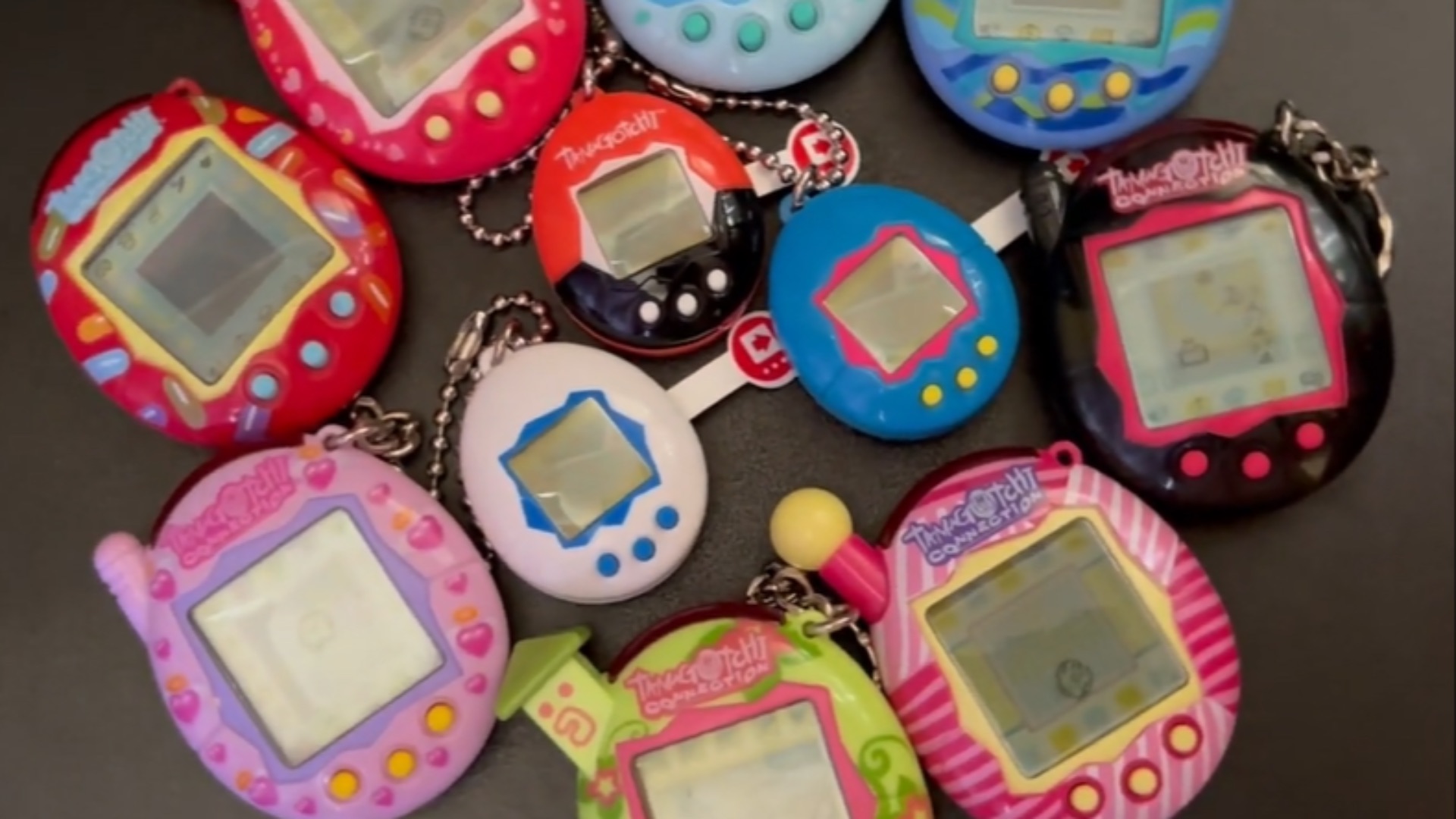
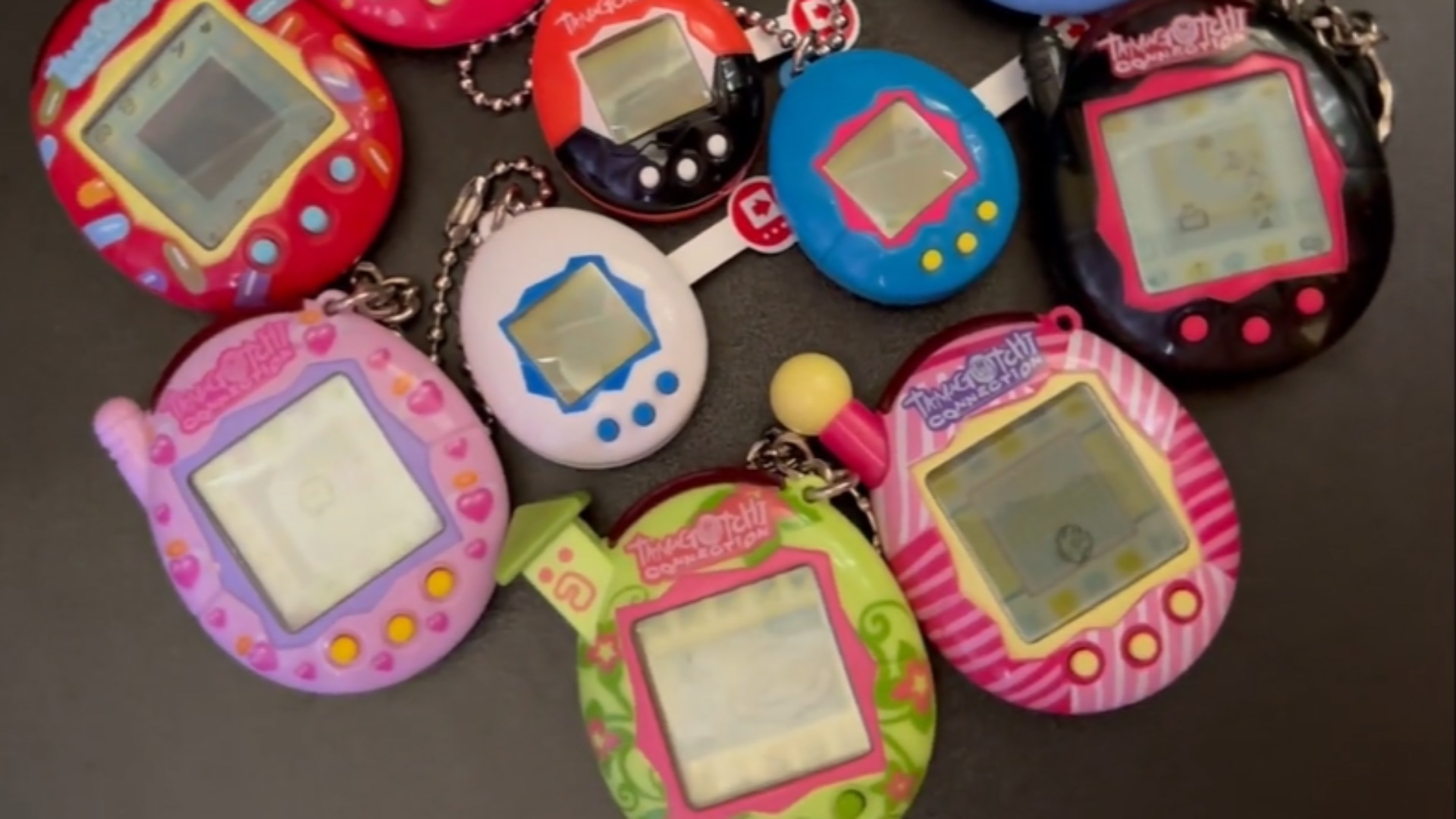
Some millennials now buy the collectibles they couldn’t afford as kids, from action figures and trading cards to dolls, plushies, and limited-edition releases. These items aren’t always tucked away in boxes, either; they often end up displayed on shelves, desks, or home office backgrounds. There’s a certain satisfaction in finally owning the thing you circled in a catalog years ago. (Raise your hand if you still own a Tamagotchi!)
4. Keeping Snacks from the Past in Rotation
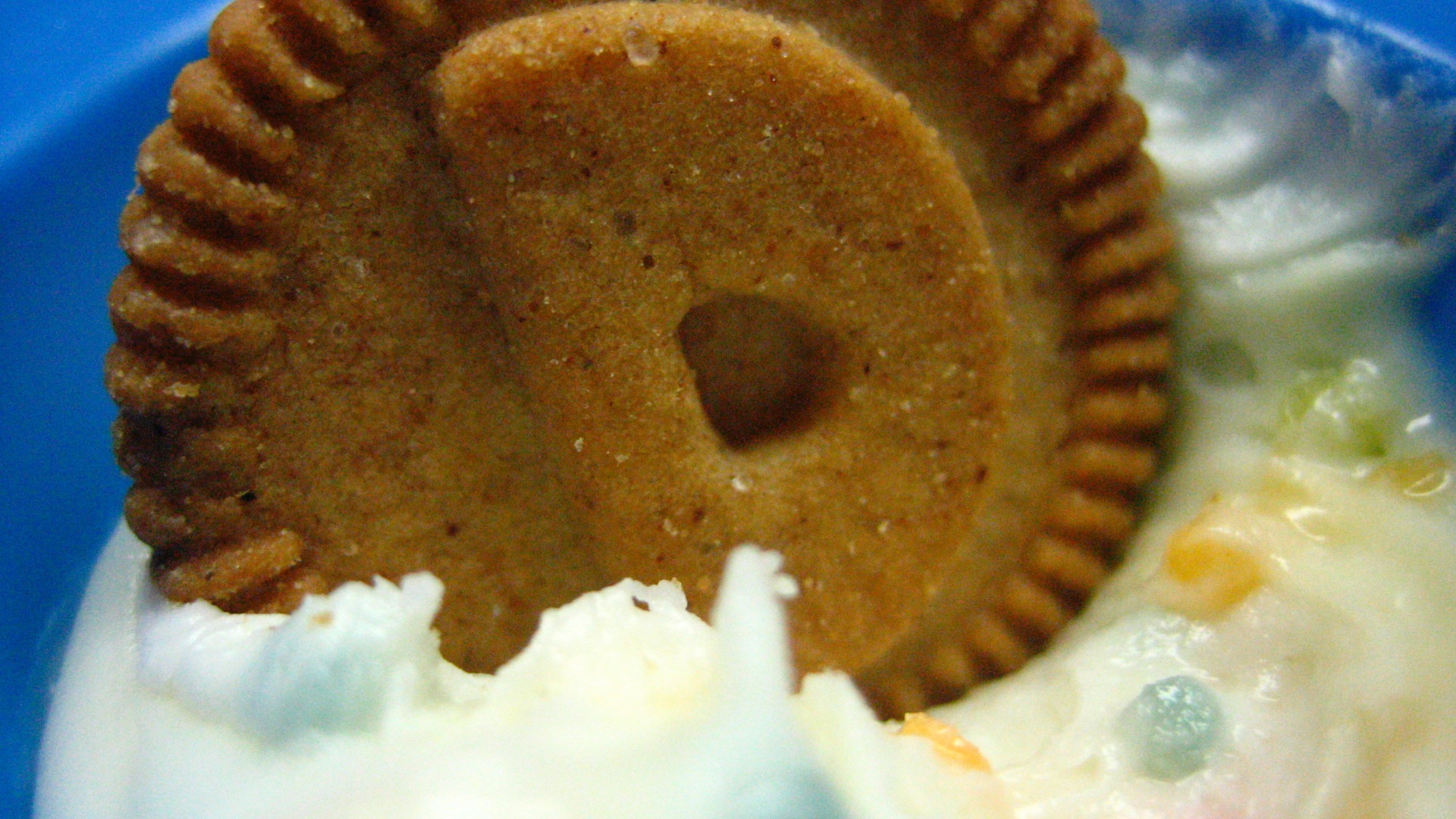
Childhood snacks have a way of sticking in memory, especially the ones that showed up in lunchboxes, after-school routines, or convenience store runs. Millennials still get excited when an old cereal, candy, frozen treat, or drink returns for a limited time. Even when the recipe doesn’t taste exactly the same, the act of buying it can bring back a whole set of memories.
 :kirsch: from Raleigh, US on Wikimedia
5. Quoting Movies They Watched Too Many Times
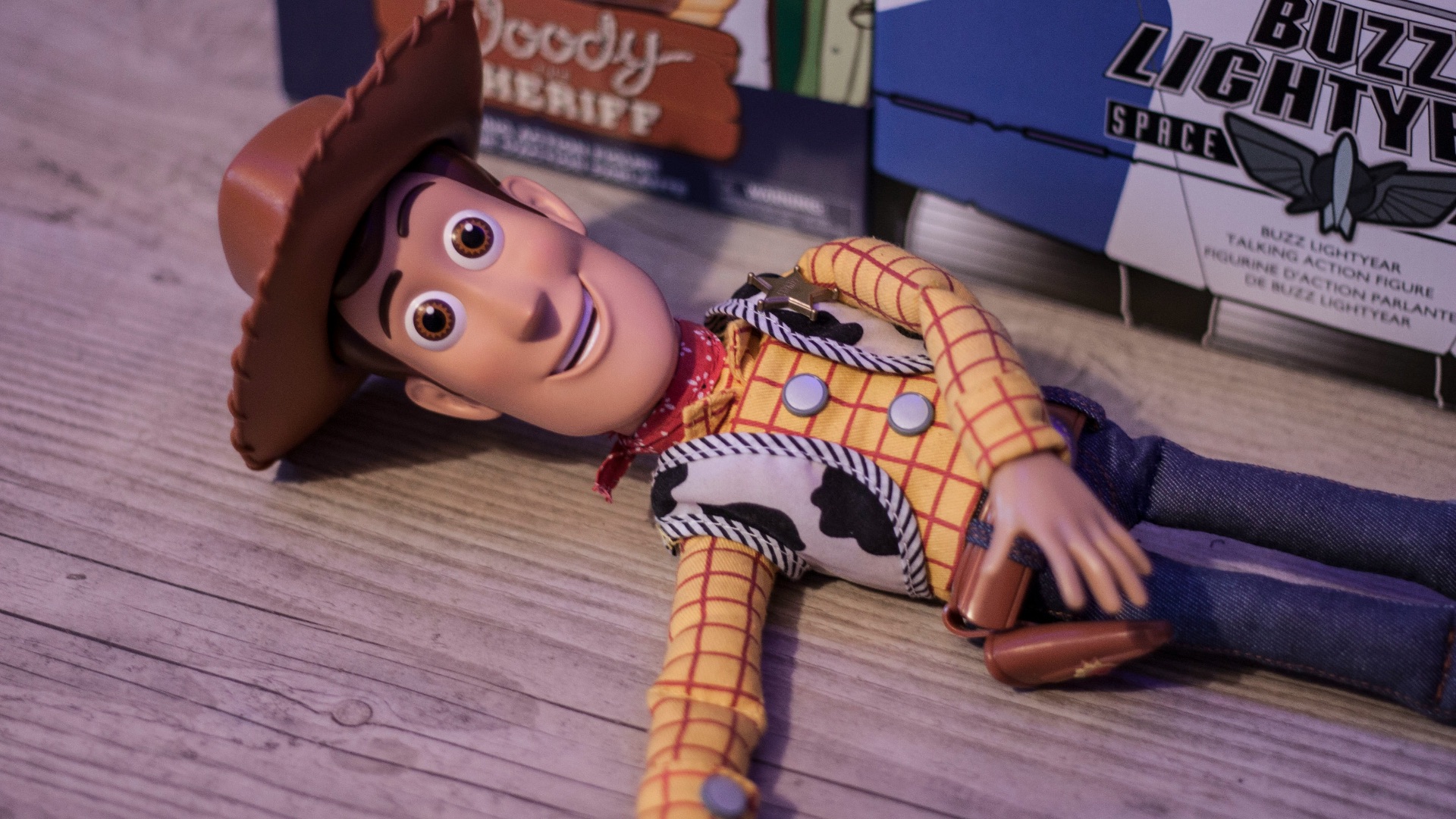
From Toy Story to Mean Girls, many millennials can still recite lines from the movies they watched repeatedly on VHS, DVD, or basic cable. These quotes often show up in group chats, family conversations, and casual jokes with friends who instantly understand the reference. It’s a shared language, especially for people who grew up rewinding the same scenes until the tape wore out.
6. Decorating with Nostalgic Touches
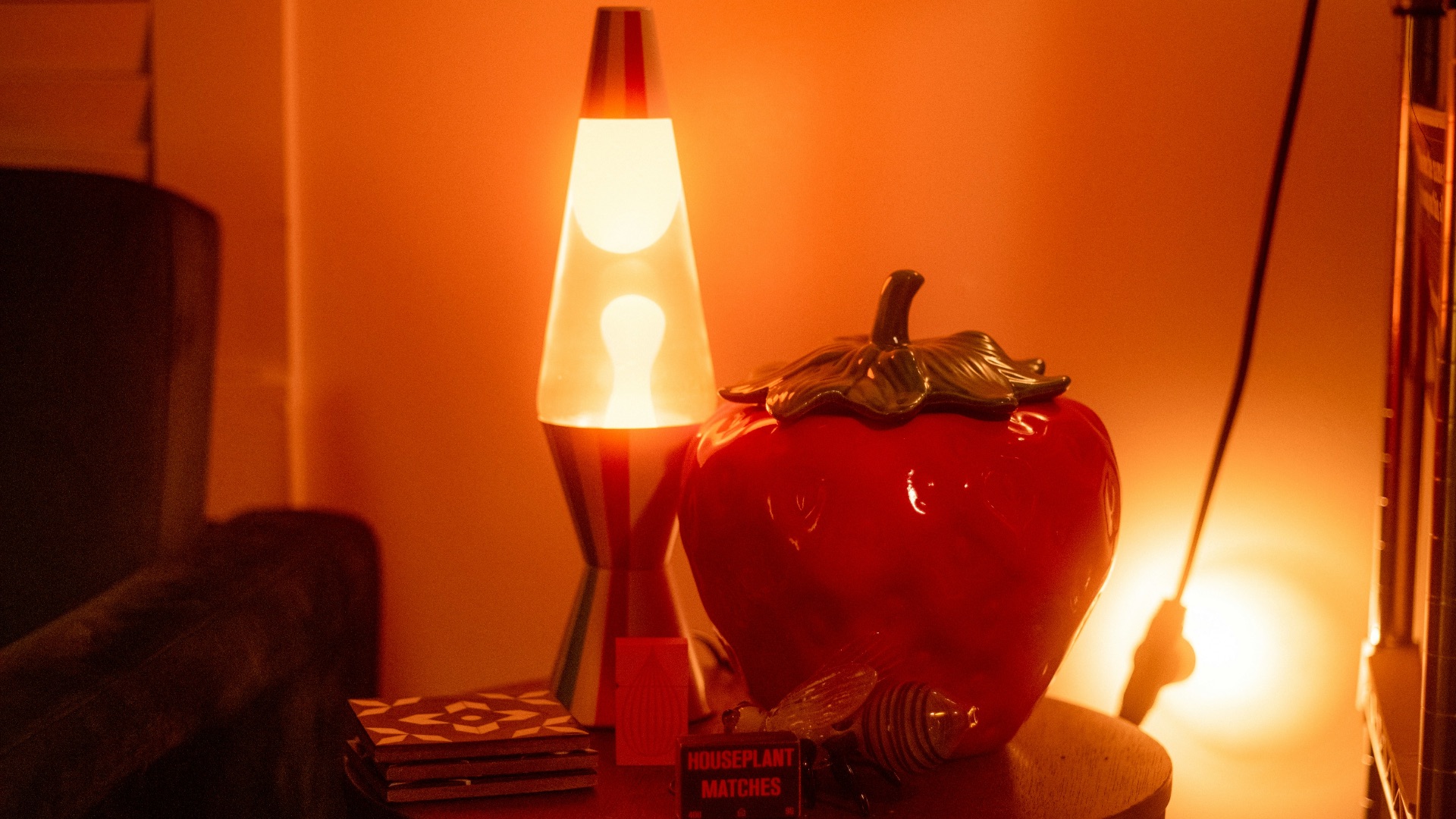
Millennial homes don’t always look like traditional adult spaces, and that’s intentional. A framed movie poster, a lava lamp, a stack of old books, or a shelf of beloved media can make a room feel personal rather than overly polished. These choices let childhood memories exist alongside grown-up furniture, practical storage, and the coffee table nobody is allowed to damage.
7. Listening to the Music of Their Formative Years
The songs that played on burned CDs, MP3 players, radio countdowns, and early iPods still have a powerful grip on millennials. Pop-punk, R&B, hip-hop, emo, boy bands, indie rock, and early 2000s pop all bring back specific moments with surprising force—think *NSYNC or Spice Girls. A playlist from middle school or college can turn an ordinary commute into a full memory lane session.
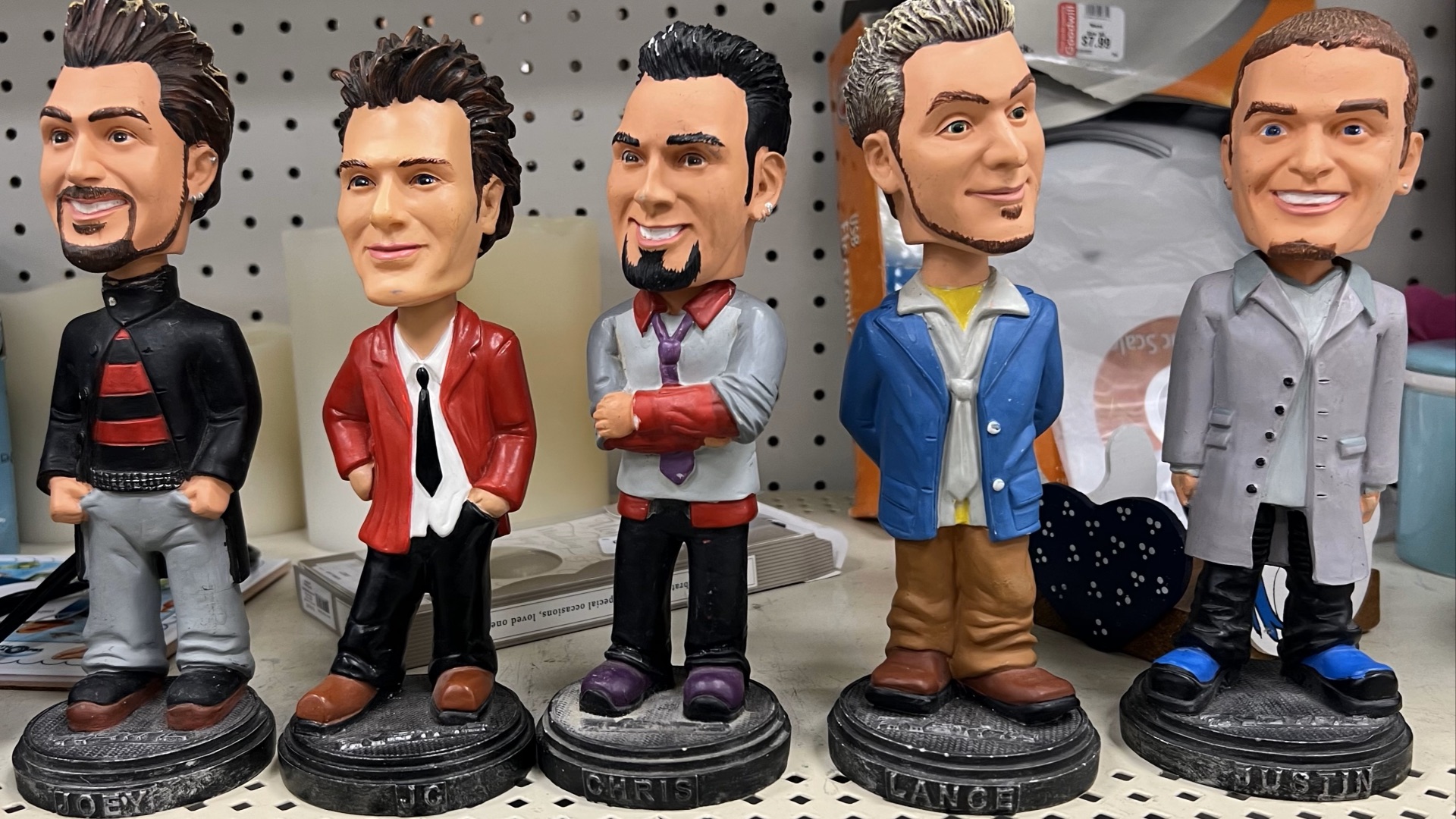 AverageSizedMuskrat on Wikimedia
8. Recreating Favorite Childhood Meals
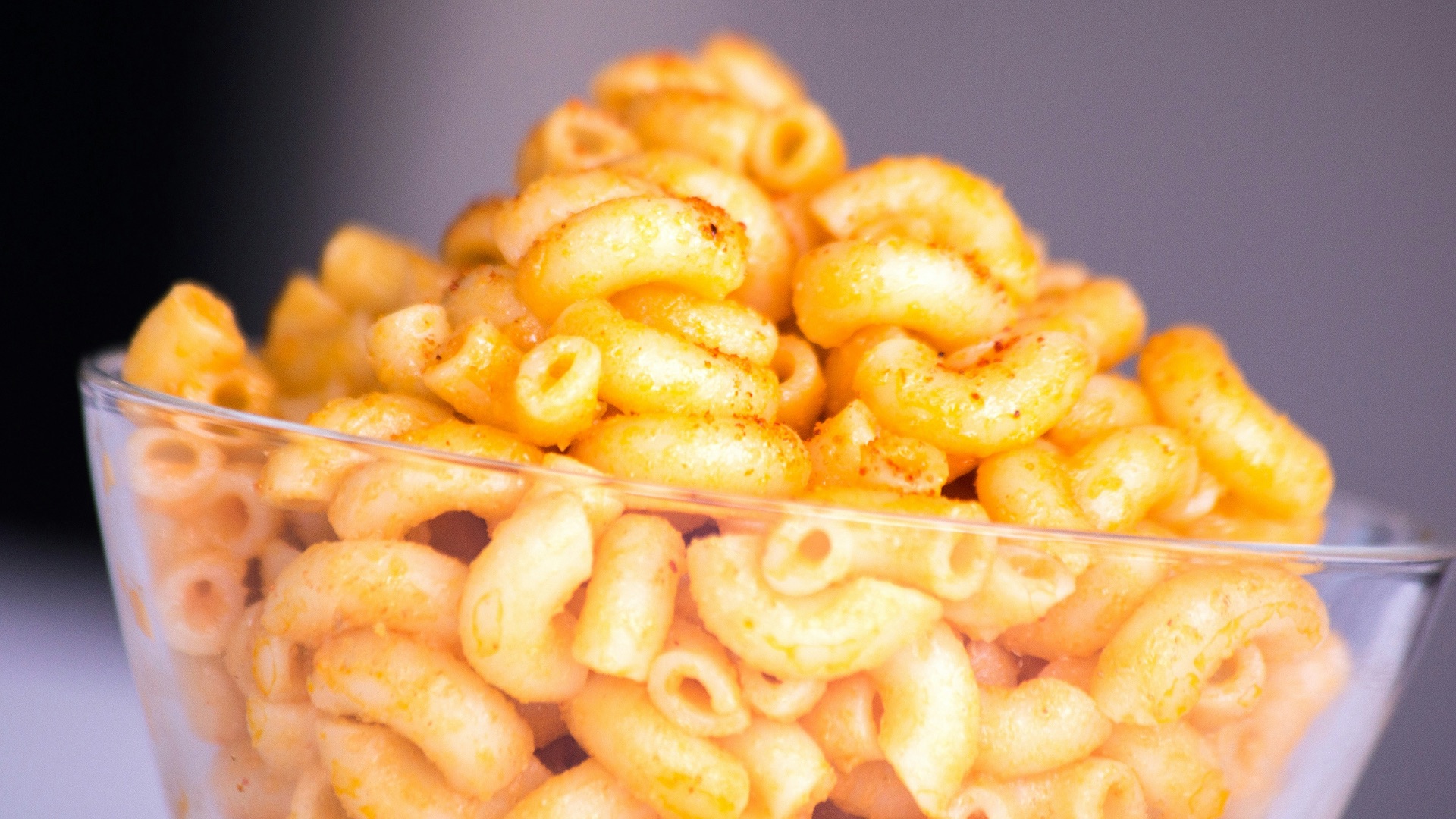
Some millennials keep their childhood alive through food, especially the meals that were simple, comforting, and tied to home. That might mean boxed mac and cheese, grilled cheese, frozen pizza, pancakes for dinner, or a family recipe that still tastes like a specific age. As adults, they may upgrade the ingredients, but the emotional pull usually comes from the original version.
9. Returning to Old Hobbies
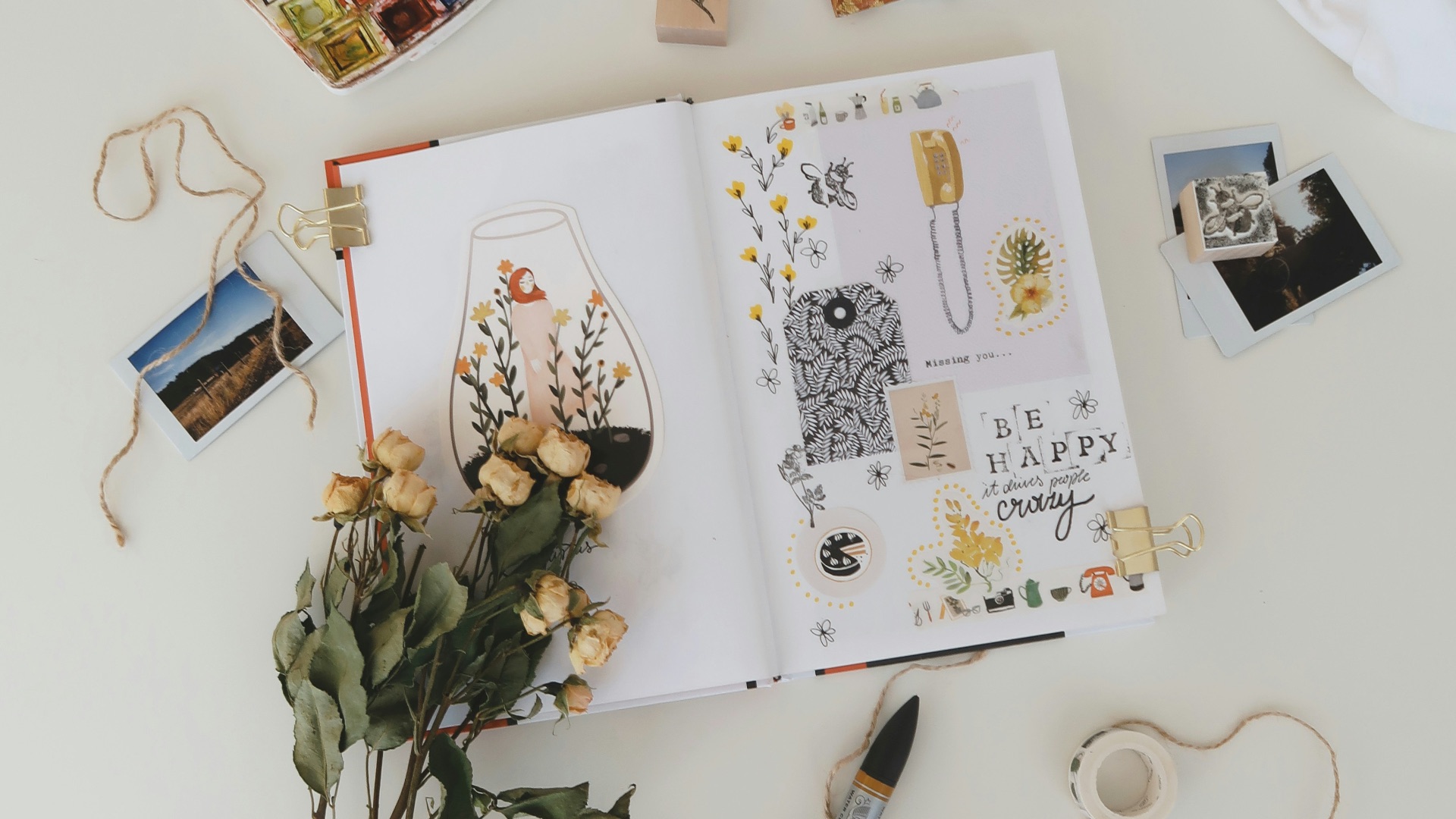
Drawing, skateboarding, journaling, collecting cards, building models, playing music, and making crafts often find their way back into millennial lives. These hobbies may have been dropped during school, career building, or early adulthood, but they’re still waiting when life allows more room. Picking one back up can feel less like starting over and more like remembering what you used to enjoy before productivity took over.
10. Sharing Childhood Favorites with Their Kids, Nieces, Nephews, or Friends
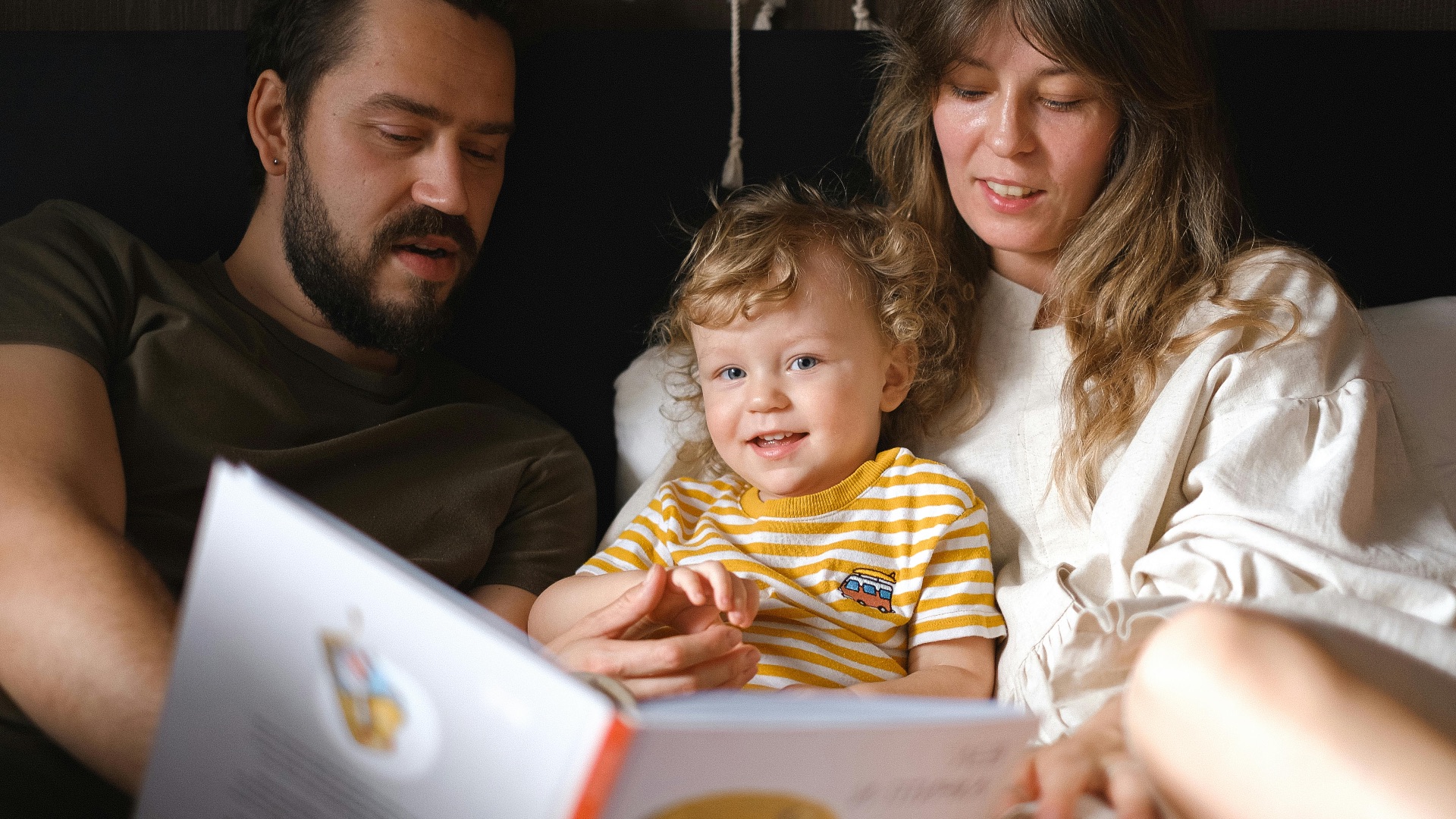
Millennials often keep their childhood alive by passing pieces of it to the next generation. They introduce kids to favorite movies, board games, books, music, and holiday traditions, sometimes with a lot more enthusiasm than the kids expect. Even when younger people don’t react the same way, the act of sharing still makes those memories feel active.
11. Making Time for Board Games and Party Games
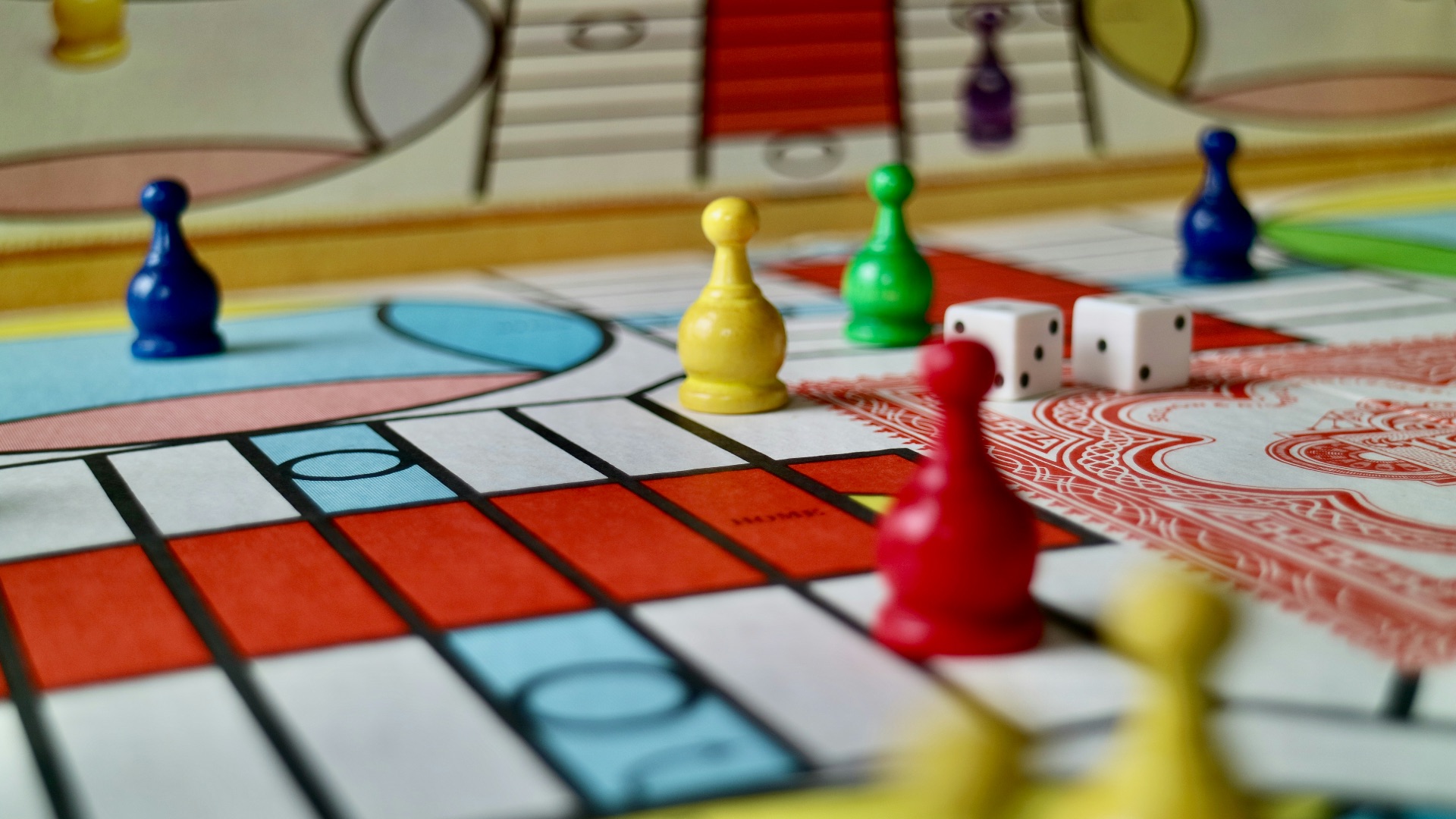
Board games, card games, and party games still matter to millennials because many of them grew up playing them during sleepovers, family nights, and rainy weekends. As adults, they may choose newer strategy games or stick with the classics that caused arguments years ago. Either way, sitting around a table with snacks and friends brings back the social side of childhood without needing a screen.
12. Visiting Places That Feel Connected to the Past
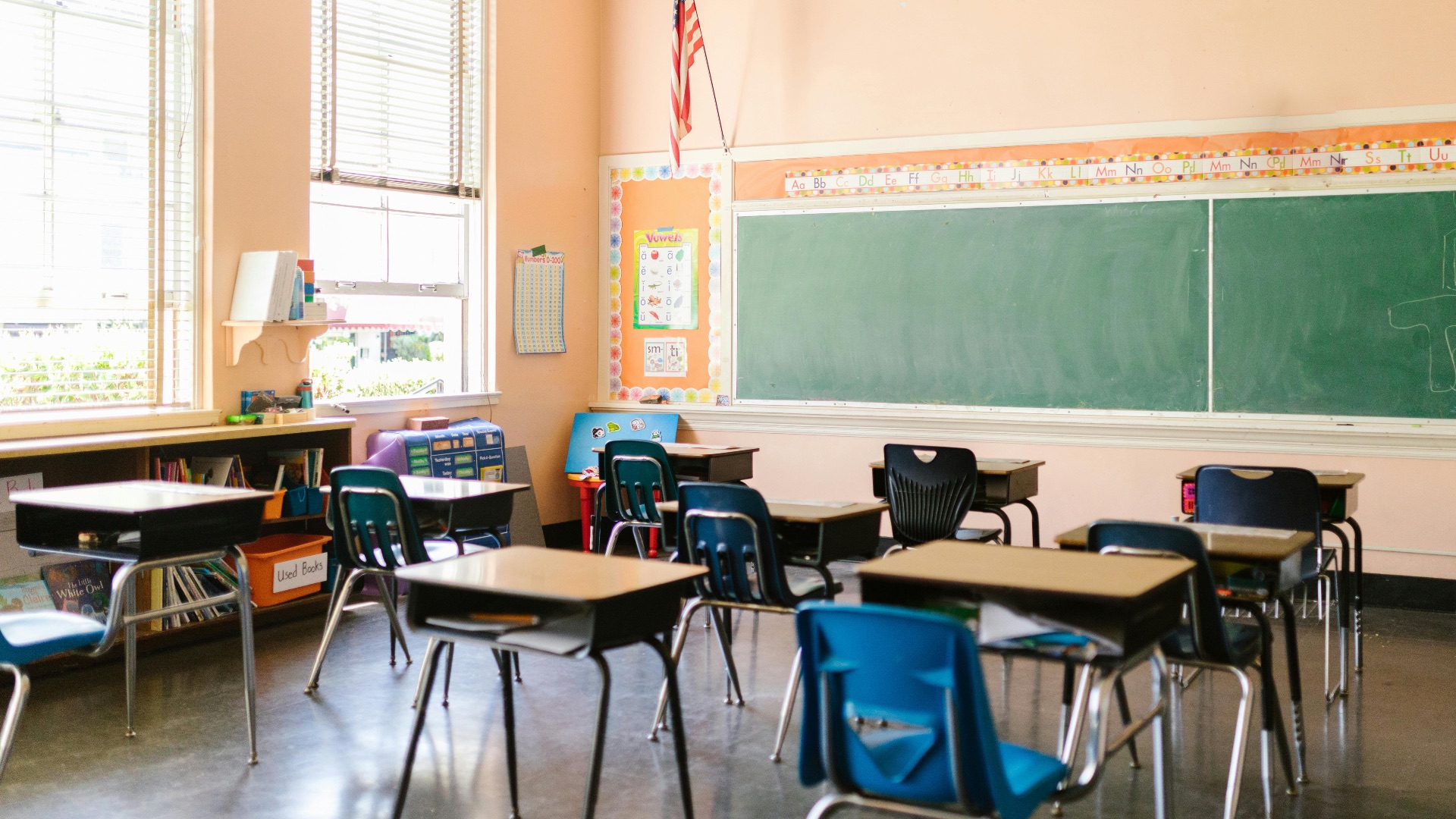
Some millennials still feel drawn to malls, schools, arcades, amusement parks, and old neighborhoods because those places carry personal history. Even when the stores have changed or the technology is newer, the setting alone can bring back a kick of nostalgia.
13. Keeping Holiday Traditions Alive
Holidays were a major part of childhood for many millennials, and they often carry those rituals into adulthood with extra care. They may watch the same seasonal movies, use family decorations, bake familiar desserts, or insist on certain music at certain times of year. These traditions can make adult life feel more grounded, especially when everything else changes quickly.

14. Wearing Styles They Wore Growing Up
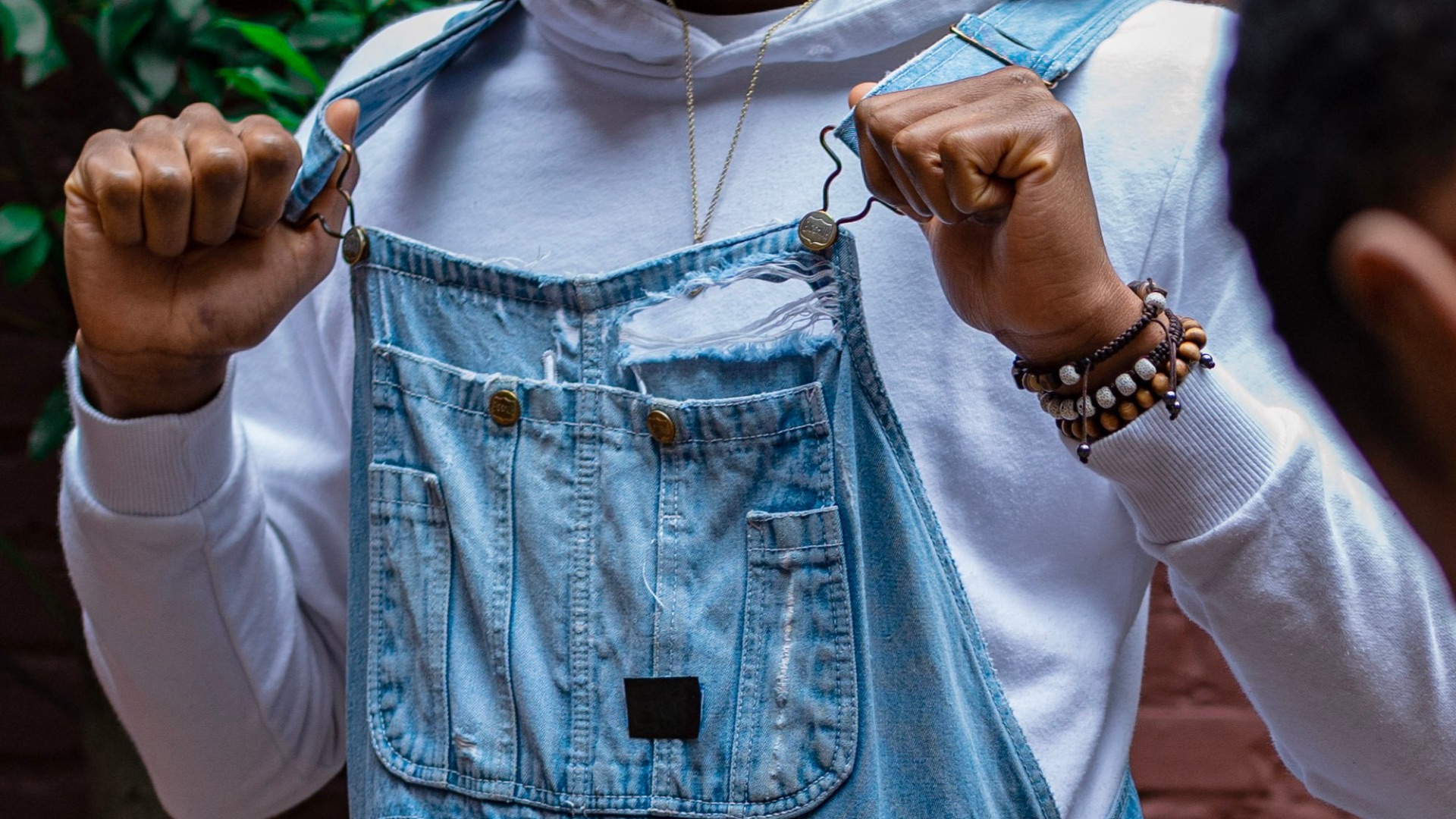
Fashion cycles have brought back plenty of millennial childhood and teen staples, including baggy jeans, claw clips, platform shoes, cargo pants, graphic tees, and vintage handbags. Some people wear these trends ironically, but others are genuinely happy to see them return. There’s a fun kind of confidence in wearing something you loved before you fully understood fashion.
15. Saving Old Photos, Notes, and Digital Memories
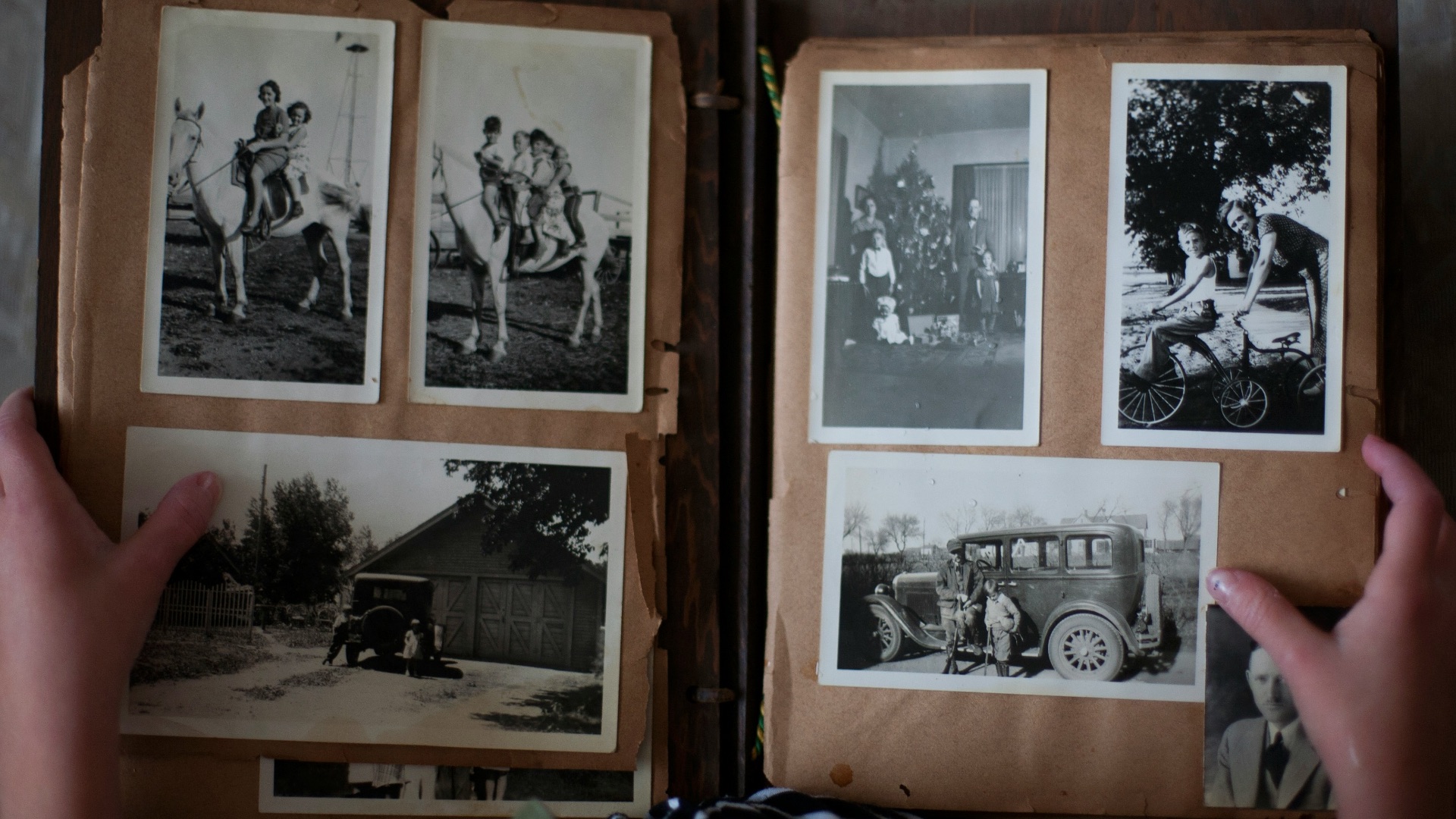
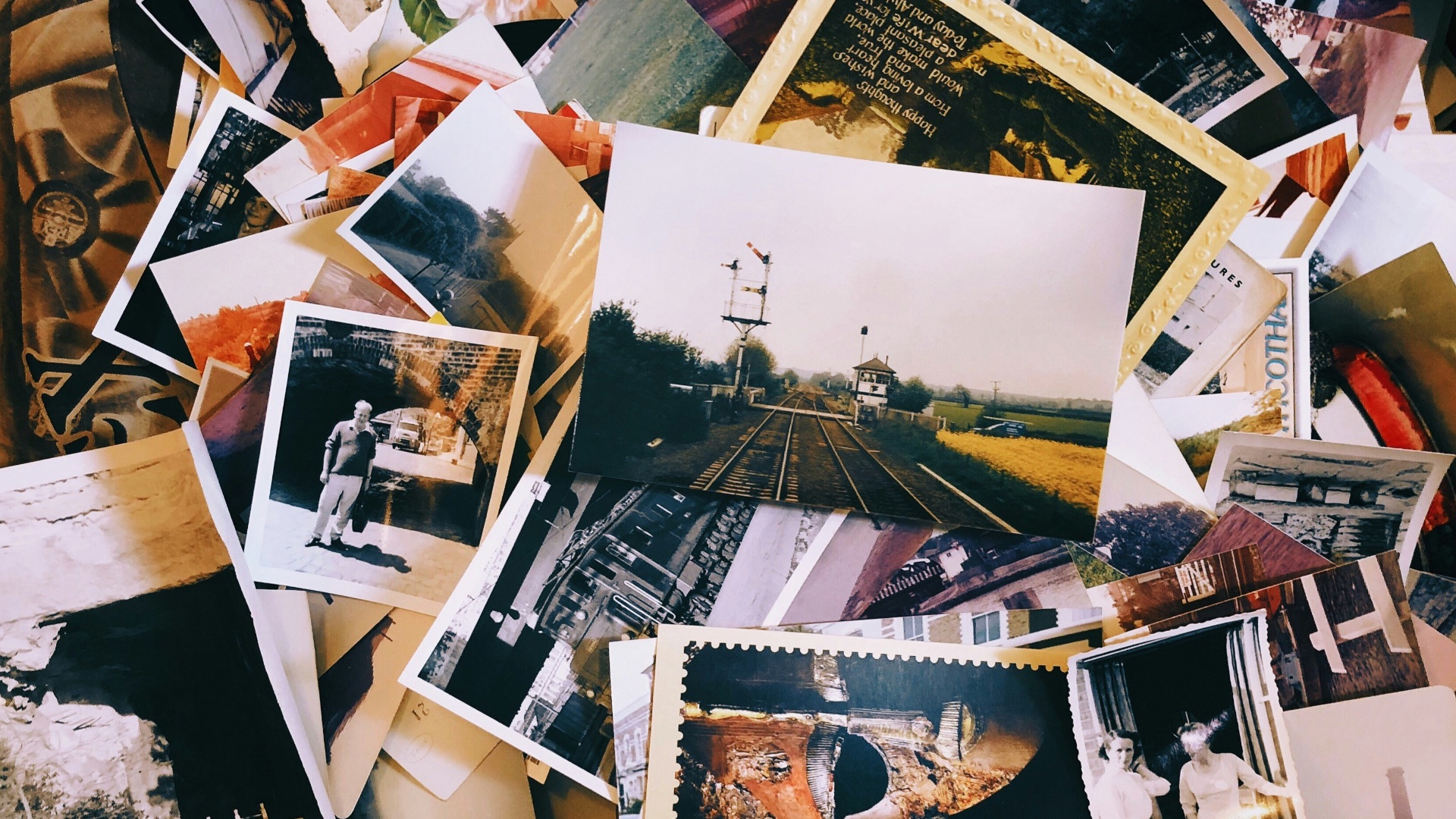
Millennials are one of the first generations to have childhood memories split between physical keepsakes and early digital clutter. They might save printed photos, yearbooks, handwritten notes, old instant message logs, burned CDs, or blurry digital camera pictures from nights out. Sorting through those memories can be funny, embarrassing, and surprisingly emotional all at once.
16. Using Humor from Their Youth
The humor millennials grew up with still shows up in the way they talk, text, and post online. References from old commercials, internet memes, sketch shows, and viral videos remain part of their comedic timing ("That's so fetch.") Even when the jokes are outdated, using them with the right person can make adulthood feel a little less stiff.
 OurWhisky Foundation on Unsplash
17. Going Back to Books That Once Felt Important
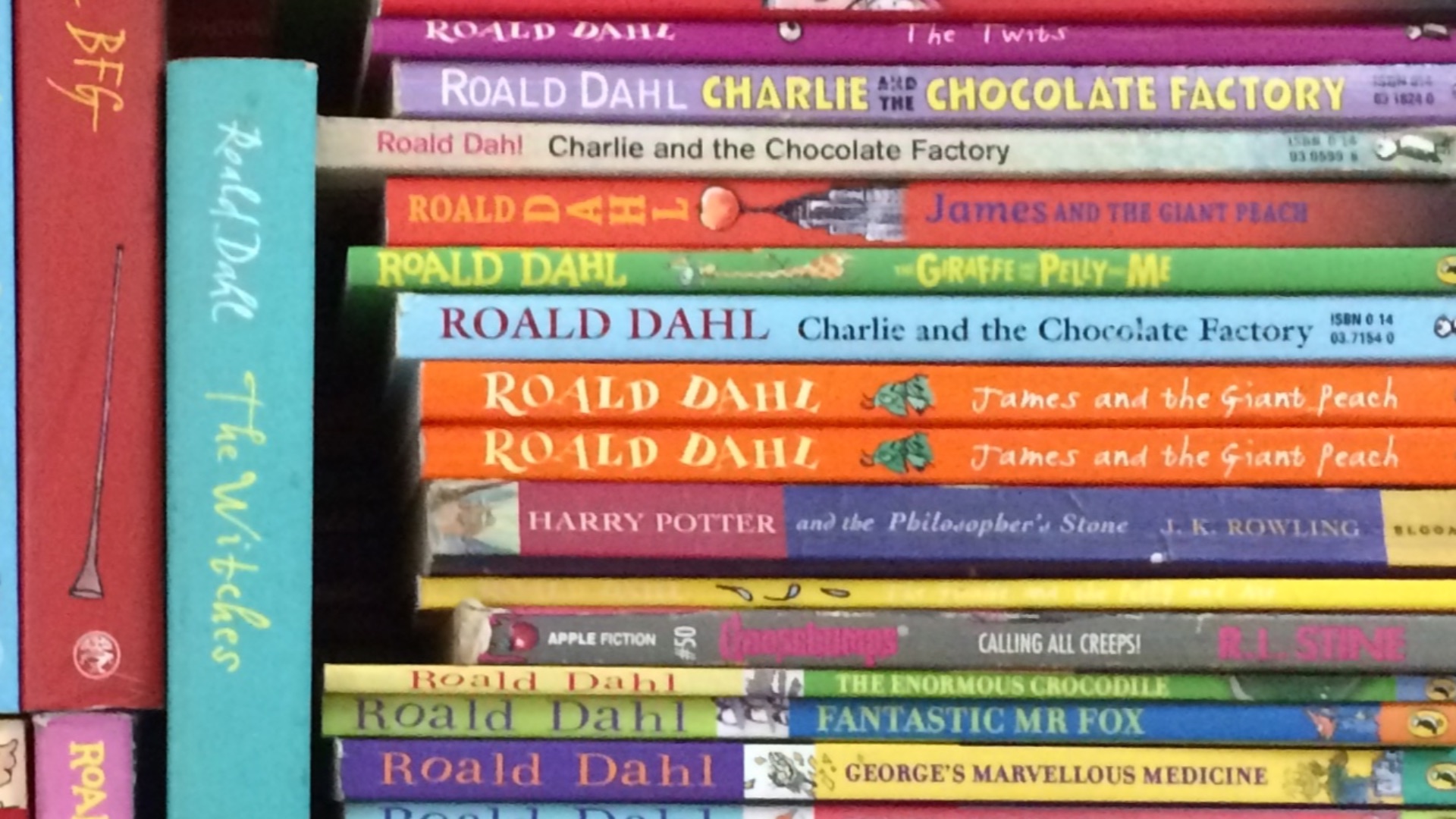
Many millennials still return to the books they loved as kids or teenagers, from fantasy series and school-assigned novels to paperbacks picked up at book fairs. Reading them as adults can reveal new layers, but it can also reconnect them with the excitement of staying up late to finish one more chapter. A familiar book can carry the memory of where you were when you first read it.
18. Keeping Friendships Built on Shared History
Childhood friends, school friends, and longtime group chats help millennials keep their past close in a way few other things can. These are the people who remember old hairstyles, family basements, school dances, first jobs, and the embarrassing phases nobody else needs to know about. Maintaining those connections keeps certain parts of childhood from becoming just stories.

19. Letting Themselves Enjoy Childlike Fun Without Apology
Many millennials have become more comfortable admitting that fun doesn’t have to look mature to count. They’ll go to theme parks, buy colorful stationery, watch animated movies, build LEGO sets, or get excited about Halloween costumes because enjoyment doesn’t expire at a certain age. That willingness to participate fully is one of the clearest ways they hold onto the best parts of being young.

20. Protecting the Comforts That Made Them Feel Safe
At the heart of all this nostalgia is often a desire to stay connected to the things that once brought comfort. A favorite blanket, a familiar movie, an old song, or a childhood recipe can help millennials feel steadier when adult life gets overwhelming. After all, keeping childhood alive is often about remembering what helped you feel like yourself in the first place.