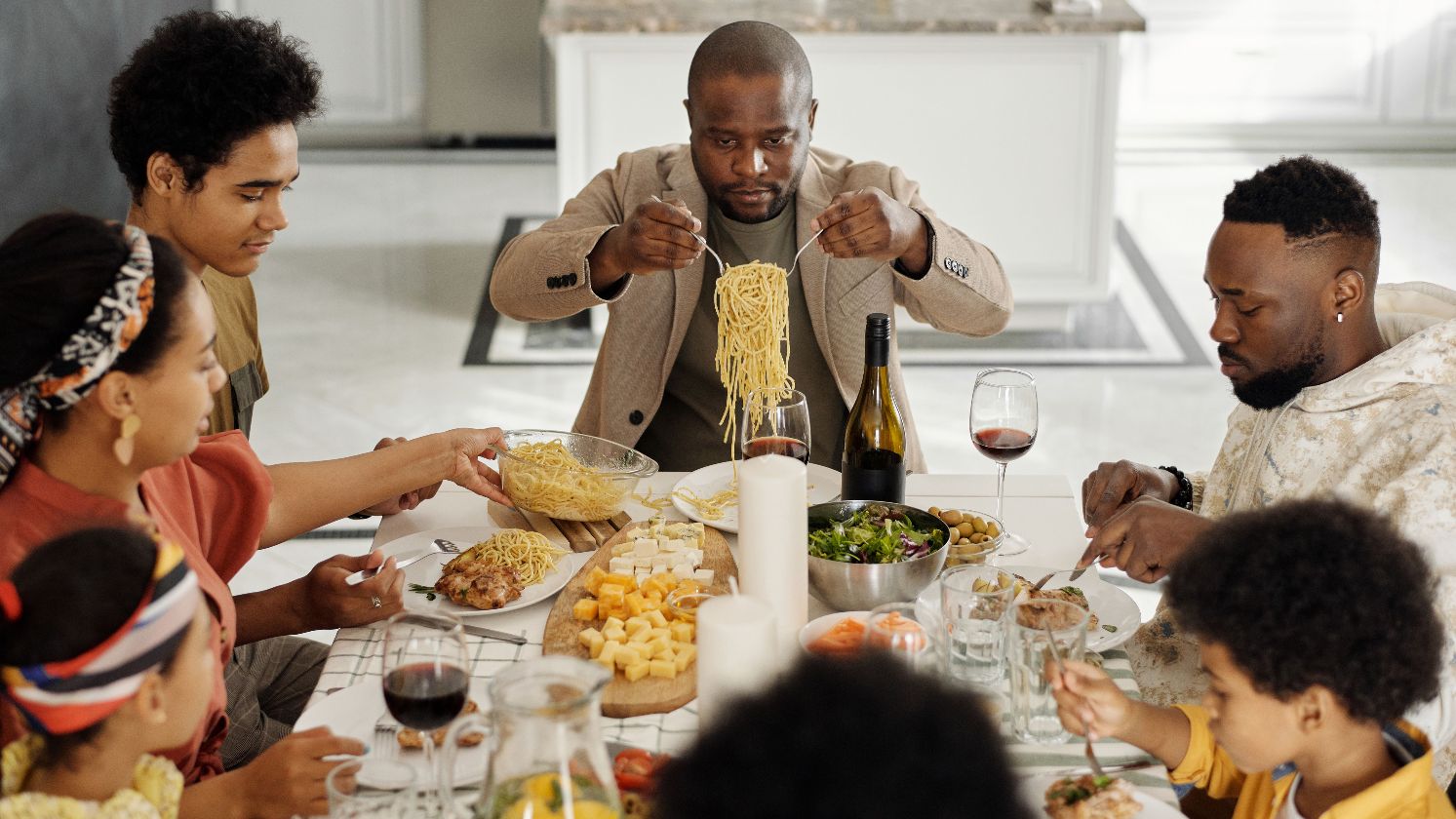

Family meals have always offered more than just food because they create opportunities for conversation, connection, and emotional consistency. Even in busy households, sitting down together for a shared meal can help family members feel grounded after long days filled with work, school, and constant distractions. Studies have repeatedly shown that regular family meals are linked to stronger communication and healthier emotional development in children and teenagers. Those benefits often continue well into adulthood as family bonds remain stronger over time.
Modern schedules often make shared dinners feel difficult to maintain, especially when everyone moves at different speeds throughout the week. Fortunately, meaningful meals don't require elaborate cooking or picture-perfect table settings to matter. Small routines, thoughtful habits, and a little intentional time together can quickly make family dinners feel special again. Many families discover that consistency matters much more than creating a flawless experience every night.
Create An Atmosphere That Encourages Connection
One simple way to make meals feel more meaningful is by changing the atmosphere around the table. Lighting a candle, using real plates instead of disposable ones, or adding soft background music can subtly make dinner feel more intentional. These small details encourage people to slow down instead of treating meals like another rushed task between obligations. Even a slightly calmer environment can completely change the tone of family conversations.
It also helps when everyone contributes something to the meal, even if the responsibility is minor. Younger children can help set napkins or carry drinks, while older family members may prepare side dishes or help clean afterward. Shared participation naturally creates a stronger sense of involvement and makes the meal feel more personal for everyone at the table. Over time, these small responsibilities can also help children build confidence and independence.
Removing distractions is equally important because phones and televisions tend to interrupt conversation constantly. Even brief interruptions from notifications can make people mentally drift away from the moment. When devices stay out of reach during dinner, conversations usually become more relaxed and focused without anyone forcing interaction. Families often notice that eye contact and listening improve naturally once screens disappear from the table.
Shift The Focus Away From Perfect Meals
Many people assume family dinners need to involve impressive recipes or complicated planning, but simple meals often work best. A bowl of pasta, soup, or grilled chicken can still create a comforting experience when the atmosphere feels relaxed and welcoming. Families usually remember how dinner felt emotionally more than they remember the exact food that was served. Some of the most meaningful meals are often the least complicated ones.
Conversations also become easier when nobody feels pressured to perform or answer formal questions. Asking about something funny that happened during the day or discussing a recent movie often creates more natural interaction than serious conversation starters. Children especially tend to participate more when discussions feel casual instead of structured. These smaller conversations often lead to stronger communication habits in everyday life as well.
Adults can strengthen the atmosphere further by modeling good listening habits throughout the meal. Making eye contact, avoiding interruptions, and responding thoughtfully help people feel respected during conversations. Over time, these habits encourage stronger communication patterns that extend beyond the dinner table itself. A calm and welcoming tone usually encourages quieter family members to participate more comfortably, too.
Keep The Routine Flexible And Consistent
 Sebastian Coman Photography on Unsplash
Consistency matters far more than perfection when creating meaningful family meal traditions. Families don't need to gather every single night for dinner to have a lasting impact. Even choosing a few dependable nights each week creates structure that people gradually begin to value and anticipate. Reliable routines often help children feel emotionally secure during busy or stressful periods.
Busy schedules also become easier to manage when expectations stay realistic instead of overly ambitious. Some evenings may involve takeout containers, leftovers, or breakfast foods because there simply isn't enough time for a full meal preparation. Shared time together still matters, even when dinner looks simple or slightly unplanned. Removing pressure from the cooking process usually makes mealtimes feel far less stressful for everyone involved.
Weekend breakfasts or lunches can also become valuable traditions for households that struggle with weekday schedules. Sitting together over pancakes, eggs, or coffee on slower mornings often allows conversations to unfold more naturally. These relaxed meals provide many of the same emotional benefits as evening dinners without competing against work and school demands. They also give families extra opportunities to reconnect before another busy week begins.
Family meals become meaningful because they provide reliable moments of connection in schedules that often feel rushed and fragmented. When people gather regularly without distractions, conversations become easier, and relationships tend to feel more stable over time. Even simple dinners can create lasting memories when families focus less on perfection and more on being fully present with one another. In many households, those shared meals quietly become the moments everyone remembers most clearly years later.