
Small Habits That Can Make Everyday Parenting Feel Harder
Most parents don't intentionally create stress around daily routines, but even small habits can slowly turn ordinary moments into exhausting battles. Busy schedules, fatigue, and constant multitasking often cause routines to become rushed or emotionally charged without anyone realizing it at first. The good news is that many of these patterns are surprisingly easy to recognize once you step back and notice how certain reactions, expectations, or habits affect the mood at home. Here are 20 ways parents accidentally turn routine into stress.

1. Rushing Every Morning
When mornings become a race against the clock, stress spreads quickly through the entire household. Kids often react to rushed energy by moving even slower or becoming frustrated themselves.

2. Giving Too Many Warnings
Parents sometimes repeat the same reminder over and over before expecting action from their children. While the intention is usually patience, constant warnings can teach kids that instructions don't need immediate attention.
 Juliane Liebermann on Unsplash
3. Overpacking Daily Schedules
Many families accidentally create stress by filling every afternoon with activities, lessons, and appointments. Children often need downtime more than parents realize, especially after long school days. Constant rushing between commitments can leave everyone mentally exhausted by evening.

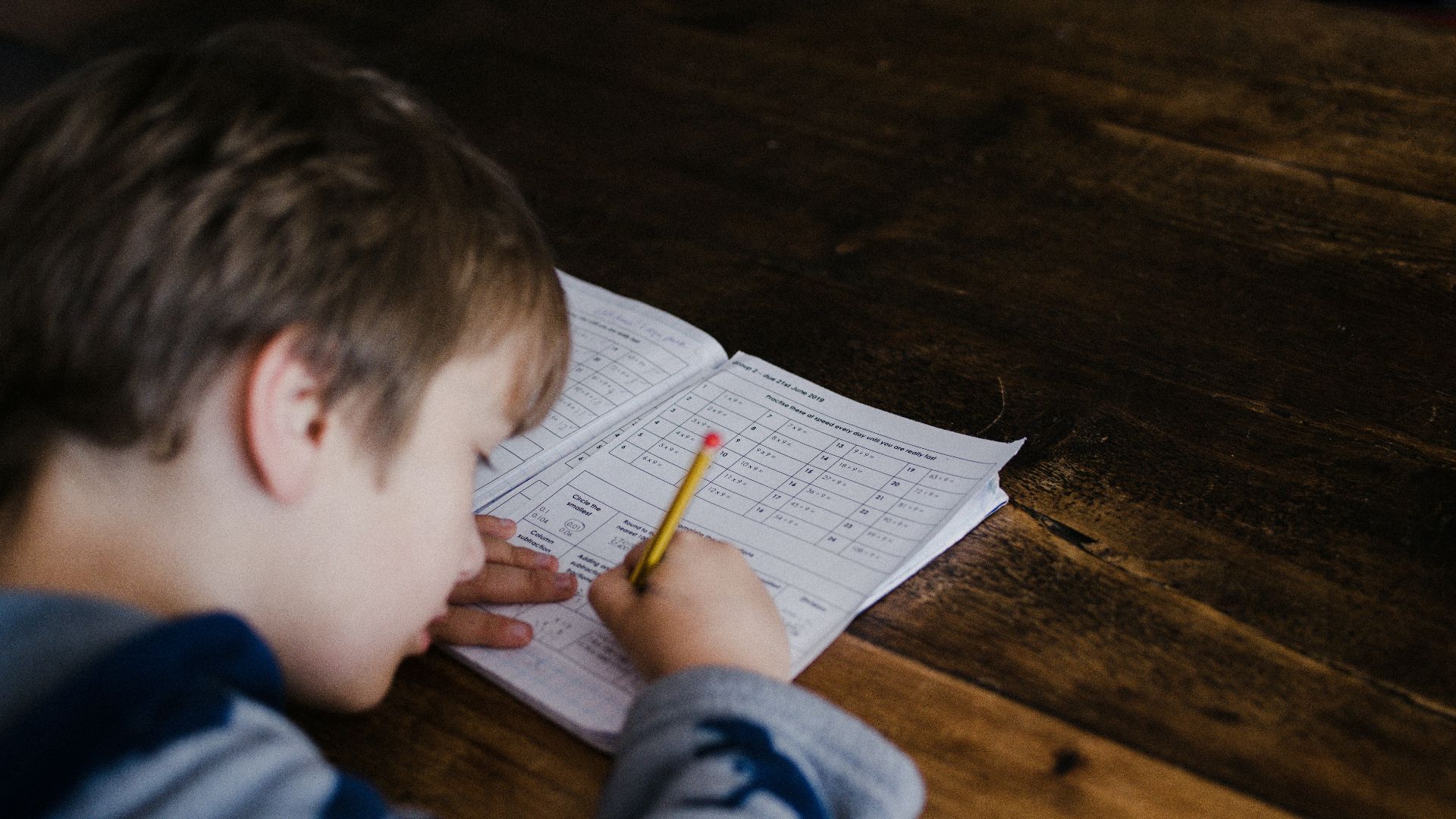
4. Turning Homework Into A Power Struggle
Homework becomes stressful quickly when every assignment turns into an argument or lecture. Parents sometimes focus so heavily on performance that the routine feels emotionally draining instead of supportive.
5. Changing Bedtime Rules Constantly
Inconsistent bedtime routines often confuse children and create unnecessary nightly battles. Kids generally respond better when they know exactly what to expect every evening. Constantly shifting rules or exceptions can make bedtime feel negotiable instead of predictable.

6. Asking Too Many Questions At Once
Parents often overload children with rapid questions during stressful moments without realizing it. Asking about homework, chores, lunch, and tomorrow's plans all at once can overwhelm younger kids, especially.
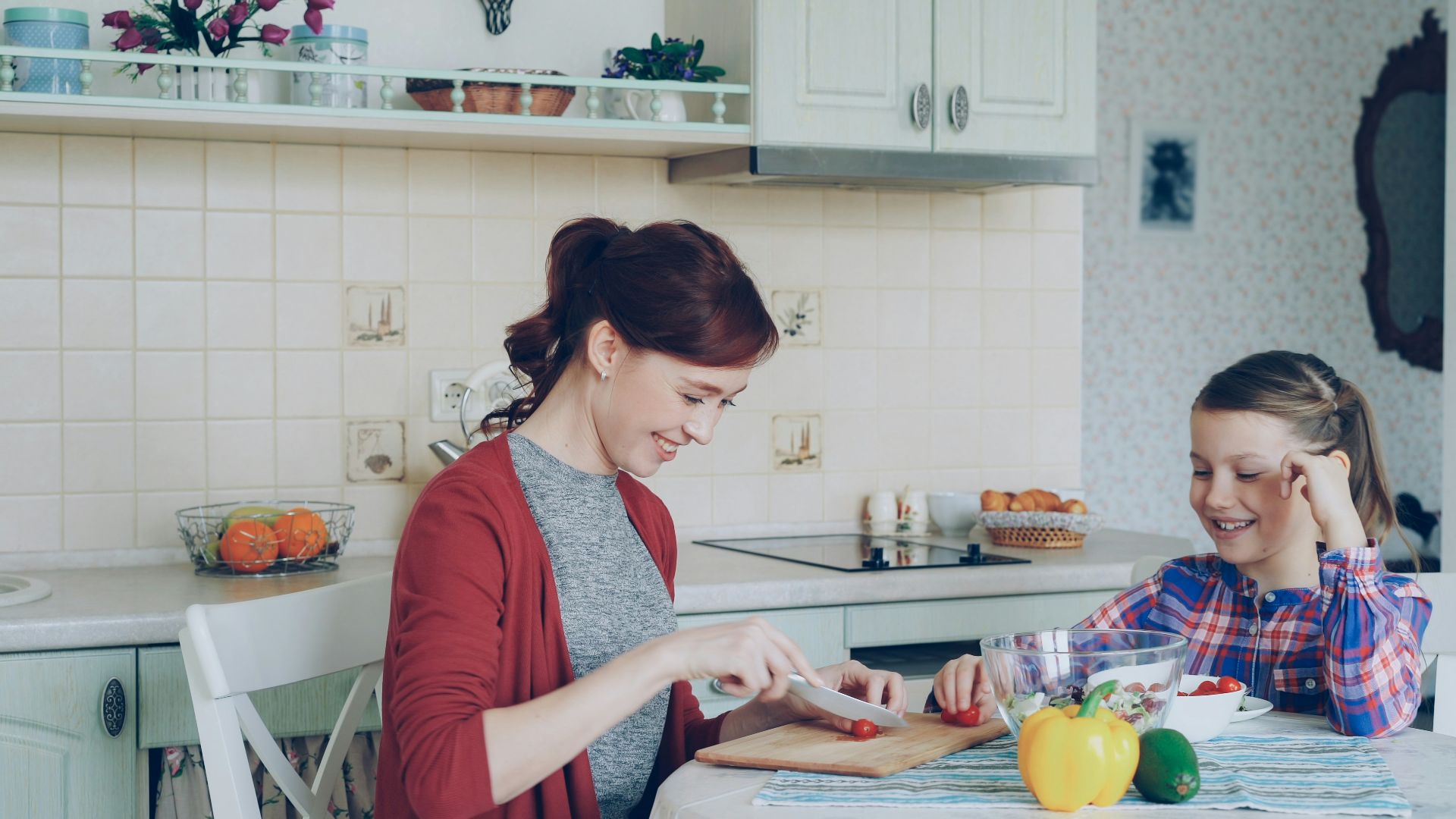
7. Micromanaging Small Tasks
It can be tempting to correct every tiny mistake children make during routines. Constantly adjusting how they dress, clean, pack bags, or complete chores may unintentionally increase anxiety and dependence. Kids often become less confident when they feel every action is being monitored closely.
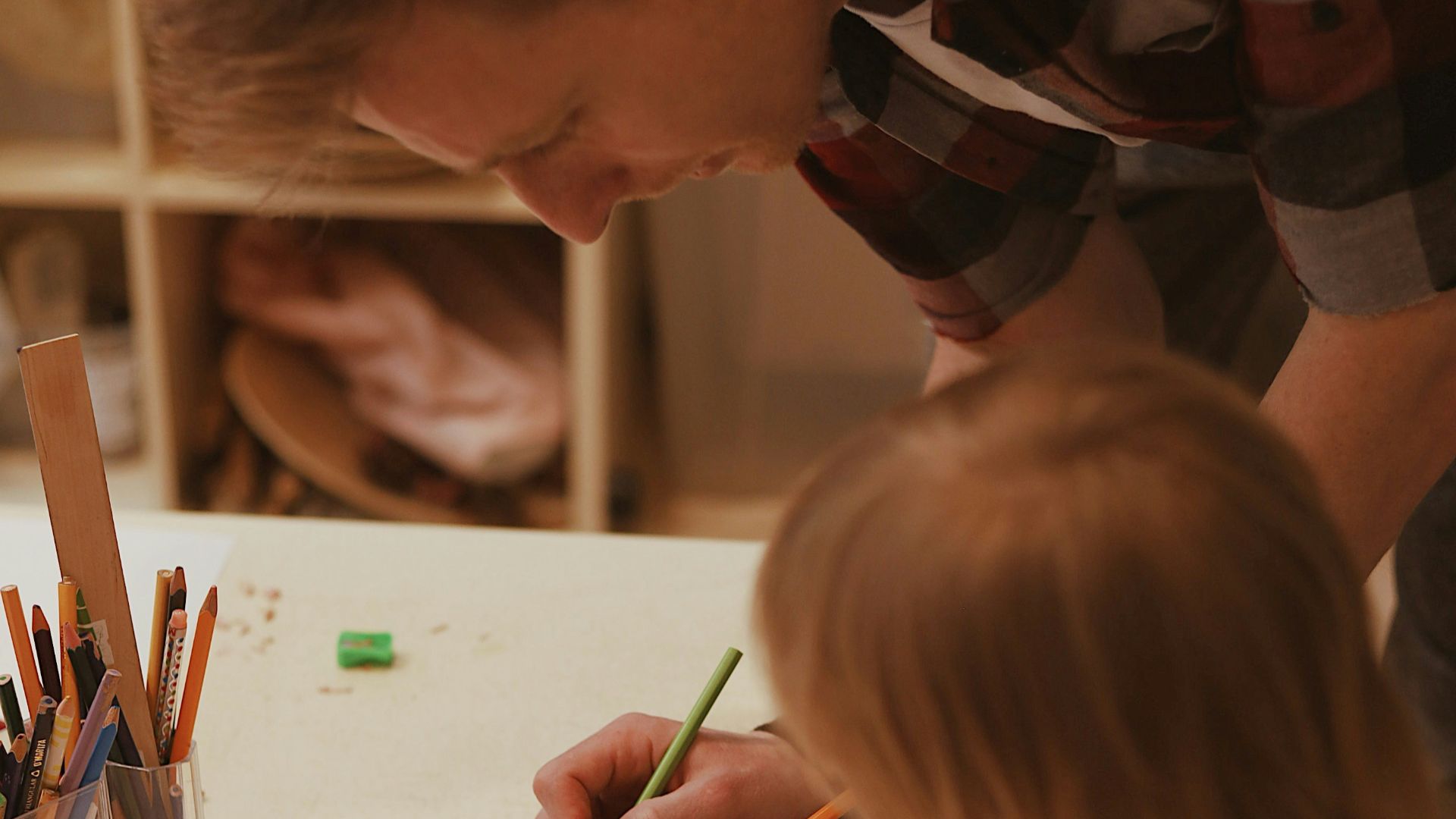
8. Using Transitions Without Warning
Children often struggle most during transitions between activities rather than during the activities themselves. Abruptly ending playtime, screen time, or outings without preparation can trigger frustration quickly. Giving a calm warning beforehand helps children mentally adjust to what's coming next.

9. Overreacting To Minor Delays
Small delays are normal in family life, especially with younger children involved. When parents react strongly to every late shoe, forgotten backpack, or spilled drink, stress levels rise immediately. Kids often mirror that emotional energy right back. Staying calmer during small setbacks keeps routines from spiraling unnecessarily.

10. Comparing Siblings Constantly
Even casual comparisons between siblings can quietly create pressure and resentment over time. Children often become stressed when they feel constantly measured against each other’s behavior or achievements.

11. Treating Every Mess Like A Crisis
Families with children naturally create clutter, spills, and occasional chaos throughout the day. Reacting harshly to every small mess can make children nervous during normal activities. Kids may even become afraid to admit mistakes because they expect strong reactions. Calm problem-solving usually keeps routines far more peaceful.

12. Multitasking During Conversations
Parents are often balancing work, phones, cooking, and household responsibilities simultaneously. However, distracted conversations can make children feel ignored or rushed during important moments. Kids sometimes repeat themselves or act out simply to regain attention.

13. Making Every Rule Sound Like A Threat
Children respond differently when boundaries are explained calmly instead of framed through punishment immediately. Constant threats can make routines feel tense even before problems occur. Over time, kids may stop taking warnings seriously altogether. Firm but calm communication tends to create more stability.

14. Expecting Adult-Level Patience
Children naturally move more slowly, forget things, and struggle with emotional regulation more than adults do. Parents sometimes accidentally create stress by expecting maturity beyond a child's developmental stage. Frustration grows quickly when expectations don't match reality.
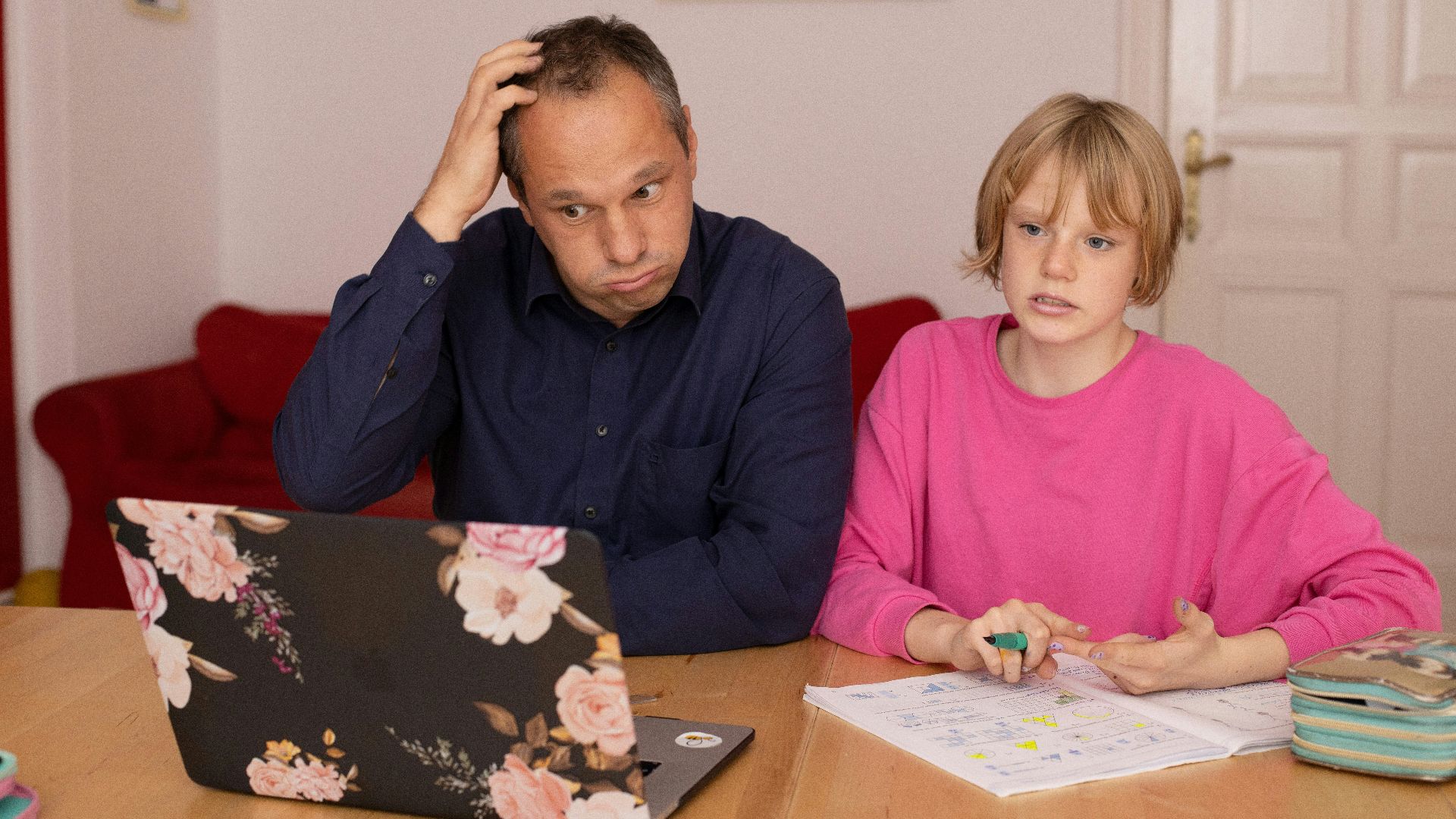
15. Overcomplicating Meals
Parents often put pressure on themselves to prepare perfect meals every day despite busy schedules. That stress can spread into mealtimes and make dinner feel tense rather than relaxing.

16. Using Screens As Constant Negotiation Tools
Screens easily become a source of daily stress when they're tied to every reward, punishment, or argument. Kids may begin focusing more on negotiating screen time than participating in routines themselves. Parents also end up repeating the same conflicts constantly. Clear limits usually prevent ongoing tension.

17. Correcting Children Publicly
Public correction can embarrass children even when parents mean well. Kids often react defensively when routines become tied to shame or frustration in front of others. The stress may continue long after the moment itself passes. Private conversations usually create better results.

18. Forgetting To Build In Buffer Time
Schedules that leave no room for delays often create avoidable stress every single day. Traffic, missing shoes, forgotten homework, and bathroom breaks are all normal parts of family life. Without extra time built in, even small problems feel overwhelming.

19. Treating Chores Like Punishment
Children are more likely to resist chores when they're always presented negatively. If every household responsibility feels like a consequence, routines quickly become associated with conflict.

20. Never Slowing Down
Some families stay in constant motion for so long that stress starts feeling normal without anyone noticing. When routines never include quiet moments, everyone eventually becomes emotionally drained.