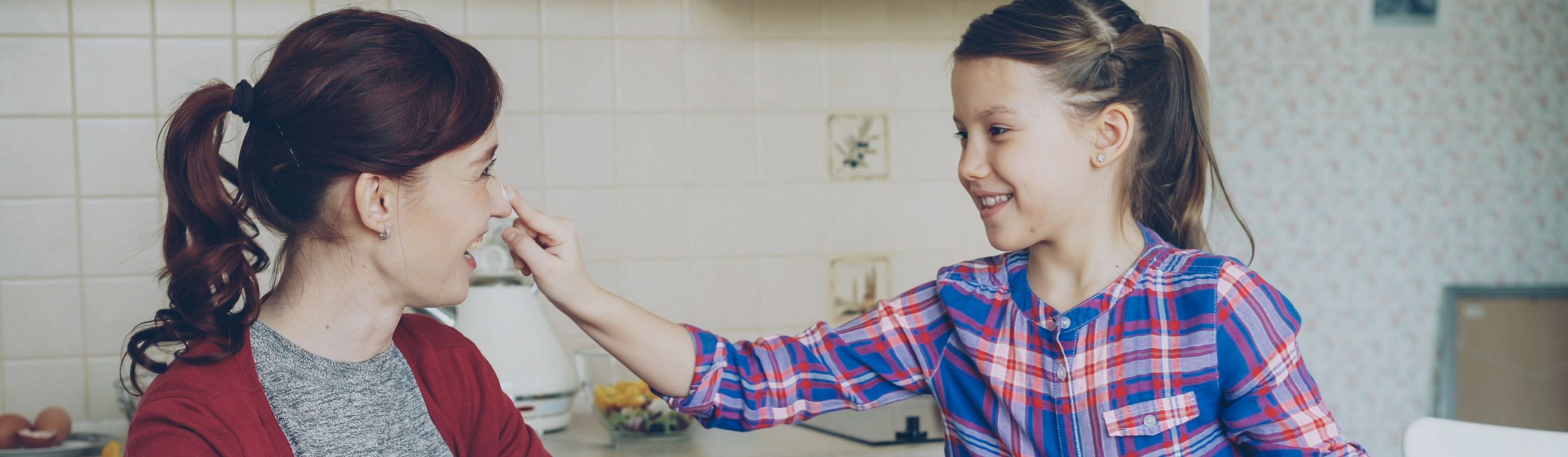
Cracking The Parent-Child Silence
There are times when a child's world feels just out of reach, no matter how close you stand. Unspoken words can quietly reshape your relationship. You might not know exactly what's beneath the surface, but you can sense the shift. But how do you rebuild that bridge? Well, it requires more than love—it takes awareness, openness, and the right kind of presence. If you're feeling something's off with your kid lately, we're here to help you start communicating. Let's first look at the signs that actually say your child is hiding something.

1. Sudden Change In Behavior
Your kid's personality shift can be the first red flag that something is wrong. Mental health experts frequently observe previously social children becoming quiet and distant when concealing problems. This pattern also gets highlighted in cases where a student's sudden classroom silence exposes bullying issues.

2. Escaping To Private Places Often
Most teenagers need some privacy, but too much isolation could reveal deeper concerns. A teen's bedroom can often become a fortress for keeping secrets and avoiding difficult conversations. It allows them to process emotions without parental interference.

3. Change In Physical Appearance
The way children look or present themselves can also help you spot troubles. Kids tend to alter their appearance to match new social circles that their parents may not know about. What's more concerning? Tired eyes, messy hair, scratch marks, and poor hygiene.

4. Regression To Earlier Behaviors
When children feel overwhelmed by secrets they're keeping, they often seek comfort in familiar childhood behaviors. A return to bedwetting or speaking in baby talk shouldn't be ignored. Many kids will also dig out long-forgotten stuffed animals and blankets as security objects.

5. Avoiding Direct Conversation
Another clear red flag is when children consistently avoid straightforward conversations. They may change topics, give unclear responses, or maintain strategic silence to keep their secrets. This defensive approach damages the parent-child relationship and erodes trust over time.
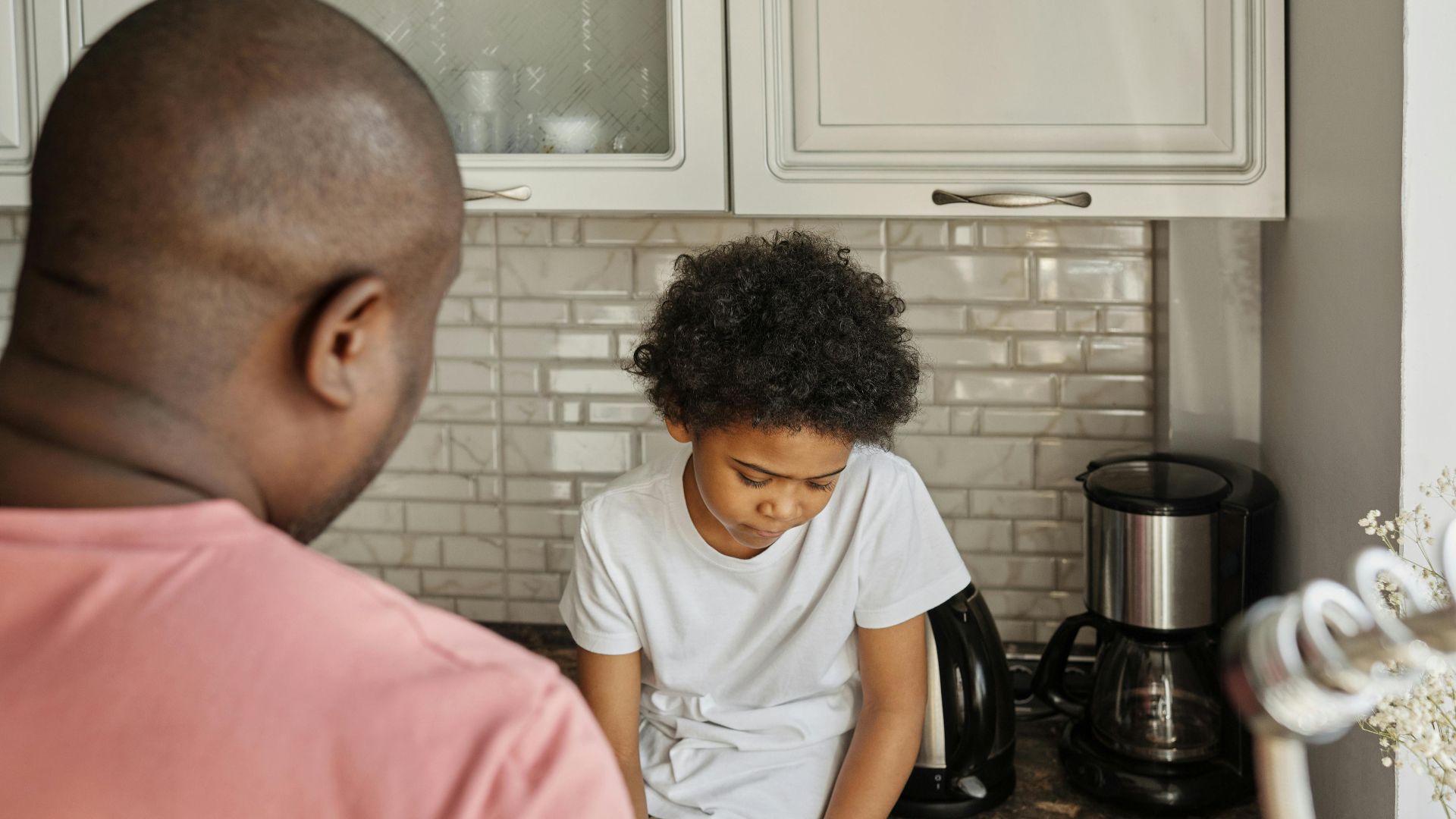
6. Withdrawing From Friends And Family
Kids who unexpectedly distance themselves from friends and loved ones might be struggling with an untold burden. The pressure of keeping secrets can trigger anxiety and emotional distress in children. They may even abandon their favorite pastimes and social circles in the process.

7. Lying Or Inconsistent Stories
You should watch for recurring lies and stories that don't match up over time. Your kid’s attempt to hide facts may look like this: adding false details, blaming things on unknown people, or using humor to dodge serious conversations.

8. Sudden Drop In Motivation Or Performance
Watch for unexpected changes in your child's academic or extracurricular engagement. Teachers might report failing grades in formerly strong subjects; A passionate athlete might suddenly quit the team. These behavioral shifts frequently stem from concealed emotional struggles or anxiety.

9. Change In Daily Routines
Have you noticed a sudden change in your kid's eating or sleeping patterns? Many teens develop insomnia or lose their appetite when they're hiding something from their parents. On the other hand, late-night snacking or excessive daytime sleep may signal unhealthy coping.

10. Emotional Dysregulation
Children who bounce between extreme emotions without clear triggers may be carrying a heavy secret. These mood swings can range from jubilation to intense sadness. If tiny issues often trigger major outbursts, it usually indicates deep emotional struggles.
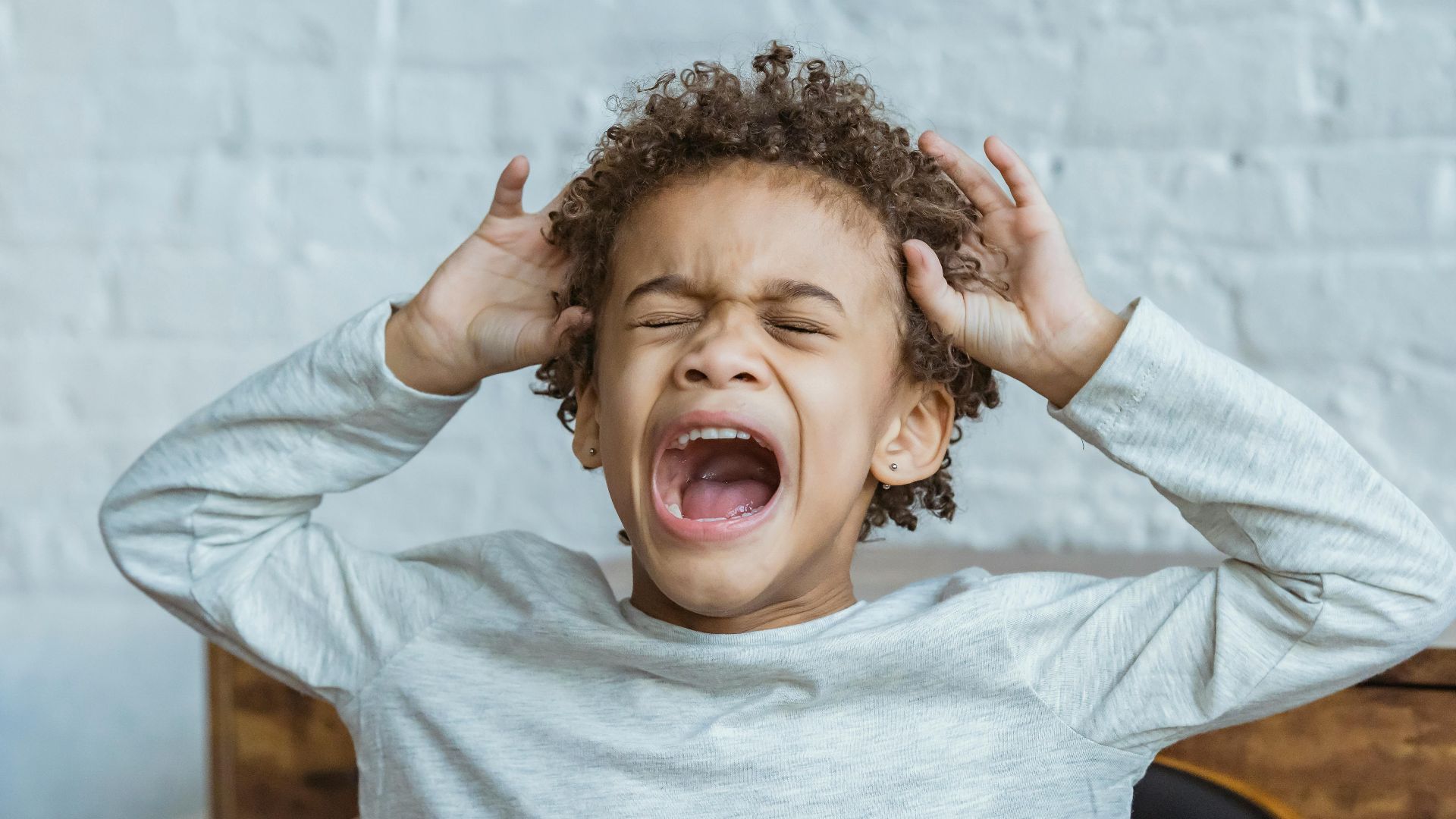
So, you've spotted all the signals. Now, here are 10 ways to open the door for your child and make it easy for them to walk through.
1. Set Aside Time For Open Conversations
The simple act of scheduling regular talks with your kids can build trust and understanding. A child who feels truly heard is more willing to open up about their life experiences. This is one way to prevent secretive behavior and potential mental health issues.

2. Use "Door Opener" Statements
Door opener statements are powerful tools for parent-child communication. Phrases like "Tell me more" show that you're genuinely interested in knowing their stories. The magic happens when you combine these words with focused attention by putting your phone away while your kid opens up.

3. Discuss The Difference Between Secrets And Surprises
Most children love surprises like birthday presents or special outings, but secrets can be more complicated. Surprises have a happy reveal date and spread joy, while secrets stay hidden and may lead to bad situations. That's why it's important to explain this difference to your kids.

4. Let Kids Choose Trusted Adults
Your child needs more than one trusted adult to turn to during challenging times. So, help them build a safety team by identifying five specific people they trust completely. These team members can include teachers, coaches, and family friends who will provide support when needed.

5. Avoid Blaming Language
The art of blame-free conversation starts with careful word choice. Rather than accusations (that make children defensive), use solution-focused language, like "What do you think about it?". It leads to more positive responses and acceptable behavior.
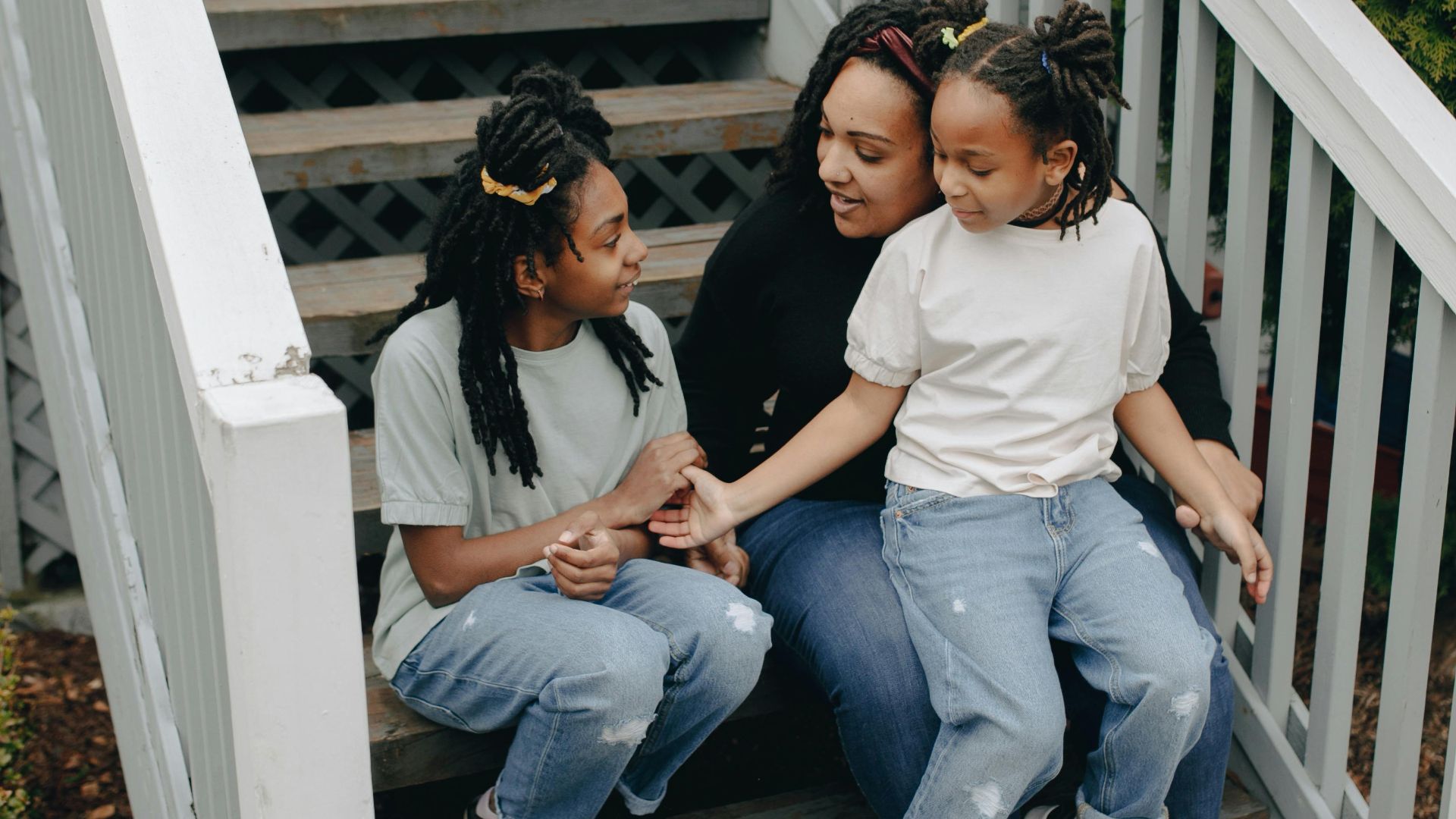
6. Encourage Sharing Uncomfortable Information
As parents, you must create an environment where your child feels safe sharing uncomfortable secrets. Abusers often begin with small, seemingly harmless acts. So, remind kids that their safety matters most, and it's smart to always keep trusted adults in the loop, no matter how embarrassing the information is.

7. Equip Kids With Safety Scripts
Children need practical tools to handle uncomfortable situations. Simple safety phrases, practiced regularly at home, give them the power to maintain boundaries. When someone asks them to keep secrets, having a ready response like "I tell my parents everything" helps them stay strong and protected.

8. Swap "Don'ts" For "Dos"
The right words make all the difference in parent-child talks. Just as friends respond better to positive suggestions, children become more receptive when hearing what to do instead of just a no, without an explanation or a suggestion.
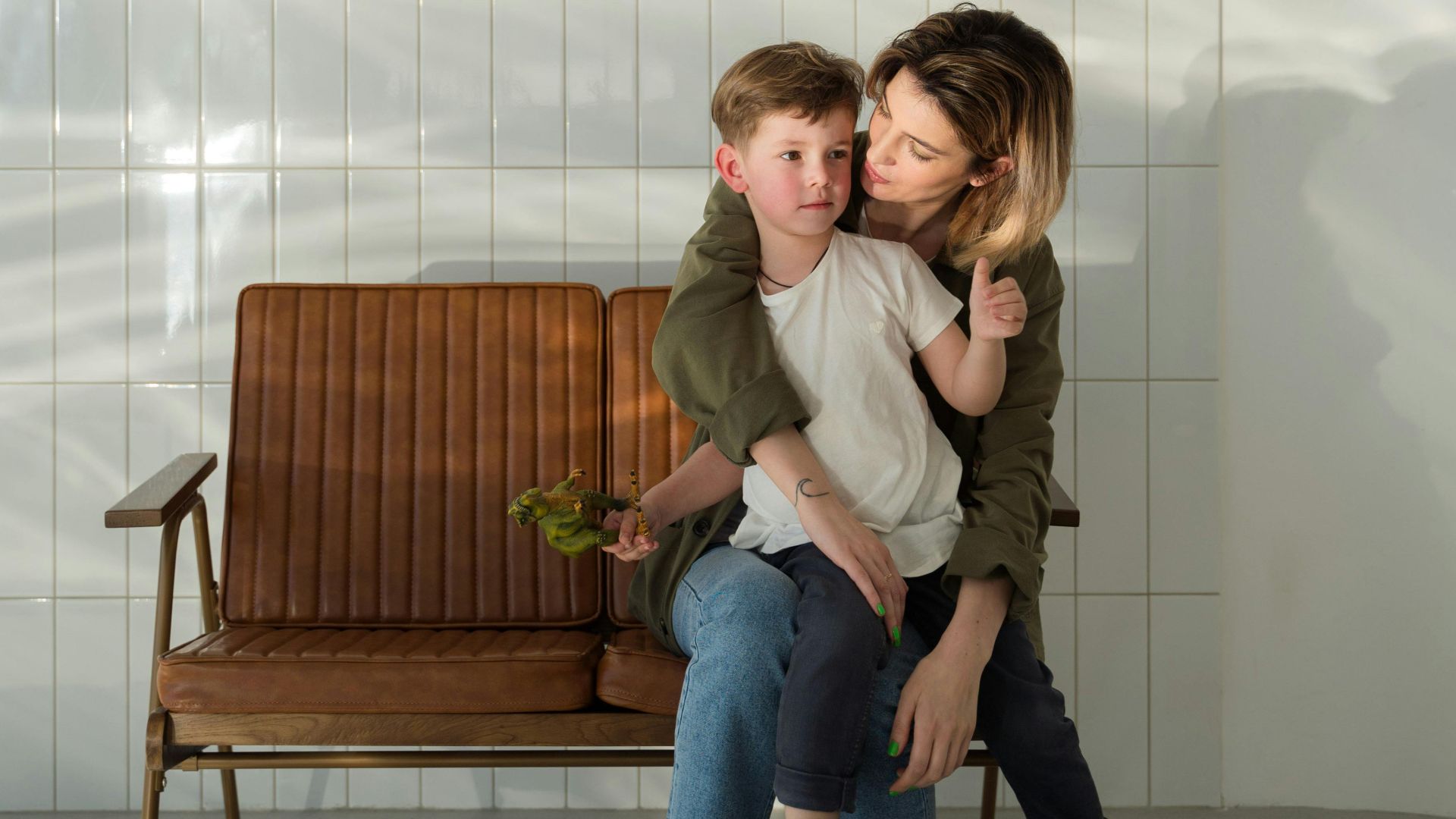
9. Stay Calm During Difficult Talks
A parent's composed reaction matters a lot. It tells kids whether it's a good idea to continue sharing certain details. So, push your personal feelings aside and show acceptance to build trust with your kid. Angry or judgmental responses only drive children to keep more secrets.
 Photo By: Kaboompics.com on Pexels
10. Work Together On Rules And Boundaries
Family guidelines work best when created as a team. Parents who involve their children in setting boundaries help kids become more cooperative. The process also teaches important life skills and prevents future conflicts. That kind of teamwork is important for promoting honesty in the entire household.