
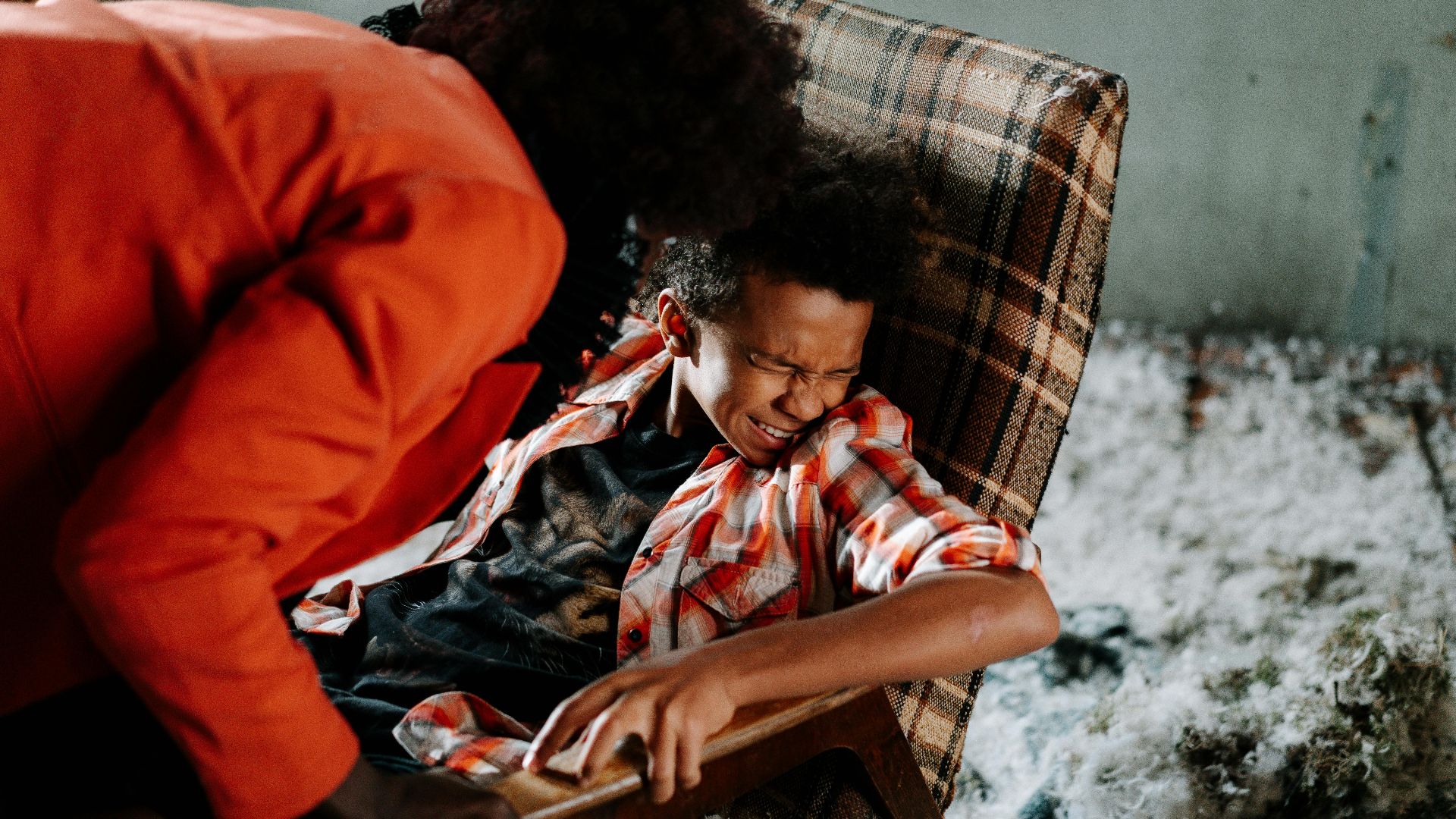
Most of the damage done in parent-child relationships doesn't happen during blowout fights or dramatic moments. It accumulates in the small, repeated patterns that feel completely normal, even responsible, to the adults doing them. That's what makes them so hard to catch.
Resentment in children rarely announces itself. It builds slowly, the way water pressure builds behind a dam, and by the time it's visible, the distance between parent and child already feels like it's been there forever. The habits below aren't signs of bad parenting. They're signs of human parenting, which means they're fixable, but only once you can actually see them.
Dismissing Their Emotions Instead of Sitting With Them
When a child says they're devastated because their best friend picked someone else for a project, the instinct is to fix it fast. "You'll make new friends," "That's not a big deal," "Just brush it off." These responses feel kind. To a child, they land like a door closing in their face. Psychologist John Gottman's research identified what he called "emotion dismissing" parenting as one of the most consistent predictors of poor emotional outcomes in children, including higher levels of anxiety, weaker peer relationships, and more frequent behavioral problems.
The issue isn't that you're trying to minimize pain. The issue is that minimizing their pain teaches children their feelings are wrong, excessive, or inconvenient. Over time, they stop bringing those feelings to you. A 2024 longitudinal study published in Emerging Adulthood found that college students who perceived higher relational overparenting—characterized by excessive parental control over personal relationships—reported significantly elevated levels of loneliness and social anxiety, mediated by difficulties in emotion regulation.
What actually helps is what Gottman called "emotion coaching," which means naming what the child feels, validating that it makes sense, and only then helping them problem-solve if they want that. The shift sounds minor. Its effects are not.
Micromanaging Their Lives Under the Guise of Keeping Them Safe
Helicopter parenting has received a lot of cultural attention, but the conversation tends to focus on anxious college kids rather than on what's actually happening in childhood that produces them. Researcher Holly Schiffrin and her colleagues at the University of Mary Washington published findings in 2013 showing that college students with highly controlling parents reported significantly lower levels of life satisfaction, autonomy, and general wellbeing, and higher rates of depression.
Children need to experience failure, boredom, and low-stakes conflict to develop the internal architecture for handling bigger versions of all three. When you intervene in every disagreement with a sibling, redo their homework so it looks better, or call the coach about playing time, you're not protecting them. You're signaling that you don't trust them to handle their own life. Kids absorb that message deeply, and it tends to generate two things: anxiety and quiet fury.
The tricky part is that controlling parenting usually comes from love and fear, which makes it emotionally defended. Parents who were themselves raised with chaos or neglect often overcorrect hard. But research from Diana Baumrind's foundational work on parenting styles consistently shows that authoritative parenting, which is warm and clear but allows for genuine autonomy, produces better outcomes across the board than authoritarian control, even when that control is well-intentioned.
Attaching Your Love to Their Performance
This one is the quietest of the three, and possibly the most corrosive. Conditional regard is what psychologists call it: the pattern where affection, warmth, and approval go up when a child succeeds and recede, even subtly, when they don't. A 2004 study by Avi Assor and colleagues in the Journal of Personality and Social Psychology found that children who perceived their parents' love as conditional on achievement reported higher levels of shame, resentment toward their parents, and internal pressure that persisted into adulthood.
The trap is that conditional regard often masquerades as motivation. You're enthusiastic after a good game and quieter after a bad one. You spend longer discussing the A than the B+. You light up for the recital and offer a slightly muted response when they quit the violin. None of this feels like withholding love. From the child's point of view, it functions exactly that way.
Children need to understand, in their bones, that your love is not a reward for performance. That means being just as warm, just as present, and just as interested in them on their worst days as on their best ones. It also means examining what you talk about most. If the majority of your conversations with your child center on grades, sports, or achievement, you may be teaching them, unintentionally, that those are the things that make them worth talking to.