
Rethinking What Engagement Traditions Really Mean
Long-standing customs often shape engagements, but not all traditions have aged well or still reflect modern relationships. While some practices feel outdated or unnecessarily rigid, others continue to hold genuine meaning and bring people together in thoughtful ways. Looking at both sides helps you decide what’s worth keeping and what you can confidently leave behind as you plan your own experience. Here are 10 engagement traditions that need to go and 10 we still love.
 Willians Huerta on Pexels1. The Surprise Proposal Expectation
There’s still pressure for proposals to be completely unexpected, even though that doesn’t suit every relationship. Many couples now prefer open conversations about timing, readiness, and expectations before the proposal happens. Keeping everything secret can create unnecessary stress instead of making the moment meaningful.
2. Asking for Permission
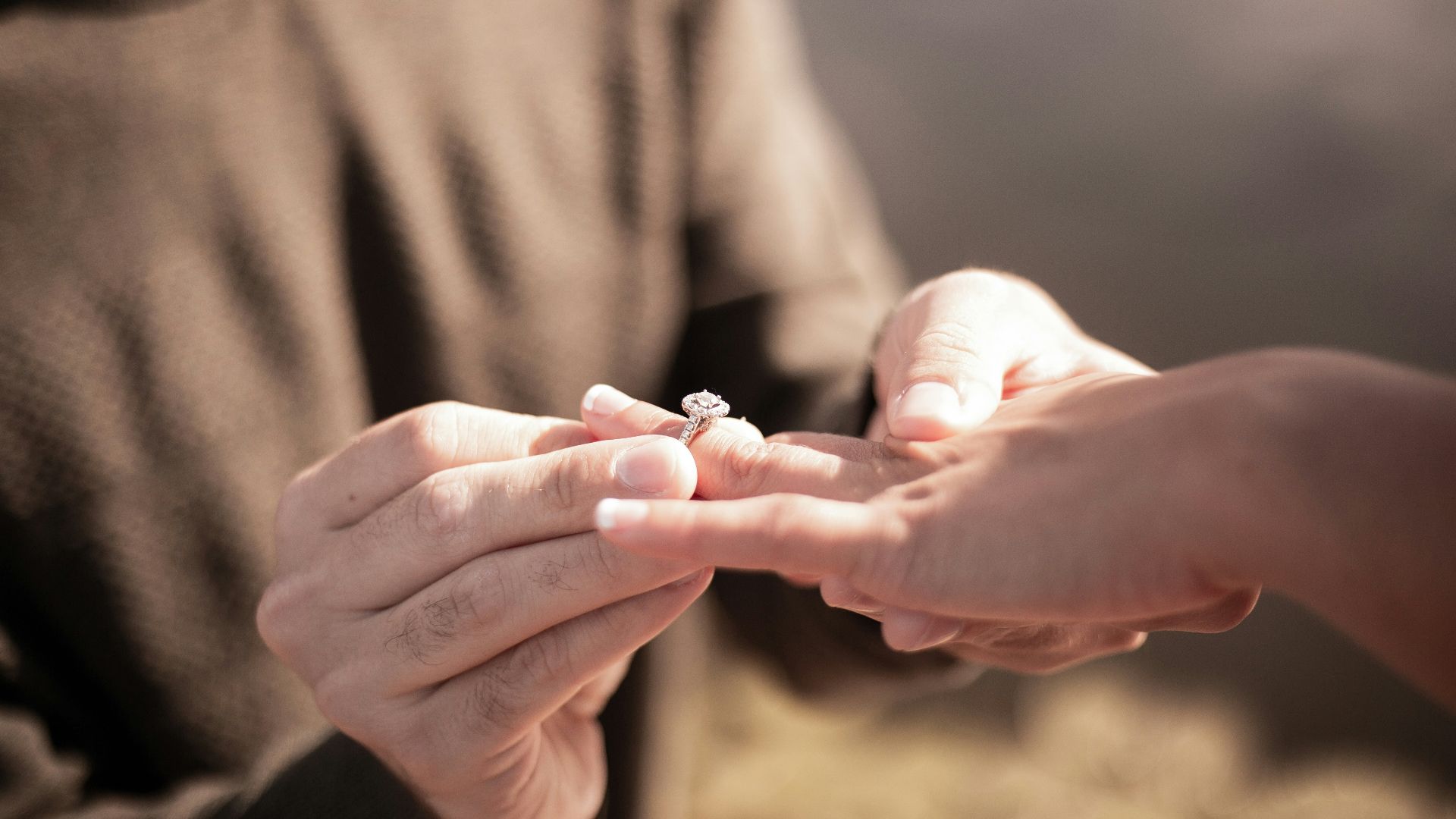
Traditionally, one partner would ask a parent, often the father, for permission before proposing. This practice can feel outdated since it treats the relationship as something that requires approval rather than mutual agreement. While some still see it as respectful, it’s increasingly replaced by inclusive conversations with both families.
3. The Expensive Ring Standard
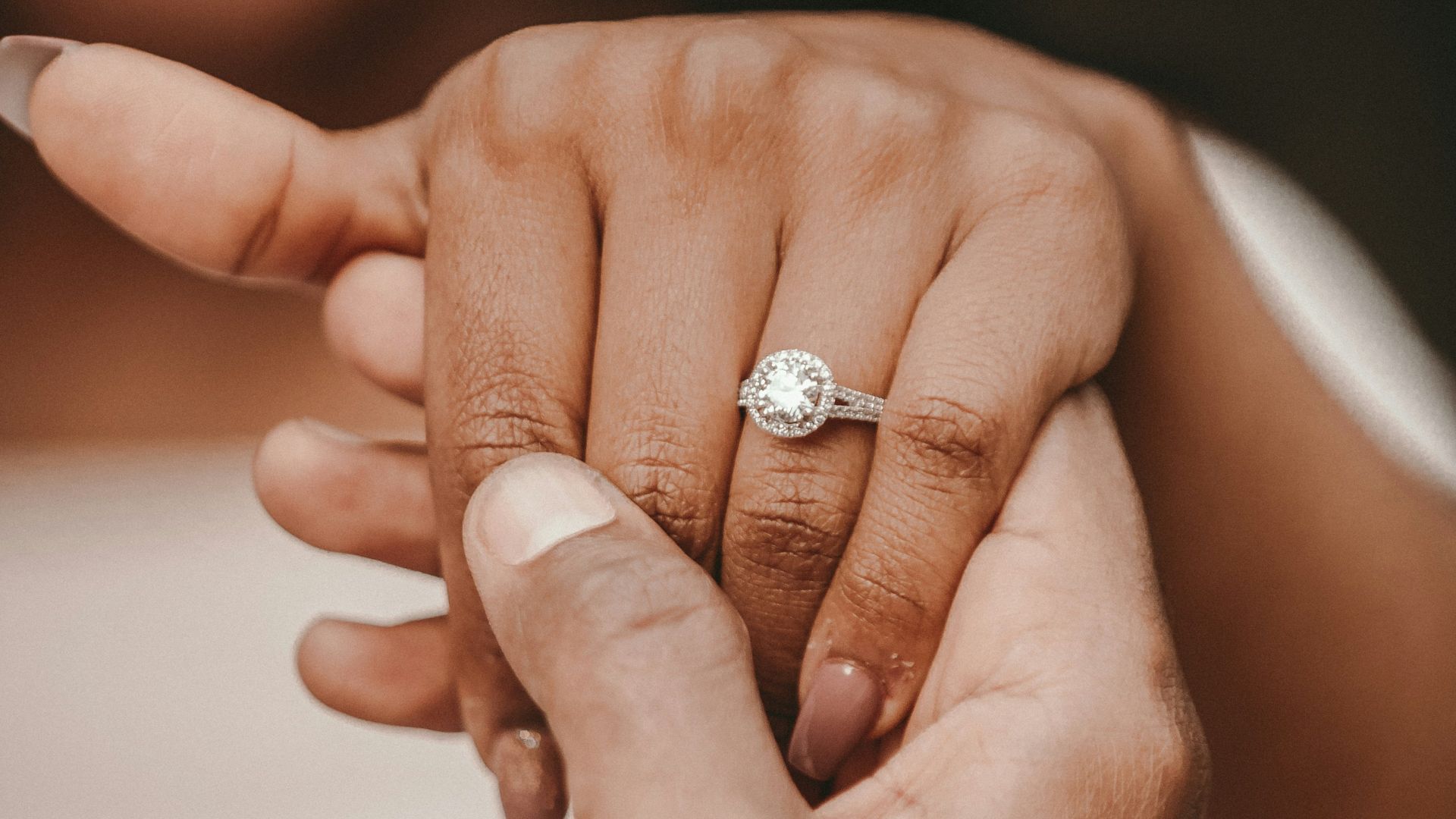
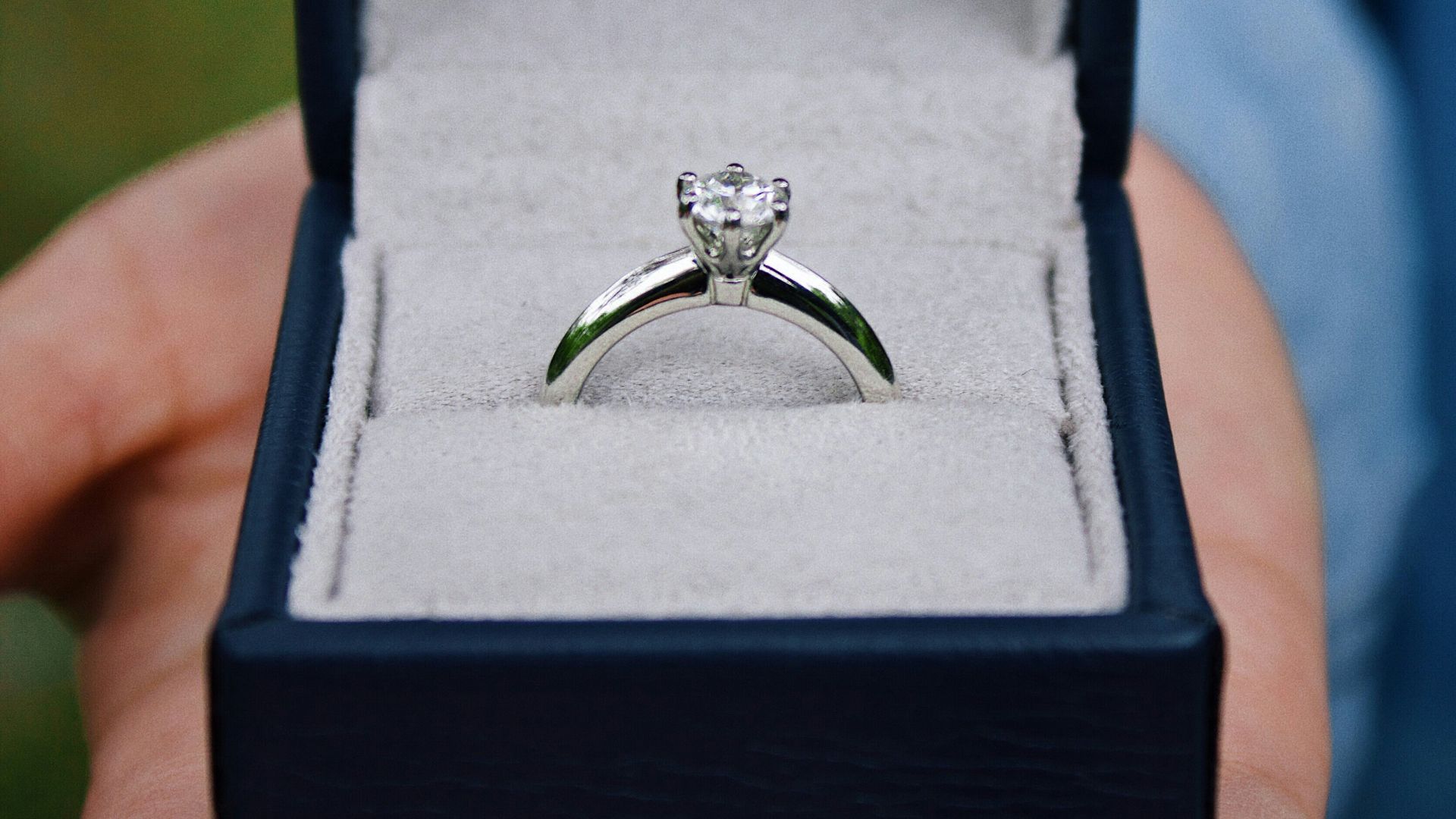
There’s a long-standing idea that engagement rings should cost a significant portion of someone’s income. This expectation puts financial pressure on couples and shifts focus away from the meaning behind the commitment. Many people now choose rings based on personal style and budget instead of outdated spending rules.
4. Gender-Specific Roles
Older traditions often assume one partner proposes while the other simply accepts, usually based on gender. Modern relationships don’t always follow these patterns, and many couples prefer a more equal approach.

5. Immediate Wedding Planning
Some couples feel expected to jump straight into planning a wedding right after getting engaged. This can take away from the excitement of the engagement period itself. Taking time to enjoy the moment without rushing into logistics often leads to better decisions later.
6. The Public Proposal Pressure
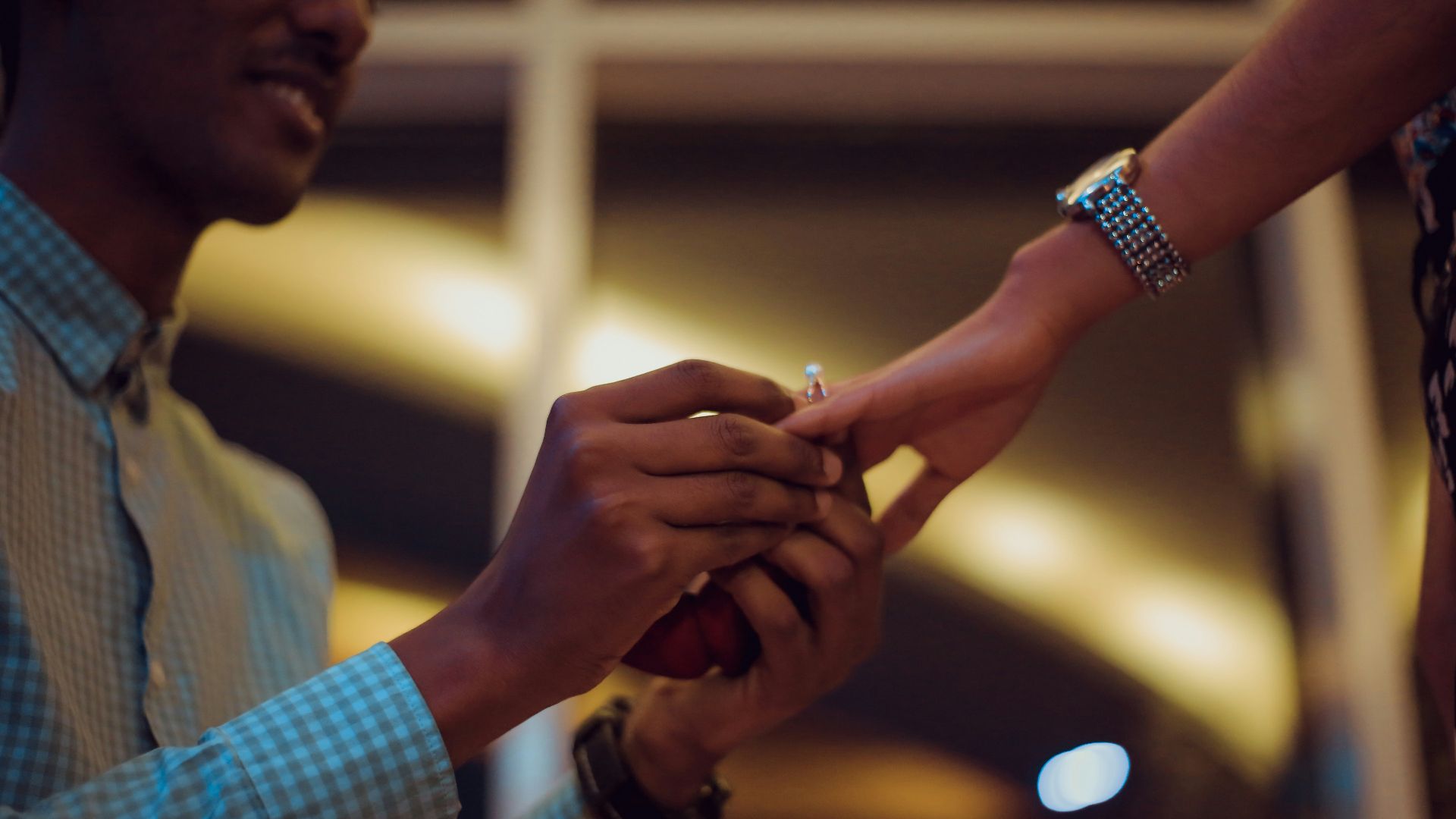
Highly public proposals are often seen as more impressive, but they don’t suit everyone. Not everyone wants a crowd or attention during such a personal moment. Choosing a setting that feels comfortable for both people matters far more than making it a spectacle.

7. Matching Everything Perfectly
There’s a tradition of coordinating every detail, from outfits to themes, in a very structured way. While organization helps, overly rigid expectations can make events feel less personal.
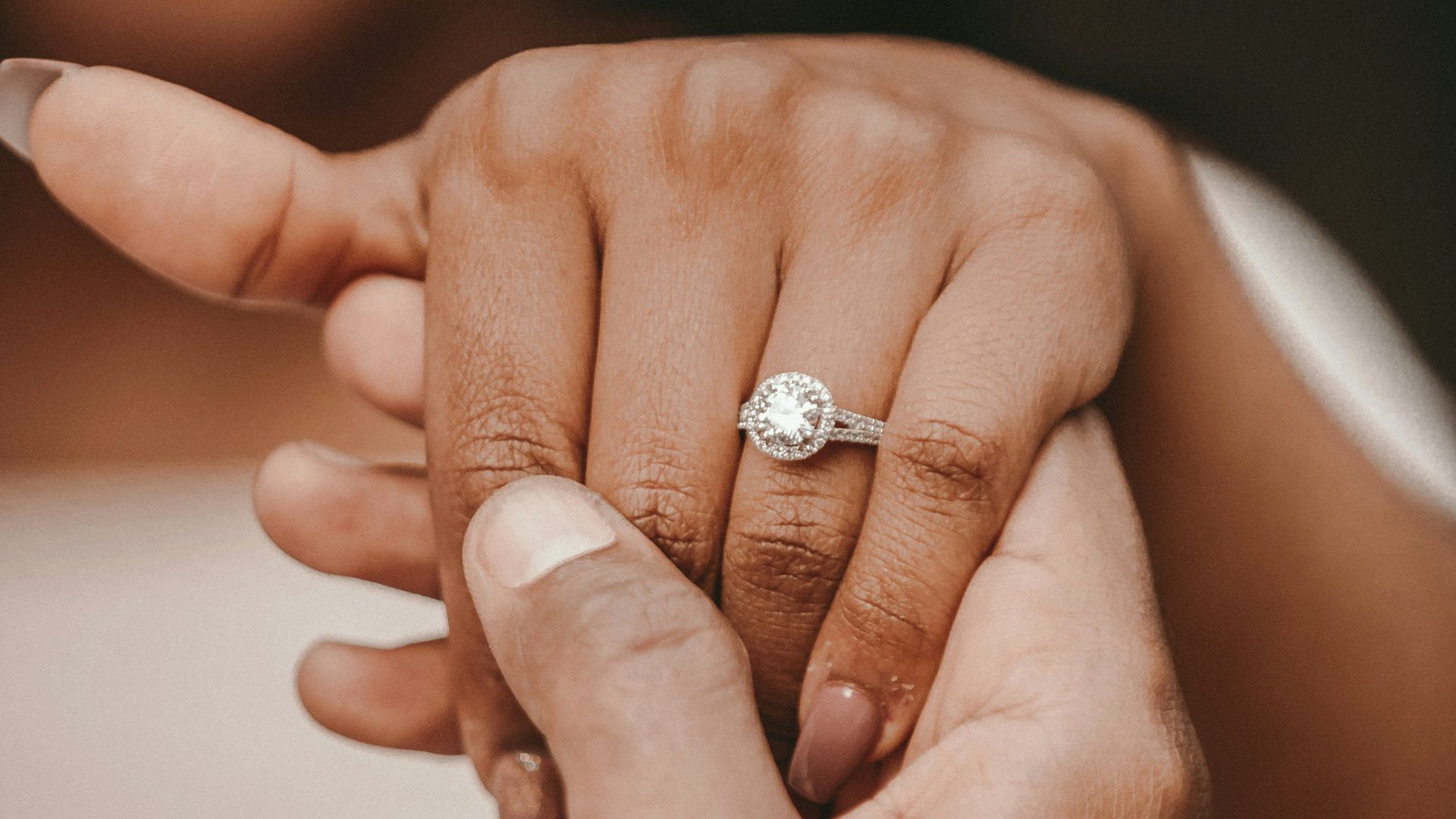
8. The Formal Engagement Party Requirement
Engagement parties used to be considered almost mandatory in some circles. Hosting one can add extra cost and planning before the wedding process even begins. Skipping it or keeping it simple allows couples to focus on what matters most to them.
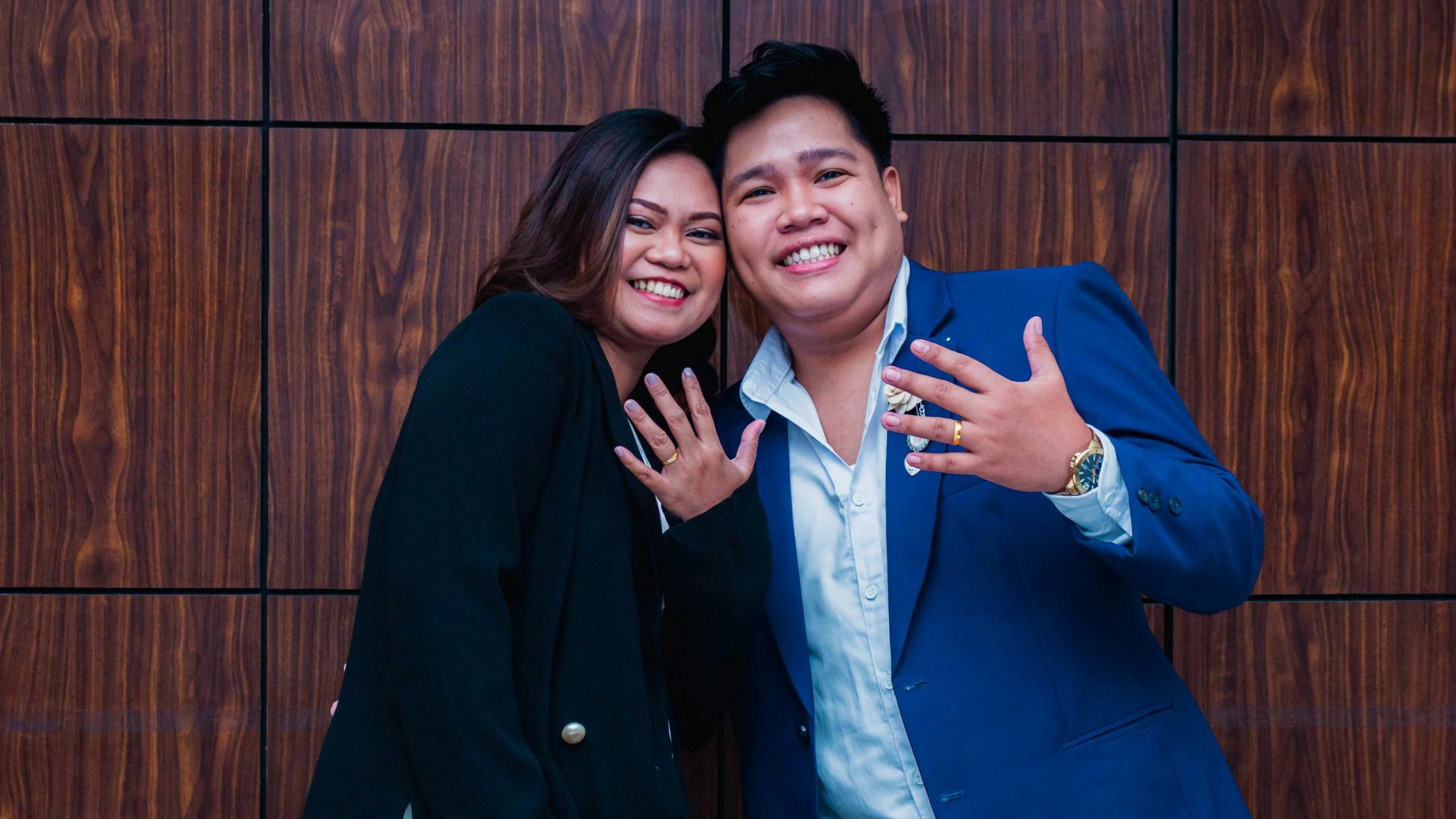
9. Traditional Announcement Timelines
Older etiquette suggested very specific timelines for announcing an engagement to family, friends, and the public. Today, communication happens quickly and often informally through digital platforms.

10. The “Perfect Moment” Standard
There’s an idea that proposals must be flawless and cinematic to be meaningful. This creates pressure that can take away from the authenticity of the moment. In reality, sincerity matters more than perfection, and imperfections often make the memory more genuine.

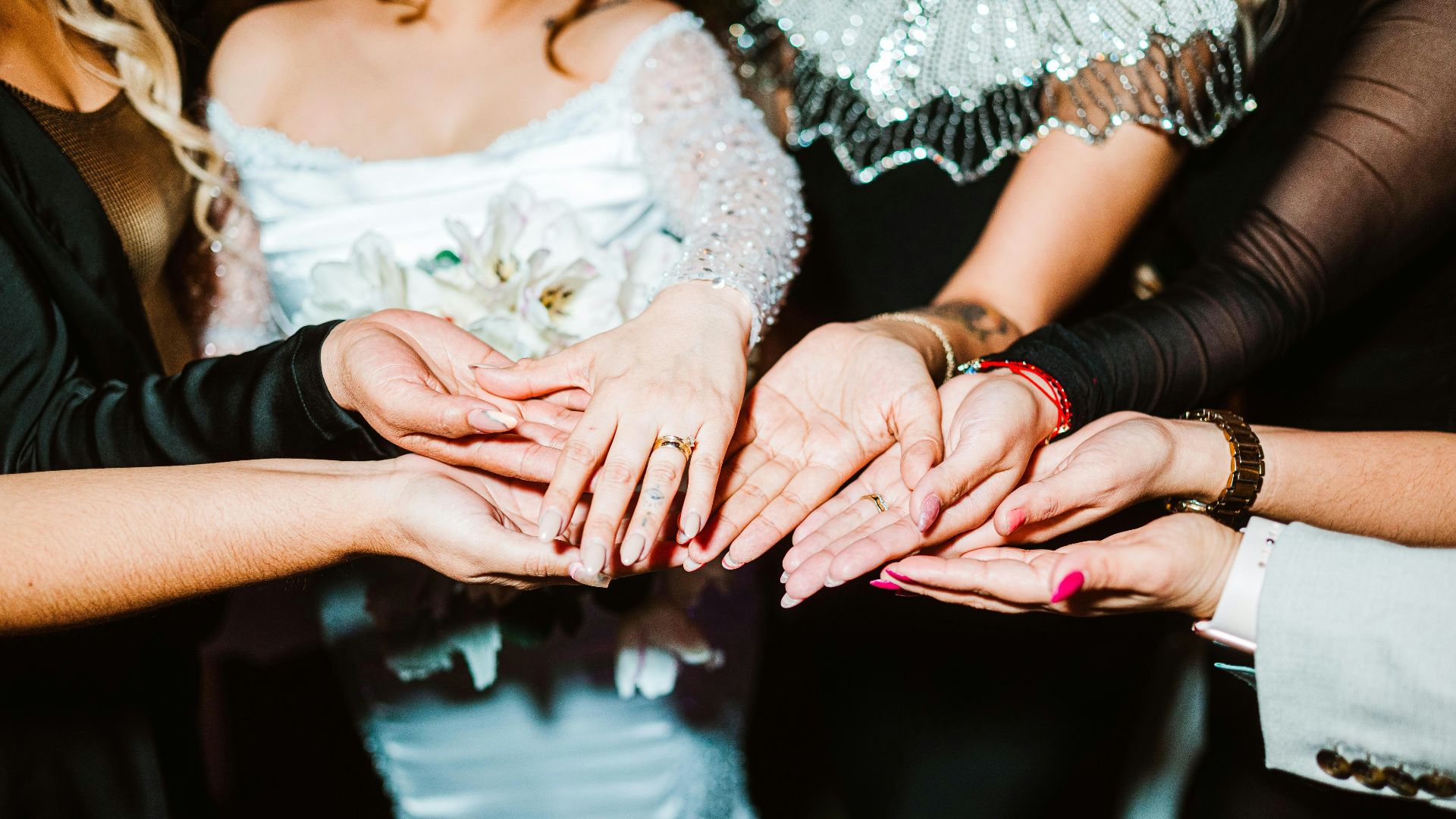
1. Celebrating with Close Family
Sharing the news with close family remains one of the most meaningful parts of an engagement. It gives loved ones a chance to be part of the excitement from the beginning. Even in modern settings, this sense of connection still feels important.
 Fotógrafo Samuel Cruz on Unsplash
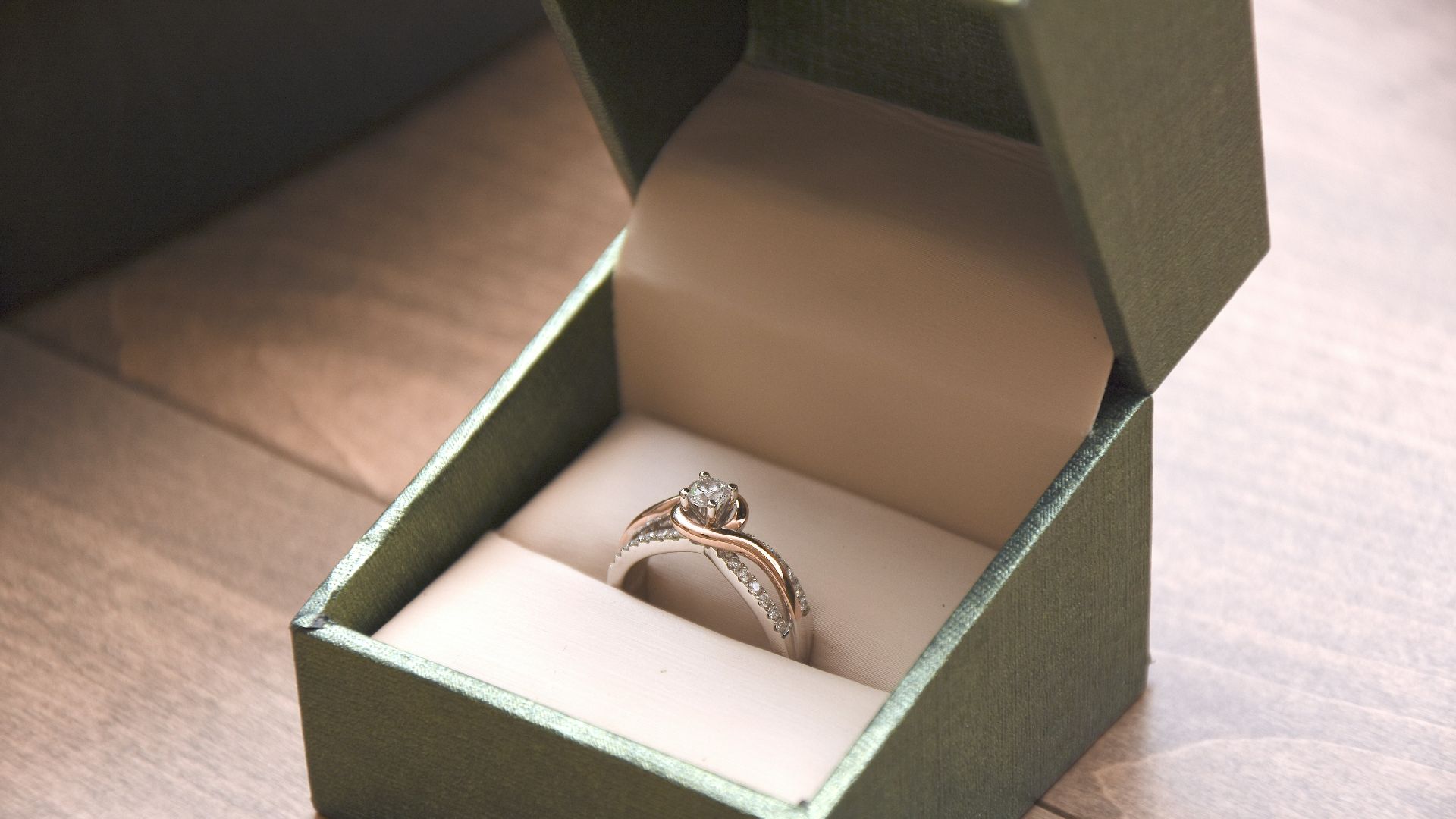
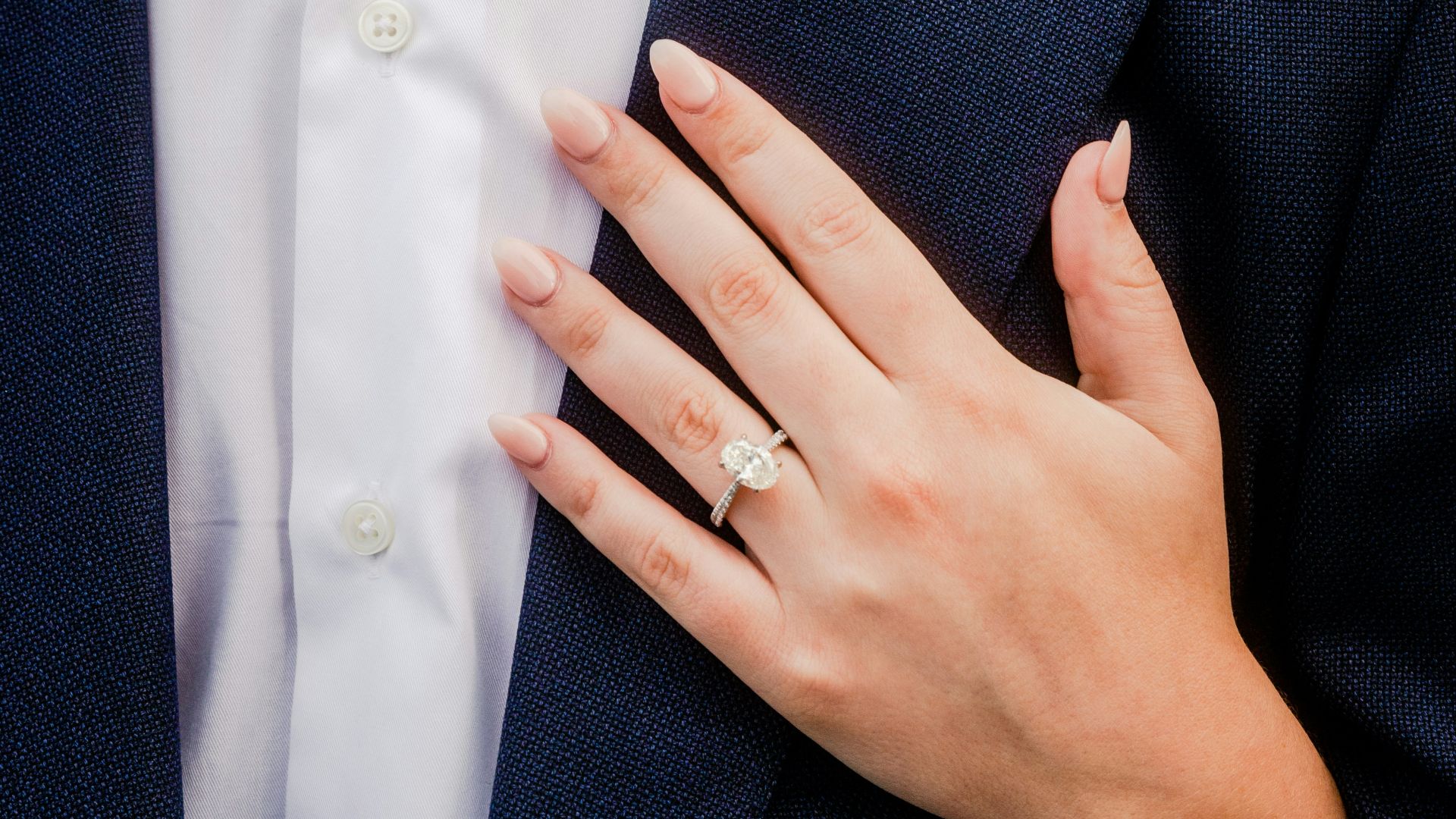
2. Choosing a Meaningful Ring
While spending expectations are changing, the idea of selecting a ring with personal significance continues to resonate. Whether it’s a custom design or a family heirloom, the thought behind it matters. It becomes a lasting symbol of the commitment.
3. Taking Engagement Photos
Engagement photos have remained popular because they capture a unique moment in time. They also help couples get comfortable being photographed before the wedding. When done naturally, they create lasting memories without feeling staged.
 Kari Bjorn Photography on Unsplash
4. Sharing the Story
People still enjoy telling and hearing the story of how the proposal happened. It adds a personal touch that goes beyond just announcing the engagement. Each story reflects the couple’s dynamic and what matters to them.
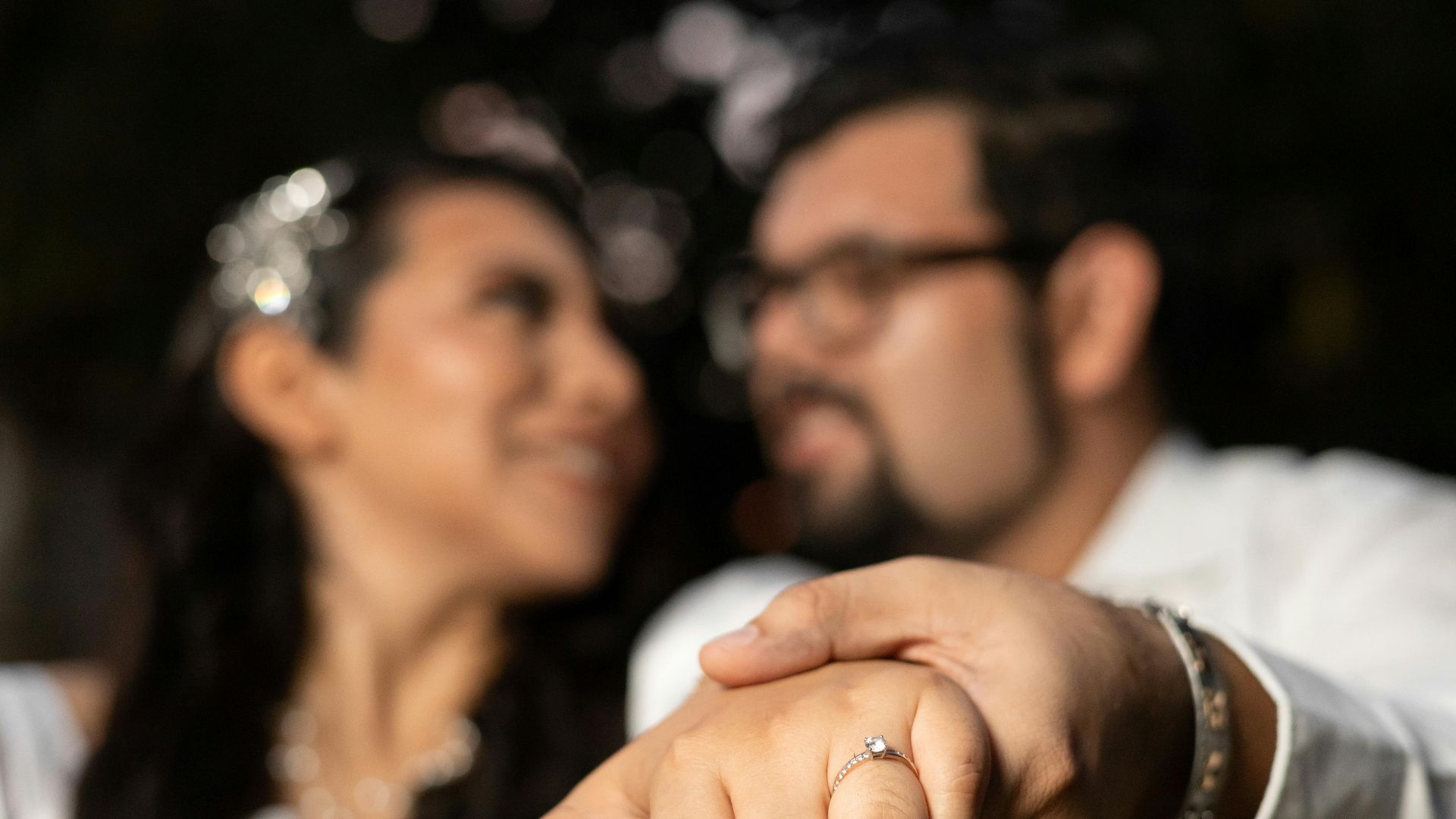
5. Wearing the Ring Daily
Wearing an engagement ring every day continues to be a meaningful tradition for many. It serves as a constant reminder of the commitment and the moment it began. Over time, it becomes part of everyday life in a subtle but significant way.

6. Marking the Date
Remembering the date of the proposal is something many couples continue to value. It often becomes a small milestone worth acknowledging each year. This simple tradition adds another layer of shared history.
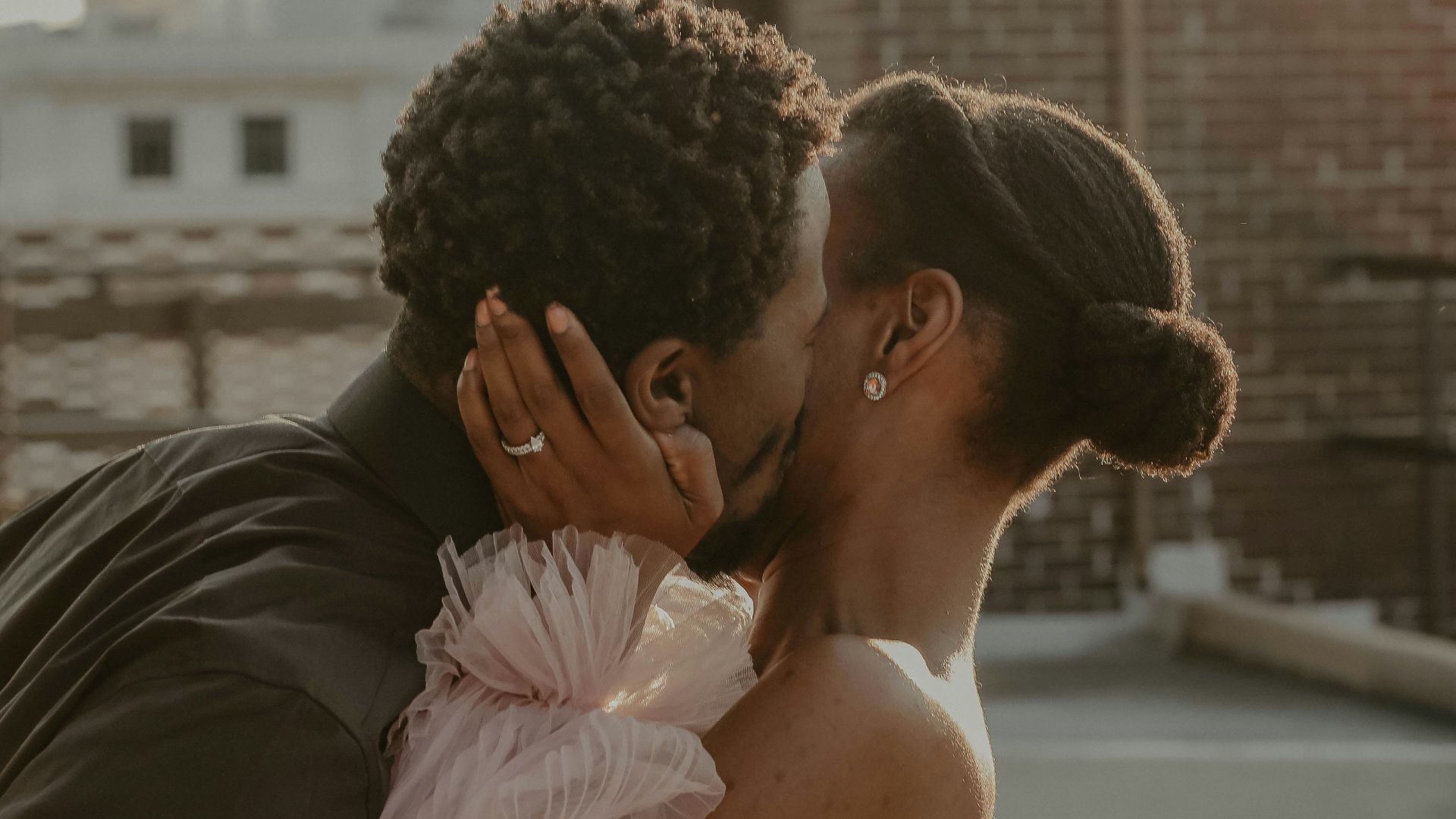
7. Including Friends in the Celebration
Close friends often play an important role during engagements, whether through small gatherings or informal celebrations. Their involvement adds energy and support to the experience. Keeping this tradition helps maintain a strong social connection.
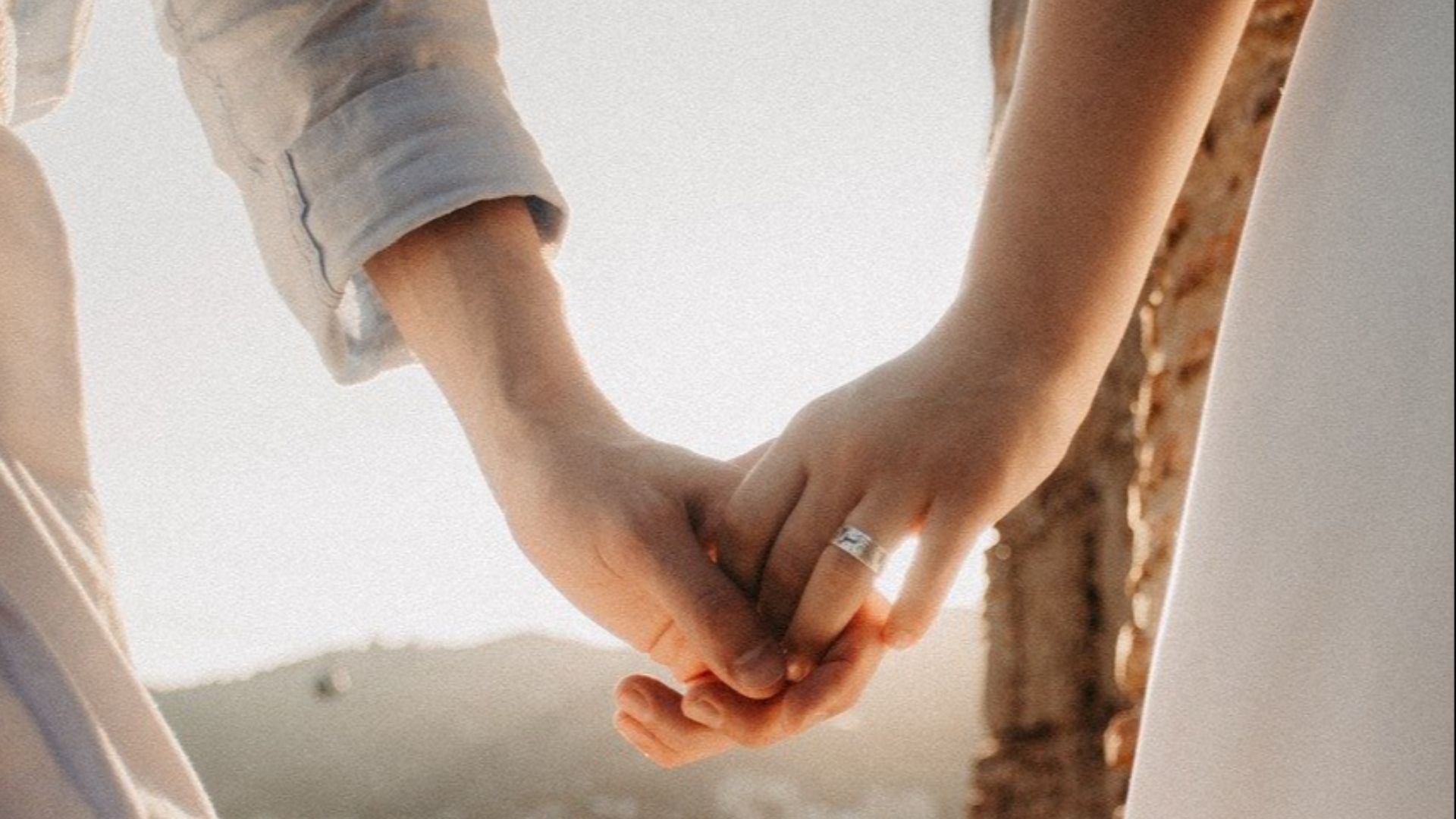
8. Planning Together
More couples now approach wedding planning as a shared effort, and that’s a tradition worth keeping. It encourages communication and ensures both perspectives are included.

9. Personalizing the Proposal
Even though expectations are changing, the idea of tailoring the proposal to reflect the relationship remains valuable. Adding personal details makes the moment feel intentional and thoughtful.

10. Taking Time to Enjoy the Engagement
One of the most appreciated traditions is simply slowing down and enjoying the engagement period. It gives couples time to adjust, celebrate, and reflect before moving forward. Holding onto this mindset helps keep the experience positive and memorable.