
Distance Makes the Heart Grow Fonder... or Weaker?
A long distance relationship can be deeply meaningful, but it also asks more from both people than a relationship where you see each other all the time. You have to be intentional with your words, honest about your needs, and willing to make the relationship feel real even when your lives are happening in different places. When the effort becomes uneven or the emotional connection starts getting neglected, distance can make small problems feel much bigger. Still, when both people show up with care and consistency, a long-distance relationship can stay strong, steady, and worth protecting.

1. Treating Check-Ins Like Obligations
When every call starts to feel like something you have to get through, the relationship begins to lose warmth. It’s not that every conversation needs to be exciting, but both people should still feel wanted rather than penciled in out of duty. If you only talk because you’re afraid of what it means not to, resentment can start building underneath the routine.

2. Letting Jealousy Run the Relationship
A little insecurity can happen when you’re far apart, but constant suspicion can make the relationship exhausting. If every night out, new friend, or delayed reply turns into an argument, your partner may start feeling controlled and monitored instead of loved. Trust has to be protected from both sides, because distance already creates enough pressure without adding accusations to it.
3. Avoiding Hard Conversations
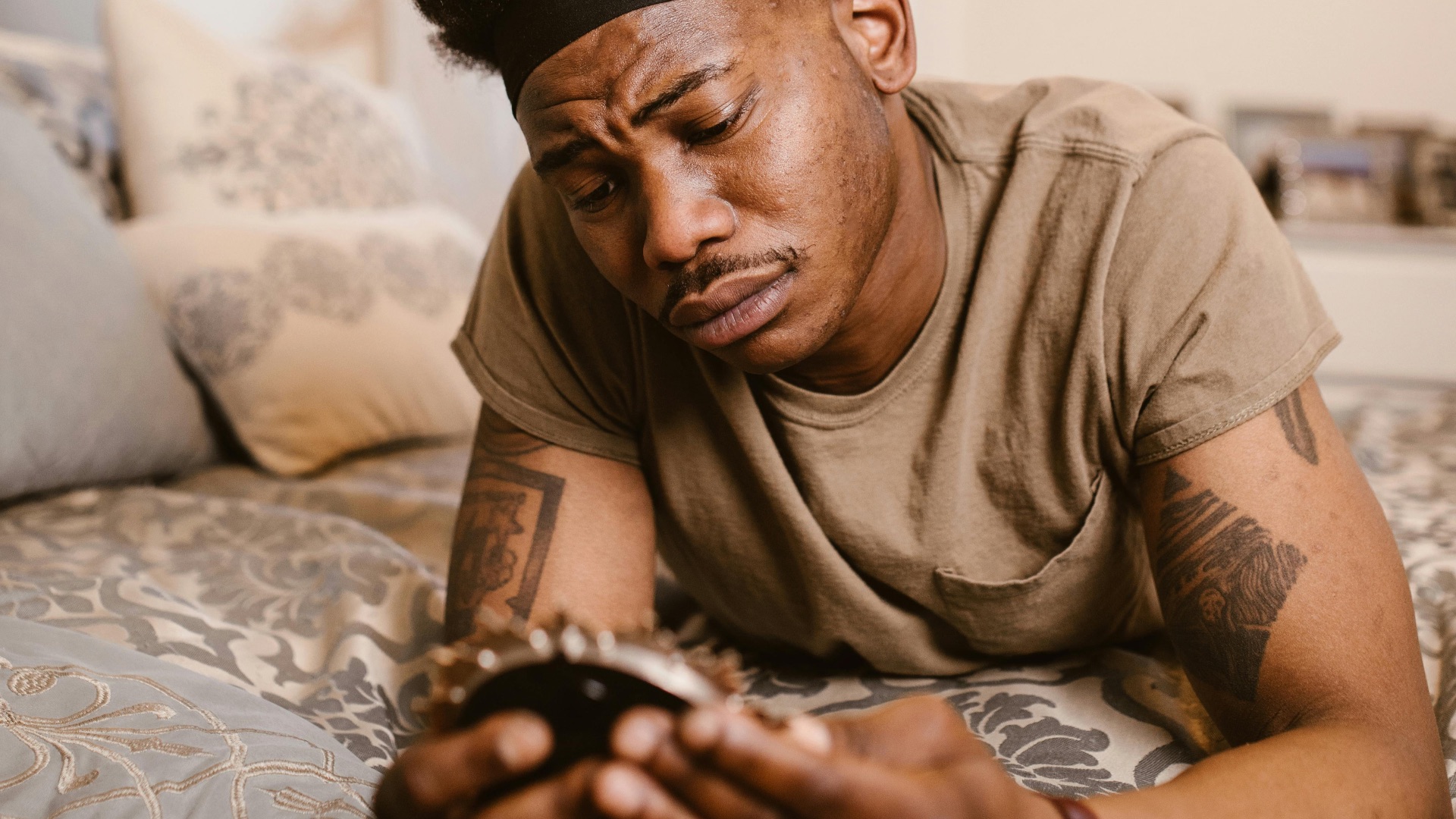
Long-distance couples can sometimes cling to pleasant conversations because they don’t want to "waste" limited time together by bringing up conflicts. The problem is: unspoken issues don’t disappear just because you avoid them. If something is hurting you, bothering you, or needs to change, pretending everything is fine for now usually makes the eventual conversation more painful.

4. Keeping Your Real Life Separate
Your partner doesn’t need to know every single tiny detail of your day, but they should still feel included in your world. When you stop sharing the people you spend time with, the problems you’re facing, or the things that matter to you, the relationship can begin to feel disconnected. Distance becomes harder when your partner only gets a filtered version of your life.
 Antoni Shkraba Studio on Pexels
5. Making One Person Carry All the Effort
A long-distance relationship suffers when one person always starts the calls, plans the visits, sends the thoughtful messages, and brings up the future. Over time, that imbalance can make love feel less mutual, even if both people still care. Effort doesn’t have to look identical, but it does need to feel shared.

6. Using Busyness as a Permanent Excuse
Everyone has busy seasons, and a healthy partner should understand that. Still, being busy can’t become the explanation for weeks or months of emotional absence. If the relationship only gets attention when everything else is finished, it may start feeling like a leftover priority instead of an important part of your life.

7. Ignoring Time Zone and Schedule Strain
Different schedules can be manageable, but only when both people respect the limits they create. If one person is always staying up too late, waking up too early, or rearranging their life to make communication possible, stress and frustration can build fast. After all, a relationship shouldn’t require one person to constantly sacrifice their rest, work, or peace just to stay connected.
8. Letting Conflicts Build
Even small conflicts can spiral and resentment can grow when you keep brushing off your own hurt instead of saying what’s wrong. In a long-distance relationship, that can be especially damaging because your partner may not notice the shift until you’ve already pulled away. It’s better to bring up disappointment while it’s still manageable than to let it turn into bitterness that changes the way you speak to each other.

9. Refusing to Talk About the End Goal
Long distance becomes much harder when there’s no shared idea of where the relationship is heading. You don’t need every detail figured out immediately, but both people should know whether closing the distance is actually part of the plan. Without that conversation, one person may be waiting for a future the other person hasn’t agreed to build.

10. Letting Resentment Replace Honesty
Resentment also often grows when you keep saying you’re fine while feeling disappointed, lonely, or overlooked. Instead of asking for what you need, you may start testing your partner, pulling back, or making comments that carry more hurt than they explain. Once resentment becomes the main way you communicate, the relationship can feel tense even during ordinary conversations.
Now that you know what could potentially hurt a long-distance relationship, let's jump into what helps keep it healthy and strong.
1. Create Communication That Fits Both Lives
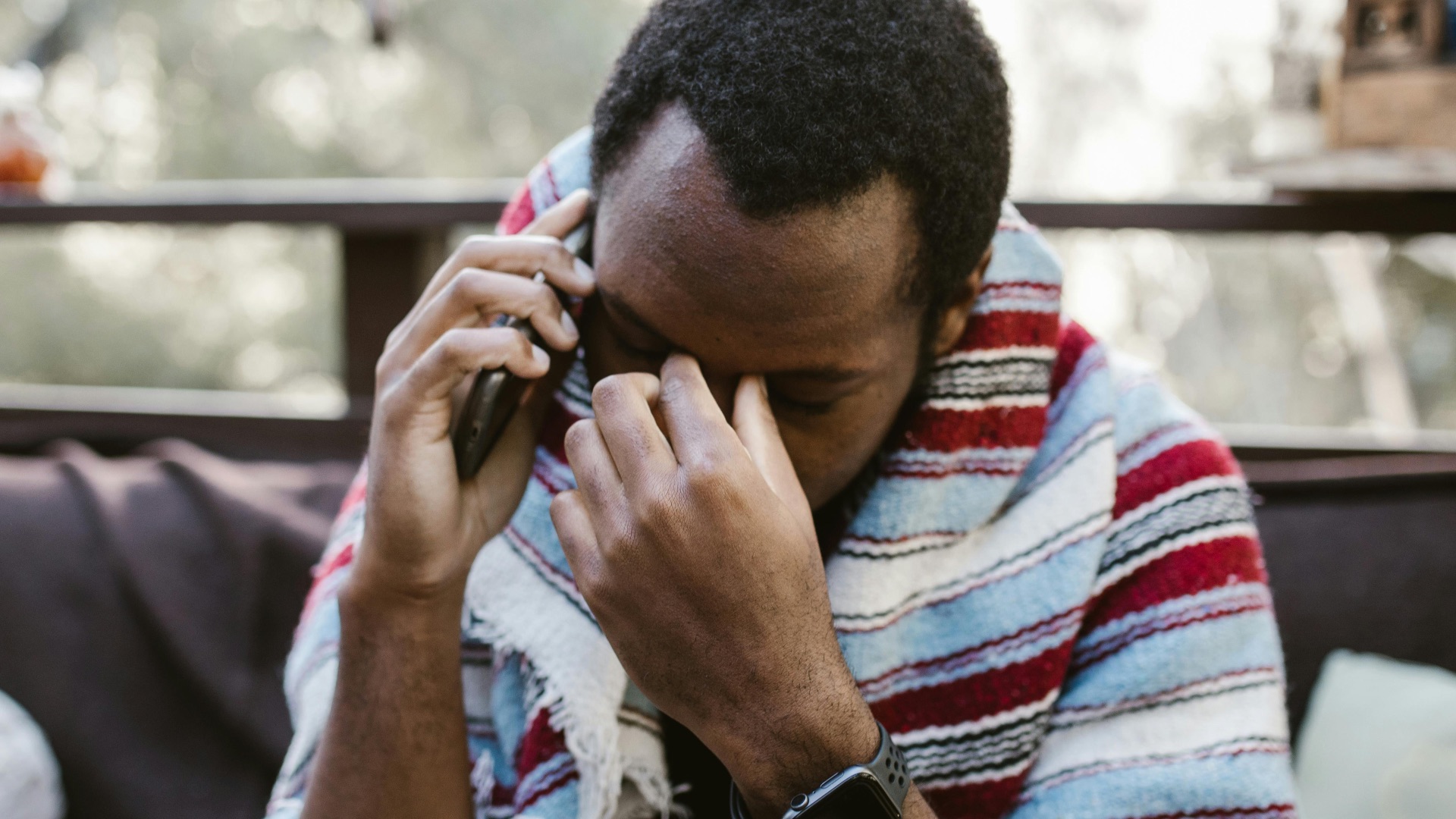
Strong long-distance couples communicate in a way that works for both people. That might mean a longer call a few times a week, voice notes during busy days, or shorter check-ins that don’t feel forced. The goal is to stay connected without turning communication into another source of stress.

2. Be Clear About What You Need
No one should have to guess what makes you feel loved from miles away. If you need more reassurance, more planning, more notice before schedule changes, or more affection in messages, say it directly. Clear needs are much easier to respond to than the frustration that comes out after weeks of holding it in.

3. Make Visits Feel Balanced
Seeing each other in person matters, but the planning shouldn’t always fall on one partner. When both people help with timing, travel costs, hosting, and logistics, visits can feel like something you’re building together. Even when money or distance makes visits difficult, the effort to plan them can still show commitment.

4. Stay Interested in the Everyday Details
The small parts of life can keep a relationship feeling close even when you’re far apart. Asking about a meeting, a class, a family issue, or what your partner ate for dinner may seem simple, but it reminds them that their daily life matters to you. Love often stays strong because both people keep paying attention.

5. Set Healthy Boundaries
A strong long-distance relationship leaves room for both people to have full lives; you should be able to see friends, pursue goals, rest, and enjoy your own routines without feeling guilty. Independence works best when it’s paired with respect, so neither person feels controlled or forgotten.
 Priscilla Du Preez 🇨🇦 on Unsplash
6. Fix Conflicts as Soon as Possible
Arguments are going to happen, but long distance makes it especially important to resolve them with care. Since you can’t always hug, sit together, or read each other’s body language, your words need to be more thoughtful. Apologizing clearly, listening fully, and coming back to the issue instead of disappearing can keep conflict from damaging the relationship.

7. Keep Affection Specific
Generic affection is nice, but specific affection can feel much more personal from far away. So, tell your partner what you miss about them, what you admire, or what moment from your last visit stayed with you. Details help love feel present, especially when physical closeness isn’t available.

8. Build Shared Routines
Having a few rituals can make the relationship feel steady. You might cook the same meal on a video call, watch an episode together every Sunday, send a morning voice note, or end the day with an update you really want to share. Sharing these moments together can make the distance feel shorter.

9. Talk About the Future
A strong long-distance relationship needs more than hope; it needs honest planning. Discuss where you both want to live, what timelines are realistic, how careers or family responsibilities affect the plan, and what steps need to happen next. These conversations may not always feel romantic (oftentimes, they're even stressful), but they can make the relationship feel more secure and serious.
 Jeremy Wong Weddings on Unsplash
10. Choose Each Other Consistently
Distance tests whether love is only a feeling or also a choice you’re willing to keep making. Choosing each other means answering with care, making time when you can, being honest when something changes, and showing up even when the relationship takes effort. When both people keep making that choice, the distance becomes something you manage together rather than something that controls the relationship.