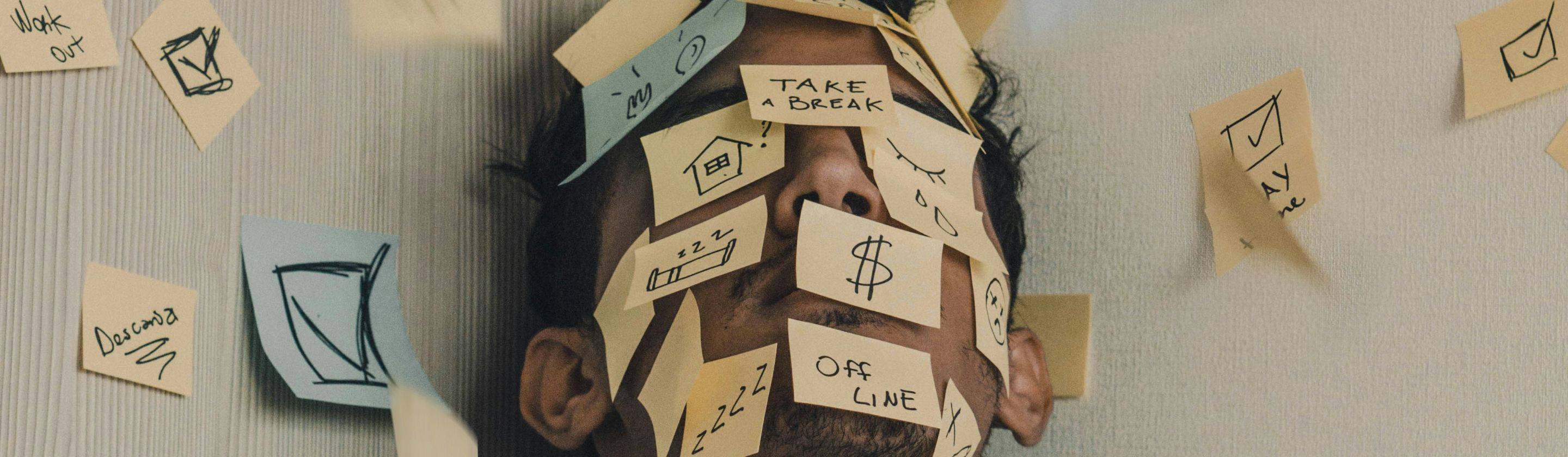

There's a pattern many people recognize in themselves but rarely talk about openly: buying something new feels good in the moment, but the satisfaction fades faster than expected. You're left with another item you don't really need and the same underlying restlessness that sent you to the checkout page in the first place. It's a cycle that's more common than most people realize, and it has a name: emotional spending. Or some may call it retail therapy.
Emotional spending isn't just about being bad with money. Oftentimes, it's a response to stress, loneliness, boredom, or a deeper sense of dissatisfaction that hasn't been addressed, so you do the one thing you know will give you that boost of dopamine. But if you're always spending more just to fill the void, it might be time to start reevaluating your habits.
The Psychology Behind Retail Therapy
Retail therapy isn't just a figure of speech. In fact, there's actual science behind why spending money can temporarily lift your mood. Research has found that making a purchase activates the brain's reward system, releasing dopamine in a way that feels similar to other pleasurable experiences. Every time you buy something and hold that new, shiny item in your hands, your mood goes up. The problem is that this effect is short-lived, which often leads to more spending in an attempt to recreate that initial feeling.
What makes emotional spending particularly tricky is that it can look like perfectly normal behavior from the outside. Picking up a coffee on a stressful morning, treating yourself to a new outfit after a hard week, or scrolling through online shopping when you're bored—none of these seem alarming in isolation. It's only when you zoom out and notice the pattern that the bigger picture becomes clear.
The emotional triggers that drive this kind of spending tend to be consistent: stress, anxiety, loneliness, and low self-esteem are among the most commonly cited ones. Many people are also more vulnerable to impulse purchases when they're tired or overwhelmed, since those states lower the ability to make deliberate, considered decisions. Recognizing your personal triggers, and the specific situations that tend to precede a spending urge, is one of the most practical tools you have.
When Spending Becomes a Substitute for Something Else
But how do you know when your habits aren't normal? One of the clearest signs that spending has become emotionally driven is when it starts filling a gap that has nothing to do with needing a product. You might find yourself buying things you already own, ordering items that stay in their packaging, or shopping without any particular goal in mind. You might even hide your purchases so others won't comment on them. When it gets to this point, it means your spending is less about acquiring something useful and more about the act of purchasing itself and the brief sense of control or excitement it provides.
This kind of spending often intensifies during periods of significant life change or prolonged stress. Relationship difficulties, career dissatisfaction, or a general sense of being stuck can all lead someone to seek small, immediate gratifications as a way of coping. The purchase becomes a stand-in for something larger—a sense of progress, comfort, or reward—that isn't being met elsewhere.
Studies have shown that people who score higher on measures of materialism tend to report lower levels of life satisfaction and higher levels of anxiety and depression. That's not to say that buying things is inherently harmful, but it does suggest that when material goods become a primary source of comfort or meaning, they're usually working against your well-being rather than for it. The spending doesn't solve the problem; it just delays having to sit with it.
How to Start Spending with More Intention
Changing your spending habits doesn't require cutting out every non-essential purchase, but it does require slowing down enough to ask a few honest questions before you buy. A good habit to practice is to implement a small waiting period, even just 24 to 48 hours, before completing a non-essential purchase, as this can help significantly reduce impulse buying. That pause gives your initial emotional impulse time to settle so you can assess whether you actually want the item or just the feeling it promised.
Tracking your spending is another useful habit, not just for the numbers but for the context around them. Note what you were doing or how you were feeling when you made a purchase; over time, you'll likely notice patterns that make your triggers easier to identify. That kind of self-awareness is far more effective than willpower alone, because it addresses the root of the behavior rather than just trying to suppress it.
It's also worth building a short list of go-to alternatives for the moments when a spending urge hits. Physical activity, calling a friend, journaling, or even just stepping outside can interrupt the impulse effectively; they address the emotional need directly rather than masking it with a purchase. The goal isn't to deny yourself comfort, and it's not that you should never treat yourself. But it's also important to find comfort in ways that don't come with a credit card statement attached.