When the Lessons Start Going the Other Way
Most parents expect to be the ones offering guidance, setting rules, and sharing life experiences, but there are moments when the roles quietly reverse, and kids reveal a level of clarity that catches adults off guard. These situations don’t come from formal teaching or big speeches, but from simple observations, honest questions, and unfiltered logic that adults sometimes overlook. If you’ve ever been surprised by something your child said that made you rethink your own approach, you’re not alone. These 20 moments often highlight how perspective, rather than age, shapes wisdom.
1. When They Question Unfair Rules
You might explain a rule that feels routine to you, only for your child to ask why it applies unevenly or without reason. Their question forces you to consider whether the rule actually serves a purpose or just exists out of habit.
2. When They Value Time Over Things
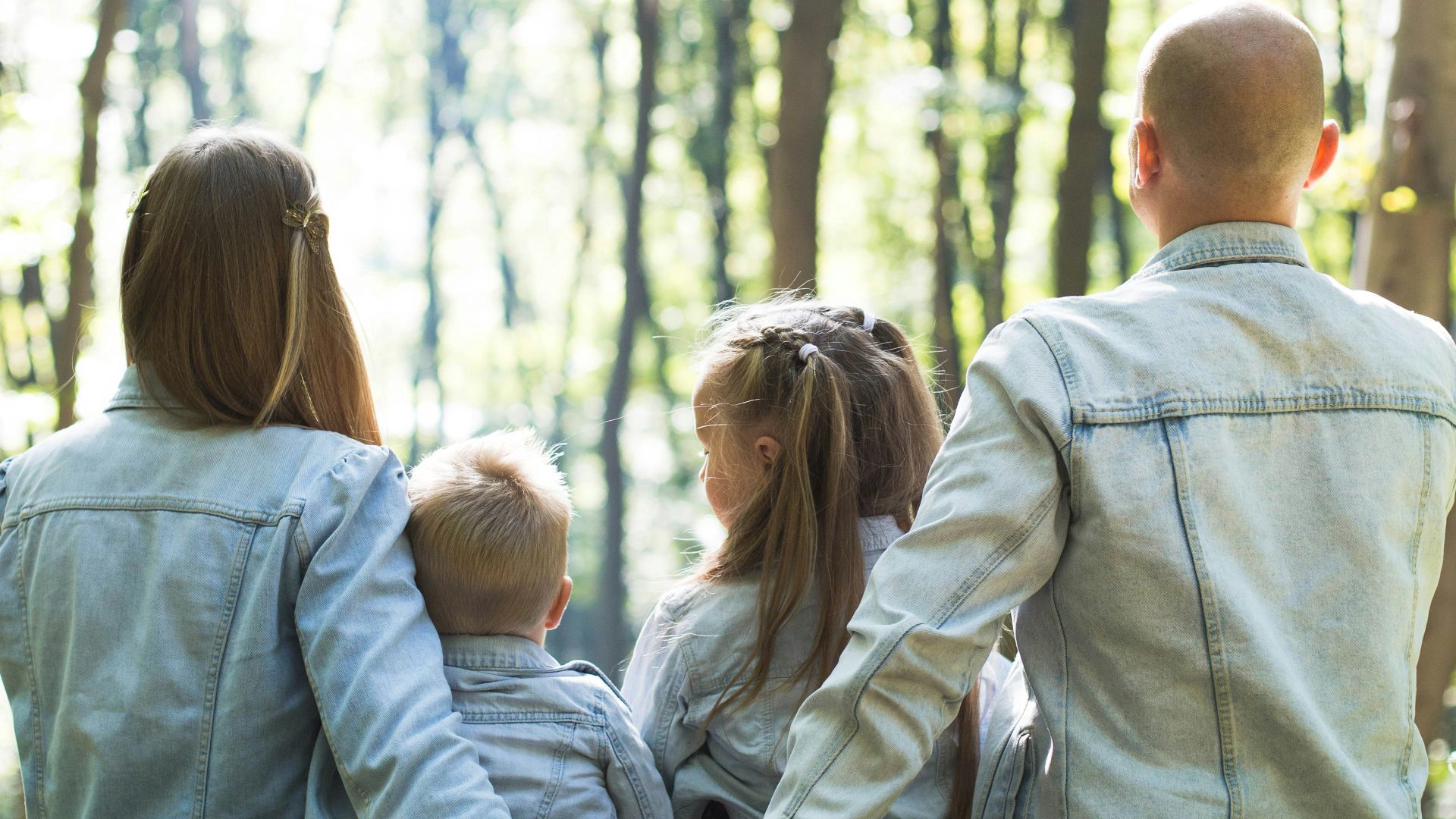
A child choosing to spend time with you instead of asking for something new can feel surprisingly grounding. It highlights how easily adults can prioritize material rewards over meaningful connections. Their preference shows that presence often matters more than purchases.
 Ioann-Mark Kuznietsov on Unsplash
3. When They Apologize First
Kids sometimes apologize quickly after a disagreement, even when emotions are still fresh. That willingness to move forward without holding onto pride can be eye-opening. Adults often hesitate, waiting for the “right moment” or for the other person to go first. Their behavior shows that resolving conflict doesn’t have to be complicated.
4. When They Point Out Overworking
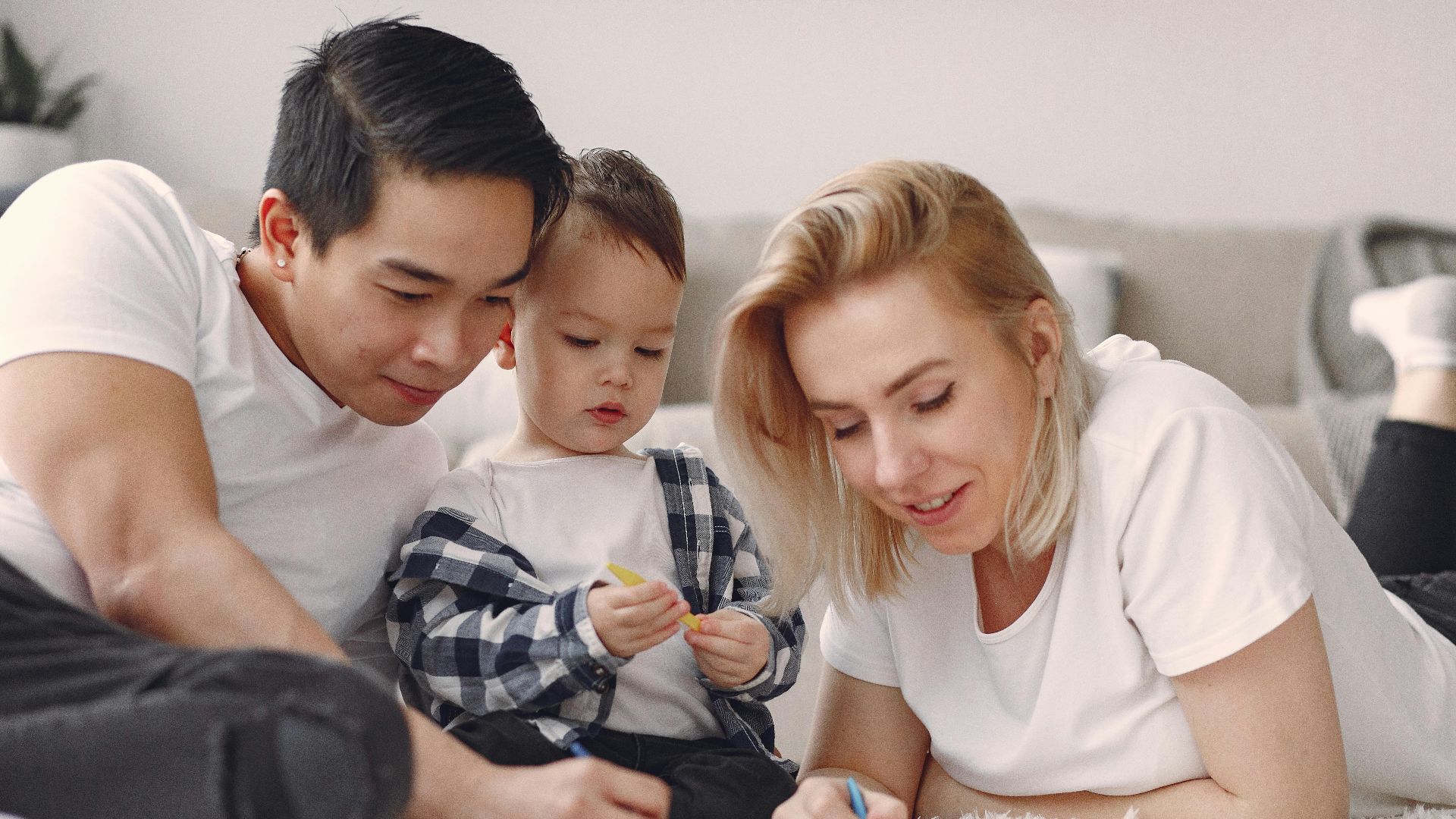
If your child asks why you’re always busy or working late, it can feel uncomfortable, but important. They’re not critiquing your responsibility; they’re noticing your absence. That observation can make you reassess how you balance work and family time.
5. When They Accept Differences Easily
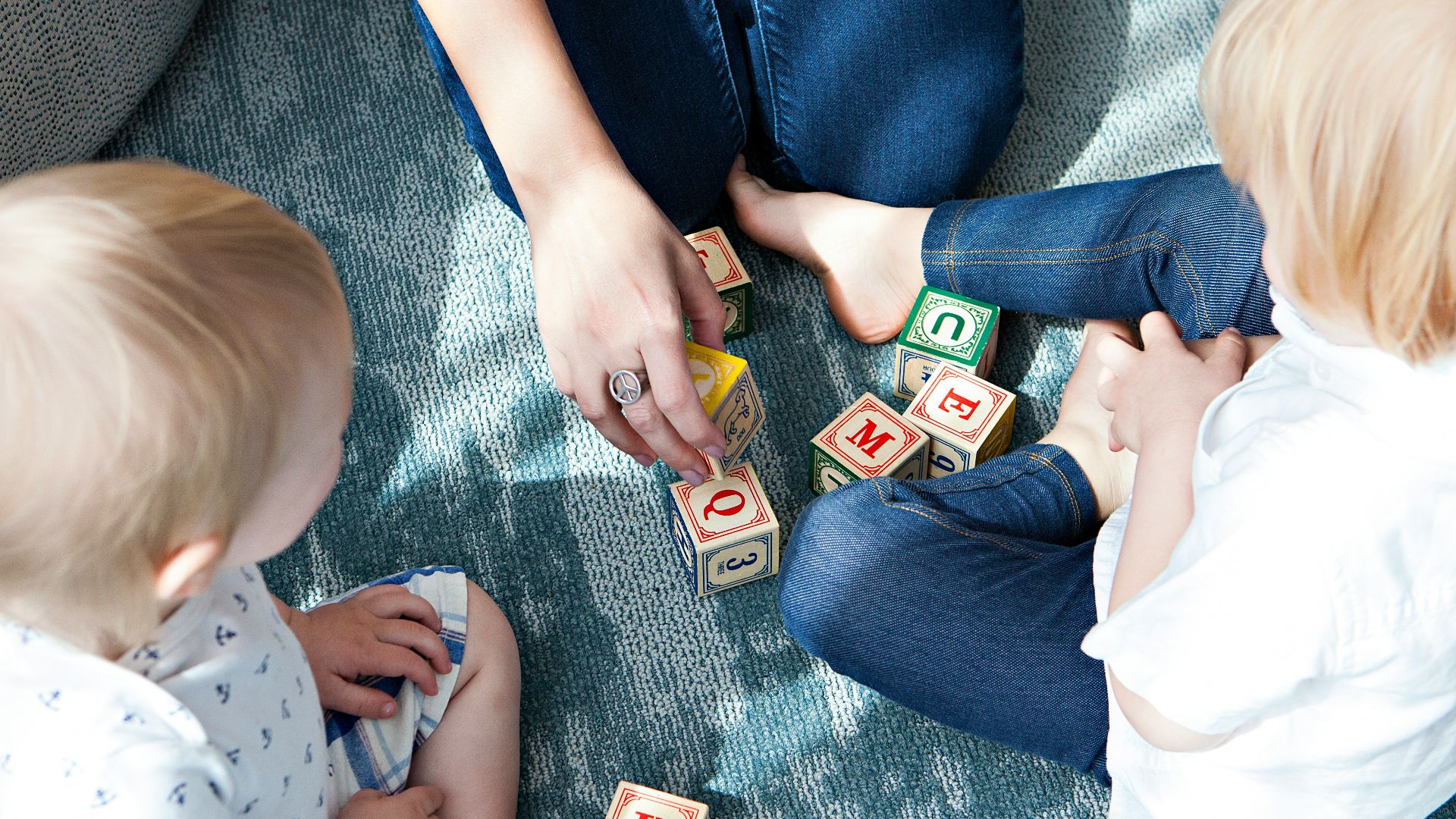
Children often adapt quickly to people who look, speak, or act differently from them. While adults may overthink social differences, kids tend to focus on shared experiences instead. Their openness reflects a more inclusive mindset that doesn’t rely on assumptions. It shows how acceptance can be natural when it’s not complicated by bias.
 Vitalii Khodzinskyi on Unsplash
6. When They Ask Honest Questions
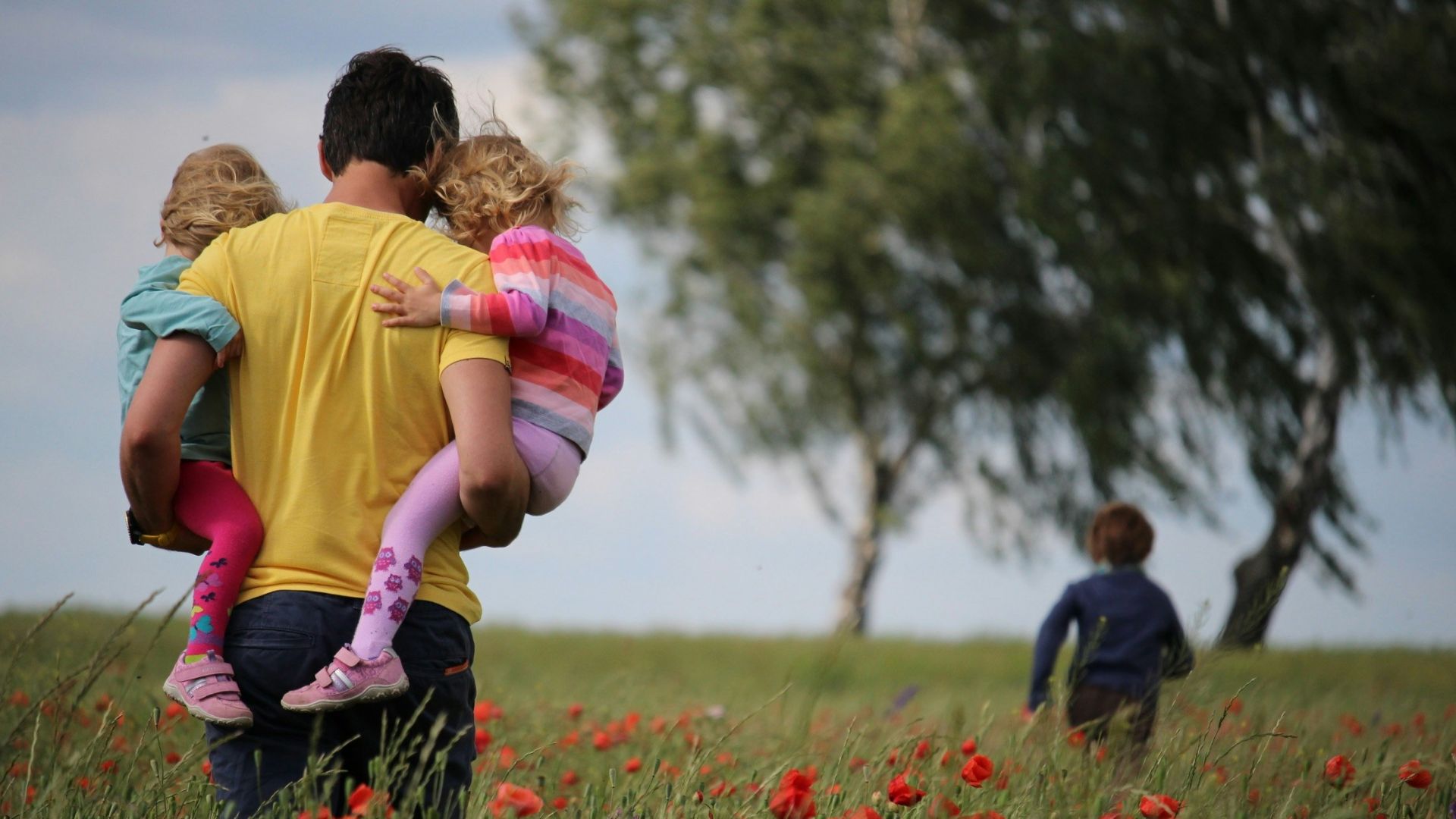
A child’s direct question about something you’ve avoided discussing can catch you off guard. They’re not trying to challenge you; they’re simply curious and want clarity. Their honesty encourages more open conversations at home. You may realize that transparency often builds a stronger understanding.
 Juliane Liebermann on Unsplash
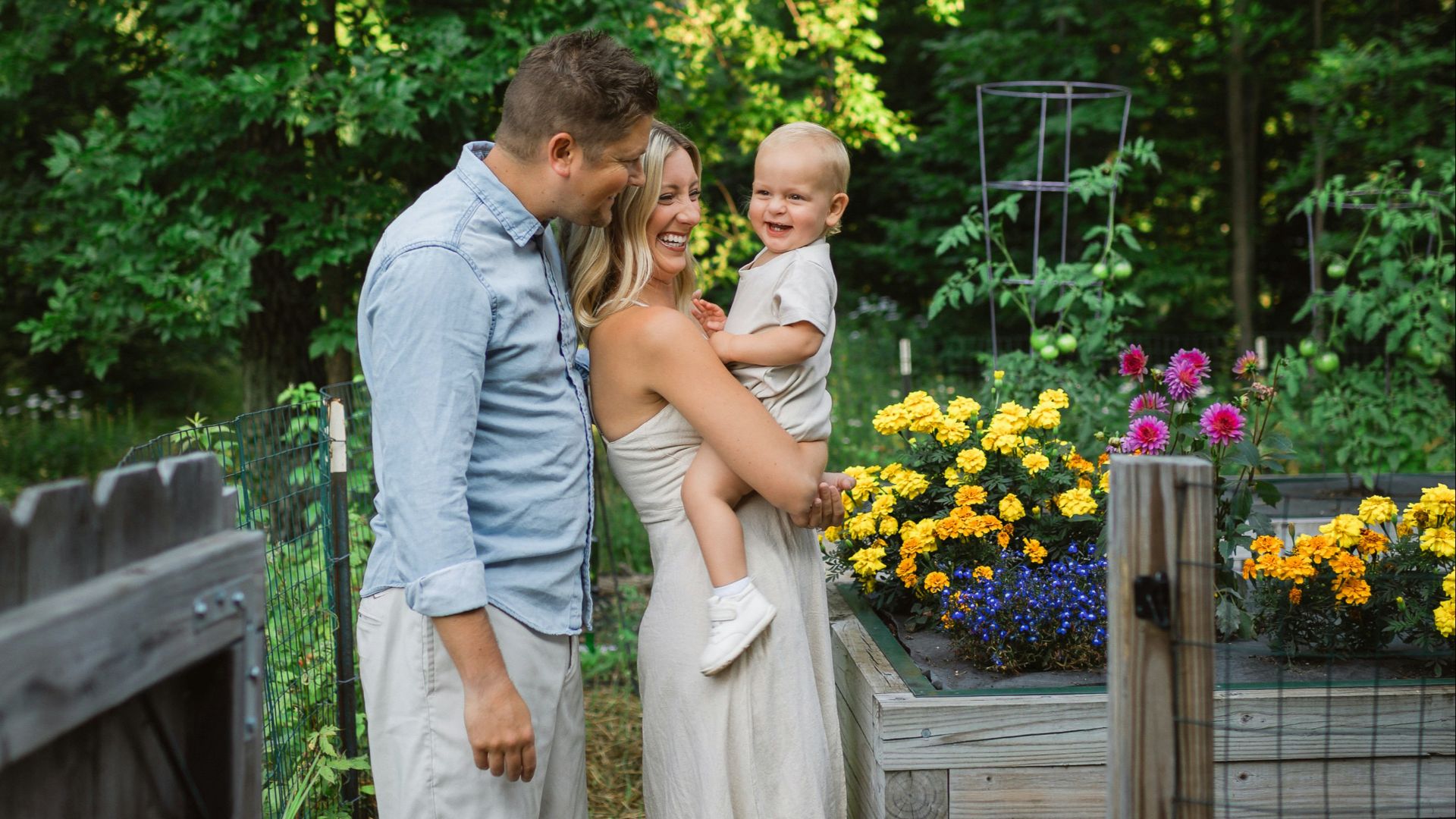
7. When They Let Go of Small Conflicts
Kids can argue intensely one moment and return to normal behavior the next. That ability to move past minor issues without lingering resentment is something many adults struggle with. Watching this can make you reconsider how much energy you spend on small disagreements. It’s a practical example of emotional flexibility.
 Jennifer Kalenberg on Unsplash
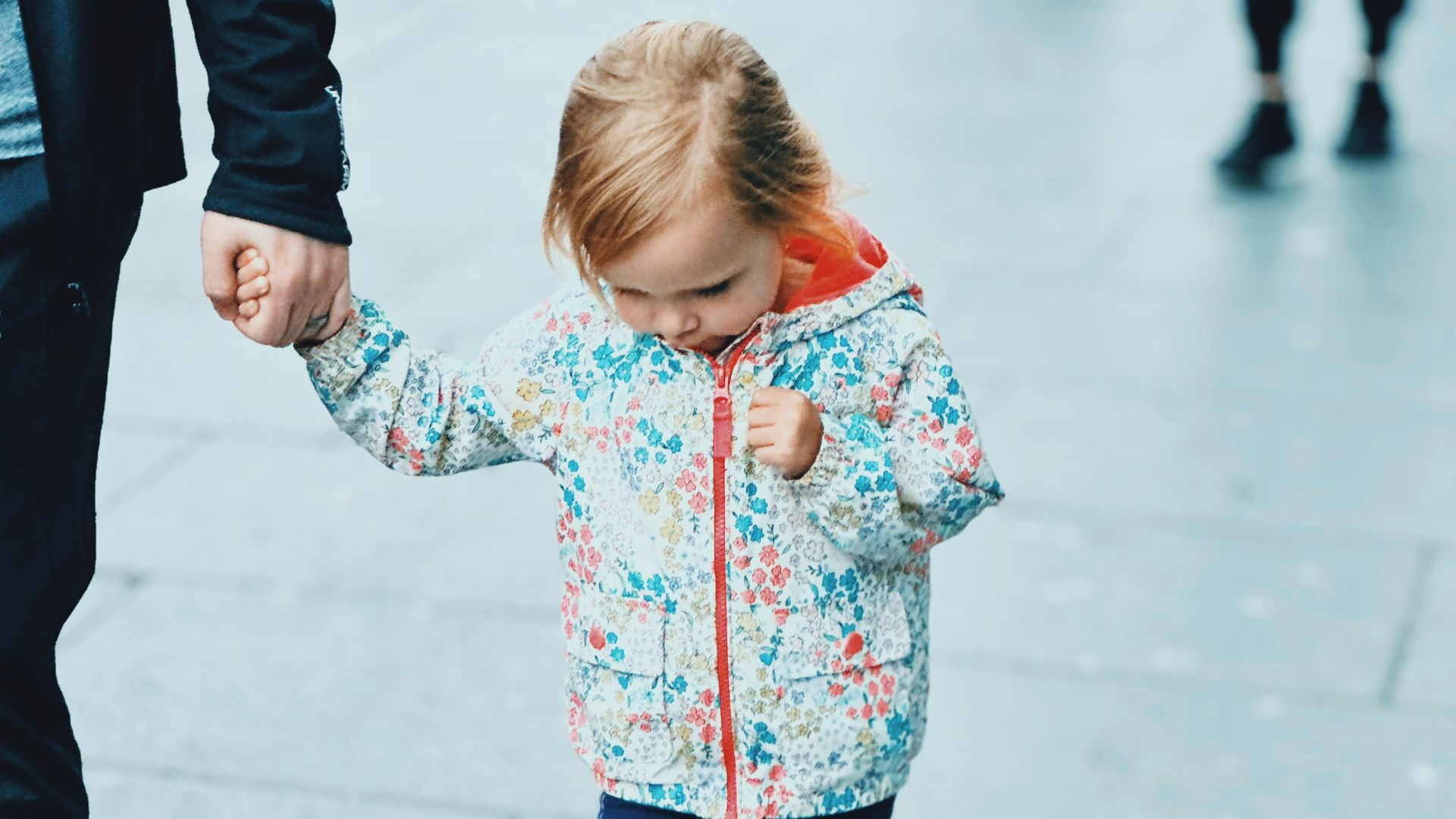
8. When They Speak Up About Feelings
A child saying they feel upset, left out, or overwhelmed shows emotional awareness that adults sometimes suppress. Their willingness to express feelings directly can be refreshing.
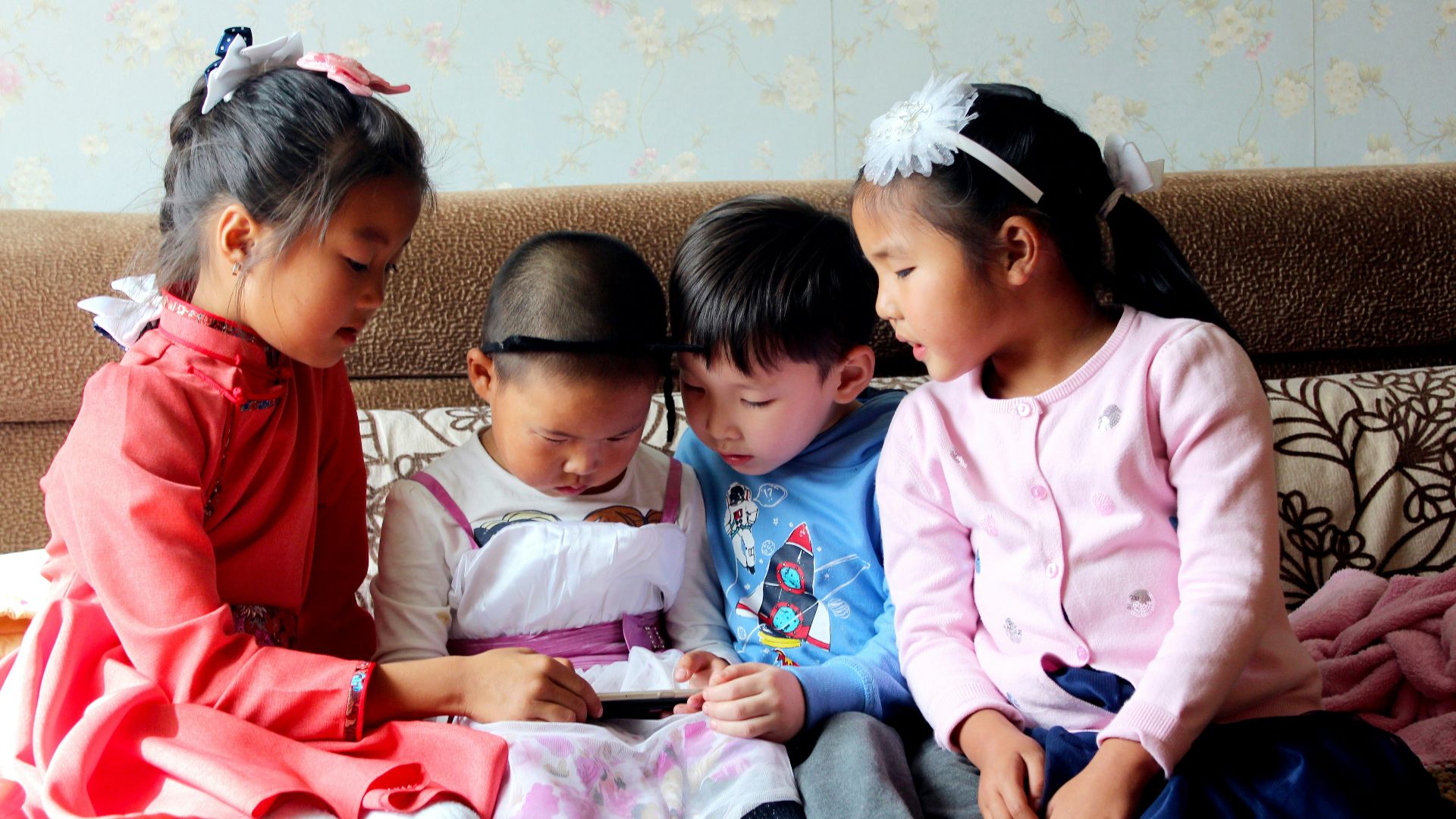
9. When They Share Without Hesitation
Kids often offer to share snacks, toys, or space without calculating fairness or return. That instinct reflects generosity without expectation. Adults, by comparison, can overthink giving or attach conditions. Their behavior shows that sharing can be simple and sincere.
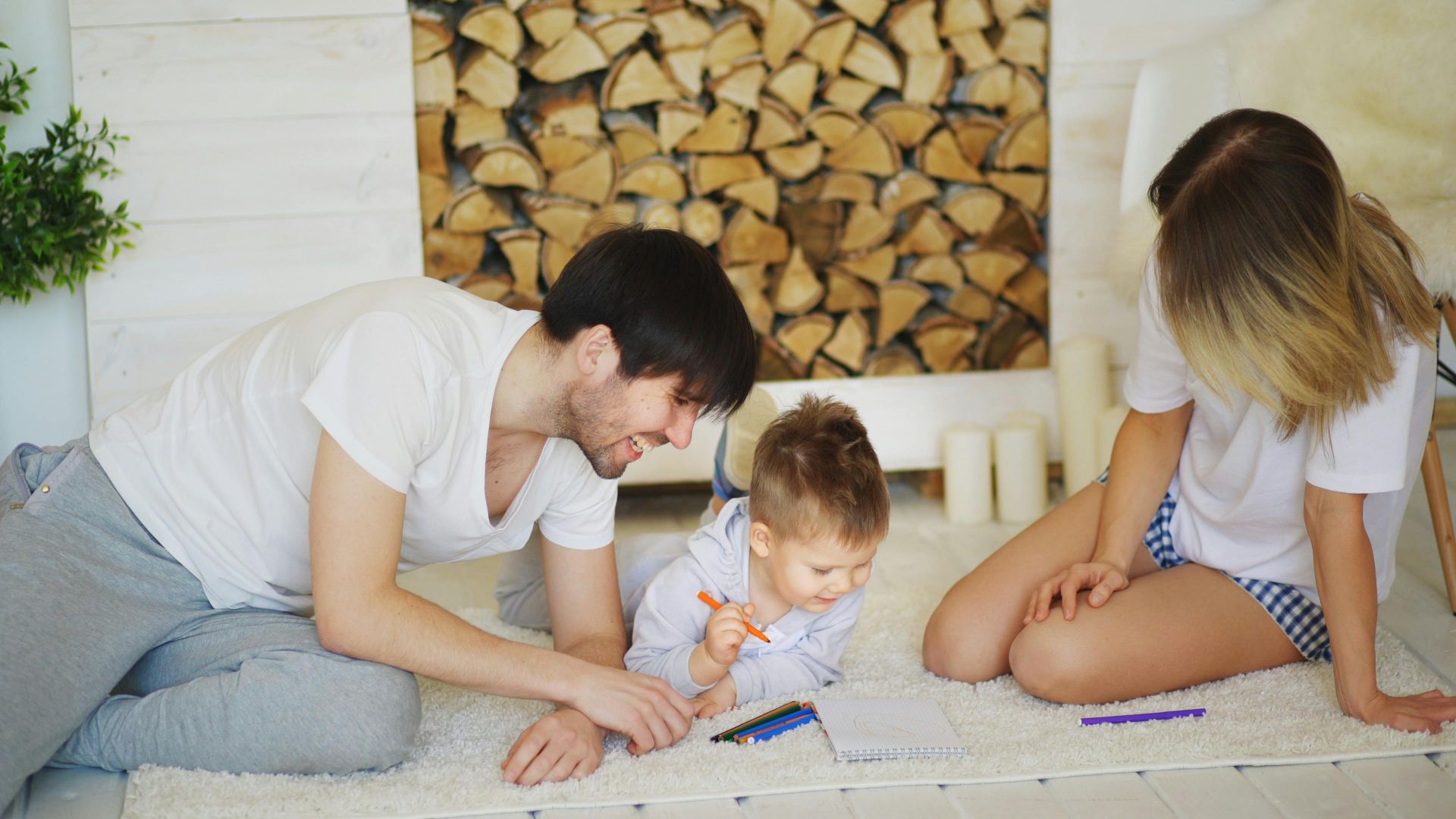
10. When They Notice Your Mood
Children are often quick to pick up on changes in your tone or energy. If they ask whether you’re okay, it highlights how visible your emotions really are. Their awareness can prompt you to reflect on how you handle stress around them. It’s a reminder that kids are more observant than you might assume.
11. When They Question Social Norms
A child might ask why something is done a certain way just because “everyone does it.” That question can reveal how often adults follow routines without reconsidering them. Their curiosity encourages critical thinking about everyday behaviors. You may find yourself reevaluating long-held habits.

12. When They Choose Kindness Over Winning
In competitive situations, some kids prioritize being fair or kind over coming out on top. That choice can challenge the idea that winning is always the goal.
13. When They Admit They Don’t Know
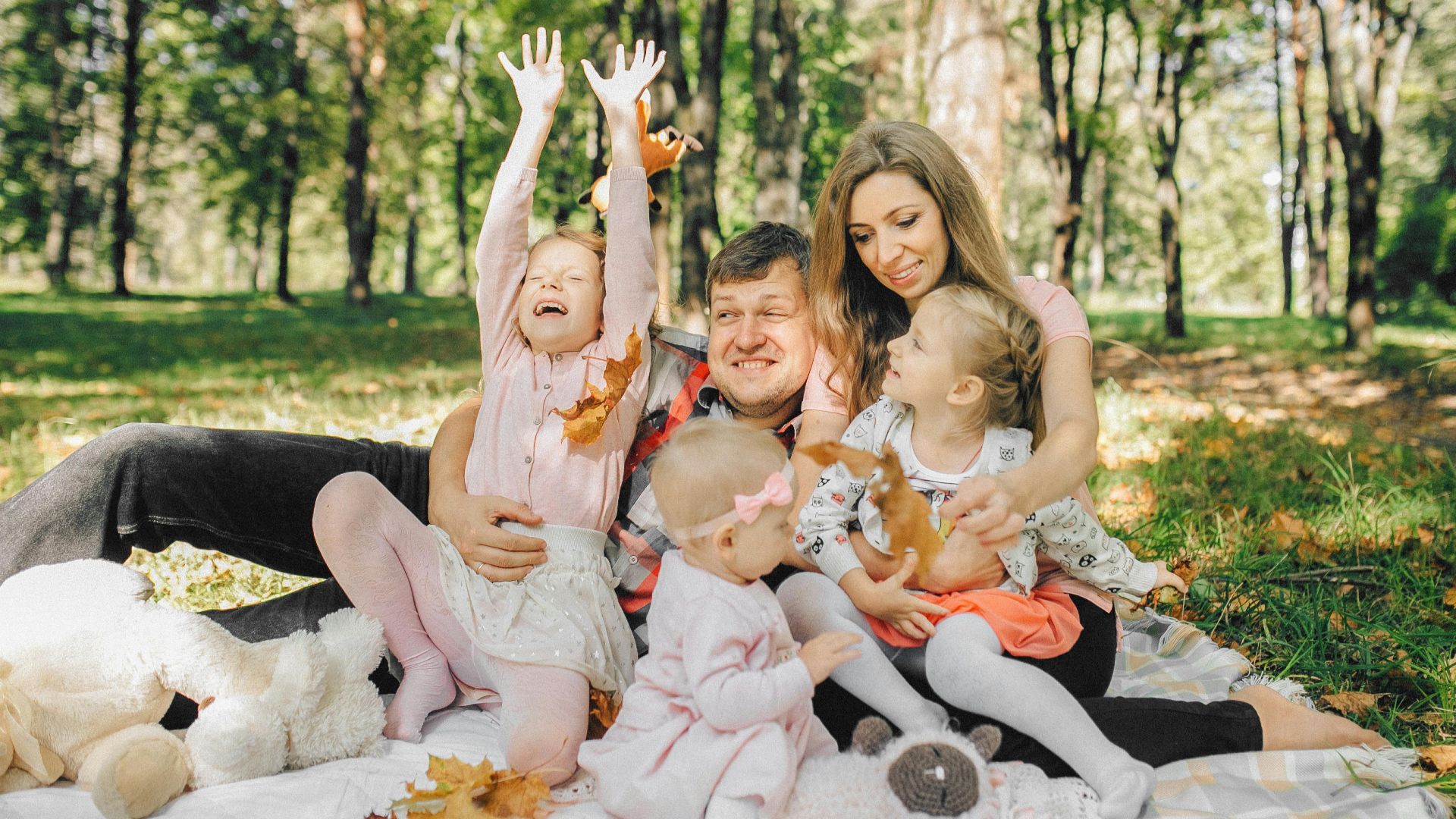
Kids are often comfortable saying they don’t understand something. Adults, on the other hand, may avoid admitting uncertainty. Their honesty creates opportunities to learn without pressure. It shows that acknowledging gaps in knowledge is part of growth.
14. When They Offer Simple Solutions
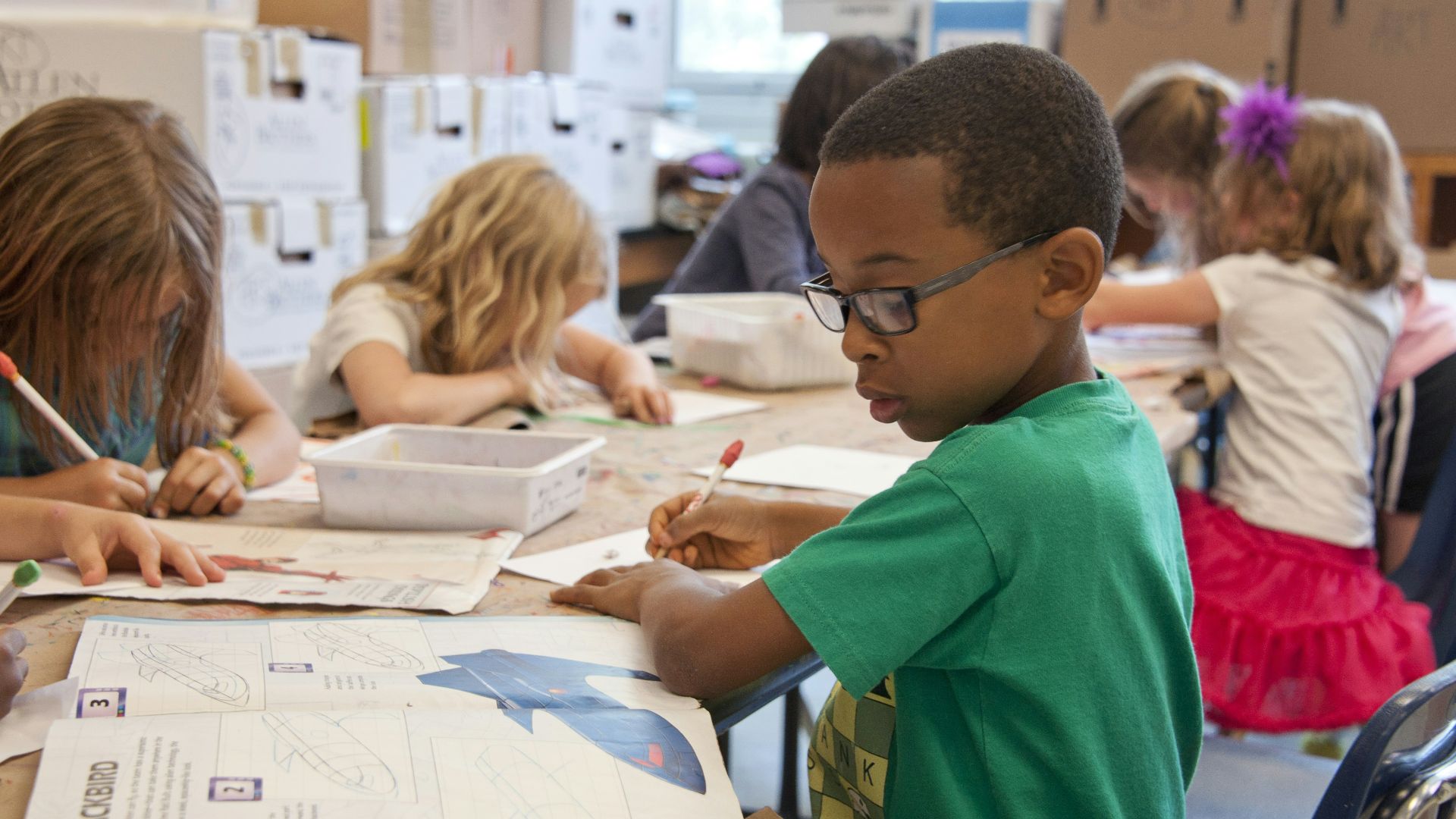
Sometimes, a problem you’ve been overthinking gets a straightforward suggestion from your child. Their solution might not be complex, but it’s often practical.
15. When They Stay Present
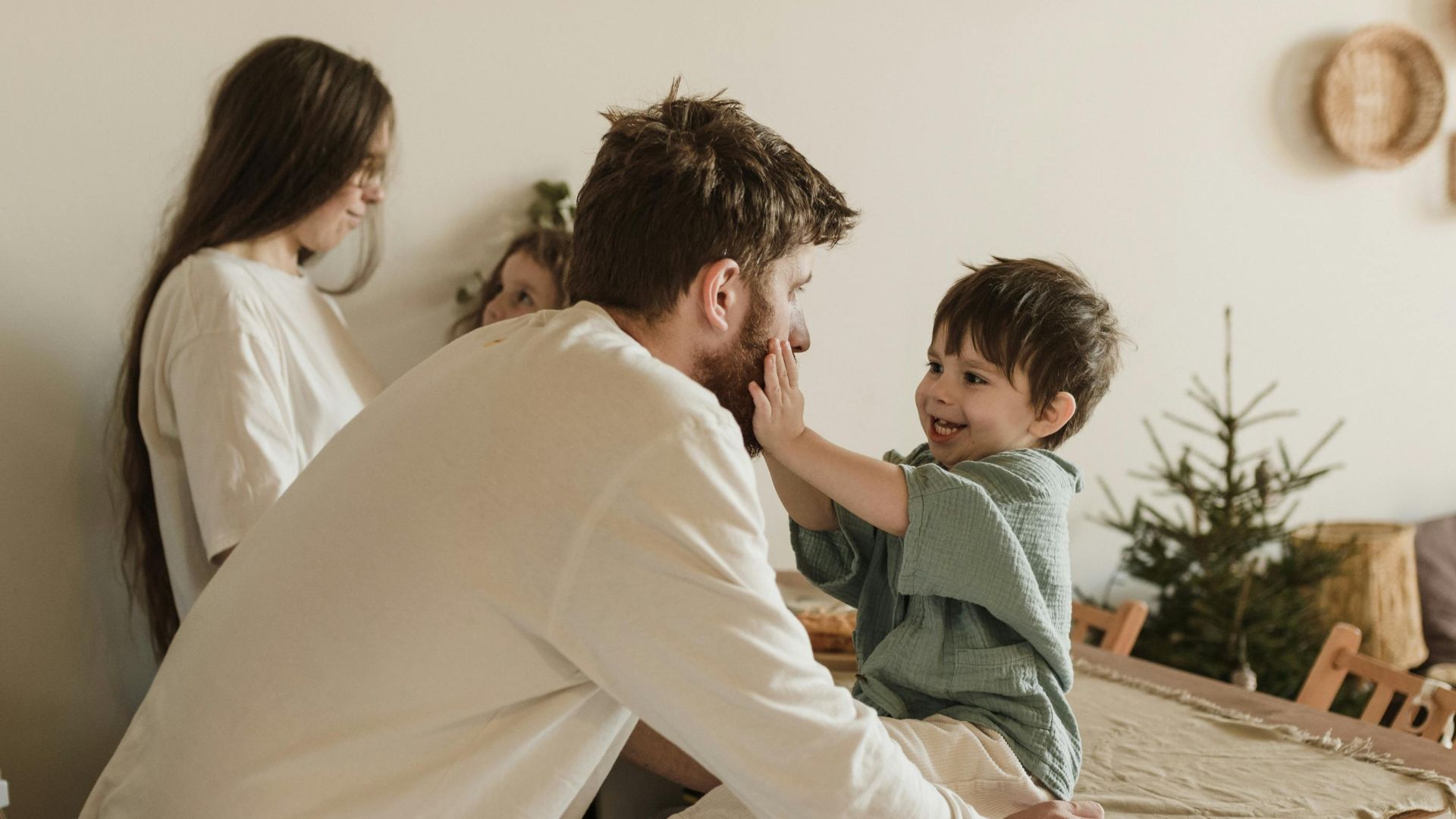
Children tend to focus on what’s happening right now instead of worrying about the past or future. That presence can feel refreshing when compared to the adult habit of overthinking.
16. When They Show Gratitude Naturally
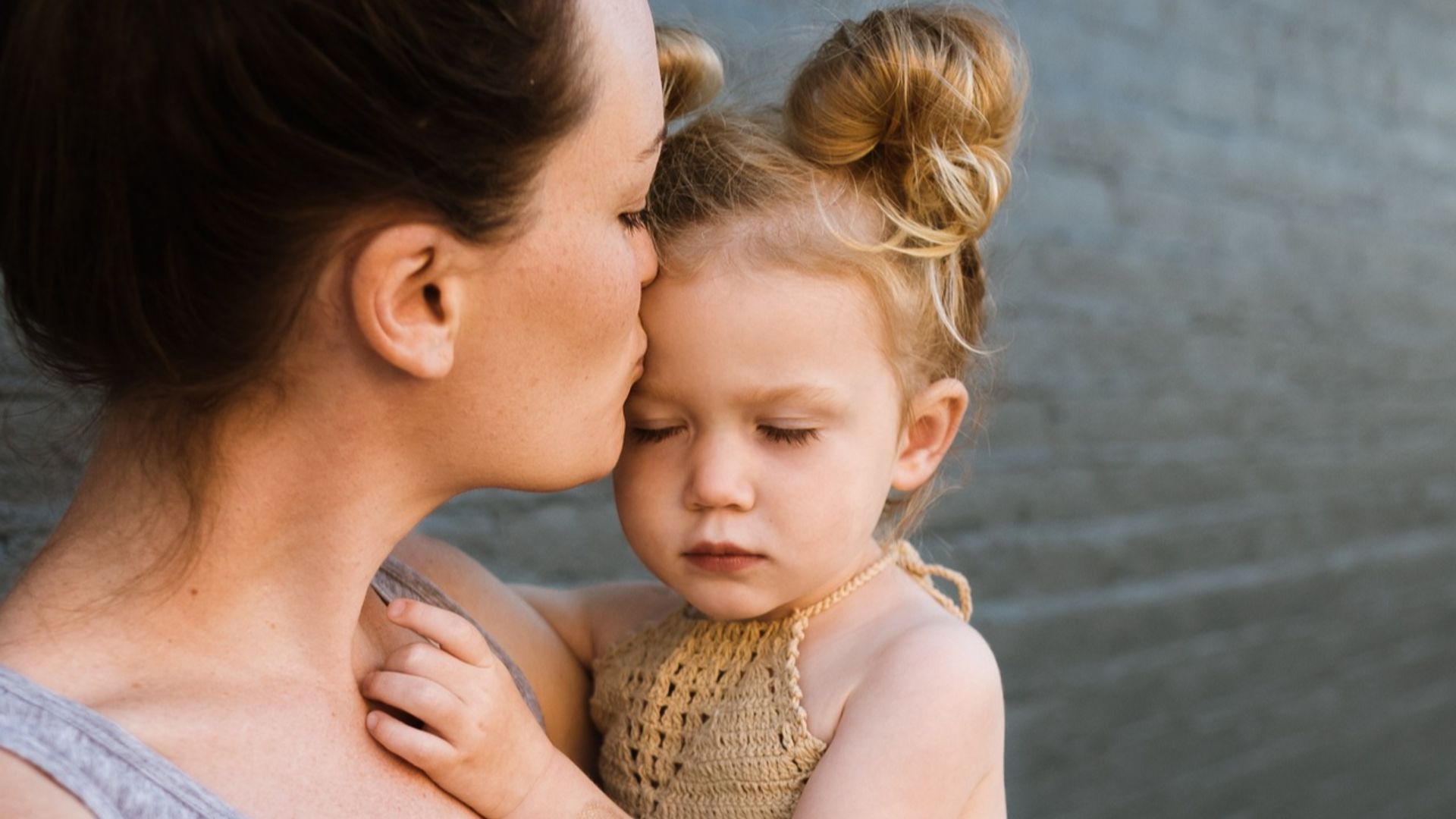
A child expressing genuine thanks for something small can feel meaningful. They’re not doing it out of obligation but from appreciation. Adults sometimes overlook everyday positives or take them for granted.
17. When They Forgive Quickly
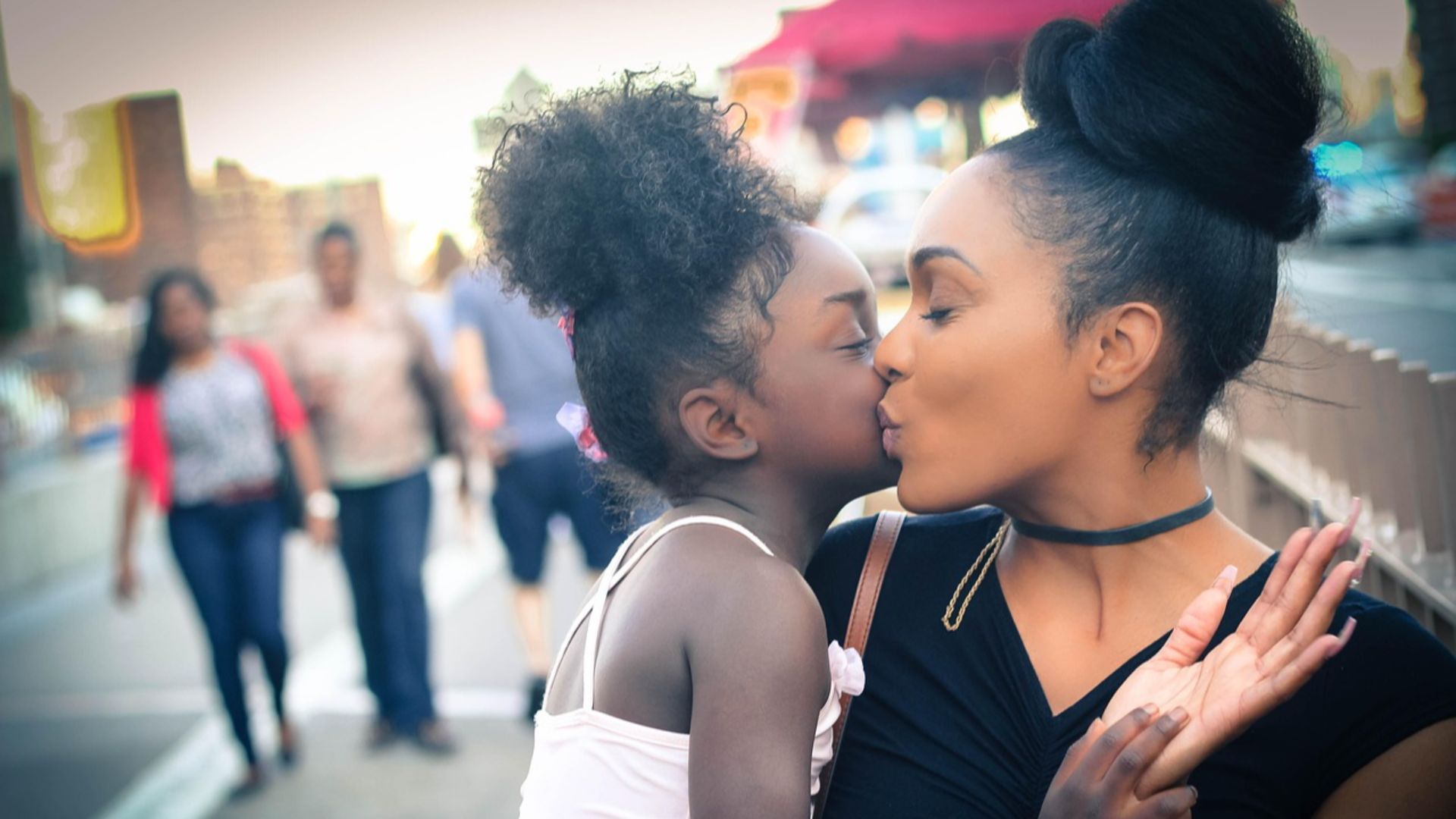
Kids often move past hurt feelings faster than adults expect. That ability to forgive without holding onto resentment is significant. It shows how letting go can improve relationships.
18. When They Set Boundaries Clearly
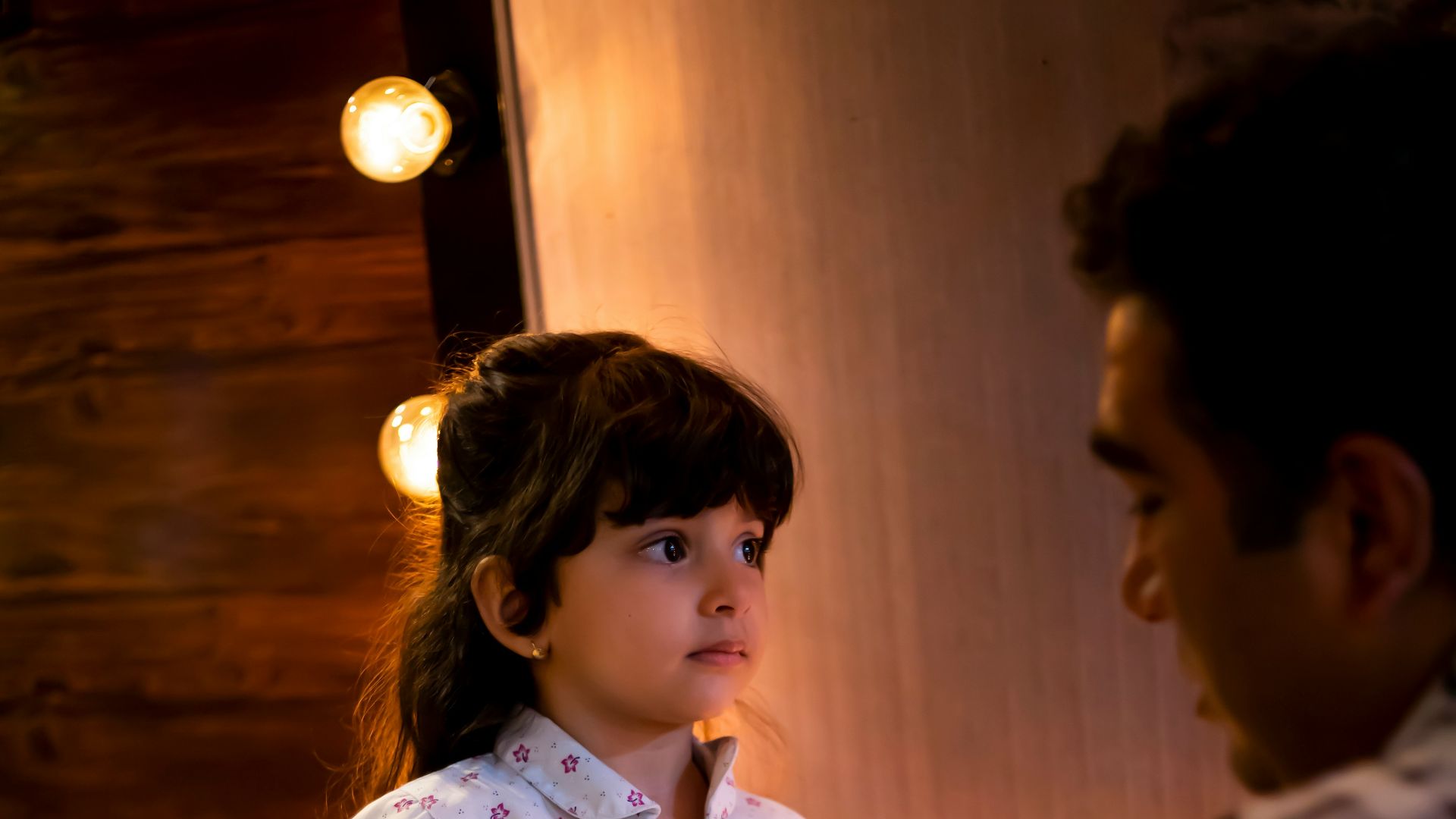
A child saying they don’t like something or need space demonstrates self-awareness. While adults may struggle to communicate boundaries, kids often do it directly. Their clarity can encourage healthier communication.
19. When They Prioritize Fun Without Guilt
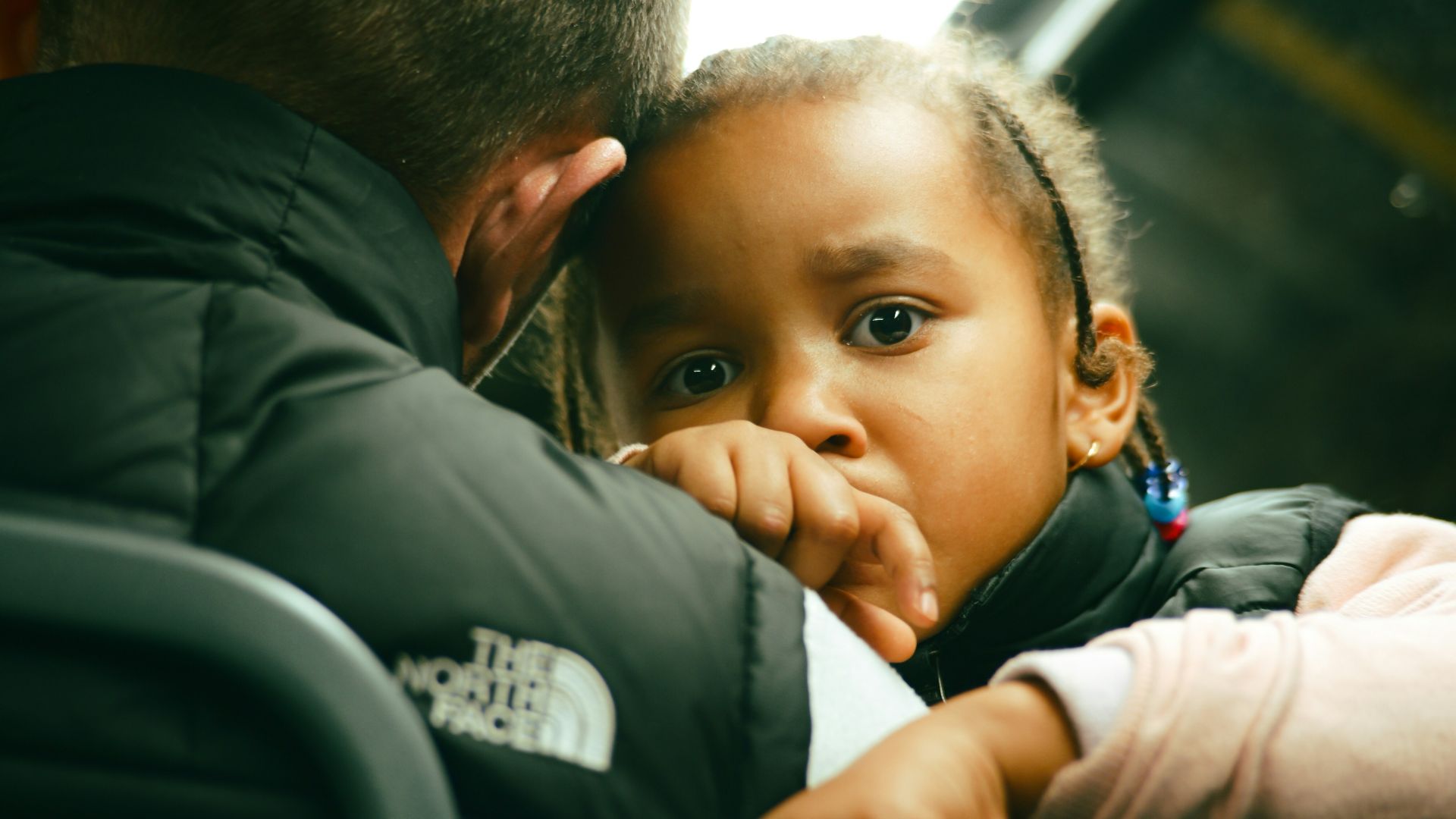
Kids don’t usually feel guilty for enjoying themselves. They engage in activities because they’re enjoyable, not because they’re productive.
20. When They Remind You What Matters
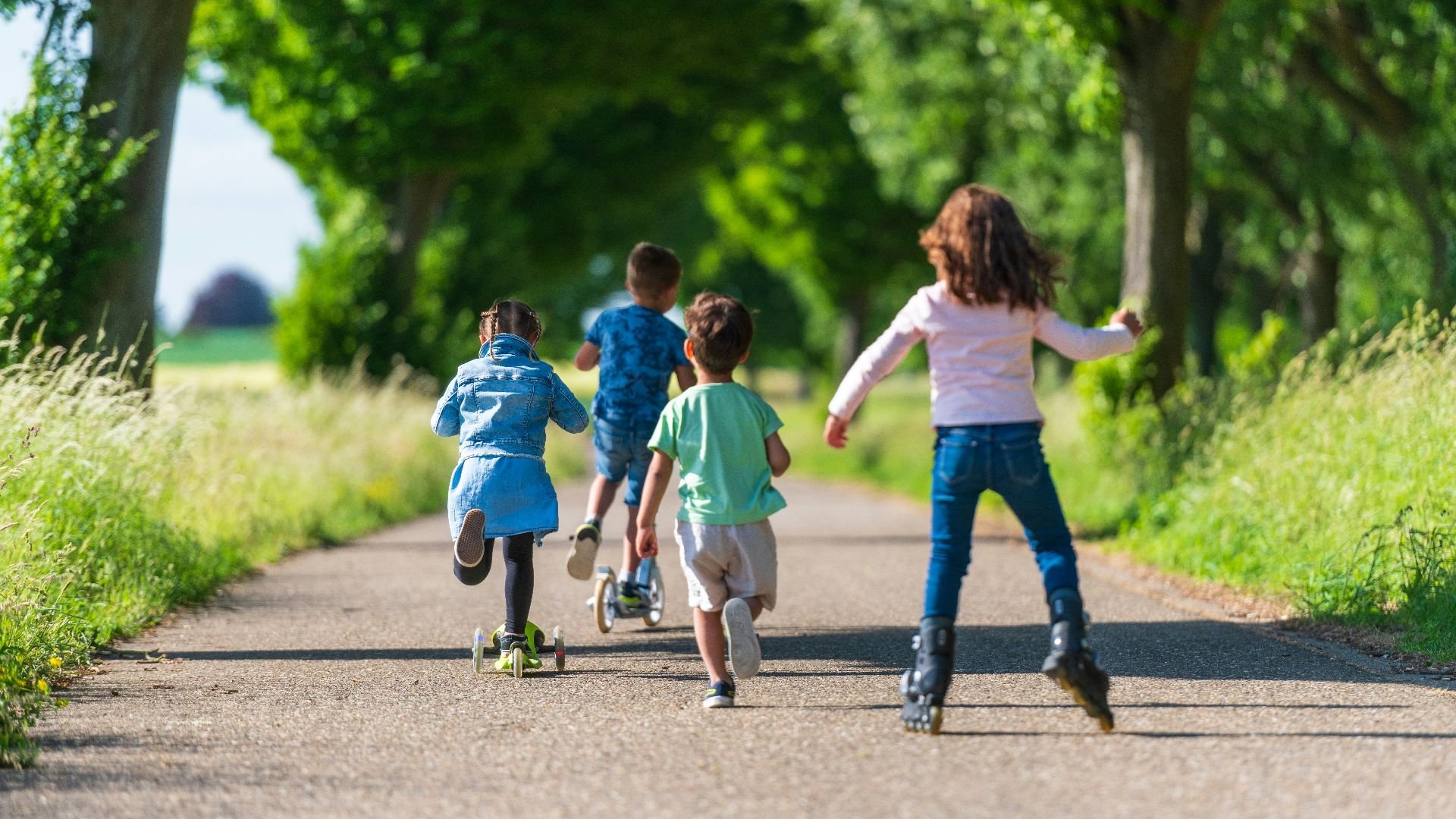
At times, a child’s comment or choice can bring your focus back to what’s truly important. Whether it’s family, time together, or simple happiness, their priorities are often clear.