
Beyond The Hype
Bringing a baby home feels less like a dream and more like getting dropped into someone else's chaotic life. Sleep becomes a distant memory. Your body aches in new ways. Emotions hit you out of nowhere, and suddenly you're crying over nothing—or everything. These struggles aren't signs you're doing it wrong. They're just part of the journey, so let's look at some common challenges first.

1. Sleep Deprivation
Those first weeks home feel like living in a time warp where day bleeds into night and back again. Newborns wake frequently to feed both day and night, their short sleep cycles causing repeated awakenings that leave parents catching rest in fragmented stretches.

2. Feeding Difficulties
Newborns may struggle with latching or coordinating sucking and swallowing, turning what seems like a natural process into a surprisingly complex dance of patience and persistence. Feeding sessions can take a pretty long time at first.

3. Constant Crying And Colic
Crying often increases during the evening hours. This gives rise to what many parents call the "witching hour," when nothing seems to soothe their little one. Some babies cry intensely even when fed and changed, with no obvious solution in sight.
 Antoni Shkraba Studio on Pexels
4. Diaper Blowouts And Rashes
Sensitive newborn skin reacts easily to moisture, making diaper duty more complex than simply changing when things look messy. Newborn stools are frequent and can leak beyond diapers. Rashes tend to develop quickly without frequent diaper changes.

5. Postpartum Recovery
The human body needs time to heal after childbirth, yet the demands of newborn care don't wait for you to feel physically ready. Discomfort can affect daily movement and sleep, making simple tasks like walking to the nursery or lifting your baby feel more challenging.

6. Emotional Rollercoaster
Feelings can range from joy to sadness in the same day, sometimes within the same hour, leaving you wondering if you're managing things "correctly." Hormonal shifts after birth affect mood in ways that feel entirely disconnected from your actual circumstances.

7. Loss Of Personal Time And Identity
Personal routines are often interrupted before they even begin, as newborn care demands immediate attention regardless of what you had planned. Newborn care requires frequent, hands-on attention, leaving little room for the routines that once defined your daily rhythm.

8. Relationship Strain With Partner
Less time together can increase tension between partners who used to have hours to connect and communicate freely. Sleep loss can affect communication between partners, making small disagreements feel larger. Shared responsibilities may feel unbalanced at times.

9. Overwhelming Visitor Expectations
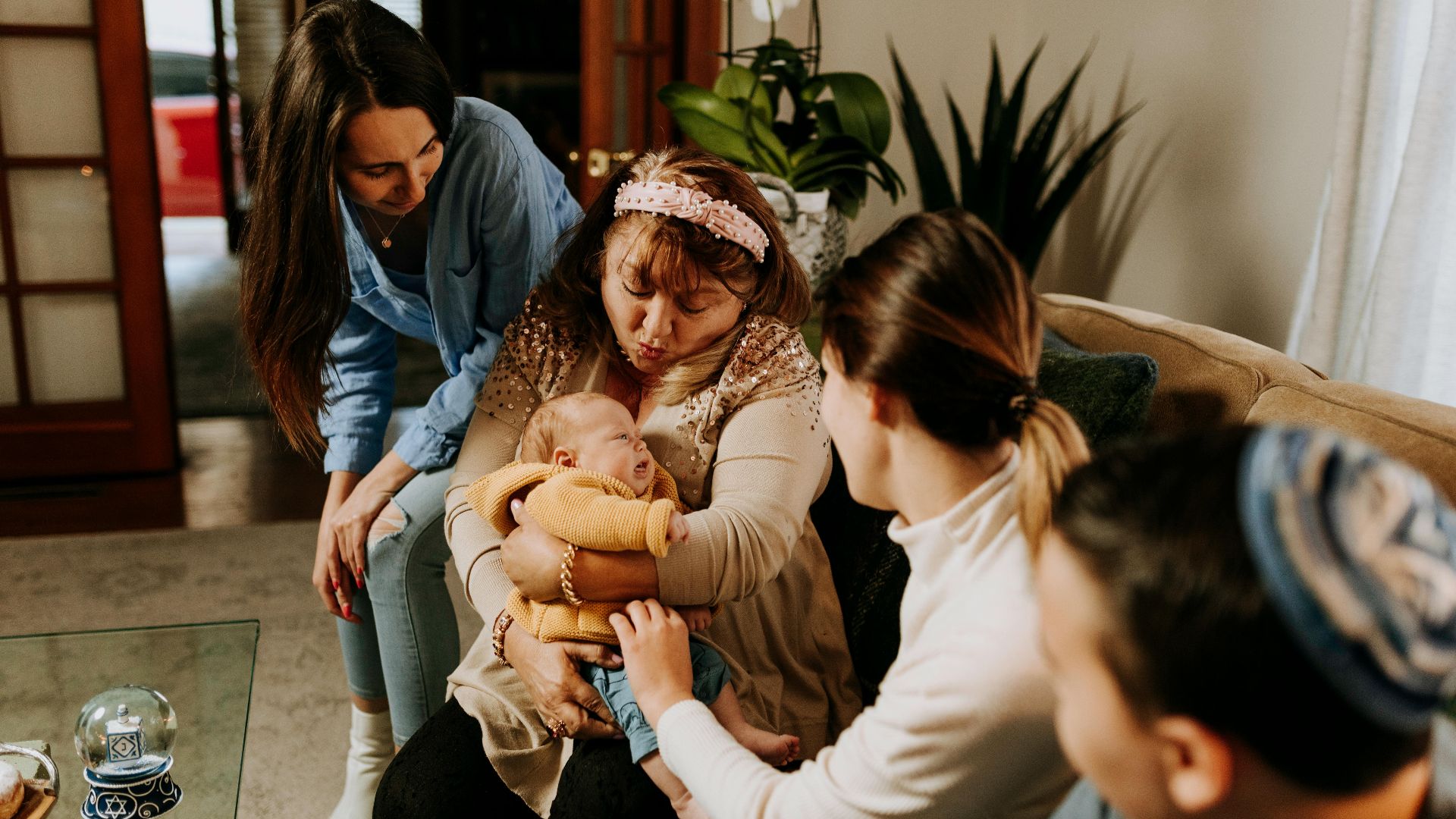
Hosting guests can feel exhausting during recovery when you're already running on empty and trying to establish routines. Visitors may want access to the baby soon after birth, arriving with excitement that doesn't always account for your need for rest and privacy.
10. Financial Stress
Medical and care-related expenses can increase suddenly, from unexpected hospital bills to the realization that babies outgrow clothing at an alarming rate. Newborns require ongoing supplies like diapers and clothing. Income changes may also occur during parental leave, reducing household earnings.

Recognizing the problems matters, but solutions matter more. Let's get into them.
1. Establish A Flexible Routine
Flexible routines adapt better to feeding and sleep shifts. It allows you to respond to your baby's cues without feeling like you've failed some invisible test. Most babies naturally settle into clearer patterns over time.

2. Prioritize Rest Through Shift Sharing
Even short rest periods can noticeably improve mood, turning you from zombie to functional human with just a few hours of uninterrupted sleep. Sharing night duties allows each caregiver uninterrupted sleep. After all, sleep improves alertness and patience during caregiving.

3. Use Safe Sleep Practices
A firm, clear sleep surface reduces sleep risks, giving you peace of mind that your baby's sleeping environment is as safe as possible. Newborns should sleep on their backs for every sleep session, a practice that significantly lowers the risk of sleep-related incidents.

4. Streamline Feeding Preparation
Night feeds are easier with organized essentials nearby—imagine stumbling to the kitchen at 3 AM versus simply reaching for a pre-prepped bottle on your nightstand. Preparing supplies in advance saves time during feeds. Simplified prep reduces stress when the baby is hungry.

5. Practice Skin-To-Skin Contact
Babies often regulate temperature better during contact. This makes skin-to-skin both a bonding experience and a practical solution for keeping your newborn comfortable. Skin-to-skin contact helps calm newborns in ways that blankets and rocking sometimes can't.

6. Learn Soothing Techniques
Soft sounds often help newborns relax, whether it's white noise, gentle humming, or even the rhythmic sound of a running vacuum cleaner. Gentle rocking can calm a crying baby, tapping into their memory of movement from the womb.

7. Simplify Household Tasks
Essential tasks can be prioritized over non-urgent ones, meaning dishes can wait, but feeding your baby cannot. Newborn care leaves limited energy for chores, so attempting to maintain pre-baby cleaning standards is a recipe for frustration and burnout.

8. Build A Support Network
Shared experience offers reassurance to new parents who often wonder if what they're experiencing is normal or if they're somehow doing everything wrong. Support can include family, friends, or community groups, drawing a circle of people who understand the challenges you're facing.

9. Manage Postpartum Emotions
Rest and support influence emotional balance more than many new parents realize. Besides, talking about feelings can provide relief, releasing the pressure that builds when you keep difficult emotions locked inside. Emotional stability often improves as routines form.

10. Track Baby's Milestones
Quite naturally, milestones help parents notice developmental changes that might otherwise blur together in the exhausting early weeks. Babies develop skills at different paces, so comparison with other babies typically generates anxiety rather than any helpful information.