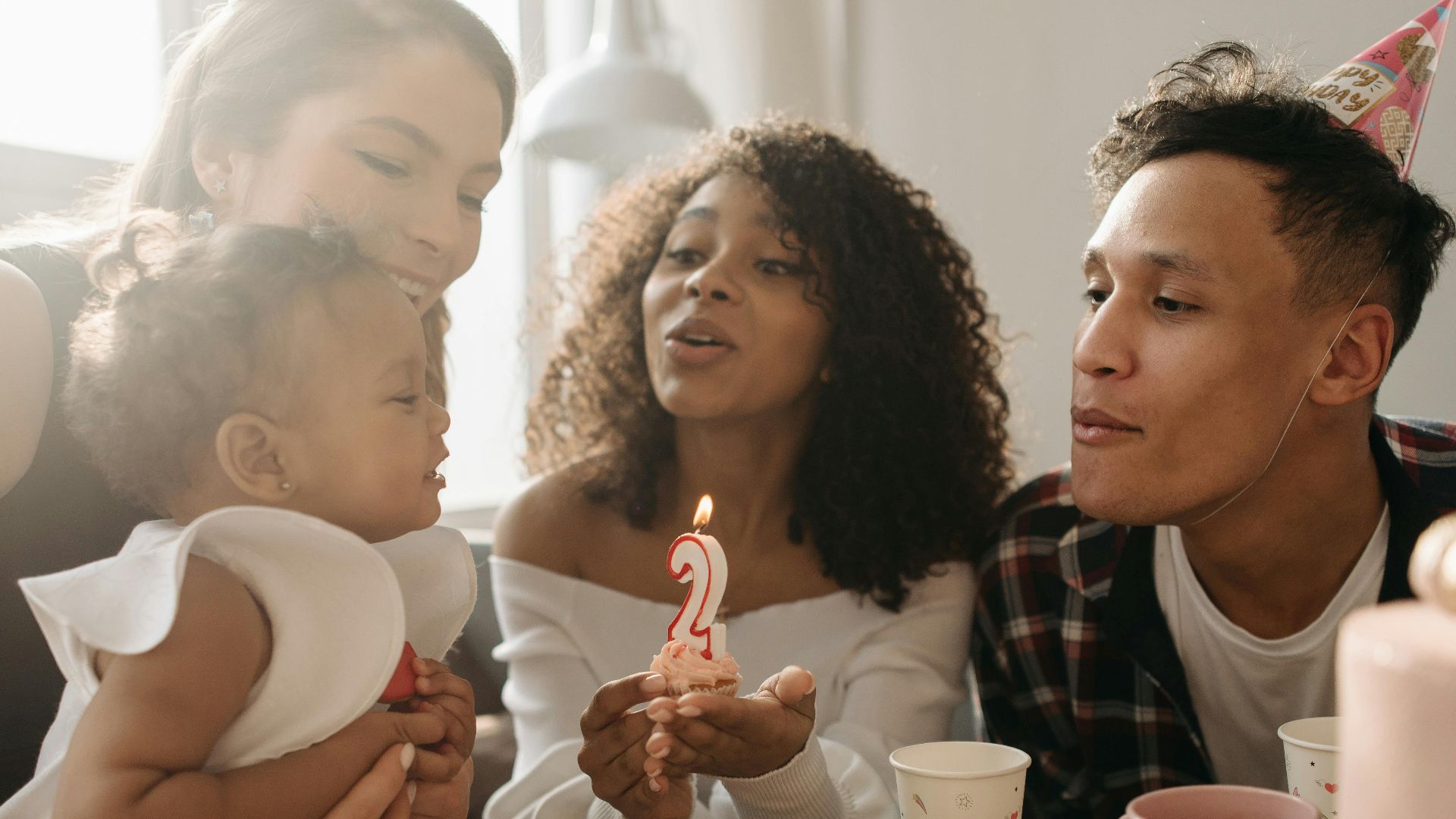
Parenting can be one of life’s greatest joys, true. But it can also feel like one of its loneliest journeys. Today, more families are raising children apart from extended family, neighbors, and community networks that once surrounded and supported parents at every stage. This isolation isn’t just emotional. Research shows it can affect mental health, parenting confidence, and even child development. But there’s good news. A growing body of peer-reviewed science and time-tested cultural wisdom reminds us that raising children together, not alone, is both comforting and foundational to thriving families.
The Science of Connection: How Support Improves Parenting and Well-Being
Modern research consistently shows that social support isn’t just optional or a bonus when it comes to our well-being. It plays a measurable role in strengthening both parents and children. The more social support we perceive we have, the lower our parenting stress, with fewer depressive symptoms and more positive parenting practices among mothers of young children. Social connectedness reduces feelings of isolation and promotes parenting knowledge exchanges among peers. It also offers access to community resources that can nurture healthier families.
One recent study even found that parents who reported higher shared parenting responsibilities, where caregiving is distributed rather than lived alone, had lower rates of depression. Their children showed fewer emotional and behavioral problems over time.
In short, having support and sharing parenting responsibilities helps parents feel healthier and more capable, while strengthening the whole family.
Shared Parenting Is Practical And Builds Confidence
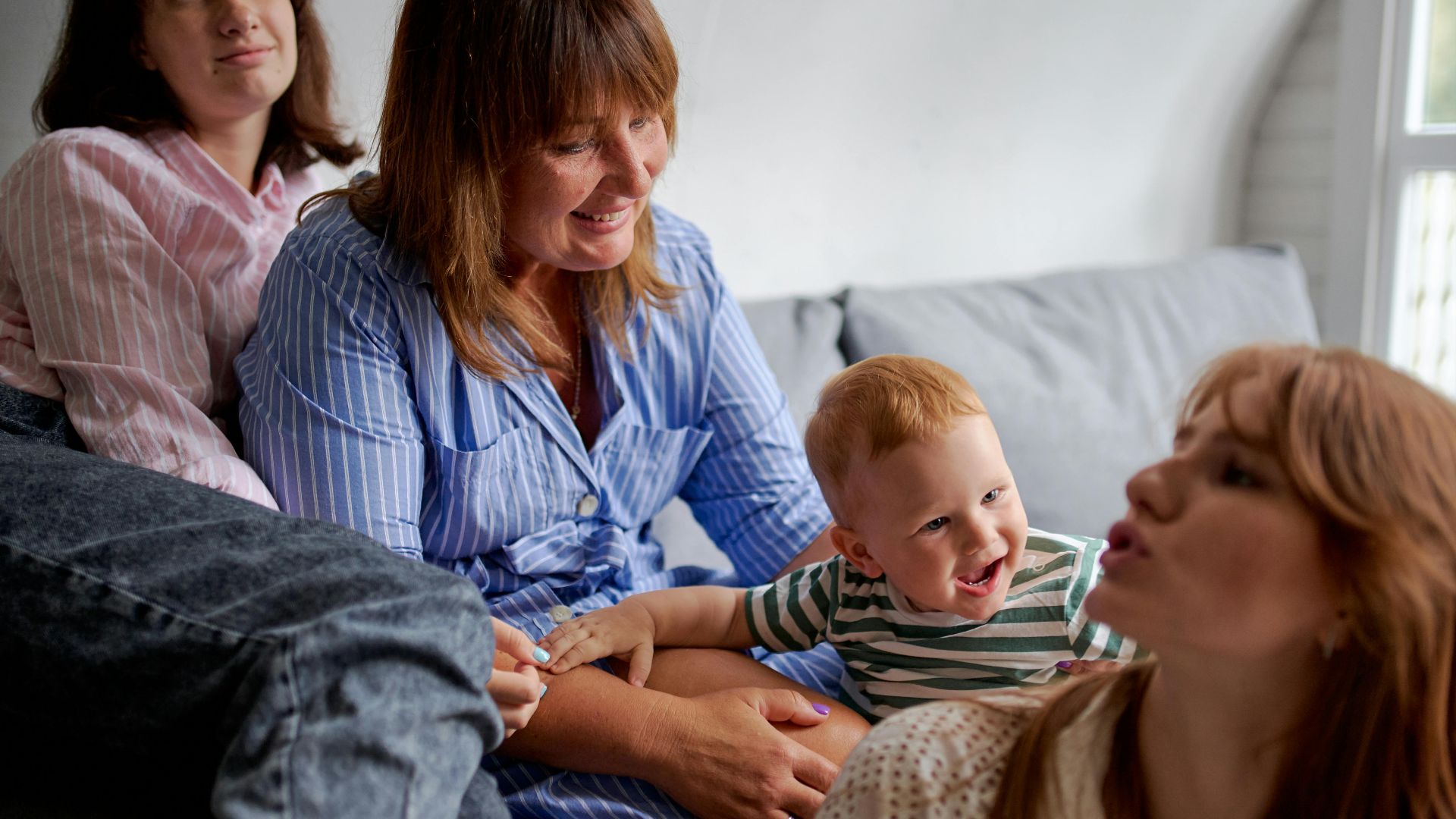
Beyond emotional relief, community and shared parenting cultivate something deeper: a sense of purpose and self-efficacy. Parents who feel supported find more meaning in parenthood and enjoy stronger self-confidence. This is turn improves parent-child relationships.
This research echoes what many cultures have known for centuries: it takes a village to raise a child. Traditional societies often relied on extended family members — grandparents, aunts, cousins, other neighbors. They would share caregiving, encouragement, and wisdom. These shared roles weren’t just logistical. They affirmed parents’ identities and created a sense of belonging for both children and adults.
Even contemporary education and support groups for lone mothers show that shared spaces where parents exchange experiences and encouragement can enhance well-being. Support improves self-esteem, coping skills, and communication with children. This combination of emotional support and shared insight is what turns isolation into empowerment.
Cultural and Community Wisdom: Belonging as a Foundation
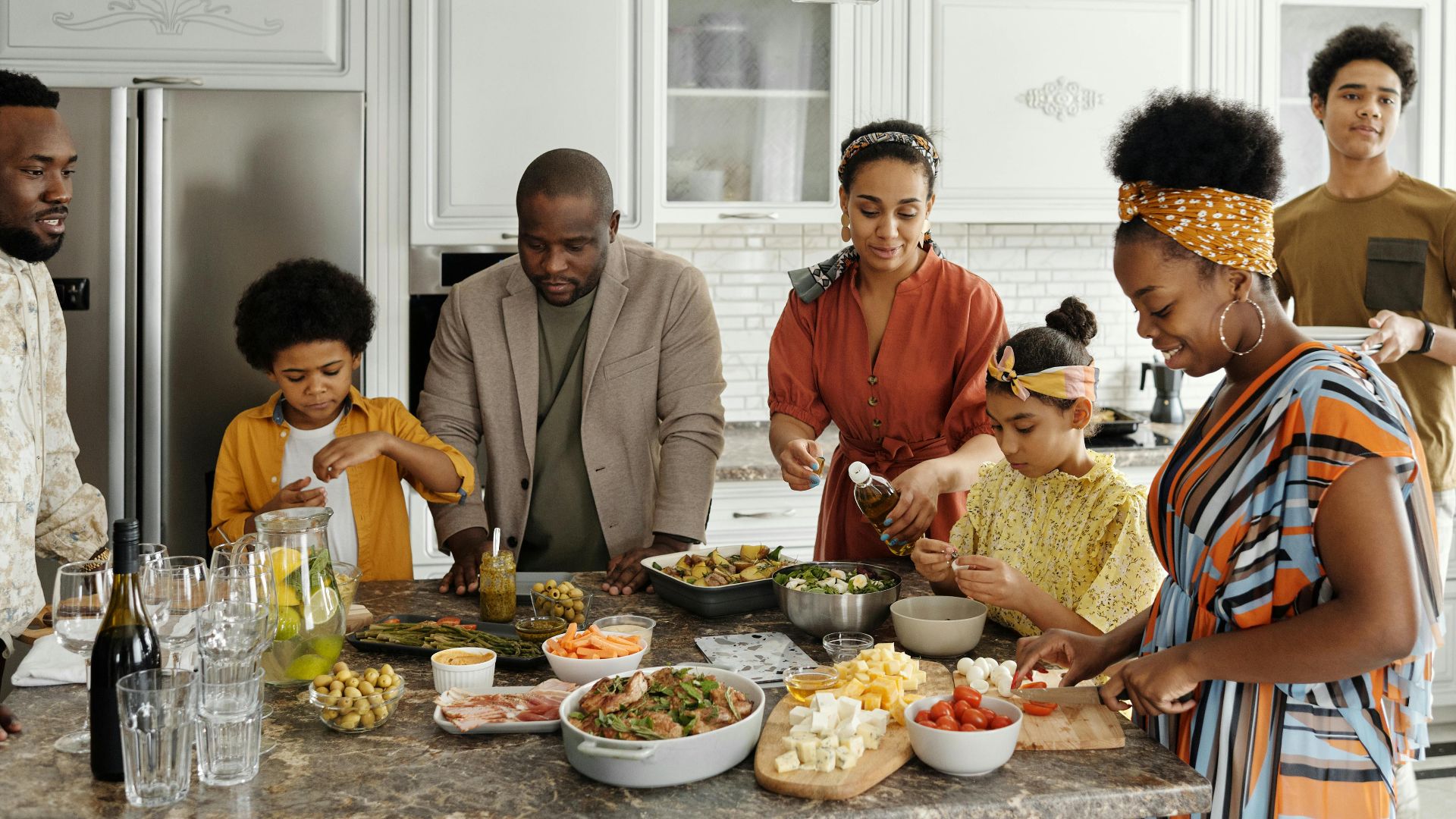
Across cultures, community involvement in parenting has been a core value. Whether it’s extended families gathering for meals or neighbors watching over each other’s children. Village elders offering guidance or multigenerational homes. Many traditions treat parenting as a shared human responsibility, not an isolating one. This view isn’t just sentimental. It fosters healthy child development through consistent, intergenerational involvement. Parents then benefit from a network of experienced voices to lean on.
Even in modern community health programs worldwide, including structured parenting workshops and positive behavior initiatives, the most impactful elements consistently involve connection and shared learning. Where there's mutual support, there's enhanced well-being.
One increasingly popular idea is micro-communities: small, intentional groups of parents who meet regularly, whether weekly park playdates, rotating home dinners, or shared school pick-ups. These groups keep support manageable and meaningful. Some parents are forming childcare co-ops, where families take turns watching each other’s children for a few hours each week. This not only reduces costs but also builds trust and allows children to feel safe across multiple homes. Others are turning to skill-sharing parenting circles, where parents swap strengths rather than money: one parent cooks for the group, another helps with homework, another organizes outdoor play. These exchanges create a sense of contribution and belonging
Feeling isolated as a parent isn’t a personal failure. It’s a symptom of how much we’ve lost our communal roots. But science and tradition agree: reclaiming community support and shared caregiving can transform isolation into connection, stress into confidence, and individual parenting into collective resilience. If you’re feeling alone, remember: parenting wasn’t meant to be done alone. Reach out, build support, and let your community support you and your children to thrive.