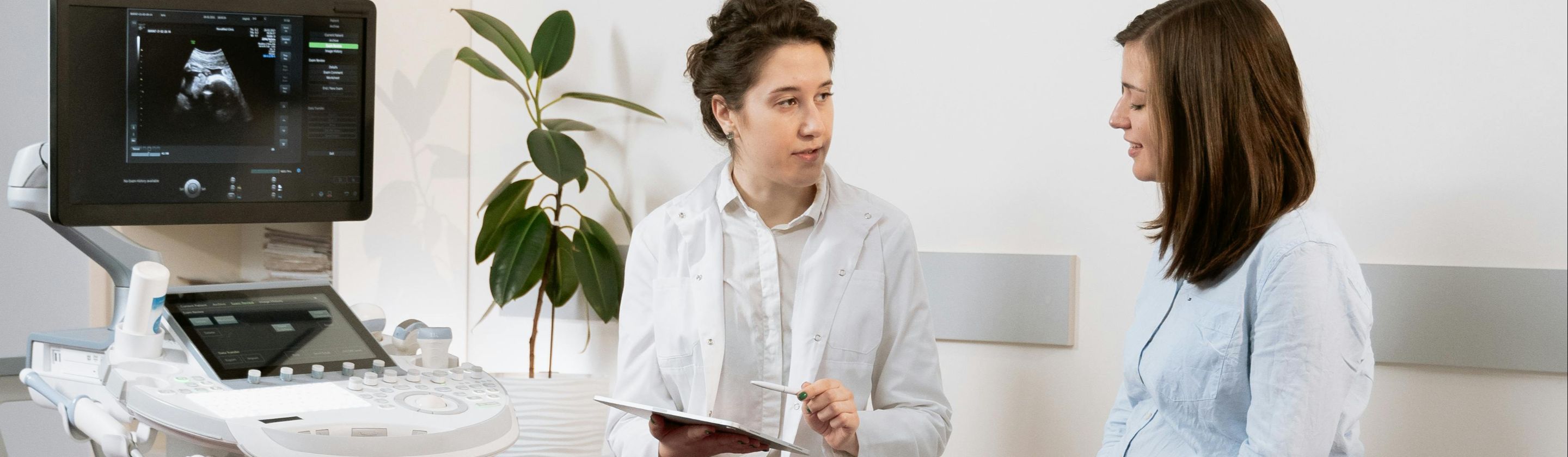
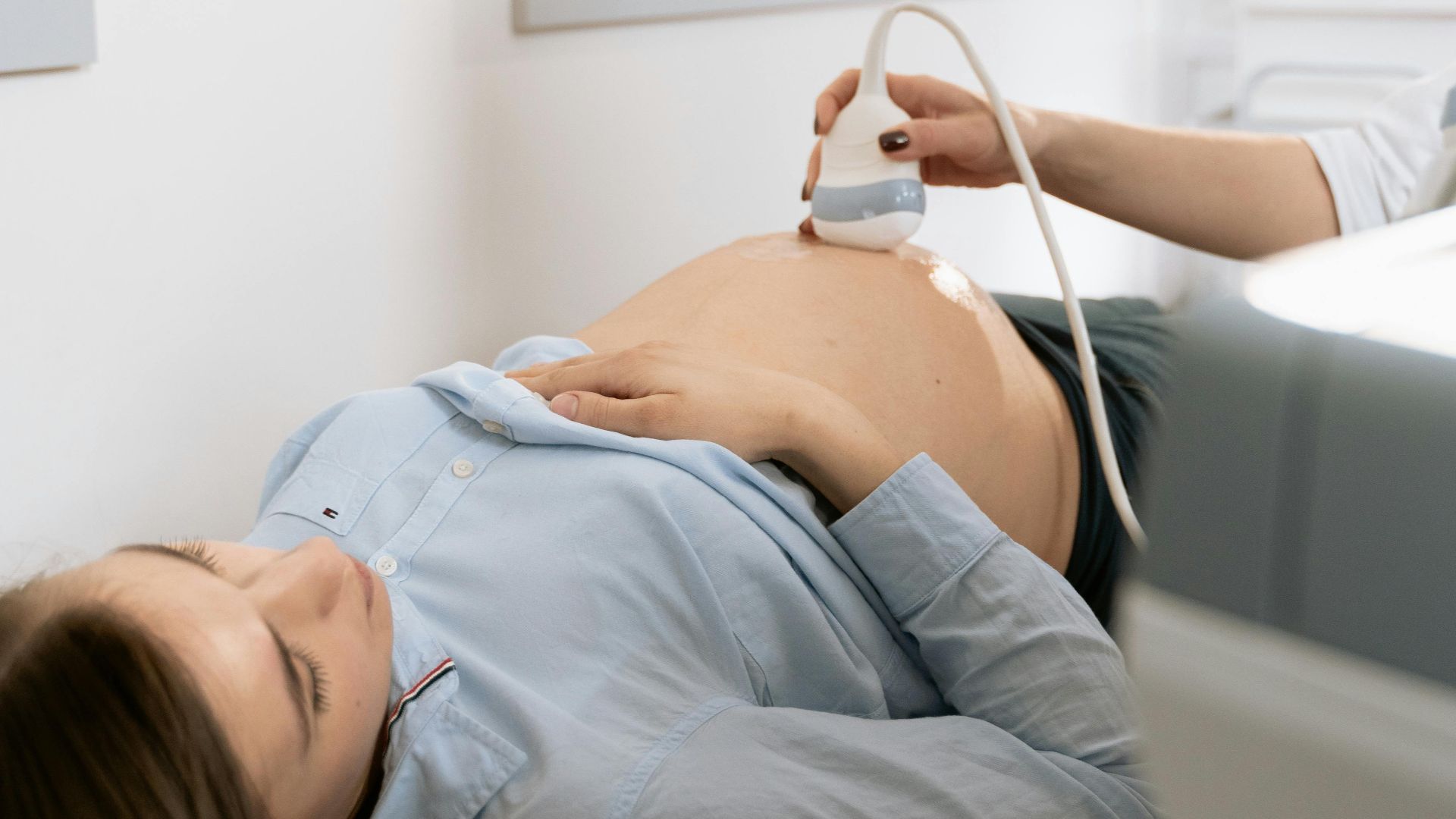
When someone’s water breaks during pregnancy, it means the amniotic sac surrounding the baby has opened. This sac holds amniotic fluid, which cushions the baby and helps prevent infection. The rupture may feel like a sudden gush or a slow, steady trickle. Either can be normal. What matters most is recognizing what is happening and responding in a calm, informed way.
Labor may begin shortly after the water breaks, but that does not always happen. Some people experience contractions within hours, while others may wait longer. Because the protective barrier is gone, the risk of infection increases over time. For that reason, healthcare providers rely on clear communication, careful observation, and timely decisions. Understanding the right actions to take can lower the risk of complications, and support a safer delivery without unnecessary stress.
Confirm What Is Happening And Monitor The Fluid
Amniotic fluid is usually pale yellow or clear and often has a mild, neutral smell. It may continue leaking even after using the bathroom or changing positions. Unlike urine, it cannot be controlled by tightening pelvic muscles. If there is uncertainty, a healthcare provider can confirm membrane rupture using clinical exams and lab testing.
Pay close attention to the color and consistency of the fluid. Green or brown fluid can signal the presence of meconium, which is a baby’s first stool, and when it appears in amniotic fluid, it can indicate fetal stress and requires prompt medical evaluation. Fluid that appears to have a lot of blood in it is also a reason to seek urgent evaluation. Noting the time the leaking started is important, since the length of time after rupture affects infection risk and medical planning.
Contact A Healthcare Provider And Follow Guidance
Once the water breaks, a doctor or midwife should be contacted right away, even if contractions have not begun. Providers use this information to decide next steps based on gestational age, Group B strep status, and overall pregnancy health. Some people are instructed to go directly to the hospital, while others may be advised to wait at home briefly under specific conditions.
Follow all instructions carefully. Anything that could introduce bacteria into the birth canal should be avoided. This includes tampons, douching, and sexual intercourse. Most providers allow showers, but soaking in a bathtub is often discouraged unless approval is given. Clean, dry pads may be used to absorb leaking fluid while monitoring symptoms.
Recognize Signs That Require Immediate Care
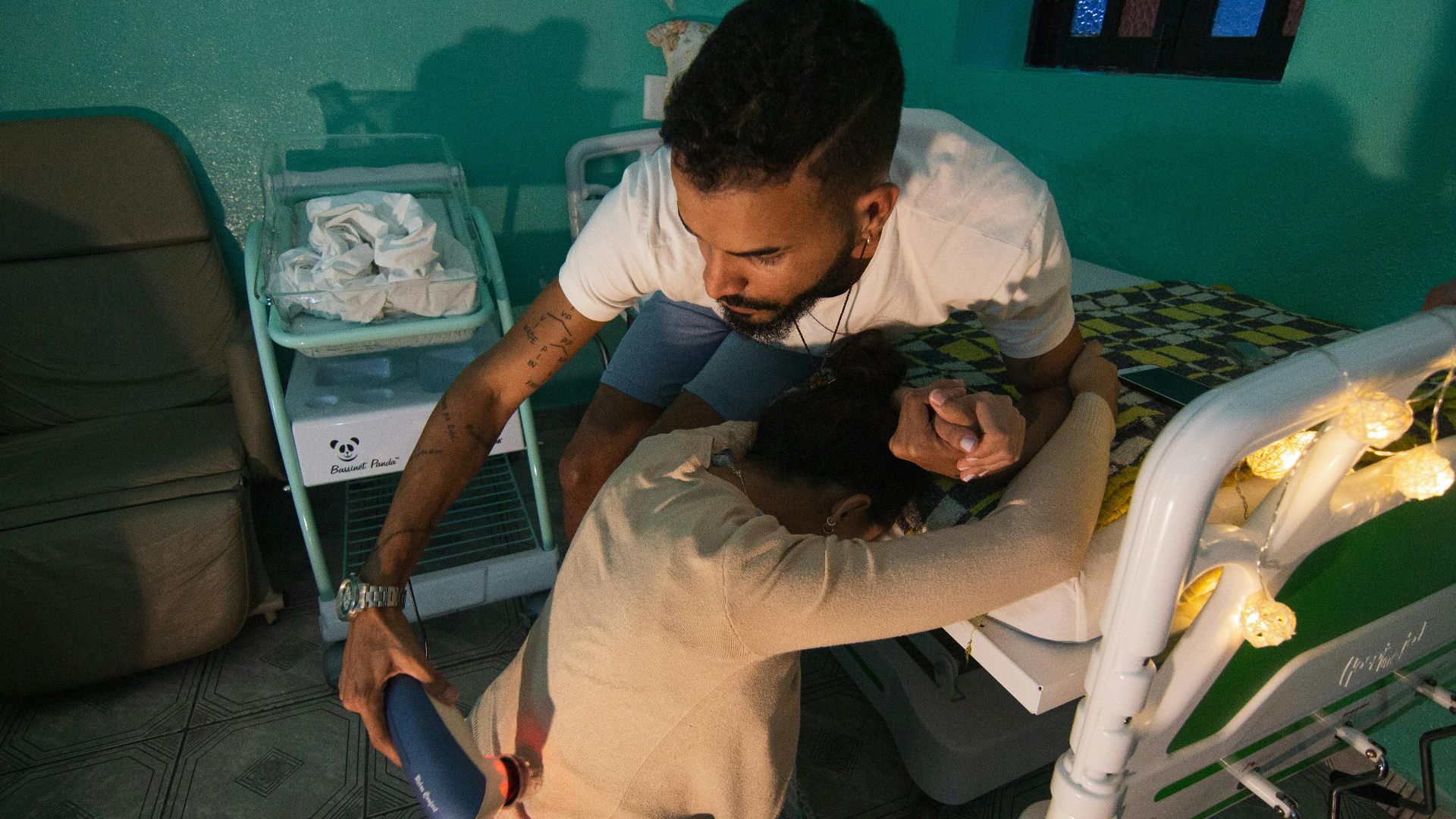
Certain symptoms mean medical care is needed without delay. These include fever, foul-smelling fluid, heavy vaginal bleeding, or reduced fetal movement. Regular, painful contractions are also a clear signal to go to the hospital or birthing center as soon as possible. Trusting these warning signs helps prevent serious complications.
When the water breaks before 37 weeks of pregnancy, immediate medical evaluation is necessary. Early rupture increases the risk of infection and can interfere with normal fetal development, particularly the lungs. Hospital monitoring is often required so providers can track symptoms and decide on the safest timing for delivery.