
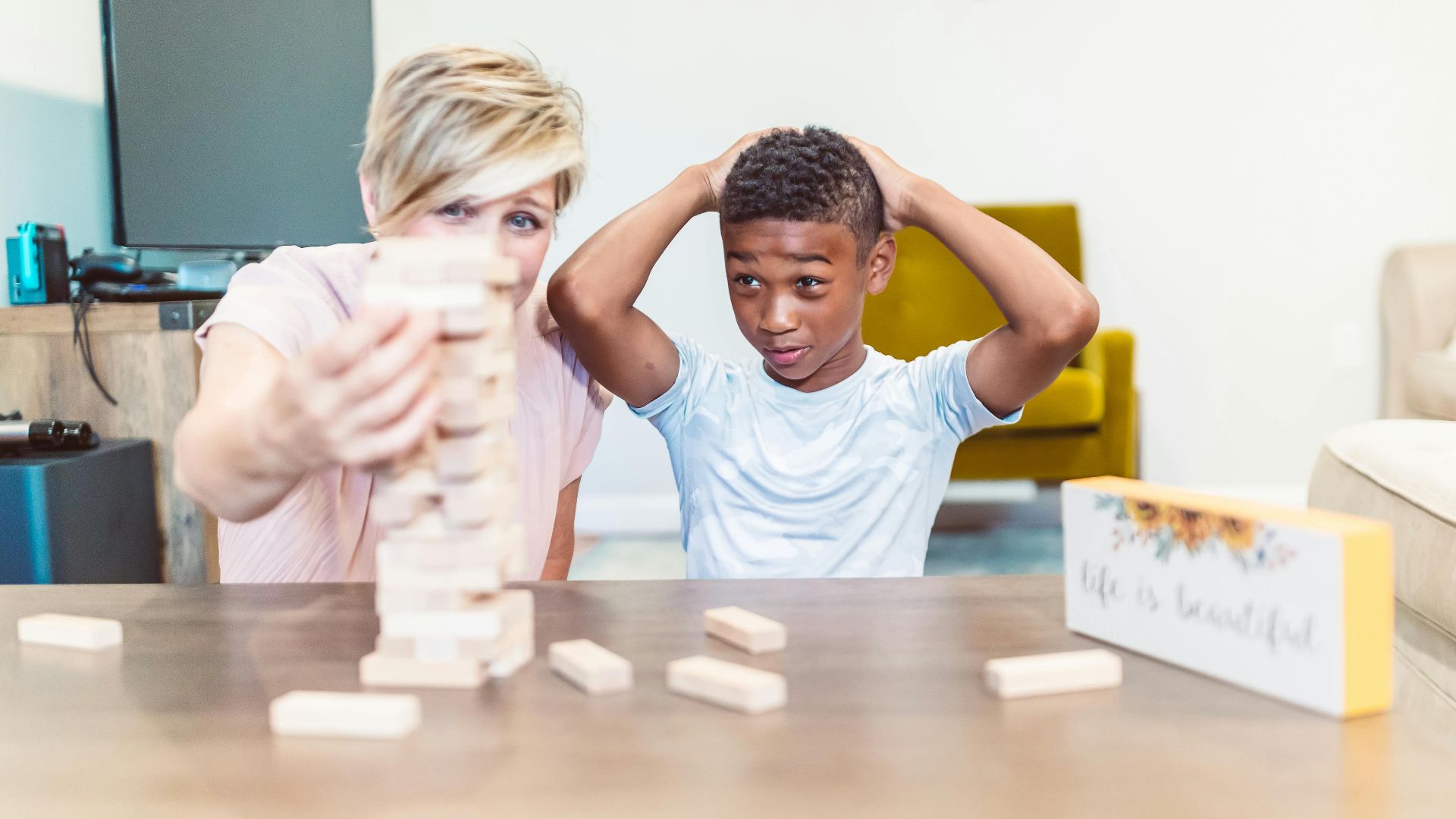
Modern family life moves quickly, and it’s easy for meaningful connections to get squeezed between work, school, and digital distractions. Even when everyone is in the same space, attention is often divided among devices, chores, and outside obligations. Conversations become shorter, and shared experiences sometimes shrink to quick updates about the day. Without intentional time together, relationships can start to feel more logistical than personal.
Family game nights offer a simple way to slow things down and reconnect in a consistent, structured way. Gathering around a table for a shared activity creates space for laughter, conversation, and genuine interaction that isn’t rushed. It gives everyone a reason to be present without multitasking or checking notifications. While it may seem like a small ritual, its impact on long-term family bonds can be surprisingly powerful and deeply lasting.
Shared Experiences Create Lasting Connection
When families play games together, they build shared memories that become part of their collective story over time. Research in social psychology shows that positive shared experiences strengthen feelings of belonging and emotional attachment between individuals. Even small moments of fun, repeated consistently, contribute to a deeper sense of connection. These moments help family members associate one another with enjoyment and comfort.
Unlike passive activities such as watching television, games require active participation from everyone involved at the table. Players must listen carefully, respond thoughtfully, and engage with one another in real time as situations change. That mutual focus naturally increases interaction and reduces outside distractions that often fragment attention. The structure of a game encourages turn-taking and shared attention, which strengthens interpersonal awareness.
Over weeks and months, these experiences accumulate into something meaningful and steady. Inside jokes develop naturally, favorite games become traditions, and certain surprising moments get retold at holidays or gatherings. Those shared references reinforce the idea that you belong to something stable and supportive. When family members reflect on these memories, they often feel a renewed sense of closeness.
Communication Skills Grow In A Relaxed Setting
Game night creates a structured but low-pressure environment where communication can flourish without feeling forced. Players explain rules, clarify misunderstandings, and discuss strategies without the weight of serious real-world consequences. Because the stakes are low, conversations feel easier, more open, and less defensive. This relaxed tone makes it simpler for everyone to express themselves honestly.
Children especially benefit from this type of interactive exchange around the table. Studies in child development consistently show that structured play supports language growth, perspective-taking, and social awareness. When kids articulate their thinking during a game or negotiate a rule, they’re practicing clear expression in a supportive setting. Over time, that confidence in communication often carries into school and friendships.
Adults gain valuable insights as well during these shared activities. You might notice how your partner approaches decision-making or how your child responds to unexpected changes in the game. These small observations deepen understanding and empathy within the household. Stronger empathy naturally improves everyday conversations, even when topics become more serious.
Healthy Competition Builds Emotional Resilience
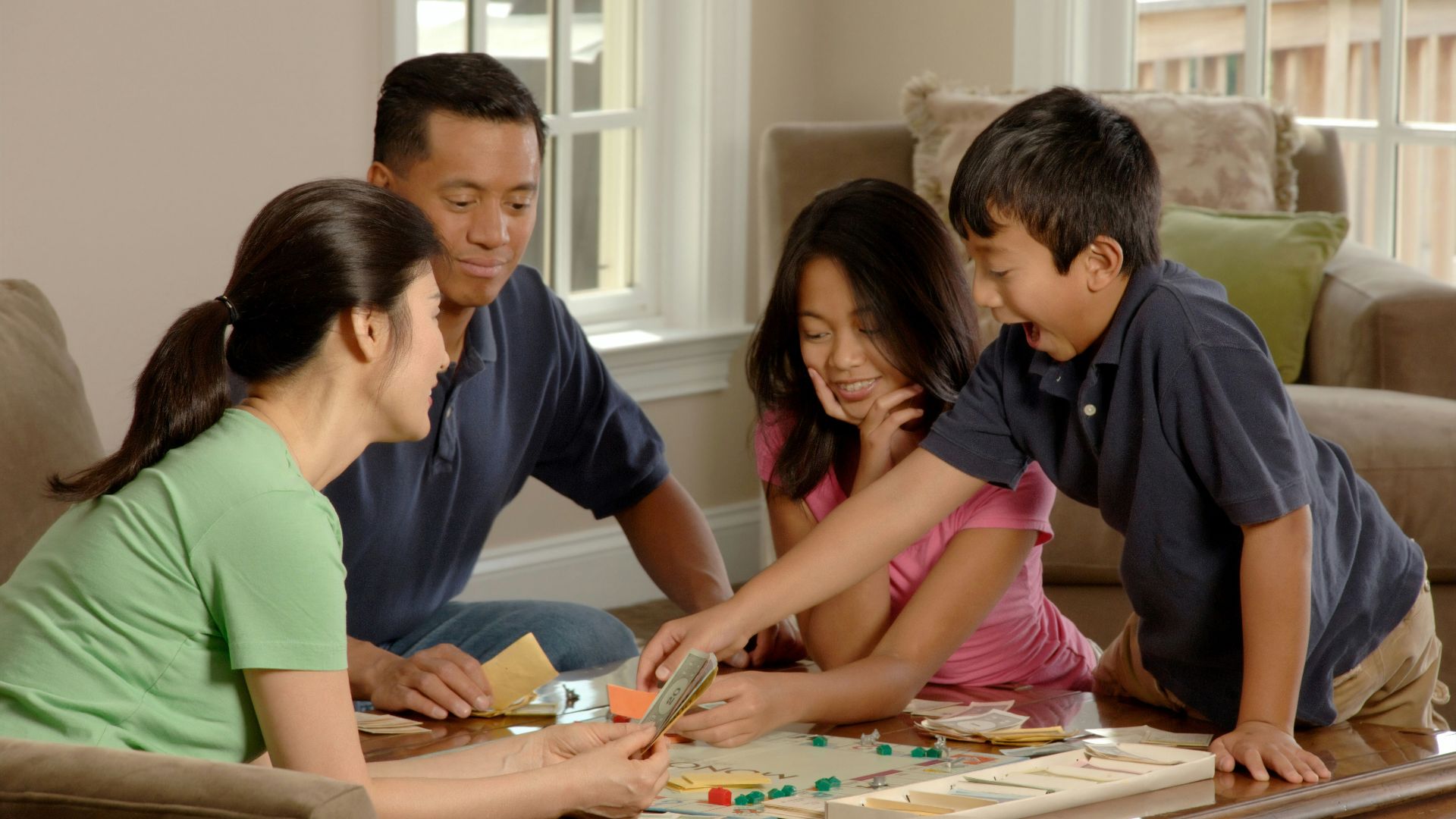 National Cancer Institute on Unsplash
Friendly competition teaches valuable emotional skills when it’s handled with encouragement and respect. Games provide clear rules and defined outcomes, which allow family members to practice winning and losing with perspective. Learning to manage disappointment in a safe and supportive setting builds emotional resilience. It also helps children understand that setbacks are temporary rather than catastrophic.
When someone loses a round, they experience a manageable form of frustration surrounded by people who care about them. Instead of avoiding uncomfortable feelings, they learn to process those emotions constructively. Parents can model calm reactions and positive self-talk, reinforcing healthy coping strategies. These lessons quietly prepare children and adults alike for challenges beyond the game board.
At the same time, celebrating victories fosters mutual respect and encouragement. Applauding a clever move or congratulating a well-earned win reinforces positive sportsmanship. That balance of challenge and affirmation strengthens trust within the family dynamic. Over time, family members become more comfortable supporting one another in both success and difficulty.
Family game nights don’t require elaborate planning or expensive materials to be effective. A simple card game, a classic board game, or even a homemade trivia challenge can spark meaningful interaction. What matters most is the consistency and the willingness to show up fully present for one another. Setting aside regular time signals, that connection is a priority.
By creating shared memories, encouraging open communication, and building emotional resilience, game nights provide far more than casual entertainment. They establish habits of attention, empathy, and cooperation that influence daily life. When you regularly make time to play together, you’re reinforcing trust in subtle but powerful ways. Those bonds, strengthened week after week, help families navigate both joyful moments and difficult seasons with greater unity.