What Their Behavior Around Kids Can Really Tell You
If you're thinking about the future with someone, paying attention to how they interact with kids can reveal a lot. You don't have to be a parent to notice the signs, either. Whether it's nieces and nephews, friends' children, or kids in public spaces, the way someone responds to little ones often shows their patience, empathy, and maturity. Of course, not everyone is naturally comfortable around children, and that's normal. Still, certain behaviors can signal someone who would likely be a supportive, caring partner in a family setting, while others might raise a few concerns.

1. They Actually Listen To Kids
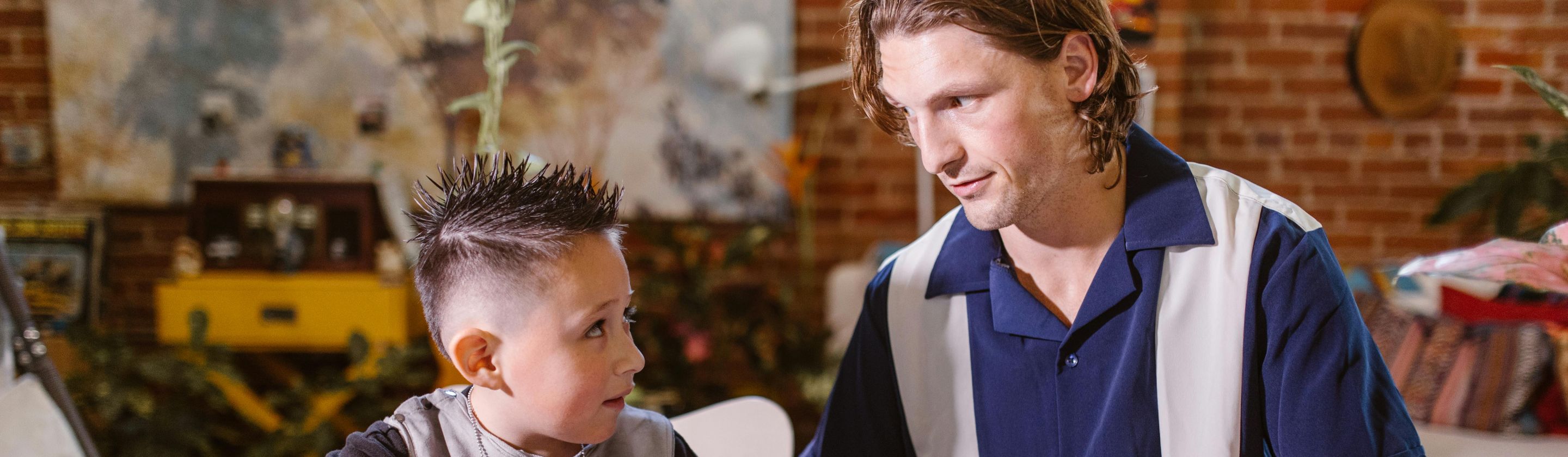
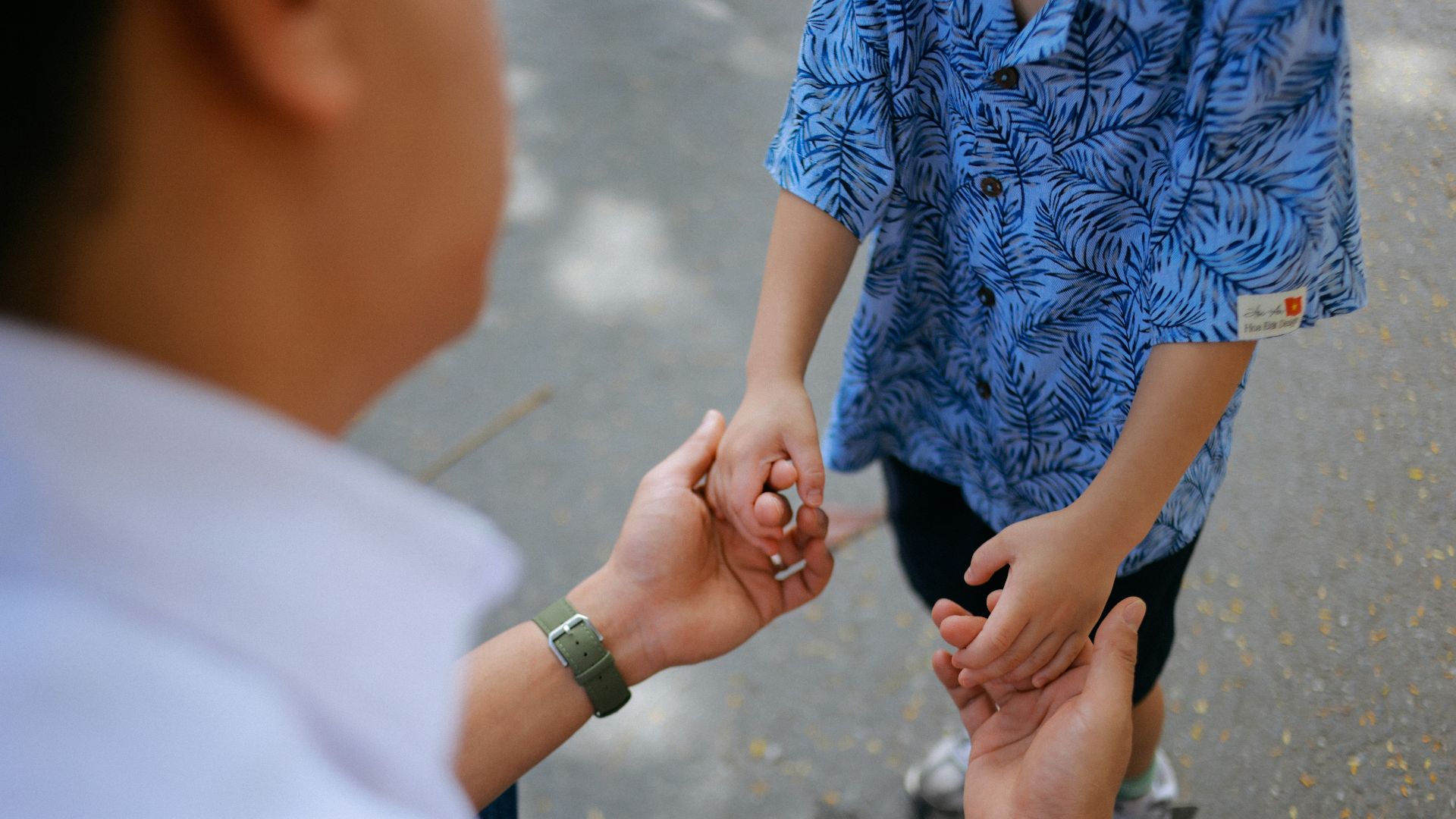
One of the clearest green flags is when someone treats kids like real people instead of background noise. If your partner kneels, makes eye contact, and genuinely listens to what a child is saying, that's a great sign.
 Hoi An and Da Nang Photographer on Unsplash
2. They Stay Calm When Kids Are Loud Or Messy
Children are naturally chaotic, so someone who expects constant quiet and order will struggle around them. A partner who's good with kids tends to roll with the noise, the spilled juice, and the random interruptions that come with childhood.

3. They Know How To Be Playful
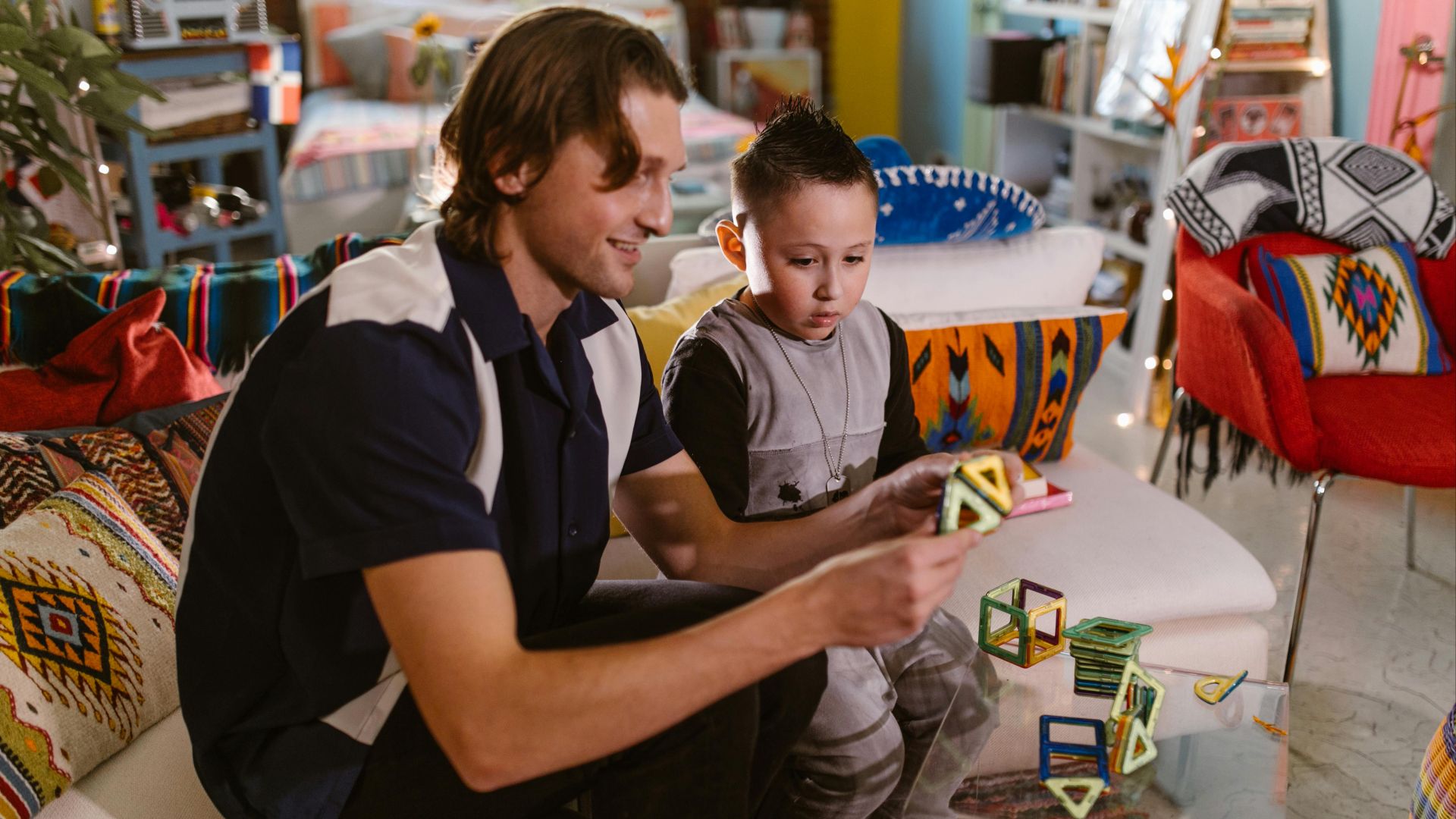
Being good with children often means stepping into their world for a bit. Maybe your partner happily joins a pretend tea party, plays tag in the yard, or builds a Lego tower that inevitably collapses.

4. They Respect A Child's Feelings
Kids experience emotions just as intensely as adults, even if the reasons seem small from the outside. A supportive partner doesn't dismiss a child's tears or frustration with comments like “that's nothing to cry about.” Instead, they acknowledge the feeling and help the child work through it.
5. They're Patient When Teaching Something New
Teaching a child how to tie their shoes, ride a bike, or finish a puzzle takes time. Someone great with kids doesn't get frustrated when progress is slow or mistakes happen.
 Hoi An and Da Nang Photographer on Unsplash
6. They Set Gentle Boundaries
Being good with children doesn't mean letting them do whatever they want. A responsible partner understands the importance of boundaries and safety. They'll calmly say no when something isn't appropriate while still being kind and respectful.
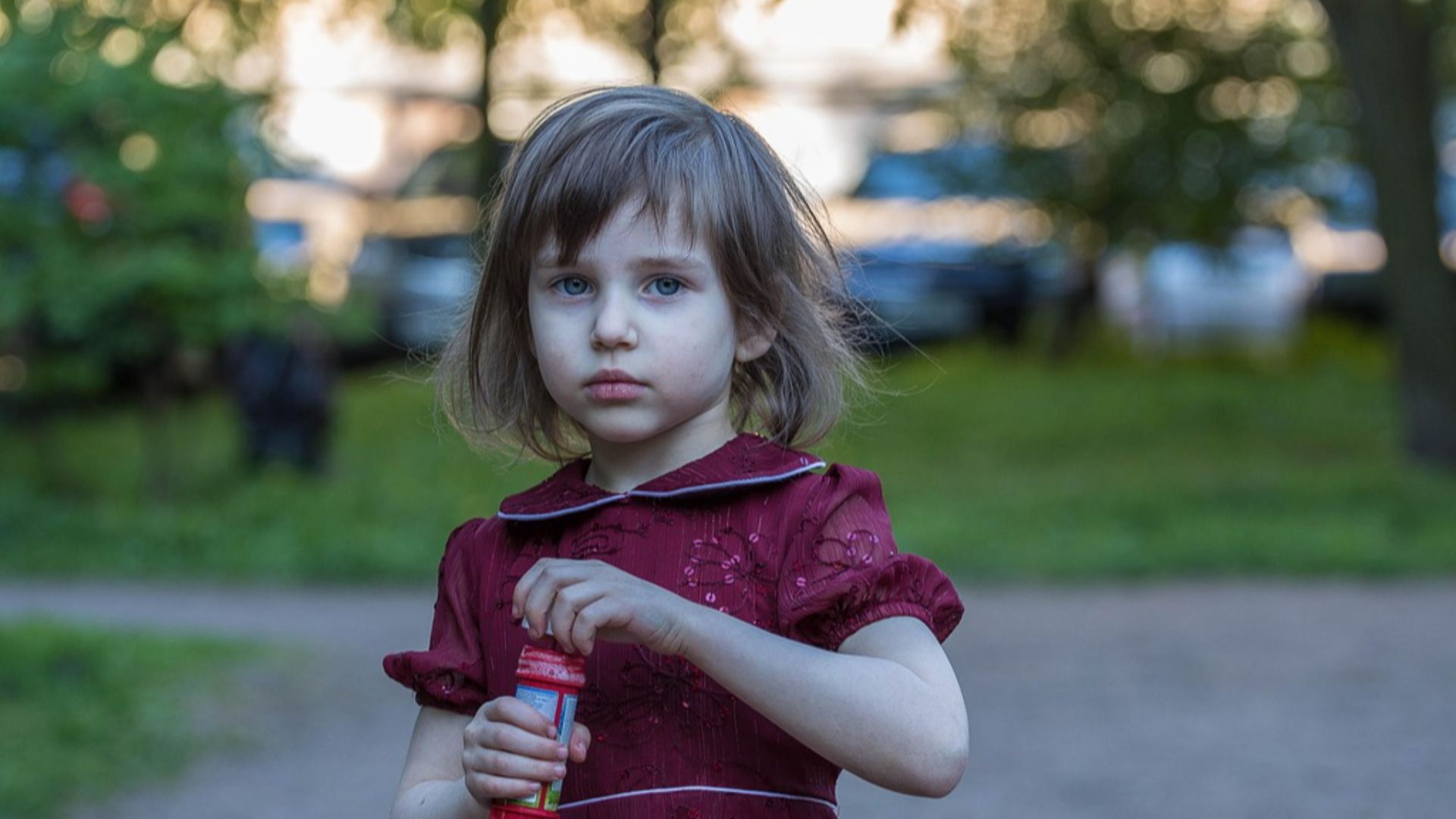
7. They Offer Help Without Being Asked
A thoughtful partner often notices when a parent or caregiver is juggling too many things at once. They might pick up toys, help serve food, or entertain a restless child so someone else can take a breather.
 PublicDomainPictures on Pixabay
8. They Speak To Kids In A Respectful Tone
Children quickly pick up on how adults talk to them. Someone who uses a calm, respectful tone instead of talking down to kids tends to build trust easily. They might simplify their language, but they don't mock or belittle.
 Xavier Mouton Photographie on Unsplash
9. They Encourage Curiosity And Questions
Kids ask endless questions because they're constantly learning about the world. A partner who's good with children usually welcomes that curiosity instead of brushing it off. They'll answer questions, explain things, or even say, “let's find out together.”
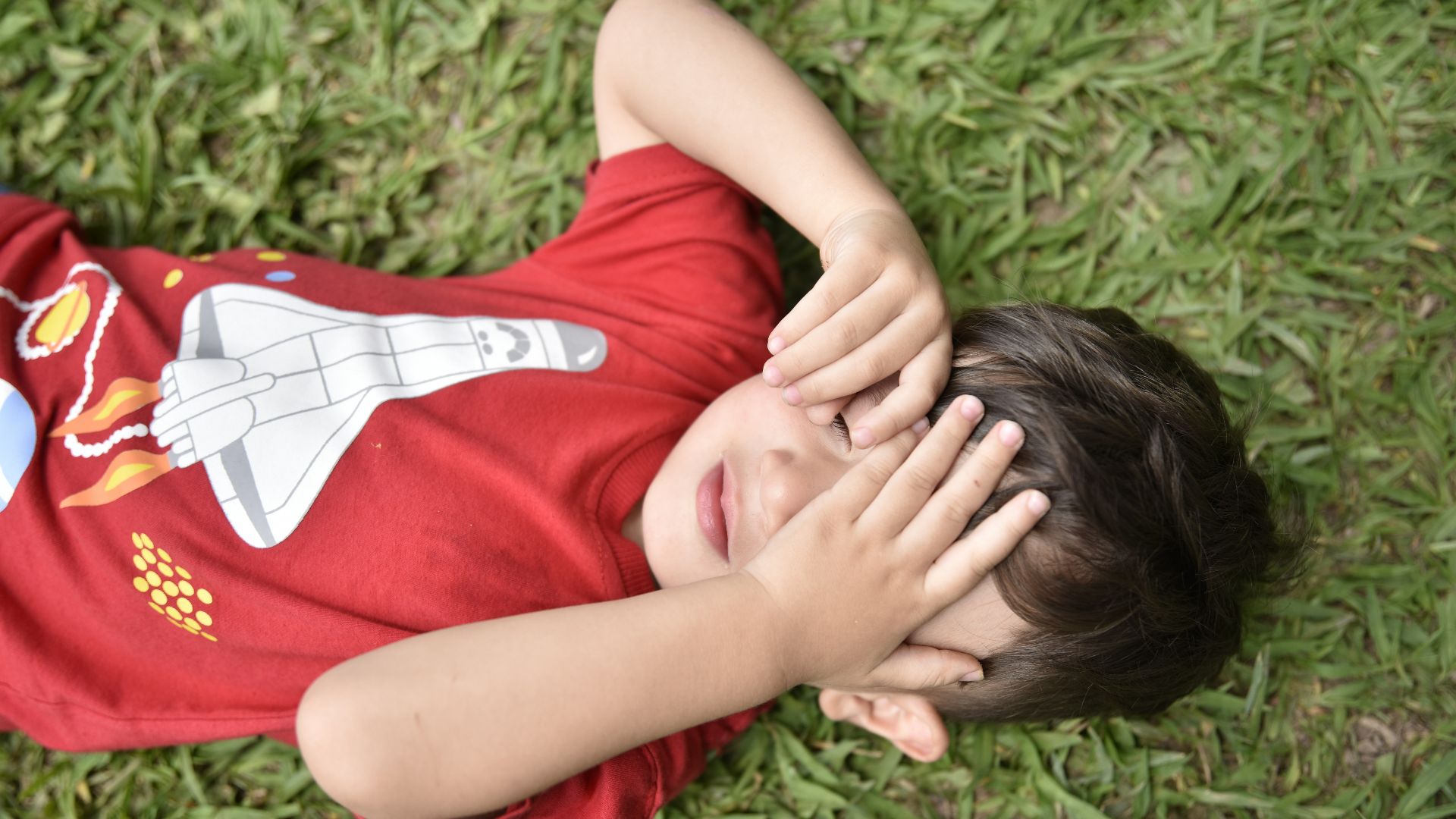
10. They Understand Kids Need Structure
Children thrive with routines and consistency. A great partner recognizes that bedtime, meals, and daily structure aren't random rules but part of healthy development.
 Fermin Rodriguez Penelas on Unsplash
1. They Lose Patience Quickly
If someone gets irritated the moment a child repeats a question or makes a small mistake, that's worth noticing. Kids naturally test patience because they're still learning how to behave and communicate.
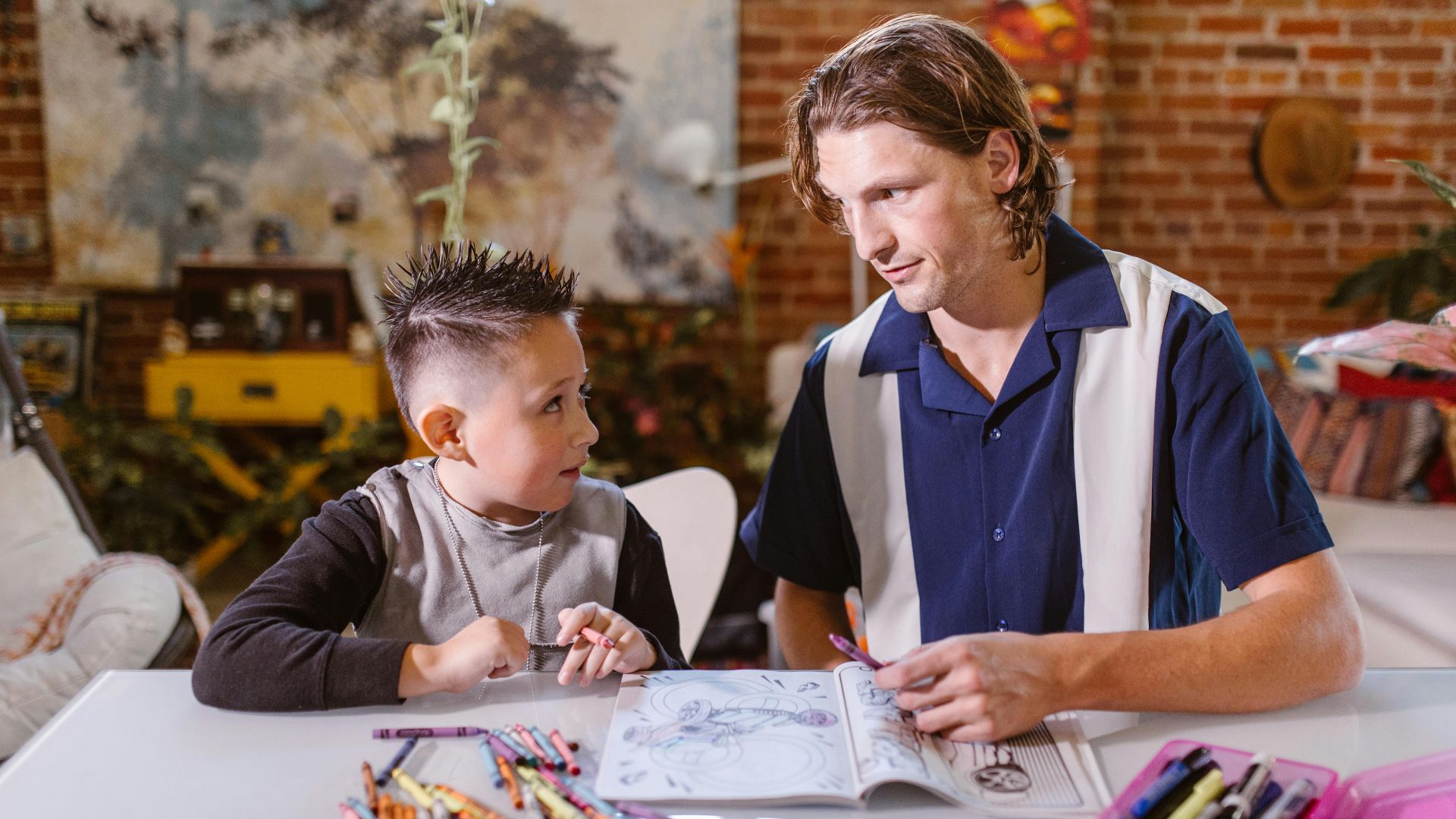
2. They Expect Kids To Act Like Adults
Some people forget that children are still developing emotionally and cognitively. Expecting perfect behavior, advanced reasoning, or constant self-control isn't realistic for a young child.
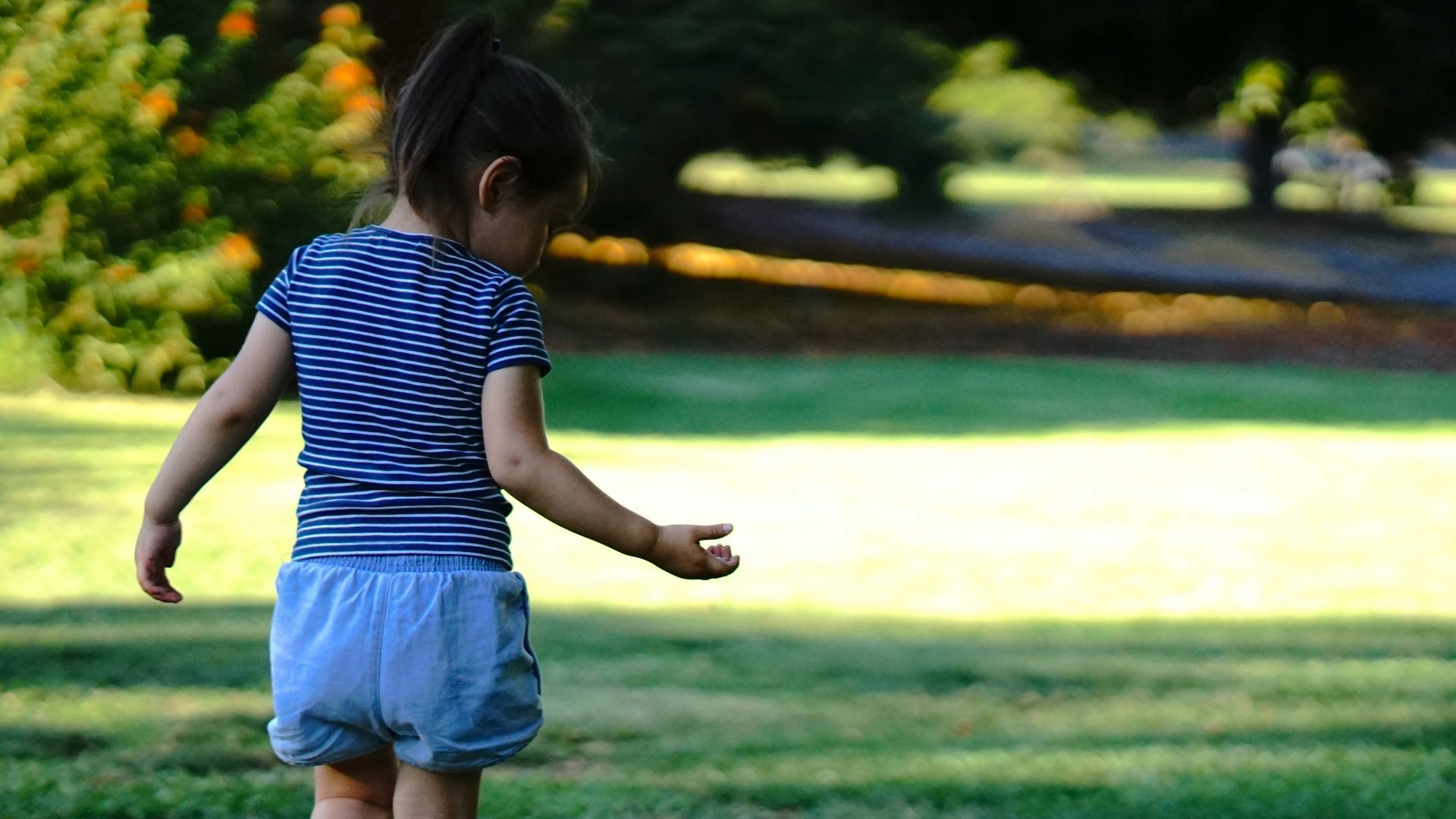
3. They Ignore Kids Completely
Not everyone needs to be the life of the party with children, but completely ignoring them can be telling. If your partner consistently avoids acknowledging kids who are trying to interact, it may signal discomfort or disinterest. While some people are naturally shy around children, total disengagement can make family environments awkward.
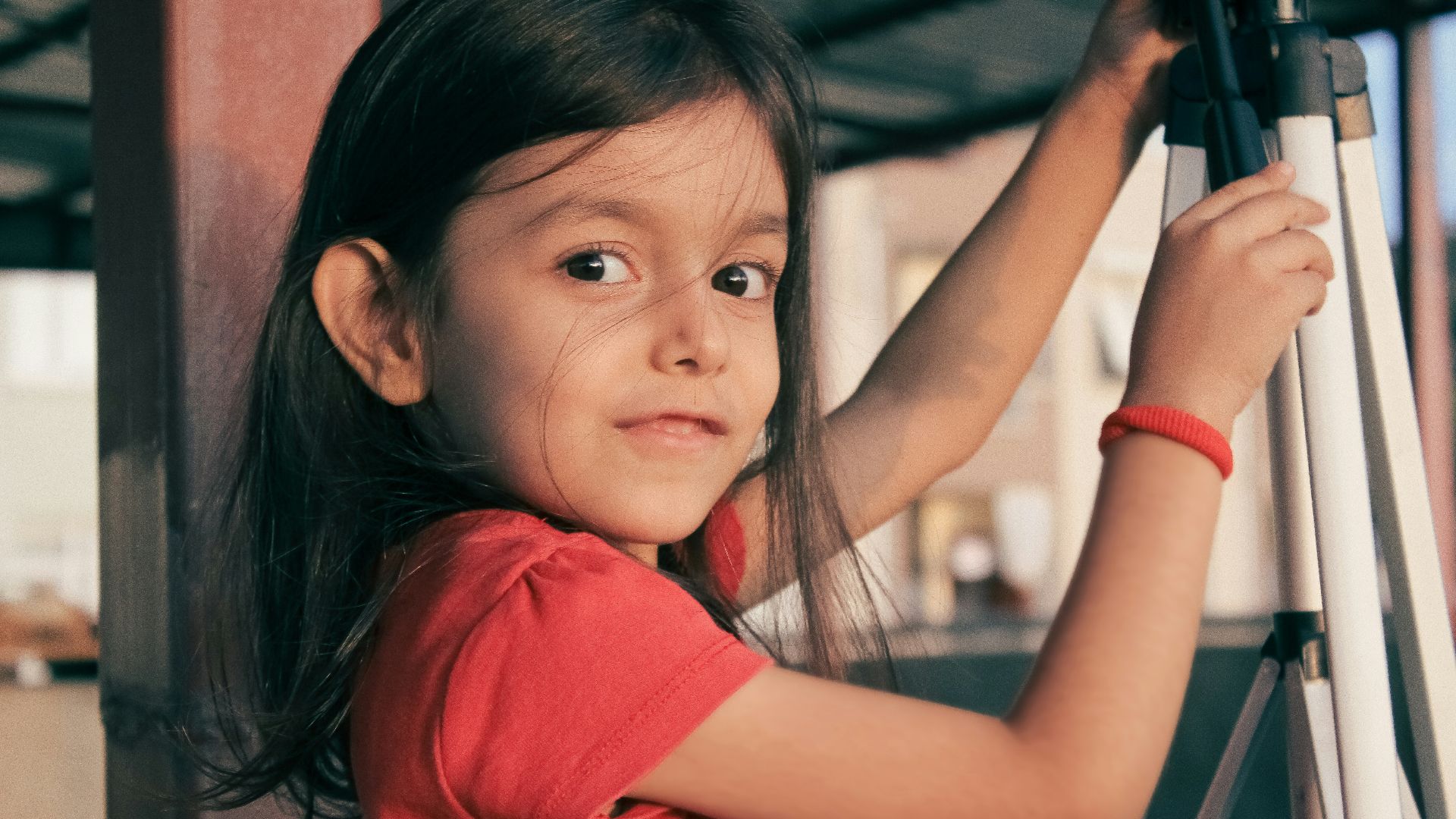
4. They Make Harsh Or Sarcastic Comments
Sarcasm and teasing can easily confuse younger children. A partner who frequently makes jokes at a child's expense might think they're being funny, but kids often interpret those remarks literally.

5. They React With Anger To Small Accidents
Spilled drinks, broken crayons, and muddy shoes are normal parts of childhood. When someone reacts with immediate anger or blame, it can make children anxious about making mistakes. Kids learn best in environments where accidents are treated as learning opportunities.
 The Paris Photographer on Unsplash
6. They Dismiss Emotional Upsets
Children sometimes cry over things that seem trivial to adults, but those emotions are still real. Brushing them off with comments like “stop being dramatic” doesn't teach emotional regulation.
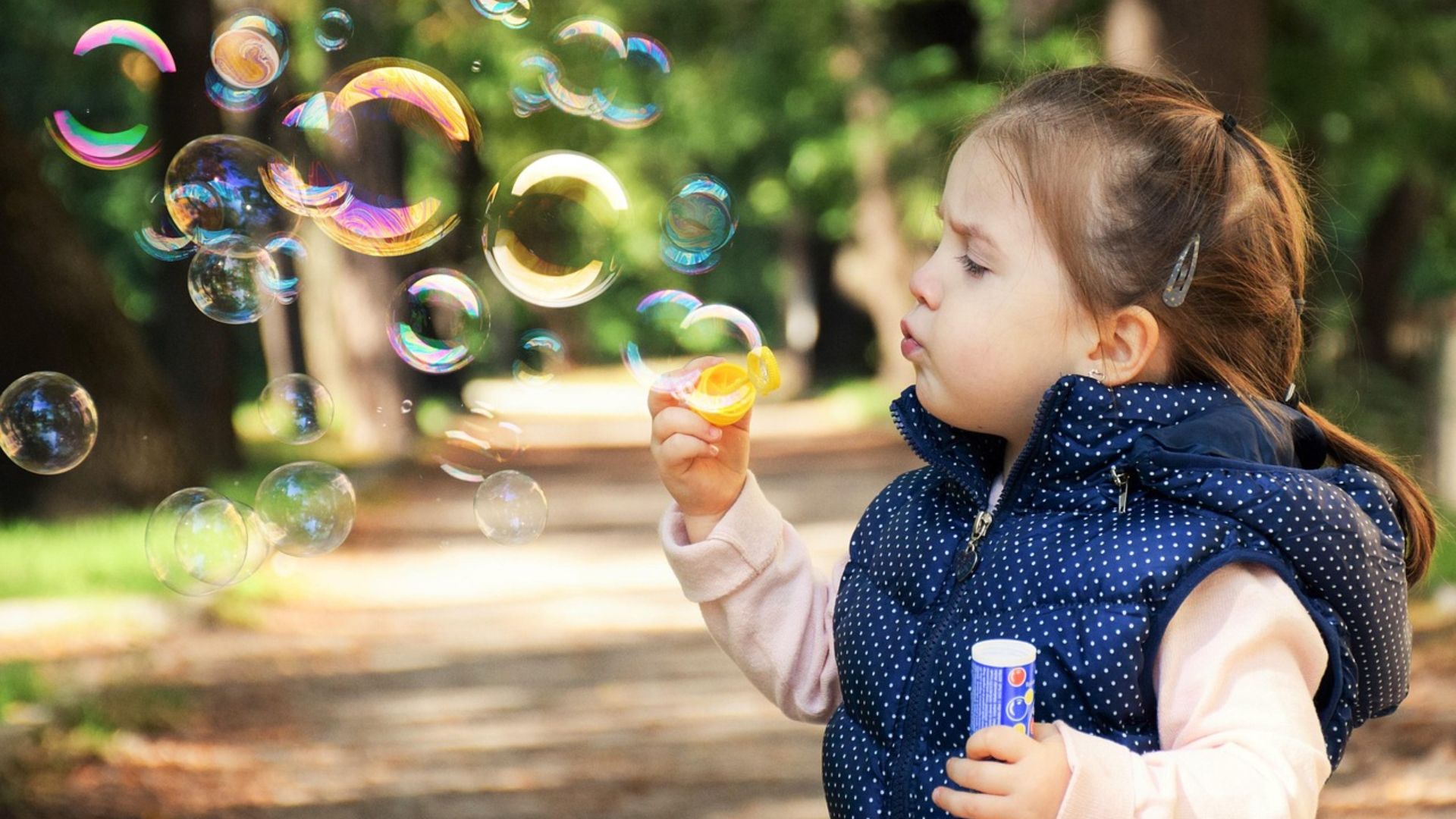
7. They Refuse To Adapt Plans Around Kids
Life with children often requires flexibility. Plans might change because of nap times, school schedules, or unexpected meltdowns. A partner who becomes irritated whenever a child-related adjustment happens may not be ready for that lifestyle. Adaptability is essential in family life.
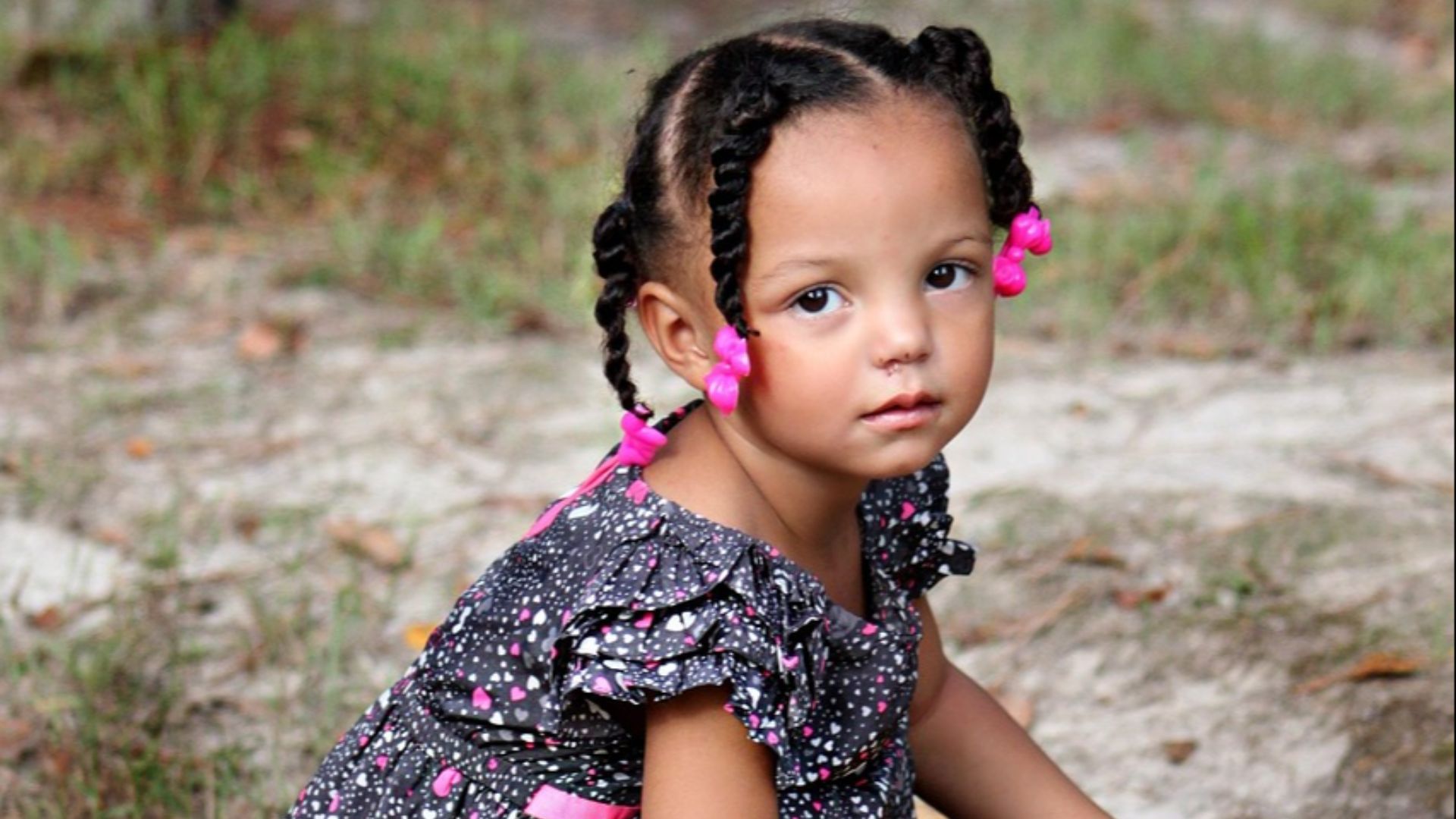
8. They Rely On Intimidation
Using fear to control children's behavior is a major red flag. Threatening punishments or raising their voice to get compliance might produce quick results, but it doesn't build trust.

9. They Show No Interest In Learning
Nobody starts out knowing everything about kids. However, a healthy attitude involves curiosity and a willingness to learn. If someone refuses advice, ignores guidance from parents, or insists they already know best, that can create tension.
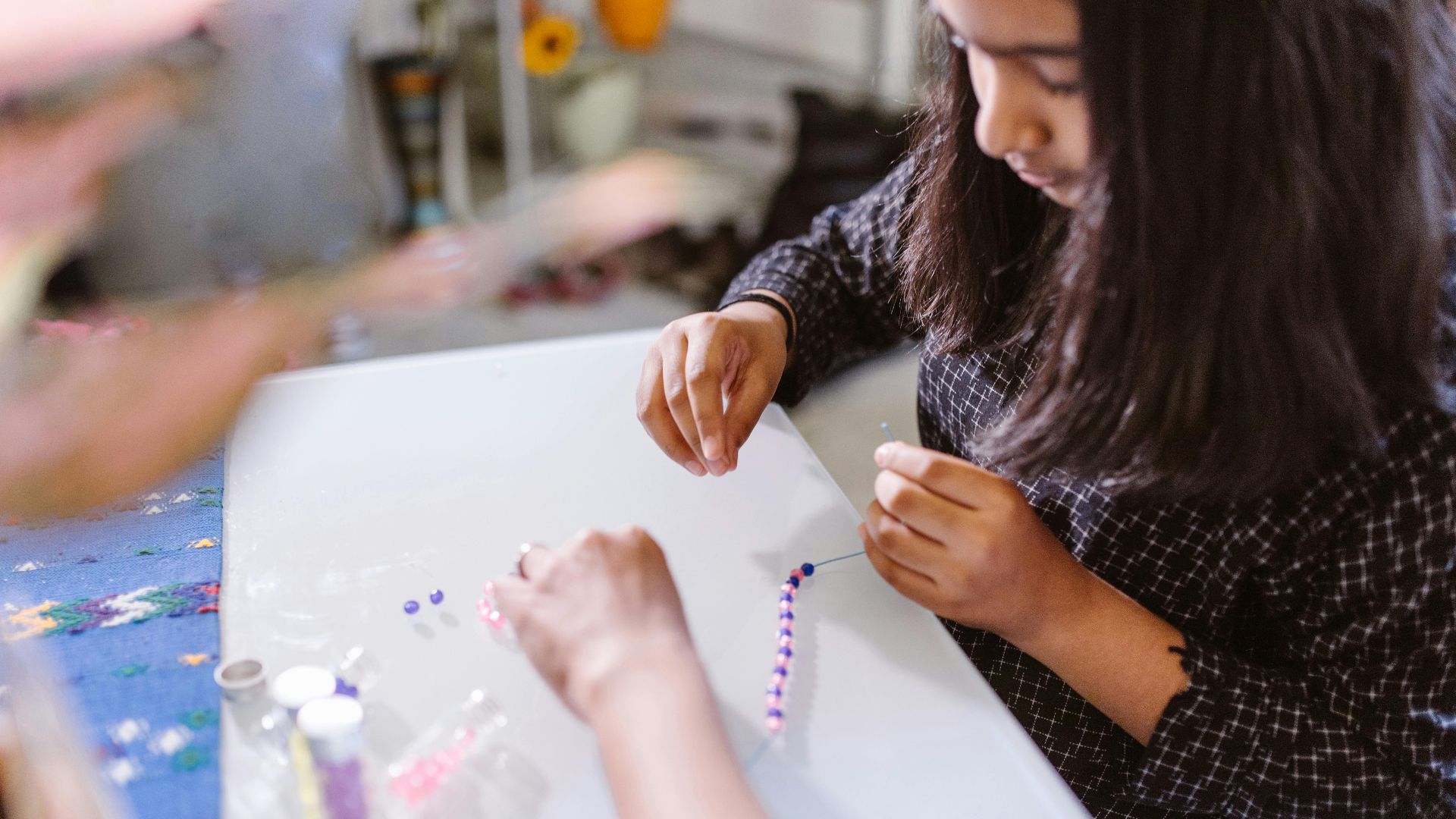
10. They Treat Kids As An Inconvenience
Occasionally feeling overwhelmed around children is normal, but constant annoyance is different. When someone repeatedly treats kids as a burden or nuisance, it can strain relationships quickly.