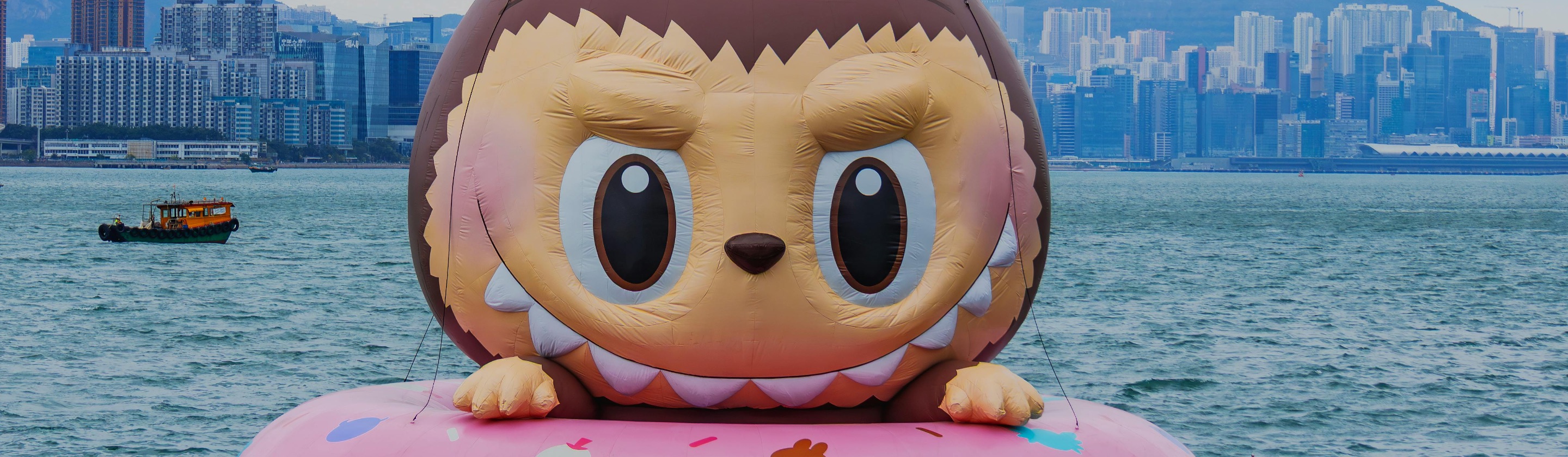
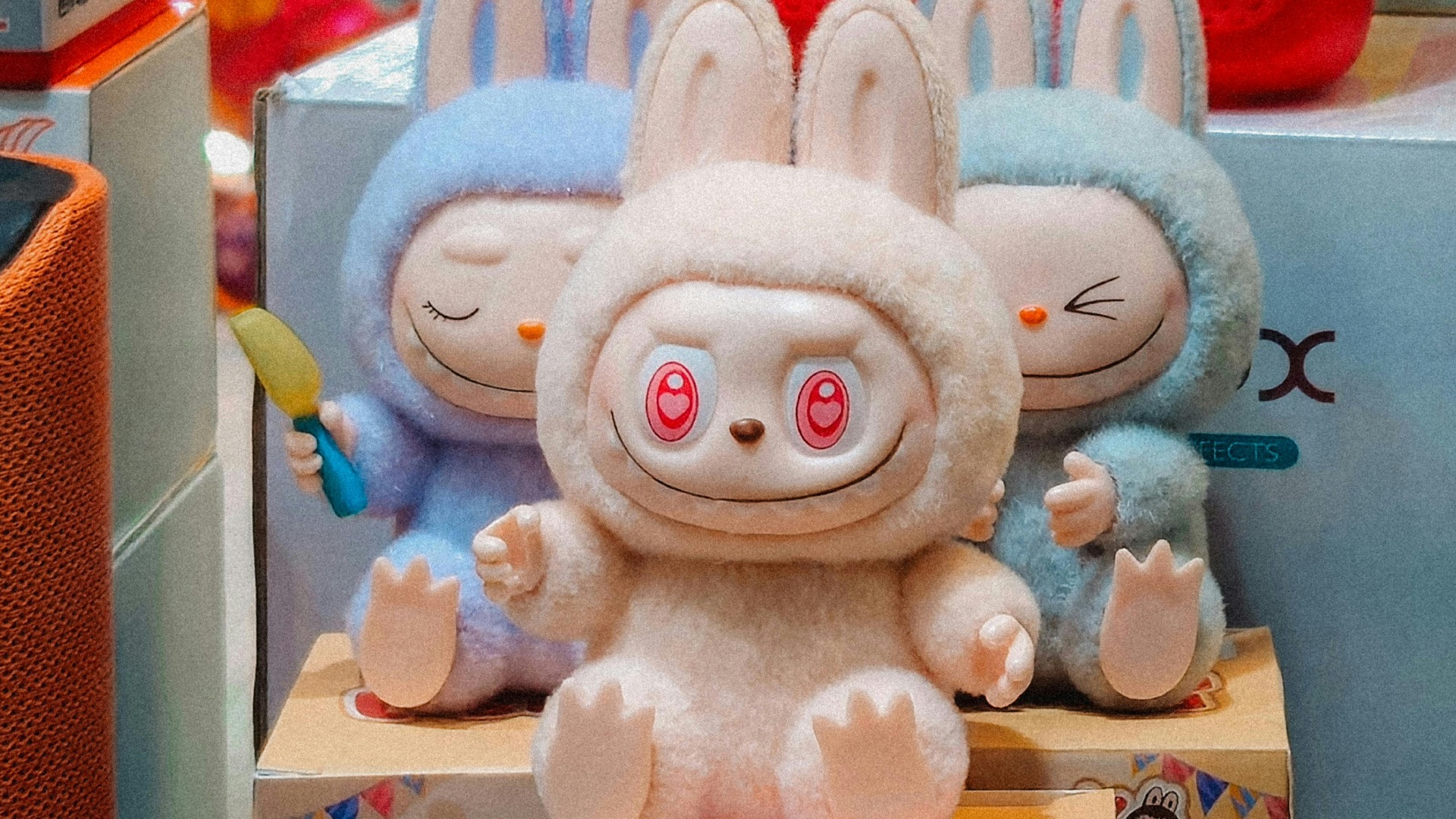
If you spent any time on social media in the past year or so (which is to say: everyone), you probably noticed a peculiar little creature popping up everywhere, whether it was dangling off designer handbags, tucked into unboxing videos, or filling up your TikTok For You page faster than you could scroll past. It had bunny ears, huge eyes, pointy feet, and was somehow both unsettling and endearing all at once. You know what we're talking about: welcome to the world of Labubus, the toy that managed to turn a weird-looking, sharp-toothed monster into a full-blown cultural movement.
Yep: what first started as a niche collector's item snowballed into a global obsession, with fans lining up outside stores, refreshing online drops at odd hours, and spending serious money to get their hands on the latest designs. Whether you were already deep in the fandom or you're only now trying to figure out what all the fuss was about, there was a lot more to this trend than met the eye.
What Even Are Labubus?
If you've been living under a rock and still aren't familiar with what Labubus are, here's the quick rundown: Labubu is a character originally designed by Hong Kong-based artist Kasing Lung, inspired by Nordic folklore and his love of dark, whimsical creature design. The character is part of Lung's "The Monsters" series, depicting a wide-eyed, jagged-toothed beast that somehow manages to look both feral and huggable at the same time. Labubu was later brought to the mass market through a collaboration with Pop Mart, the Chinese toy company known for its blind box collectibles.
Pop Mart's blind box model was a big part of what made Labubus so compelling—and so addictive. You'd pay for a box without knowing exactly which design was inside, which tapped into the same psychological thrill as opening a pack of trading cards. Contrary to what you might think (which is that it'd feel far more rewarding to get what you actually want from the get-go), the element of surprise was what made it all the more satisfying when you opened the box and got exactly what you hoped for.
The toys came in a range of sizes, too, from small bag charms to larger plush versions, and were released in themed series that often sold out within minutes. Limited edition and "secret" rare variants drove even more demand, turning what might have seemed like a simple toy purchase into something closer to a treasure hunt. It was that combination of versatility, art, scarcity, and surprise that helped Labubus develop such a dedicated following worldwide.
Why Did Everyone Like This Ugly-Cute Monster?
Part of Labubu's appeal lay in the fact that it didn't try to be conventionally cute. In a toy market full of wide-eyed, pastel-colored characters designed to be universally appealing, Labubu leaned into its weirdness; those jagged teeth and mischievous expression were features, not flaws. There was a growing appetite for characters that felt a little offbeat, and Labubu filled that space in a way that more polished, corporate mascots simply didn't.
Beyond the aesthetic, there was a strong social dimension to the Labubu craze. Collectors loved to display their figures on their bags as charms, essentially turning everyday accessories into a form of self-expression. Spotting someone else with a Labubu in the wild became its own kind of social currency, a signal of shared taste and awareness that resonated particularly well with younger consumers.
Celebrity co-signs also did a lot of heavy lifting for the brand's mainstream visibility. Lisa from BLACKPINK became closely associated with the toy after posting photos with her collection, which sent global interest (and sales) skyrocketing. After all, when someone with that kind of popularity and reach is seen engaging with a product so enthusiastically, it adds a layer of cultural legitimacy that no amount of traditional advertising could replicate.
Should You Still Join the Hype?
While the Labubu craze has died down since late 2025, plenty of people still have this scary yet endearing monster on their bags. If you're just getting to know about the trend now, you might still be tempted to dive in; however, it's worth pausing to think about what's actually driving that impulse, especially since the peak frenzy has largely subsided. Trends like this one move fast, and the urgency people felt when a new drop went live was largely manufactured through scarcity tactics and social pressure. The fear of missing out was real, but it was also a feeling that the industry was specifically designed to provoke; understanding that doesn't mean you can't still enjoy the hobby, but it does mean it's worth going in with your eyes open.
There's also a broader conversation that emerged around Labubu collecting and overconsumption. One report by CBC highlighted concerns about the environmental and psychological costs of blind box culture, particularly when collectors found themselves buying duplicate after duplicate just to chase a rare variant. The thrill of the hunt can tip into compulsive buying patterns, and the packaging waste that comes with mass unboxing adds up quickly.
None of this means Labubus aren't worth collecting if they bring you real joy, however late to the hype you may be; plenty of hobbies involve spending money on things that others might find unnecessary. The key, however, is buying with intention, focusing on designs you actually love rather than ones you feel pressured to own because everyone else seems (or seemed) to have one. Remember: trends come and go, and this one is proof of exactly that. You're much better off building a collection out of real enthusiasm than one assembled out of FOMO.