
Why Happiness Looks Different the Second Time Around
As people move through adulthood, their understanding of happiness often shifts in ways that feel both surprising and overdue, shaped by experience, responsibility, and a clearer sense of what actually matters. What once seemed essential can lose its appeal, while quieter, more grounded forms of fulfillment begin to take priority. This process isn’t about losing joy but refining it, as many adults discover that happiness isn’t something to chase constantly but something to recognize in more sustainable, realistic ways. Here are 20 ways adults are re-learning what happiness actually means.

1. Letting Go of Constant Productivity
Many adults are starting to realize that being busy all the time doesn’t equal being fulfilled, even if it once felt like a sign of success. You might notice that slowing down actually makes room for better focus and less stress, which in turn feels more rewarding.
 Vitalii Khodzinskyi on Unsplash
2. Prioritizing Sleep Without Guilt
Sleep used to be something people sacrificed without much thought, especially in younger years when energy seemed endless. Now, there’s more awareness that consistent rest supports mental clarity, emotional stability, and physical health.

3. Redefining Success on Personal Terms
What once counted as success, such as status or income alone, often starts to feel incomplete over time. Adults are learning to define success in ways that reflect their own values, whether that includes time with family, creative freedom, or stability. This shift removes some of the pressure to compare themselves to others. It also leads to choices that feel more aligned and less performative.

4. Appreciating Small, Everyday Moments
Happiness is no longer reserved for major milestones or rare events, as everyday experiences begin to carry more weight. You might find yourself enjoying a quiet morning, a good meal, or a simple conversation more than you expected. These smaller moments are easier to access and don’t depend on external validation. Over time, they form a reliable foundation for contentment.
 Priscilla Du Preez 🇨🇦 on Unsplash
5. Setting Boundaries Without Apology
Learning to say no is something many adults develop later than they would have liked, but it becomes essential. Boundaries help protect time, energy, and mental health, even if they initially feel uncomfortable to enforce. You start to understand that not every obligation deserves your attention. As that mindset strengthens, it becomes easier to maintain healthier relationships.

6. Valuing Fewer but Deeper Relationships
Large social circles often shrink naturally, and what remains tends to feel more meaningful. Adults are recognizing that quality matters far more than quantity when it comes to connection.

7. Accepting That Not Everything Needs Fixing
There’s a growing awareness that some situations don’t require immediate solutions or constant improvement. Adults begin to tolerate uncertainty and imperfection with more ease than before. Instead of trying to control every outcome, you might allow things to unfold naturally. That acceptance often reduces stress and increases resilience.

8. Spending Time Alone Without Feeling Lonely
Solitude becomes less intimidating and more restorative as people grow more comfortable with themselves. Time alone can be used for reflection, relaxation, or simply enjoying quiet without distractions. You may find that being by yourself doesn’t mean being isolated. Instead, it can feel like a necessary reset.

9. Being More Selective With Commitments
Saying yes to everything tends to lose its appeal once the cost of overcommitment becomes clear. Adults often start choosing obligations more carefully, focusing on what truly matters.

10. Letting Go of Perfectionism
Perfectionism can quietly limit happiness by setting unrealistic expectations that are difficult to meet. Over time, many adults begin to see the value in progress rather than flawless outcomes.

11. Recognizing the Value of Routine
While routines once felt restrictive, they can provide a sense of stability and predictability. Adults often find comfort in consistent habits that support daily life. Simple structures, like regular meals or scheduled downtime, reduce decision fatigue. This stability contributes to a calmer and more manageable lifestyle.

12. Paying Attention to Mental Health
Mental health is no longer something to ignore or minimize, as awareness has increased significantly in recent years. Adults are more willing to seek support, whether through therapy, conversation, or self-care practices.
 Christina @ wocintechchat.com M on Unsplash
13. Finding Joy in Simplicity
Complicated plans and constant stimulation aren’t always necessary to feel content. Many adults begin to appreciate simpler activities that don’t require much effort or expense.

14. Letting Go of Outdated Expectations
Expectations formed earlier in life don’t always align with current reality, and holding onto them can create frustration. Adults start to adjust their goals based on what feels realistic and meaningful now.

15. Being Honest About Personal Limits
Understanding your limits becomes an important part of maintaining well-being. Adults are more likely to recognize when they’re overwhelmed and take steps to manage it.

16. Choosing Experiences Over Possessions
Material purchases tend to lose some of their appeal as people realize they don’t provide lasting satisfaction. Experiences, on the other hand, often create stronger memories and emotional value.

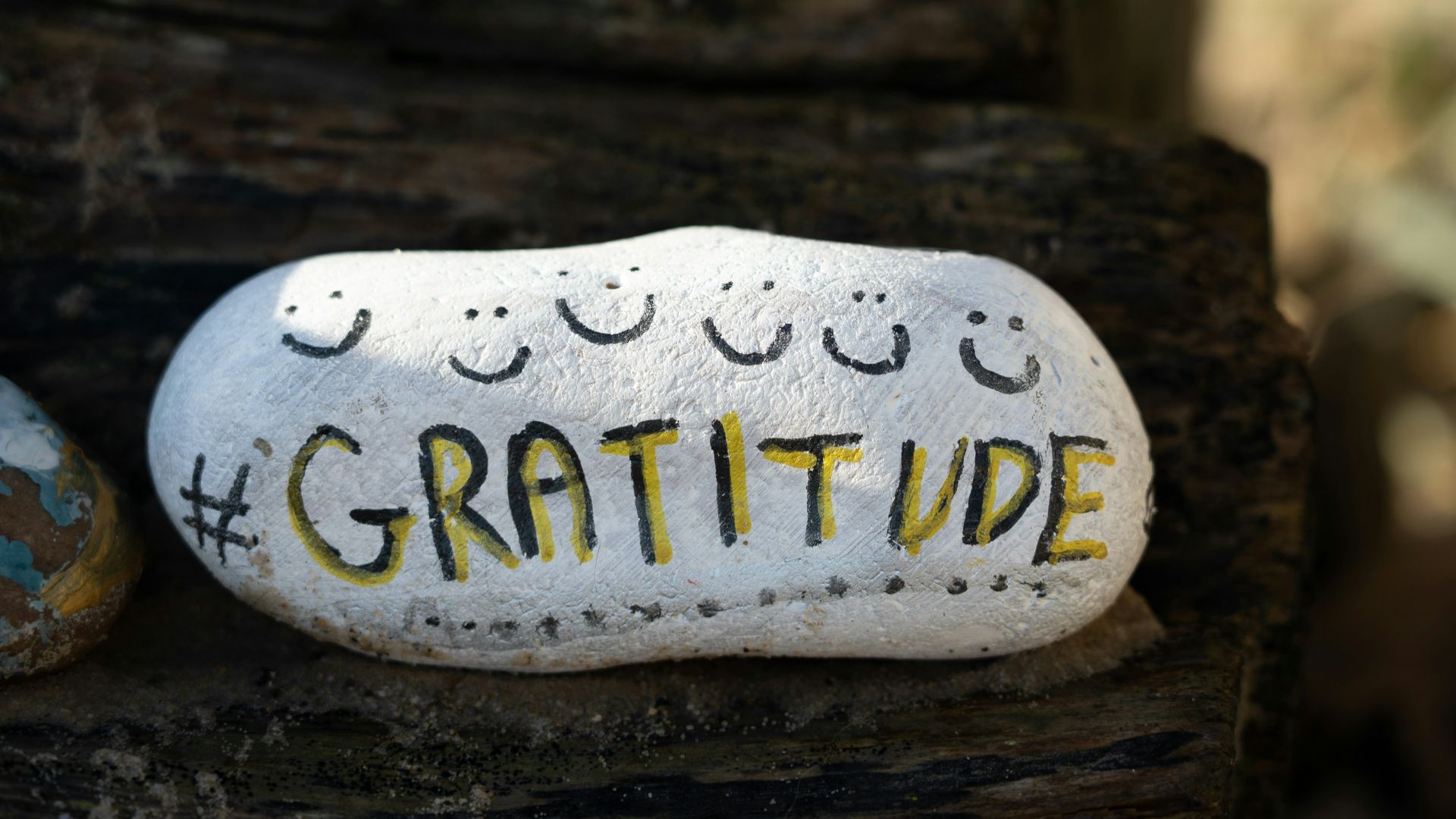
17. Practicing Gratitude More Intentionally
Gratitude becomes a conscious practice rather than an occasional thought. Adults often take time to acknowledge what’s going well, even during difficult periods. This habit shifts focus away from what’s lacking. Over time, it helps create a more positive outlook.
18. Accepting That Happiness Fluctuates
There’s a growing understanding that happiness isn’t a constant state. Adults recognize that emotions naturally rise and fall over time.

19. Investing in Physical Health
Physical health becomes more closely tied to overall happiness as people age. Adults often pay more attention to exercise, nutrition, and preventive care.

20. Realizing That Contentment Is Enough
Perhaps the most significant shift is understanding that happiness doesn’t always need to be intense or dramatic. Contentment, which is steady and understated, becomes more appealing.