
The Three Most Common Regrets People Have at the End of Their Lives
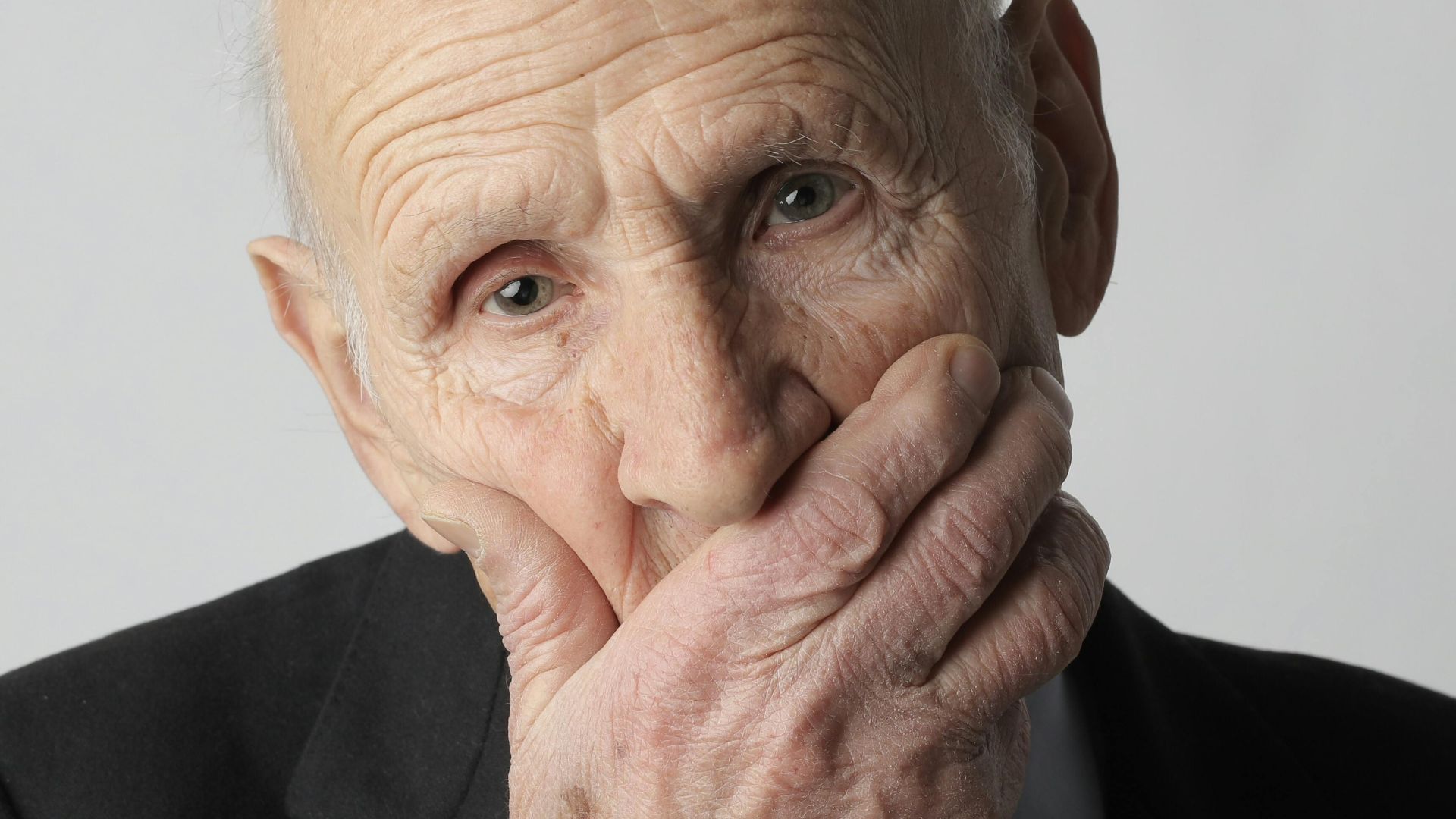
Most people don’t reach the end of life wishing they’d answered more emails or kept their kitchen counters perfectly clean. When people look back, they tend to replay the moments that mattered, the choices they avoided, and the relationships they didn’t protect enough. It’s not a gloomy inventory so much as a last attempt to make sense of what counted.
If you’re reading this while you still have time to adjust your course, that’s the point. These regrets show up so often because they’re a common part of human existence, and they usually grow in the quiet spaces between busy days. Think of this as a gentle nudge, not a scolding, and use it to ask what you’d like to do differently while you still can.
1. “I wish I’d lived my own life, not the one I felt expected to live.”
One of the most common regrets is realizing you spent years trying to fit other people's expectations of you. People talk about choosing the safer path, keeping the peace, or saying yes because it seemed easier than explaining a no. Over time, that pattern can turn into a life that looks fine from the outside but doesn’t feel like it belongs to you. When the noise finally fades, it’s hard to ignore the difference between being accepted and being fulfilled.
Sometimes the pressure isn’t loud, which is exactly why it works. Expectations can arrive dressed as love, duty, tradition, or practicality, and you can follow them without realizing you’re trading away your preferences. You might tell yourself you’ll get back to what you want “after this season,” only to notice the seasons keep changing, and you keep postponing yourself. The regret isn’t about making any one imperfect choice, but about losing the habit of listening inward.
What helps isn’t a dramatic reinvention; it’s a regular audit of your own honesty. You can ask simple questions like, “Do I actually want this?” or “Am I doing this to avoid disappointing someone?” Even small acts of alignment, such as taking the class, making the move, or ending the loop of halfhearted obligations, add up. A life that feels like yours is rarely perfect, but it’s usually lighter to carry.
2. “I wish I hadn’t worked so much and missed what was right in front of me.”
Work can be meaningful, and ambition isn’t a villain, but the regret comes when the balance never returns. People often don’t realize how much they’re sacrificing until the trade is no longer reversible. They remember missed dinners, rushed conversations, and the way weekends became recovery time instead of real living. At the end, the promotion usually feels smaller than the people who wanted more of your presence.
Part of the problem is that work gives immediate feedback, while life rewards you slowly. You can measure output, track progress, and feel useful, which is a powerful combination when you’re stressed or unsure. Meanwhile, relationships require patience and attention, and they don’t always clap when you show up. It’s easy to pour energy into what’s measurable and accidentally starve what’s meaningful.
If you want to avoid this regret, you don’t have to quit your job and start making bread from scratch. You can start by protecting a few non-negotiables, like a weekly dinner, a daily walk, or an evening that belongs to your home life. Saying “I can’t” to certain tasks isn’t laziness; it’s a choice to keep your calendar from swallowing your years. Time is going to pass either way, so you might as well spend some of it where you can actually feel it.
3. “I wish I’d said what I felt and kept the people I loved closer.”

A surprisingly common regret is the realization that love was present, but it wasn’t always expressed. People hold back affection, apologies, gratitude, or forgiveness because it feels awkward, risky, or inconvenient in the moment. They assume there will be another holiday, another call, another chance to say the important thing in a better way. Then life does what it does, and the “later” they counted on never shows up.
Friendships often carry their own quiet grief, because they fade without a dramatic ending. You get busy, someone moves, and the check-ins become less frequent until they disappear. Many people don’t regret losing acquaintances, but they do regret letting real friendships fizzle. It’s a strange feeling to miss someone you still technically could’ve reached if you’d made it a priority sooner.
Keeping connections strong doesn’t require constant intensity; it requires consistency and courage. You can send the message that’s been sitting in your drafts, or you can call the person you keep thinking about when you’re stuck in traffic. Being a little more emotionally direct, even if it feels corny, tends to age well. In the end, the people who mattered won’t remember your perfect phrasing, but they will remember that you showed up.