
The "Double Shift" Most Women Experience After Becoming a Parent

Becoming a parent doesn’t just change what happens at home. For many mothers, it changes what happens after a full workday is supposedly over. The “double shift,” sometimes called the “second shift,” refers to working a paid job during the day and then coming home to a round of unpaid labor: caregiving, housework, cooking, planning, cleaning, scheduling, and emotional support. It’s not just being busy; it’s doing two kinds of work while only one of them usually gets recognized as work.
The pandemic made this imbalance even more impossible to ignore. Mothers were more than three times as likely as fathers to be responsible for most of the housework and caregiving, even as many were also trying to keep up with paid jobs. That pressure didn’t come from nowhere; it reflected long-standing expectations that women will naturally absorb the labor of keeping family life running. It's a grueling cycle that frequently leads to a type of burnout that easily goes unnoticed.
Paid Work Ends, But the Second Shift Begins
For many working mothers, the end of the paid workday is not the end of work. It’s the transition into dinner, homework, daycare pickup, laundry, lunches, permission slips, bath time, bedtime, and whatever mystery spill has appeared in the hallway. Even when a mother enjoys her job and loves her family deeply, that second shift can feel relentless. There’s only so much energy one person can stretch before it starts snapping back.
The hard part is that unpaid domestic work often becomes invisible because it’s expected. A clean kitchen, a full fridge, a packed backpack, and a remembered appointment can look like normal family life rather than labor. But someone planned, noticed, bought, cleaned, scheduled, and followed up on all of it, and that person is usually the mother.
The phrase “double shift” matters because it names the problem clearly. It shows that many mothers aren’t simply “helping out” at home after work; they’re beginning another job. The difference is that this second job usually has no paycheck, no formal end time, and very few performance reviews that include applause. It’s work, even when it comes wrapped in love, responsibility, and tiny socks.
The Mental Load Makes It Even Heavier
The second shift isn't only physical labor. It’s also the mental load of knowing what needs to happen, when it needs to happen, who needs what, and what will fall apart if nobody remembers it. Mothers are often the ones tracking pediatrician appointments, school forms, grocery lists, clothing sizes, birthday gifts, meal plans, and family schedules. That kind of constant awareness is exhausting because it never fully shuts off.
This is why “just ask for help” doesn’t always solve the problem. If a mother has to notice the task, explain the task, assign the task, remind someone about the task, and check whether the task was done, she’s still managing the work. The other person may complete one piece of it, but the responsibility remains with her.
Emotional labor often gets added to the pile, too. Mothers may be expected to soothe children, maintain family traditions, remember relatives’ birthdays, manage social plans, and keep the mood of the household steady. They may also absorb everyone else’s stress while trying not to show too much of their own. It’s a lot to carry, especially after spending the day being professional, productive, and apparently unbothered.
Why Mothers Get Stuck With So Much of It
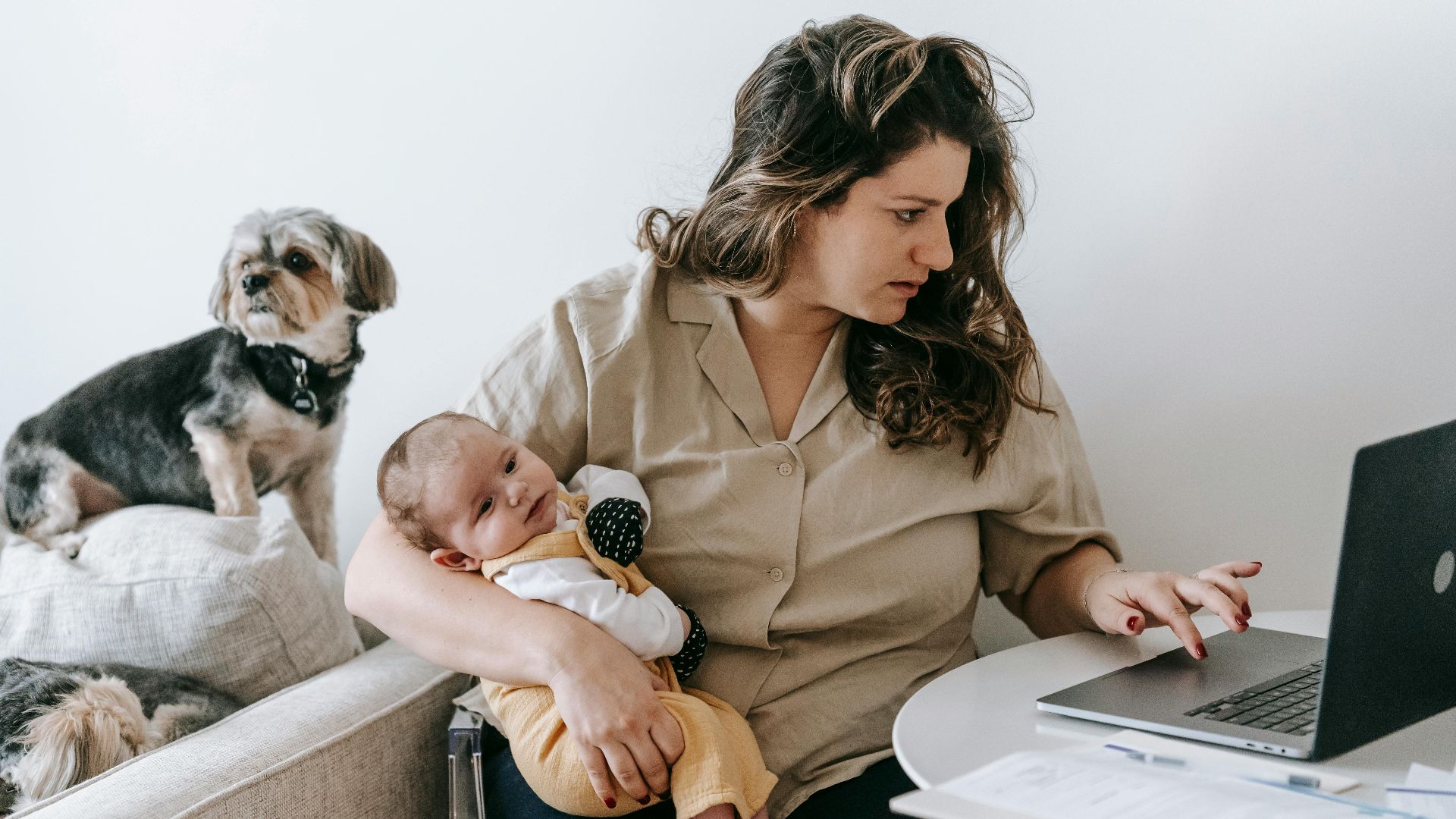
The double shift persists partly because old expectations are stubborn. Even in households where both parents work, mothers are often treated as the default parent and default home manager. Schools may call mom first, relatives may ask her about schedules, and partners may assume she already knows where everything is. It’s not always intentional, but it still adds up.
There’s also a cultural habit of praising mothers for self-sacrifice. A mother who does everything may be called devoted, strong, or amazing, which sounds nice until you realize praise can sometimes replace actual support. Being admired for carrying too much doesn't make the load lighter. Compliments are lovely, but they don’t fold laundry or book the dentist.
Workplaces can make the imbalance worse. Many mothers are expected to perform as though they don’t have caregiving responsibilities, then parent as though they don’t have jobs. That leaves very little room for rest, recovery, or simply being a person with interests beyond logistics. It’s no wonder so many mothers feel like they’re always falling short somewhere.
What Would Actually Help
A fairer household starts with treating domestic labor as a shared responsibility, not as something one person “helps” with. That means both parents should own the whole tasks from start to finish. Owning dinner, for example, includes planning meals, checking ingredients, cooking, cleaning up, and knowing what the kids will actually eat this week. It doesn't mean waiting to be told to stir the pasta.
Visibility also matters. Couples and families can benefit from listing all the recurring tasks that keep the household running, including the invisible ones. Once the work is named, it becomes harder to pretend it magically happens. From there, responsibilities can be divided more honestly, based on time, capacity, and fairness rather than habit.
The bigger solution also involves workplaces, policies, and social expectations. Affordable childcare, flexible schedules, paid leave, and cultures that don’t penalize caregiving would make a real difference. So would raising children to see housework and caregiving as shared life skills instead of gendered obligations. The double shift isn’t inevitable; it’s built by choices, systems, and assumptions.
The point isn’t that mothers don’t love their families. Most do, deeply. The point is that love shouldn't require one person to work all day, come home, and quietly run the entire backstage operation of family life. When the second shift is shared more fairly, mothers don’t become less caring; they finally get to be cared for too.