
The Couple That Went Down In History Because Of Their Epic Love Letters
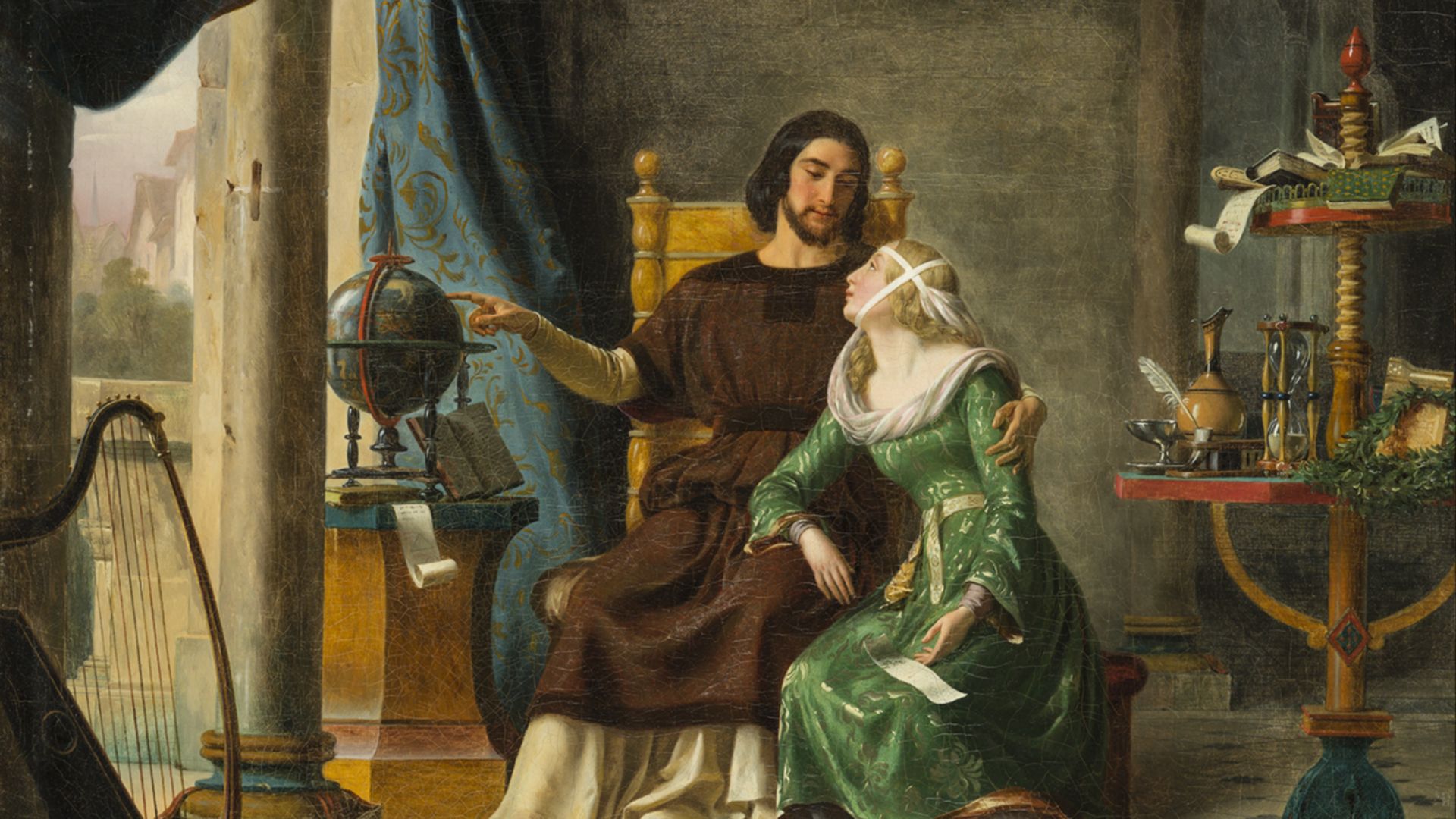
Long before sexting and saucy Instagram story replies, people took to the quill, pouring their heart out onto a piece of parchment, and hoping the message made it into the hands of the person they intended. That deliberateness, vulnerability, and poeticness are exactly what make old love letters so fascinating. They weren’t dashed off in a hurry with a string of emojis.
Héloïse and Peter Abelard, two figures from 12th-century France whose relationship was passionate, scandalous, tragic, and extremely well documented, are perhaps better-remembered for their correspondence than for anything else. Their love story didn’t unfold neatly, and it certainly didn’t get the happy ending you’d expect from a softer romance, but their letters helped turn them into one of history’s most unforgettable couples.
A Romance That Started With Brains
Peter Abelard was already a famous philosopher and teacher when he met Héloïse, who was known for her intelligence and education. In a world where women often weren’t encouraged to become scholars, Héloïse stood out immediately. She wasn’t just admired for being charming or beautiful. She was respected because she could think, argue, write, and hold her own.
Héloïse was living under the care of her uncle, Canon Fulbert, in Paris when Abelard entered her life as a tutor. What began as lessons in philosophy, literature, and language soon turned into a secret romance.
Their affair eventually became impossible to hide, especially after Héloïse became pregnant. Abelard sent her away to Brittany, where she gave birth to their son. To quiet the scandal, Abelard proposed a secret marriage, but Héloïse resisted at first because she feared it would damage his career and reputation as a scholar.
They did marry quietly, but secrecy didn’t solve the problem. Fulbert felt that Abelard had wronged Héloïse and then tried to hide the marriage to protect himself. The conflict grew uglier, and to protect her from her uncle, Abelard placed Héloïse in a convent at Argenteuil, but Fulbert interpreted this as an attempt to abandon her. In response, Fulbert’s men attacked Abelard in a brutal act of revenge that permanently injured him.
The Letters That Kept Their Story Alive
After the attack, Abelard became a monk, and Héloïse eventually took religious vows as a nun. Their lives moved into separate religious worlds, but their emotional history didn’t politely vanish just because everyone changed clothes and titles. Years later, Héloïse read Abelard’s account of his misfortunes and responded with letters that were tender, wounded, brilliant, and sometimes startlingly direct.
Héloïse’s letters are especially striking because she refuses to pretend that becoming a nun erased her feelings. She writes about longing, memory, loyalty, and the pain of being asked to redirect her heart toward religious devotion when it still remembered Abelard. She also questions whether obedience is meaningful when it comes from pressure rather than desire. That honesty is part of why readers still find her voice so alive.
Abelard’s replies are more cautious and theological, as if he’s trying to guide both of them toward spiritual discipline. He urges Héloïse to think of their suffering as part of a larger religious path, which may be sincere, but it also feels emotionally safer for him. You can sense him trying to put their love into a framework that makes it easier to survive. Héloïse, meanwhile, keeps pulling the conversation back toward what it actually cost her.
The result is one of history’s most famous written exchanges. The letters aren't sweet and simple, but emotionally complicated and heartbreaking. They contain devotion, frustration, guilt, admiration, and grief all tangled together. If you’ve ever had a relationship where the feelings outlived the practical possibility, you can understand why their letters still land. They read like two people trying to make meaning out of something that changed them forever.
Why Their Love Still Feels So Human
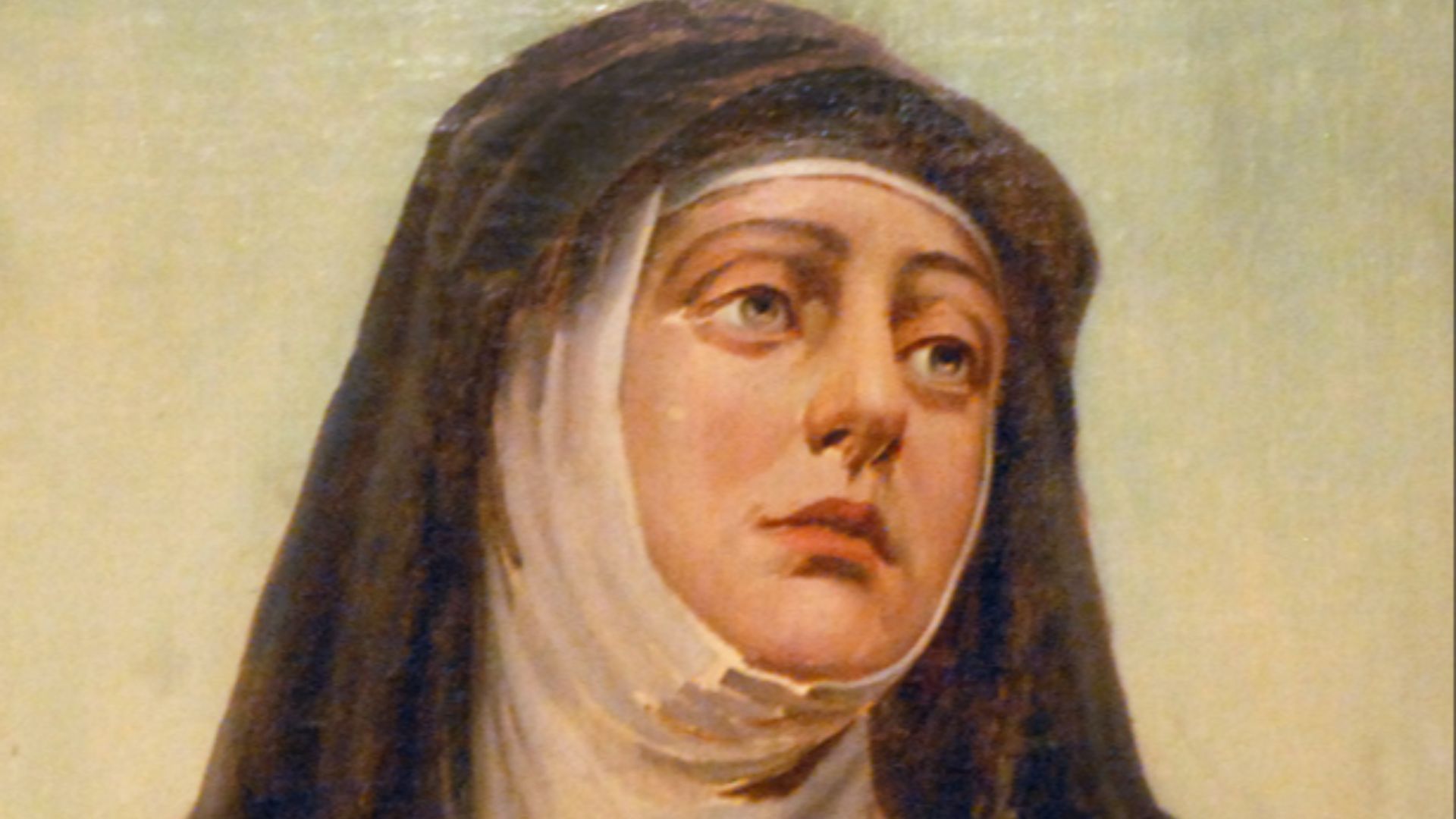 Jean-Pierre Dalbéra from Paris, France on Wikimedia
Part of the reason their story still matters is that it refuses to be simple. Héloïse and Abelard weren’t perfect lovers, and their relationship raises real questions about power, secrecy, ambition, and sacrifice. Abelard was her teacher, older and more socially established, which makes modern readers look at the story with a sharper eye. That complexity doesn’t ruin the story, but it does make it more human.
Héloïse, in particular, keeps the romance from becoming a neat medieval legend. She doesn’t simply accept the role history hands her, and she doesn’t quietly become a symbol of tragic devotion. She speaks with frustration, intelligence, and emotional force, reminding Abelard and everyone else that her inner life belongs to her.
Their later lives also added another layer to the story. Héloïse became abbess of the Paraclete, a religious community Abelard had founded and later entrusted to her. Even after their romantic life was over, their connection continued through leadership, religious duty, and written counsel. It wasn’t the love story either of them had imagined, but it still kept them linked in a way that history couldn’t ignore.
Their letters show why written love can outlast almost everything else. Bodies age, reputations shift, buildings fall, and scandals become footnotes, but words can keep a feeling alive with stubborn elegance. Héloïse and Abelard were separated by circumstance, religion, regret, and the harsh rules of their world. Yet their letters continued speaking for them.