
When Childhood Came With A Clipboard
Some kids grew up being told to relax. You grew up being handed the keys, the grocery list, the emergency phone number, and a look that said, “You know what to do.” Being the responsible one is not always about being naturally organized or unusually mature. Sometimes it means you were trained early to notice what needed doing before anyone else did. Here are are twenty familiar clues that your parents raised you to be the one who kept everything from falling apart.

1. You Were The Family Reminder System
You knew who had a dentist appointment, when the electric bill was due, and which cousin needed to be picked up after practice. Somehow, everyone trusted your memory more than the calendar on the fridge. If something got forgotten, it often felt like your failure, even when no one had actually asked you to track it.

2. You Felt Guilty Relaxing
Even now, sitting down can feel suspicious. If the house is quiet, your brain starts scanning for whatever task you must have missed. Rest does not always feel like rest when you were taught that being useful was the safest way to exist.

3. You Were Praised For Being “So Mature”
Adults loved calling you mature because it sounded nicer than saying you carried too much. You learned early that being easy, helpful, and low-maintenance earned approval. The compliment felt good at the time, but it also quietly raised the bar for how little trouble you were allowed to cause.

4. You Could Read The Room Fast
You knew when your mom was about to snap or when your dad needed everyone to stay quiet. That skill did not come from nowhere. It came from watching moods the way other kids watched cartoons, picking up tiny shifts in tone, footsteps, and the way cabinets closed.

5. You Were The Default Babysitter
You were not always asked. Sometimes it was just understood that you would keep an eye on the younger kids, make sure nobody ate glue, and somehow finish your homework too. You learned to listen for trouble from another room while pretending to focus on your own life.

6. You Rarely Asked For Help
Asking for help felt like creating extra work for someone else. So you figured things out, patched things together, and acted calm even when you had no idea what you were doing. Over time, independence stopped feeling like a choice and started feeling like a requirement.

7. You Knew How To Apologize First
Even when you were not fully wrong, you often became the one smoothing things over. Keeping the peace felt more important than proving a point. You learned that a quick apology could end the tension faster than a fair conversation ever would.
8. You Were Trusted With Adult Information
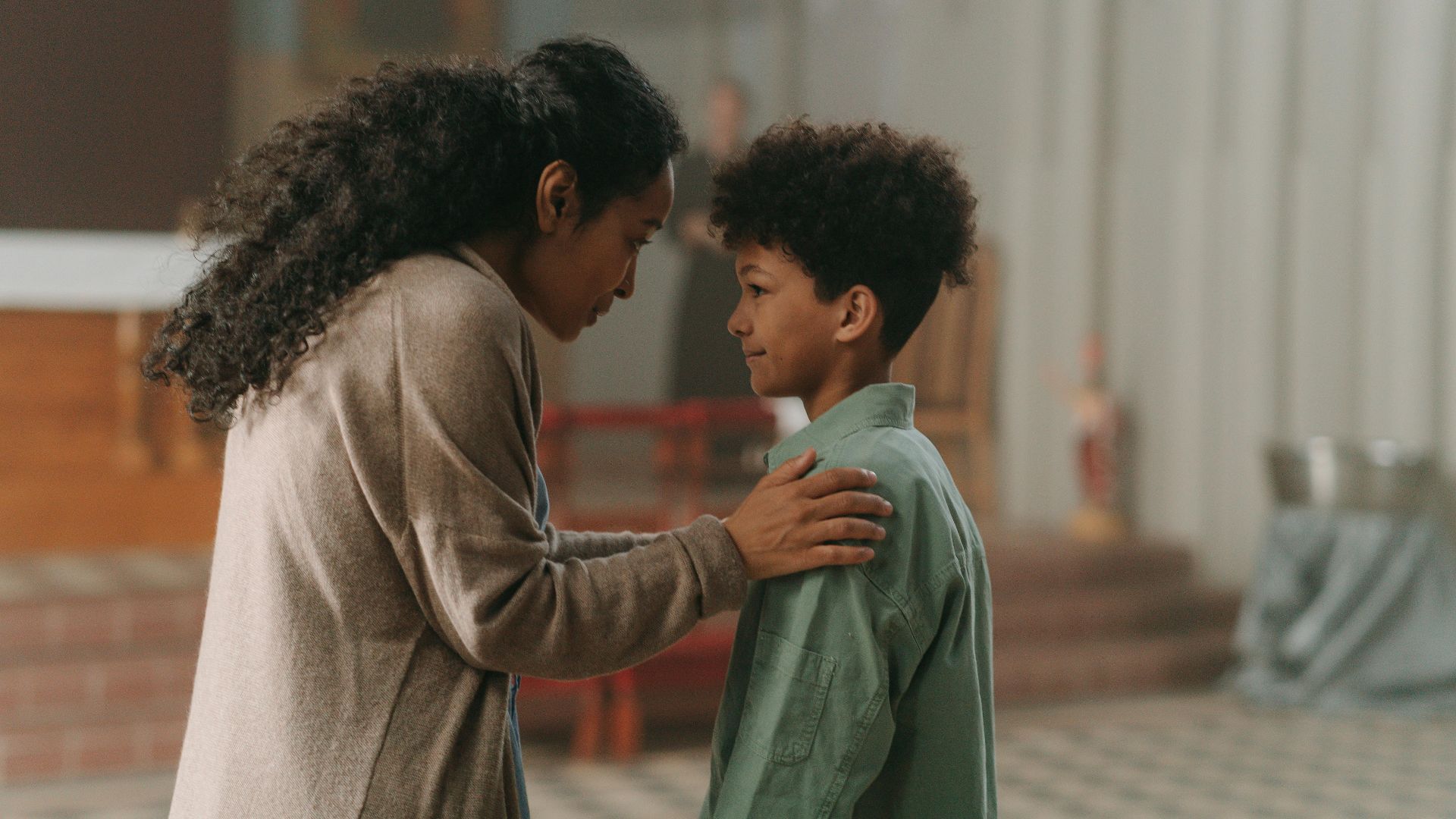
Money problems, family drama, health worries, and relationship tension somehow made their way to you. You may have been a kid, but people spoke to you like you were already on the management team. It can make adulthood strange, because so many serious conversations already feel familiar.

9. You Packed Your Own Bag
Permission slips, gym clothes, lunch money, library books, and whatever random item school required on Thursday were your responsibility. Forgetting something meant dealing with the consequences, so you learned not to forget. You probably still check your bag before leaving, then check it again at the door.

10. You Could Make A Meal Out Of Anything
You knew how to turn leftovers, toast, eggs, or boxed pasta into dinner. It was not fancy, but it got everyone fed, and that counted. There is a particular kind of responsibility in knowing how to improvise when the fridge looks hopeless and no one else has a plan.

11. You Noticed What Other People Needed
A half-empty glass, a tired face, a tense silence, a sibling hovering near tears. You picked up on small signals because being useful often meant spotting the problem before it became loud. Even now, you may notice everyone else’s discomfort before you notice your own.

12. You Were Careful With Money Early
Birthday cash did not burn a hole in your pocket. You saved it, counted it, hid it somewhere “safe,” and thought twice before spending it on something fun. Maybe you watched adults worry about money, or maybe you were simply taught that security mattered more than impulse.

13. You Were The One Parents Compared Others To
“Why can’t you be more like your brother?” or “Your sister never gives us this trouble” may have sounded like praise, but it put you in an awkward spot. Being the example can be lonely. It also makes mistakes feel bigger, because everyone has already decided you are the dependable one.

14. You Had A Hard Time Being Messy
A messy room, an unread email, or a sink full of dishes can feel like a personal failure. Even when nobody is judging, some old part of you expects an inspection. The problem is not the mess itself; it is the feeling that mess means you have let something slip.

15. You Took Rules Seriously
Rules were not suggestions. They were how you stayed safe, avoided conflict, and kept adults from getting disappointed. While other kids tested limits for fun, you were usually calculating the consequences before anything even happened.

16. You Became The Planner In Friend Groups
Somebody has to pick the time, make the reservation, check the address, and remind everyone where to park. That somebody is usually you, even when the group chat has twelve other capable adults. You may complain about it, but part of you feels uneasy when nobody is steering.

17. You Feel Responsible For Other People’s Feelings
If someone is upset, your first instinct is to fix it. You may know, logically, that everyone owns their own emotions, but your nervous system still grabs the mop. A bad mood in the room can feel like a spill only you can clean.

18. You Were Afraid Of Being A Burden
You learned to make yourself convenient. Needing too much, wanting too much, or having a problem at the wrong time felt risky. So you became the person who says “no worries” too quickly, even when there are, in fact, several worries.

19. You Handle Emergencies Too Well
When something goes wrong, you get focused. You find the keys, call the number, grab the towel, clean the spill, and only shake a little after everyone else is fine. People may admire your calm, but they do not always see the delayed crash that comes later.

20. You Are Still Learning How To Be Taken Care Of
Being responsible became part of your identity, so receiving care can feel awkward. It takes practice to let someone else make the plan, carry the bag, or notice when you are tired before you have to say it. The hardest part may be trusting that you do not have to earn tenderness by being useful first.