
Building Stronger Connections One Small Step At A Time
Blended families rarely become comfortable overnight because every person involved is adjusting to new routines, expectations, and relationships at the same time. While big family vacations and major bonding activities can help, it’s often the tiny everyday habits that slowly create trust and stability in a shared home. Small gestures, consistent communication, and thoughtful routines can make children and adults feel respected without forcing closeness too quickly. When you focus on manageable habits instead of perfect family moments, everyone usually feels less pressure and more willing to connect naturally. Here are 20 tiny habits that can make a blended family gel.

1. Greet Everyone When You Walk In
A simple hello when someone enters the room can make a blended household feel warmer and more welcoming. Kids and adults both notice when they’re acknowledged consistently, even during busy days. You don’t need a long conversation every time, but making eye contact and offering a quick greeting helps people feel included.

2. Keep Household Rules Consistent
Children often struggle more with confusion than with rules themselves, especially after family changes. When adults agree on basic expectations like screen time, chores, or bedtime routines, the home feels steadier for everyone.
3. Learn Everyone’s Favorite Snack
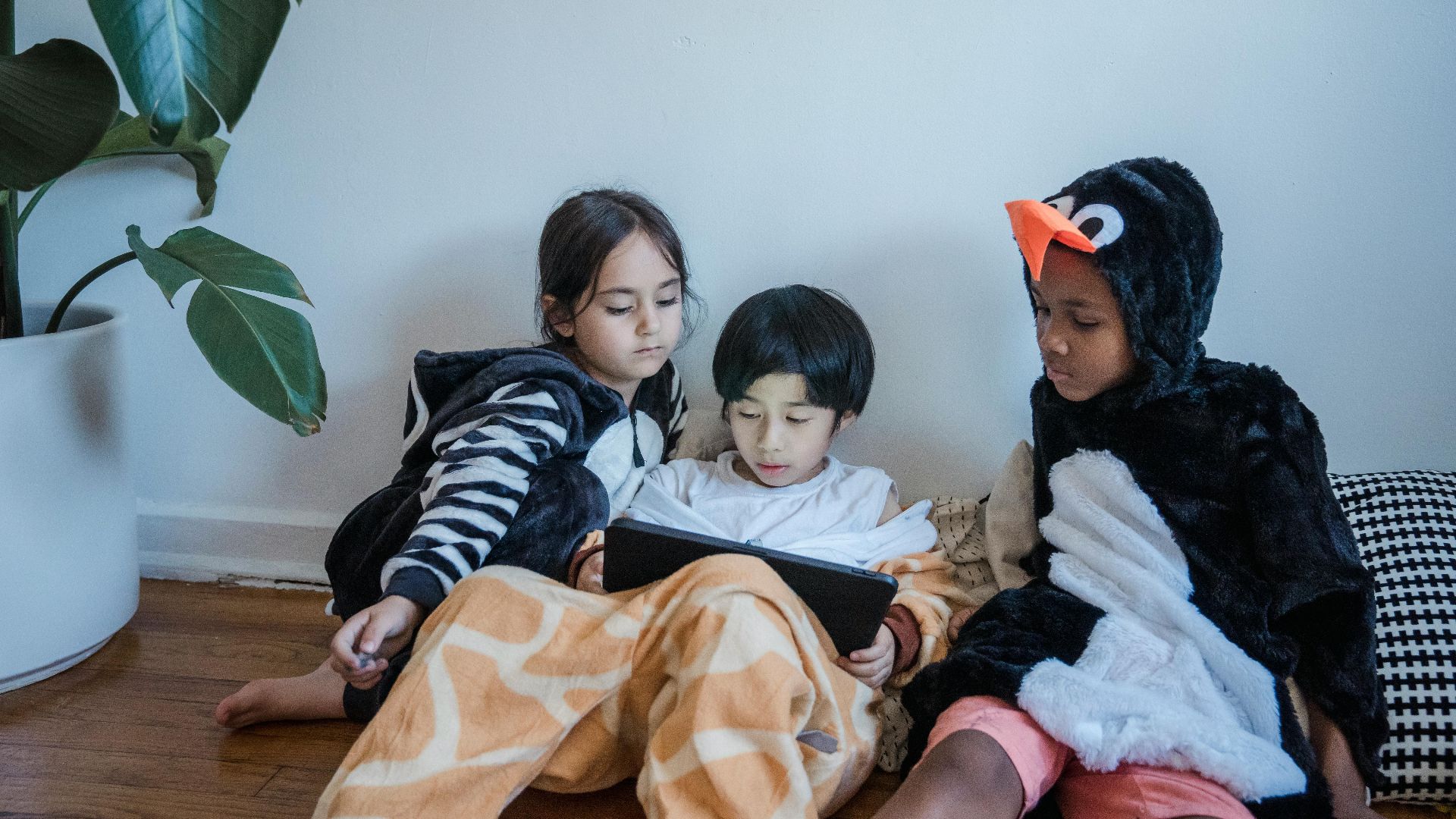
Keeping a favorite snack or drink in the kitchen shows thoughtfulness without making a big display out of it. Kids especially tend to notice when someone remembers their preferences because it signals attention and care. This habit can also make new family members feel less like guests in the home. Something as small as buying the right cereal can quietly strengthen connections.

4. Avoid Comparing Family Members
Blended families work better when children aren’t measured against siblings, step-siblings, or former family routines. Comments that seem harmless can create resentment or competition very quickly.

5. Eat Together Whenever Possible
Shared meals give families a predictable time to reconnect without needing formal discussions. Research consistently shows that regular family meals support communication and emotional well-being in children. The meal itself doesn’t need to be elaborate because the routine matters more than the menu. Even eating together a few nights a week can improve household connection.

6. Respect Existing Traditions
Children often feel comforted by traditions they’ve carried from earlier family experiences. Allowing room for old birthday customs, movie nights, or holiday routines can ease the transition into a blended household.

7. Use One-On-One Time Regularly
Group activities are helpful, but individual attention can matter even more in blended families. Spending a few minutes talking, walking, or running errands together gives children a chance to feel personally valued. These moments often create stronger trust because there’s less pressure from the larger family dynamic. Consistent one-on-one attention also helps kids open up more naturally.

8. Say Thank You Often
Gratitude can soften everyday tension in a home that’s still adjusting to change. Thanking someone for setting the table, helping with homework, or simply being patient encourages cooperation without sounding demanding.

9. Let Relationships Develop Slowly
Trying to force instant closeness usually creates more resistance instead of stronger bonds. Children may need time before they fully trust a stepparent or feel comfortable with new siblings. Giving everyone permission to adjust at their own pace keeps pressure lower throughout the household. Patience tends to create more genuine relationships in the long run.

10. Share Small Daily Updates
Brief conversations about school, work, or weekend plans help people stay connected without feeling interrogated. Asking simple questions like “How was your afternoon?” creates opportunities for regular communication.

11. Create Fair Chore Expectations
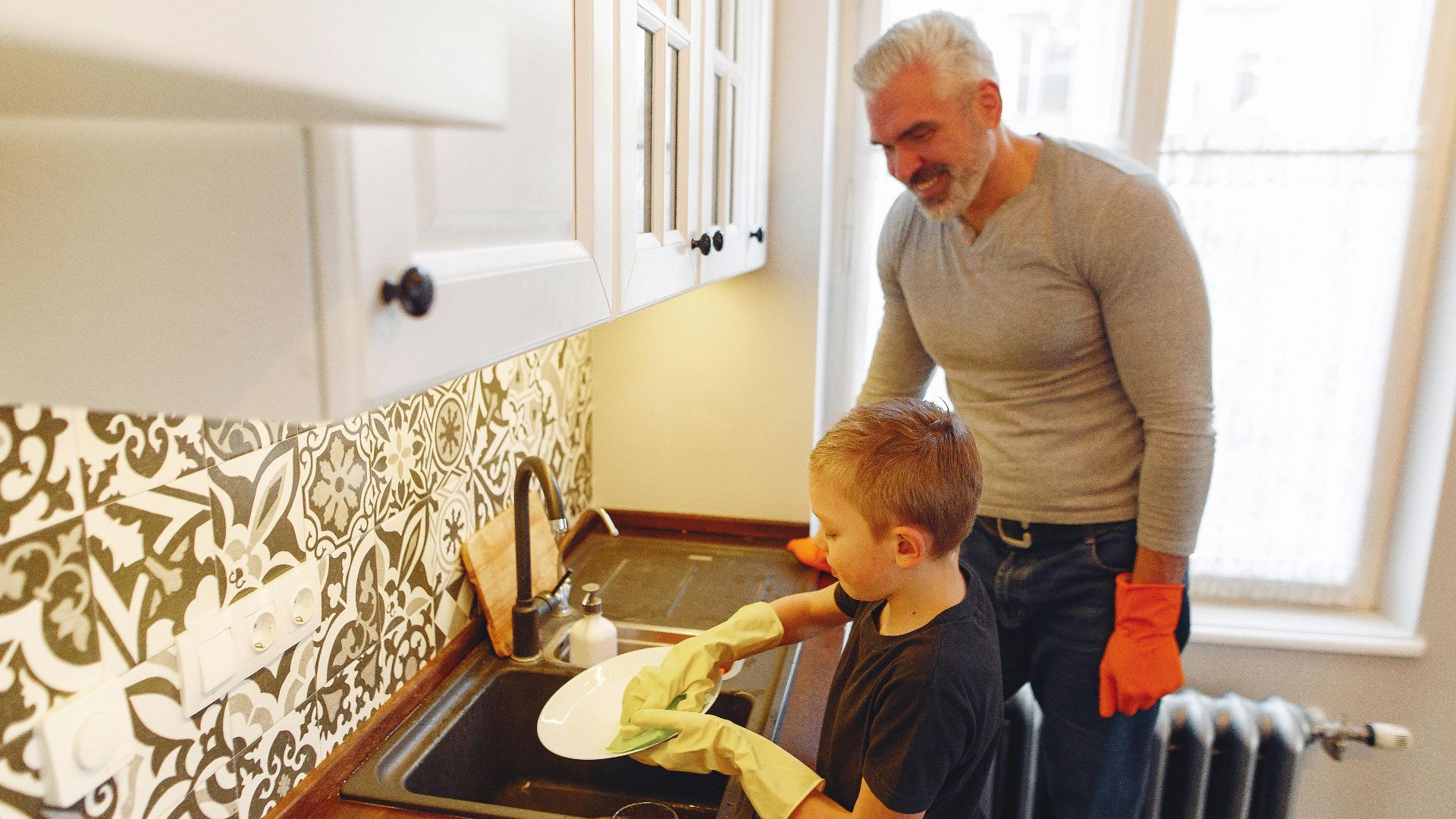
Children notice very quickly when household responsibilities feel uneven. Assigning age-appropriate chores fairly across the household helps prevent step-sibling resentment from developing. Clear expectations also reduce the chance that one child feels singled out unfairly.
12. Give Kids Personal Space
Even in loving households, children need areas where they can relax without constant interaction. Respecting bedrooms, quiet time, or personal belongings helps kids maintain a sense of control during family changes.

13. Laugh Together During Everyday Moments
Humor helps reduce stress and makes awkward family situations feel less tense. You don’t need planned entertainment because funny conversations during dinner or while driving can create lasting memories.

14. Speak Positively About Other Parents
Children benefit emotionally when adults avoid criticizing biological parents in front of them. Negative comments can make kids feel caught in the middle or pressured to choose sides. Respectful communication between households supports emotional stability, even when relationships between adults are complicated.

15. Celebrate Small Wins
Not every family success has to involve a major milestone or special occasion. Praising a peaceful school morning or a cooperative weekend helps reinforce positive behavior naturally. Small celebrations can motivate family members to keep trying during difficult adjustment periods.

16. Use Calm Voices During Conflict
Disagreements happen in every family, but tone often affects children more than the actual issue being discussed. Speaking calmly during tense moments shows kids that conflict can be handled respectfully.

17. Include Everyone In Simple Decisions
Allowing children to help choose dinner, weekend activities, or family movie nights encourages participation and belonging. Small decisions help kids feel that their opinions matter in the household.

18. Keep Promises Whenever Possible
Trust grows slowly in blended families, especially when children have already experienced major changes. Following through on plans, pickup times, or family activities helps create reliability.

19. Encourage Private Parent-Child Time
Children still need uninterrupted time with their biological parents after blending households. Supporting these individual relationships can reduce insecurity and jealousy within the family.
 Filip Rankovic Grobgaard on Unsplash
20. End The Day On A Positive Note
A calm bedtime routine can help everyone reset after stressful moments or busy schedules. Simple habits like saying goodnight, sharing tomorrow’s plans, or ending with a kind comment create emotional consistency.