Paid time off is a precious commodity in America, with the average number of days ranging from 11-15. These numbers are, frankly, abysmal when compared the EU's minimum guarantee of 20 days, regardless of how long you've been with the company. What's more worrying than American hustle culture reducing employees to mindless worker drones is how people are using PTO. Rather than using it for vacations or family time, Americans are using PTO to rest.

According to a recent study by Amerisleep.com, 37% of Americans use their vacation days to naps. Specifically, 43% of millennials, 34% of Gen X, 33% of Gen Z% and 20% of Baby Boomers. Now, before you start typing your angry comments about millennial laziness and how nobody wants to work, let's take a look at some statistics.
No Rest For The Worker
First of all, millennials are in their 30s and 40s, so this isn't simply an issue of youth burnout. Secondly, while costs get higher, pay stays the same. The highest minimum wage in America is in DC, at $17.50/hr, while others have not changed from 2009, when $7.25 was set as the federal minimum. Even where minimum wage is at its highest, it still can't cover the cost of living. And, even if the bill to raise minimum wage to $15.50 finally passes, this gap will continue to grow.
Not only are vacations, formerly a yearly staple of a financially stable family, more expensive than ever, increased costs of living mean everything is more expensive. The only thing that's free is the air we breathe, you have to pay to breathe it indoors. As the economy grows increasingly unstable, so does the concept of a work-life balance.
Overall, people are clocking in longer hours at their jobs, ignoring signs of sickness, and pushing their mental health to the brink. They aren't doing it because they love what they do, they're doing it to survive. PTO is one of the few opportunities people have to relax without feeling guilty about it. Is it any wonder that staycations are rising in popularity?
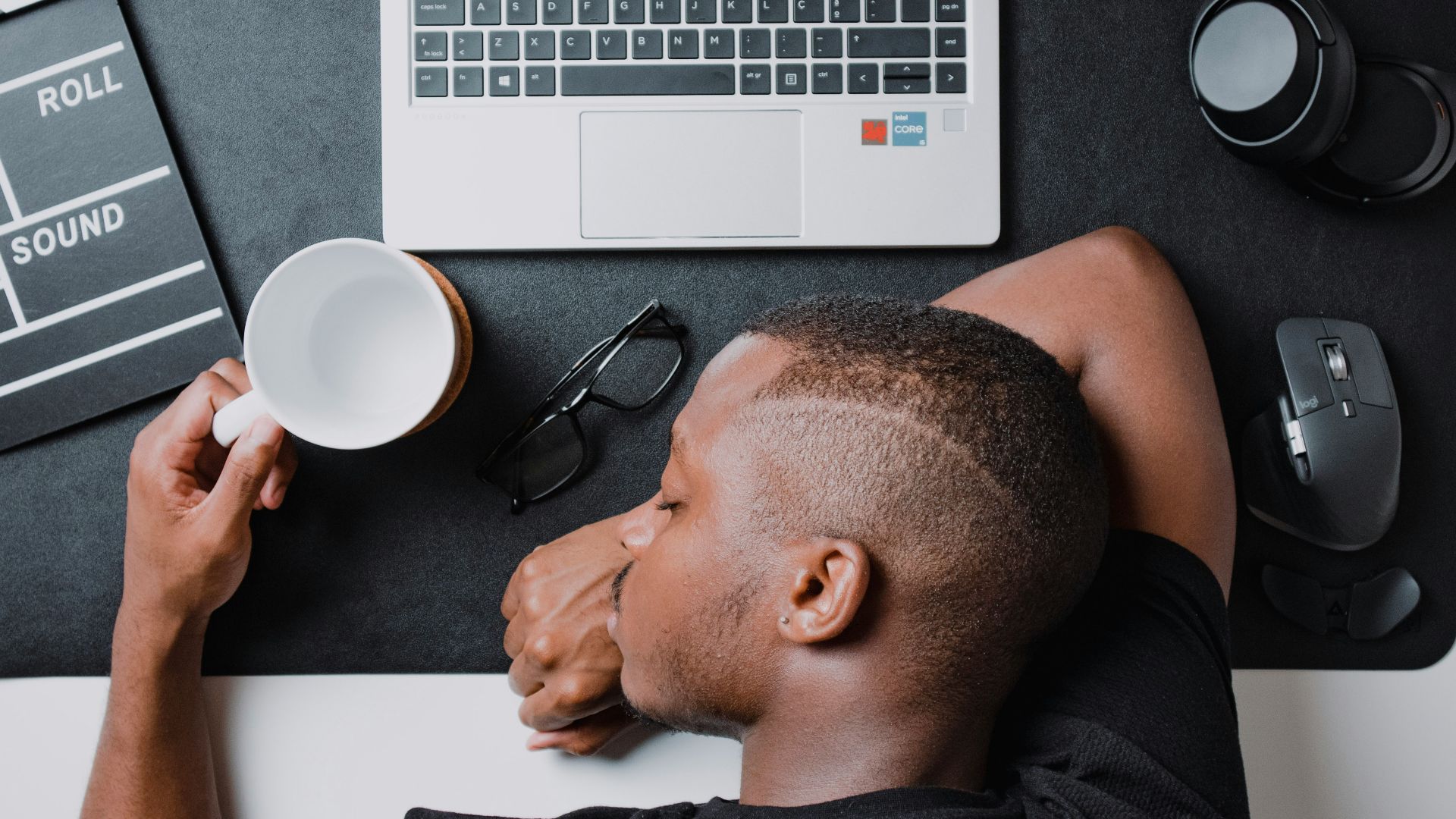 Nubelson Fernandes on Unsplash
Rest: A Luxury Or Necessity?
Burnout is a real thing. While conversations around mental health are more open than ever, there's still stigma about using sick days to take care of your mental rather than physical health. Being open about taking mental health days is still seen as a sign of weakness rather than strength. Of course people are pushing through until they crash and burn. They can't afford not to.
Consider parental leave. The World Health Organization recommends 16 weeks in order for the family to recover from the birth and adjust. Bulgaria offers 58 weeks of parental leave paid in full. America offers a mere 12 weeks, unpaid. North of the border, Canada offers 18 weeks on partial salary, with the option for a full 12 months at half-pay.
Rest and recovery isn't seen as taking care of yourself, it's seen as laziness. Meanwhile, a packed schedule is seen as a sign of success. This isn't even factoring in commuting, which further eats away at the average worker's time. You can't recharge from a long day if you still have to drive an hour home. And then what, you make dinner, clean up, maybe have an hour or two to yourself, then you go to bed and do it all over again.
If you're getting paid to rest when you have so few opportunities, why wouldn't you? Priorities have shifted. We don't want a family vacation to Disneyland, a romantic getaway, or even a chance to see the extended family. All we want is a chance to rest without guilt.
In a climate that prizes efficiency above all else, rest has transformed from a basic necessity to a luxury.