
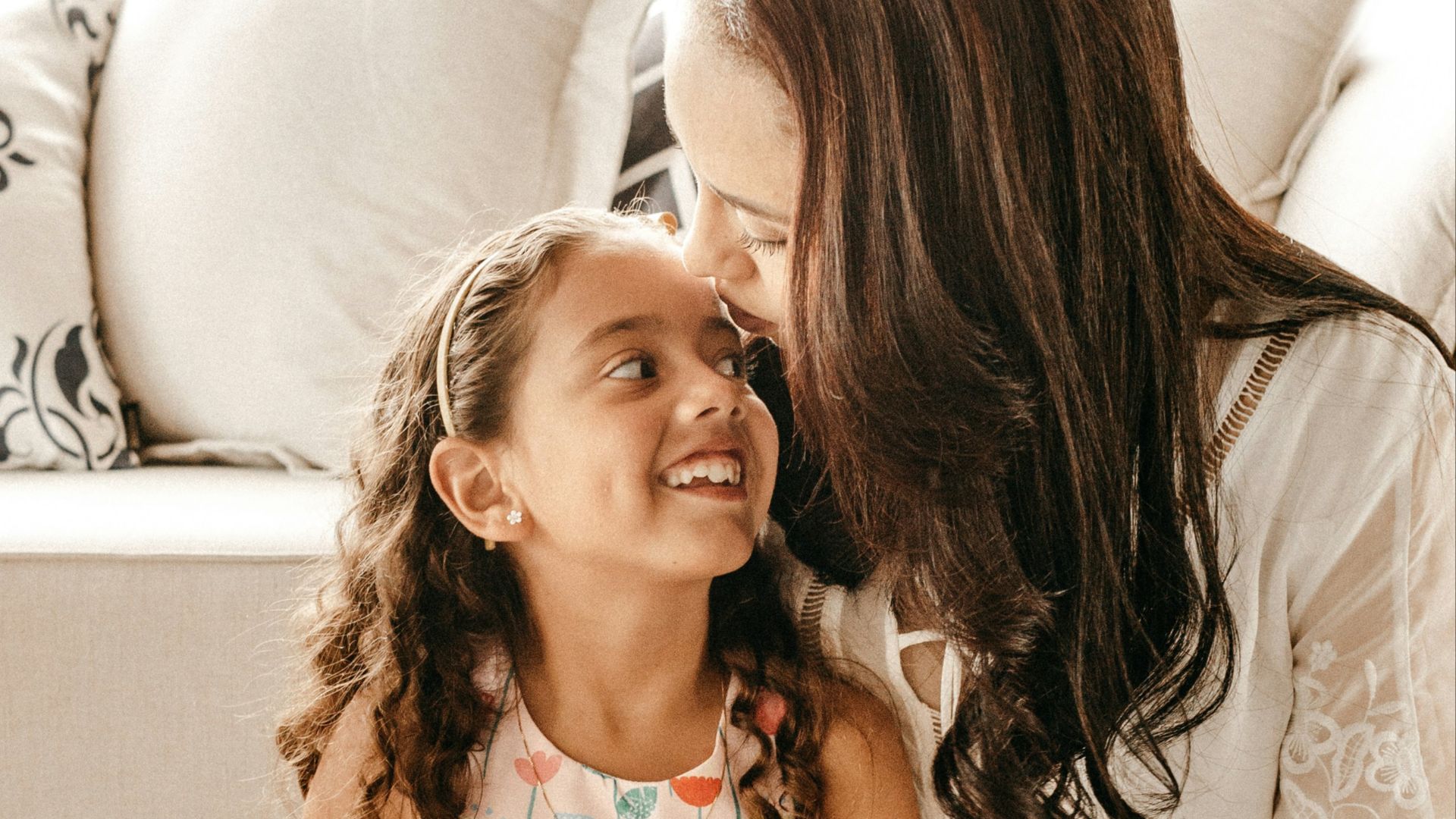
One term you may have seen thrown around a lot recently is "Eldest Daughter Syndrome". While not a formal mental health diagnosis by any means, EDS refers to a certain type of gendered experience that the eldest daughter of a family may experience. But, is there any truth to the matter, or are we all deluding ourselves?
What Is Eldest Daughter Syndrome?
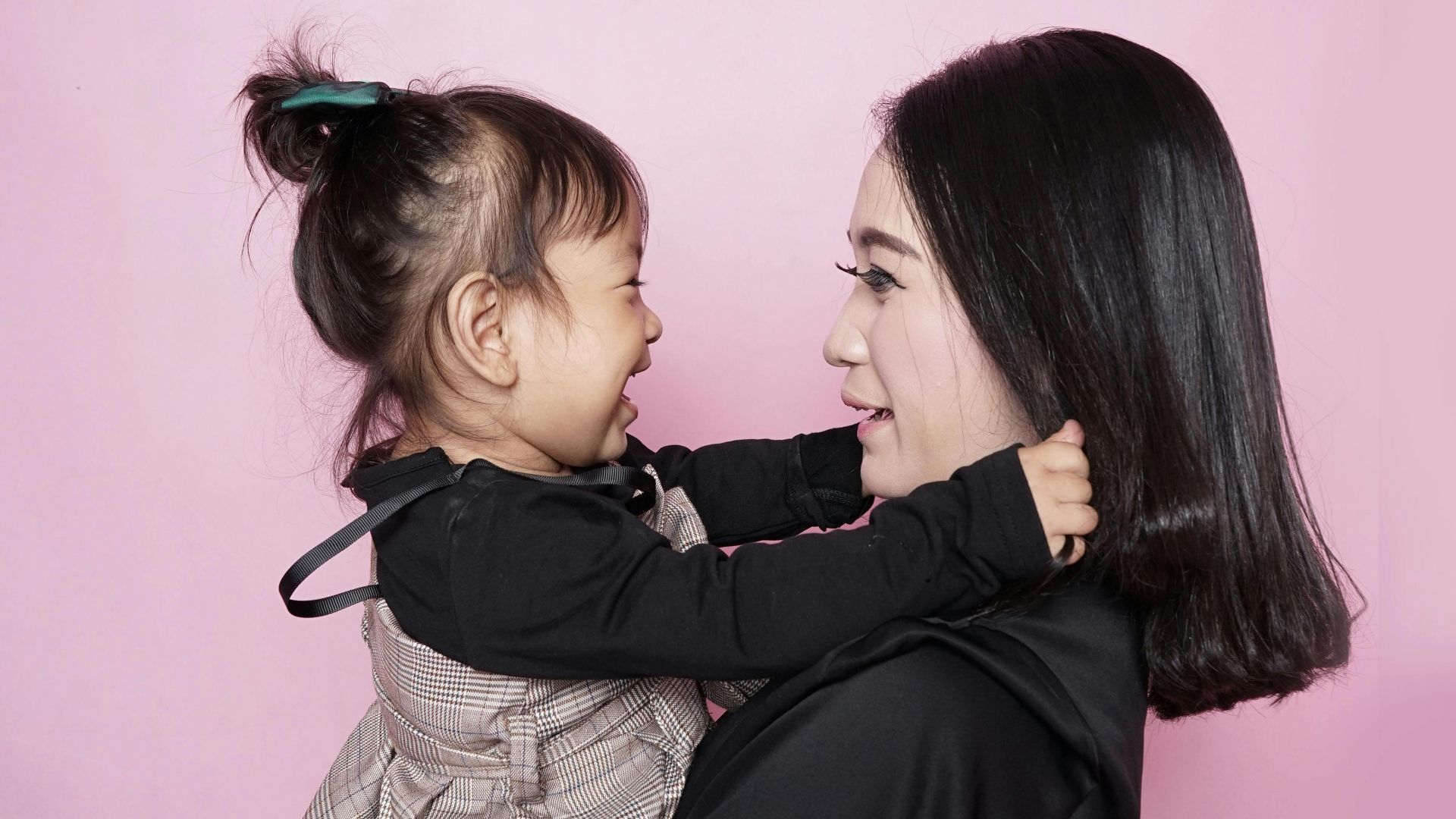
At its simplest, Eldest Daughter Syndrome refers to the "parentification" that many eldest daughters feel. For centuries, millennia even, the eldest daughter in a family has been seen as a sort of "mother-lite". Eldest daughters are often saddled with adult responsibilities while they are still children themselves.
Rather than stunting emotional growth, parentification causes these children to grow up too fast, striving for unattainable perfection and constantly putting other people's needs before their own. In this way, eldest daughters are not allowed to be kids because they are expected to do their share of emotional and domestic labor, helping their mothers raise their siblings. Being the firstborn child means not only being a guinea pig to parenting tactics, but also being pressured to set a "good example" for younger siblings.
There is some truth to EDS, but it may not be what you think.
Eldest Daughters & Gendered Labor

The pressure that parents place on their eldest daughters cannot be entirely blamed on the parents themselves. Rather, the roots and gendering of the division of labor are deep, reaching back through history. Misogyny is so ingrained in humanity that it's almost second nature to believe that women are inherently more maternal, more nurturing, more emotionally intelligent.
If you have spent your whole live believing that these beliefs are true, then of course you're going to pass them onto your own daughters, creating an endlessly self-replicating cycle. Misogyny hurts everyone, but it hurts those inside the system most of all. Treating girls as young as five or six as diet parents who must automatically take on a portion of domestic labor is wrong, nobody is arguing that it isn't.
All that is to say that, yes, Eldest Daughter Syndrome can be real—to a degree.
We live in an era of pop psychology and therapy speak consuming every conversation. A person cannot have an experience without it being seen as a symptom of a larger problem. Everything is pathologized, and nothing is meaningful.
The Problem With Pathologizing Everything
While all women are hurt by the structures of patriarchy, that hurt does not have the same form or intensity in all cases. What many eldest daughters do not want to consider is that there are racial and class dimensions to eldest daughter syndrome. There is no universal experience.
A girl growing up in poverty will have a different experience than one who grows up financially stable. A Black or brown girl will have a different childhood than a white one. A girl with abusive parents will experience EDS different than one with loving parents.
This isn't to say that you can't be parentified if you're white, middle class, from a loving home, or all of those things. Misogyny can and does affect everyone. It's just that if affects everyone differently.
An eldest daughter not being allowed to go to parties because she has to set a good example for her younger siblings is not the same as an eldest daughter who has to take care of her younger siblings while living in a motel. By saying that there Eldest Daughter Syndrome is caused by a singular experience flattens any sense of nuance. Not every eldest daughter goes through the same thing, and that's okay.
There is simply not enough scientific data to draw any conclusions birth order makes about a person's personality or mental health. The idea that every eldest daughter around the world experiences the exact same thing is a comforting dream. Nonetheless, it is a dream.