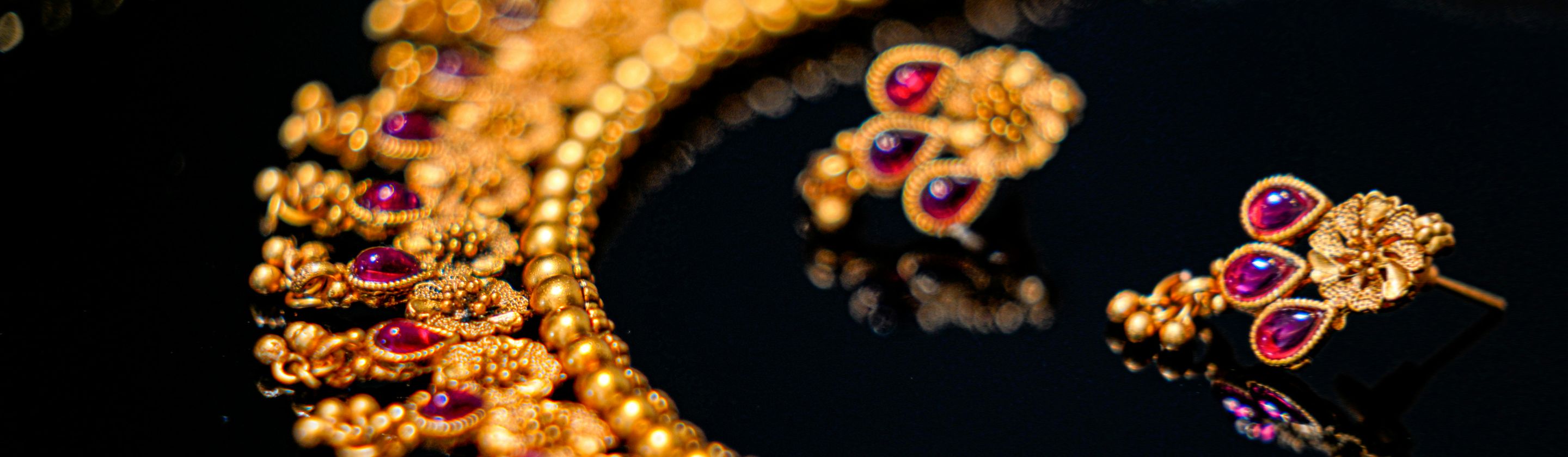
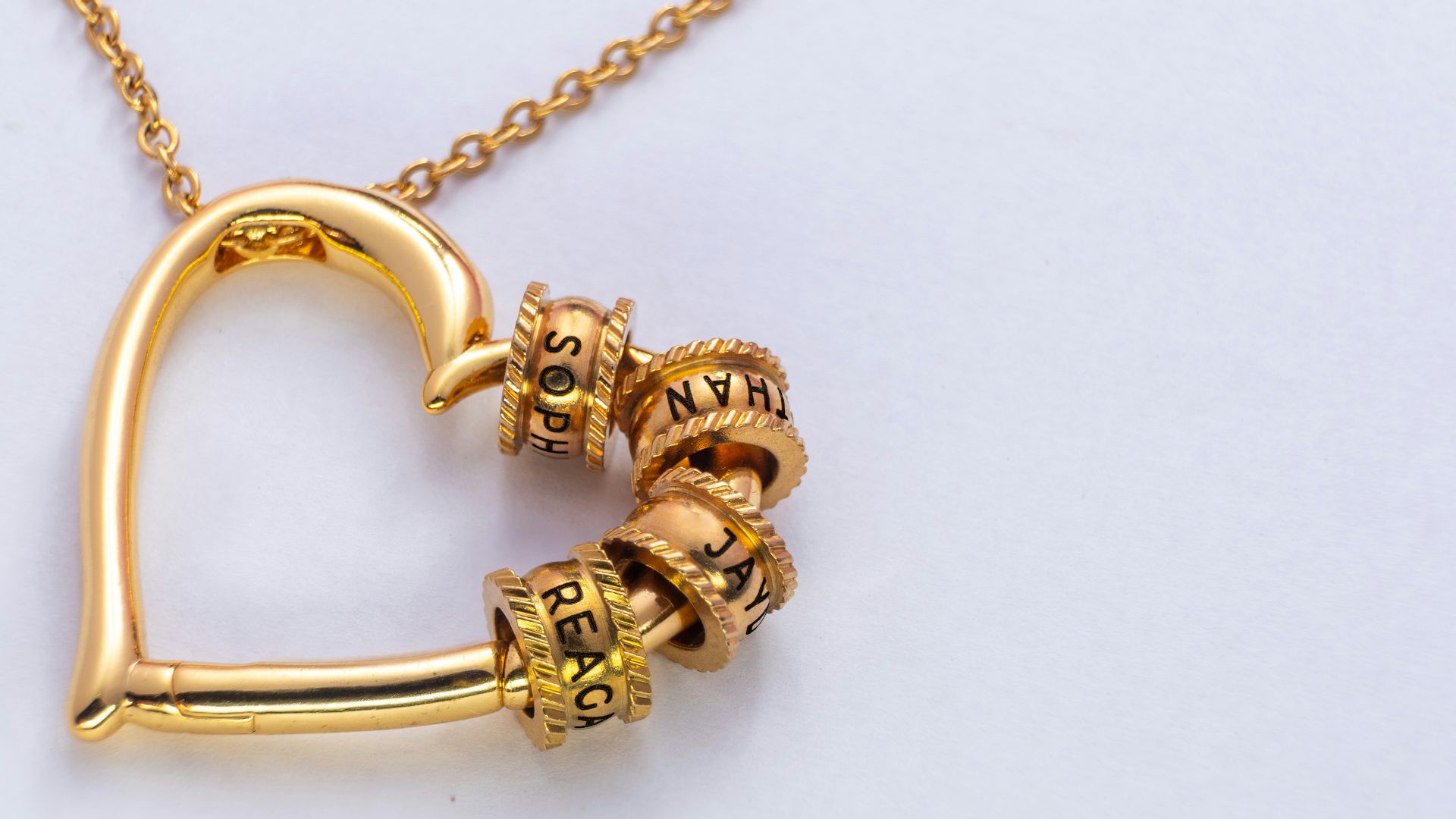
We all know what time it is—Valentine’s Day! With it being right around the corner, that means jewelry stores will see an influx of impatient customers as they all round the corner to buy the latest heart-shaped pendant. But what about those gifts that only pretend like they’re real? Would you even be able to tell the difference?
The good news is you don’t need a gemology degree to get some real answers. Gold has a way of looking convincing under warm lighting, which is exactly why questionable pieces can feel so persuasive at first glance. Still, a few smart checks can separate solid gold from “gold-ish” without ruining your day or your jewelry. If you’re willing to be a little curious, you can figure out what you’ve actually got.
Start With the Clues the Jewelry Already Gives You
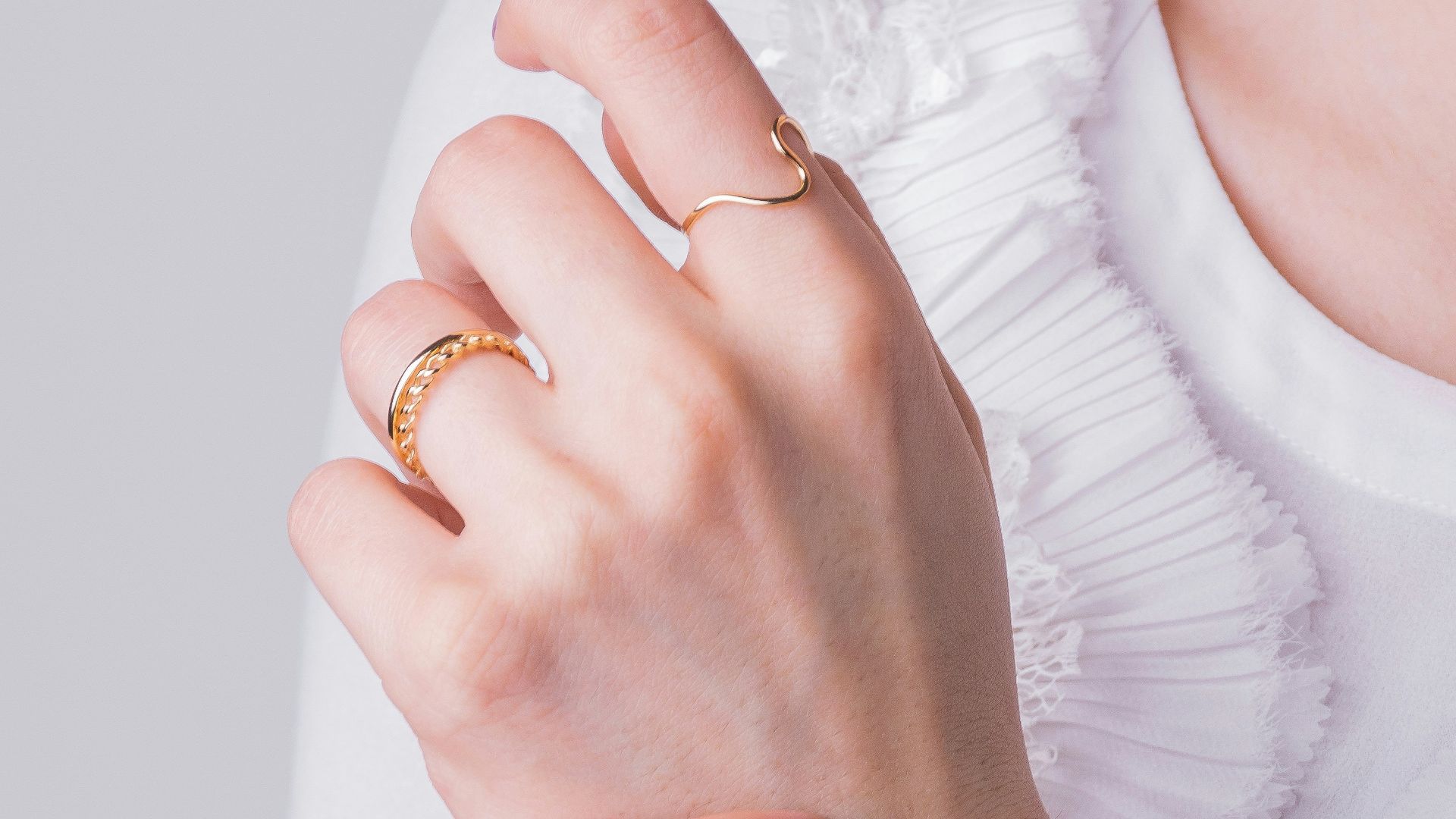
Look for tiny markings called hallmarks or stamps; they’re usually tucked near a clasp, inside a ring band, or on the back of a pendant. You might see “10K,” “18K,” or “24K,” which refers to the purity and is a strong starting clue. (Some pieces use “585” for 14K or “750” for 18K, and those numbers can be just as legitimate.) If you don’t find any markings, it doesn’t automatically mean it’s fake, but you should keep investigating.
Next, pay attention to wear patterns—cheap plating tends to tell on itself with time. If edges look darker where the piece rubs against skin or clothing, that’s often a sign of a thin gold layer over another metal. High-friction spots like ring bottoms, bracelet links, and chain clasps can also indicate the first hints of trouble. A piece that’s truly solid gold usually wears down with more grace, without revealing a different color underneath.
Real gold also isn’t magnetic, so if a strong magnet tugs hard, you’re likely dealing with another metal. That said, clasps and springs can contain steel components even on otherwise decent jewelry, so a small reaction doesn’t necessarily warrant a gotcha moment; treat magnetism as a clue, not a verdict.
Do Simple Tests Without Wrecking the Piece
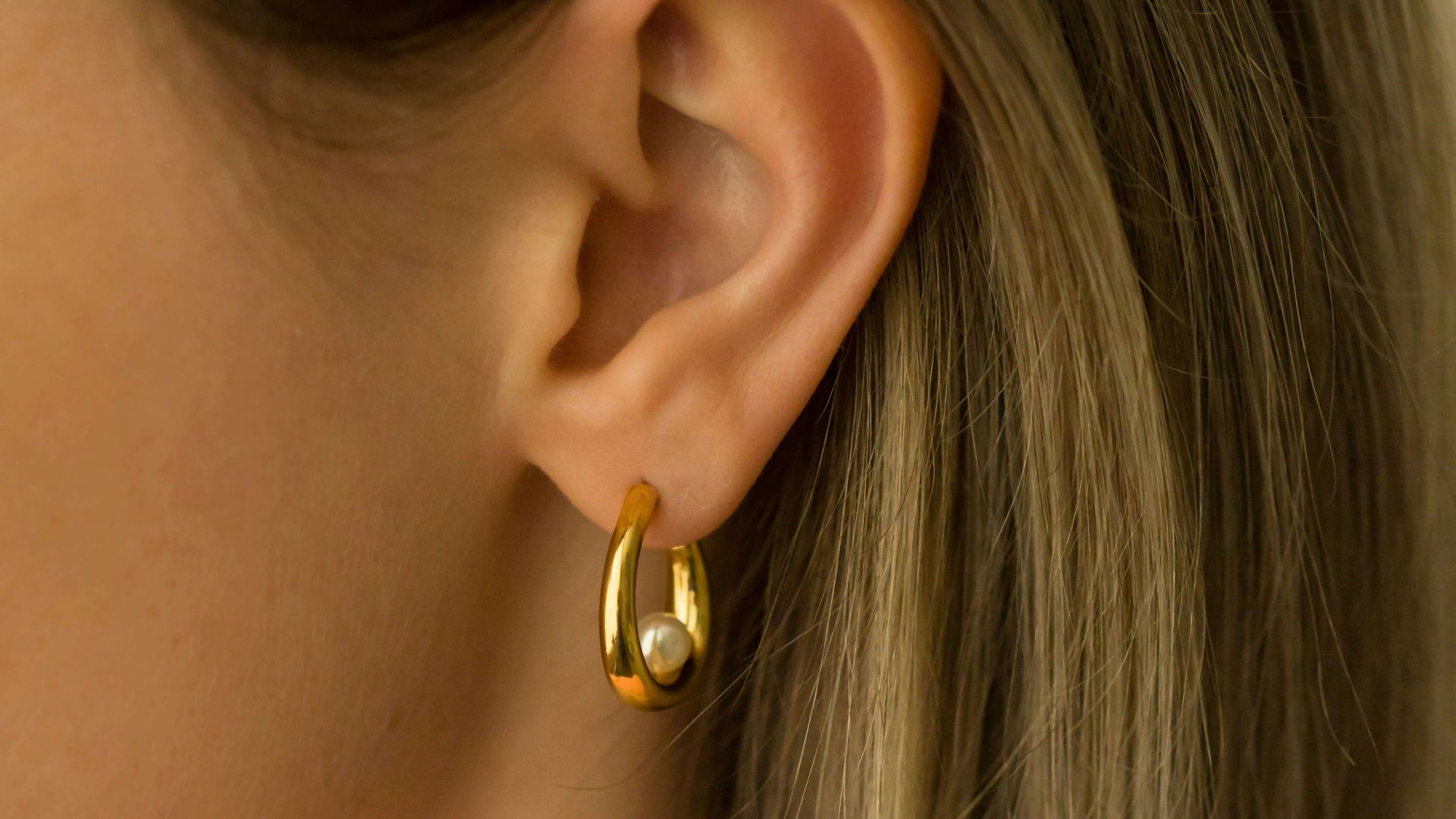 Ruan Richard Rodrigues on Unsplash
If you’re really curious, there are plenty of at-home tests to run. For example, try the ceramic plate test if you want something surprisingly revealing. Use an unglazed ceramic surface, gently drag a part of the piece, and look at the streak it leaves behind. Real gold typically makes a yellowish mark, while base metals often leave a gray or black streak. Just make sure you don’t get aggressive with pressure—you’re testing a material, not sanding down your gift.
Skin reactions are another hint, though they can be messy. If a necklace leaves a green or black stain, that usually points to copper, nickel, or other alloys reacting with everyday things like sweat, lotion, or perfume. Solid gold is less likely to discolor your skin, especially at higher karats, but lower-karat gold can still contain metals that cause mild staining.
You can also use a careful “water and weight” reality check. Remember: gold is dense and has a certain heft. Hold the piece in your palm and notice whether it feels oddly light for its size, especially with thicker chains or chunky rings. Compare it to a similar item you trust, and you’ll start noticing differences you didn’t expect. If it feels like a stage prop, you may be dealing with an imposter.
When You Need Certainty, Go Pro and Get Receipts

If you’re ready for a definitive answer, a jeweler can test your piece quickly with tools that don’t rely on guesswork. Many shops use acid testing on a tiny scratch mark, which helps indicate the karat level based on how the metal reacts. Others use electronic testers that measure conductivity, offering more detail without drama. Ask what method they use so you know whether the result is a strong assessment or a near-certain confirmation.
For higher-value items, an XRF test is the gold standard of “let’s stop wondering.” X-ray fluorescence scans the metal composition and can identify what’s actually in the piece, including plated layers in many cases. It’s especially helpful for jewelry that’s too delicate or sentimental for scratch-based testing. You might pay a fee, but you’re buying peace of mind instead of another week of suspicion.
Once you have the results, decide what you want from the situation. Maybe it’s genuine but low karat, so it scratches easily and needs gentler handling than you expected. Maybe it’s plated, but still beautiful, and you just want to store it properly so it lasts longer. Either way, knowing the truth lets you care for it with confidence and enjoy the gift without that nagging “junk jewelry” anxiety!