
A Candid Check-In
Growing up isn't always easy, and life can throw a lot of lemons at you, but it's important to check in with yourself and make sure you're shaping into the person you've always wanted to be. When things get in the way, it can be easy to lose track of these goals, but we're here to send you back on the right route. Here are 20 signs you might've changed for the worse, but don't worry, it's never too late to fix these bad habits.

1. You Only Reply Instead of Trying To Understand
Regardless of whether someone is casually talking to you or looking for serious advice, you tend to form your responses quickly like a script instead of absorbing what was actually said. Over time, people feel less heard around you, even if you didn’t mean it that way. You might still be present, but you’re not fully tuned in.

2. Your Patience Has Shrunk
We know life can be tough, but when things like being more impatient leaks into your attitude and the tone in your voice, it can be problematic. From having small delays irritate you more than they used to to finding yourself sighing at things that are normal parts of daily life, others may grow to be uncomfortable around you if you let them see it all the time.

3. You Default to Cynicism
Sure, growing up may expose you to things that make you more careful and reserved, but you shouldn't start assuming the worst motive behind ordinary behavior. When someone does something kind, don't look for sketchy angles without reason. Cynicism can feel like intelligence, but it’s usually just a shortcut.

4. You Make Everything a Transaction
As you've grown older, you may have started viewing relationships as business deals. You’ve become more alert to what you’re “getting” from people, and you've learned to keep score in subtle ways. This can be a dangerous mindset though, turning every little exchange into a negotiation. It also makes generosity feel risky rather than natural.

5. You’re More Defensive Than You Admit
Struggle to take criticism well? You're definitely defensive if feedback always lands like an accusation, even when it’s gentle. You feel the need to explain yourself immediately, and you treat questions as challenges. This habit keeps you from learning quickly because you’re busy protecting your image, and people might even stop offering you their honest thoughts.

6. Your Follow-Through Has Slipped
No one likes someone who's flaky, but you might've let yourself become that way without even realizing it. You talk about plans with confidence, then leave them half-finished. It’s not always laziness, but even if there's a real excuse, unfinished commitments add up, and they wear down trust.

7. You Say “I’m Busy” as a Personality
Everyone's busy, but if your schedule has become your identity in conversation, people won't want to get closer to you. It gets exhausting hearing you mention workload as a badge and use it to excuse a lot of things you don’t feel like addressing. The problem is that “busy” doesn’t explain priorities, it just hides them.

8. You Avoid Discomfort Too Quickly
You’ve gotten skilled at escaping awkward moments. You change the subject, use humor to deflect, or leave things unresolved so you don’t have to sit with tension. Sure, that keeps peace in the short term, but it also keeps problems alive. When nothing gets resolved, things will pile up until they're not longer fixable.

9. You Let Your Attention Fracture
Thanks to social media, we wouldn't be surprised if your attention span has significantly decreased. It only becomes a problem though if you let it affect your behavior. If you check your phone while someone’s talking, even if you pretend you’re listening, all it does is make you less enjoyable to be around. People can tell when they’re competing with a screen.

10. You’ve Become Stingier With Praise
There's nothing wrong with reserving your praise for moments when it really matters, but it is a problem if you choose to stay quiet all the time. Being stingier with compliments simply means you notice what people do well, but you don’t say it out loud because it seems unnecessary. That choice quietly lowers reputation in your circles.
 Antoni Shkraba Studio on Pexels
11. You Assume You’re the Exception
You've definitely gained an attitude if rules feel like they’re for other people when you’re in a hurry. You might even justify cutting corners because you believe your situation is special. That selfish attitude tends to spread across areas of life once it takes hold and will only leave you becoming more and more entitled.
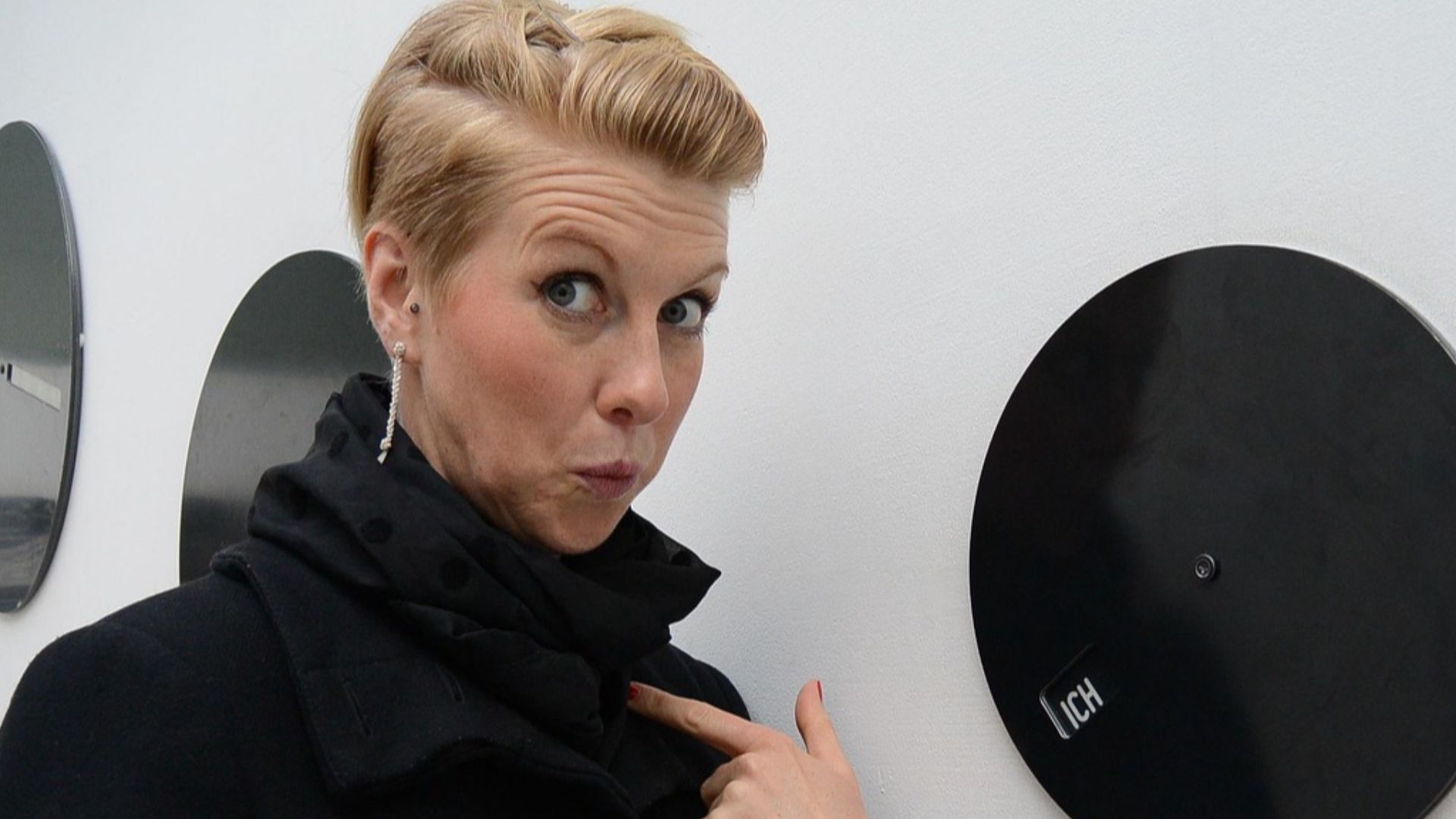
12. You’ve Started Talking Over People
No one likes having to fight over someone else to talk. Maybe you’re excited, maybe you’re trying to be efficient, but the result is the same. People end up shrinking their contributions because you take up too much air. Even when you’re right, it’s not a good look.
 LinkedIn Sales Solutions on Unsplash
13. You Treat Rest Like a Weakness
Looking after yourself is important for your overall health, so something's wrong if you’ve begun to feel guilty when you’re not producing something. Downtime becomes “wasted time” in your head, and you push through fatigue not out of need, but out of stubbornness. That approach doesn’t make you impressive; it makes you brittle.
 Vladislav Muslakov on Unsplash
14. You Hold Grudges Longer
Can't let past grievances go? You remember slights with an accuracy that’s almost inconvenient. Forgiving feels like letting someone off the hook, so instead, you've decided to internalize everything. This costs you more than it costs them, especially when it shapes how you interpret new interactions.

15. Your Humor Has a Sharper Edge
There's a lot of different kinds of humor out there, but it should never leave the room feeling awkward. If you’ve started using jokes that land a little too hard, you might get some laughs, but they also create discomfort that you wrongfully ignore. Over time, people learn to stay guarded around you.

16. You Say Yes, Then Secretly Regret It
Don't say yes to things if you don't mean it. No one likes it when people agree to things to avoid conflict or to seem reliable, but later, start complaining, dragging their feet, or showing up half-hearted. The mismatch between your yes and your energy creates frustration on both sides.

17. You’ve Lowered Your Standards for Yourself
What happened to being your own cheerleader? You let things slide that you used to take pride in doing well. You accept “good enough” even when you know it’s not your best. This can be practical at times, but you’ve started using it as a default. The result is a quiet loss of self-respect.

18. You’re Less Curious Than You Were
When you become less curious, you're less interested in self-growth. You ask fewer questions and assume you already know how things work. New ideas feel like interruptions rather than opportunities, and that attitude makes you harder to teach and easier to bore.

19. You Keep People at Arm’s Length
After experiencing some hardships, you might've grown more inclined to share less, and you do it intentionally. You’re polite, but you’re not open, and you rarely let others see uncertainty. That distance can look like confidence, but it often reads as coldness.

20. You’ve Stopped Owning Your Part Quickly
When something goes wrong, you point your finger at others first. You focus on context, other people’s mistakes, and why your situation is different, because taking responsibility feels like losing, so you delay it for as long as possible.