Basics That Got Dropped
School still covers the basics, and plenty of classrooms are doing thoughtful, modern work. At the same time, the school day got tighter, budgets got squeezed, and testing pressure pushed a lot of practical learning to the side. Some of these skills did not vanish everywhere, and a few are still taught in pockets through electives, clubs, and great individual teachers. Still, many adults can name a moment when they realized they were supposed to know something simple and did not, like how to write a check, sew on a button, or read a bus schedule without guessing. Here are twenty everyday essentials you won't learn in school.

1. Cursive Writing
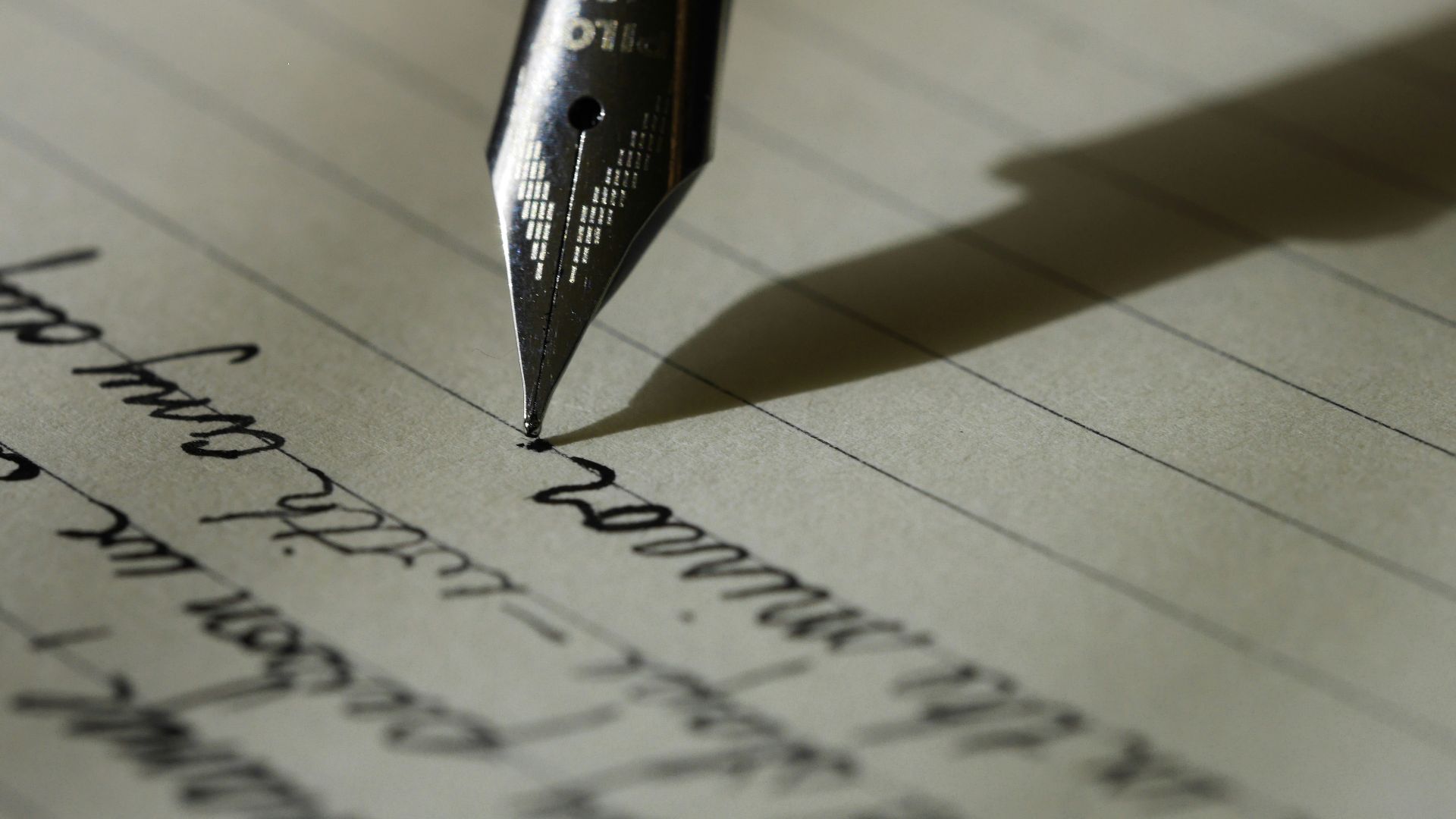
Many students now learn basic handwriting and keyboarding, while cursive gets reduced or skipped depending on the district. That can make older primary sources harder to read, including letters, historical documents, and even some family records. It also removes a writing style that some people find faster for note-taking once it clicks.
2. Memorizing Basic Phone Numbers And Addresses
Contact lists handle this now, so fewer kids practice keeping key information in their heads. The downside shows up when a phone dies, a kid is stressed, or someone needs to give an address quickly without looking it up. Knowing a few essentials by memory still matters for safety and independence.
 Noémi Macavei-Katócz on Unsplash
3. Reading An Analog Clock Quickly
Digital clocks are everywhere, and plenty of classrooms rely on screens. When analog time shows up on tests, appliances, or public clocks, some kids hesitate longer than they should. It is a small skill, yet it reduces friction all day long.

4. Making Change Without A Calculator
Cashless payments made this feel less urgent, and many stores rely on registers to do the math. The skill still helps with mental math, budgeting instincts, and catching basic errors. It also builds comfort with numbers in a low-stakes, everyday way.

5. Writing A Letter That Sounds Human
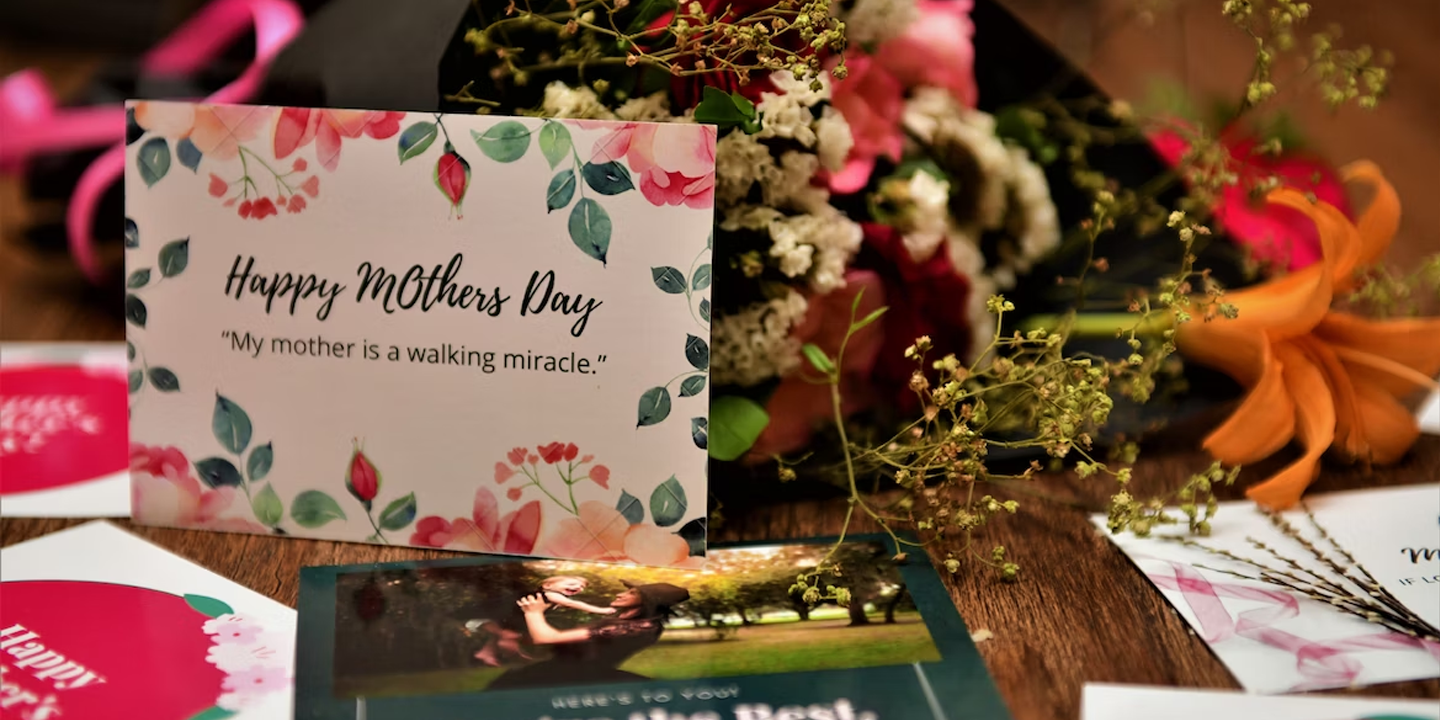
Templates and short messages are common, and formal letter writing often gets skipped unless a teacher makes room for it. Writing a clear note of thanks, an apology, or a request is still useful in real life, and it is different from writing an essay. The best letters are simple, specific, and respectful, which takes practice.
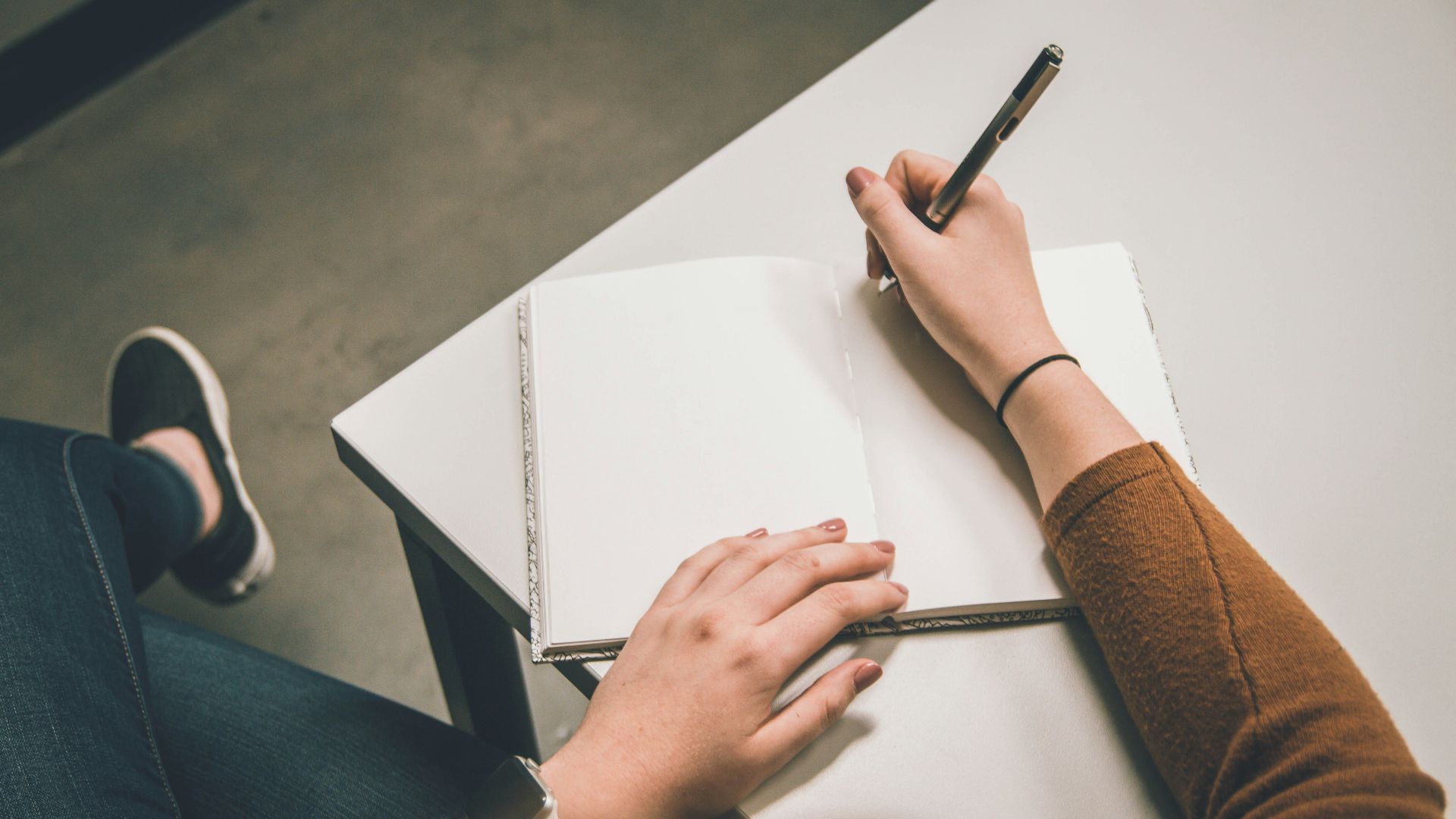
6. Addressing Envelopes And Mailing Things
Mail feels old-fashioned until a form, a birthday card, or a document has to go out. Many kids do not learn how to format an address, where the stamp goes, or how to choose basic postage. It is a practical skill that becomes annoying only when it is missing.

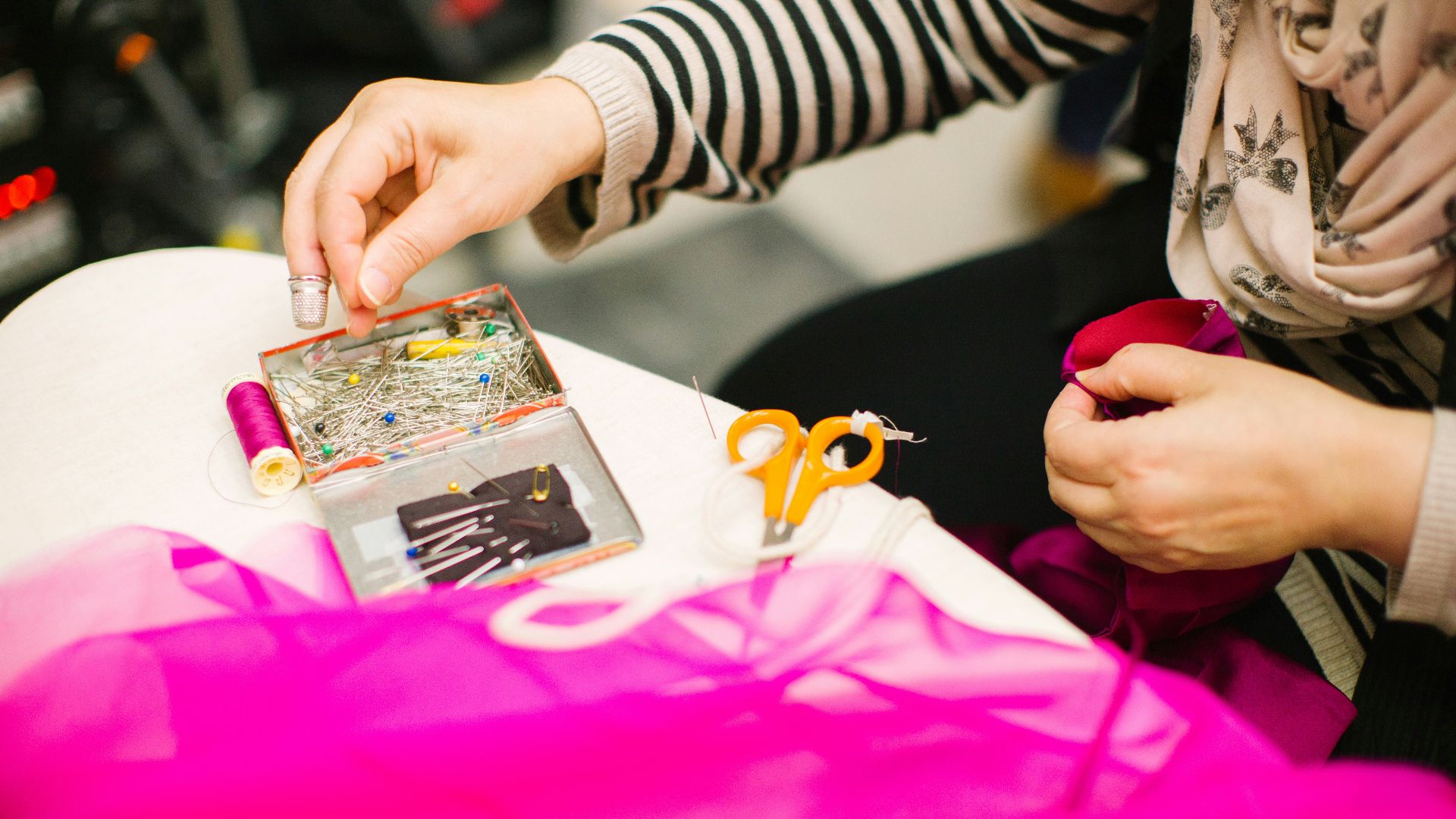
7. Basic Sewing Repairs
Home economics classes are less common, and sewing is often seen as a hobby instead of a life skill. Being able to sew on a button, fix a seam, or hem pants saves money and keeps clothes in rotation longer. It also teaches patience and small-step problem solving.
8. Cooking A Few Simple Meals
Some schools still offer cooking, yet it is often elective, short, or cut entirely. Learning how to make a few basic meals teaches planning, timing, cleanup habits, and food safety in a way that sticks. It also makes moving out less stressful.

9. Using Simple Tools Safely
Basic shop skills used to be more common, and now they are often limited by funding, space, and safety rules. Knowing how to use a screwdriver, a hammer, pliers, and a tape measure covers a lot of everyday fixes. Without it, small repairs become expensive or get ignored.
10. Personal Budgeting That Goes Beyond Word Problems
Many math classes cover concepts that connect to money, yet fewer students practice real budgeting decisions. Building a simple budget, tracking spending, and understanding tradeoffs are skills that show up immediately in adult life. Even a short unit can change how someone thinks about money.

11. Typing With Real Accuracy And Speed
Some students type constantly and still hunt-and-peck, because speed does not automatically teach technique. Formal keyboarding classes are less common than they used to be, even though typing is now a core daily skill. Better typing reduces friction in every subject and later, at work.

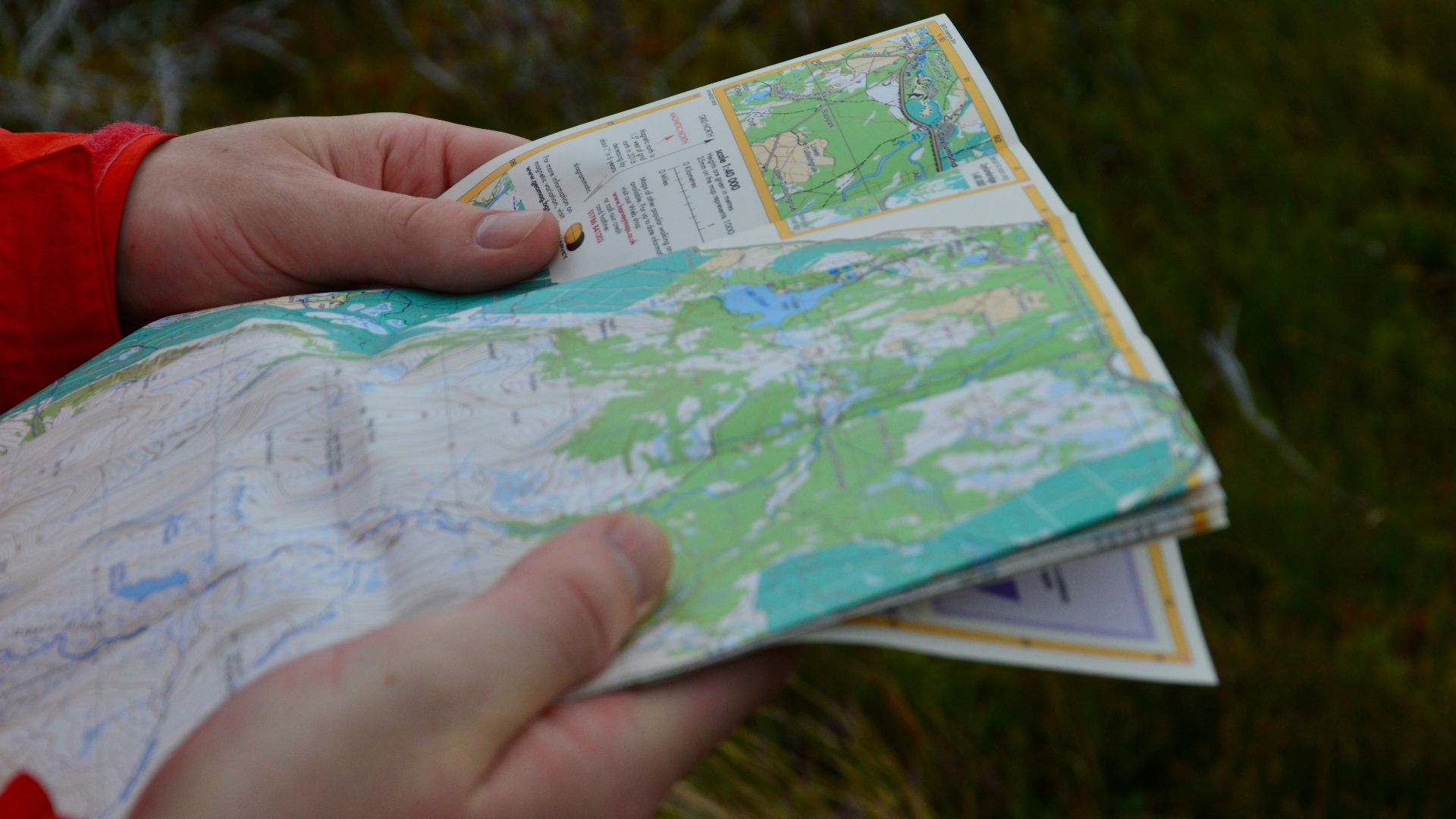
12. Reading A Map Without GPS
Phones make navigation easy, yet they also remove the habit of understanding where a place sits in relation to everything else. Reading a paper map, understanding scale, and planning a route builds spatial reasoning and confidence. It also helps when the signal drops or directions get confusing.
13. Understanding Civics At A Practical Level
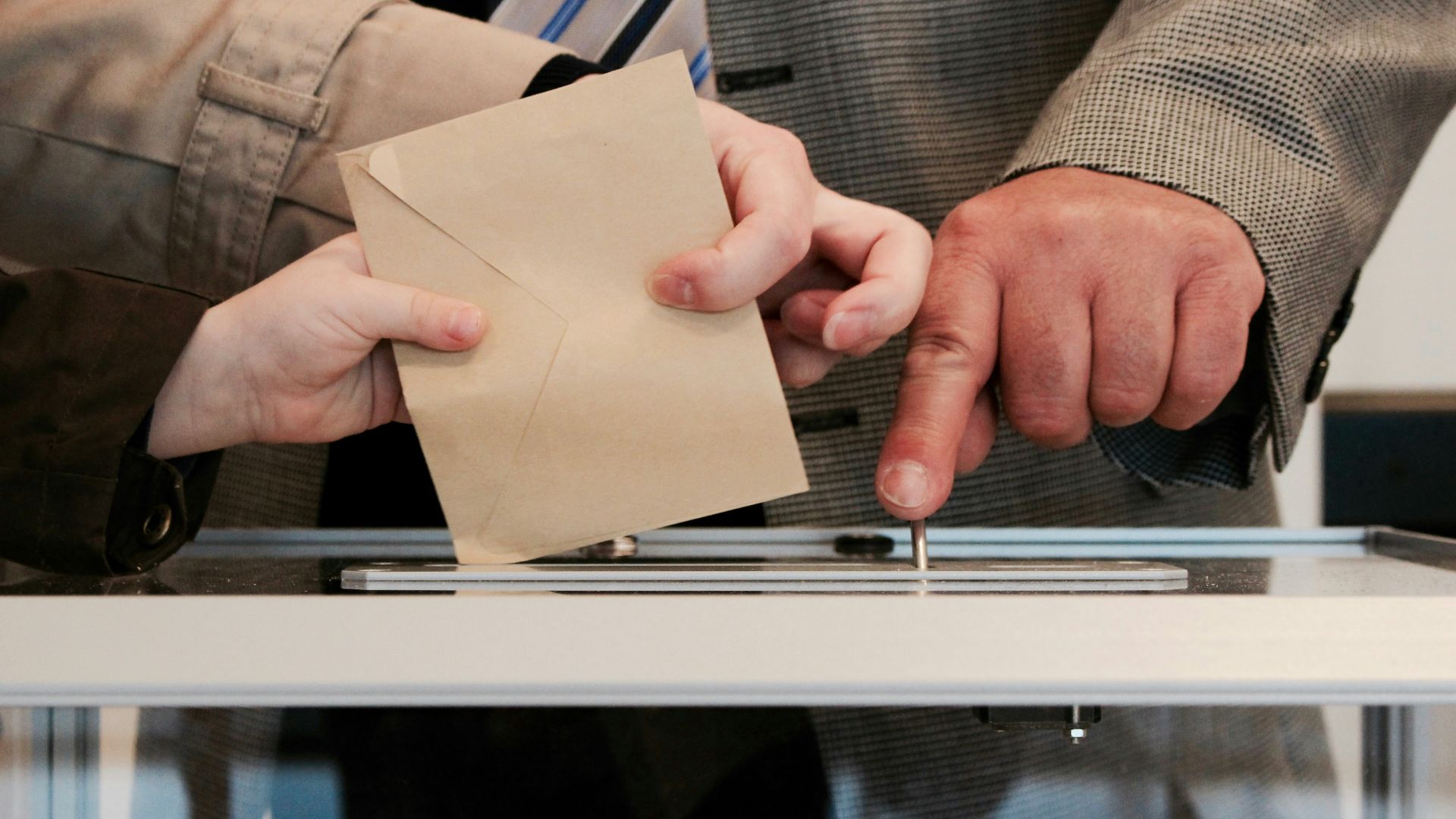
Some schools still teach civics, yet it is not always given enough time to feel relevant. Knowing how local government works, what a ballot measure is, and where to find reliable information affects daily life. It also makes the news less abstract and more actionable.
14. Basic First Aid And CPR Awareness
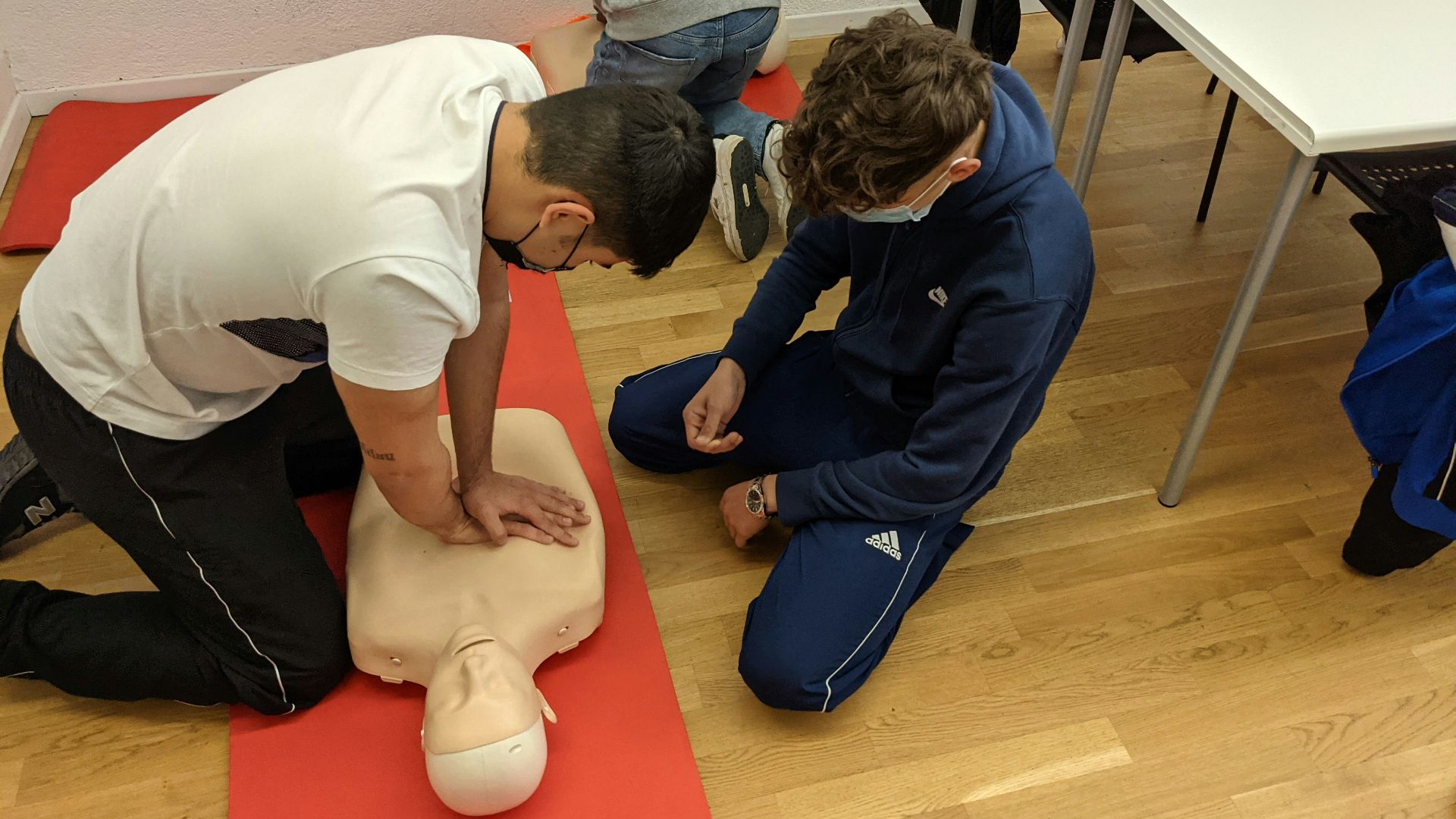
Health education varies widely, and hands-on first aid training is not guaranteed. Knowing what to do for choking, burns, bleeding, or an allergic reaction can matter before an adult arrives. Even learning when to call for help and what to say on the phone is valuable.
15. Note-Taking That Is Not Just Copying
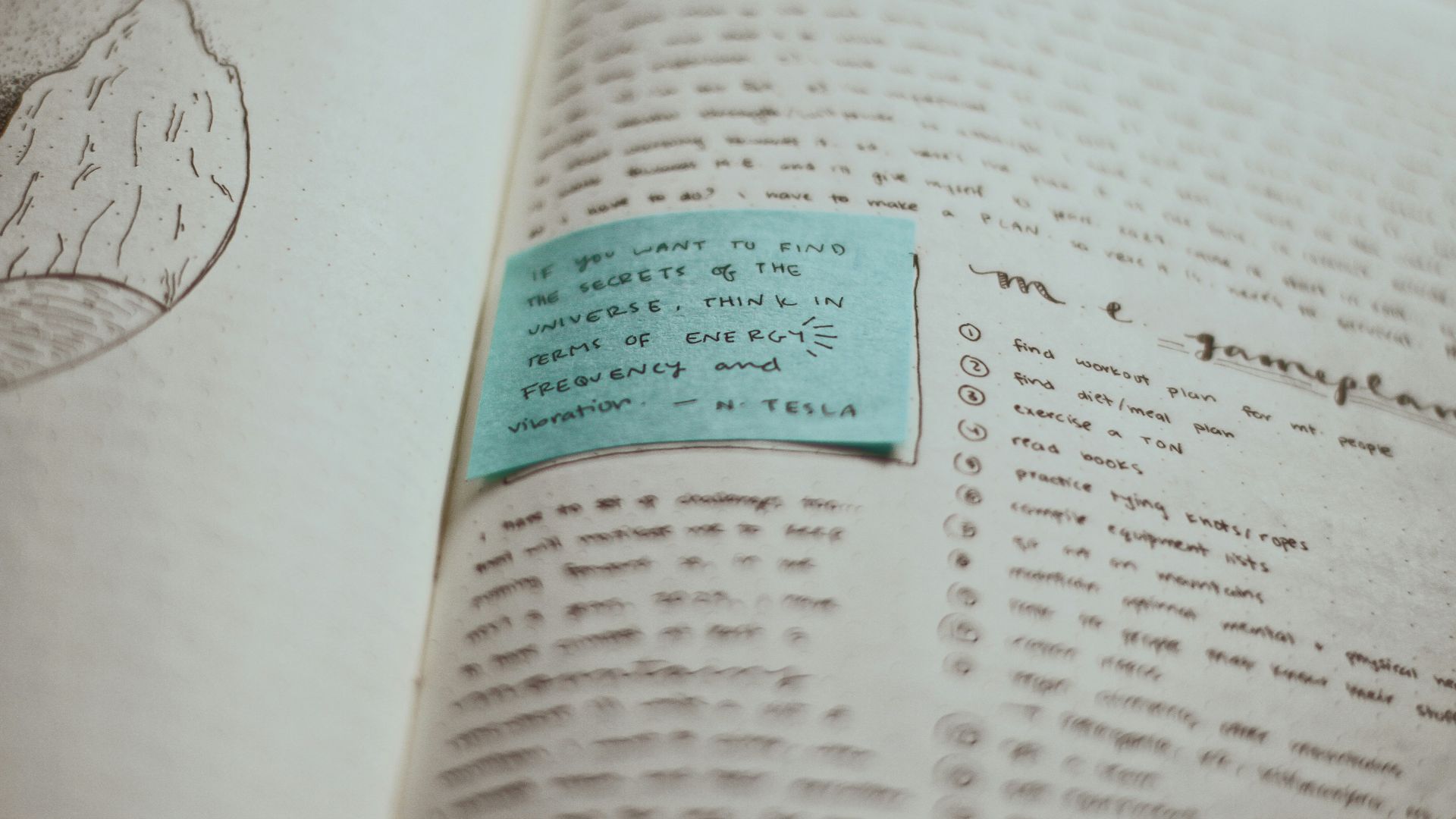
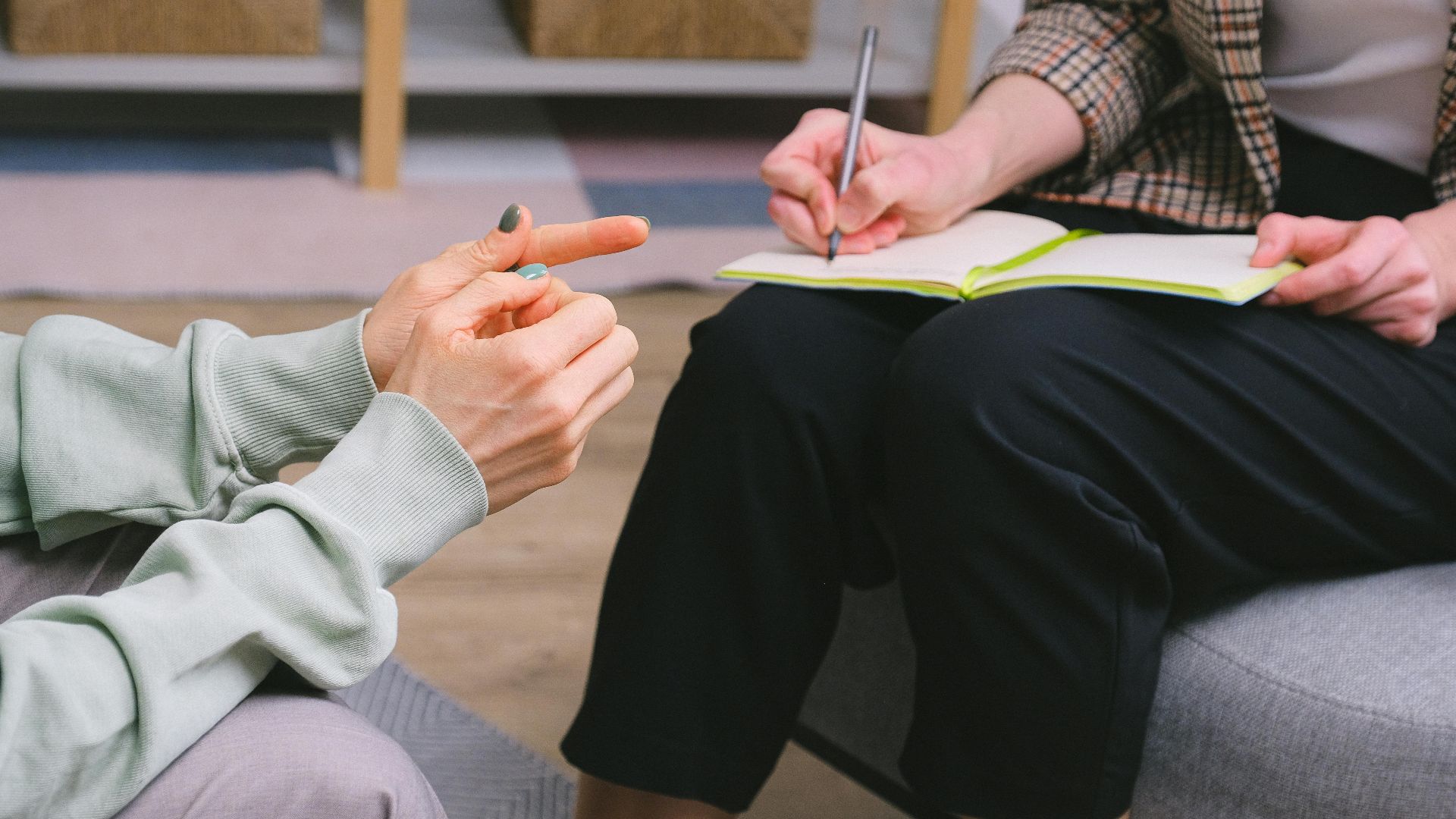
Some students either copy everything or write almost nothing, because nobody shows them what good notes look like. Learning how to summarize, highlight key ideas, and organize information helps in every class. It also sets people up for meetings, training, and self-study later.
16. Speaking To Groups Without A Script
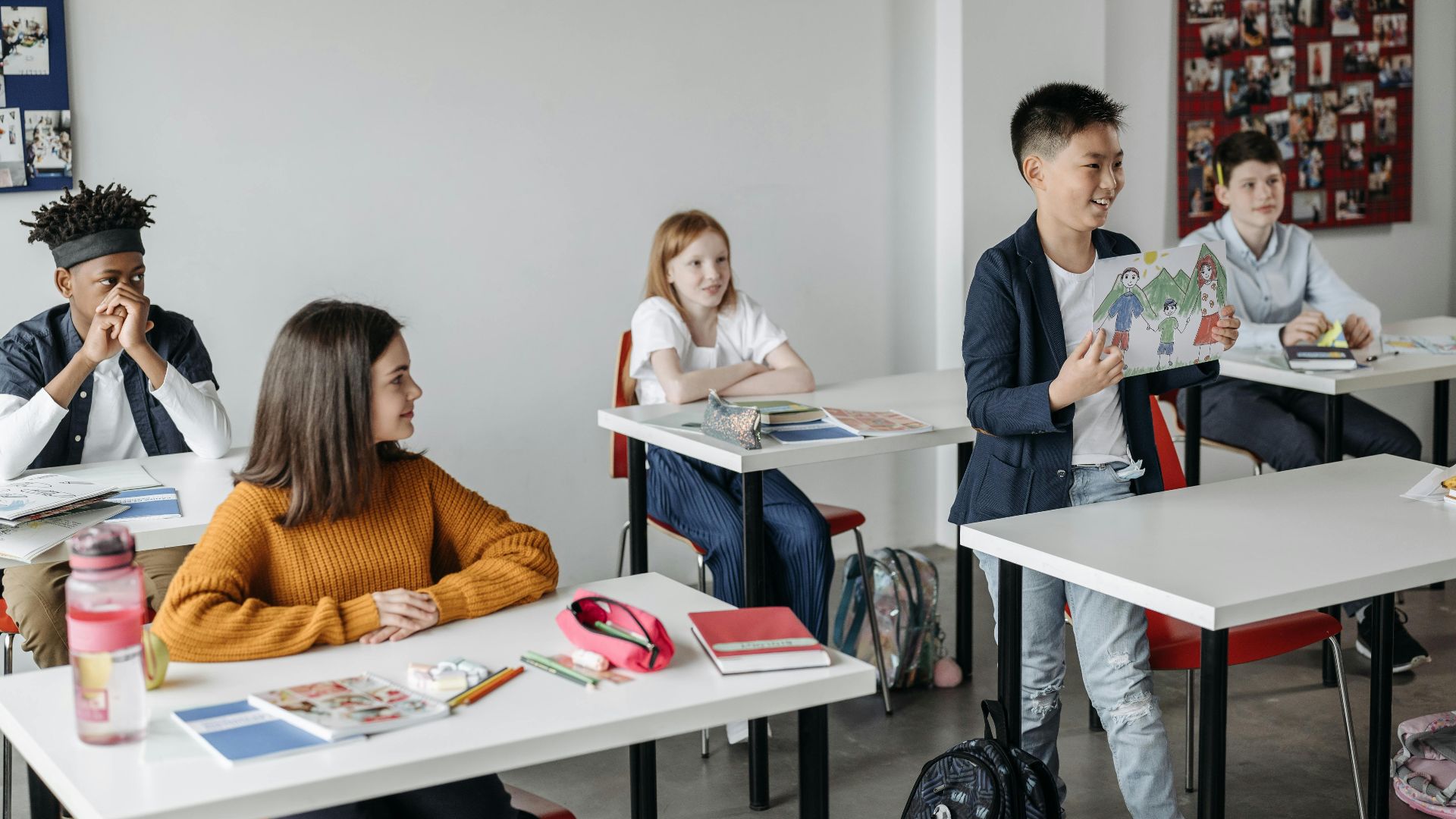
Presentations still happen, yet many students practice reading slides instead of speaking clearly. Learning to organize thoughts, make eye contact, and handle nerves builds confidence that carries into interviews and work. It also teaches how to explain ideas in a way other people can follow.
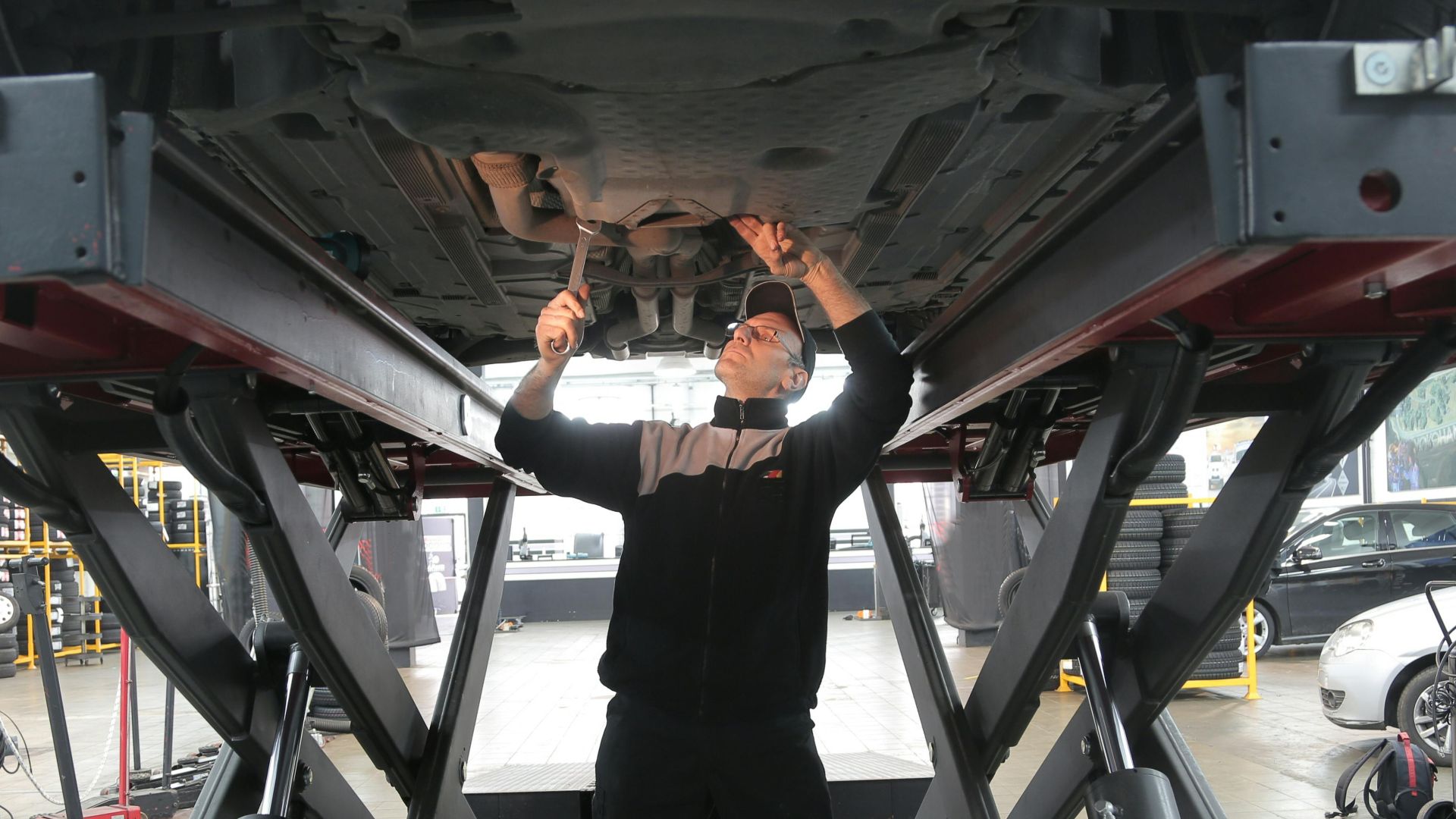
17. Basic Car Knowledge
Driver’s education is not universal anymore, and basic car care often disappears with it. Knowing how to check tire pressure, recognize warning lights, and handle a dead battery prevents expensive mistakes. It also reduces the chance of getting stuck somewhere with no plan.

18. Conflict Resolution And Simple Negotiation
Schools manage behavior, yet fewer teach the actual language of working things out. Knowing how to disagree respectfully, set boundaries, and propose solutions helps friendships, group projects, and family life. It is also a skill that protects people from being pushed around.

19. Reliable Study Habits
Some students figure out study systems on their own, and others never get a clear approach. Techniques like spaced review, practice testing, and planning ahead are learnable skills, not personality traits. Without them, school can feel like guessing and cramming forever.

20. Basic Home Maintenance Routines
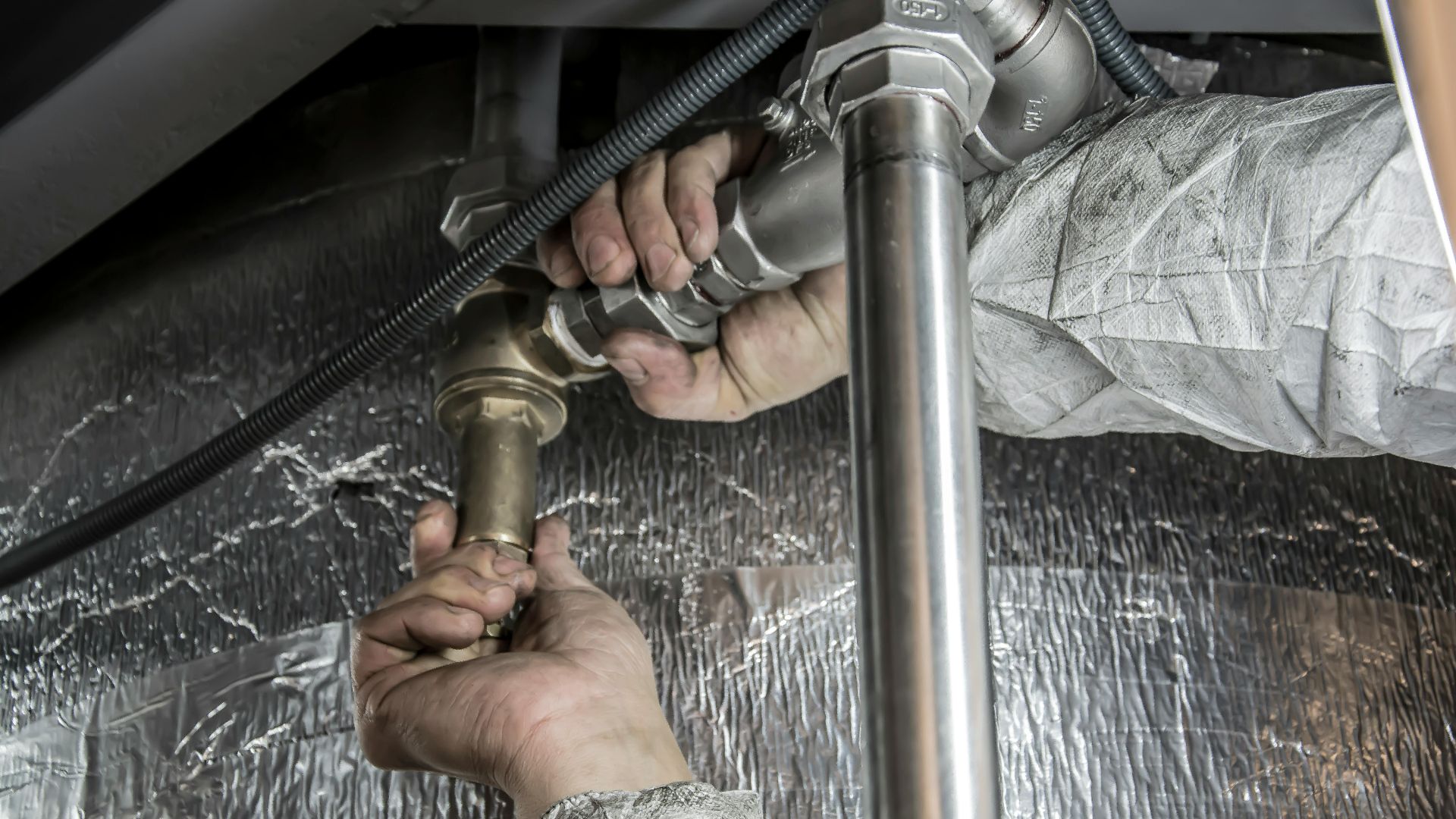
Many kids leave school without learning simple routines like unclogging a drain, resetting a breaker, or shutting off a water valve. These are not advanced skills, yet they prevent small problems from turning into emergencies. Knowing a few basics also makes renting and sharing a space easier.