
Finding Stability Without Losing Your Mind
The economy can make even the most responsible of us feel like a late medical bill away from sheer panic. The middle class, meanwhile, is doing the best they can by being flexible, creative, and sometimes just downright stubborn. These are no overnight get-rich schemes, but rather ways to stay afloat, sane, and perhaps even hopeful while everything costs ten dollars more than it should.

1. Getting Serious About Budgeting
While not everyone enjoys spreadsheets, tracking actual money coming in and out is revealing. A simple budget shows where your dollars are really going by pointing out those pesky expenses eating your account. After you see them, informed adjustments to your spending seem less daunting.

2. Cooking at Home More Often
Dining out can be expensive, more than most realize, and especially now with rising prices. For that reason, some families are discovering the joy of humble home cooking. It saves money, it's healthier, and you don't have to tip yourself.

3. Cutting Subscriptions Without Guilt
Streaming services, apps, and memberships all add up over time. Identifying the ones you barely use and canceling them can free up cash. You can do this without any loss in quality of life, and honestly, you will likely not miss most of them after week one.

4. Buying Generic Brands
Generic brands have come a long way, but people continue to pay extra for name brands when they don’t need to. Switching to store brands can cut a surprising amount from your grocery bill. You probably won’t even notice the difference.

5. Delaying Big Purchases
That new couch, entertainment center, or upgraded phone can always wait a little while. Middle class households are learning to take a pause instead of buying on impulse. The extra time often results in better decisions and fewer regrets.
 Iuliia Pilipeichenko on Unsplash
6. Taking on Side Hustles
Extra cash has become an essential for many people to bridge the gap. Freelancing, online sales, and part-time work can help. It might not be fun but it can help provide some breathing room.

7. Shopping Secondhand
Thrift stores and resale apps are treasure troves. Buying used can save you money and reduce waste at the same time. You might even have more fun hunting than shopping for new things.

8. Negotiating Bills
It’s not a hard and fast rule that every bill you receive is set in stone. Negotiating with your internet, insurance, or phone company can sometimes yield savings. A few minutes on the phone can save you hundreds over the course of the year.

9. Prioritizing Emergency Savings
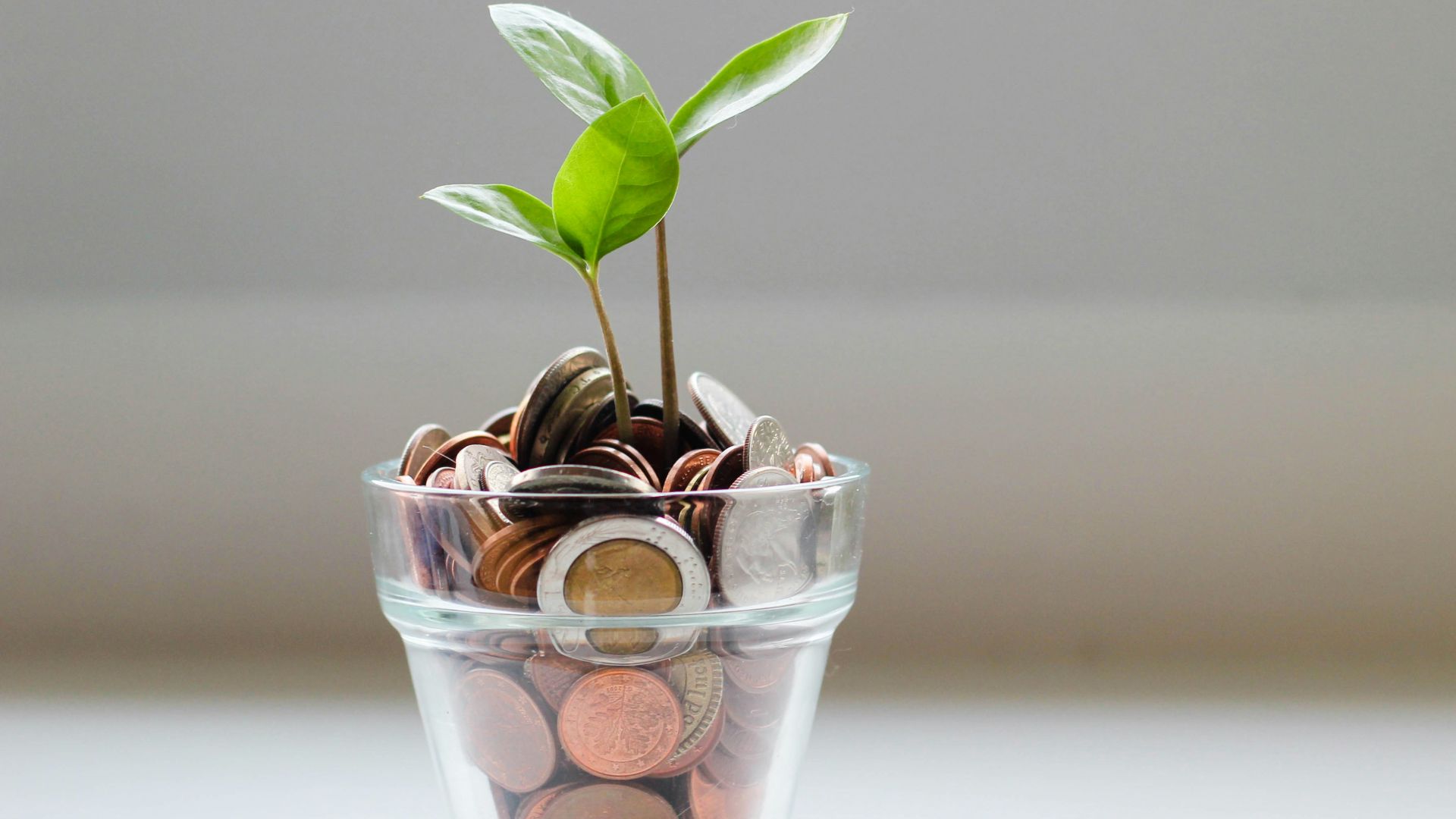
Saving is one of the simplest actions, but it is also among the most important. Building up an emergency fund takes stress off when the unexpected arises. It is peace of mind money can’t buy.

10. Refinancing or Consolidating Debt
High interest debt becomes more difficult to manage when the economy tightens. Refinancing existing loans or consolidating balances can reduce monthly payments. Extra wiggle room makes everyday costs easier to swallow.

11. Embracing DIY Solutions
DIY is more than just a buzzword. Whether it’s home repairs or basic car maintenance, people are learning as they go. Tutorials online make it easier than ever before to solve problems without a labor cost, which means the savings really add up when you’re not paying someone else.
12. Planning Cheaper Vacations
Vacations and travel haven’t stopped but they have changed. Road trips, off-season trips, and staycations are more popular than expensive getaways. You can still get a break without breaking the bank.

13. Setting Clear Financial Boundaries
Saying “no” is a basic life skill that has become vital in recent years. It’s not necessary to attend every event or partake in every trend or pastime. Budgets must be protected, and sometimes it is necessary to protect your time as well.
 Ferran Fusalba Roselló on Unsplash
14. Buying in Bulk When It Makes Sense
Bulk can lower costs, but only if purchased with care. Some households are carefully focusing on staple items they actually use. This reduces frequent trips and impulse buys at the same time.

15. Using Cash-Back and Rewards Wisely
Credit card rewards and cash-back apps aren’t bad when used correctly. The important thing is paying off balances in full each month. Used properly, it can feel like getting a small rebate on your everyday life.
 micheile henderson on Unsplash
16. Rethinking Housing Choices
Some have downsized or stayed put longer than expected. Others have moved to shared housing or slightly farther away from city centers. These options may not be glamorous but they can provide stability.

17. Taking Advantage of Community Resources
Libraries, community centers, and local events offer more than books and movies. Free classes, entertainment, and community programs can cut costs without cutting enjoyment. It’s a nice reminder that not all that is good is free.

18. Teaching Kids About Money Early
Family conversations around money are becoming more common. Children are learning the value of choices and that some things must wait. Habits learned young help people long past childhood.

19. Focusing on Needs Over Wants
The difference between needs and wants gets a lot clearer in a crisis. A lot of people are learning to pause and ask “is this necessary?” That simple question can reframe the entire budget.

20. Staying Flexible and Patient
Flexibility might be the one thing that will see everyone through these tough times. Plans change, priorities shift, and that is okay. Surviving this economy comes down to change and acceptance without losing hope or a sense of humor.