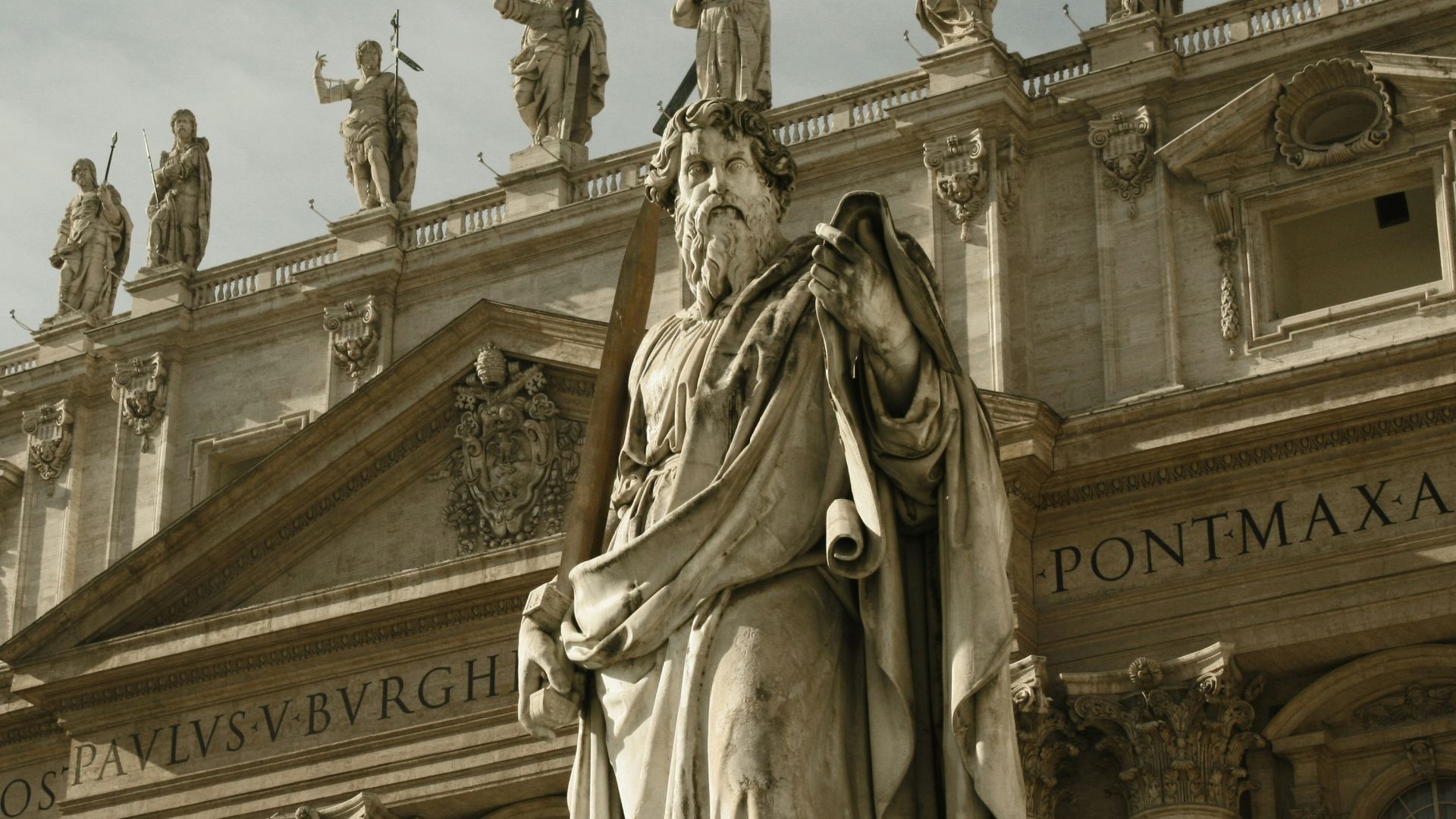
History Repeating Itself
While we’ve traded stone tablets for smartphones, the underlying drama of daily life hasn't changed as much as you'd expect. From complaining about the younger generation to dealing with urban congestion, to dating woes, our ancestors were basically just us in different outfits. Let’s take a look at 20 "modern" struggles you face today that were actually driving people crazy in the ancient world.

1. Annoying Viral Content
Ancient Romans didn’t have Instagram, but they sure had a relentless eye, so you wouldn’t be able to avoid Carthaginian Snapchat filters plastered across every available wall of the empire. Ancient tourists loved going down roads where entire sidewalks were engraved with repetitive phrases and inappropriate drawings by frustrated passersby.
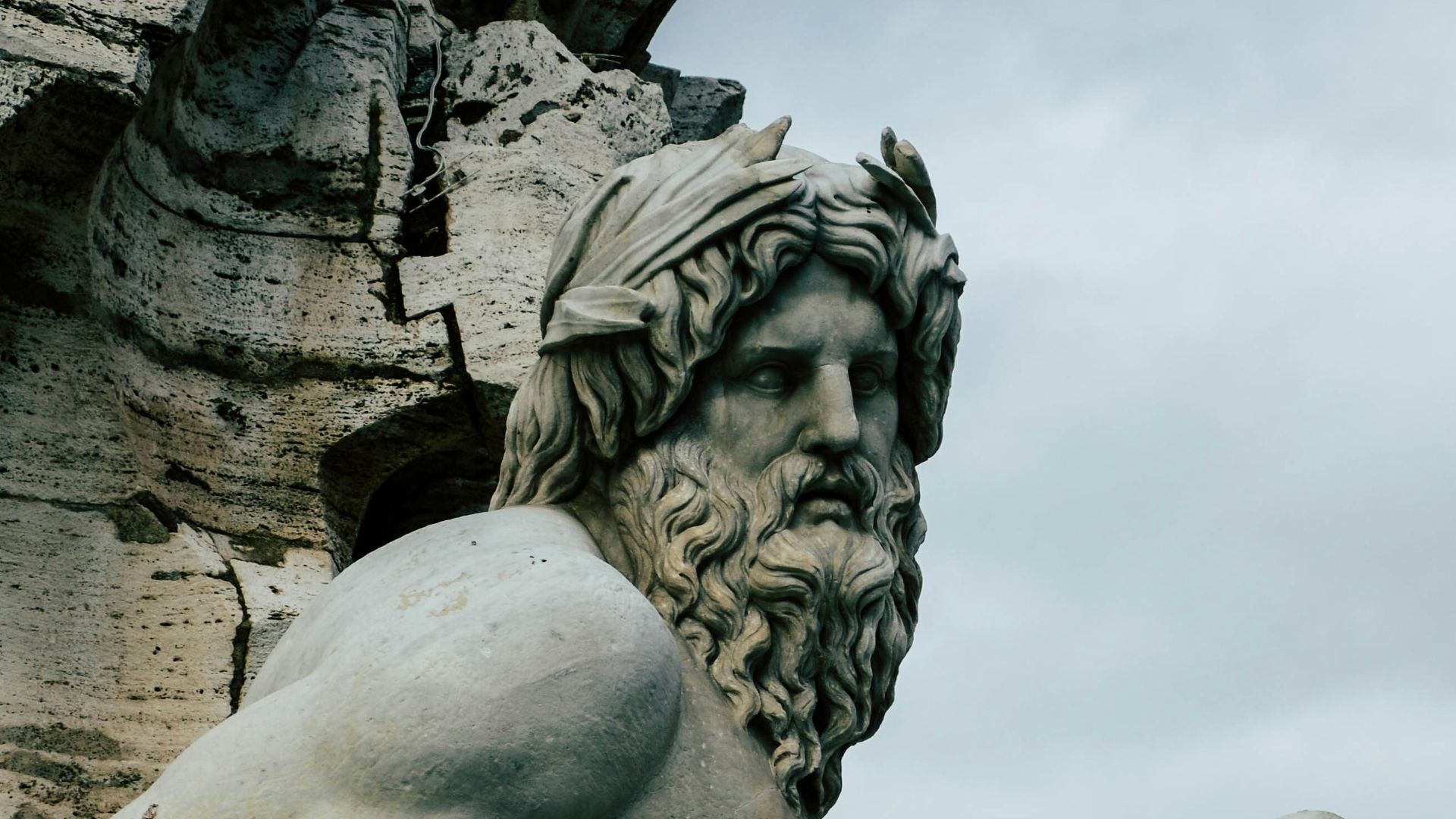
2. Overpriced Real Estate
Cities were more crowded than villages because even though housing was cheaper if you lived in the sticks, you probably wouldn’t have anywhere to rent. It was basically kilometers upon kilometers of cheaply built apartment buildings called insulae that were dangerous traps for years before OSHA existed.

3. Out-of-Touch Politicians
Voters in ancient Athens often felt their leaders were more interested in theatrical speeches than actually solving the city's infrastructure problems. Citizens used pottery shards as ballots to vote politicians into exile just because they got tired of hearing them go on and on in the assembly. Democracy truly was doomed from the start!
 Felipe Pérez Lamana on Unsplash
4. Terrible Fast Food
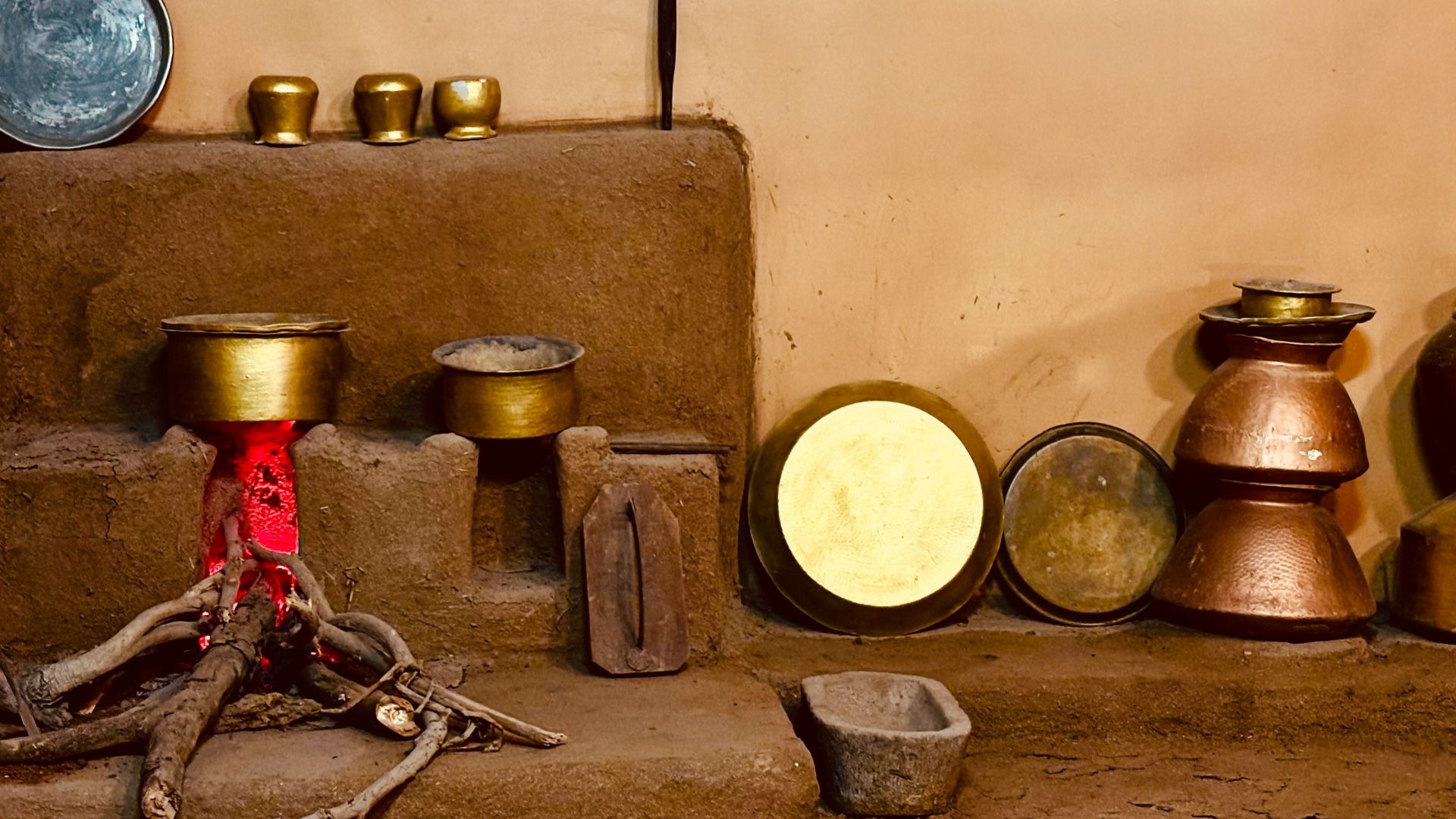
Ancient Romans relied heavily on "thermopolia," which were essentially the drive-thrus of antiquity, where you could grab a quick, greasy meal. These establishments were often looked down upon by the upper class as places for the poor who didn't have kitchens. You'd likely recognize the experience of eating questionable meat while standing on a busy street corner just to get through your day.
5. Excessive Student Loans
Kids in ancient Greece didn’t have Venmo, but they sure had it bad when teachers known as Sophists began overcharging for their services. Imagine young men running up debts just to be taught the ways of philosophy and public speaking. Just hope you can find a job doing something vaguely related once you graduate.
6. Aggressive Street Advertising
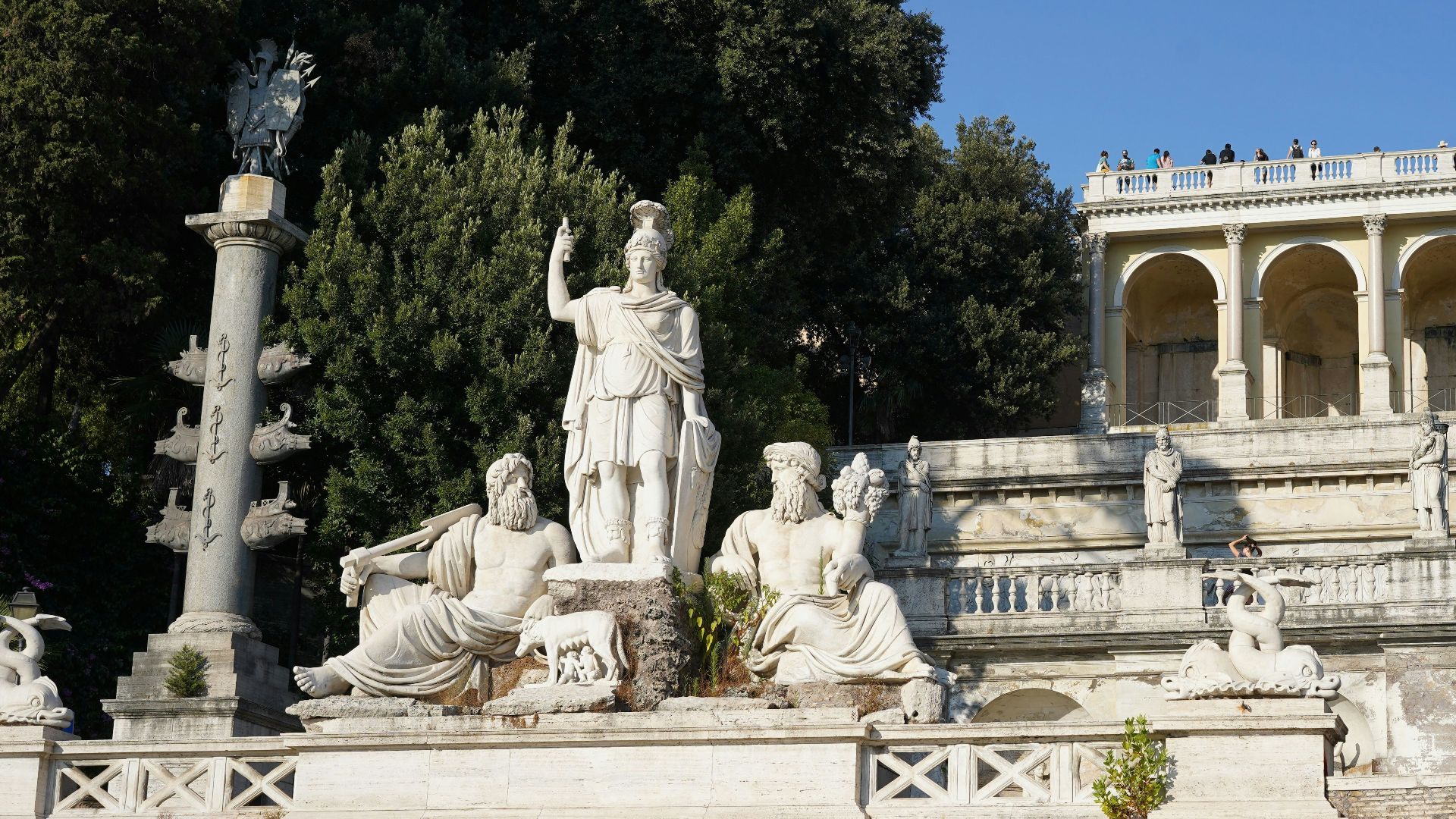
Merchants in ancient Egypt didn't have pop-up ads, but they used papyrus posters to shout about their goods and services to anyone walking by. You couldn't escape the constant pitches for everything from fine linen to rewards for returned runaways. It seems that the desire to clutter your visual field with sales pitches has always been a core part of the human experience.
7. Spoiled Celebrity Athletes
Chariot racers in the Byzantine Empire were treated like modern-day soccer stars, complete with massive salaries and ego-driven tantrums. You can bet your last denarius that Roman sports fans started rioting way before the NBA did. These athletes often held more influence over the public than actual government officials did.
 The Cleveland Museum of Art on Unsplash
8. Fake News and Propaganda
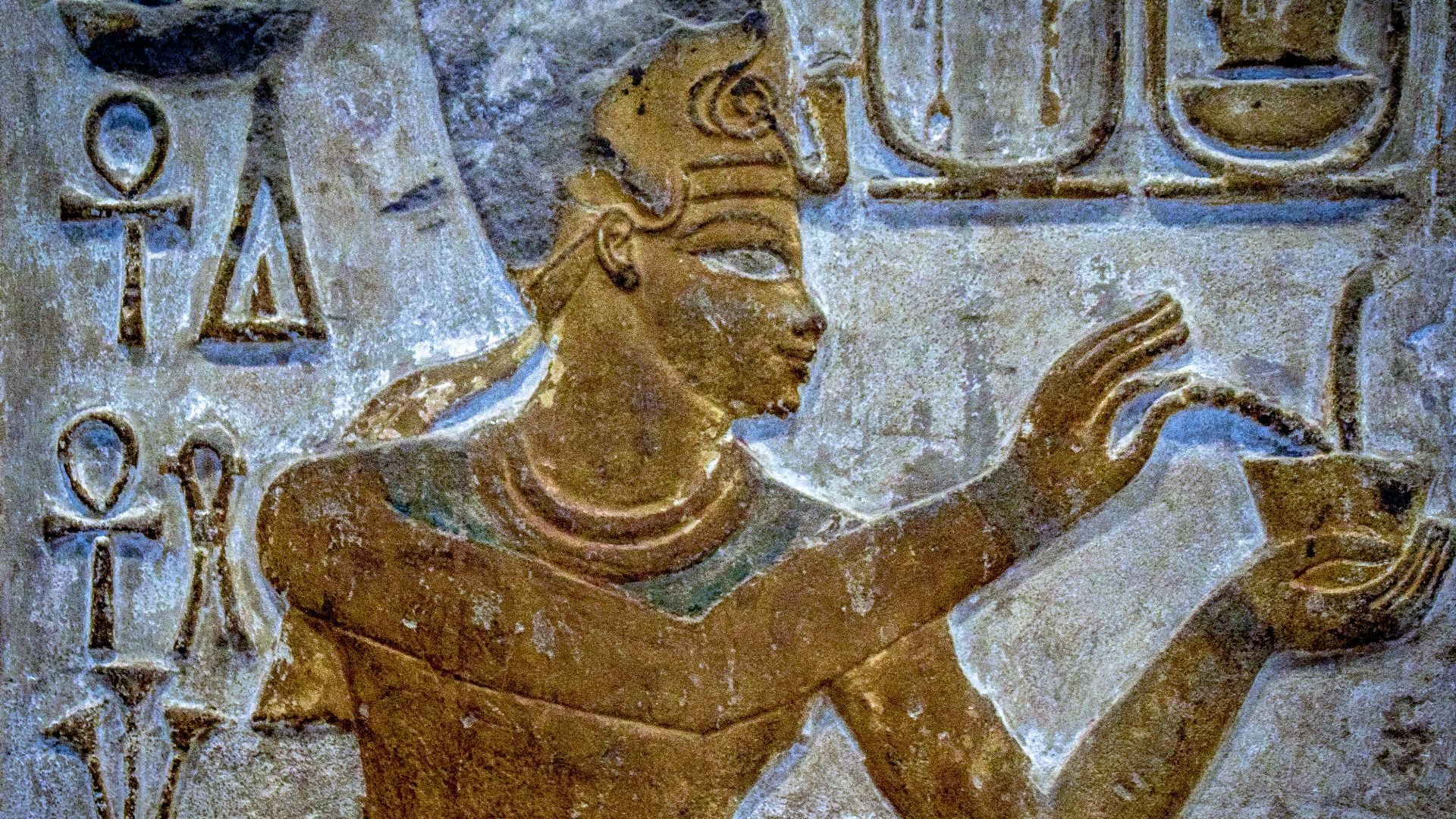
Egyptian king Ramesses II claimed to be unstoppable during his fight against the Hittites, but the reality was far from it. It’s safe to say that tens of millions of dollars were spent on statues and monuments promising great triumphs that never happened. It’s a classic example of how history is often written by those with the best marketing team.
9. Urban Noise Pollution
Did you know horses and carts used metal attachments on their wheels? That means you would’ve been listening to the loud clang of horse carriages driving by your house all night long. Julius Caesar even tried to ban daytime traffic, which just ended up making the night traffic worse.
10. Rude Customer Service
How do you know you received terrible customer service in the Bronze Age? A disgruntled man from Mesopotamia found a piece of clay for you to translate his horrible experience back in 4,000 BC. The writer even goes as far as to explicitly state how lowly the merchant’s servants treated him.
11. Youth Slang and Trends
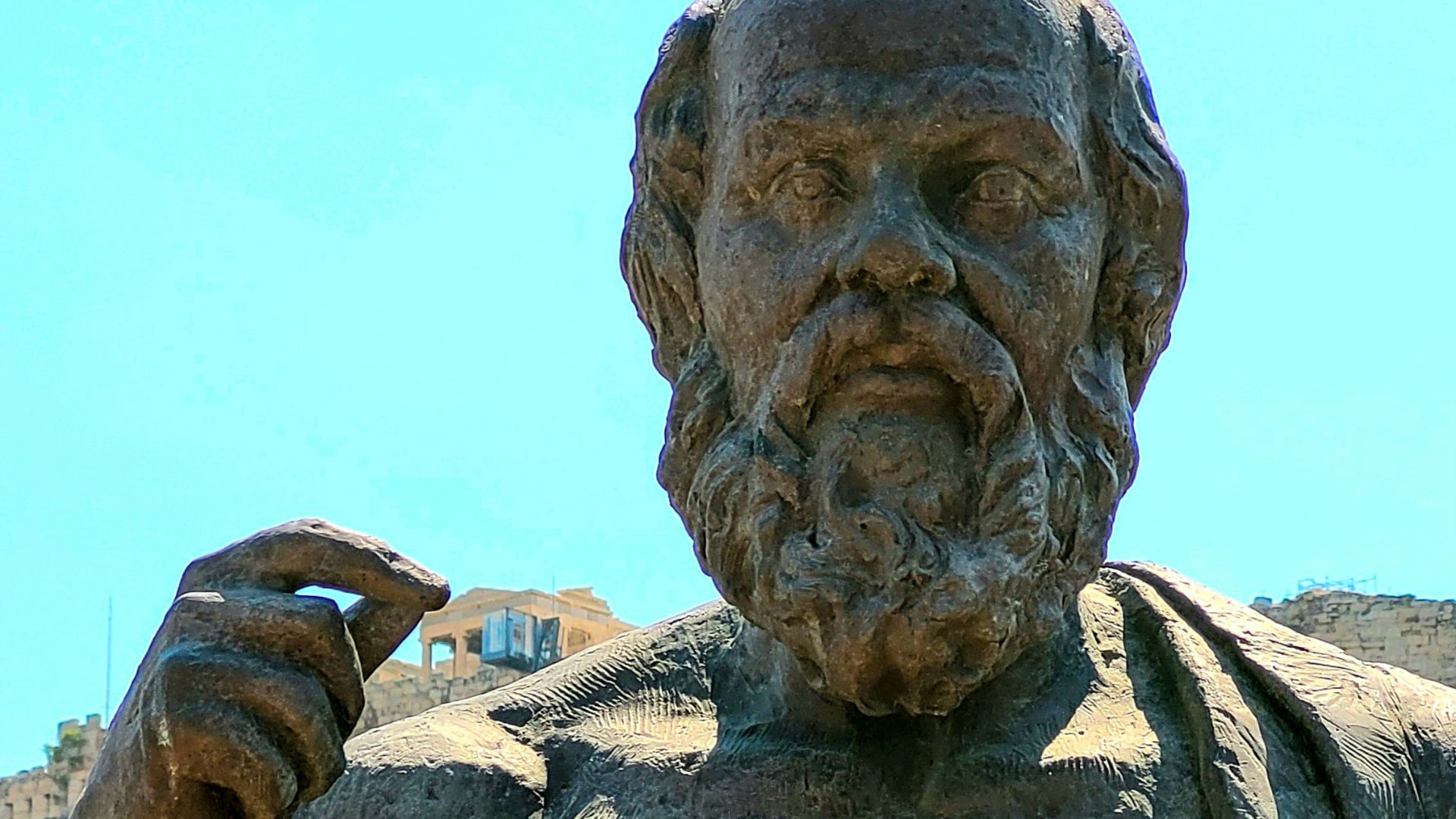
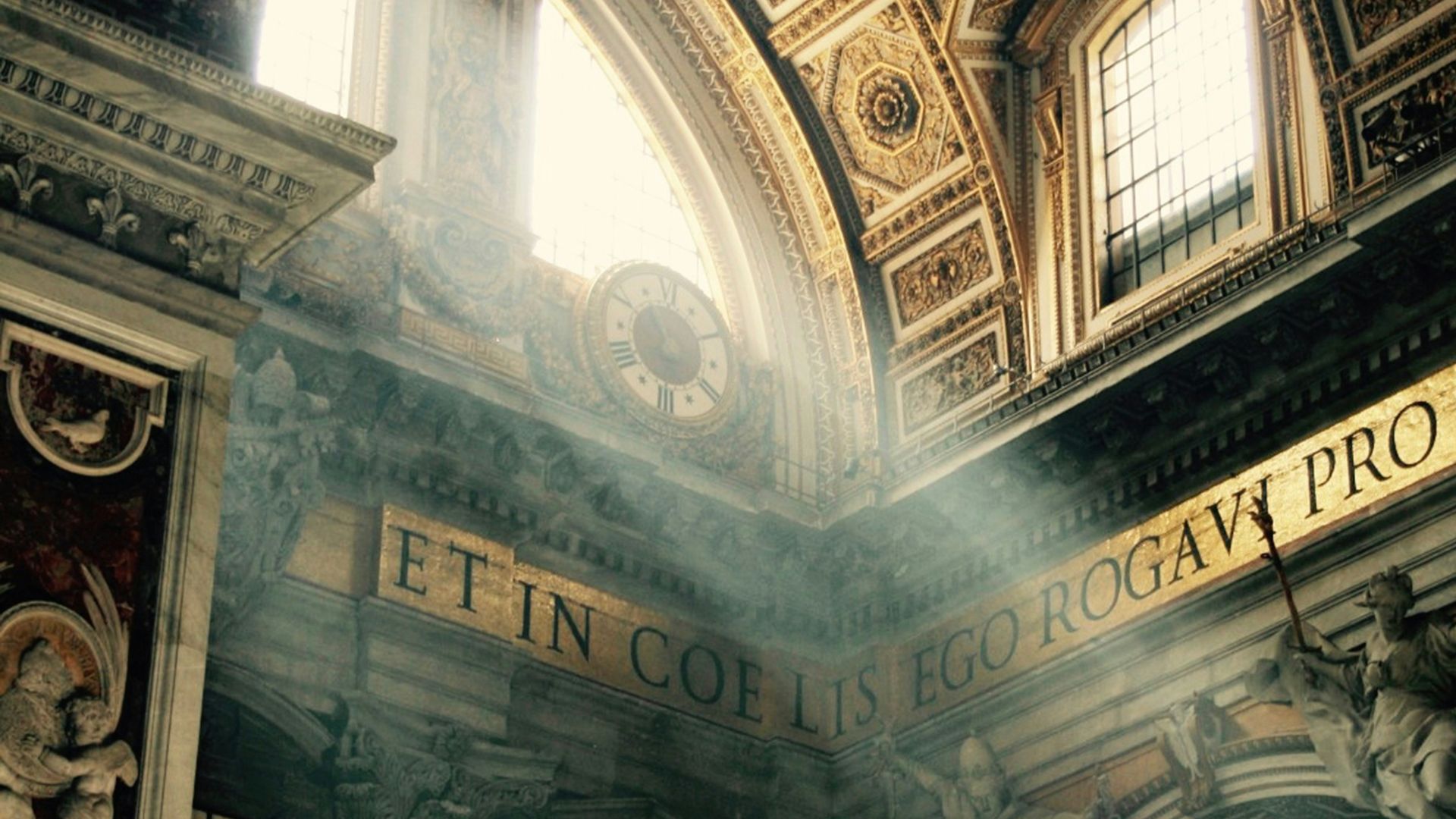
Socrates famously complained that the youth of his day had bad manners and no respect for their elders. Old people love to grumble about kids speaking a different language. They also thought the earth was crumbling beneath their feet.

12. Identity Theft
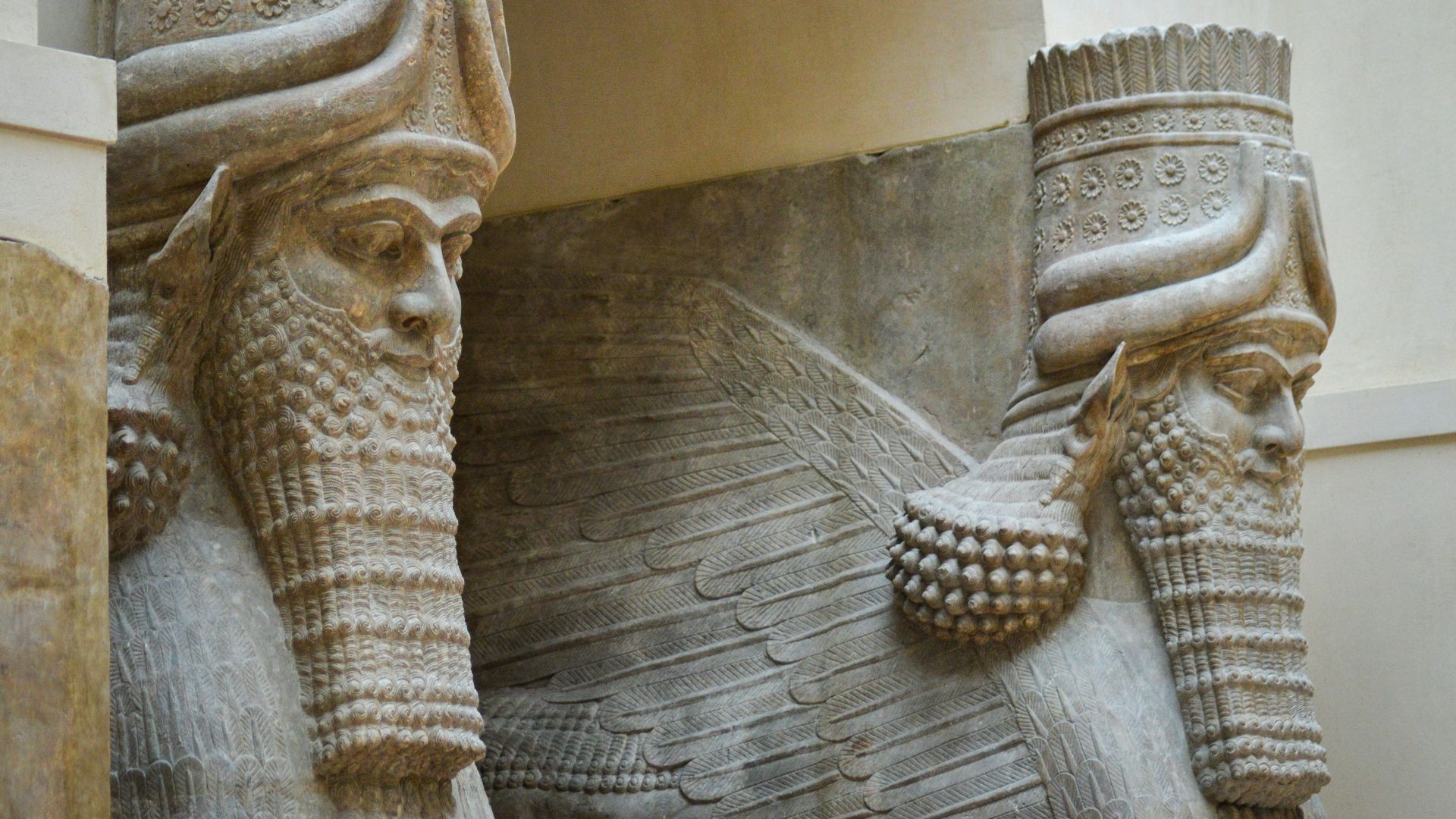
Back in Mesopotamia, you would authenticate contracts with a cylinder seal. These small stones were essentially your signature carved into one piece of graphite. Criminals could borrow money and sell goods if they stole your seal.
 Richard Multimedia on Unsplash
13. High Cost of Living
The Edict on Maximum Prices issued by Emperor Diocletian was a desperate attempt to stop runaway inflation that made basic goods unaffordable. You’d see the government trying to cap the price of eggs and beef because the currency had lost so much value. It’s a familiar story of people struggling to afford groceries while the economy fluctuates wildly.

14. Obsession with Pets
Ancient Egyptians went to extreme lengths for their cats, including mummifying them. You’d see people shaving their eyebrows as a sign of grief when a household pet passed away. Our modern habit of treating animals like tiny humans is definitely a trait we inherited from the builders of the pyramids.

15. Commuter Traffic Jams
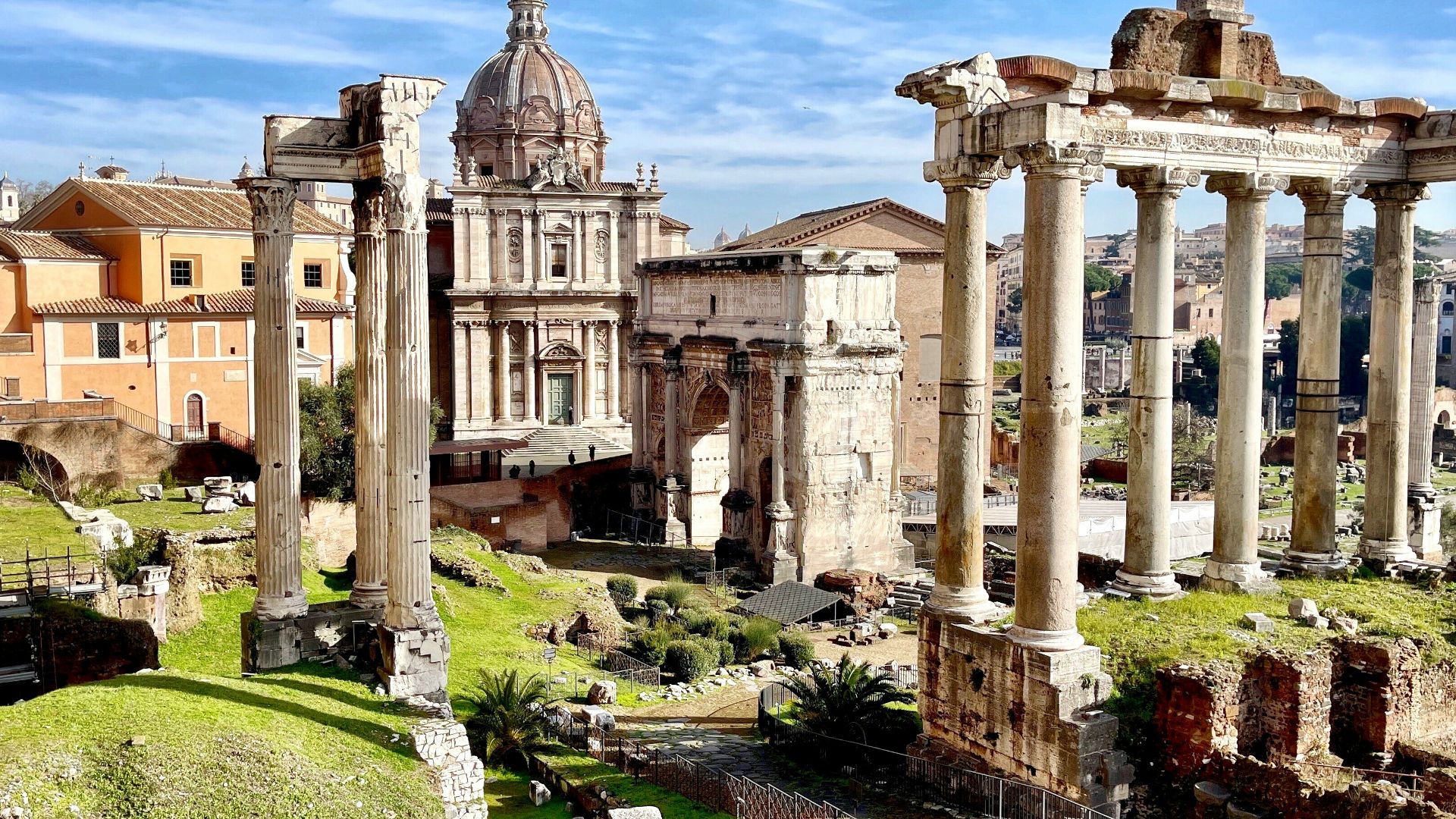
Moving quickly around the ancient city was difficult. Streets were crowded with people, litter, animals, and chariots. Congested commuter traffic was just as unpleasant two thousand years ago.
 Maria Dolores Vazquez on Unsplash
16. Privacy Concerns
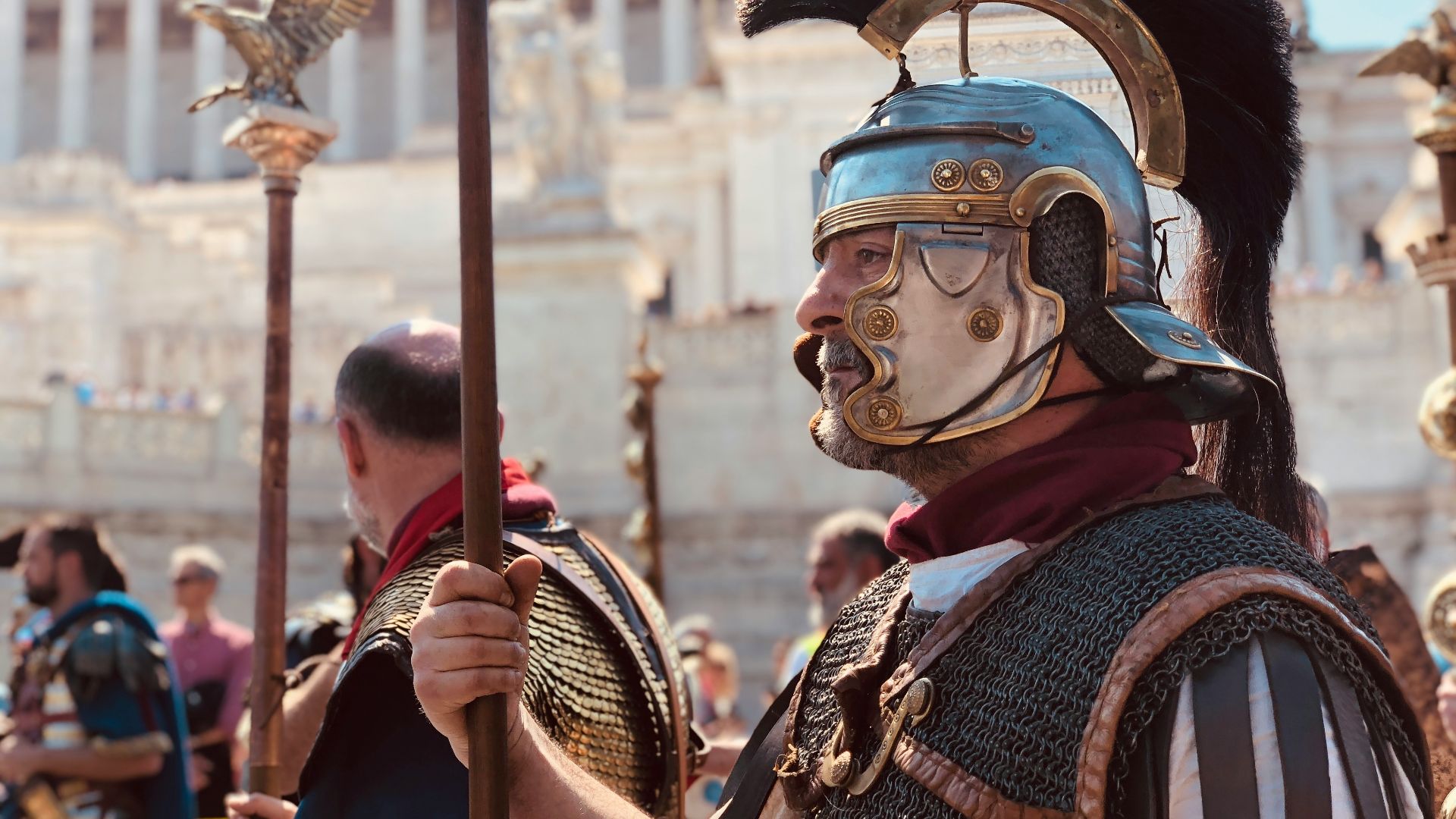
With walls that thin, people could hear you do the dishes. Having a neighbor means having them listen to your family drama. If privacy is something you value, you probably wouldn’t have lived in ancient Rome.
17. Beauty Standards and Trends
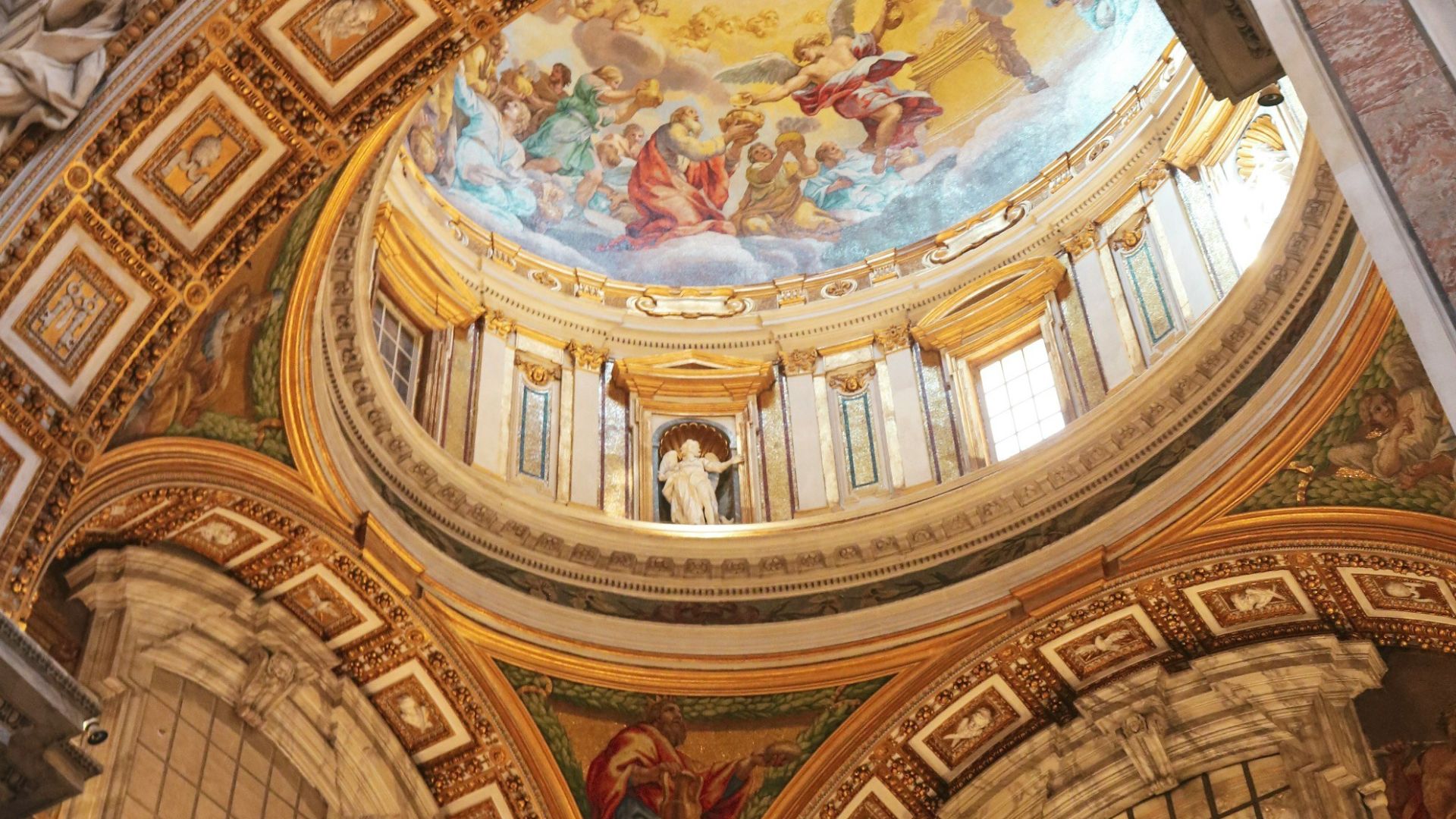
Women in ancient Greece used makeup with arsenic and lead in it. Cosmetics have always been loaded with harmful chemicals to impress your friends. It proves that the pressure to look "perfect" according to societal whims has always been a bit hazardous.
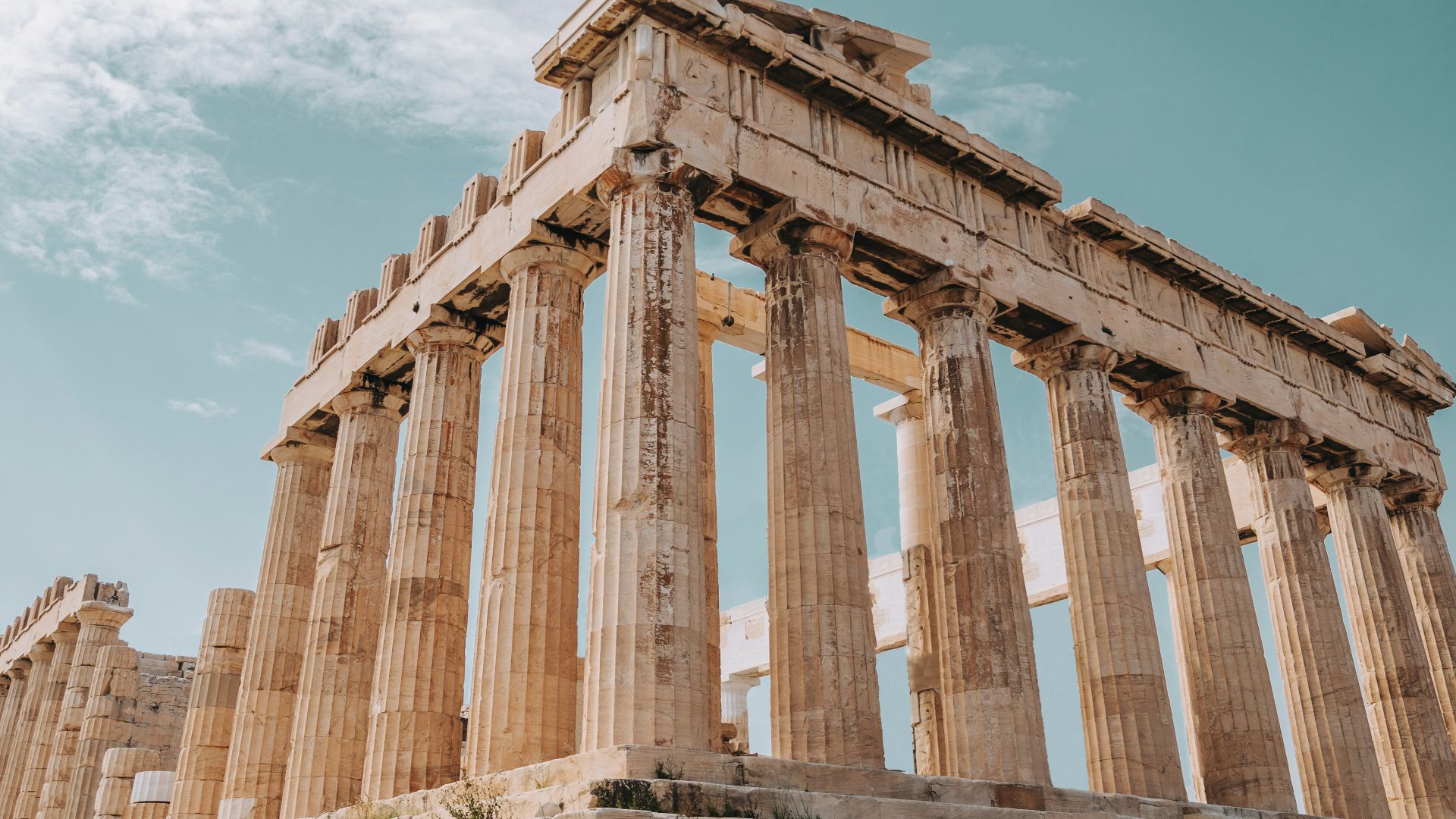
18. Political Polarization
The "Nika riots" in Constantinople started because fans of different chariot racing factions held wildly different political and religious views. You’d see the city split into Blue and Green teams that hated each other so much they nearly burned the capital down. It’s a stark reminder that tribalism can turn a simple disagreement into a full-scale conflict.

19. Information Overload
When the Library of Alexandria contained too many scrolls, people were overwhelmed. You’d feel overwhelmed by the sheer volume of scrolls, much like you feel overwhelmed by your endless digital "to-read" list. The struggle to keep up with the collective knowledge of humanity is a very old burden.

20. Shoddy Infrastructure
Bridges collapsed under the weight of poorly made repairs, and aqueducts leaked water. Tax money was going to politicians’ pockets instead of the streets. Spoiler alert: people still complain about potholes.