Classic Signs of a Mean Girl
Every parent wants to believe their child is kind, empathetic, and well-liked by her peers, but sometimes the signs point in a less flattering direction. Mean girl behavior isn't always loud or obvious; it can be subtle, social, and surprisingly easy to miss if you don't know what to look for. If you've noticed something feels off about the way your daughter interacts with others, here are 20 signs that she might be the one making life difficult for her peers.
1. She Controls Who Gets to Sit Where
If your daughter regularly dictates seating arrangements at lunch or in social settings, that's a telling sign of social dominance behavior. Using physical space as a form of control is a classic way to exclude certain peers while rewarding others with proximity. It may seem minor, but it sends a clear message about who belongs and who doesn't.
2. She Thrives on Drama
Pay attention to whether your daughter seems energized rather than stressed when conflict breaks out among her friends. Kids who fuel drama often do so because it keeps them at the center of social activity and gives them a sense of power. If she's regularly the common thread in social fallouts, that's worth examining.
3. Her Friendships Come with Conditions
Healthy friendships don't require anyone to earn their place, so take note if your daughter's relationships seem transactional. She may withdraw affection, exclude a friend, or give someone the silent treatment the moment they don't go along with her wishes. Conditional friendships are one of the most recognized hallmarks of mean girl dynamics.

4. She Makes Backhanded Compliments
There's a difference between a genuine compliment and one designed to make the recipient feel subtly worse about themselves. If your daughter regularly says things like telling a friend they "look good for someone who doesn't usually try," she's using praise as a social weapon. This type of behavior is often deliberate, even if she plays it off as innocent.
5. She Talks About Friends Behind Their Backs
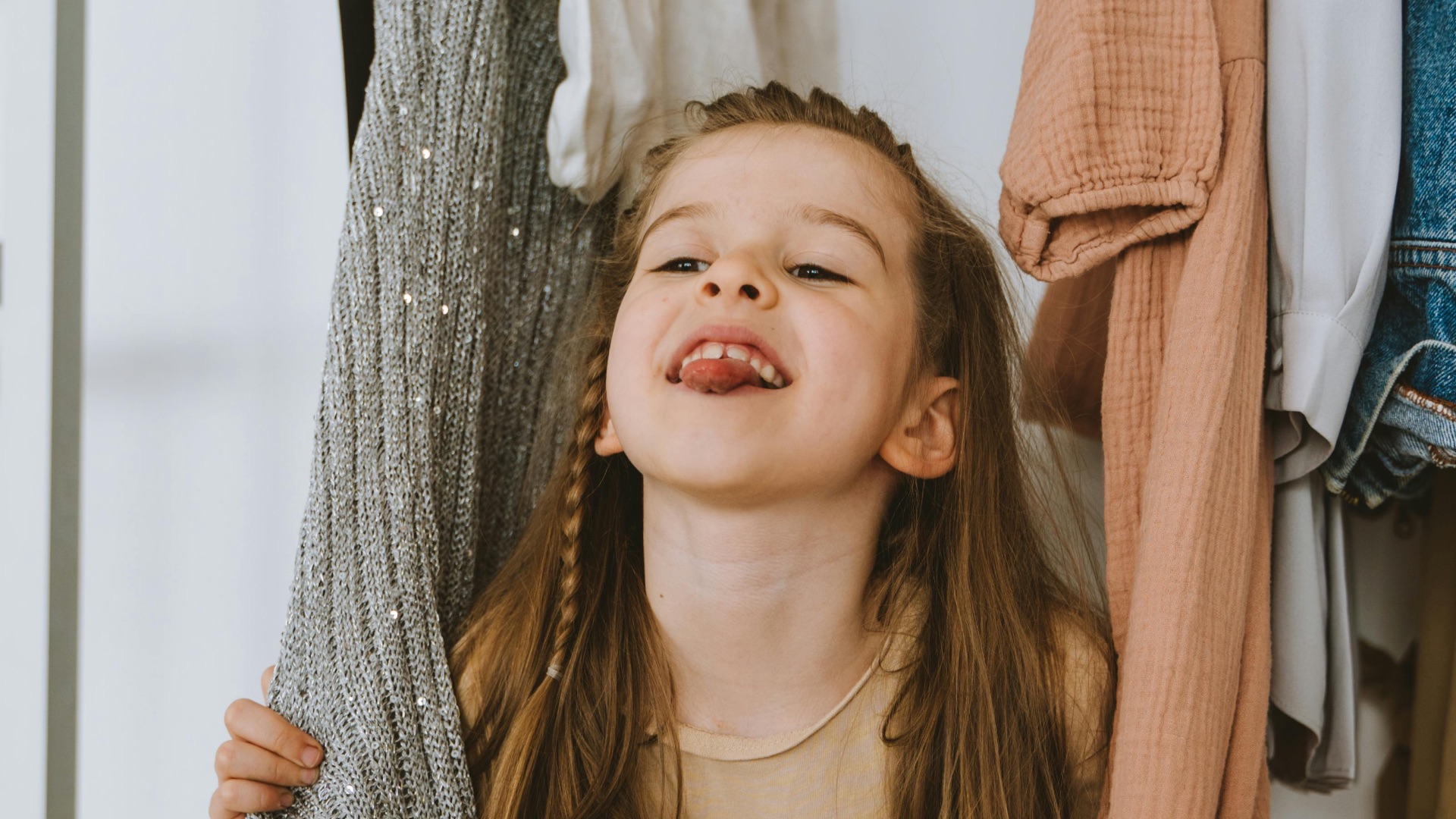
All kids vent occasionally, but there's a pattern to watch for when negative talk about peers becomes a regular habit. If your daughter consistently shares unflattering information, secrets, or criticisms about her friends the moment they're out of earshot, it's a red flag. Friendships built on gossip are rarely built on genuine trust.
6. She Decides Who's "In" and Who's "Out"
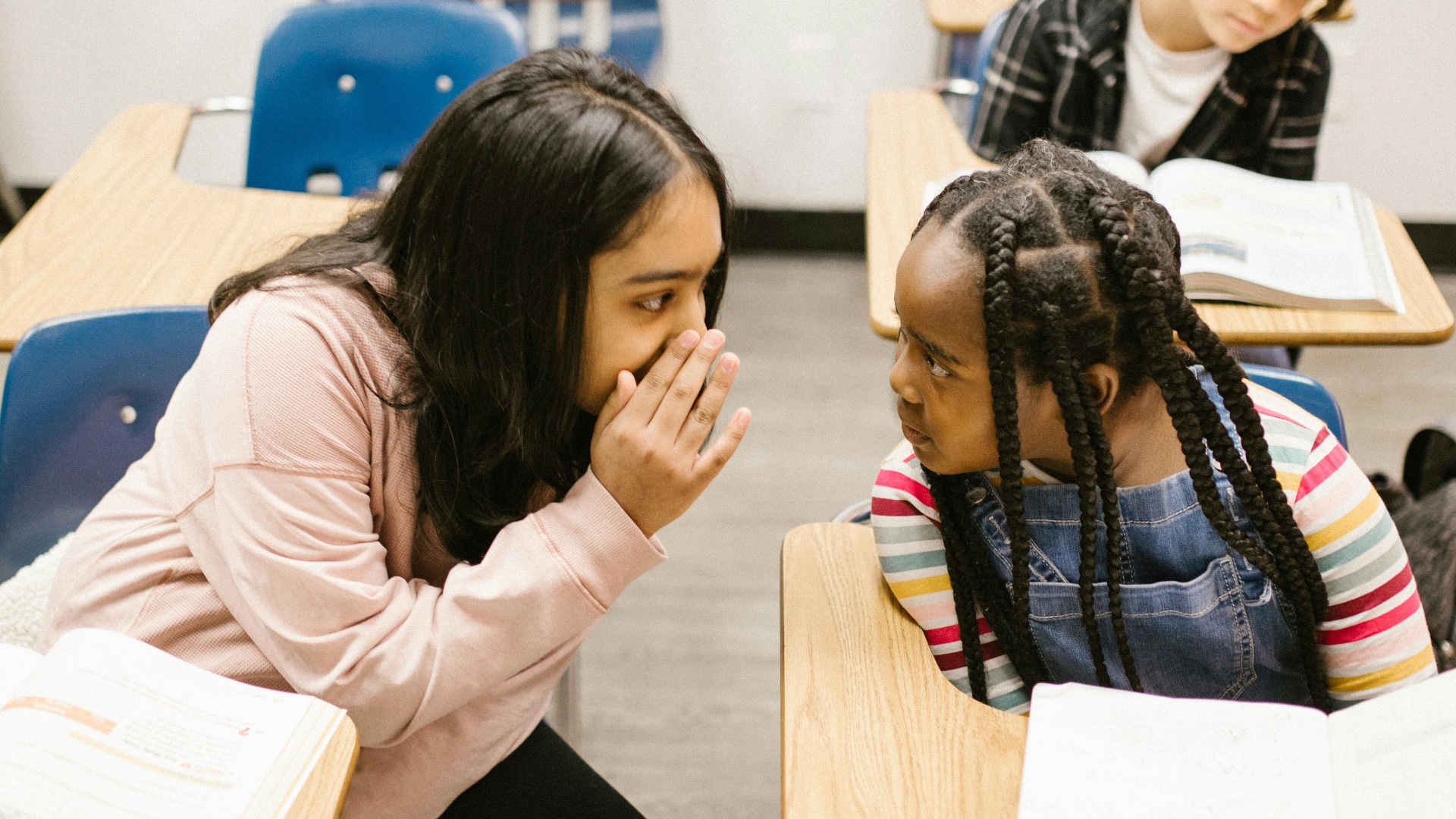
Social gatekeeping, meaning the habit of deciding who is allowed into the group, is one of the clearest signs of mean girl behavior. Your daughter might not be physically barring anyone from a table, but if she's the one who signals to others whether a peer is accepted or not, she holds real social power. That kind of influence, when used unkindly, can be deeply damaging to the kids on the receiving end.
7. She's Dismissive of Kids She Considers "Beneath" Her
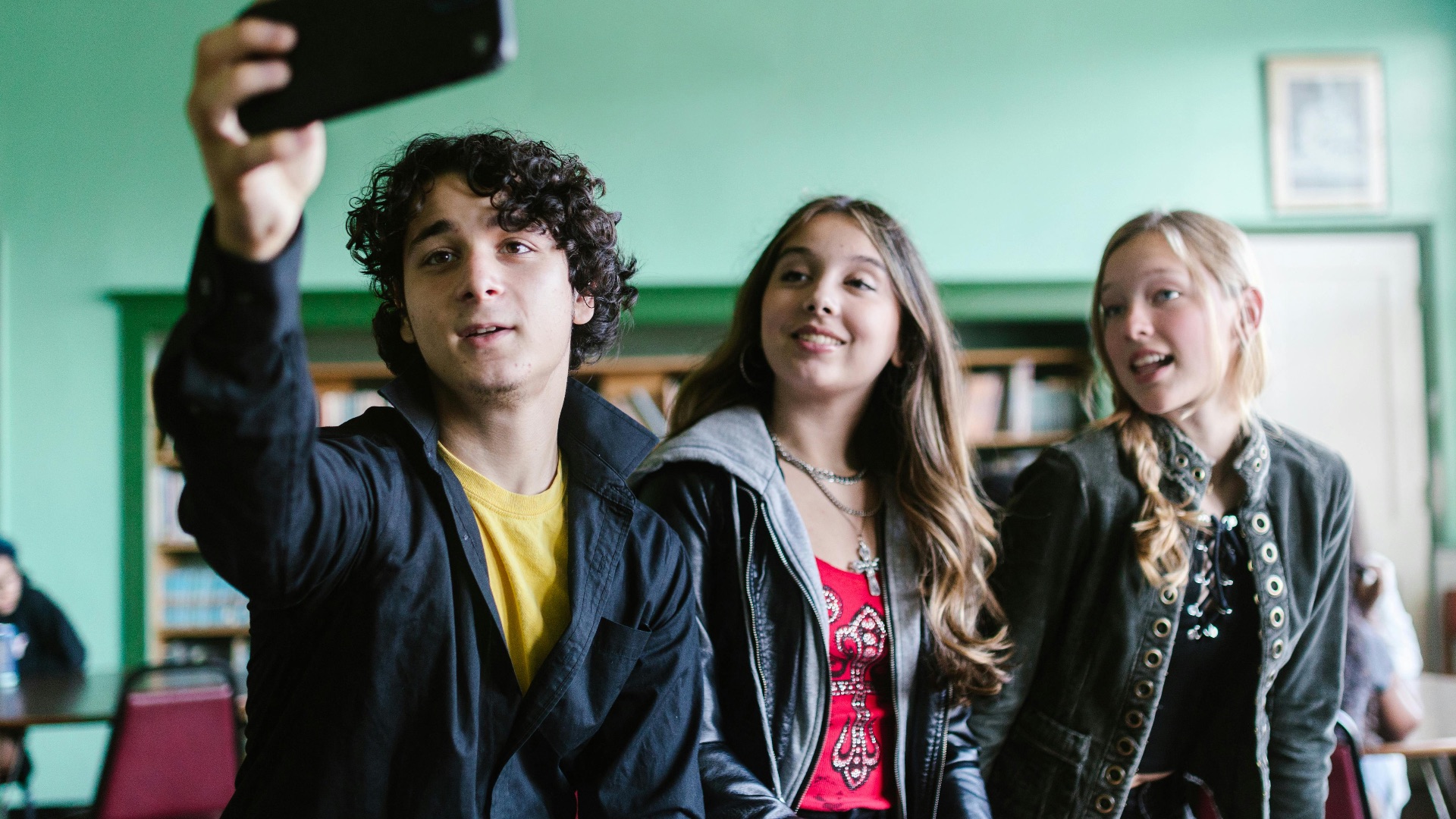
Notice how your daughter treats peers she considers less popular, less stylish, or less socially relevant. If she's rude, cold, or visibly uninterested in anyone outside her chosen circle, she's reinforcing a social hierarchy that leaves other kids feeling invisible. Kindness that only extends to certain people isn't really kindness at all.

8. She Uses Social Media to Embarrass Others
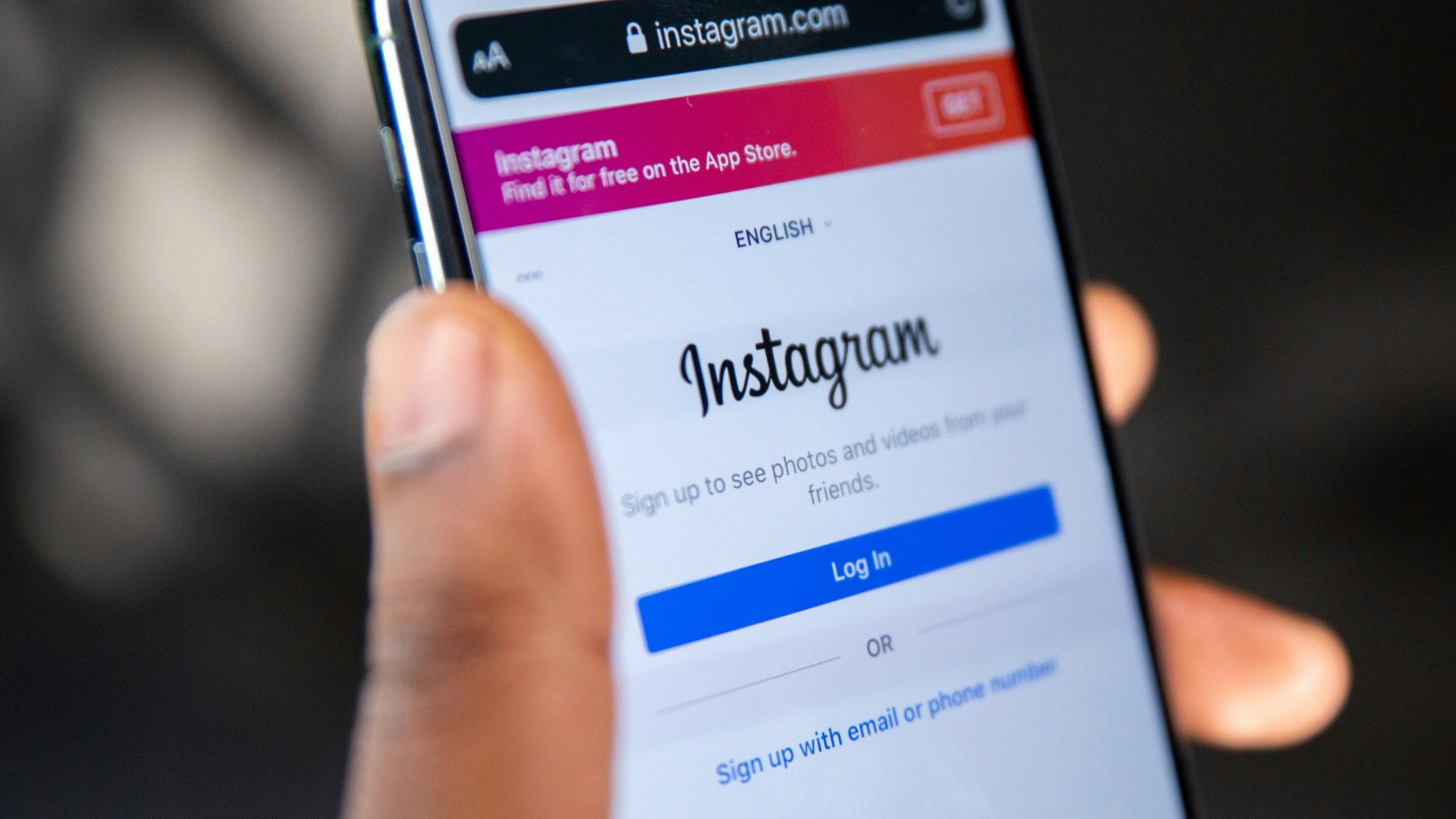
Online behavior is just as important as in-person behavior, and mean girl dynamics have fully extended into digital spaces. If your daughter posts unflattering photos of peers, leaves pointed comments, or participates in group chats designed to mock someone, that's cyberbullying regardless of how casual it seems. The fact that it happens on a screen doesn't make the harm any less real.
9. She Encourages Others to Dislike Someone
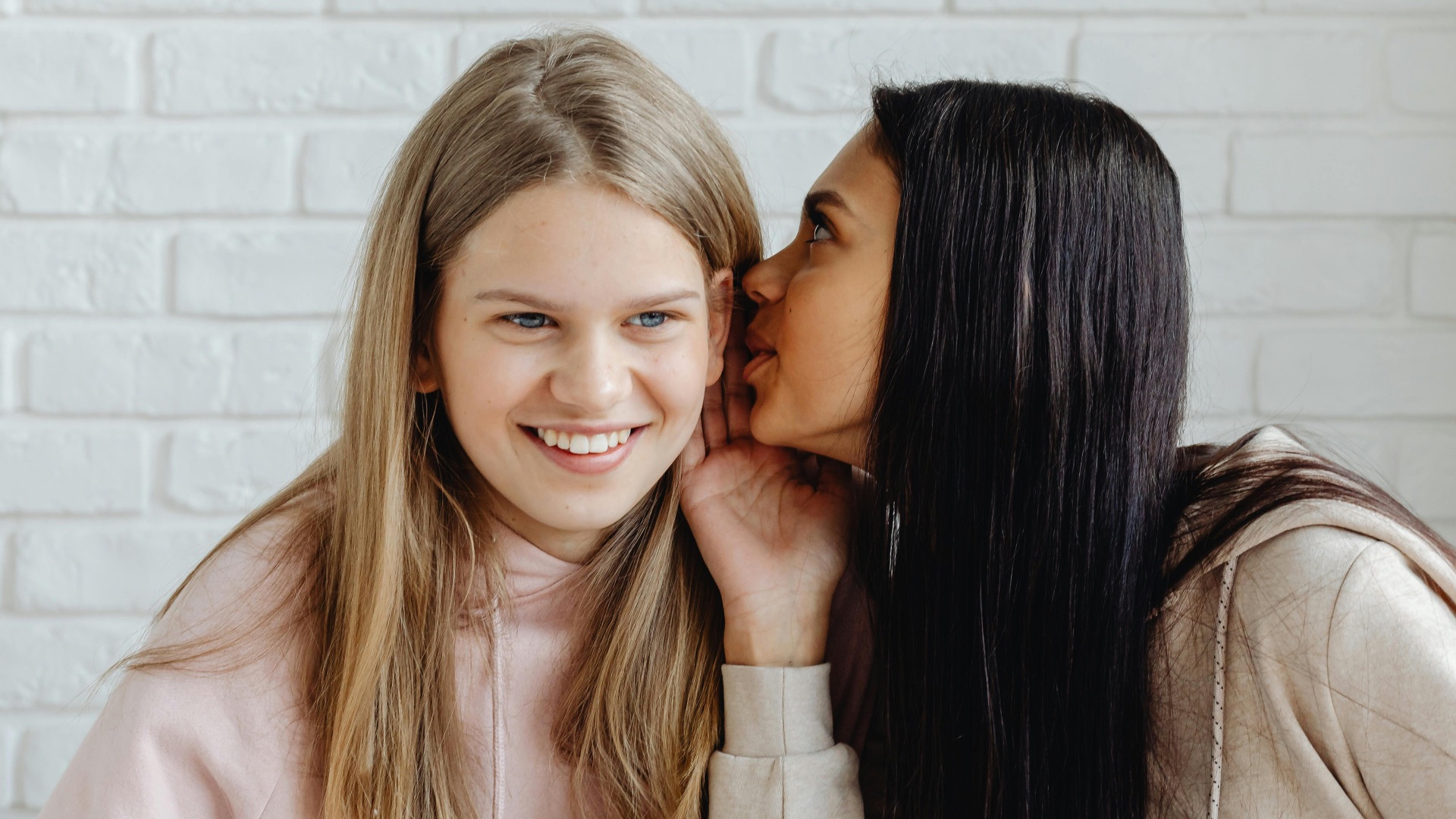
One of the more calculated behaviors to watch for is when your daughter actively campaigns against a peer. This might look like whispering negative things about a classmate, subtly steering friends away from someone she dislikes, or celebrating when others cut ties with that person. It's a form of social manipulation that can isolate a target far more effectively than direct bullying.
10. She Lacks Empathy When Someone Is Upset
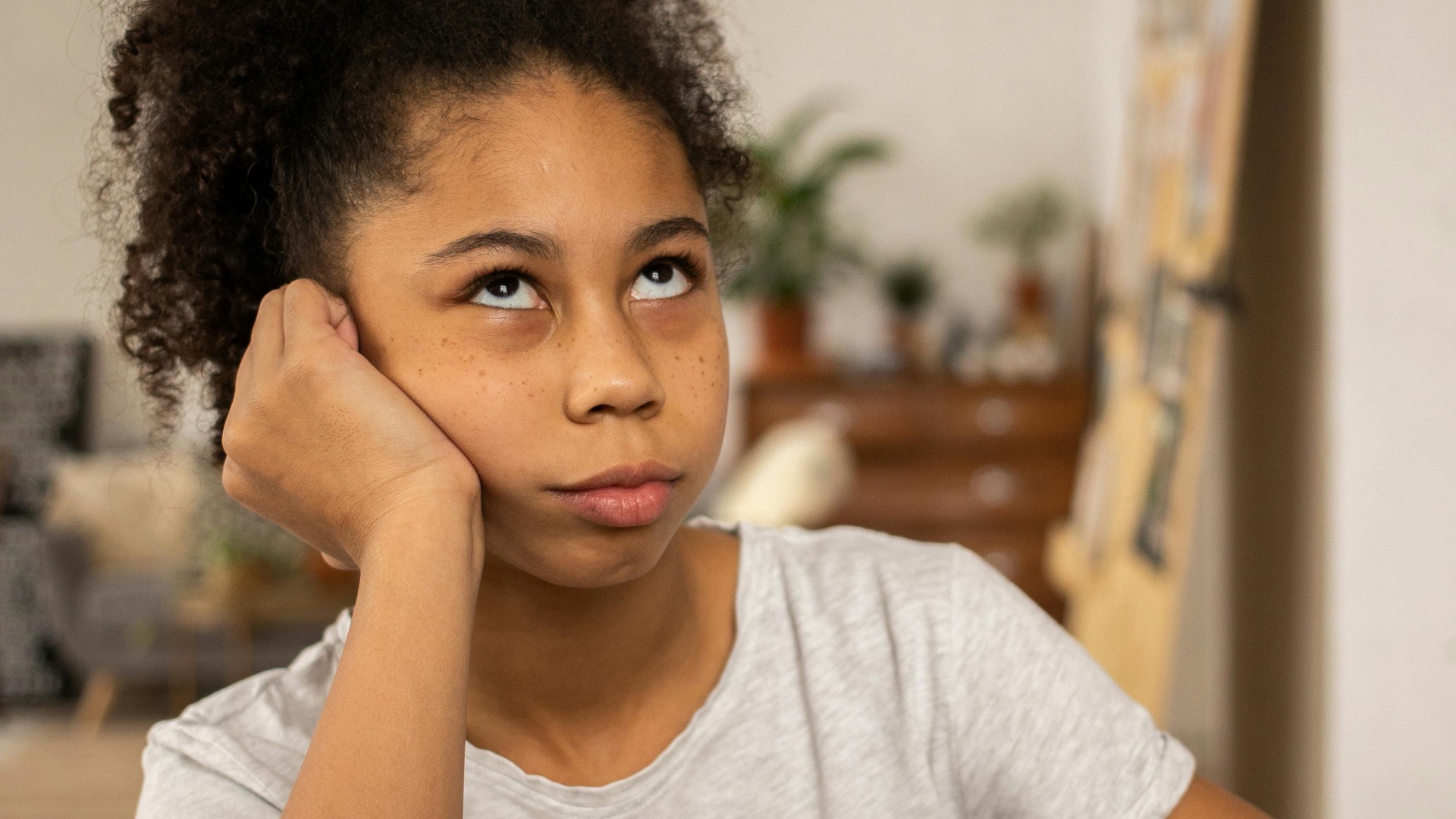
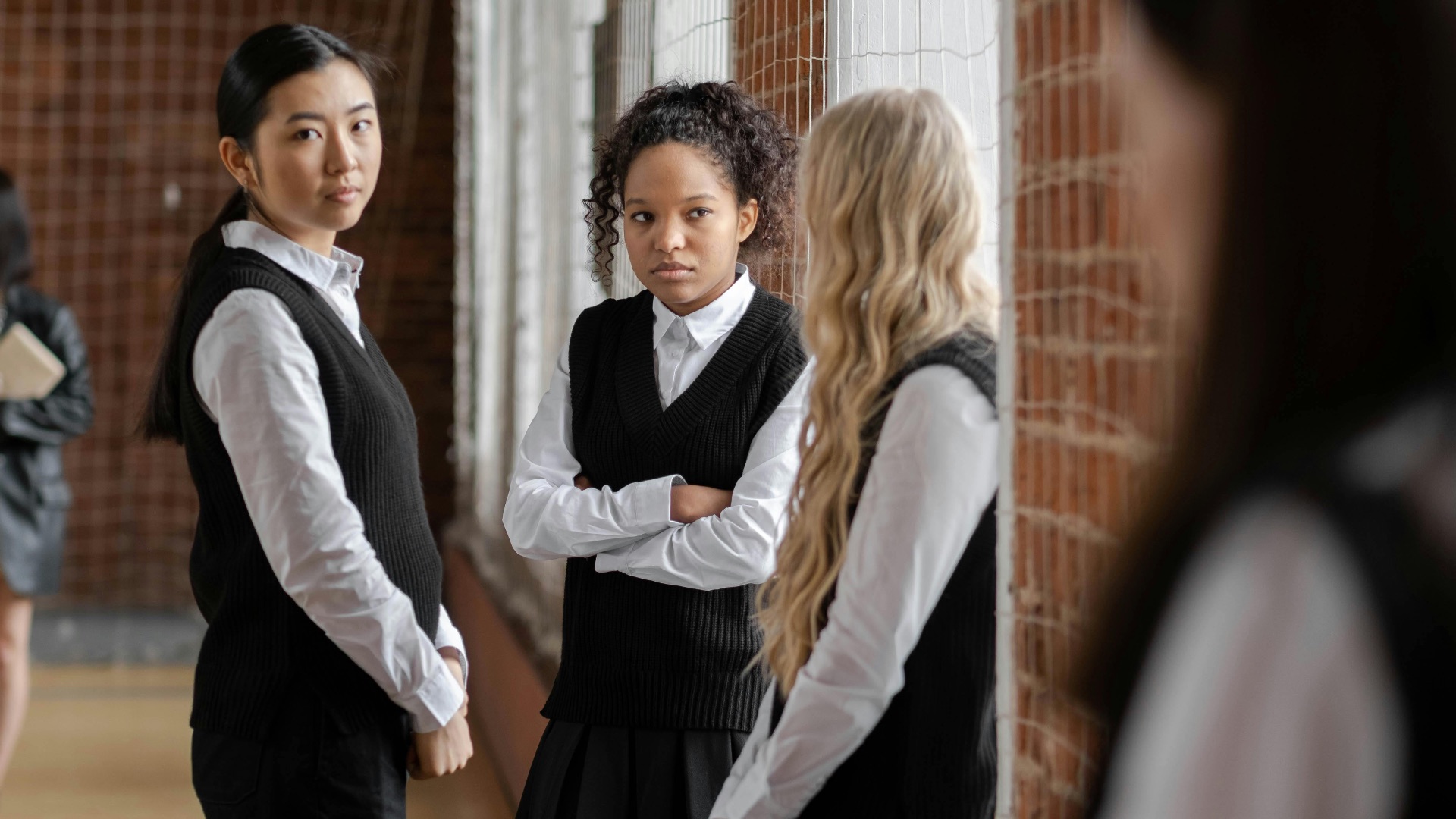
A child's reaction to a peer's distress reveals a lot about her emotional development. If your daughter tends to roll her eyes, minimize others' feelings, or even seem pleased when a rival is upset, that's a meaningful warning sign. Empathy is a skill, and one that may need deliberate reinforcement if it seems to be missing.
11. She Uses Secrets as Currency
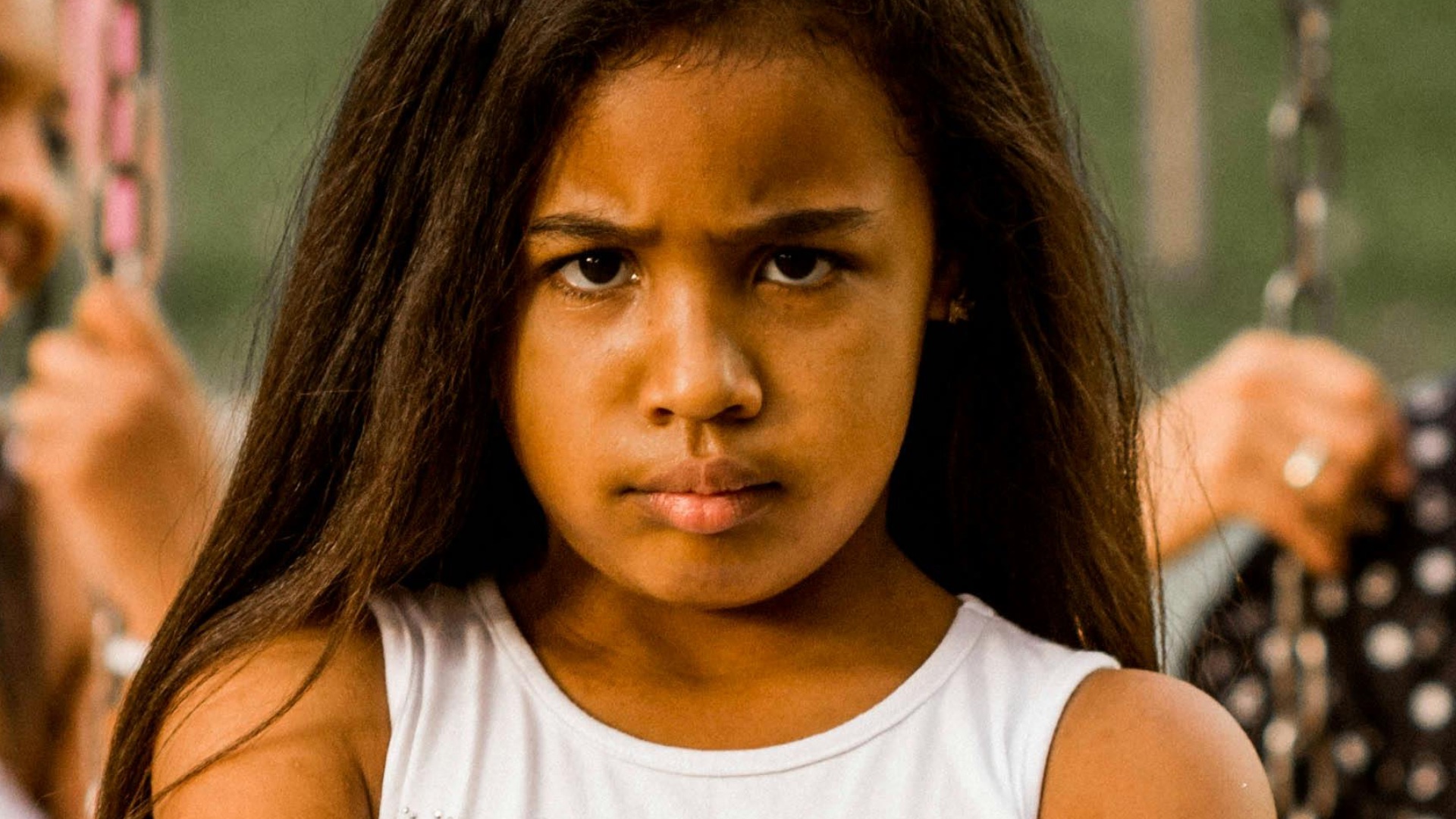
Pay attention to whether your daughter collects sensitive information about her peers and then uses it strategically. Sharing a friend's secret at a convenient moment, or threatening to do so, is a form of social leverage that causes real harm. Kids who do this often understand exactly what they're doing, even if they frame it as just telling the truth.

12. She Reacts Poorly When She Doesn't Get Her Way
Occasional frustration is completely normal, but a pattern of punishing others when things don't go her way is a different matter entirely. If your daughter freezes out a friend, stirs up the group, or makes someone's life noticeably harder after a perceived slight, she's using social punishment as a control tool. That response isn't just unkind, but it's teaching the people around her that keeping her happy is the safest option.

13. She Seems Proud of Being Feared
There's a difference between being respected and making other kids nervous. If your daughter appears amused that people are intimidated by her, or if she likes being known as someone no one wants to cross, that's not just mere confidence. It instead suggests that she may be measuring her influence by the discomfort she creates.

14. She Competes with Friends Instead of Supporting Them
Healthy friendships involve celebrating each other's successes, so it's worth noticing if your daughter seems uncomfortable when a friend does well. She might downplay a friend's achievement, redirect attention back to herself, or become noticeably cold after someone else gets recognition. Competitiveness within friendships, especially when it tips into resentment, is a common trait in mean girl behavior.
15. She Has to Be at the Center of Every Group
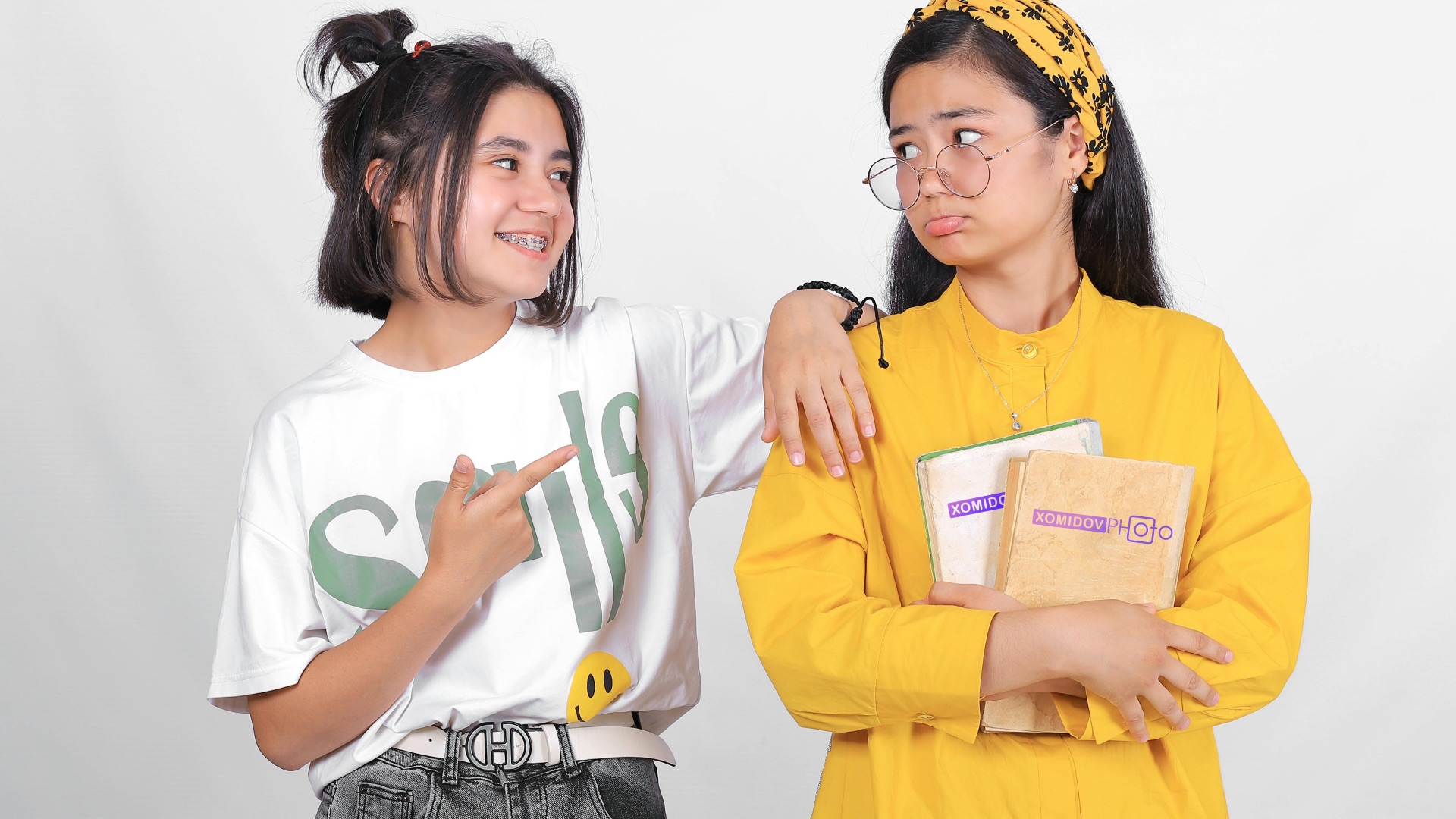
Some girls become mean when they feel their status is threatened, especially in social circles where attention matters a lot. If your daughter can't tolerate someone else getting praised, included, or admired without reacting negatively, that insecurity may be fueling her mean-girl behavior. The problem isn't that she wants attention, but that she needs it so badly that she'll punish anyone who shares it.
16. She Spreads Rumors
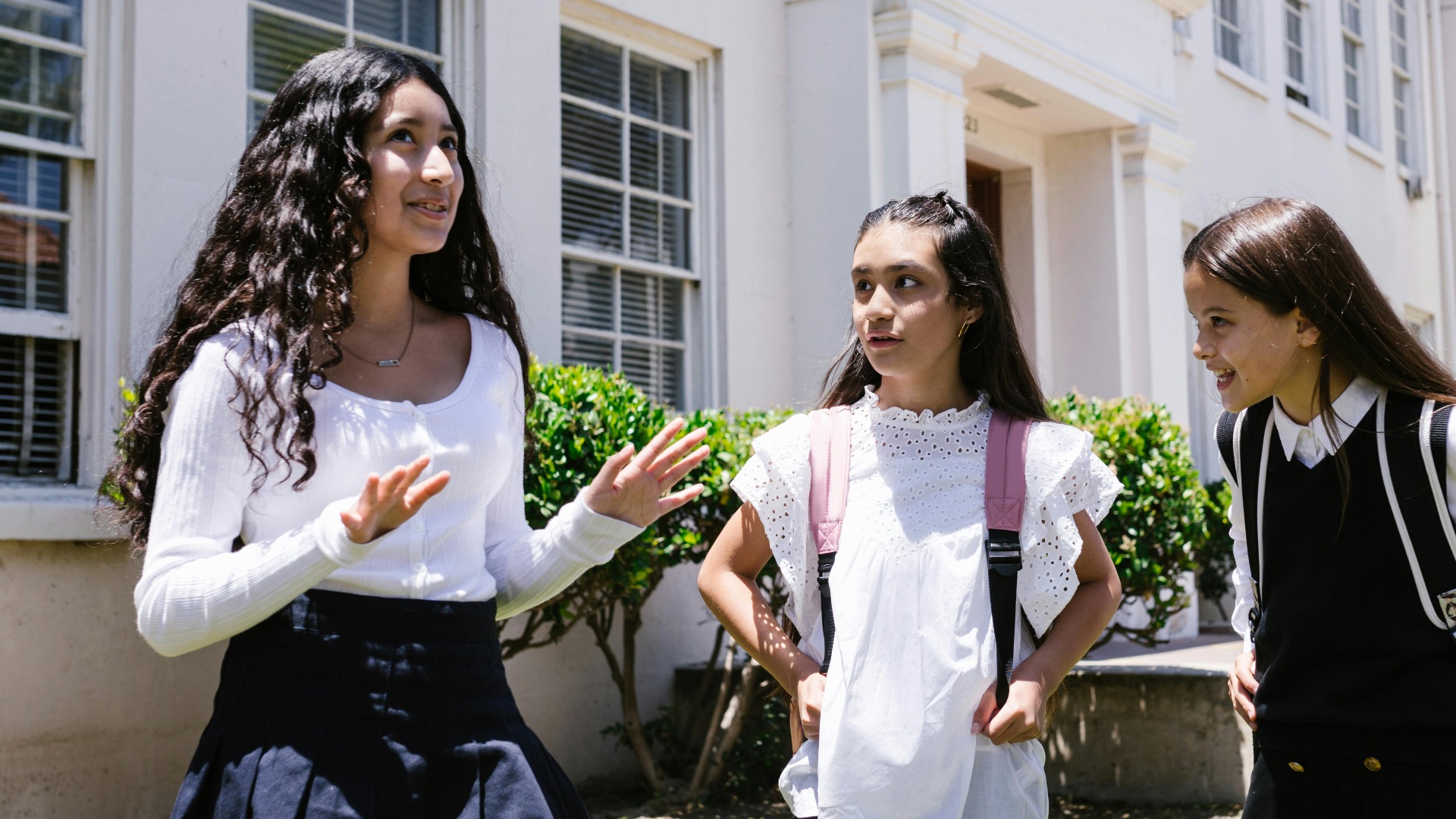
Passing along unverified or exaggerated information about a peer, whether it's about their personal life, relationships, or reputation, is harmful regardless of how it's framed. Your daughter might justify it by saying she's just repeating what she heard, but choosing to spread that information is a decision. Rumors can follow kids for years and do serious damage to their social standing and self-esteem.
17. She Downplays Her Behavior When Confronted
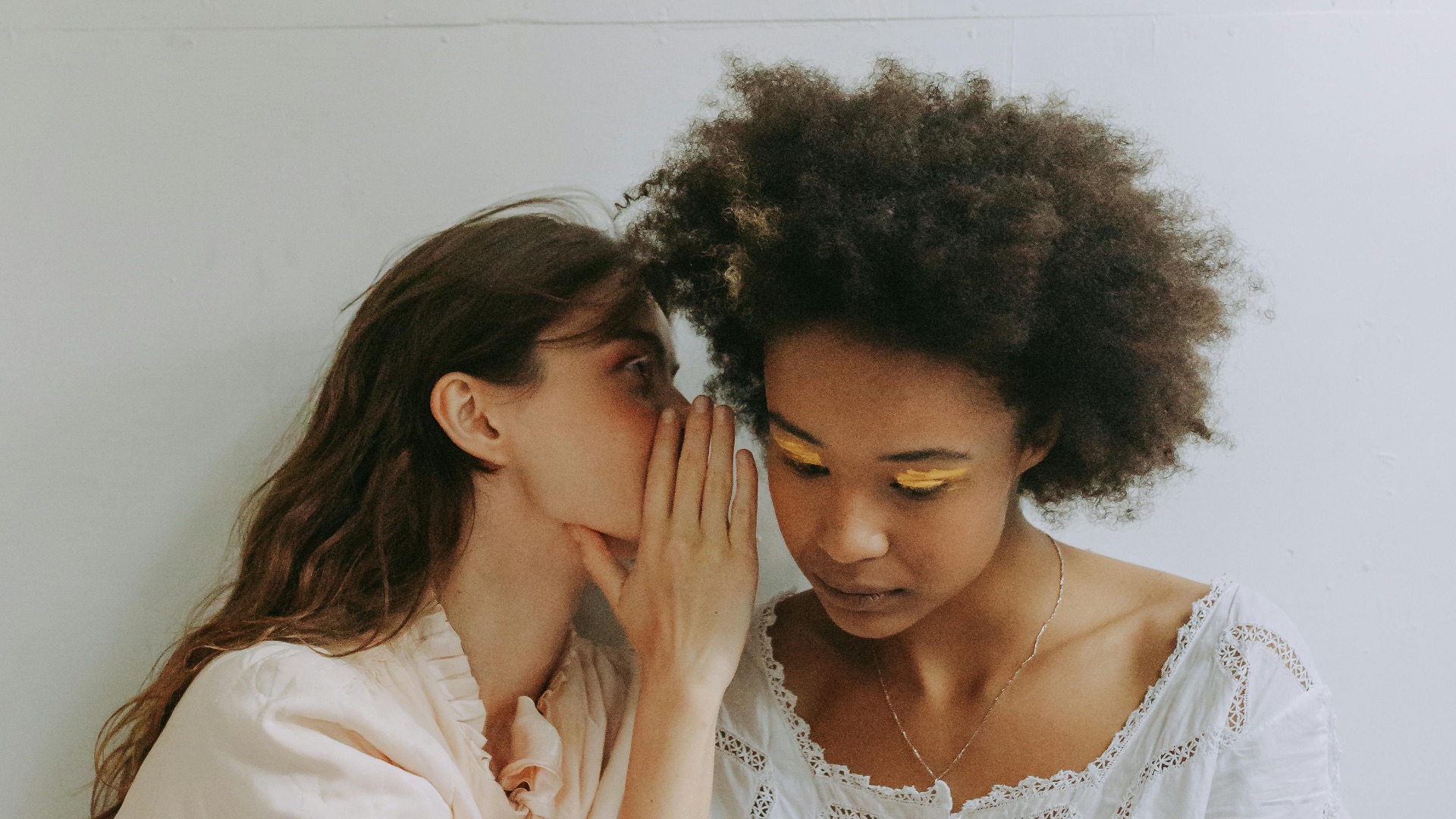
When you or another adult raises a concern about how she's treated someone, a mean girl's first instinct is often to minimize it. She might say she was "just joking," that the other person is "too sensitive," or that "everyone does it." Consistent deflection in the face of genuine concerns is a sign that she hasn't developed accountability around her behavior.
18. Other Girls Seem Drained Around Her
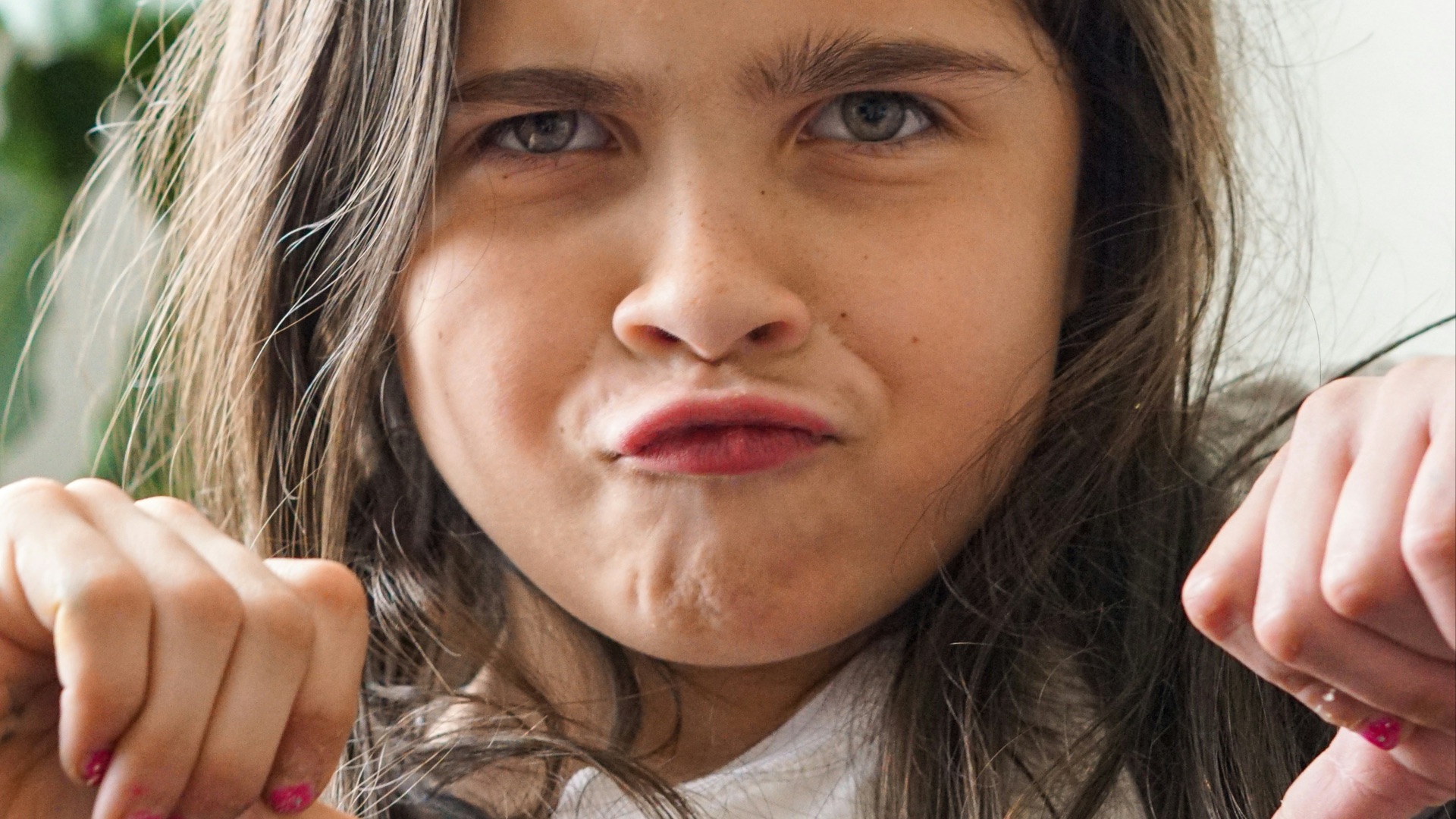
Sometimes the clearest clue comes from the emotional tone of your daughter's friendships. If the other people around her often seem nervous, eager to please, unusually quiet, or relieved when she's not around, that should signal that something may be off in the group dynamic. People who feel safe in a friendship shouldn't look constantly tense.

19. She Polices Her Friends' Lives
Friendship policing—making a friend feel bad for hanging out with someone your daughter dislikes—is a form of social control. She might sulk, make cutting remarks, or frame it as a loyalty issue to pressure friends into limiting who they spend time with. This behavior restricts her friends' social freedom and is a clear sign of manipulative tendencies.

20. She's Obsessed with Social Hierarchies
This might seem like an obvious sign, but your daughter may have a mean girl streak if she's deeply invested in where everyone ranks socially, especially herself. She might frequently talk about who's cool or popular at school, who's "weird" and not, and what it takes to move up or down the social ladder. Kids who are obsessed with maintaining a social hierarchy often feel they need to do everything to defend their position within it, and that often means being unkind.