
Because Your Home Should Feel Like A Refuge, Not A Second Job.
Home is supposed to be the soft place to land. But, for a lot of us, it's become the place where everything piles up. Work stress follows you right through the front door, family assumes you're always available, and a quiet evening somehow disappears into notifications, chores, and one more favor. You don't need to overhaul your whole life to feel better at home. Usually, you just need a few small lines that protect your time, your energy, your privacy, and your patience. That's exactly what these 20 boundaries are for.

1. Claim One Screen-Free Hour
One screen-free hour can change how a whole night feels, especially when your brain's been pinged half to death since breakfast. TV off, phone face down, laptop shut. Suddenly, your home starts to feel like somewhere you actually live, not just another room to sit in.

2. Set A Weeknight Work Cutoff
A hard stop for work emails and calls keeps your living room from becoming a late-shift extension of the office. You get to eat, fold laundry, or just sit on the couch without that twitchy feeling that some message is waiting for an immediate reply.

3. Keep One Corner Just For You
Even in a tiny apartment, one chair by the window, one side of the bedroom, or one small desk can become yours. When everyone knows that spot is off-limits unless they're invited, it creates a small but very real sense of breathing room.

4. Knock Before Entry
Closed doors should mean something, especially in bedrooms and home offices where people just want five private minutes. Asking for a knock is basic courtesy, and it prevents a surprising number of tense little moments that never needed to happen in the first place.

5. Put A Nighttime Limit On Heavy Conversations
Some topics have absolutely no business coming up at nearly 11 at night when everyone's exhausted and one sentence away from saying something they'll regret. A cutoff for serious discussions protects sleep, lowers friction, and gives everybody a better shot at talking things through the next day.

6. Stop Accepting Last-Minute Visitors
There's no rule anywhere that says a "just passing by" text means you have to open the door with a smile and a clean kitchen. Saying no to drop-ins when you're tired, behind, or simply not in the mood keeps your home from feeling like public property.

7. Limit How Much Emotional Cleanup You Do
A lot of households have one person with the job of listener, peacemaker, and emotional sponge. If that keeps landing on you, it's completely fair to step back and decide you're not available to absorb every argument, every bad mood, and every spillover. You're allowed to put that down.

8. Make Respect Non-Negotiable During Conflict
Every home has disagreements, but yelling, insults, and name-calling don't fix anything. Setting a rule against them gives everyone a cleaner, kinder way through a hard moment.

9. Share Less Personal Information
Not every family member needs the latest on your relationship, your finances, or your medical appointments. A bit of privacy can spare you from unsolicited opinions, awkward follow-up questions, and those oddly intrusive check-ins.

10. Put A Daily Cap On Chores
Domestic work expands fast when nobody sets a limit, and next thing you know, you're reorganizing a closet because you went in for paper towels. Deciding how much you'll handle in one day helps you stop before the resentment starts simmering.
11. Split The Mental Load Clearly
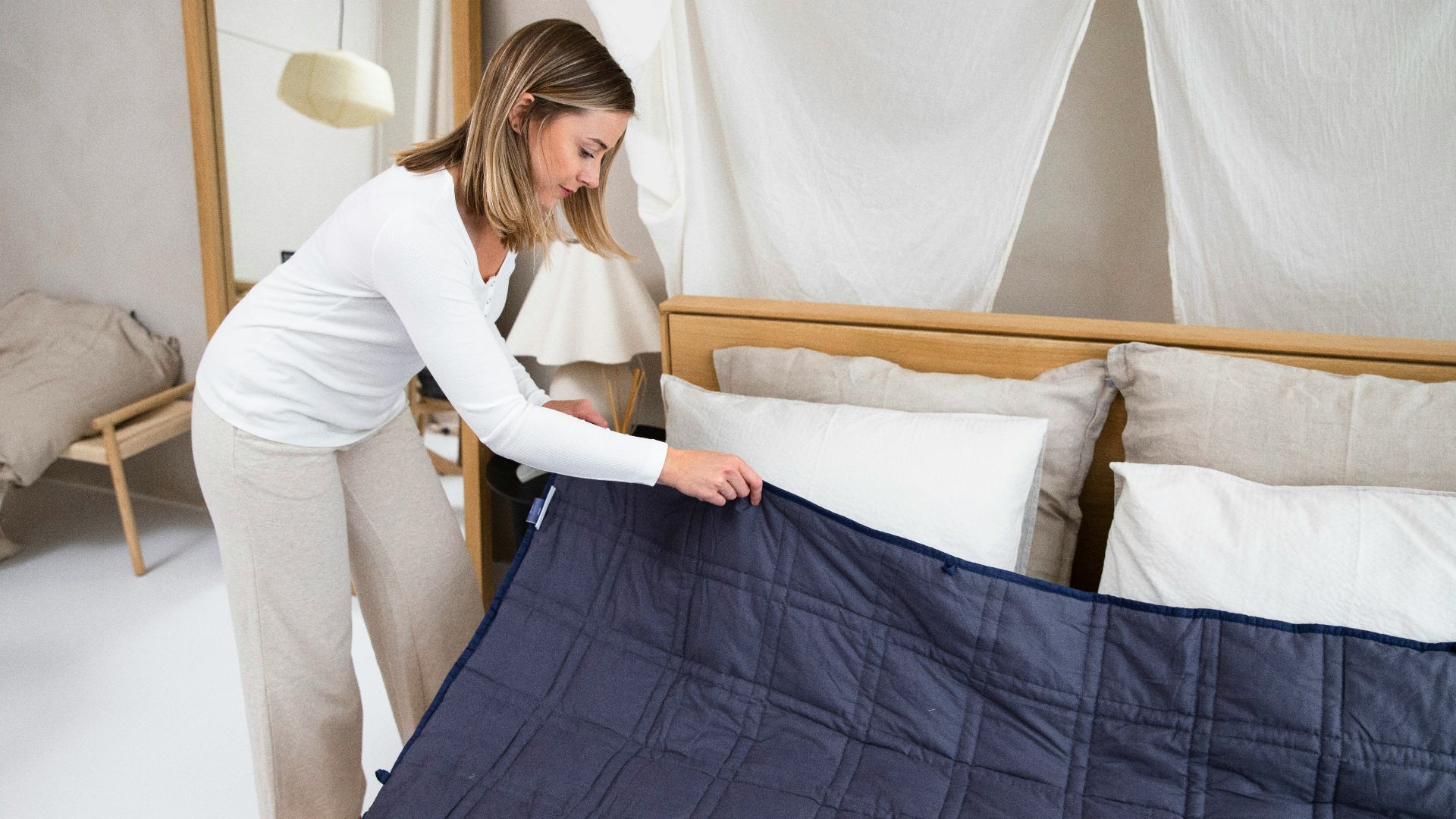
Shared homes run a lot better when everyone knows who owns what, instead of one exhausted person holding every bill, grocery list, school form, and appointment in their head. A clear division of labor cuts down on the familiar argument where someone says they would've helped if they'd just been told.

12. Get Some Alone Time
Living with people you love can still feel loud and crowded after a long week. A protected stretch of alone time, whether that's Sunday morning in the kitchen or thirty minutes in the bedroom with the door shut, gives your nervous system a chance to settle.

13. Normalize Saying No To Family Plans
You should be able to skip movie night or a big family dinner without presenting a full case for the defense. A simple "not tonight" is enough, and homes get so much more peaceful when opting out is treated as normal adult behavior.

14. Put Limits On Scrolling
Social media has a sneaky way of eating up your downtime, especially the quiet minutes before bed. A house rule against endless scrolling during meals or late at night protects your attention and keeps you from ending the evening annoyed and upset.
 Priscilla Du Preez 🇨🇦 on Unsplash
15. Keep Devices Out Of Certain Spaces
Phones at the dinner table and tablets in bed make a home feel oddly crowded even when nobody's talking. A few device-free spaces help meals feel more connected, and bedrooms feel a little more restful.

16. Draining Messages
Some relatives have a real talent for reaching out the second you sit down with a cup of tea. You don't have to respond during your downtime, especially when waiting until tomorrow is the difference between having a calm evening and a meltdown.

17. Set Rules Around Borrowing Your Things
Shared living doesn't mean open access to your car, your laptop, your favorite sweater, or phone chargers. Clear limits around borrowing stop those petty but very real resentments that build when your belongings keep disappearing without warning.

18. Use Simple Language
A boundary is easier to understand when it's steady and clear, not buried under five apologies and a long explanation. Plain language makes it easier for everyone because people know what you mean, and you're less likely to talk yourself out of your own needs.
 Hoi An and Da Nang Photographer on Unsplash
19. Teach The House Rules Early
Young people can absolutely understand that certain tones, interruptions, and topics aren't acceptable at all hours. Clear emotional and behavioral boundaries give them structure, help them know what to expect, and spare you from renegotiating the same rule every single Tuesday night.

20. Start Small And Let The Household Adjust
Trying to change everything at once usually turns a good idea into one more stressful project. Pick one boundary that would make daily life a little easier right now, let people get used to it, and then add the next one.