
In an unexpected turn of events, carrying a pocket notebook and wearing a real watch has become, dare we say, chic again. In a world of constant cellular and social media interference, there are a few of us who are returning to more tangible forms of living. You can see it in more than just watches and notebooks. Film cameras, paper planners, little analog things that don't buzz or ping at you. There's something deeper going on here than just an aesthetic.
A lot of us are reaching for old-school tools because our phones have become these expert-level attention thieves. Consumer Reports lays it out pretty plainly: the constant notifications, the habitual checking, it eats away at your ability to just... be somewhere. To actually be present with the person sitting across from you, or the book in your lap, or the garden you meant to enjoy.
Why Now?
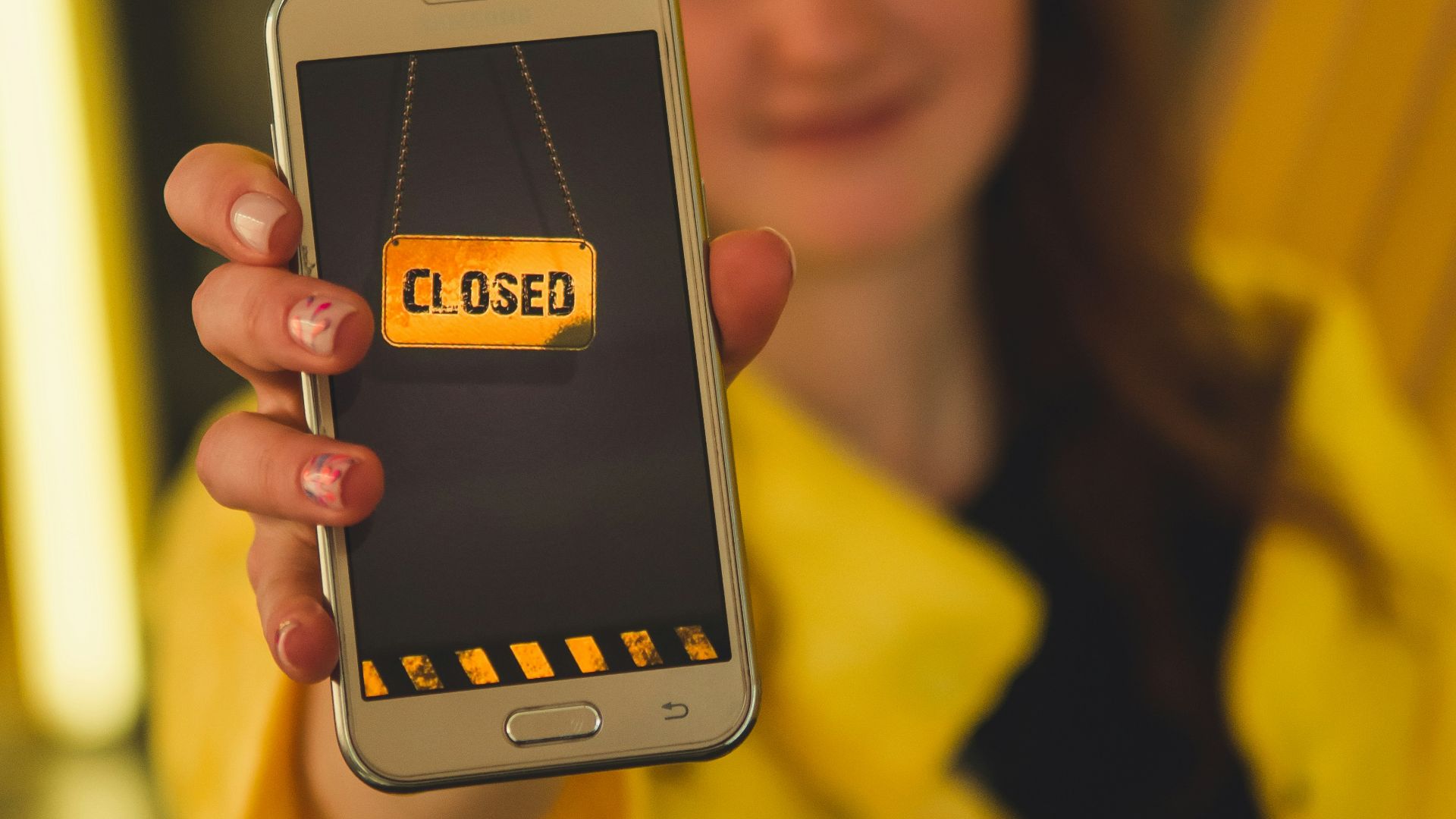
It's not really about pretending the internet doesn't exist. Nobody's trying to cosplay as their 1987 self. It's more than people are tired. Genuinely, deeply tired of having their attention picked apart all day long.
The Guardian has written about how smartphones and social platforms are basically built around something called the attention economy. Endless feeds. Little novelty hits. Rewards that make "just checking" feel innocent, when really it's anything but.
By comparison, a wristwatch just tells you the time. That's it. It doesn't pull you into a news alert about something awful happening somewhere, or surface a video of someone's vacation from three summers ago. The Seasonless describes this return to old tech as part of a bigger hunger for physical, grounded experiences. Ones that don't constantly ask something of you.
A lot of us are struggling to put down our phones, and it’s not surprising as to why. PCMag points out that app design deliberately uses red badges, variable rewards, and endless recommendations to keep you hooked. Constantly, you’re feeling pulled back to your phone over and over again. It’s not that you have a character flaw; it’s just a pretty predictable response to some very persuasive design. You're not weak. You're just human.
What “Going Vintage” Actually Looks Like
Nobody's asking you to throw your phone in a river. The practical version of this is much gentler. It's about swapping a few high-friction phone habits for lower-stimulation alternatives.
A New York Times opinion piece about switching to a dumbphone framed it really well: it's not exile from modern life. It's more like cutting off the noisiest, grabbiest parts of smartphone dependency. One piece at a time.
For some people, the first swap is entertainment. Carrying a paperback, a magazine, a crossword, or even just a sketchbook gives boredom somewhere to go. The Seasonless makes the case that analog objects create a richer sensory experience, and that alone can make them more absorbing than staring at yet another flat, glowing screen.
For others, it works better to replace phone functions one by one. A cheap alarm clock keeps the phone out of the bedroom entirely. A small notebook handles the to-do list without accidentally opening six other apps along the way. A basic watch cuts down on those little, pointless games that somehow eat up twenty minutes. The blogger behind I'd Rather Be Writing describes this same approach, and makes the argument that physical tools break the cascade effect, where one "quick check" turns into half an hour of distracted drifting.
How To Actually Stick With It

Consumer Reports recommends setting phone-free windows, especially at the start and end of the day. Those are the moments when checking tends to become the most automatic. Even one phone-free hour in the morning can shift the tone of your whole day.
Cutting temptation works better than relying on willpower, too, by the way. Turning off nonessential notifications, pulling addictive apps off your home screen, or switching your display to grayscale can make a phone noticeably less magnetic. Both The Guardian and PCMag point to these design-level tweaks as genuinely useful, because they interrupt the visual cues that keep you checking without even really meaning to.
It also really helps to have an analog backup plan ready for those moments when your hand reaches for the phone purely out of habit. Be More With Less suggests keeping offline options close: reading, journaling, walking, crafting, puzzles, whatever works for you. Folks in echo the same thing pretty consistently: cutting screen time sticks much better when the scrolling gets replaced with something satisfying, rather than just... removed in a fit of hopeful optimism and then slowly crept back in.
The point of all this isn't to romanticize inconvenience, or to live like it's 1994 again. It's about reclaiming a little bit of choice in a system that was genuinely designed to make every spare second feel available for capture. A few analog tools, a few phone-free boundaries, a little less blind obedience to the glowing rectangle, and modern life can start to feel a lot more like yours again.