
The Day the Booking Vanishes
A trip that goes smoothly tells you almost nothing about anybody. Everyone is easy to get along with when the reservation is confirmed, the flight is on time, and the rental car is waiting where it should be. Then the hotel loses your booking or the rental counter has no record of your car, and suddenly a dozen things you never knew about someone show up in the same half hour. How they handle frustration, uncertainty, blame, and inconvenience usually matters more than whether they know how to fix the problem. Here are 20 things you learn about someone the first time a plan goes wrong.

1. The First Sentence Out of Their Mouth
The flight is canceled and somebody has to speak first. That opening sentence either describes the problem or assigns it to a person, with very little middle ground available. Anyone who goes straight for a culprit almost never stops at one, so by the time you reach the rebooking desk they will have worked through the airline and then started on you.

2. The Confirmation Email
One sort of person pulls up the booking before saying anything at all, because the answer is sitting right there in the email. The other kind spends ten minutes arguing with a front desk clerk about a reservation nobody ever made. Checking first looks like hesitation for about ninety seconds and saves roughly forty minutes of standing in a lobby.
3. The Volume Knob
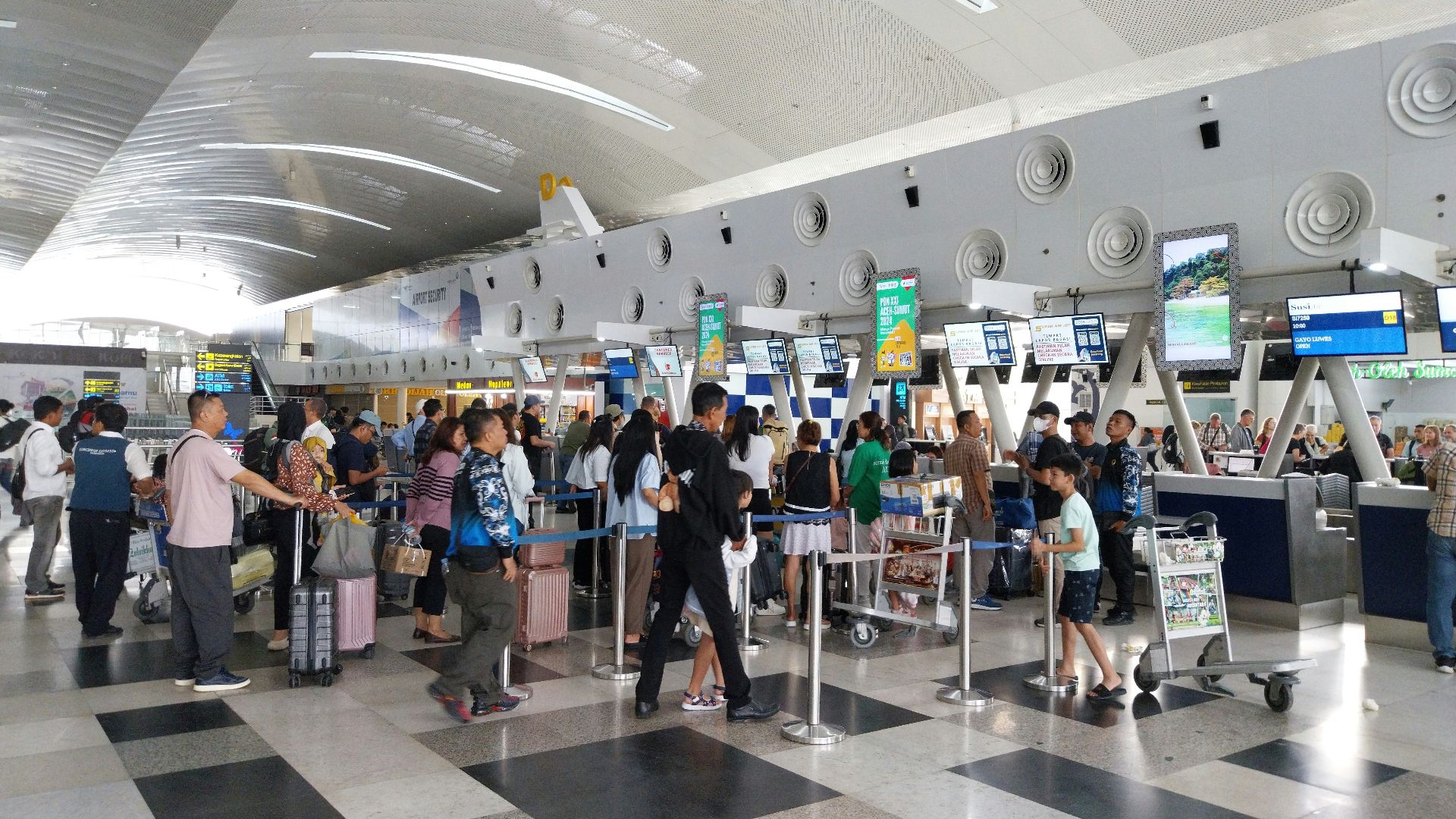
Stress moves most voices in one direction and keeps them there for the duration. A few drop close to a whisper and turn oddly precise about word choice, which is a warning in its own right. The opposite type climbs a half step every few minutes until strangers across the lobby start glancing over, with no idea at all that it's happening.
4. How They Talk to the Person Behind the Counter
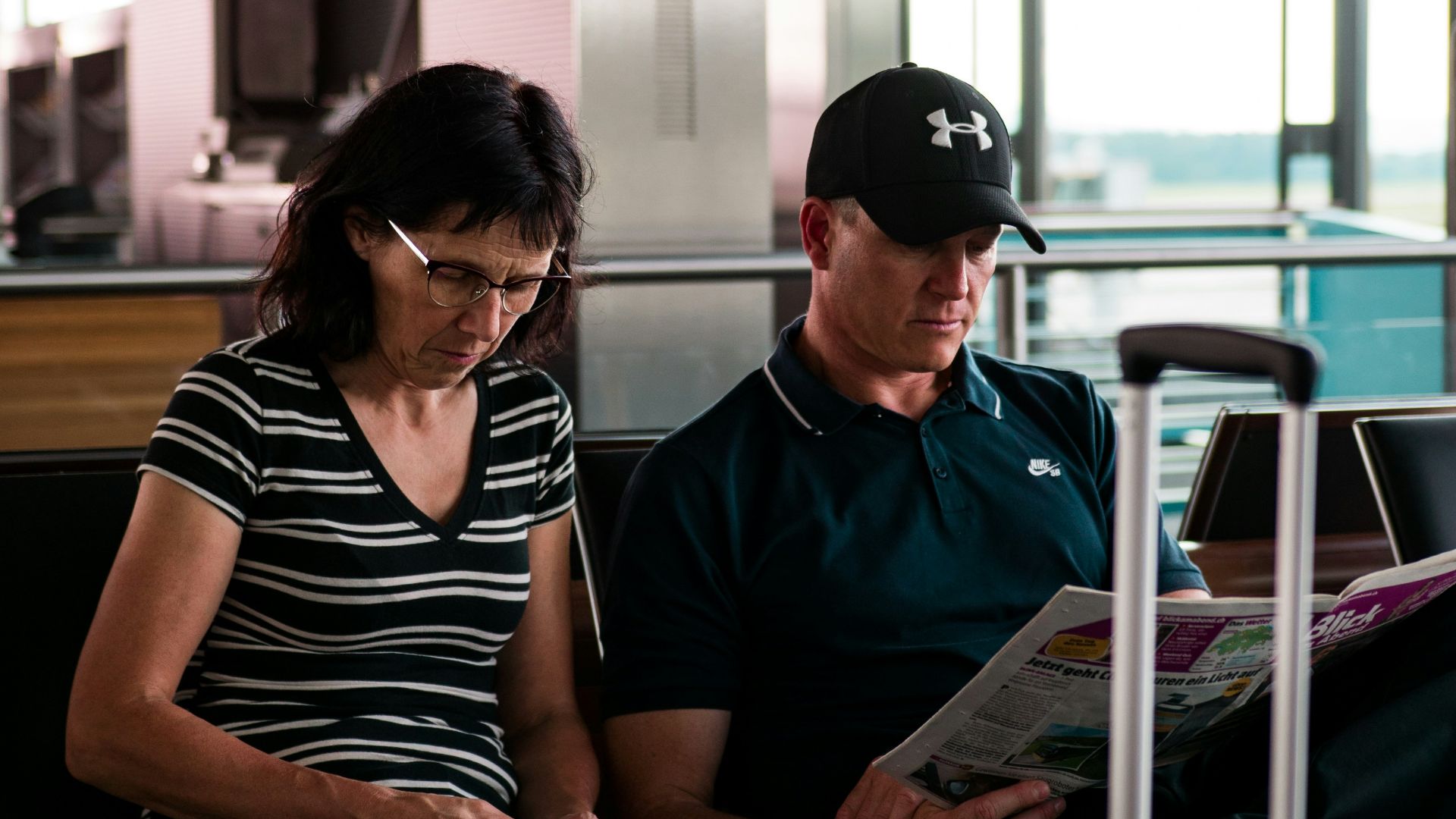
The desk agent did not cancel your train. Whether that registers inside the first thirty seconds, or the nearest employee becomes something to push against instead, settles a question you would otherwise never get to ask anybody. People who stay civil here aren't performing patience, and they tend to be holding a hotel voucher an hour later.

5. The Warning They Mention
Somewhere in the first hour, you find out whether somebody keeps score. It usually comes out casually, with a reminder that they did say the connection looked tight or that this was always a bad idea. Nothing in the sentence is technically wrong, which is what makes it land. The point is not to solve the problem but to make sure the record shows whose fault it was.

6. The Timeline Rewind
Some people respond to a bad turn by replaying the entire morning, looking for the exact decision that doomed the day. Once the gate has closed and the plane has pushed back, none of that reconstruction changes anything. What matters is whether they can let it go or spend the next six hours narrating every point where things might have gone differently. That distinction tells you a lot about what it feels like to share a problem with them.

7. Who They Look At
Eyes usually move before mouths do when bad news hits a group. Some people look at the departures board, the mechanic, or whatever actually went wrong. Others look straight at the person who made the booking. That glance often happens before anyone has consciously decided there is someone to blame.

8. Money, Fast
A broken plan often costs money to fix, and you learn quickly how someone handles that. Maybe spending another $200 saves four hours, or maybe one person has to cover the hotel while everyone sorts out the rest. What matters is whether money becomes another problem on top of the one you already have.

9. The Snack Situation
A surprising number of travel arguments start because someone is hungry. Some people notice themselves getting irritable and find something to eat before it becomes everyone else's problem. Others insist they're fine until they're snapping at the person trying to help them.

10. Two Options, No Answer
Sometimes there simply isn't enough information to make the next decision yet. One flight might open up, the hotel might call back, or the mechanic might need another twenty minutes before giving you an answer. How someone handles that waiting period tells you a lot about their tolerance for uncertainty.

11. The Sunk Cost Problem
Once the original plan stops making sense, someone has to be willing to abandon it. That can be surprisingly difficult when money, time, or anticipation has already gone into it. You quickly learn who can change course and who will spend another three hours trying to rescue something that is already gone.

12. What They Do With Their Phone
A phone can make someone feel productive long after it has stopped helping. Some people keep refreshing the same sold-out page or checking the same delayed flight every two minutes. Others recognize when the screen has given them everything it can and start looking for another option.

13. How They Handle a Stranger's Help
Bad days often involve asking strangers for help, whether that's a gate agent, hotel clerk, mechanic, or someone giving directions. Pay attention to how someone reacts when another person goes out of their way for them. A genuine thank-you says more than people think.

14. Who Dials
Eventually, somebody has to make the unpleasant phone call. It might be the hotel, airline, insurance company, or rental desk, and nobody is particularly eager to volunteer. You quickly notice who picks up the phone and who waits for somebody else to handle it.

15. Who They Tell
People handle bad news very differently. Some wait until they know what the new plan is before updating anyone, while others have already texted the family group chat before the announcement is finished. Neither is necessarily wrong, but it tells you a lot about how private or public they make a problem.

16. How They Treat the One Who Booked It
If one person arranged the trip, they often feel responsible even when the problem was completely outside their control. The rest of the group can either make that feeling worse or take some of the pressure off. How people behave in those first few minutes tells you whether they are looking for a solution or someone to blame.

17. What Happens at the Second Failure
Most people can handle one setback reasonably well. The better test comes when the backup plan fails too and everyone is already tired. That's when you find out whether someone's patience was genuine or simply hadn't been tested very hard yet.

18. The Calm Competition
Staying calm is useful until someone starts using their calmness against everyone else. A pointed "just relax" rarely makes anyone relax, especially when it comes with the suggestion that everyone else is overreacting. Sometimes looking composed is just another way of dealing with your own frustration.

19. How They Take Being Wrong
Sometimes everyone spends an hour blaming the wrong thing, and eventually the real explanation comes out. Pay attention to what happens when the person who was most certain turns out to be wrong. A simple admission is very different from an apology followed by five reasons it still wasn't really their fault.

20. Anecdote or Grievance
Months later, the ruined trip will probably come up again. Some people tell it as a funny story about the weekend when absolutely nothing worked, while others still sound irritated every time they mention it. How quickly someone can move from frustration to perspective tells you whether you'd want to travel with them again.