
The Manual Nobody Handed You
Most adults know some of the basics and somehow miss others entirely. You might know how to file your taxes but not how to shut off the water, jump a car, read an electricity bill, or figure out whether food in the fridge has gone bad. A lot of this knowledge gets picked up randomly from parents, roommates, coworkers, or one badly timed emergency, so everyone reaches adulthood with a different set of blind spots. The problem is that you usually do not discover yours until something is going wrong. Here are 20 basic things every adult should know before they have to learn them the hard way.

1. Where the Water Shuts Off
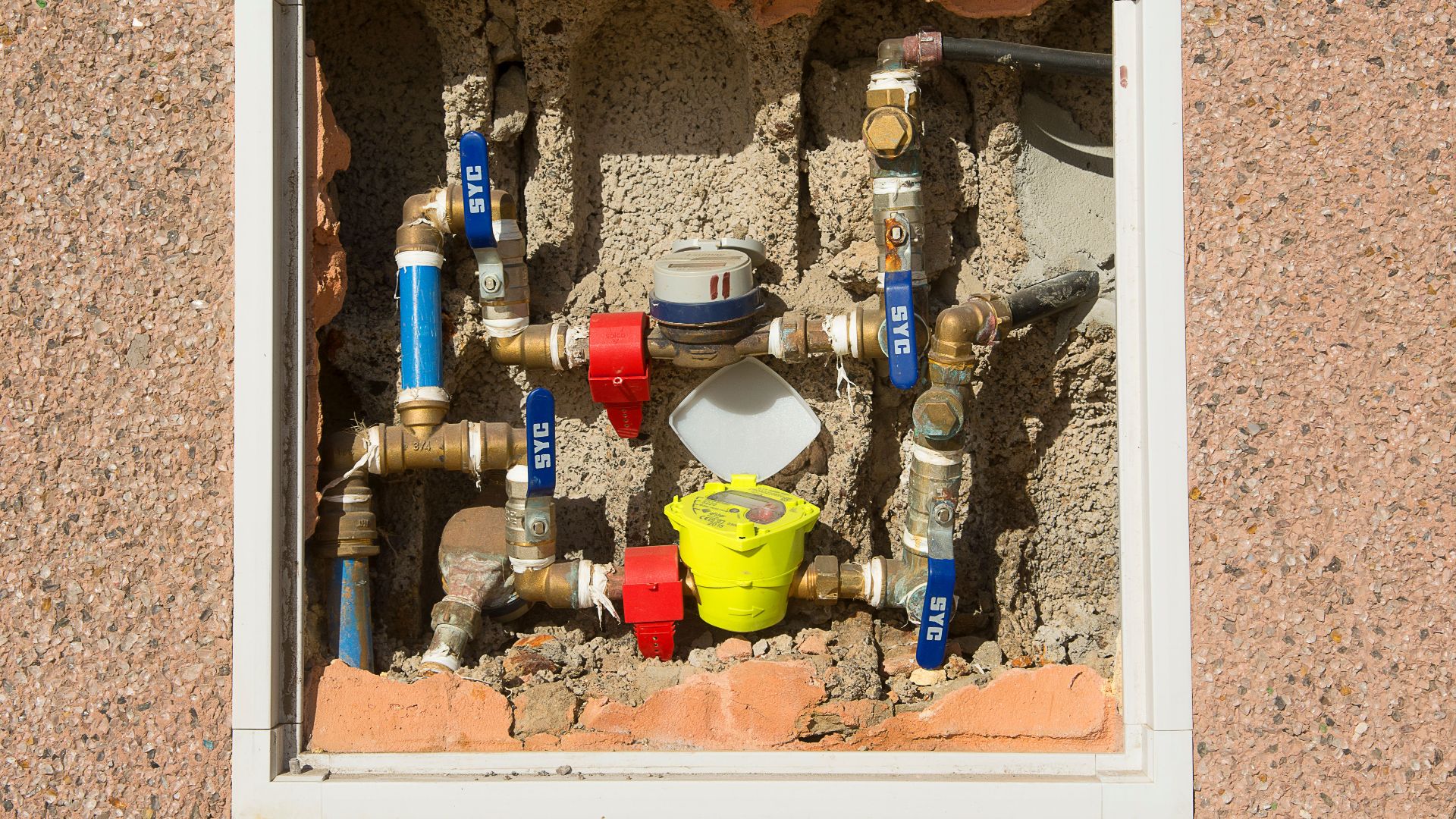
A burst supply line under a sink puts hundreds of gallons on the floor while you're still hunting for the valve. Your house has a main shutoff near the point where water enters from the street, plus a smaller valve under each sink and behind each toilet. Find both on a dry afternoon and turn each one through its full range, because a valve nobody has touched in fifteen years tends to seize in place.
2. The Tire Pressure Number That Counts
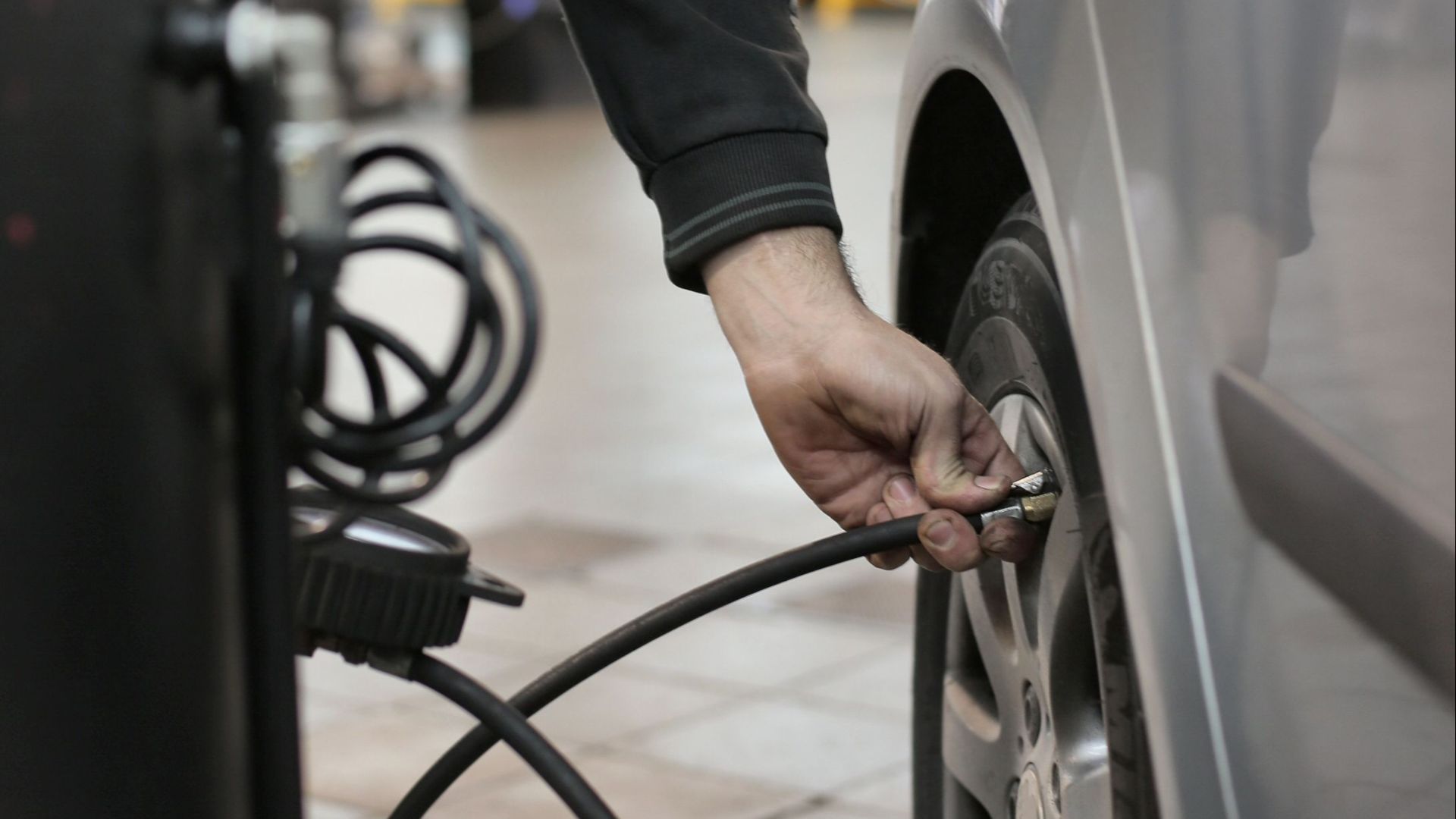
The number molded into a tire sidewall is the maximum pressure that tire can hold, not what your car wants in it. The right figure sits on a sticker inside the driver's door jamb, usually between 30 and 35 psi. NHTSA links underinflation to faster tread wear and a higher chance of a blowout at highway speed.
3. Hands-Only CPR
The American Heart Association tells untrained bystanders to skip rescue breaths and push hard in the center of the chest. Aim for 100 to 120 compressions a minute at a depth of about two inches, roughly the tempo of Stayin' Alive, letting the chest rise fully between them. Imperfect compressions still beat standing there deciding, since survival odds fall sharply for every minute nobody is pushing on the chest.

4. Choking Starts With Back Blows
Current Red Cross training starts with five sharp blows between the shoulder blades, then five abdominal thrusts, alternating until the airway clears. Most adults learned only the abdominal thrusts, so the first half gets skipped by almost everyone in the room. Someone who can cough or get a word out still has air moving, so stay close and let them keep working at it themselves.

5. Smoke Alarms Expire
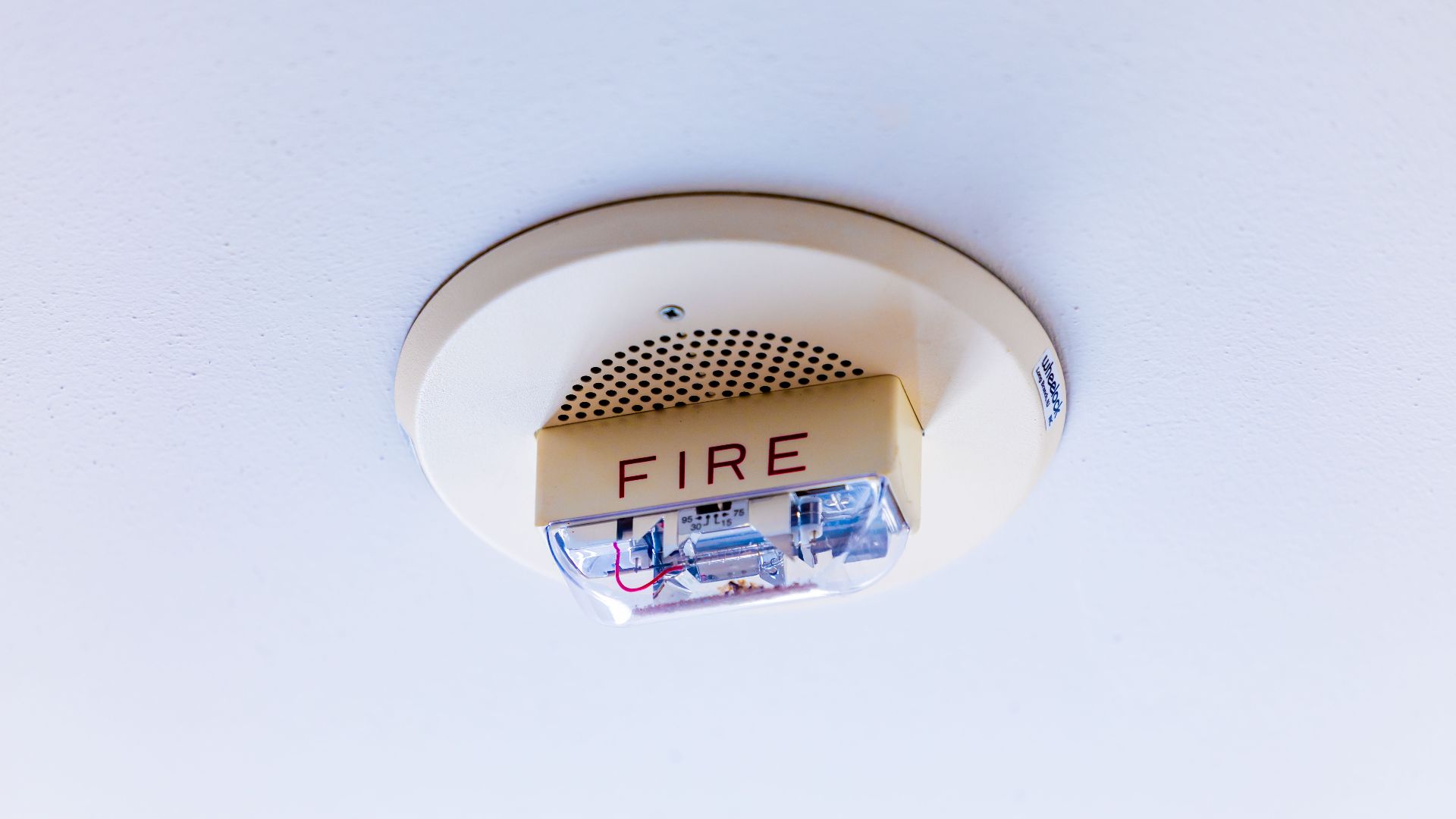
The sensor inside degrades on its own schedule whether or not it ever detects a wisp of smoke. NFPA says to replace the entire unit ten years from the manufacture date stamped on the back, battery or no battery. Pull one off the ceiling and read the back, because plenty of houses still run alarms installed by an owner two sales ago.
6. Carbon Monoxide Needs Its Own Alarm
Smoke alarms ignore carbon monoxide unless the packaging says the unit does both jobs. The gas has no smell at all, and the early symptoms read like the flu, which is how people end up going to bed instead of stepping outside. Put one on each floor, with the most important right outside the bedrooms.

7. Grease Fires and Water
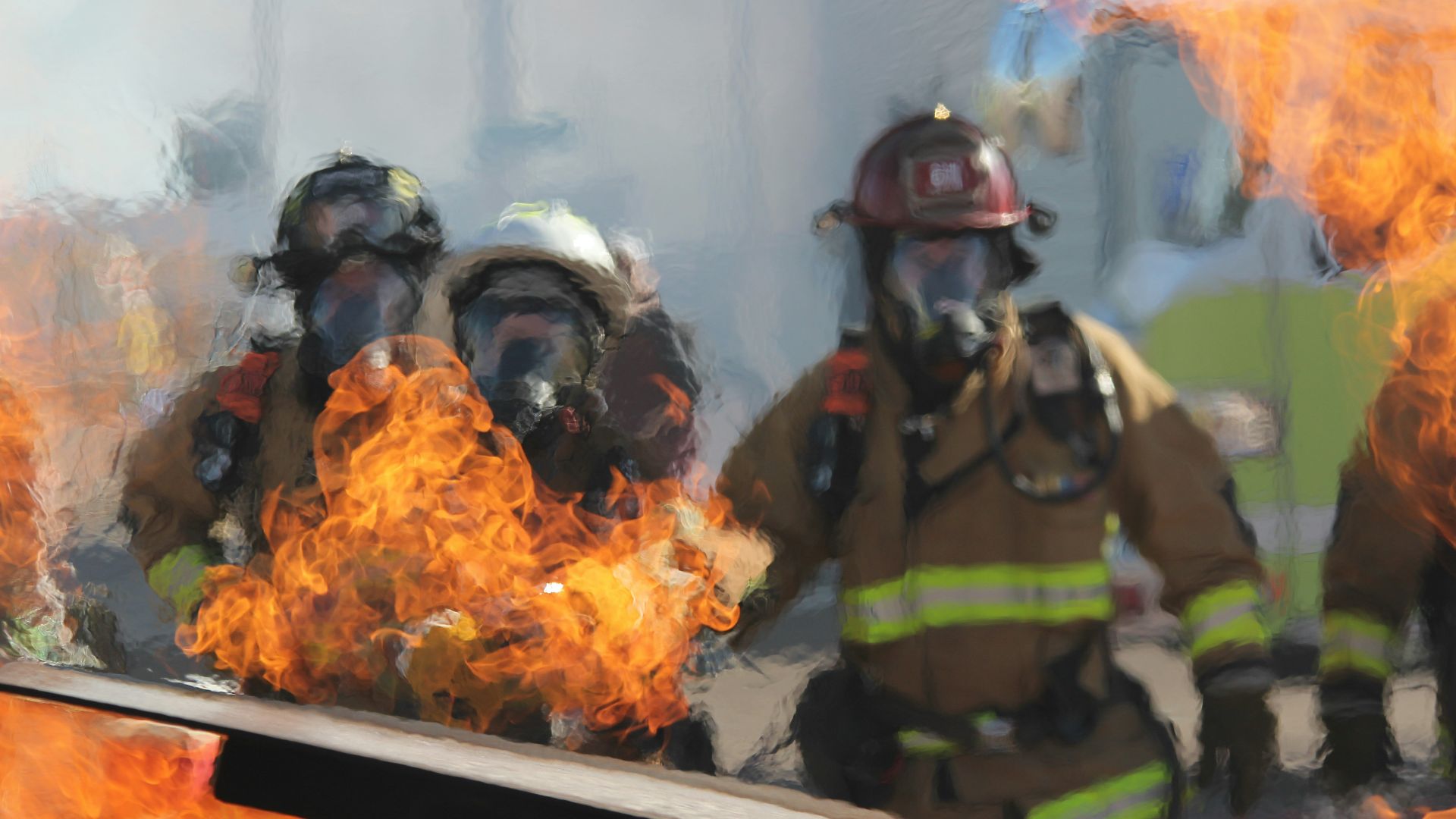
Water poured onto burning oil flashes to steam and throws flaming grease up and outward across the kitchen. Slide a lid across the pan, kill the burner, then leave everything alone until the pan is cool to the touch. Baking soda smothers a small one, though flour is combustible in powder form and does roughly the opposite of what you'd hope.
8. The Dryer Vent
Lint screens catch only a fraction of what comes off a load of towels. The rest packs into the duct behind the machine, where NFPA counts failure to clean as the leading cause of thousands of dryer fires every year. Pull the duct off the back twice a year, clear it by hand, then check that the flap outside still swings open.

9. The GFCI Reset Button
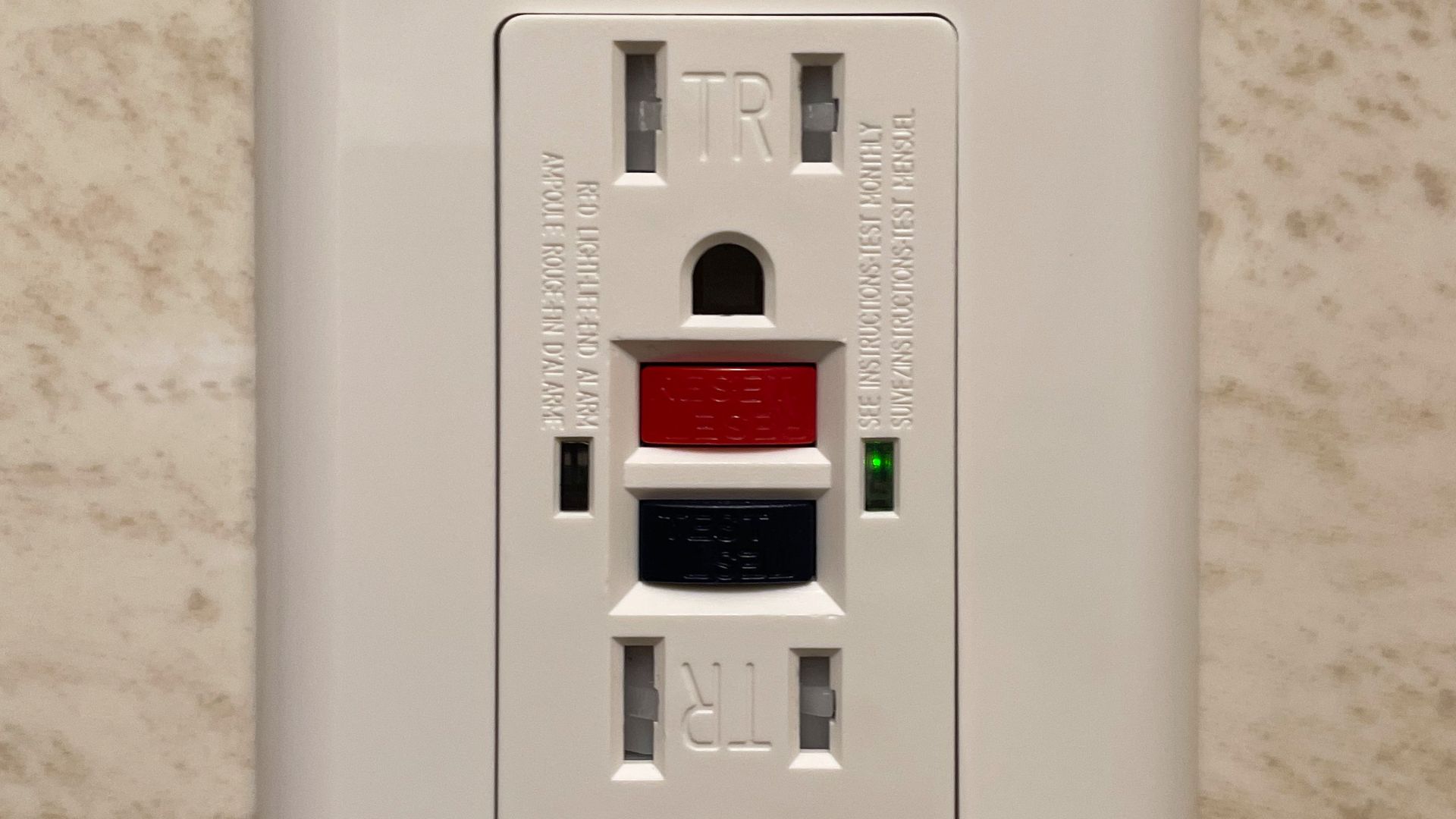
Dead bathroom outlets rarely have anything to do with the breaker panel in the basement. A single GFCI outlet protects everything wired downstream of it, so one tripped unit behind a bathroom mirror can kill an outlet out in the garage. Walk the house pressing the small reset buttons on bathroom, kitchen, and garage outlets before you call anybody.
10. Best By Is Not Use By
Federal law requires date labels on exactly one food product, and that's infant formula. USDA describes every other date on the shelf as a quality estimate chosen by the manufacturer rather than a safety deadline. Yogurt a week past the printed date is usually fine, and your nose is a better instrument than the ink on the lid.

11. Thawing on the Counter
Bacteria multiply quickly between 40 and 140 degrees, a range USDA calls the danger zone. A frozen chicken left on the counter spends hours in that range on the outside while the middle is still rock solid. Thaw it in the refrigerator overnight, or run it under cold running water inside a sealed bag for an hour.

12. A Dull Knife Is the Dangerous One
Sharp blades bite into food right where you set them down, which is the whole point of the edge. Dull ones skid off an onion skin and into a knuckle, and by then you're leaning on the handle with enough force to do damage. A cheap pull-through sharpener takes about thirty seconds a blade and beats whatever is dulling in your drawer now.

13. Your Free Credit Reports
AnnualCreditReport.com is the only site authorized under federal law, and all three bureaus now hand out free reports weekly to anyone who asks for them. Sites advertising free scores behind a signup form are selling monitoring subscriptions instead. Read yours line by line, looking for accounts nobody in your household ever opened.

14. Freezing Your Credit Costs Nothing
A 2018 federal law made credit freezes and unfreezes free at every bureau. A freeze blocks lenders from pulling your file, which shuts down most new-account fraud before it starts. The catch is doing it three separate times, once at Equifax, once at Experian, and once at TransUnion.

15. The 401(k) Match
Employer matching is a piece of your compensation that only shows up if you contribute enough to trigger it. Many plans match dollar for dollar up to a few percent of salary, so contributing under that line leaves money behind on every payday. Look up the vesting schedule too, because some matches don't fully belong to you until you've stayed three or four years.

16. The Cost of a Minimum Payment
Credit card statements carry a box showing how long payoff takes if you send only the minimum each month. On a $5,000 balance at 22 percent interest, that stretches past a decade and costs more in interest than the purchases did. Issuers print that box because the CARD Act of 2009 required the disclosure.

17. Beneficiary Forms Beat Your Will
Retirement accounts and life insurance policies pay whoever is named on the beneficiary form, and a will doesn't override it. An ex-spouse listed back in 2009 collects the money regardless of what any other document says about your wishes. Pull the forms up after a marriage or a divorce, change the name, and keep a copy of the confirmation.
18. Deductible Versus Out-of-Pocket Max
Deductibles are what you cover yourself before insurance starts paying its share of anything. The out-of-pocket maximum is the yearly ceiling, past which the plan covers everything in network at 100 percent. Copays and coinsurance count toward that ceiling, and the premiums you pay every month never do.

19. Itemized Medical Bills
What arrives in the mail is a summary built out of suspiciously round numbers. Request the itemized version with billing codes attached, then read it against what you remember happening in the room. Duplicate charges and supplies nobody opened show up often enough to make the phone call worth an afternoon of hold music.

20. The Zipper Merge
Both lanes stay full to the cone, then drivers take turns one at a time. Minnesota's transportation department has promoted the practice for years, on the grounds that merging early strands half the available pavement behind you. The driver riding the closing lane all the way to the front isn't cutting the line.