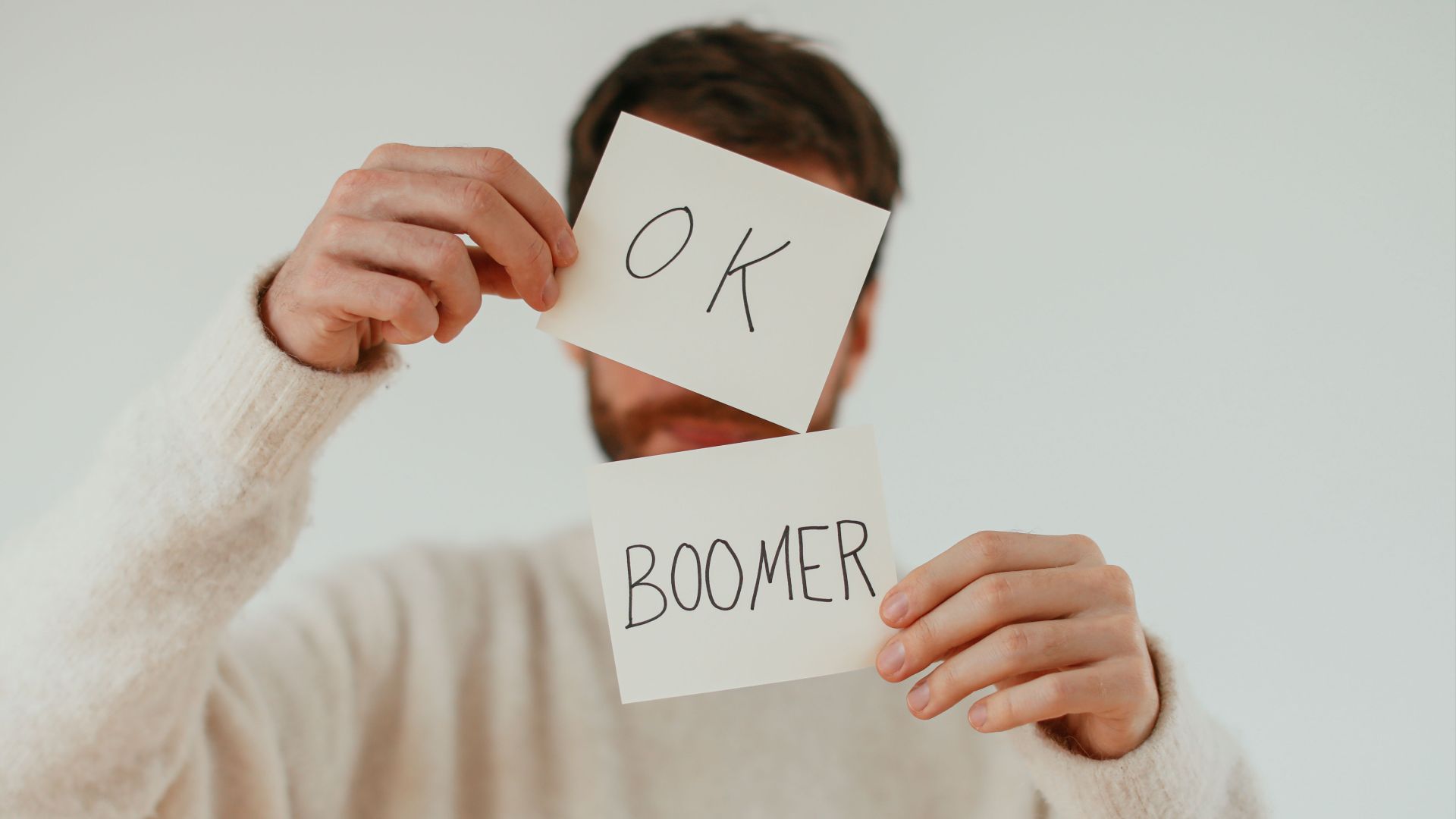
For decades, people used the word boomer to simply refer to someone born during the baby boomer generation. It didn't have any negative connotations attached to it; it was just a convenient shorthand. But today, you can hardly use the word "boomer" without implying something else, something far more negative. What changed?
Today, calling someone a “boomer” has little to do with the year they were born or whether they're actually a baby boomer. Younger people now often use the word to describe attitudes they associate with being outdated, dismissive, or disconnected from modern life. Somewhere along the way, this straightforward generational label became a sarcastic response that's not exactly meant to be pleasant.
“OK Boomer” Changed The Meaning
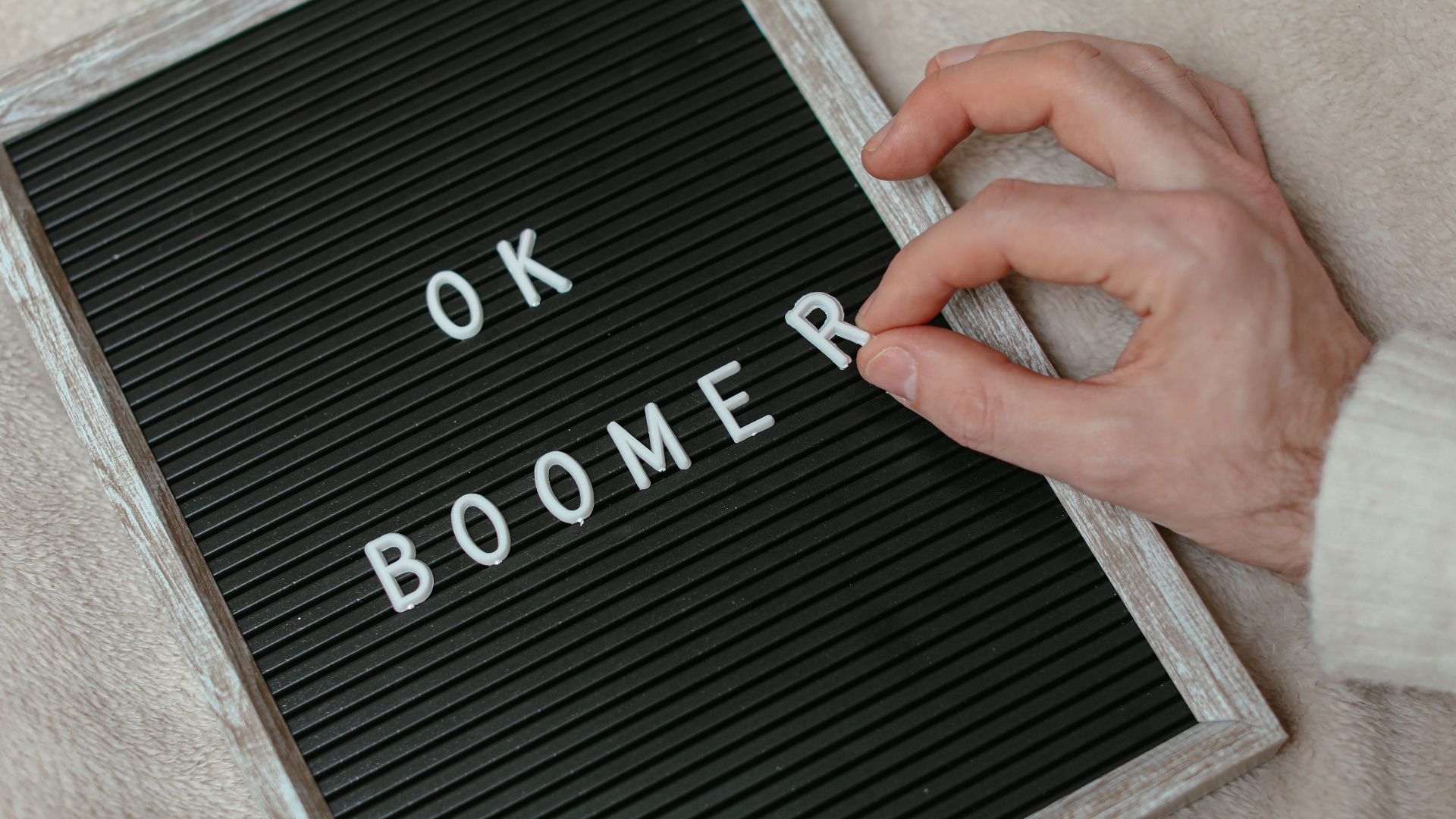
We'd argue that the biggest shift came when the phrase "OK boomer" became popular slang talk. It was a quick two-word statement to get back at anyone you considered out of touch, and the brevity of it blew it out of proportion. It became an expression effective in real life, but even more on social media, where quick reactions thrive far more than detailed paragraphs and explanations.
It was used for a variety of instances, but it became particularly associated with younger people who had disagreements with older folk. When people got tired of hearing how cellphones have taken over and that social media is ruining the new generation, saying "OK boomer" became a deliberately dismissive way to voice the thought, "I don't care." It might sound lighthearted and casual, but really, it carries quite a negative weight to it.
It also gave younger people a way to poke fun at advice given by more experienced, mature adults. Suggestions like buying a house earlier, walking into a company and asking for a job, or avoiding unnecessary purchases to save all tend to be thinking belonging to an older generation, which is how the word "boomer" itself began to describe a particular perspective rather than an age group. So in many ways, using the phrase "OK boomer" is shutting out all similar ideas, not just a person.
The Internet Turned A Generation Into A Stereotype
We already mentioned how popular the word "boomer" became on social media, but the internet didn't just make it recognizable slang, it turned it into a stereotype. It helped exaggerate generational differences by reducing it all into a joke. Boomers became associated with Facebook posts, phone calls instead of texts, complaints about younger workers, and being awful with new technology. And if you know any older adults in your life, you'll know that not everyone fits those descriptions. But you also know that the internet rarely concerns itself with representing everyone fairly.
Memes only exacerbated "boomers'" newly-made description, arguably worsening its image. Every complaint and concern was heightened to eleven, with tons of memes depicting older people complaining that nobody wants to work, insisting that things were better decades ago, or struggling desperately with basic technology. It might seem easy to differentiate from real life, but you'd be surprised by how easily people swallow and absorb internet humor and turn it into something real.
The word itself has transformed so much that there are no rules surrounding who you can use it on. That's why you may occasionally hear a young person call someone their own age a boomer. They're usually commenting on the person's behavior rather than commenting when they were actually born - and not in a good way.
Generational Frustration Gave The Joke Staying Power
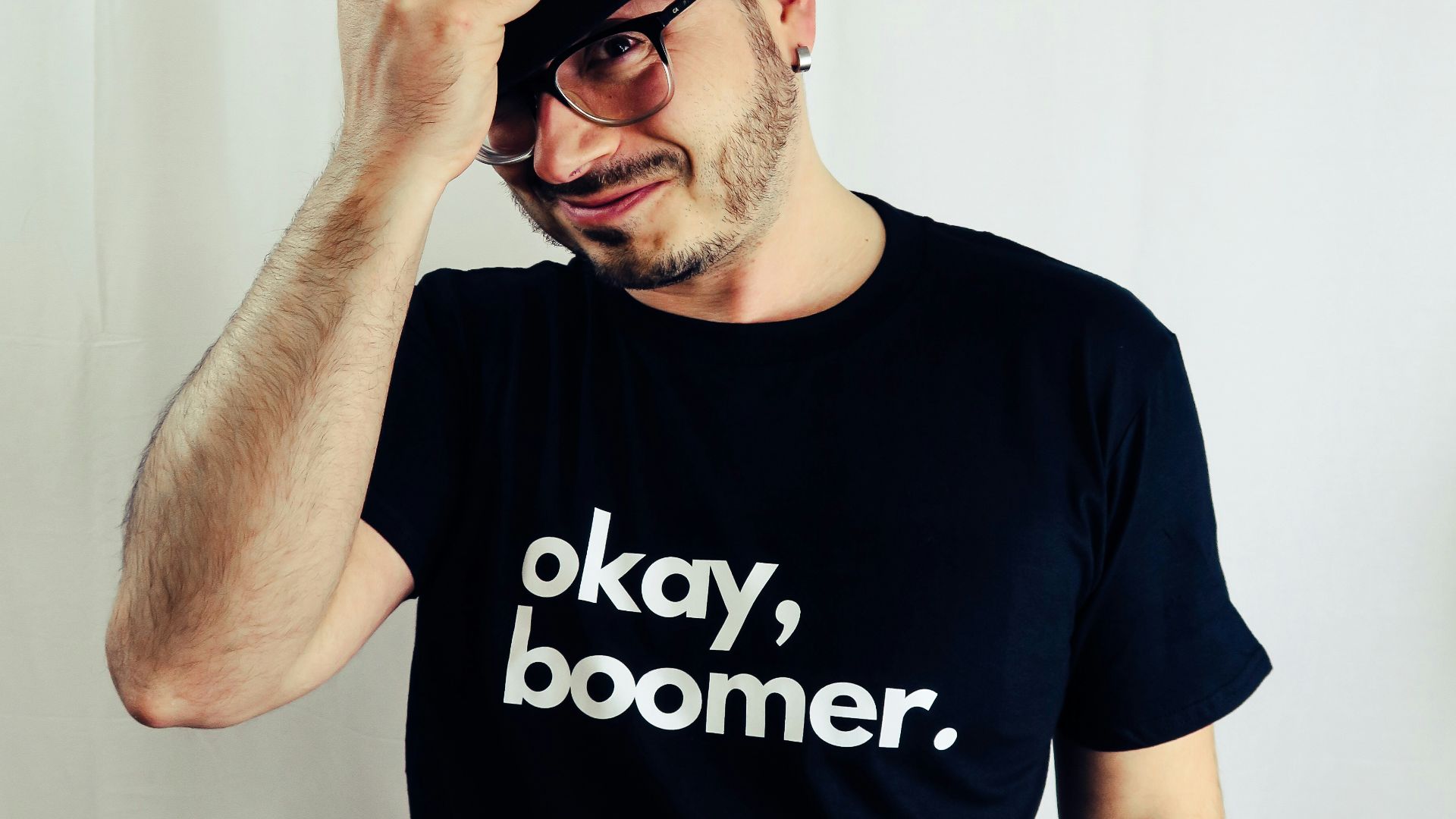
It's sad that "boomer" has shone such a negative light on older generations, because underneath that supposed humor, there are genuine disagreements about the experiences different generations have had. No one's bragging about it or trying to say one is better than the other, and acknowledging the changes can be beneficial.
However, because young adults have grown up with concerns surrounding expensive housing, student debt, and changing workplaces, when older people compare those struggles with their own youth, the conversation quickly turns tense because the economic and social conditions simply aren't the same. You can't exactly compare apples to oranges, now can you?
Technology certainly hasn't helped, in fact, it's widened the perceived divide as well. Millennials and Gen Z grew up during rapid changes in communication, entertainment, shopping, dating, and work, while older adults certainly use modern technology too, but take a longer time to adapt because it's more unfamiliar territory. That's a totally fair reason, but young folk aren't always the most understanding. And when you toss in changing work culture and several other generational frustrations, people only focus on the differences, allowing their stubbornness to affect their response and reaction.