Everyday Exaggerations We Normalize
We all have a slightly polished version of ourselves that we present to the world. It’s not exactly a lie; more like strategic editing designed to make everyday life sound a little more impressive. These small exaggerations slip into conversations without much thought, helping us feel confident, capable, and put-together. Let’s take a brutally honest look at the most common ones—and see how many sound uncomfortably familiar.

1. How Much We Read
People claim they read a book a week when reality involves scrolling social media instead. We inflate our reading habits to seem intellectual and cultured during conversations. The truth is, most of us struggle to finish one book monthly, but admitting that feels embarrassing somehow.

2. Our Exercise Routine
Gym memberships collect dust while we tell everyone about our "regular workouts" that barely exist. Exaggerating fitness habits makes us feel disciplined even when we skip weeks at a time. Those three enthusiastic days in January somehow became our entire year's athletic achievement in casual conversation.
3. How Busy We Actually Are
Everyone claims they're swamped when half the day disappears into YouTube rabbit holes and scrolling. Being busy has become a status symbol that positions us as important and in demand. The reality involves plenty of free time that we just don't want to admit exists.

4. Our Salary and Income
Rounding up becomes an art form when discussing how much we earn annually. People add bonuses that haven't arrived yet or inflate figures by 20% without blinking. Money talk triggers insecurity, so we boost numbers to avoid feeling less successful than our peers.

5. How Healthy We Eat
We mention the salad from Tuesday, but conveniently forget the pizza we devoured three nights straight. Selective memory makes our diets sound balanced and nutritious when describing them to health-conscious friends. Those vegetables we bought mostly rotted in the fridge, but nobody needs those details.
6. Our Job Title
"Marketing Coordinator" sounds way better than "person who schedules social media posts occasionally" in conversation. We dress up mundane tasks with impressive language to seem more professional and accomplished. However, the gap between our LinkedIn description and actual daily work is often hilariously wide.

7. How Much We Sleep
Eight hours sounds responsible, so that's what we claim despite averaging five hours nightly. Sleep habits reveal discipline, and admitting to late-night Netflix binges feels like confessing weakness. The bags under our eyes tell the real story our mouths refuse to acknowledge.

8. Our College GPA
That 3.2 mysteriously becomes 3.5 when discussing academic achievements years later with new acquaintances. The good semesters stay vivid in memory, as the rough patches fade conveniently from the narrative. It's okay; nobody's fact-checking transcripts at dinner parties anyway.

9. How Often We Clean
The house gets deep-cleaned before guests arrive, then we casually mention our "usual routine" with confidence. We want to seem organized and together, even though dust bunnies colonize most corners regularly. That sparkling kitchen exists only when the company's coming, not as our daily standard.
10. Our Morning Routine
We describe elaborate rituals involving meditation, journaling, and green smoothies that happened once in 2019. The actual routine involves hitting snooze repeatedly and rushing out the door with messy hair. If we're being honest, Instagram-worthy mornings exist only in our aspirational storytelling.

11. How Little We Watch TV
Claiming we "barely watch television" while binging entire seasons in weekend marathons is peak self-deception. We want to seem productive and intellectual, so we downplay hours spent on streaming services. But auto-play knows our true viewing habits.

12. Our Knowledge of Current Events
We pretend to follow the news closely when we really just skim headlines and rely on memes. Sounding informed feels important in conversations; that’s why one skimmed article becomes the foundation for confident opinions we share at parties enthusiastically.

13. How Good We Are With Money
Budgeting spreadsheets exist on our computers, when in reality, impulse purchases drain our accounts daily. We describe the financial responsibility we aspire to have rather than our actual spending habits. That emergency fund we mention proudly is often just $20 we haven't touched yet.

14. Our Cooking Skills
Following one complicated recipe successfully becomes "I love cooking gourmet meals" in social settings immediately. Burnt disasters and endless takeout dominate the actual dinner rotation, conveniently left unmentioned. Gordon Ramsay would weep, but our dinner guests hear only about culinary triumphs.

15. Our Language Skills
"I'm conversational in Spanish" really means we remember some high school vocabulary and can order food. We exaggerate linguistic abilities to seem worldly and educated in diverse company, but let's be honest—Duolingo streaks don't equal fluency. Of course, we're still going to present them as accomplishments anyway.

16. How Much We Volunteer
One afternoon at a food bank five years ago became our ongoing commitment to community service. Generosity makes us look good, so we stretch minimal charity work into major talking points. Sometimes, the occasional donation becomes an exaggerated narrative about consistent philanthropic dedication.

17. Our Social Media Following
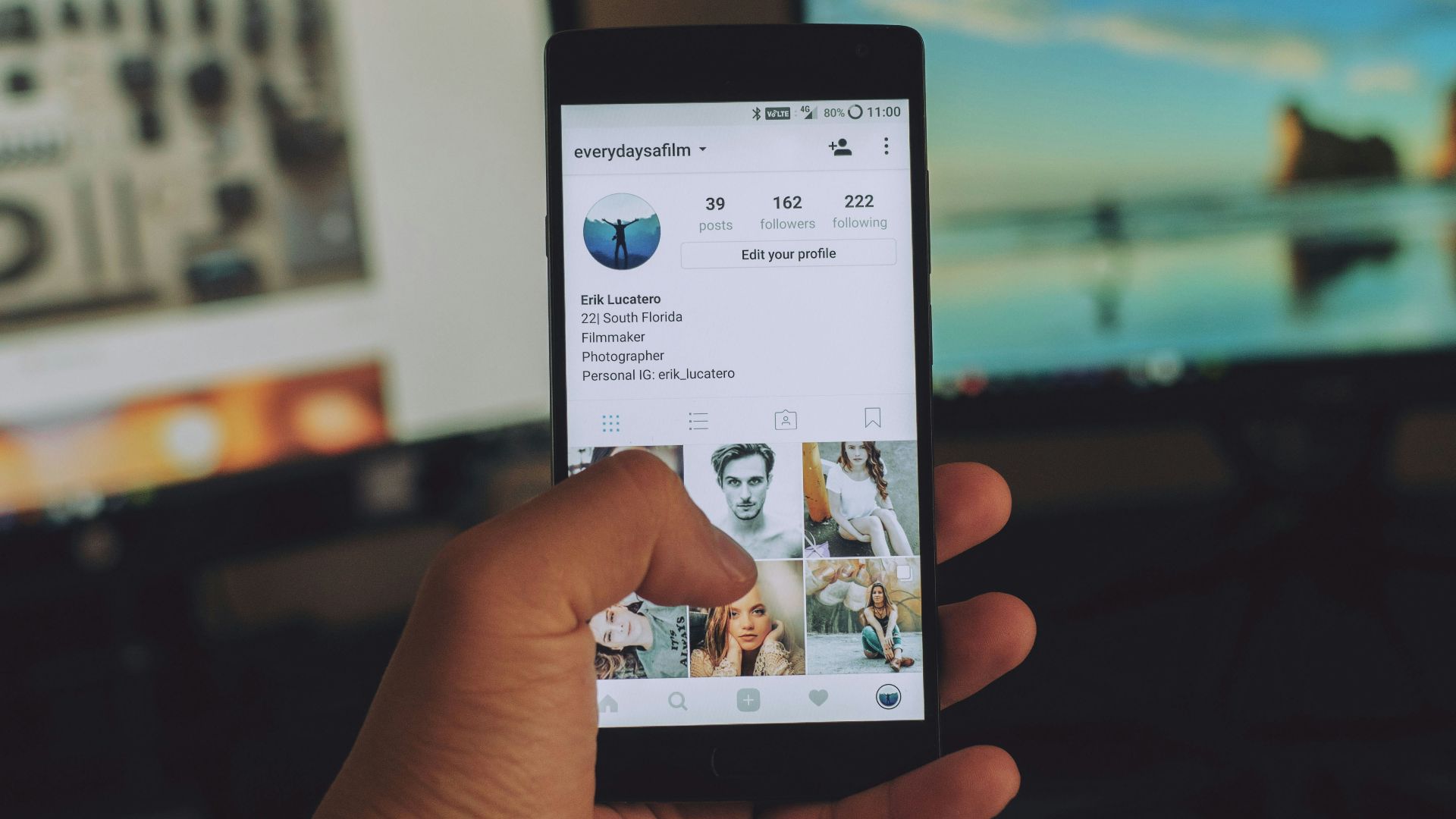
Those followers might be bots and inactive accounts, but we mention the number like we're influencers. Online popularity feels like modern currency, but three genuine engagements per post reveal the truth our follower count tries to hide.
18. How Often We Travel
Three trips in five years somehow transform into "I travel all the time" with strategic phrasing. We curate social media to make travel seem constant when reality involves mostly working and staying home. That weekend getaway gets mentioned like we're professional globetrotters with endless adventures.

19. Our Networking Abilities
Meeting someone once at a conference becomes "we're professional contacts" in future conversations about connections. Name‑dropping acquaintances as close colleagues helps us appear well‑connected and influential in our field. Even though LinkedIn connections don't equal real relationships, we blur those lines constantly.

20. How Much We Care About the Environment
We mention our reusable water bottle while ignoring the excessive packaging we consume without thought. Environmental consciousness sounds good socially, which is why we highlight minimal efforts and ignore contradictory habits. One canvas bag doesn't offset our actual carbon footprint, yet it remains our favorite conversation piece.