
Balance Isn’t Perfect, It’s Practical
Work-life balance is less about having equal hours on both sides and more about feeling like your life belongs to you again. You do not need a total lifestyle overhaul to get there, but a few small changes can reduce stress and make your days feel more manageable. When you build a few consistent habits, you create boundaries that protect your energy without sacrificing your responsibilities. The goal is steady improvement, not a flawless schedule.

1. Set a Shutdown Time
Pick a realistic time when work ends for the day and treat it like a commitment. Even if you work from home, a clear stop time helps your brain transition out of work mode. If your work requires more flexibility, it may be more useful to set a transition time that has a hard cutoff later in the evening.

2. Start With One Boundary
Choose one simple boundary you can keep, like not answering non-urgent messages after dinner. Smaller boundaries are easier to maintain than big, dramatic rules. Once one boundary sticks, adding another feels much less intimidating.

3. Use Calendar Blocks
Schedule focused work time and personal time on your calendar so both are protected. Blocking a lunch break, a workout, or a walk makes it more likely to happen, and less likely for coworkers to come searching for you during that period. Your calendar should reflect your priorities, not just everyone else’s.

4. Take Real Lunch Breaks
A real break means stepping away from your screen and your work tasks. Eating while answering emails keeps your nervous system on high alert. Even 20 minutes of actual downtime can help you reset and refresh for the second half of your day.
 S O C I A L . C U T on Unsplash
5. Turn Off Notifications
Notifications keep your attention tethered to work even when you are technically off. Disabling them after hours helps you be present at home. If you worry about missing something, set exceptions for only truly urgent contacts.

6. Create a “Work Zone”
If you work from home, a designated work area helps you separate work and life mentally. It does not need to be a full office, just a consistent spot. Closing a laptop and leaving the space can usually be enough to signal the end of a workday.

7. Pick a Morning Routine
A simple routine helps you start the day without immediately spiraling into tasks. It can be coffee, stretching, journaling, or a short walk. The point is to begin with something that allows you to focus on yourself, and not on your job.

8. Do a Two-Minute Plan
Take two minutes at the start of your day to choose your top priorities. A short plan keeps you from reacting to every request as if it were urgent. It also makes it easier to stop working when the essentials are done.
9. Keep Meetings Contained
If you can, avoid scheduling meetings back-to-back all day. Giving yourself breathing room prevents fatigue and helps you stay sharper. Even a five-minute buffer can lower stress more than you would expect.

10. Protect Your Evenings
Choose one evening routine that helps you wind down, like reading or a low-effort hobby. Doing the same calming thing regularly trains your brain to switch gears. This will not only help your sleep schedule but also prevent burnout from occurring down the road.

11. Set Email Windows
Instead of checking email constantly, decide on a few times you will review and respond. This reduces distraction and helps you focus on deeper work. It will also prevent you from feeling the constant need to check your phone throughout the day.
 Stephen Phillips - Hostreviews.co.uk on Unsplash
12. Make Small Movement Breaks
You don’t need to do a full workout in the middle of the day to support your wellbeing. Stand up, stretch, or walk for a few minutes between tasks. Consistent movement helps your mood and reduces the aches that come from sitting all day.

13. Say No Sometimes
You cannot balance life if you accept every request automatically. Saying no can be polite, brief, and firm. Protecting your time is not selfish; it is necessary. You also shouldn’t feel guilty for taking the time to focus on yourself. The work will be done the following day, so there’s no need to stress about it right now.

14. Reduce After-Hours Checking
If you check work apps late at night, it keeps your brain alert. Try deleting your work email from your phone or signing out after hours. The less you peek, the less your mind stays stuck on work. This may also be a sign that you need a proper tech-free wind-down schedule.

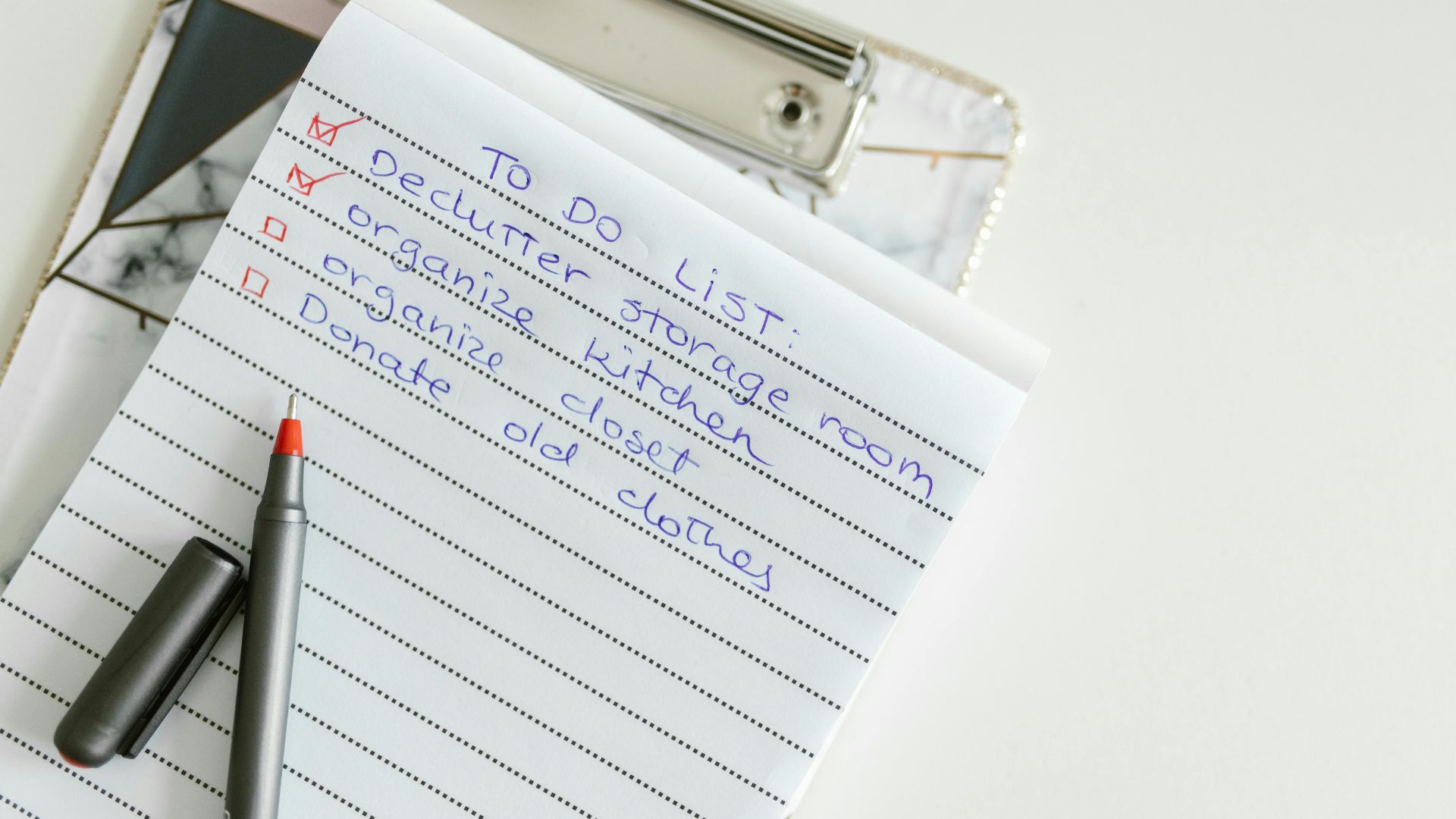
15. Use a To-Do Parking Lot
When a task pops into your head, write it down instead of acting on it immediately. This prevents the constant feeling that you might forget something important. A simple list can keep your mind calmer.

16. Keep Weekends Light
Try not to fill weekends with catch-up work unless it is truly necessary. If you need to do a bit, set a short time limit and stop. Rest works better when it feels intentional.

17. Plan One Fun Thing
Scheduling fun is not childish; it is smart. It can be dinner with a friend, a class, or a solo outing. Having something enjoyable on the calendar makes the week feel less like a grind.
 Anastasiia Rozumna on Unsplash
18. Simplify Home Tasks
Look for small ways to reduce household workload, like meal prepping once or using grocery pickup. Less home stress makes rest actually restful. Convenience tools are not a failure; they are support.

19. Communicate Expectations
If you feel overwhelmed, say so before burnout hits. Clear communication with your boss, coworkers, or family can prevent misunderstandings and last-minute pressure. People cannot adjust if they do not know what is happening.
 Volodymyr Hryshchenko on Unsplash
20. Review What Works
Once a week, take five minutes to reflect on what helped and what didn’t. Small adjustments are easier than trying to fix everything at once. When you pay attention to your patterns, balance becomes more achievable over time.