Gone Before Anyone Said Goodbye
There’s a particular kind of loss that never makes the news, because it arrives without spectacle and leaves almost no clear date behind. In small towns, traditions often disappear that way: not through one dramatic ending, but through a slow thinning-out until the parade no longer rolls through Main Street, the diner stools stay empty, or the annual ritual that once anchored the calendar simply stops happening. These customs were never grand enough to earn national mourning, but they shaped the texture of daily life in ways that felt permanent to the people who lived among them. Here are twenty of those small-town traditions, fading with far less ceremony than they deserve.
1. The Fourth of July Parade Down Main Street
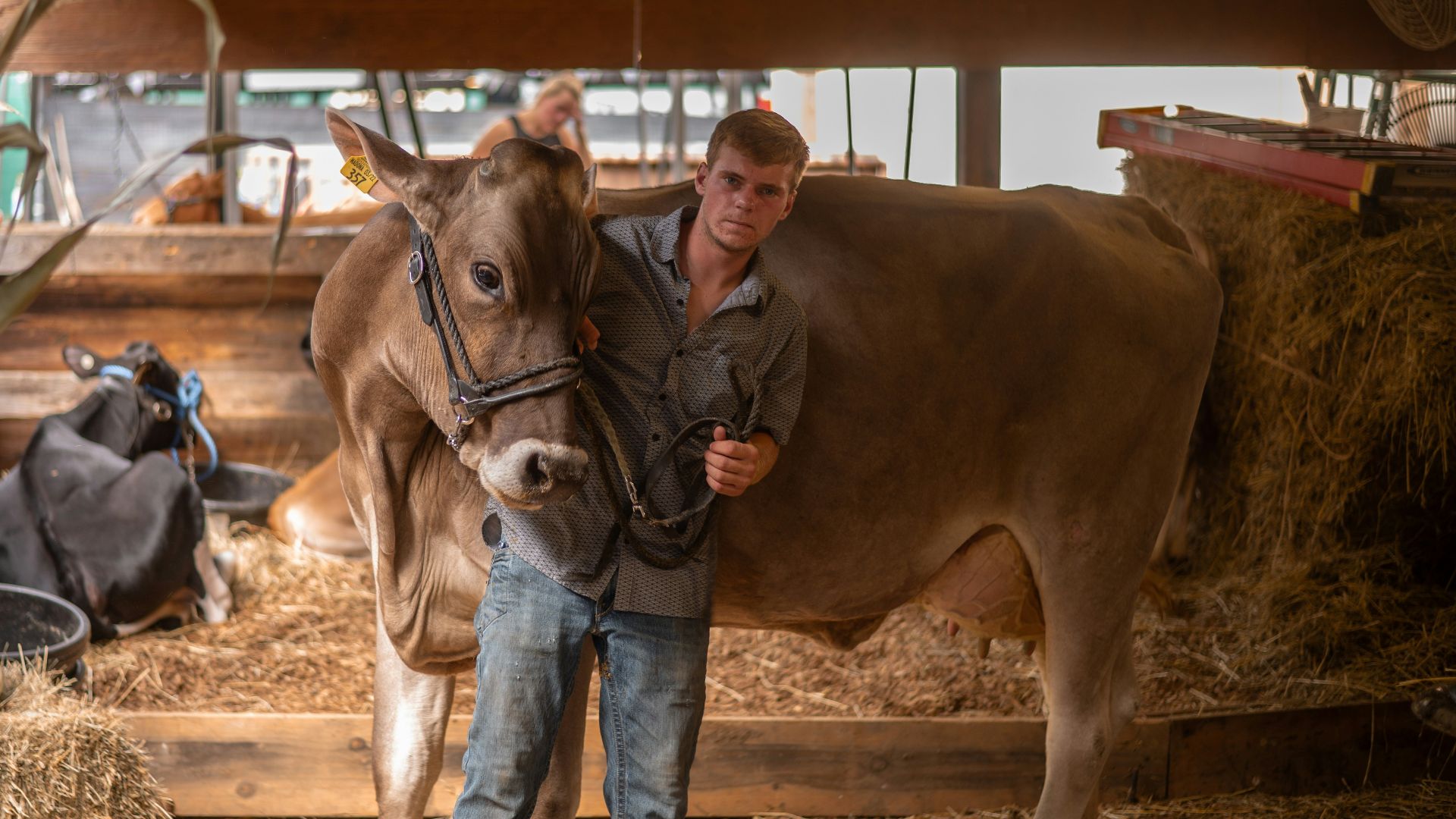
Not the big-city version with corporate sponsors—the small-town one, where the volunteer fire truck moved at a crawl, the high school band played slightly out of tune, and the mayor waved from the back of someone's pickup. These parades worked because everyone in them knew everyone watching.
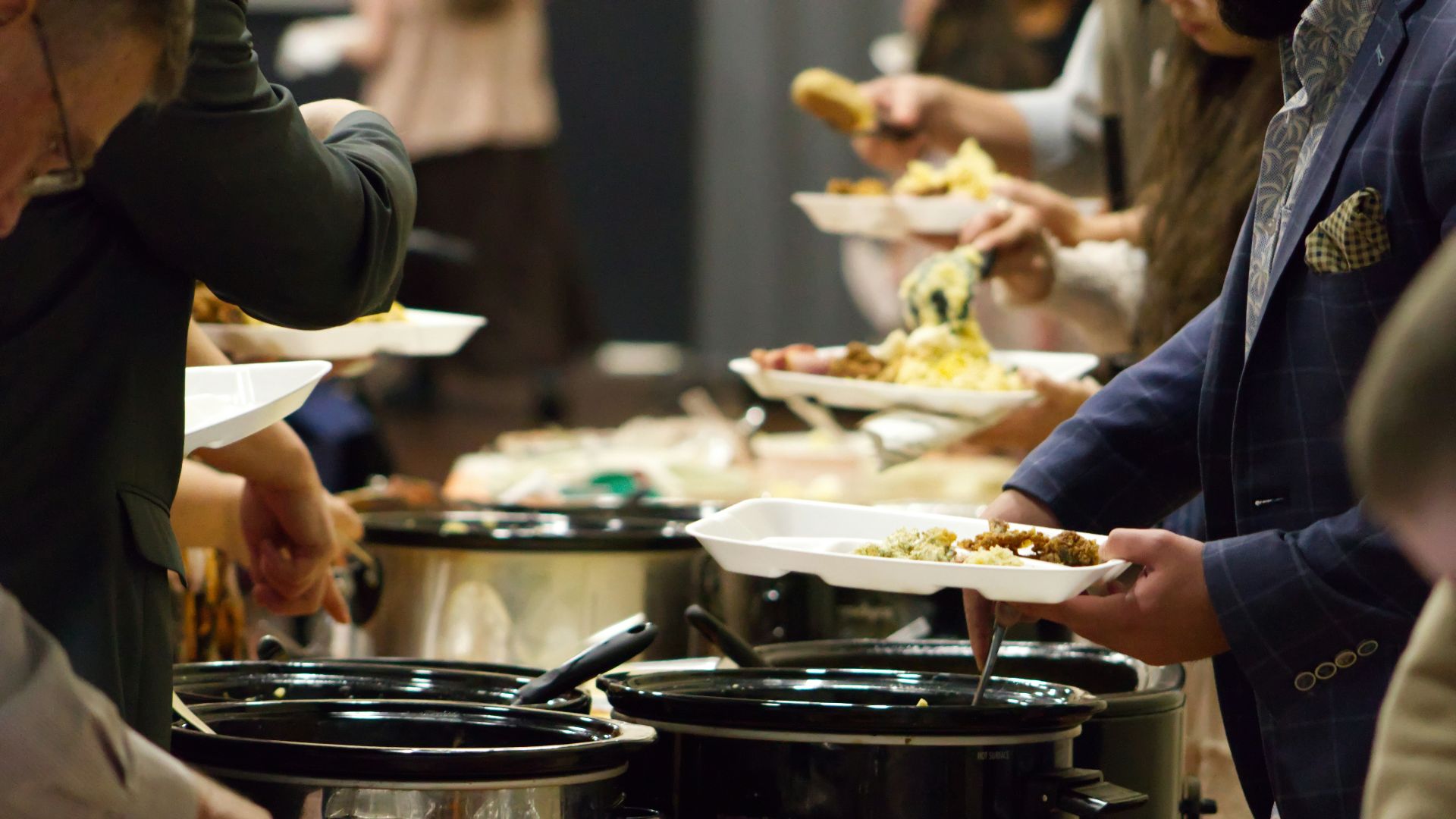
2. The Church Potluck Supper
This tradition ran on a clear social contract: you brought something real, something you made, and you ate what everyone else brought without complaint. The slow decline of both organized religion and communal cooking has taken it mostly off the calendar.
3. The Saturday Morning Farmers Market
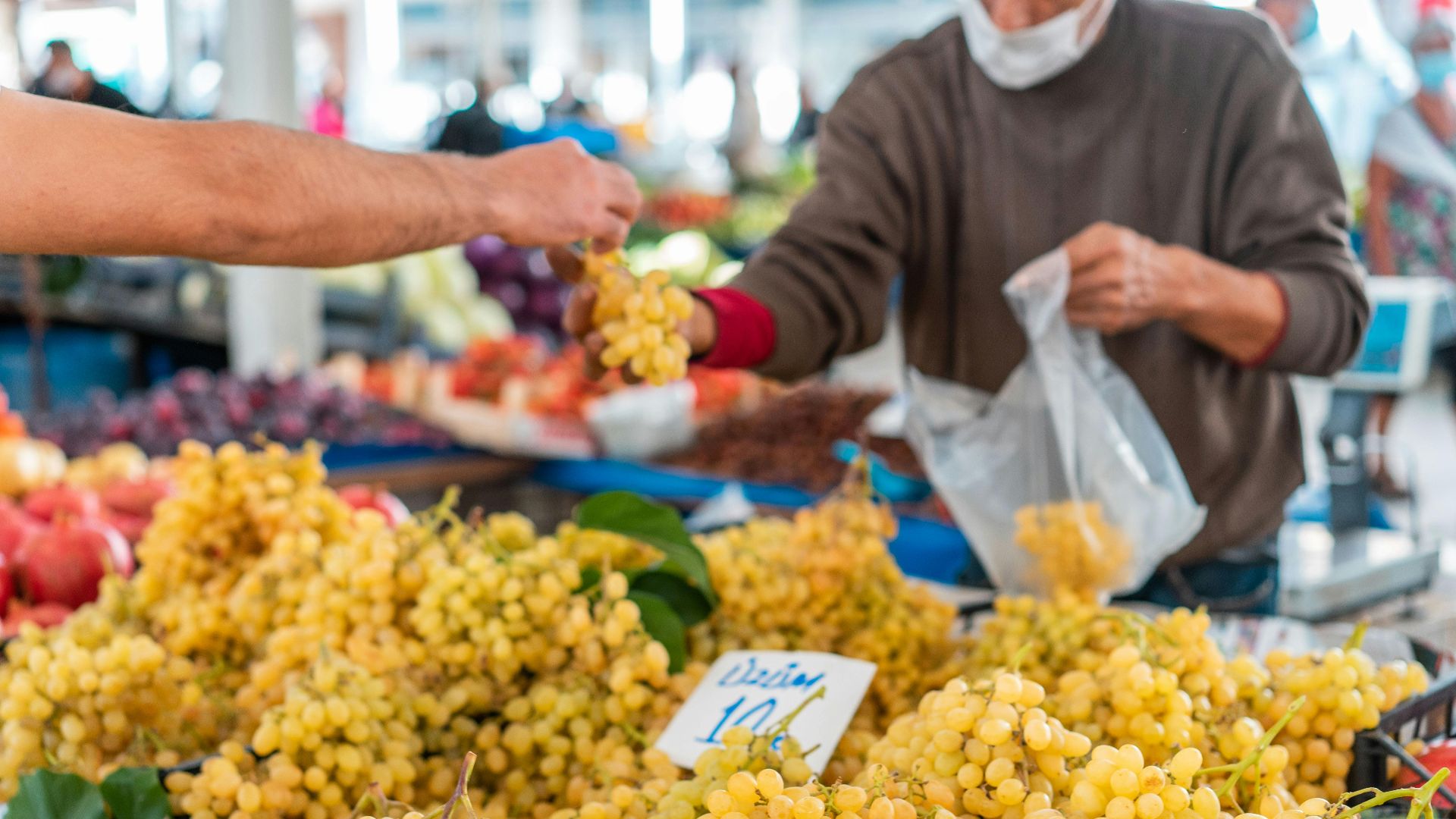
Not the artisanal version with cold brew and sourdough—the original, with folding tables, farmers who actually grew the vegetables, and a cash-only setup packed up by noon. The people selling the produce often knew the people buying it by name, and that kind of transaction is increasingly hard to find.
4. The Drive-In Movie Theater
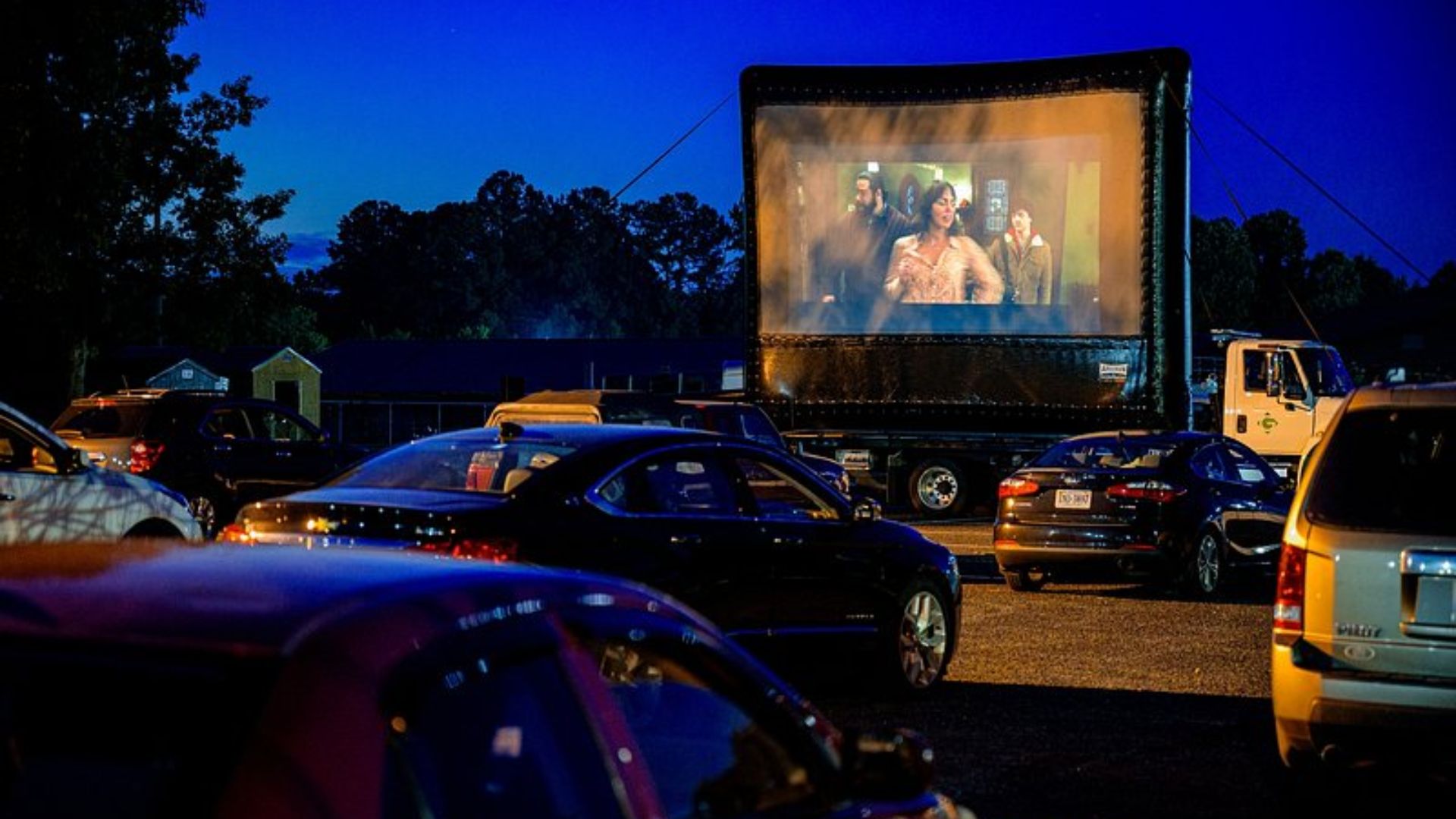
Drive-ins still exist, but barely, and the ones that remain are usually novelty destinations rather than the weekly Friday night institution they once were for towns without a multiplex. There was something genuinely democratic about everyone tuned to the same AM frequency, watching the same screen under the same sky.
5. Memorizing Your Neighbors' Phone Numbers
Before cell phones stored everything automatically, knowing a number meant you had decided it was worth holding onto, and in small towns people carried a whole neighborhood in their heads without thinking much about it. That low-grade intimacy is essentially gone now.

6. The Volunteer Fire Department Fish Fry
A Friday night institution across the South and Midwest, the fish fry was a fundraiser that doubled as a social event and a reminder that the people keeping your house from burning down were your neighbors, people you could eat fried catfish with at a folding table. This tradition is dying as volunteerism declines and departments consolidate.

7. The County Fair as a Genuine Community Event
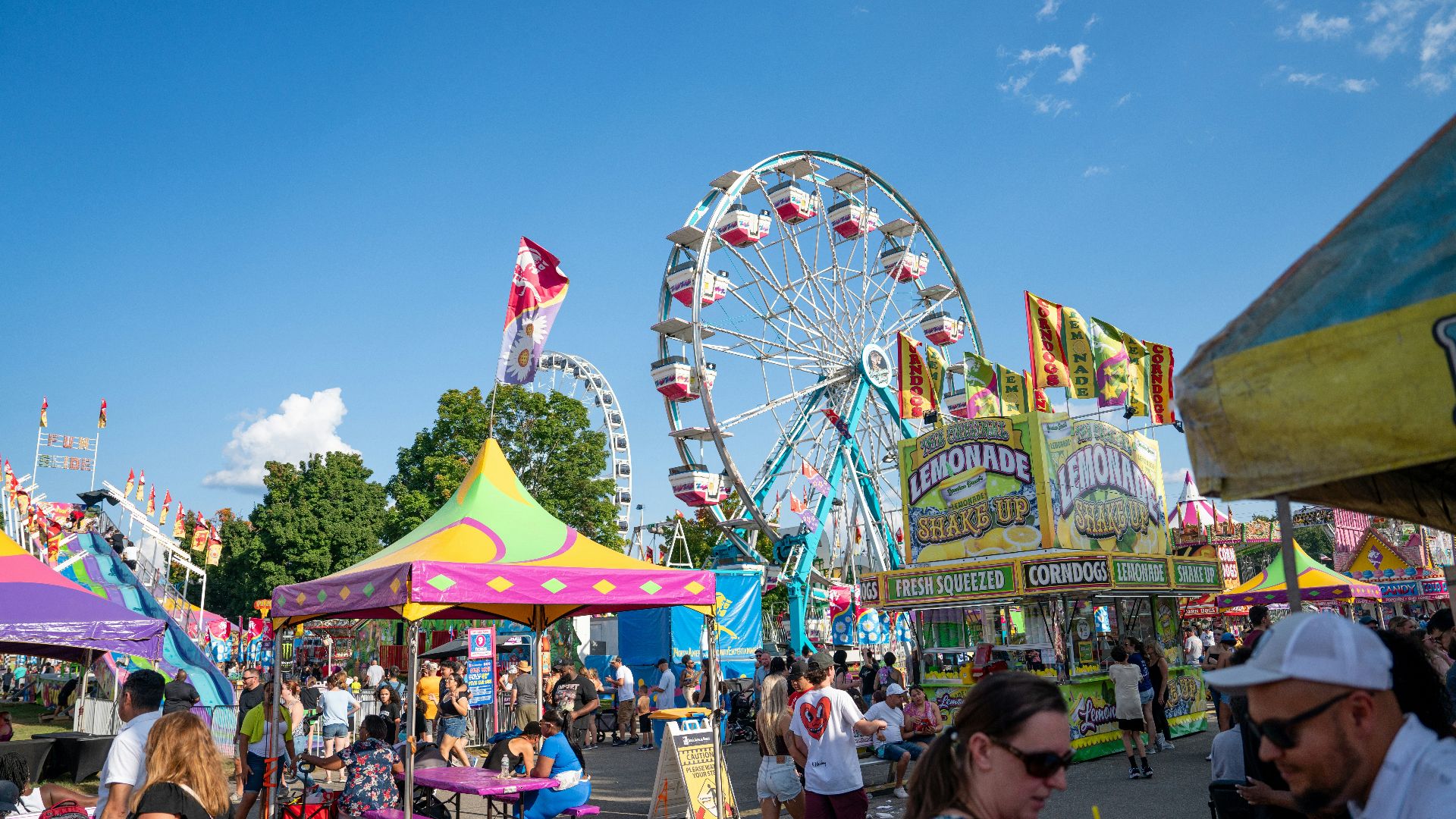
The version where locals entered their pies, livestock, and quilts in honest competition has given way to something more commercial and less personal.
When the 4-H exhibit hall goes half-empty, the fair stops being about the people who live there.
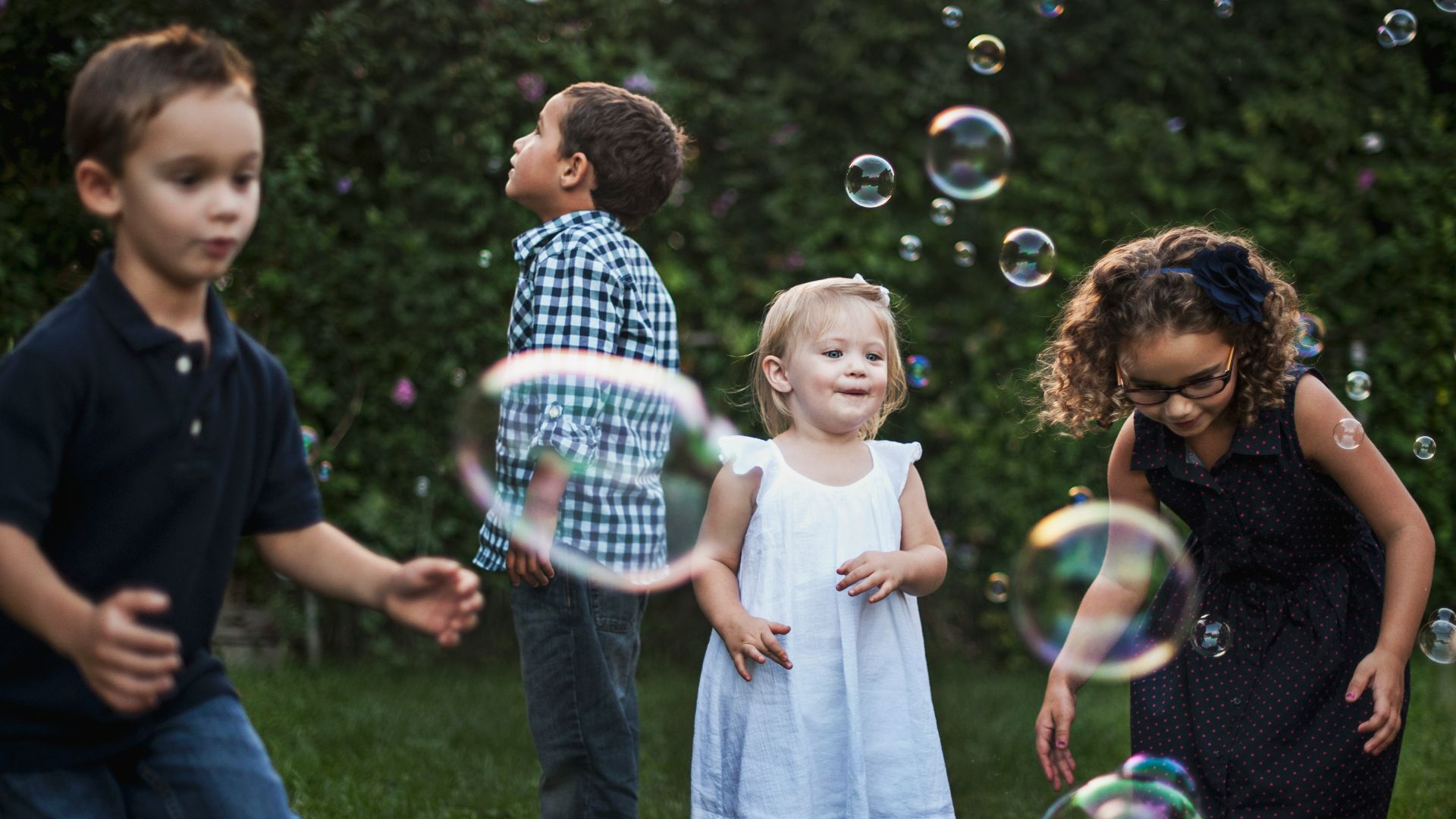
8. Keeping an Eye on the Neighborhood Kids
This was never official, just an understanding that the adults on a street were loosely responsible for all the children on it, and a kid doing something dumb two doors down would be reported to their parents by dinner. Its absence is something parents feel without always being able to name.
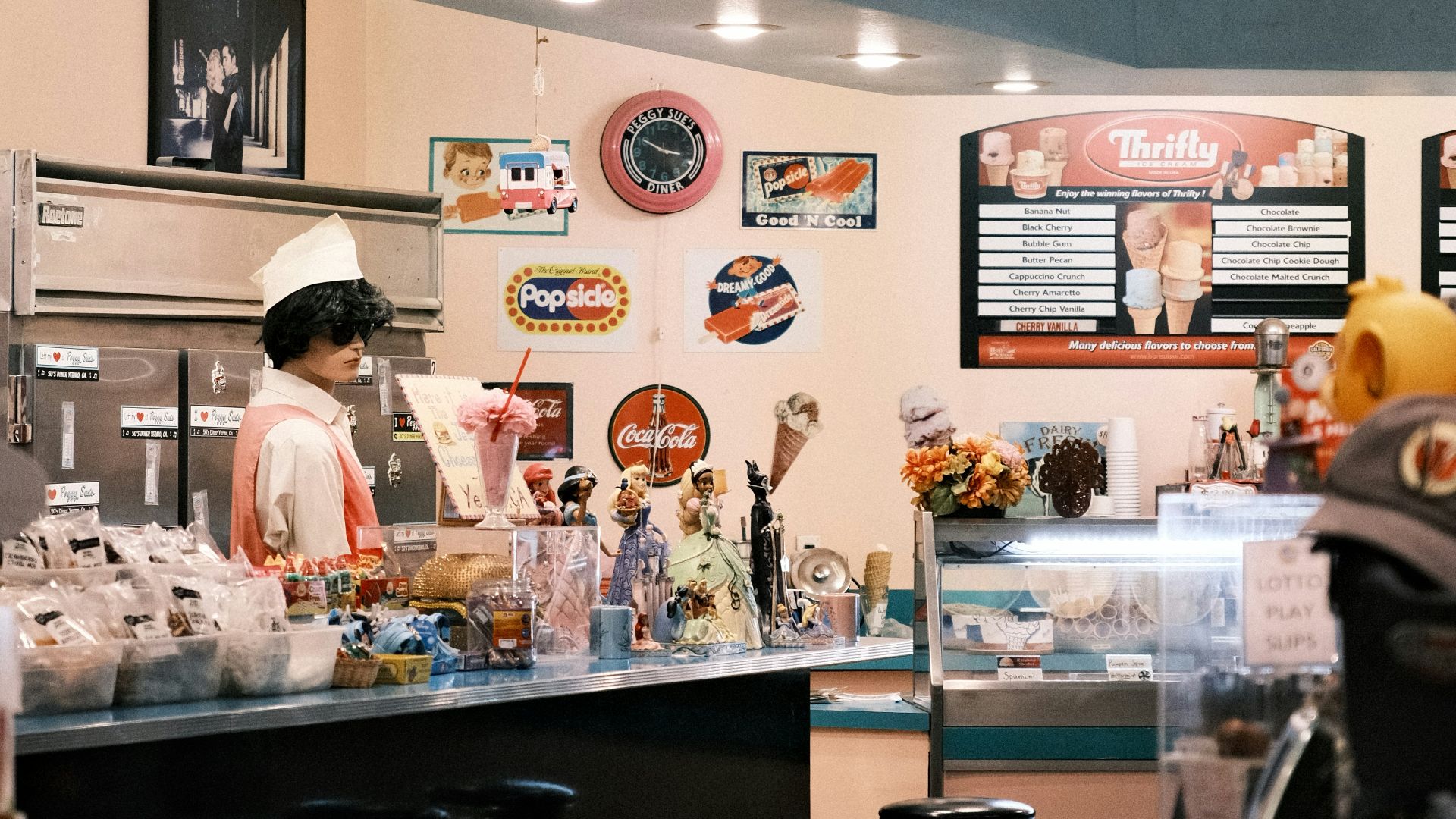
9. The Local Pharmacy With a Soda Counter
Chain drugstores killed the independent pharmacy and took with them the soda counter, the pharmacist who knew your family's medical history without looking it up, and a whole unhurried way of running errands that no longer exists. You could once get a cherry Coke and call it a decent afternoon.
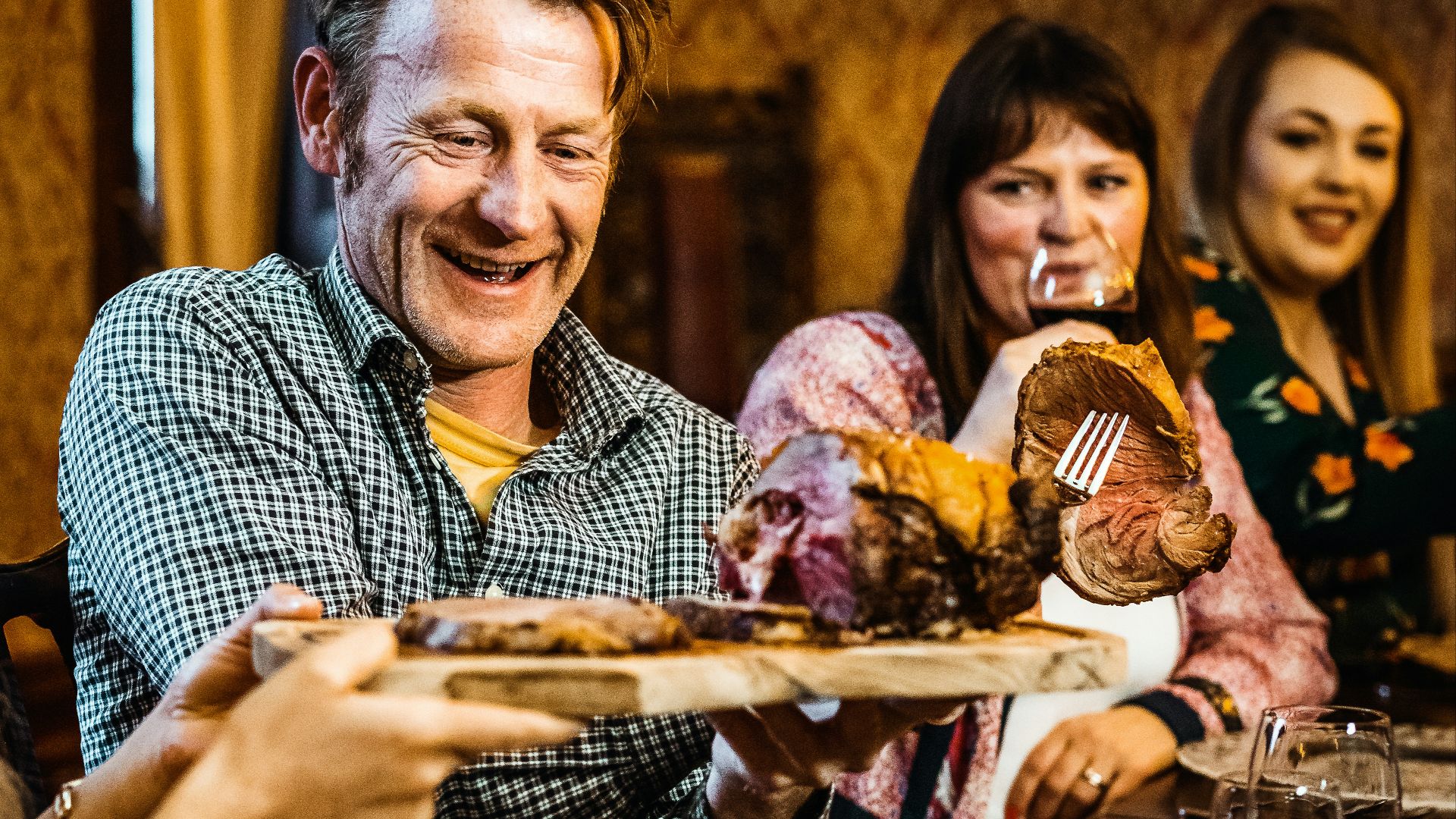
10. Sunday Dinner as a Non-Negotiable Family Event
The tradition where you showed up without exception and stayed until the meal was finished required proximity, shared religion, and the quiet agreement that being present was something you owed each other. When those conditions go, the dinner goes with them.
 Sebastian Coman Photography on Unsplash
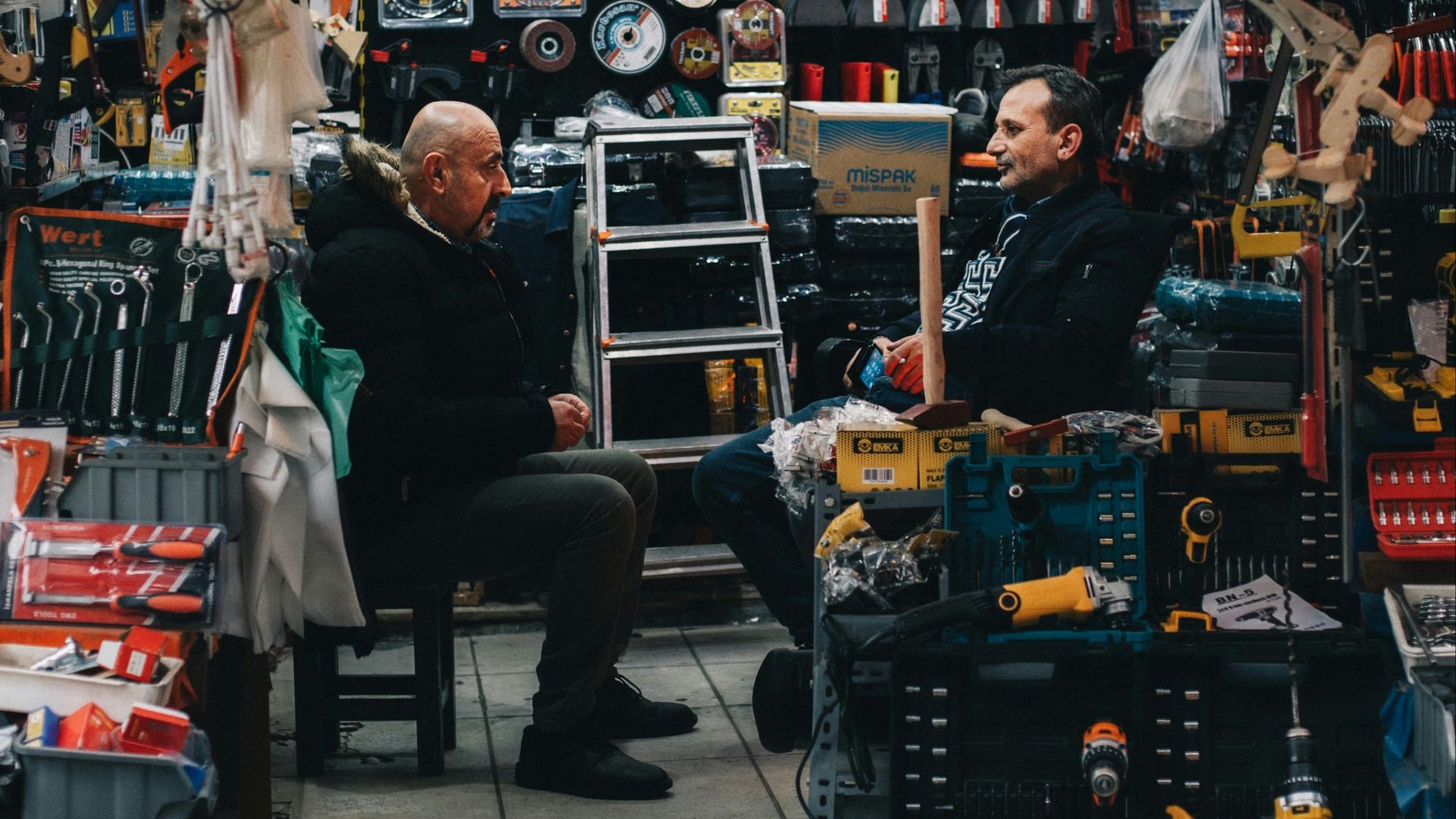
11. The Locally Owned Hardware Store
Someone behind the counter knew which drawer held the exact bolt you needed and could explain how to fix the thing you came in about without charging for the advice. When these stores close, the accumulated knowledge and neighborhood loyalty leave with them.
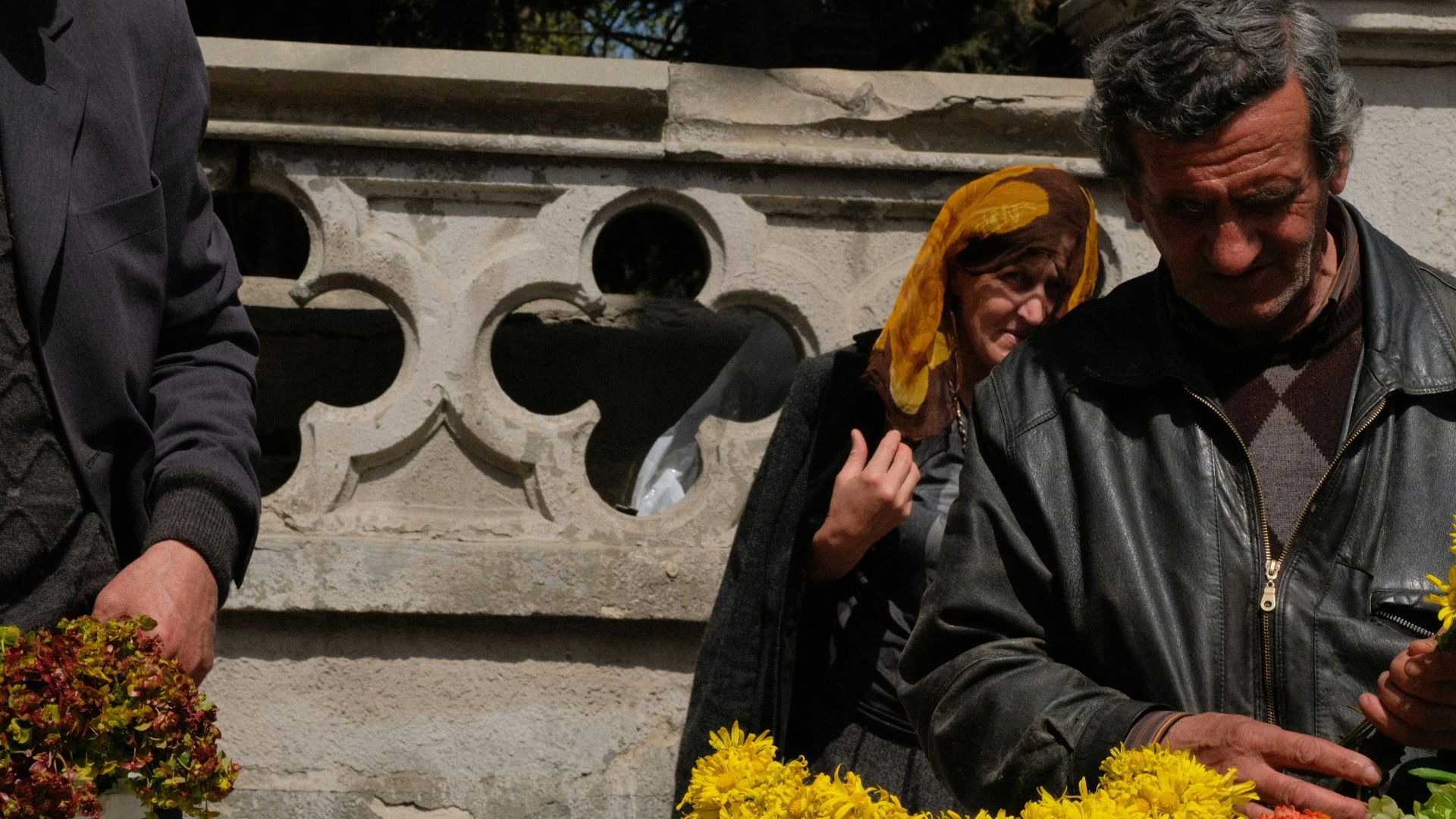
12. Decoration Day at the Cemetery
Many small towns once observed this as a deliberate ritual—families gathering to clean headstones and tend the graves of people they were still close enough in time to remember. As people move more and stay less, the graves get quieter.
 Victoria Malakhina on Unsplash
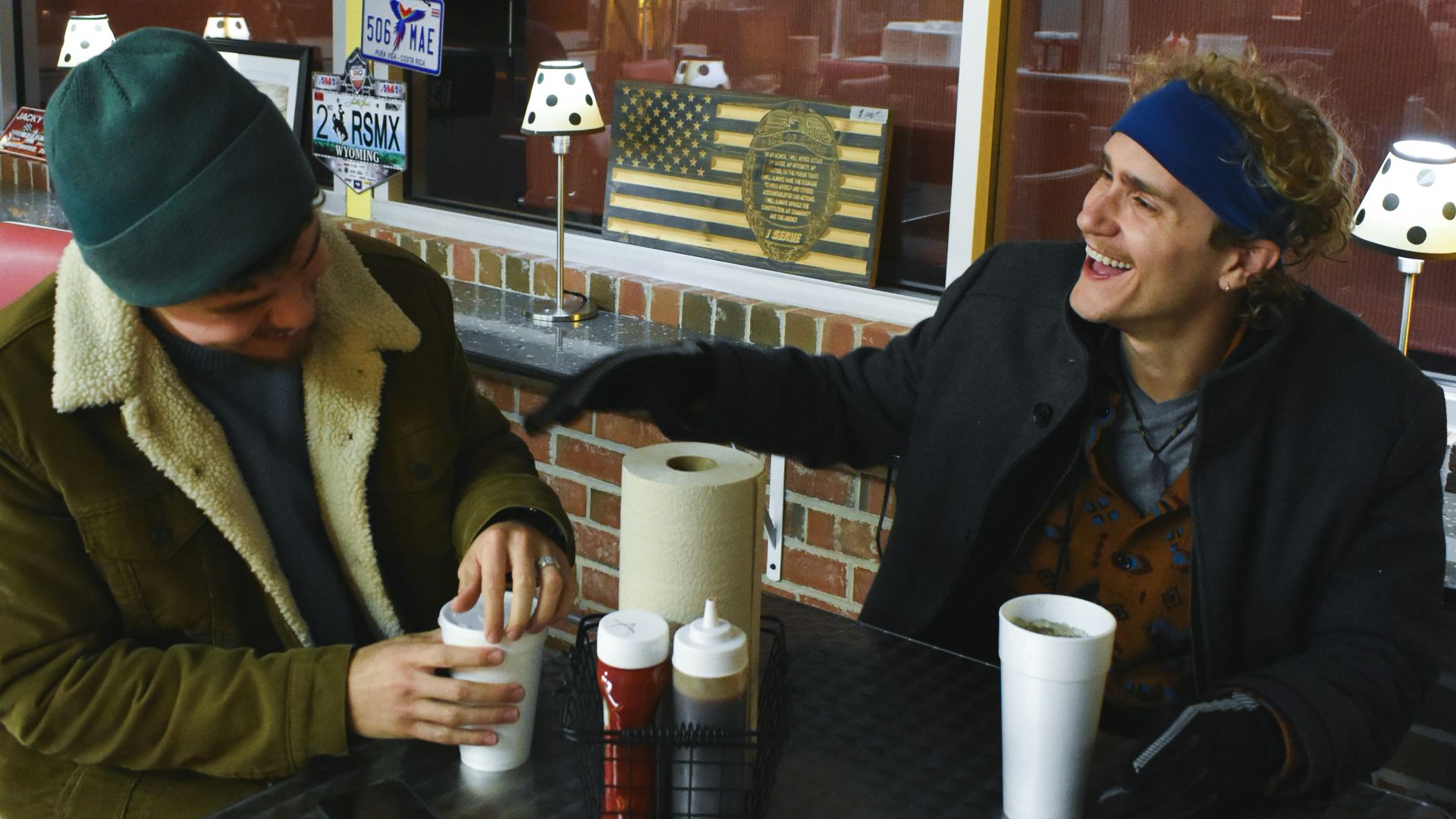
13. The Town Diner Where Everyone Knew Your Order
A counter, a rotating pie case, a menu unchanged since the Carter administration, and a waitress who called you honey without irony gave these diners their character, but what made them matter was the way they served as informal bulletin boards, places where news traveled and loneliness had somewhere to go on a weekday morning.
14. The High School Team as a Civic Identity
The Friday night game pulled in people who had graduated decades ago and people with no kids on the field, simply because it was somewhere to belong for two hours under the lights. School consolidation has gutted this in many places, and merged teams rarely carry the same weight.

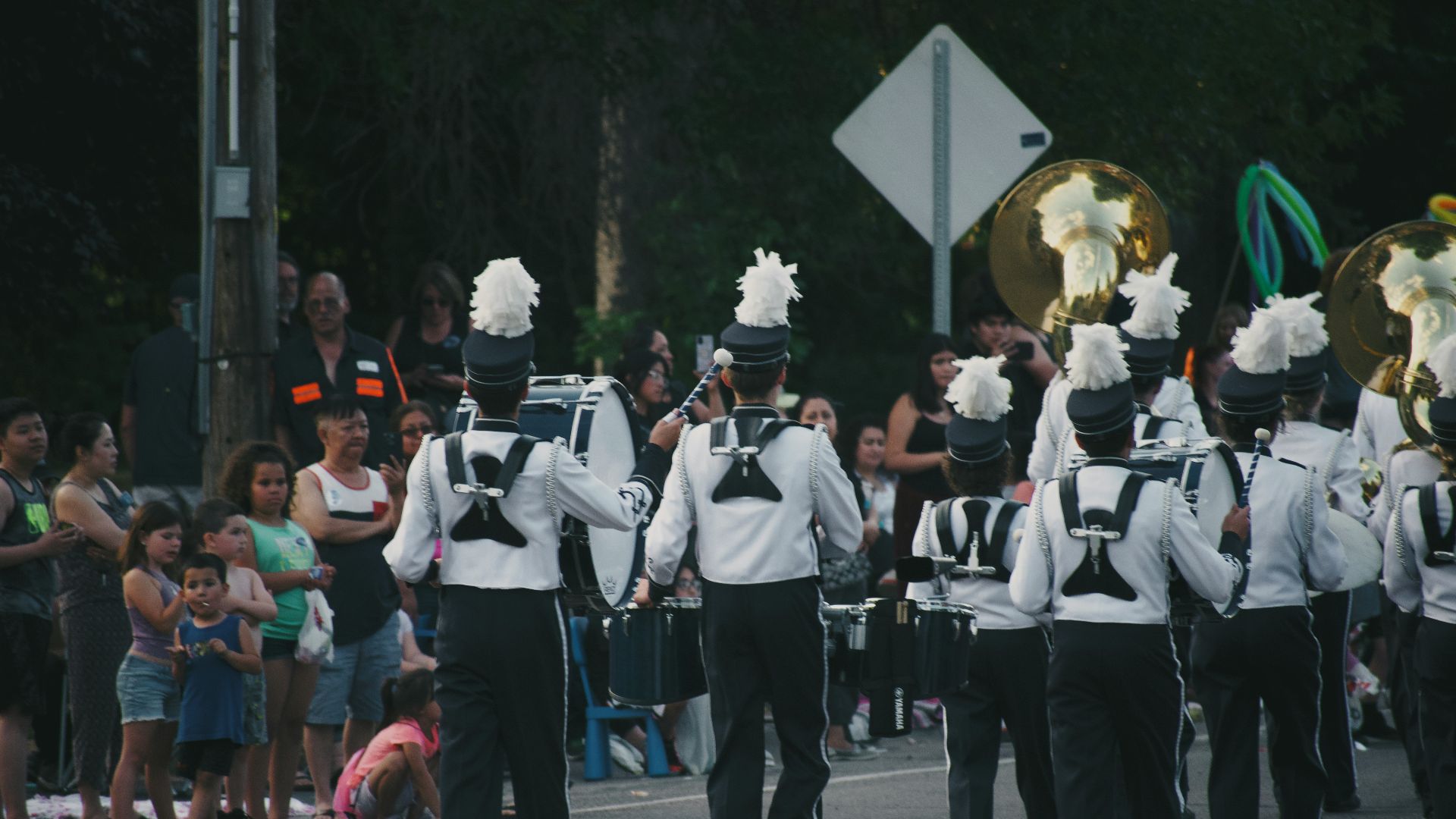
15. The Annual Homecoming Parade Through Town
Floats were built by hand in someone’s garage, the court waved from borrowed convertibles, and the whole town lined a two-block stretch as if it were the most important thing happening anywhere that day. For that town, it was.
16. Calling Before You Come Over
Dropping by a neighbor's house or showing up with a casserole after someone had a loss ran on an assumption of welcome and proximity that feels almost radical now.
The slow death of the unplanned visit has made spontaneous human connection hard to sustain.

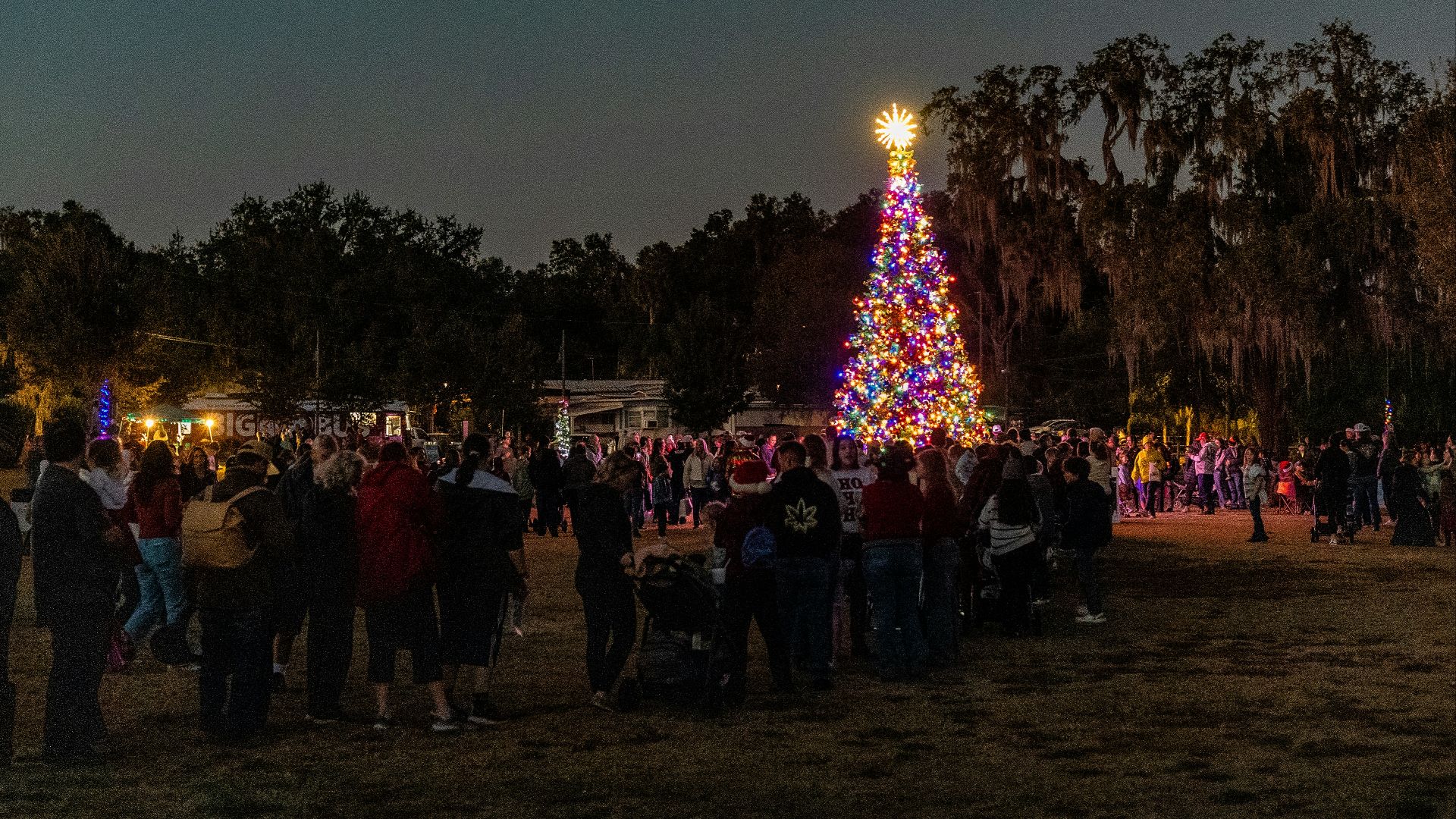
17. The Christmas Tree Lighting on the Town Square
When a small town's downtown empties out, there's no longer a square worth gathering at, and no longer a crowd that feels like the whole town because it genuinely is. Most towns eventually let the ceremony go rather than hold a ritual that only highlights what's missing.
18. The Local Newspaper's Social Column
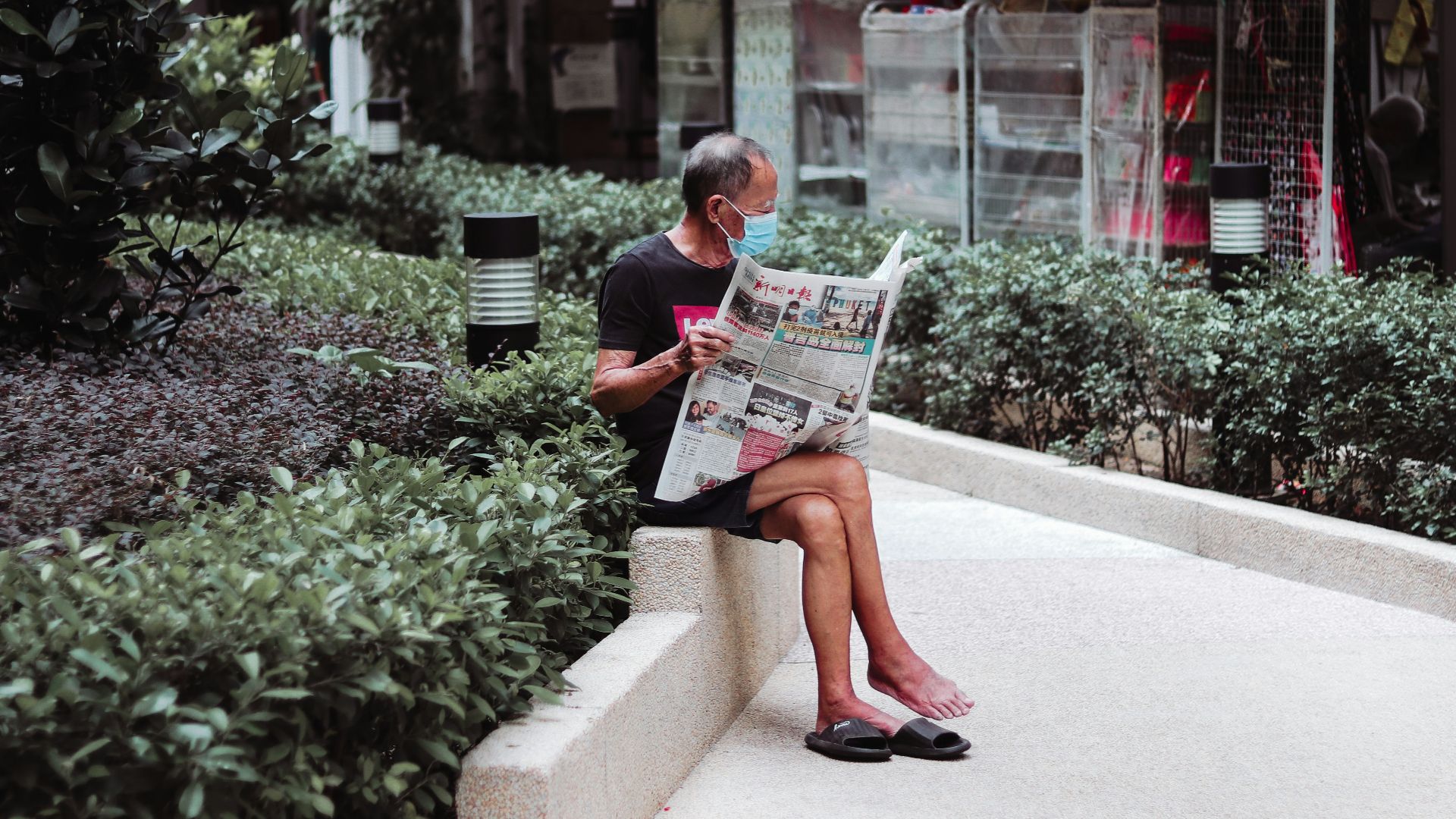
That section of the paper recorded the small milestones that rarely made bigger headlines, like a visit to a daughter in Cincinnati or a couple’s sixtieth anniversary. It was a little gossipy, a little humble, and absolutely central to the way a community recognized itself, which is part of what is lost as local newspapers disappear.
 Singapore Stock Photos on Unsplash
19. The Public Swimming Pool
The municipal pool was where every kid in town ended up, with teenage lifeguards who were your older neighbors and freeze pops that still cost a quarter. When towns can no longer afford to keep these pools open, something shared and communal quietly becomes private.

20. The Handshake Deal
Business was once conducted on trust, sealed with eye contact and backed by a reputation built in a town small enough that everyone knew the cost of breaking your word. That world did not disappear because people became less trustworthy, but because modern commerce now operates at a scale where a handshake means very little once you no longer live alongside the people you do business with.