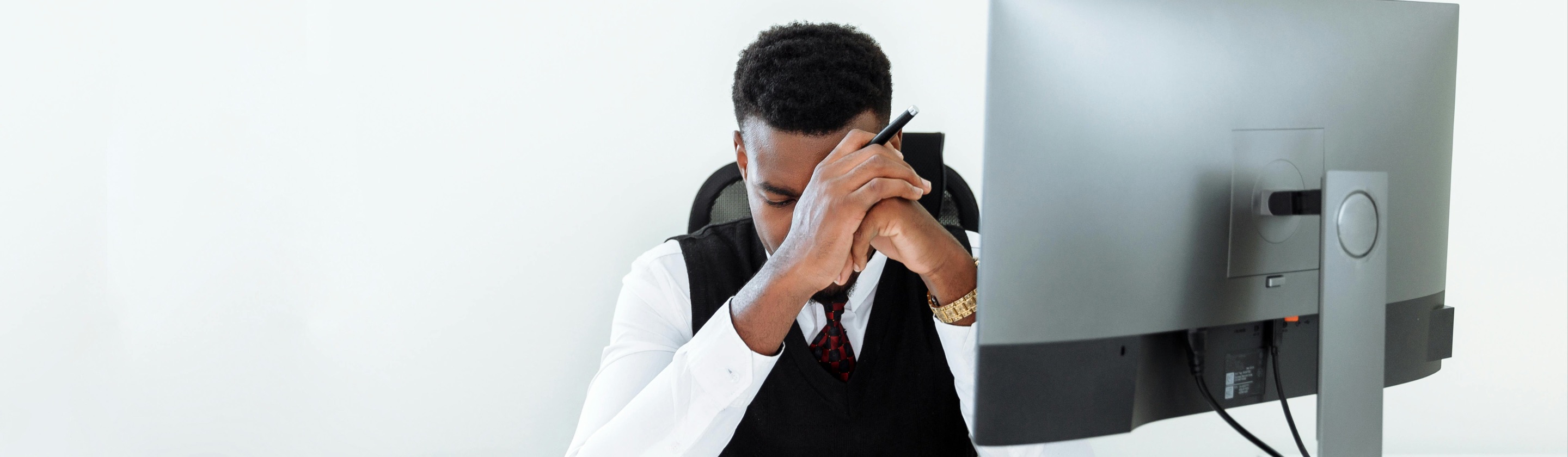
Are You Moving Forward or Standing Still?
At some point, you've probably paused and wondered whether your career is actually going somewhere or whether you've been coasting along on autopilot for longer than you'd like to admit. The truth is, it's not always easy to tell the difference between a temporary lull and a more serious plateau, and the line between steady and stagnant can feel frustratingly blurry. Whether you're due for a wake-up call or just need some reassurance that you're on the right track, these 20 signs cover both ends of the spectrum so you can take stock of where you really stand.

1. You've Stopped Learning Anything New
If the last time you picked up a new skill, tool, or piece of industry knowledge feels like a distant memory, that's worth paying attention to. Growth in most fields requires at least some level of continuous learning, and when that stops, you tend to fall behind without even realizing it. It doesn't have to be a formal course or certification; even staying current with industry trends counts.

2. Sunday Nights Fill You with Dread
A certain amount of pre-Monday nervousness is pretty normal, but if you're spending your entire Sunday evening dreading the week ahead, something deeper is going on. Persistent dread is often a sign that your work has lost meaning for you, and that's not something that fixes itself over time without some kind of action. It's worth asking yourself whether you're dreading the workload specifically or the job as a whole.

3. You Haven't Been Given New Responsibilities
When was the last time your manager trusted you with something outside your usual scope? If your role has looked exactly the same for years and no one seems interested in stretching your capabilities, that's a signal that either you're not being considered for growth or the role itself has a low ceiling. Neither situation is particularly encouraging, and both are worth addressing directly.

4. Your Feedback Has Dried Up
Constructive feedback, even when it stings a little, is actually a sign that people are invested in your development. If your performance reviews have become vague, formulaic, or essentially non-existent, it could mean that your manager has mentally filed you under "fine as-is" rather than "someone to develop." A lack of feedback isn't always a compliment, though, and sometimes, it just means you've become invisible.

5. You've Stopped Networking Altogether
Professional relationships tend to atrophy when you stop maintaining them, and if you haven't had a meaningful conversation with someone outside your immediate team in ages, your network has probably shrunk without you noticing. Networking doesn't have to mean attending awkward mixer events; it can be as simple as catching up with a former colleague over coffee or engaging thoughtfully in your industry's online communities. Either way, keeping those connections alive matters more than most people realize until they need them.

6. You're Doing Work Below Your Skill Level
There's a difference between being a team player and being consistently underutilized, and it's important to know which one is actually happening to you. If your daily tasks could reasonably be handled by someone two or three levels below you, that's a sign your skills aren't being put to good use. Over time, doing work that doesn't challenge you can actually erode your confidence and make it harder to step up when a real opportunity does come along.

7. Your Salary Hasn't Moved in Years
Compensation that stays flat while the cost of living rises isn't really staying the same; it's effectively going backward. If you haven't received a meaningful raise in several years and haven't had a conversation with your employer about it, that's something worth addressing sooner rather than later. Sometimes salaries stagnate simply because employees don't advocate for themselves, so it's important to know whether that's the case before assuming the ceiling is fixed.

8. You're Not Excited by Anything on Your Horizon
Motivation is a lot easier to sustain when there are things you're genuinely looking forward to, whether that's a project, a promotion, or even a new colleague joining the team. If you scan the next six months of your work life and feel absolutely nothing, that absence of anticipation is telling you something. It's hard to put in your best work when there's no sense of forward momentum pulling you along.

9. You've Become Resistant to Change
It's natural to prefer routine and predictability, but if your first reaction to any workplace change is irritation or anxiety rather than curiosity, that resistance might be holding you back more than the changes themselves. Adaptability is one of the most valued traits in most professional environments, and a pattern of digging in your heels can damage your reputation over time.

10. You're Not Being Included in Important Conversations
If decisions that affect your work keep getting made without your input, and meetings you'd reasonably expect to be part of happen without you, that's not just frustrating; it's informative. Being left out of key conversations often signals that decision-makers don't see you as a critical voice in the room, which is worth understanding before it becomes a bigger problem. It's always worth having an open conversation with your manager about where you fit in the bigger picture.
But recognizing the signs of stagnation is only useful if you're also clear on what the alternative looks like. Let's now take a look at 10 signs that reflect what a thriving, forward-moving career actually feels like, so you can get a picture of where you're at.

1. You're Regularly Challenged by Your Work
When your job pushes you to think harder, solve problems you haven't encountered before, or develop skills you didn't previously have, that's a strong indicator that you're in a role with real growth potential. Challenge doesn't have to mean stress; at its best, it feels more like engagement, the kind that makes the day go faster because you're actually absorbed in what you're doing. If you regularly leave work feeling like you exercised your brain in a meaningful way, you're in a good place.

2. People Come to You for Advice
Being someone that colleagues, peers, or even managers turn to when they need guidance is a meaningful marker of professional credibility. It means people trust your judgment, respect your experience, and see you as a reliable resource, which are exactly the kinds of associations that lead to advancement. Even if it doesn't always feel like a big deal in the moment, being the person others seek out carries real weight in how you're perceived within an organization.

3. Your Contributions Are Visibly Recognized
Recognition doesn't have to come in the form of a trophy or a company-wide announcement; it can be as straightforward as a manager consistently crediting your work in meetings or a team that openly acknowledges your contributions. When your effort is seen and named, it reinforces that what you're doing matters and that it isn't going unnoticed. That kind of acknowledgment is one of the strongest predictors of long-term job satisfaction.
 Cytonn Photography on Unsplash
4. You've Been Given More Responsibility Over Time
An expanding scope of responsibility is one of the clearest external signals that your organization believes in you. Whether it's leading a new project, managing a direct report, or being trusted with higher-stakes decisions, incremental expansions of your role suggest that leadership sees you as someone worth investing in. It's the kind of growth that tends to compound, since each new responsibility usually opens the door to the next one.

5. You're Actively Building Your Network
Thriving professionals tend to treat relationship-building as a regular part of their work rather than something they only do when they're job-hunting. If you're making consistent efforts to connect with peers, mentors, and people outside your immediate circle, you're building the kind of professional infrastructure that pays dividends over a long career. Strong networks don't just help with job opportunities; they also bring new ideas, collaborations, and perspectives that make your work better.

6. You Feel Aligned with Your Organization's Direction
Caring about where your company or team is headed makes an enormous difference in how motivated you feel on a day-to-day basis. When your values and goals are reasonably aligned with those of your organization, work starts to feel less like something you endure and more like something you're a part of. That sense of shared purpose tends to show up in the quality of your output in ways that are hard to fake.

7. You're Earning What You're Worth
Fair compensation isn't just about the number in your paycheck; it's also about feeling that your employer recognizes the value you bring. If your salary reflects your skills and experience and has grown in line with your contributions over time, that's a sign of a healthy professional relationship. It also frees up a lot of mental energy that would otherwise go toward financial stress or resentment, which is better spent on the work itself.

8. You Have a Clear Picture of What's Next
Knowing where you want to go in your career, and having at least some sense of how to get there, is a significant advantage that not everyone has. Whether your next step is a promotion, a lateral move into a new area, or building toward a longer-term goal, having direction keeps you motivated and helps you make smarter decisions about where to invest your time and energy. A clear trajectory also makes it easier to have productive conversations with managers about your development.

9. You're Energized by the People Around You
The people you spend your working hours with have an outsized impact on your experience of work, often more than the actual tasks involved. If your colleagues challenge you, inspire you, or simply make the environment more enjoyable to be in, that's a genuinely valuable thing to have. Teams with strong dynamics tend to produce better work, and being part of one is worth more than it might seem on paper.

10. You Still Feel Curious About Your Field
Sustained curiosity is one of the best signs that you haven't outgrown your role or your industry, and that there's still plenty of room to keep developing. If you find yourself reading about your field outside of work hours, getting interested in new developments, or looking for ways to improve how things are done, that drive is an asset that will continue to serve you well. Curiosity is what keeps careers from plateauing, and holding onto it is worth more than most people give it credit for.